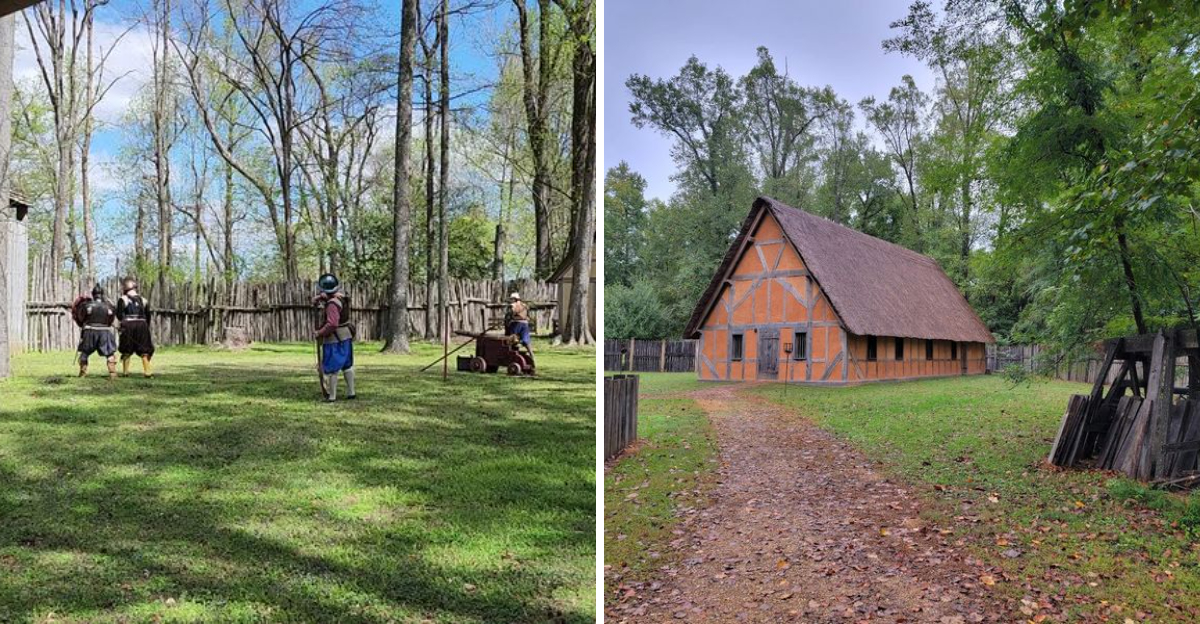
Most people blaze past Chester, Virginia on I-95 without a second glance, completely unaware that one of America’s most extraordinary living history experiences sits just off the highway. Long before Colonial Williamsburg became a household name, a scrappy English settlement called the Citie of Henricus was already shaping the story of this nation.
Founded in 1611, it was the second successful English foothold in the New World, and today its re-created version is absolutely free to explore. Virginia is full of surprises, but this one genuinely stops people in their tracks.
Pack your curiosity, because this place is about to rewrite everything you thought you knew about early American history.
The Astonishing Story Behind the Citie of Henricus
Picture this: it’s 1611, and a tough, no-nonsense English soldier named Sir Thomas Dale arrives in Virginia with a bold plan. He sails up the James River, picks a dramatic bend in the land, and declares that a proper city will rise right here.
That city became the Citie of Henricus, named in honor of Henry, Prince of Wales.
What makes this story so jaw-dropping is how quickly it happened. Within months, walls went up, buildings took shape, and a real community began to breathe.
Henricus was designed to become Virginia’s new capital, a place of ambition and order in a land that was anything but tame.
Tragically, a devastating attack in 1622 wiped the settlement off the map. For centuries, it existed only in dusty historical records.
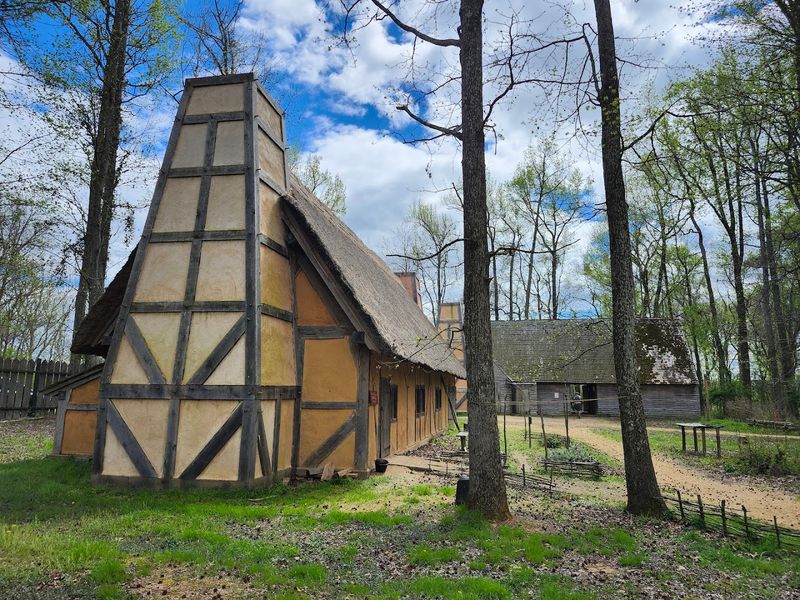
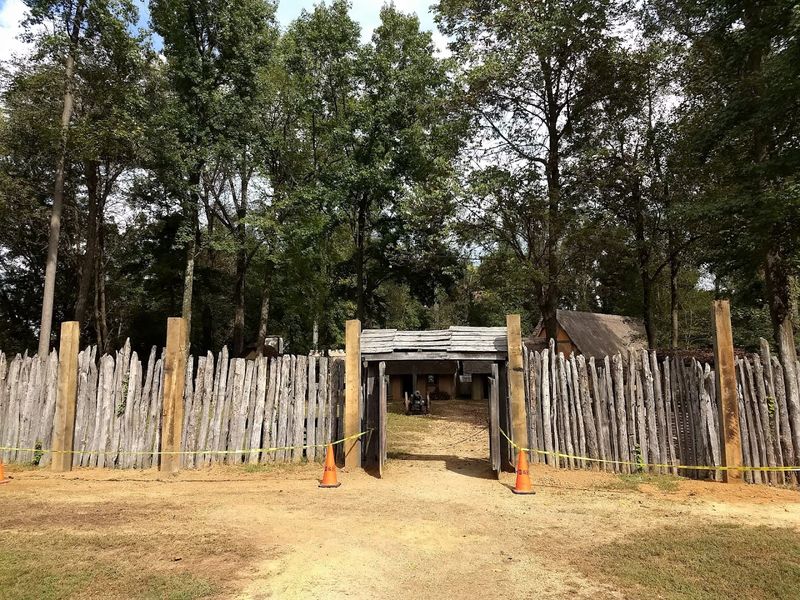
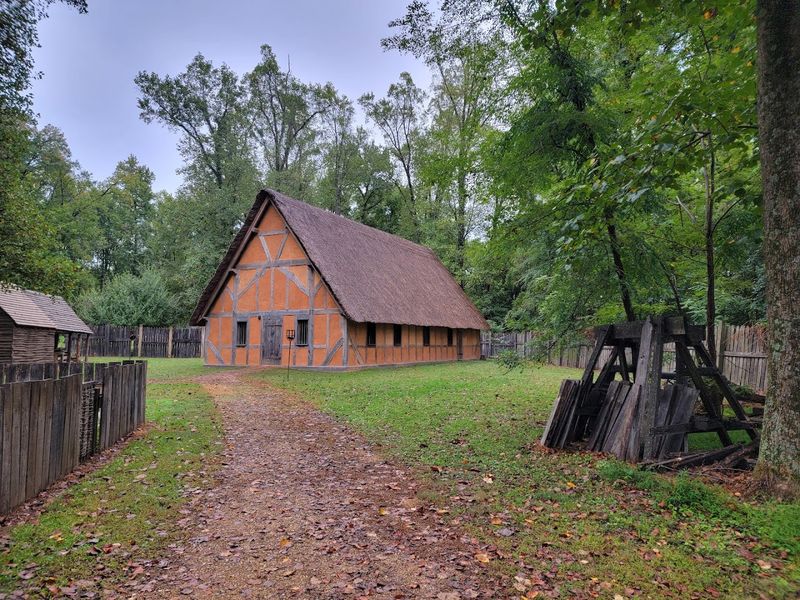
Today, the re-created park brings every nail, plank, and thatched roof back to life with stunning accuracy. Walking through it feels less like a museum visit and more like stepping through a time portal.
Virginia’s history has never felt this immediate or this real.
Fourteen Re-Created Colonial Structures Worth Every Step
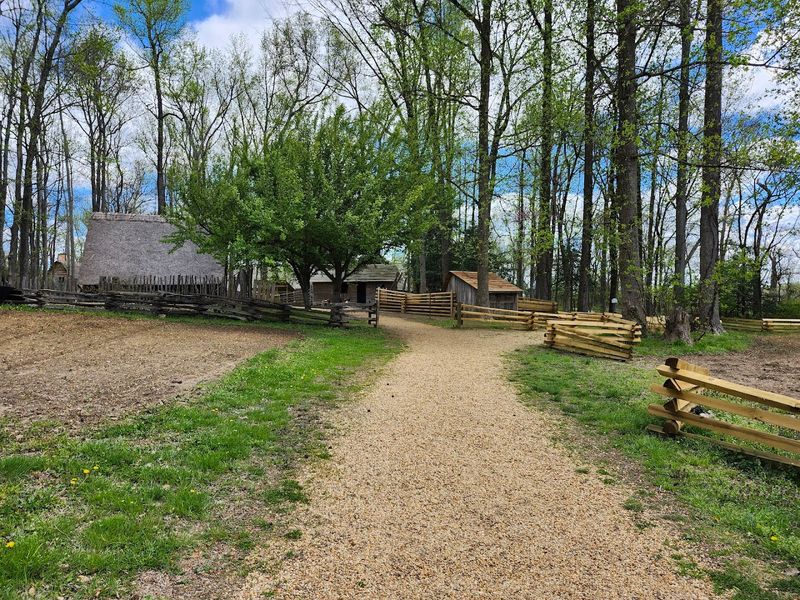
Fourteen structures. That number sounds modest until you actually start walking among them and realize each one tells a completely different chapter of colonial life.
The reconstructed church is a particular showstopper, simple in design yet radiating a quiet, powerful beauty that catches you completely off guard.
The parsonage and hospital are equally fascinating, offering a rare window into how early settlers handled faith, community, and the brutal realities of illness in the 1600s. Every building has been researched and constructed with serious historical precision.
Nothing here feels like a Hollywood set.
Henricus Historical Park spreads across the land in a way that rewards slow, unhurried exploration. Wander from the storehouse to the guardhouse, and you start piecing together how these early colonists organized their daily survival.
The structures are open to walk through, touch, and genuinely interact with. There are no velvet ropes keeping you at a polite distance.
Virginia does history hands-on here, and that approach makes all the difference between reading about the past and actually feeling it beneath your feet.
Costumed Interpreters Who Absolutely Steal the Show
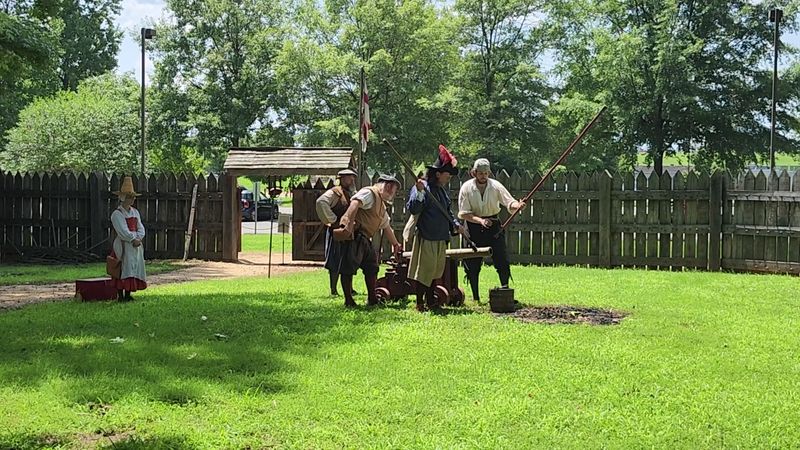
Forget reading information plaques in silence. At Henricus Historical Park, the history talks back to you, and it is remarkably good at conversation.
The costumed interpreters stationed throughout the grounds are not just actors reciting scripts. They are deeply knowledgeable enthusiasts who have spent serious time researching the period.
Ask about 17th-century medical practices and prepare to be both fascinated and mildly horrified. Bring up weapons, farming, church doctrine, or Native relations and watch the conversation expand in directions you never expected.
The passion these interpreters bring to their roles is genuinely infectious.
On quieter weekdays, you can find yourself in a one-on-one conversation that stretches for an hour without either party wanting to stop. The interpreters demonstrate traditional blacksmithing, cooking techniques, and craft skills that have survived centuries.
Virginia’s colonial past suddenly stops being a vague school memory and becomes a vivid, personal experience. More than one person has looked up mid-conversation to realize they completely lost track of time.
That is the highest possible compliment you can pay a living history experience.
The Pocahontas Connection That Changes Everything
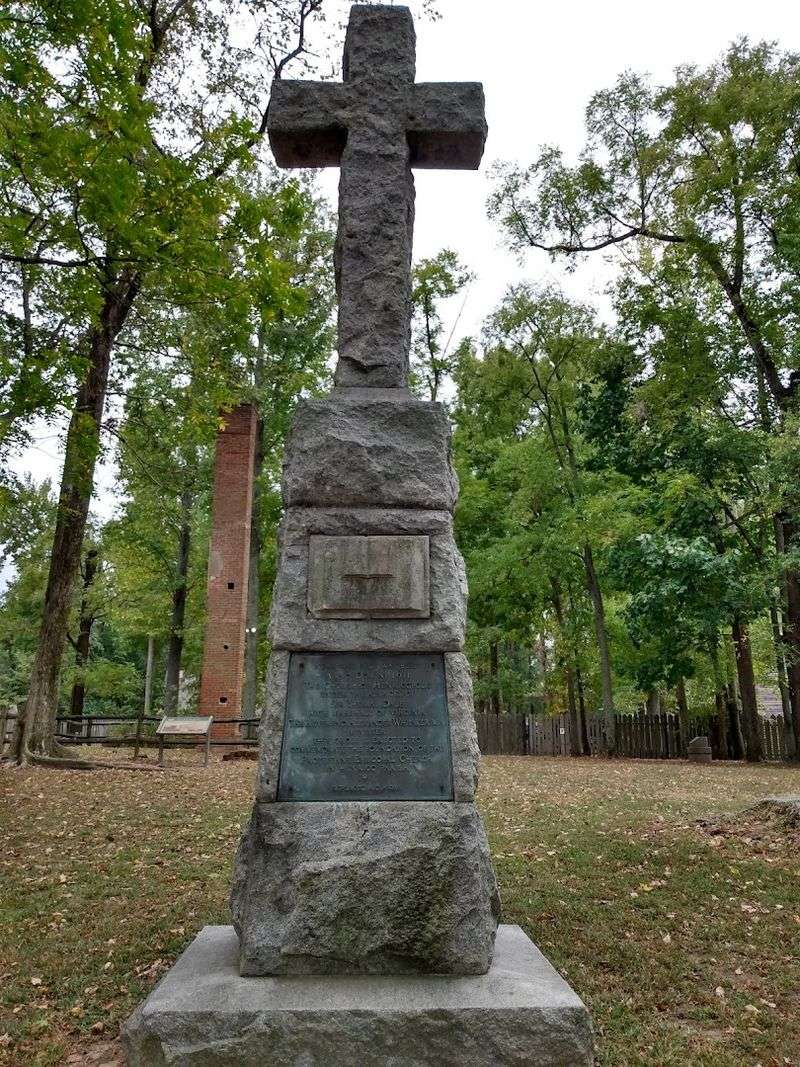
Most people know the Disney version of Pocahontas. Henricus Historical Park offers the real one, and it is far more complex and moving than anything animated.
The Citie of Henricus plays a pivotal role in the actual story of this legendary young woman.
Pocahontas was brought to Henricus after being captured during a period of intense conflict between English settlers and the Powhatan Confederacy. It was here, at this very settlement on the James River, that she was baptized and given the Christian name Rebecca.
Her time at Henricus ultimately led to her marriage to tobacco planter John Rolfe, a union that created a fragile but meaningful peace between two worlds.
Standing on the ground where these events actually unfolded is a genuinely humbling experience. The park interprets her story with care and historical honesty, resisting the urge to oversimplify or romanticize.
Virginia’s relationship with its Indigenous history is complicated, and Henricus Historical Park does not shy away from that complexity. It is one of the most thoughtful presentations of Pocahontas’s real life available anywhere in the country.
The Virginia Indian Site of Arrohateck Next Door
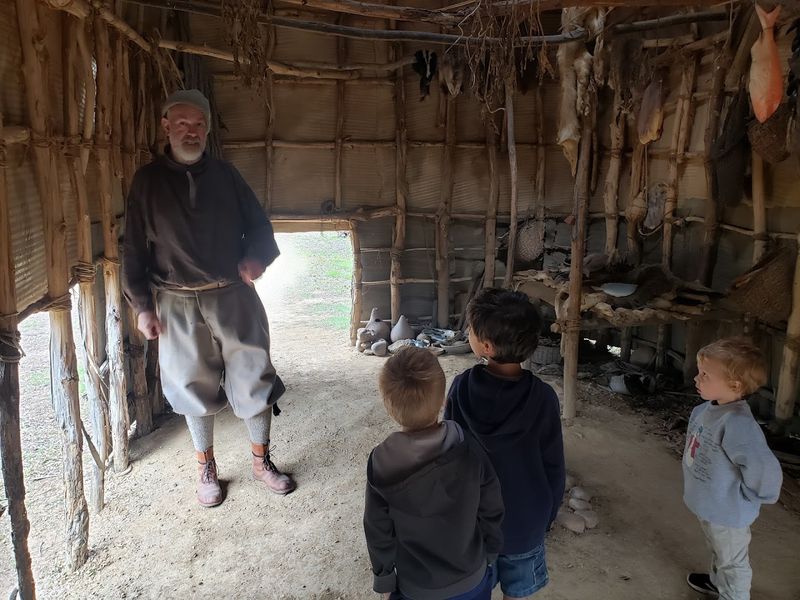
One of the most underappreciated parts of the Henricus experience is what lies just beyond the English colonial section. The park also features a re-created Virginia Indian site representing the Arrohateck people, one of the tribes within the broader Powhatan Confederacy that inhabited this land long before any European ship appeared on the horizon.
The contrast between the two sites is striking and intentional. Walking from the angular, palisaded English fort into the curved, organic structures of the Arrohateck village creates an immediate, visceral sense of two entirely different worldviews existing in the same landscape.
The materials, the layouts, the purposes of each structure tell you everything about how differently these cultures understood home, community, and survival.
Interpreters at the Arrohateck site explain traditional methods of hunting, boat-making, and fire-starting with the same enthusiasm found across the rest of the park. Virginia’s Indigenous history deserves this kind of thoughtful, grounded presentation, and Henricus delivers it without turning the experience into a caricature.
Spending time at both sites back to back gives you a richer, more balanced picture of what this land looked like four centuries ago.
Free Admission That Makes the Experience Even More Remarkable
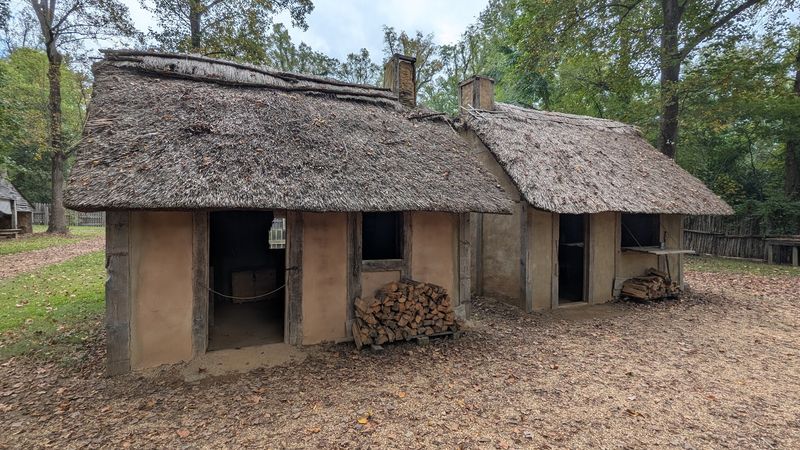
Here is the part that genuinely surprises almost everyone who hears about it. Admission to Henricus Historical Park is completely free, year-round, no strings attached.
For a living history experience of this depth and quality, that fact is almost hard to believe.
The park is open Thursday through Sunday, with the last entrance to the historic site at four in the afternoon. That schedule gives you a solid window to explore at a relaxed, unhurried pace.
Most people find that two to three hours covers the main highlights comfortably, though plenty of curious souls have happily stretched that to four hours without running out of things to discover.
Free parking is also available on-site, which removes yet another logistical headache from the equation. Picnic tables are scattered around the property, making it easy to pack lunch and turn the outing into a full day.
Virginia has no shortage of paid historical attractions, which makes the generosity of Henricus Historical Park feel all the more remarkable. The fact that a place this good costs nothing to enter is the kind of thing that makes you want to immediately call everyone you know.
Dutch Gap Conservation Area Surrounding the Park

The history inside Henricus Historical Park is extraordinary, but the landscape wrapped around it deserves its own standing ovation. The park sits within the Dutch Gap Conservation Area, an expansive natural space that carries its own remarkable historical weight from both the Revolutionary War and the Civil War eras.
Dutch Gap is also celebrated as a premier birding destination, drawing serious bird watchers from across the region throughout the year. The James River runs alongside the conservation area, and the combination of wetlands, forested trails, and river views creates a backdrop that feels almost cinematic.
Hiking trails wind through the property, offering peaceful walks that extend the experience well beyond the colonial village itself.
Along the road leading to the park, a small pull-off lets you walk out onto a dock above a marsh, which is quietly magical on a calm morning. Virginia’s natural landscapes have a way of making history feel even more alive, and that is especially true here.
The contrast of ancient river, wild marsh, and re-created colonial settlement creates an atmosphere that no indoor museum could ever replicate. Nature and history make unexpectedly perfect companions in this corner of Chester.
Special Events and Seasonal Programs That Bring History to Life
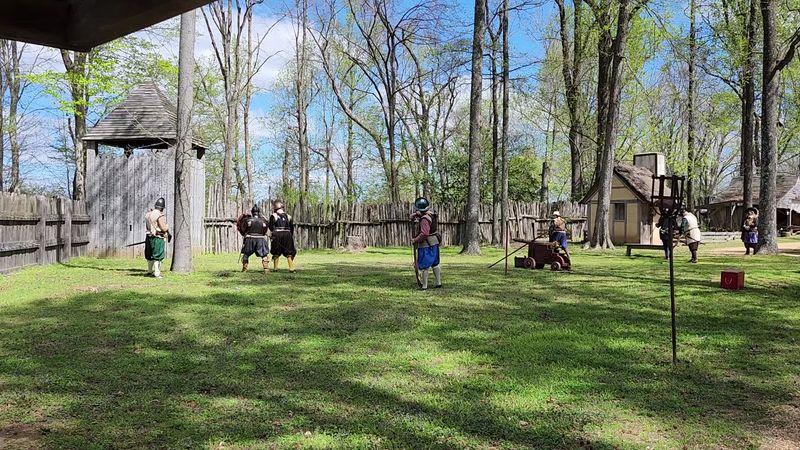
Beyond the regular Thursday-through-Sunday schedule, Henricus Historical Park pulls out all the stops with a calendar of special events that genuinely elevate the experience. Christmas Around the Centuries has become a beloved annual tradition, drawing families who return year after year to see costumed actors representing different historical periods and their unique holiday celebrations.
Military reenactments are another crowd favorite, with actors portraying soldiers and discussing the realities of conflict across different centuries. The level of detail and commitment these reenactors bring is remarkable, and the conversations they spark tend to linger in your mind long after you have driven home.
Educational programs run throughout the year for school groups, families, and curious adults who want something more structured than a self-guided wander. Field trips to Henricus Historical Park have a reputation for being genuinely transformative for kids, sparking interest in history that classroom textbooks alone rarely manage to ignite.
Virginia’s educational community has embraced the park as a living classroom, and the results speak for themselves. Checking the park’s website before your visit is always a smart move, since the event calendar tends to fill up with experiences worth planning your trip around.
A Self-Guided Adventure That Rewards Curiosity
One of the quietly brilliant aspects of Henricus Historical Park is its self-guided format. There is no tour bus to wait for, no rigid schedule to follow, and no group of strangers setting the pace for your experience.
You arrive, pick up information at the visitors center, and then explore entirely on your own terms.
That freedom creates a completely different quality of engagement. Linger as long as you like at the reconstructed church.
Double back to ask the blacksmith interpreter one more question. Spend twenty extra minutes watching the goats and hogs that roam the grounds alongside a very friendly resident cat.
The park is larger than most people expect, and the self-guided format means first-time visitors frequently discover they have only covered half the property before their scheduled departure time.
Informational signs along the walking paths add helpful context between interpreter stations, so the experience never loses momentum even in quieter corners of the grounds. Virginia’s best historical sites tend to trust their visitors to be genuinely curious, and Henricus Historical Park operates on exactly that philosophy.
Bring comfortable shoes, block out a generous chunk of your afternoon, and let the place unfold at whatever pace feels right.
How To Get There and What To Know Before You Go
Getting to Henricus Historical Park is straightforward once you know it exists, which is honestly half the battle. The park sits at 251 Henricus Park Rd, Chester, VA 23836, tucked into a surprisingly industrial stretch of road that gives way to beautiful natural surroundings the moment you arrive.
Navigation apps handle the route well from the Richmond area.
Plan your visit for a Thursday through Sunday, arriving well before the four o’clock last-entry cutoff. Warmer months make the outdoor experience especially enjoyable, since nearly everything at the park happens outside.
Layers are a smart call in cooler seasons, and comfortable walking shoes are non-negotiable regardless of the weather.
No food is sold on-site, so packing a lunch and taking advantage of the picnic tables is a genuinely good strategy for turning the visit into a full half-day outing. The park’s phone number is available at henricus.org if you want to confirm holiday closures before making the drive.
Virginia has gifted the region with one of its most underrated historical experiences right here in Chester, and the only real mistake you can make is waiting too long to go. Pack the car, grab some snacks, and point yourself toward the 17th century.
