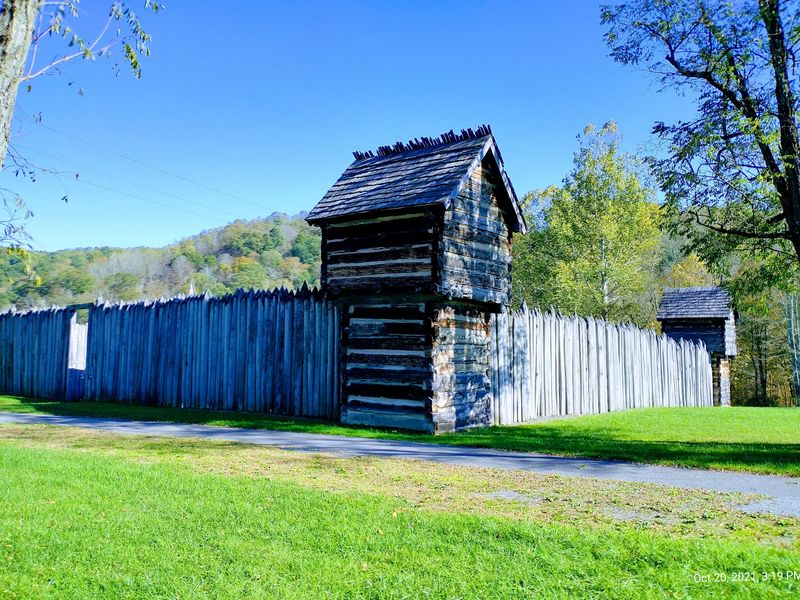
Some places sneak up on you. You expect a quiet stop and a few old buildings, then suddenly you are standing inside towering log walls, listening to a blacksmith hammer glowing iron just like folks did over 240 years ago.
Tucked along a river in West Virginia, this spot turns a simple afternoon into a real journey back to frontier days. If you love history, family outings, or just a beautiful walk, this one earns its place on your list.
Where the Creek Meets the River
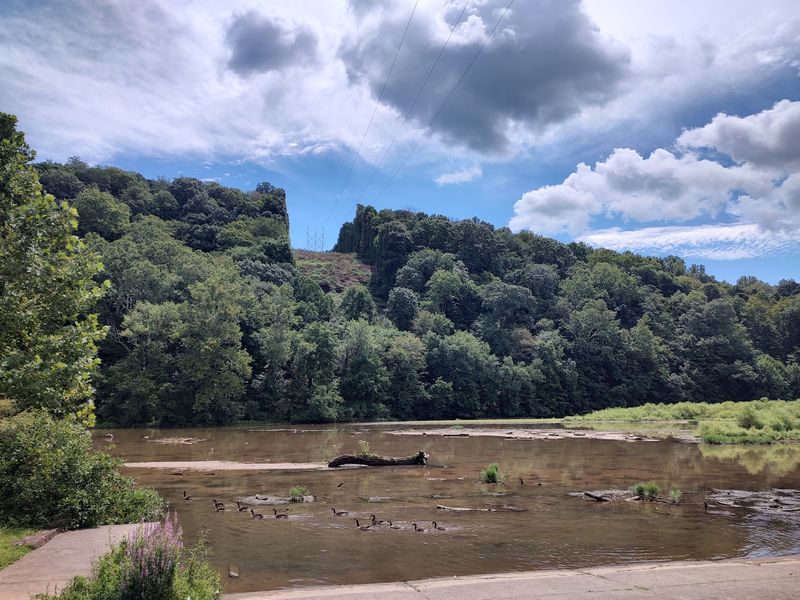
Right where Prickett’s Creek slips into the Monongahela River, near Fairmont in Marion County, sits a place that feels tucked away from the modern world. The setting alone is worth the trip, with water on one side and shaded woods all around.
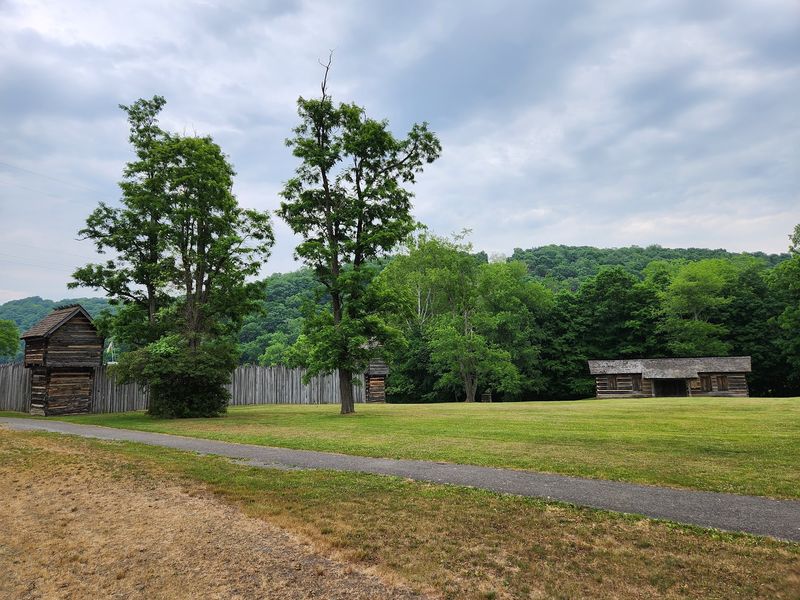
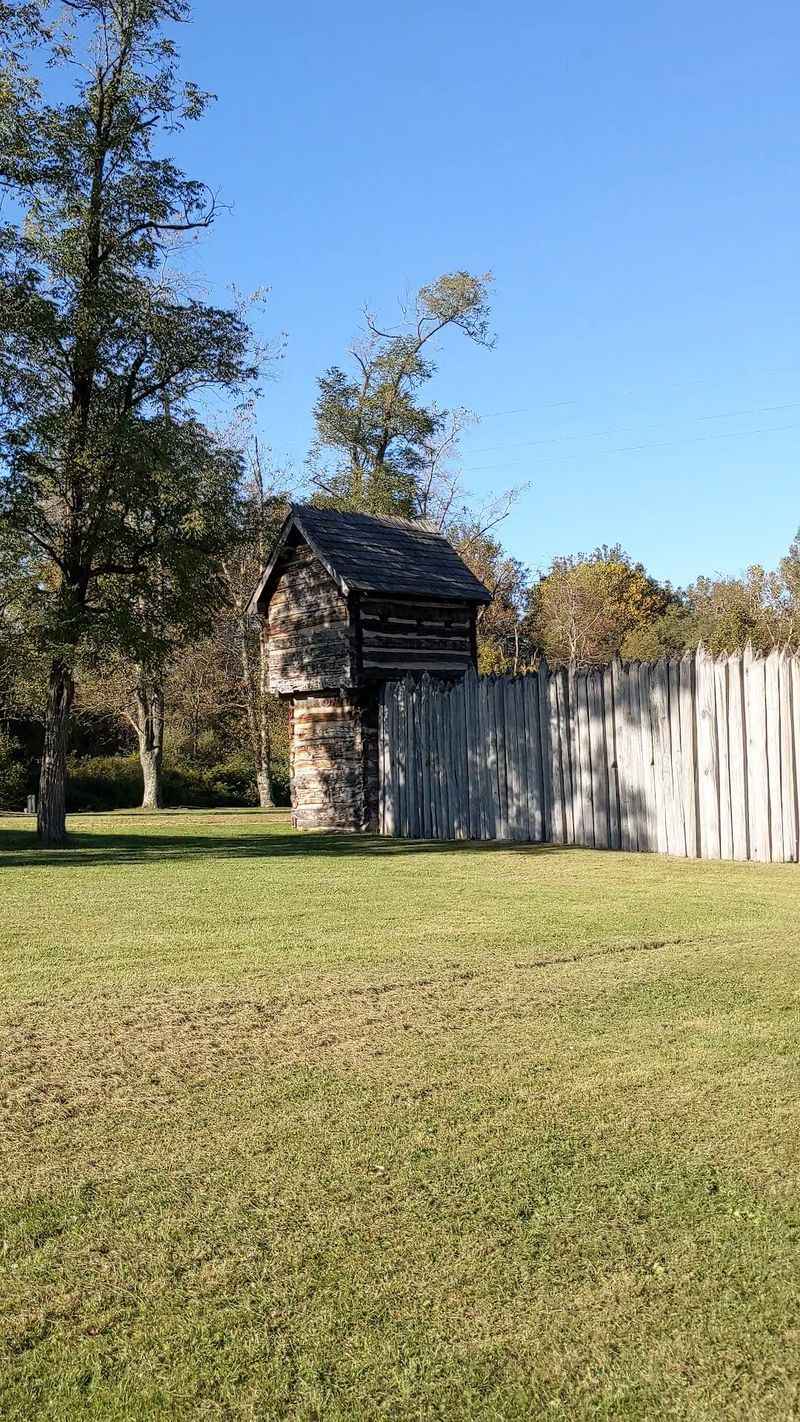
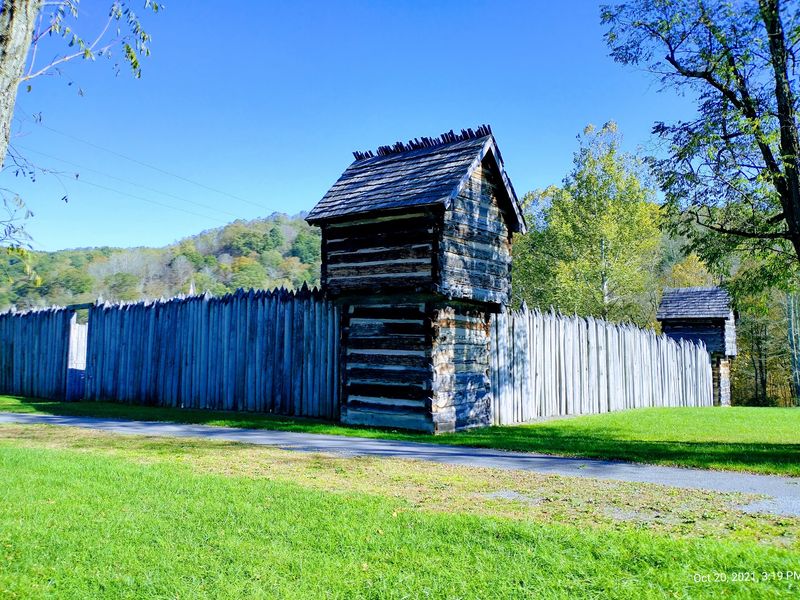
What you find here is not just a park bench and a plaque. It is a full re-creation of a 1774 frontier fort, complete with towering log walls and corner blockhouses.
Visitors often mention how peaceful the grounds feel, even with so much to see and do.
The location was no accident back in colonial days. Rivers were the highways of the frontier, and a fort near flowing water meant access to travel, trade, and survival.
Standing at the confluence today, it is easy to understand why early settlers chose this exact bend in the land.
Regulars describe the natural beauty as the surprise star of the visit. Between the river views, the mossy shade, and the sound of the creek, the scenery holds its own against the history packed inside those walls.
Eighty Families Behind the Log Walls
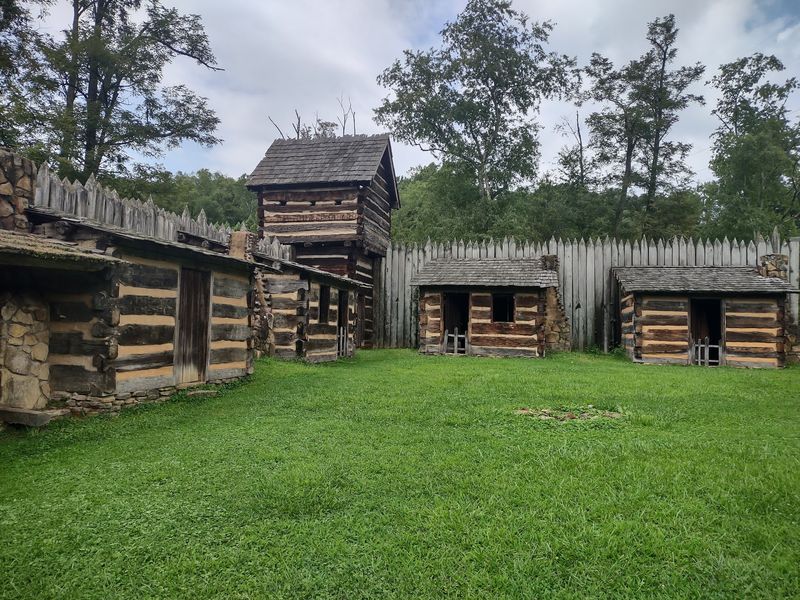
Picture up to 80 families crowded into a single log stockade, sometimes for weeks at a time. That was the reality here in the 1770s, when the fort became a safe harbor for pioneers fleeing danger on the western frontier of colonial Virginia.
Built during Lord Dunmore’s War, the fort later sheltered families during the American Revolutionary War. When trouble stirred, settlers left their scattered farms and gathered behind these walls, trading comfort for safety.
The cramped conditions must have tested everyone’s patience. Small cabins, shared spaces, and long uncertain waits meant these families leaned on one another to get through.
Walking the grounds today, that close-knit spirit still comes through in the stories the interpreters share.
The fort took its name from Captain Jacob Prickett, who donated the land it stood on. Once the Revolutionary War ended and the danger faded, settlers returned to their permanent farms and the original fort was taken down.
Visitors say learning about these everyday families, rather than soldiers, gives the place a warmth you do not expect from a frontier stockade.
Rebuilt for the Nation’s 200th Birthday
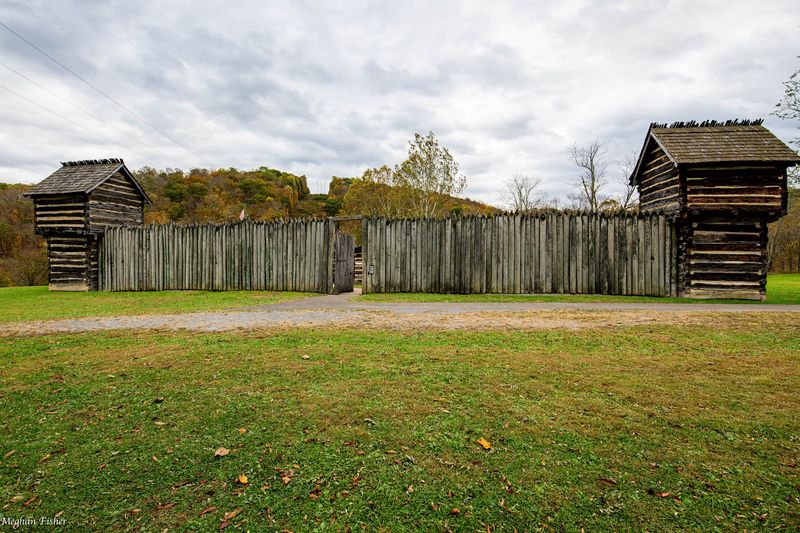
Timing can make a project feel meaningful. The fort you see today rose in 1976, right as the country celebrated its Bicentennial, and it stands close to the original archaeological site.
The reconstruction is impressive in its detail. Shaped as a square roughly 110 by 110 feet, it is enclosed by 12-foot-high log walls and anchored by a sturdy blockhouse at each corner.
Step inside and a common area opens up, ringed by 14 to 16 small cabins. Some of those cabins even feature authentic earthen floors, along with a meeting house and a storehouse rounding out the community.
A few visitors admit they wish the original structure had survived, feeling that nothing quite beats the real thing. Still, most agree the care poured into the rebuild makes it easy to imagine daily life on the frontier.
During a recent visit, guests noted the fort was being restored again using era-accurate hand tools. That kind of dedication to authenticity keeps the place feeling honest rather than staged, which is exactly what history lovers hope to find.
Costumed Interpreters Who Bring 1774 to Life
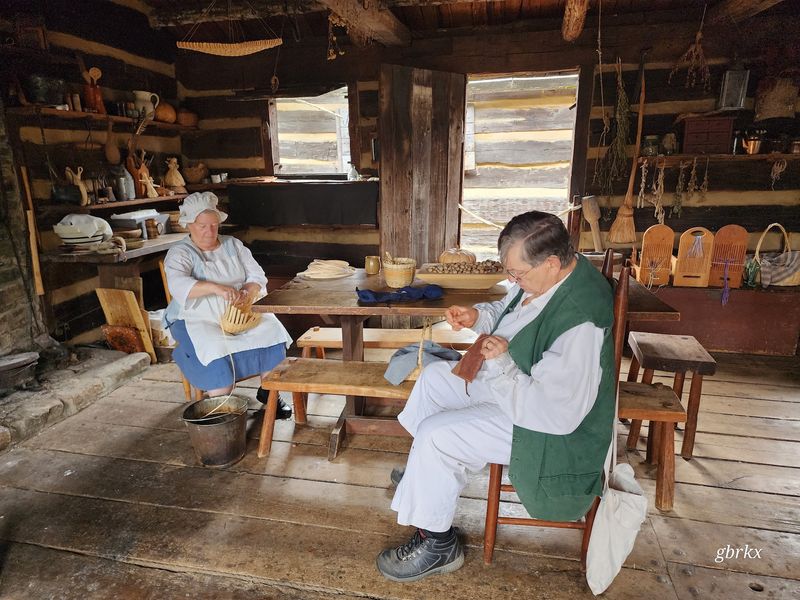
Forget dusty display cases behind glass. Here the past walks and talks, thanks to costumed interpreters who step straight into the late 18th century for you.
Guests rave about the staff more than almost anything else. Words like welcoming, patient, and deeply knowledgeable come up again and again, with many saying the interpreters truly bring the fort alive.
One family shared that their five children, ages 4 to 14, stayed engaged the whole time because the guides answered every question with genuine enthusiasm. Another mentioned that the spinning and weaving demonstrators never once got stumped, no matter how curious the kids got.
The interpreters share stories of frontier hardship, daily chores, and survival, painting a picture that feels personal rather than textbook. Some guides have become local favorites, remembered by name for their gift with visitors.
Not every story lands perfectly for every guest, and interpretations of difficult frontier history can spark thoughtful conversation. Even so, the overwhelming feeling people leave with is gratitude for staff who clearly love what they do and want you to love it too.
The Ring of the Blacksmith’s Hammer
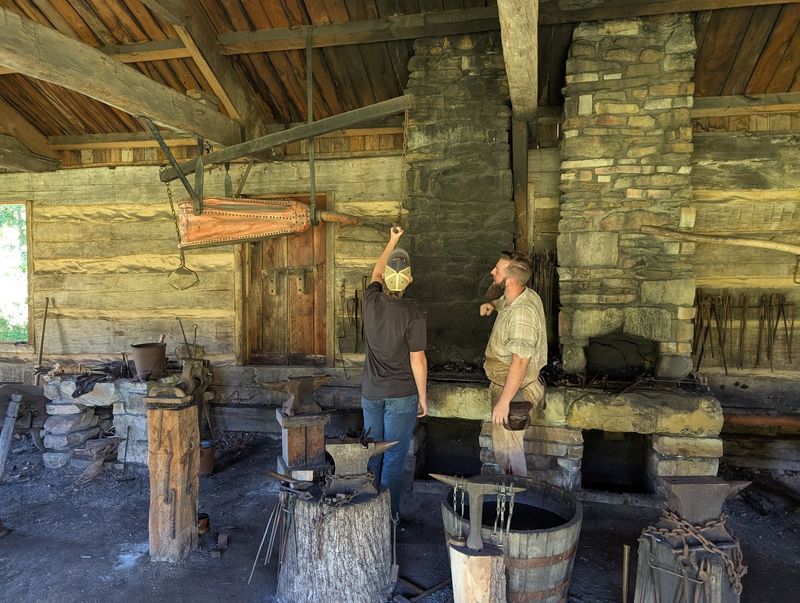
Few sounds pull you into the past faster than metal striking metal. At the on-site blacksmith shop, the rhythmic clang of hammer on anvil draws visitors in like a magnet.
The blacksmith is one of the most talked-about features here, and for good reason. Guests describe watching sparks fly as the smith shapes raw iron using techniques straight out of the frontier era.
One parent shared a standout memory: the blacksmith let their oldest child forge an S hook after learning the boy had dabbled in smithing at home but never worked with iron. Small moments like that turn a tour into a lifelong memory.
Beyond the forge, the fort showcases a whole range of colonial trades. You can watch spinning, weaving, and leatherworking, each one demonstrated by someone eager to explain the how and why.
The fort even holds a rare distinction, reportedly offering the only public demonstrations of 18th-century firearm manufacturing in the state. History buffs consider these craft demonstrations the beating heart of the experience, worth the ticket price on their own.
The Job Prickett House Next Door
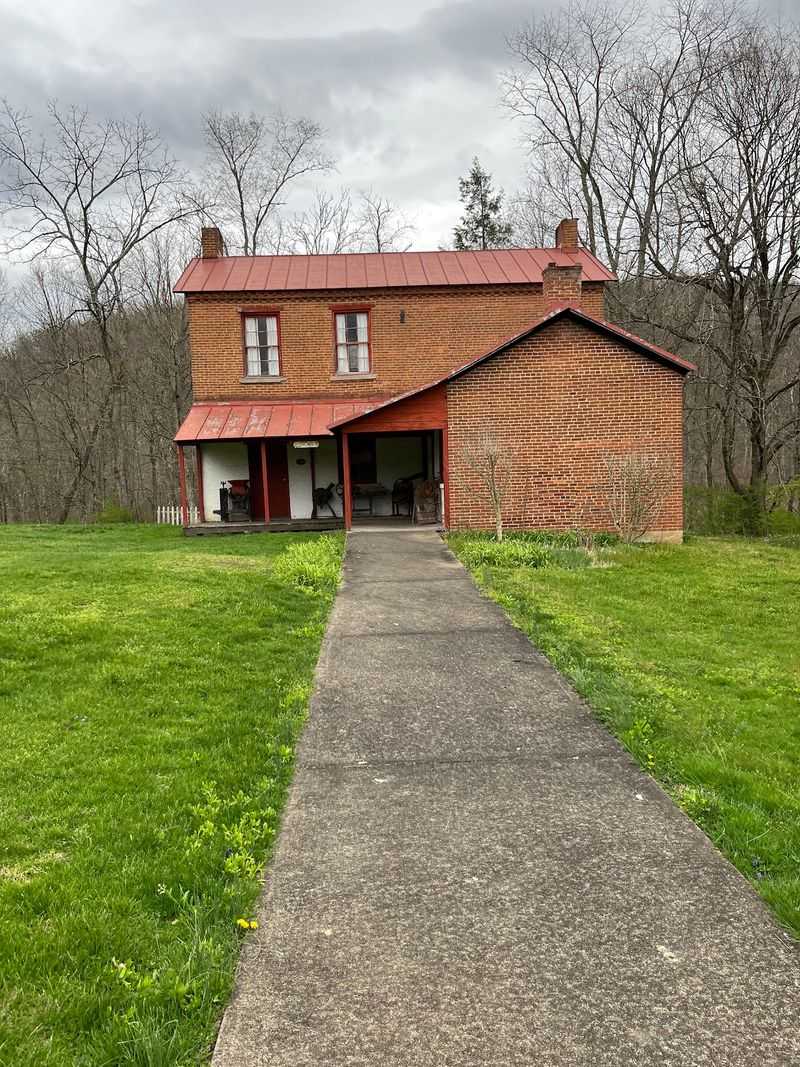
Just beyond the fort walls, a handsome brick home tells a very different chapter of the same family’s story. The Job Prickett House, built in 1859, offers a window into 19th-century life on the same land.
Its builder was the great-grandson of Captain Jacob Prickett, the man who donated the ground for the original fort. That family thread, stretching across generations, gives the house a quiet sense of continuity.
Listed on the National Register of Historic Places, the home rewards visitors who take the guided tour. One guest praised how logically and clearly the tour was laid out, saying it made the historical setting suddenly click into place.
Another family singled out the young guide who led their tour of the brick house, describing him as friendly and impressively well-informed. It is a gentler, more domestic stop after the rugged frontier feel of the fort.
Pairing the two together, the fort and the house, lets you trace the arc from raw survival to settled family farm life. Many visitors find the contrast one of the most rewarding parts of the whole park.
Walking the MCTrail and Its Lighted Tunnel
Not everyone comes strictly for the history, and that is part of the charm. Stretching from the park, the paved MCTrail offers a gentle 2.5-mile path perfect for walkers, families, and cyclists alike.
The trail earns steady praise from regulars. Many describe it as well maintained, level, and wide enough for groups to stroll side by side without crowding folks heading the other direction.
The real showstopper along the way is a refurbished, lighted tunnel stretching 1,200 feet. Passing through it feels like a small adventure tucked into an easy afternoon walk.
Because the path stays flat and smooth, it welcomes a wide range of ability levels. Visitors with mobility challenges have noted how easy the grounds and trail are to navigate, which makes it a comfortable outing for grandparents and little ones together.
Restrooms sit conveniently near the trail area, so you can settle in for a longer walk without worry. Between the sunshine, the shade, and that glowing tunnel, the rail trail quietly becomes many visitors’ favorite reason to return.
River Views, Kayaks, and Picnic Spots
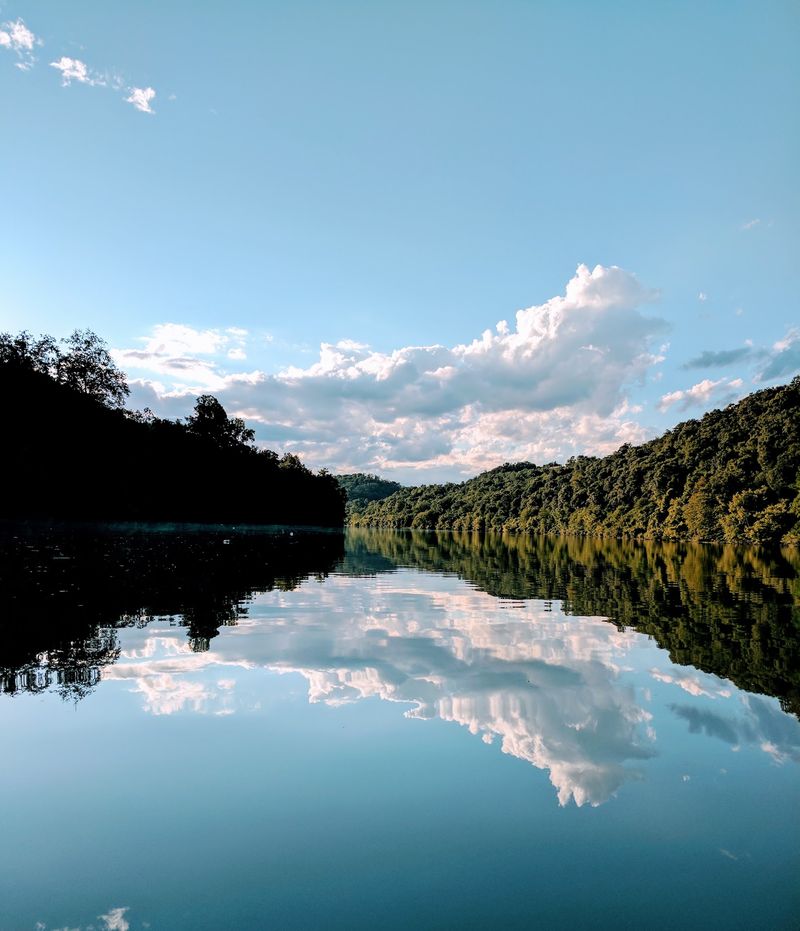
One visitor called a shaded riverside nook downright enchanting, strewn with limestone and moss beneath the trees. That kind of quiet corner is exactly what makes the outdoor side of this park shine.
The Monongahela River sets the backdrop for much of the fun. A boat ramp and launch areas make it easy to get out on the water, and kayak rentals are available for those who want to paddle.
Picnic areas dot the grounds, giving families plenty of spots to spread out a blanket and enjoy lunch by the water. Between the river, the wildlife, and the greenery, the setting feels restful in the best way.
Guests frequently point out how clean and well kept the facilities are. Restrooms sit near both the water and the visitor center, a small detail that regulars recommend checking off before you start exploring.
There is even a little pond with ducks that charm younger visitors, including one white-and-brown-spotted favorite nicknamed Cupcake. The park is also noted as reasonably dog friendly, so the whole family can come along.
The Frontier Cemetery and Quiet Corners
History lingers in the quiet spaces too, and one of the most reflective stops here is the old frontier cemetery. It draws curious visitors who want to connect with the people who lived and worked this land generations ago.
Among the markers, some guests seek out the grave marker of John Champe, a figure from Revolutionary War history. One visitor mentioned spotting several bonus Revolutionary War soldiers’ stones while exploring the area.
These resting places add a solemn, thoughtful layer to a visit otherwise filled with demonstrations and river breezes. Wandering among the weathered stones invites a slower pace and a moment of reflection.
The cemetery is a favorite topic among visitors who love digging into local heritage. It reminds you that behind every reconstructed cabin were real families with real names and stories.
Set among trees and open grass, the area feels peaceful rather than gloomy. For anyone drawn to genealogy, colonial history, or simply the sense of standing where early settlers once stood, this quiet corner rounds out the park’s deeper story in a meaningful way.
The Museum, Gift Shop, and Sandwich Stop
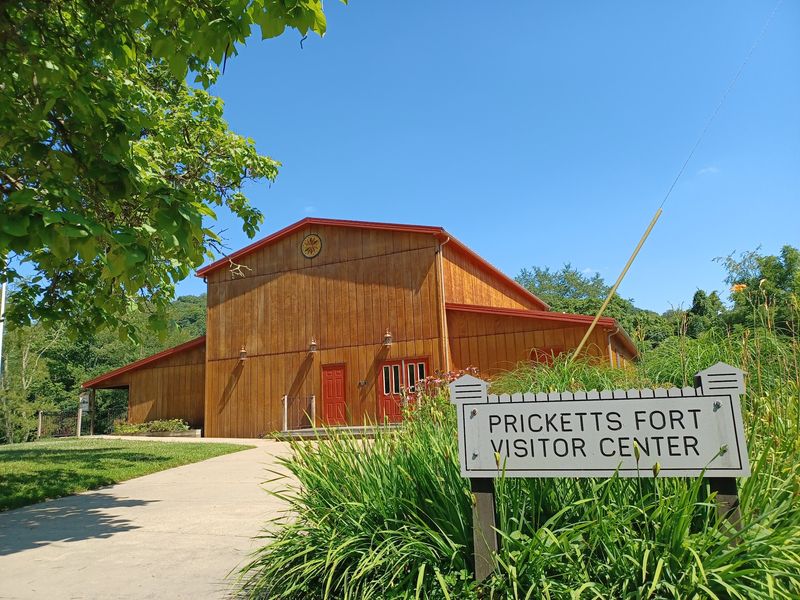
Before or after touring the fort, the visitor center holds a few pleasant surprises. A small upstairs museum features exhibits and a roughly 20-minute presentation that guests consistently call informative and worthwhile.
Even folks who arrive during the offseason, when the fort itself may be closed, still praise the museum as a highlight. It offers a solid dose of frontier history no matter the weather or season.
The gift shop is another stop worth browsing, stocked with keepsakes to remember the day. One longtime visitor shared fond childhood memories of picking out frontier-themed souvenirs on a field trip decades ago.
When hunger strikes, a little sandwich shop and cafe rounds out the experience nicely. Guests describe grabbing a delicious lunch on site, an easy convenience that keeps you from cutting the day short.
Keep in mind the upstairs museum involves stairs and reportedly does not have an elevator, so plan accordingly. Between the exhibits, the shopping, and a bite to eat, the visitor center makes it simple to turn a quick stop into a full, satisfying outing.
Planning Your Visit to the Fort
Ready to step back into the 1770s? The park sits just north of Fairmont at 88 State Park Rd, Fairmont, WV 26554, an easy drive for anyone traveling through north central West Virginia.
Hours run from 10 AM to 4 PM Monday through Saturday, with a later start of 12 PM on Sundays. A ticket is required to enter the fort and blacksmith shop, though many visitors note you can enjoy the trails, grounds, and river areas without one.
To reach a live person about seasonal events or current fort status, you can call the park at 304-363-3030. Checking ahead is smart, since parts of the fort occasionally close for restoration work.
Regulars offer a simple tip: arrive early on a weekday and you may nearly have the place to yourself, with plenty of time to chat with the interpreters.
Between affordable family fun, welcoming staff, and a genuine slice of frontier heritage, this is the kind of West Virginia treasure that stays with you. If you love history, nature, or good old-fashioned quality time, it belongs on your list.
