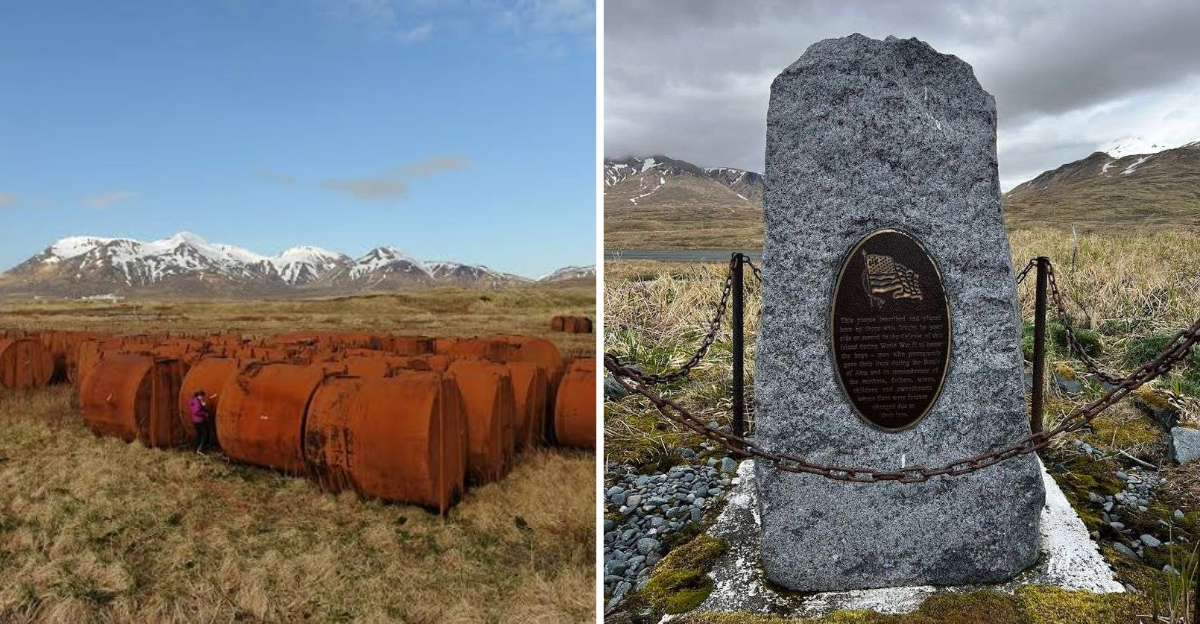
There is an island at the far western edge of Alaska where nature and history exist side by side in a way that feels almost impossible to comprehend. Windswept tundra stretches across volcanic hills, seabirds circle overhead by the thousands, and rusting military relics quietly blend into the landscape as though they have always belonged there.
The first time I learned that one of the most important World War II battlefields on American soil had been left almost exactly as it was, I could hardly believe it. Time has not erased this place.
Instead, it has turned it into a rare window into the past, where abandoned airfields, wartime remains, and untouched wilderness come together in one of the most extraordinary corners of the United States.
The Battle of Attu: America’s Forgotten Fight on Home Soil
Few people realize that the only land battle of World War II fought on American soil happened right here, on a fog-wrapped island most maps barely show. The Battle of Attu, codenamed Operation Landcrab, lasted from May 11 to May 30, 1943.
U.S. forces numbering between 11,000 and 15,000 soldiers faced roughly 2,500 Japanese defenders dug into the island’s unforgiving mountain terrain.
The conditions were brutal. Arctic cold, thick fog, and waterlogged tundra caused more casualties than enemy fire at times.
Over 2,000 American soldiers suffered cold-related injuries, and 549 were killed in action. The Japanese defenders, nearly all of whom perished, fought with remarkable tenacity until a final desperate banzai charge ended the battle.
In terms of casualty rate proportionate to troops engaged, it ranked second only to Iwo Jima in the Pacific Theater. The scale of sacrifice packed into those 19 days is staggering.
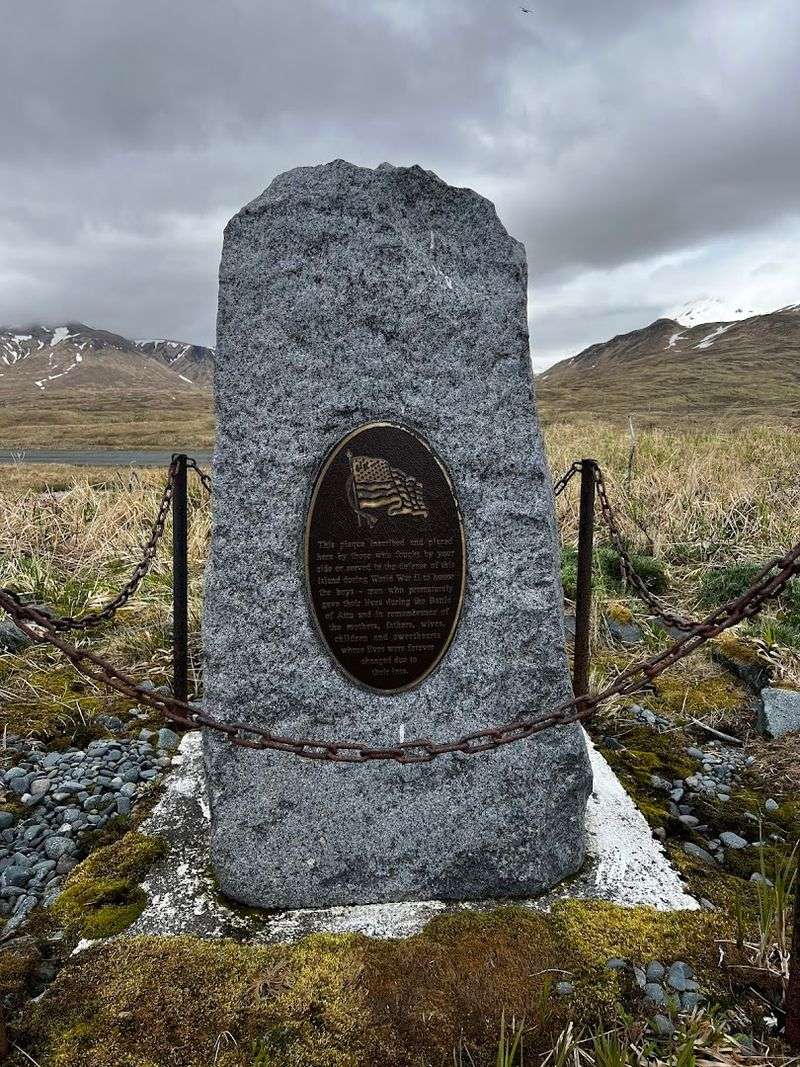
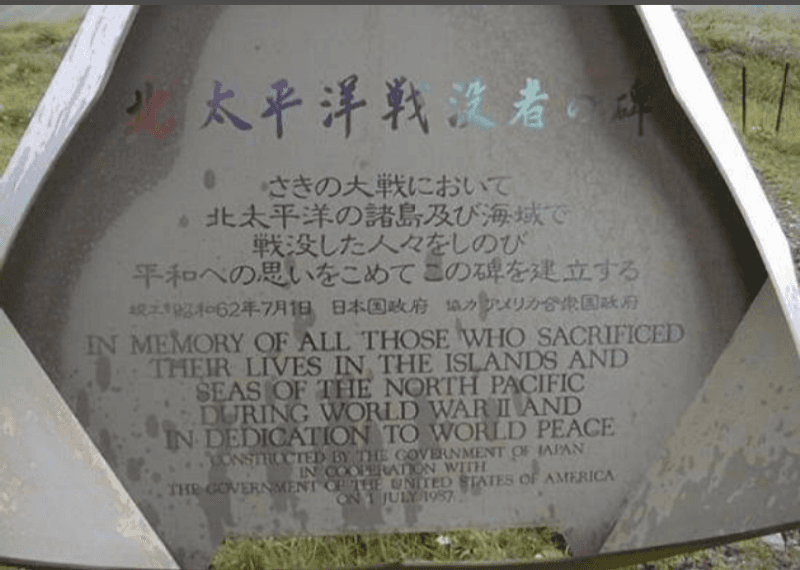
A Peace Memorial erected by the Japanese government in 1987 now stands quietly on the island, a respectful acknowledgment of lives lost on both sides of that terrible fight.
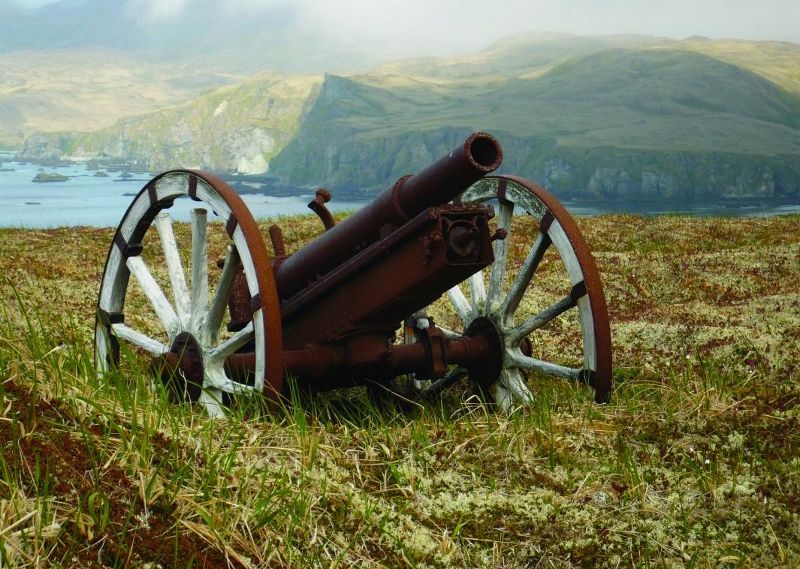
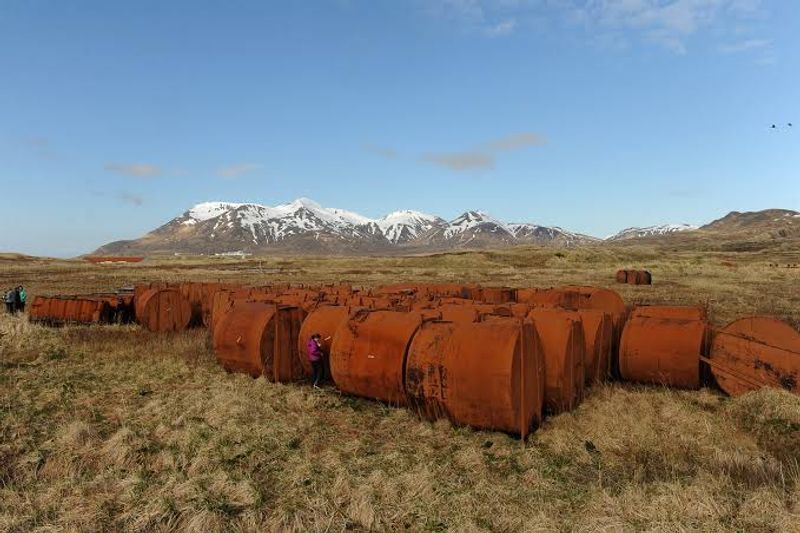
Today, Attu is largely uninhabited, and the rusting remains of wartime equipment still scatter the landscape, a haunting reminder that even the most forgotten battlefields still hold the weight of those who fought and died there.
Japanese Occupation and the Unangax People
Before any soldier set foot on Attu, the Unangax (Aleut) people had called this island home for roughly 4,000 years. They built their lives from the sea and land, developing a culture deeply tied to the rhythms of this remote place.
Then, on June 7, 1942, Japanese forces invaded and captured the entire indigenous population.
The Unangax residents were taken to Japan as prisoners of war, marking the first time since the War of 1812 that a foreign power occupied U.S. soil in North America. Their experience was one of hardship and profound loss.
When the war finally ended, the surviving Unangax were not permitted to return to Attu, effectively ending thousands of years of continuous habitation.
That history adds a layer of quiet grief to the island’s landscape. Archaeological sites across the tundra hint at the richness of a civilization that thrived here long before modern maps drew political borders.
Knowing that heritage makes every step across Attu feel weighted with meaning. The island remembers its people even when the wider world has largely forgotten them, and that remembrance deserves acknowledgment.
Battlefield Relics Hidden Beneath the Tundra
There is something genuinely surreal about coming across a rusted artillery shell half-buried in tundra moss, with seabirds calling overhead and wildflowers blooming nearby. Attu has never been cleaned up in the conventional sense.
Ammunition, trenches, foxholes, and fragments of military hardware remain scattered across the island exactly where they were left in 1943.
The terrain itself acted as a weapon during the battle. Japanese forces used the steep ridges and dense fog to create defensive positions that cost U.S. troops dearly.
You can still trace those ridge lines today and understand, in a very physical way, why this fight was so costly. The landscape has not changed much, and that unchanged quality is what makes it feel like an open-air museum.
Many remains of fallen Japanese soldiers are still unrecovered on the island. Severe weather and the island’s restricted status limit recovery efforts to a narrow summer window each year.
That ongoing reality gives the place a solemn, unresolved feeling that no amount of time seems to fully settle. History here is not behind glass; it is literally underfoot, preserved by cold ground and isolation.
Birdwatcher’s Paradise at the Edge of the World
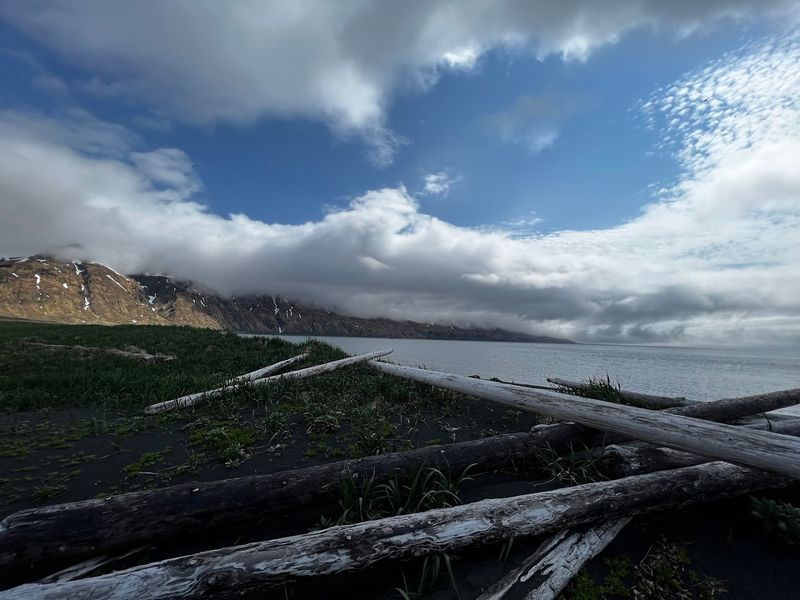
Attu Island hosts more seabird species than anywhere else in North America, which is an extraordinary claim for a place with no permanent human population. The Alaska Maritime National Wildlife Refuge protects this ecosystem, and the results are spectacular.
Whiskered auklets, Aleutian cackling geese, red-legged kittiwakes, and dozens of other species nest here in numbers that feel almost impossible.
For serious birders, Attu has legendary status. The island sits along migration routes between Asia and North America, which means rare Asian vagrants occasionally appear here, species almost never seen anywhere else on the continent.
That unpredictability makes every visit feel like a genuine adventure with no guaranteed outcome.
The sheer density of birdlife is one of those things you have to experience to truly absorb. Cliffs covered in nesting seabirds create a wall of sound and movement that is both overwhelming and deeply thrilling.
Even someone who has never picked up a pair of binoculars in their life would find it hard not to stop and stare. Nature here operates at full volume, completely indifferent to the human history that played out on the same ground decades ago.
The Raw, Treeless Landscape of Volcanic Tundra
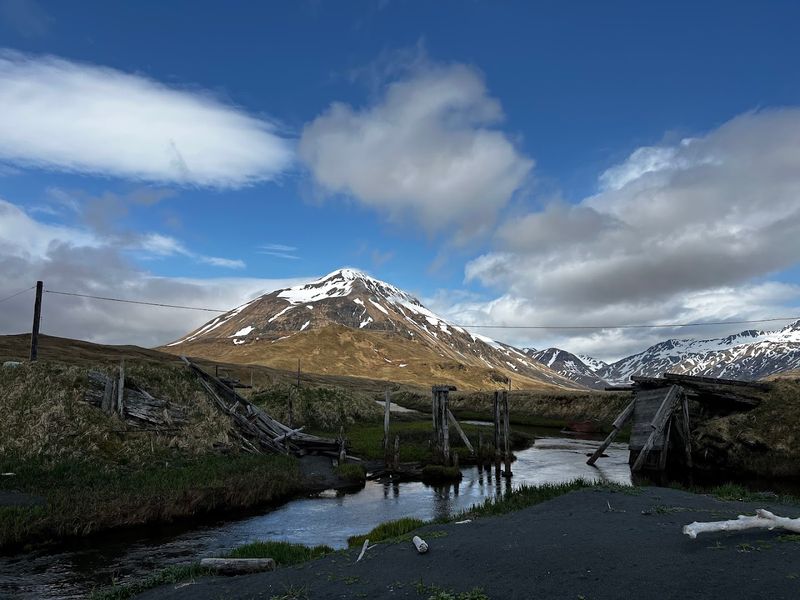
Attu has no trees. Not a single one.
The combination of nutrient-poor volcanic soil, relentless wind, and limited sunlight means the island exists in a permanently open state, all sky and tundra and mountain. That openness creates a visual drama that forests simply cannot match.
The terrain rolls and rises across volcanic ridges that drop sharply toward rocky coastlines. In summer, snowmelt feeds hundreds of small waterfalls that streak down the hillsides, and patches of wildflowers manage to bloom in sheltered spots despite the cold.
The island has a strange, prehistoric quality, like the world before it got complicated.
Weather here is famously unpredictable. Sunny days are rare.
Fog, rain, and horizontal sleet can arrive within minutes, and gale-force winds are a regular occurrence. One person who lived nearby on Shemya Island once described experiencing gale-force winds and pea soup fog simultaneously, which apparently is just a Tuesday in the western Aleutians.
That kind of weather shapes everything about Attu, from its plant life to its history, and it gives the island a personality that is genuinely unlike anywhere else on earth.
Marine Life and the Waters Surrounding Attu
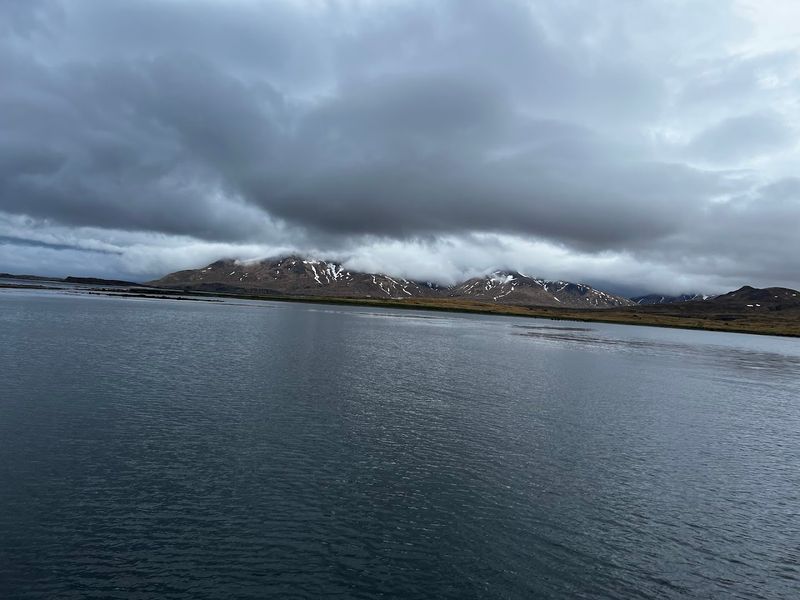
The ocean around Attu is cold, nutrient-rich, and teeming with life. Steller’s sea lions, listed as endangered, haul out on rocky outcrops along the coastline and are a regular sight for anyone approaching by boat.
The surrounding waters also support populations of sea otters, harbor seals, and various whale species that pass through on seasonal migrations.
Fishing around Attu has historically been exceptional. Early accounts from soldiers stationed here after the 1943 battle described streams so full of trout they seemed impossibly thick.
The marine ecosystem that supports those fish populations remains largely intact today, protected partly by the island’s inaccessibility and partly by its wildlife refuge status.
Kelp forests anchor the nearshore environment, providing habitat for fish, invertebrates, and the marine mammals that feed on them. The whole system functions with a completeness that is increasingly rare in the modern world.
Getting close to it requires effort and real logistical planning, but that barrier is also what keeps it healthy. The ocean around Attu does not care about human schedules, and that indifference is, honestly, refreshing in the best possible way.
Visiting Attu Today: The Aleutian Islands WWII National Monument
Attu Island has been uninhabited since 2010, making it the largest uninhabited island that is still politically part of the United States. Getting there requires serious planning.
Access is typically arranged through the U.S. Fish and Wildlife Service, and visits are often conducted via research vessels like the USFWS vessel Tiglax, which operates out of Adak.
The island is part of the Aleutian Islands WWII National Monument, which recognizes the sacrifices made during the Aleutian Campaign. That designation helps preserve both the natural environment and the battlefield sites that make Attu historically significant.
The Japanese Peace Memorial, erected in 1987, stands as a quiet focal point for reflection on the island’s wartime past.
People who have made the journey consistently describe it as one of the most affecting experiences of their lives. The combination of wild beauty, deep historical weight, and total isolation creates something that is genuinely hard to put into words.
There are no hotels, no trails, no visitor centers. Just the island, the birds, the wind, and the evidence of everything that happened here.
For those willing to do the work to get there, Attu offers a kind of encounter with history and nature that almost nowhere else can match.
Address: Alaska
