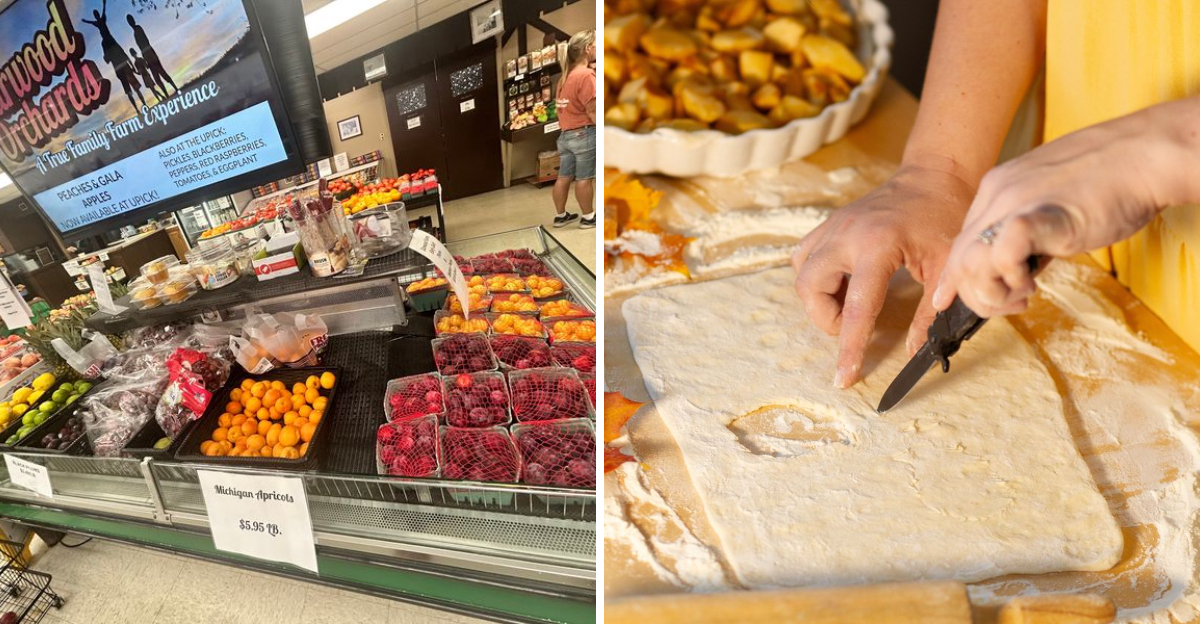
The pie was still warm when the pumpkin started rolling across the back seat. That pretty much summed up the afternoon.
One farm stop had turned into apples, berries, a pumpkin that refused to stay put, and a paper bag full of fried pies that was making the entire car smell like trouble. The farm has been in the same Indiana family since 1831, and the appeal still feels wonderfully uncomplicated.
There are orchard rows, wagons, fields, and a bake shop where scratch-made pastries keep coming out throughout the day. The carnival attractions never arrived.
Nobody seems to miss them. The whole place works because there is something satisfying about picking fruit with your own hands and then sitting down with a warm pie before heading home.
Six Generations Working The Same Indiana Soil
Farms that last two centuries are rare, and this one has receipts. John Garwood, a carpenter by trade, settled in LaPorte County back in 1831 and turned to farming, even building a schoolhouse for local children along the way.
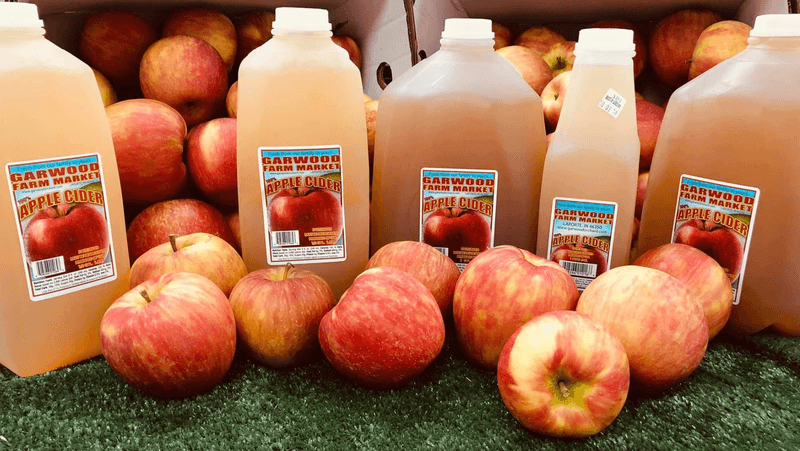
His great-grandson, Carl A. Garwood, opened the farm market in the 1940s, selling apples and cider out of a modest garage.
That small setup grew into the operation visitors see today, with brothers Brian and Mike plus cousin Tom now handling the daily work.
Six generations later, the land still produces. More than 300 acres are planted with fruits and vegetables, and the family stays hands-on in a way that is hard to fake.
Odds are decent that whoever rings up a bag of apples shares a last name with the sign out front. Someone in the family is usually driving a tractor, restocking bins, or answering questions about which apple variety bakes best.
History here is not roped off behind glass. It shows up in the layout of the orchard rows, the way the market is arranged, and the practical knowledge passed down about frost dates and pruning.
For anyone curious about how American family farming actually survives, a walk around this property answers the question better than any museum exhibit could. Longevity like this deserves a slow, unhurried look.
Fried Pies Worth The Drive Down A County Road
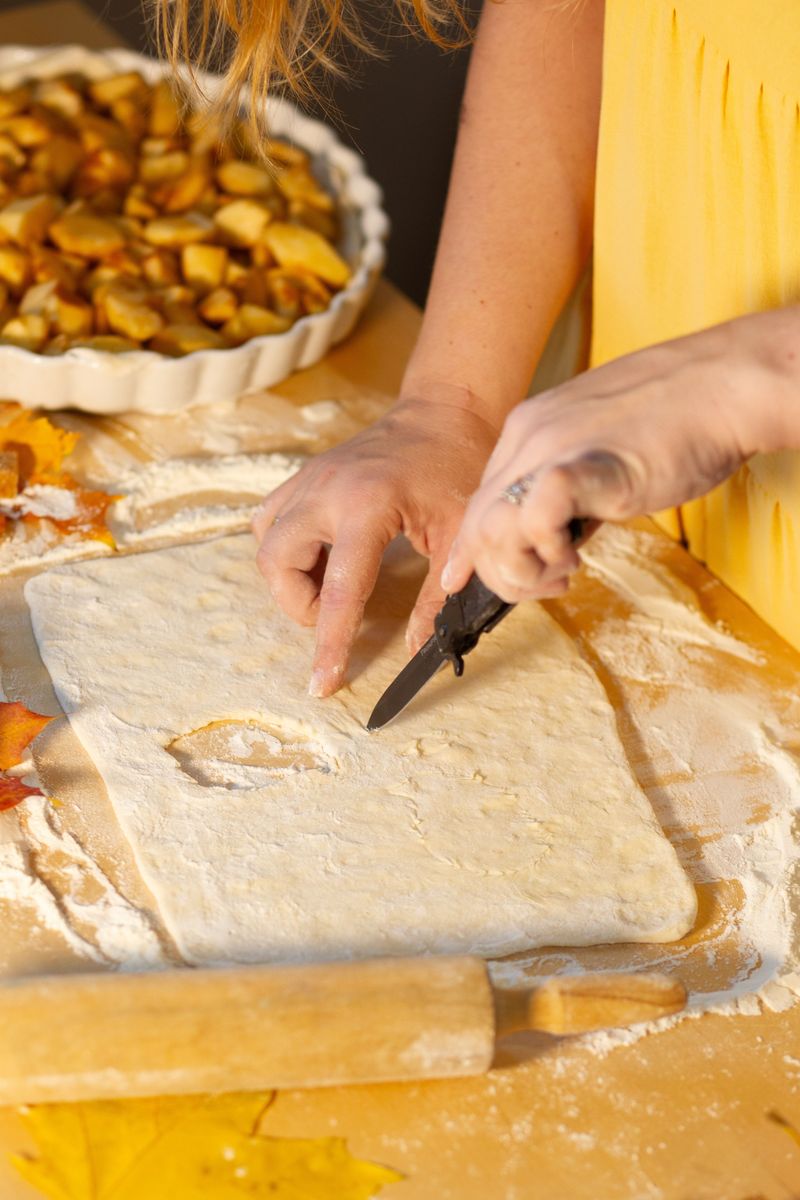
The bake shoppe is where the line forms, and nobody in it seems annoyed about waiting. Everything is made on site, which means the aroma drifting through the market is not piped in or artificial.
It is just ovens doing their job.
Pies carry the reputation. Apple and pumpkin dominate the fall lineup, while blueberry, cherry, peach, and mixed berry rotate through the warmer months depending on what the fields are giving up that week.
Alongside the pies sit cinnamon donuts, muffins, cookies, and turnovers. The donuts tend to disappear early, so morning arrivals have the advantage.
Traditional methods and fresh fruit do most of the work here. There is no elaborate decoration, no fussy plating, just crust that shatters properly and filling that tastes like the orchard outside.
Plenty of visitors come intending to buy one slice and leave carrying a whole pie plus a bag of donuts for the ride home. That happens more often than not.
A practical tip: bring a cooler or at least plan the bakery stop for the end of the visit, since warm pastry and a hot car do not mix well. Weekend afternoons in autumn see the heaviest traffic, so an early arrival keeps things relaxed and the shelves fuller.
U-Pick Season Runs Long And Changes Every Few Weeks
Strawberries kick things off in early June, and from that point the picking calendar barely takes a breath. Blueberries follow, then raspberries and blackberries, each with its own short window.
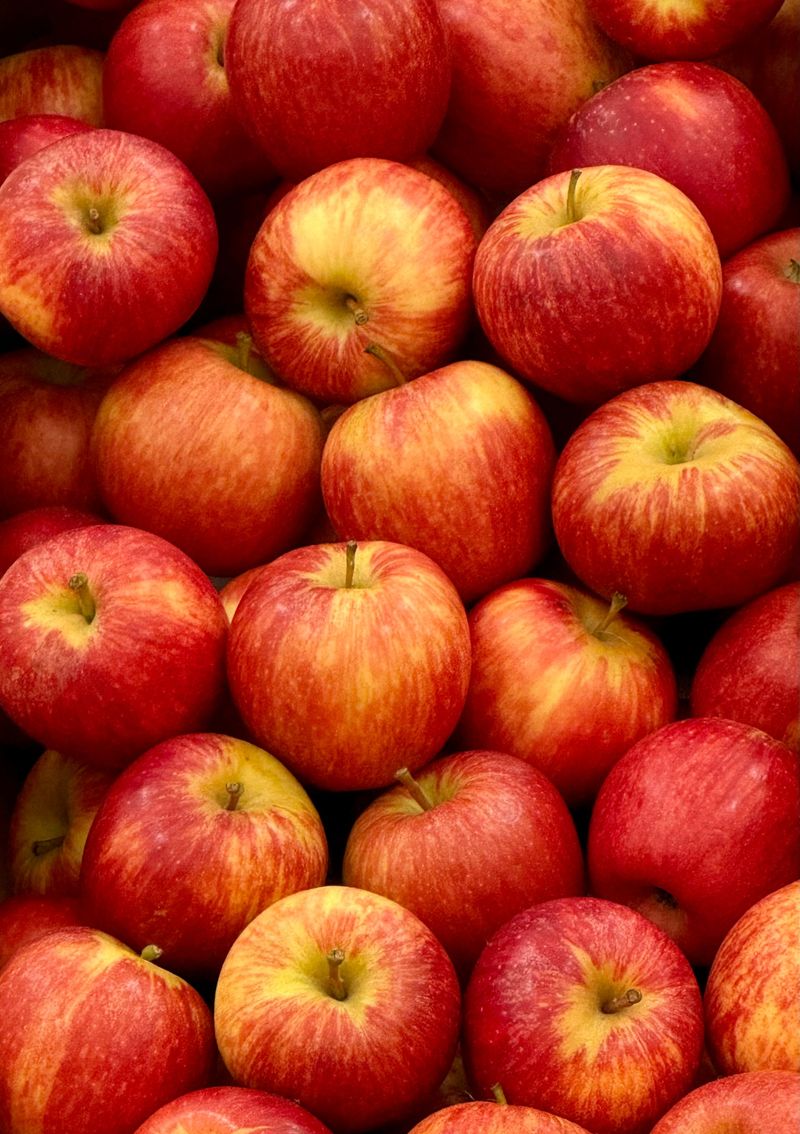
By late summer the attention shifts to the apple orchards, where more than twenty varieties ripen in waves. Walking the rows and choosing fruit straight off the branch beats any grocery display.
Vegetables get equal billing, which surprises first-timers. Tomatoes, peppers, green beans, eggplant, and pumpkins are all available to harvest, turning a simple fruit run into a full produce haul.
Wagons carry pickers out to whichever fields are ready, so there is no guesswork about where to start. Staff point people in the right direction, and the ride itself is part of the fun.
Comfortable shoes matter more than most visitors expect. Orchard ground is uneven, sometimes damp, and berry rows can get muddy after rain.
Timing makes a real difference too. Calling ahead or checking what is ripe before driving out prevents disappointment, since a crop that peaked last weekend may be finished by the next.
Kids take to this quickly. Something about filling a container with fruit they picked themselves turns picky eaters into enthusiastic snackers, and the drive home usually involves a few sticky fingers.
A Farm Market Stocked Like A Country Pantry
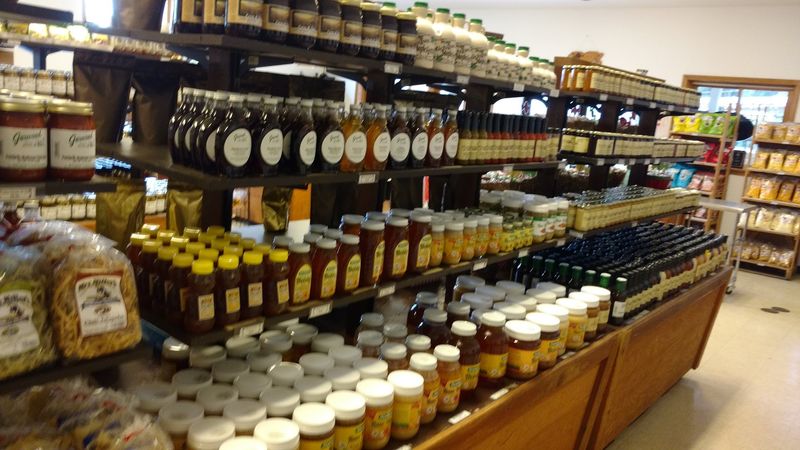
Even visitors who skip the fields end up lingering in the market. Doors stay open daily from May through November, and the shelves shift constantly as different crops come in from the surrounding acres.
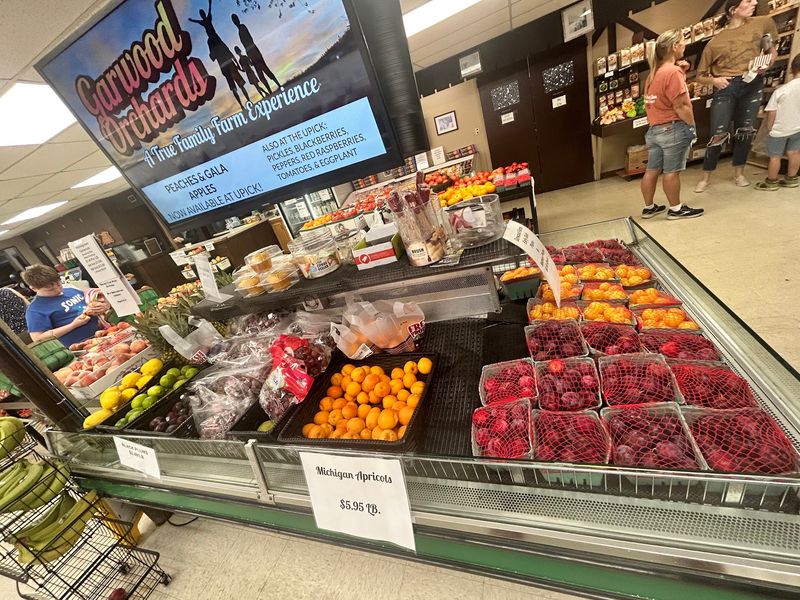
Sweet cider sits near jars of local honey and preserves, with specialty candies filling out the sweeter corners. Fresh produce takes up the bulk of the space, much of it harvested from Garwood fields that same week.
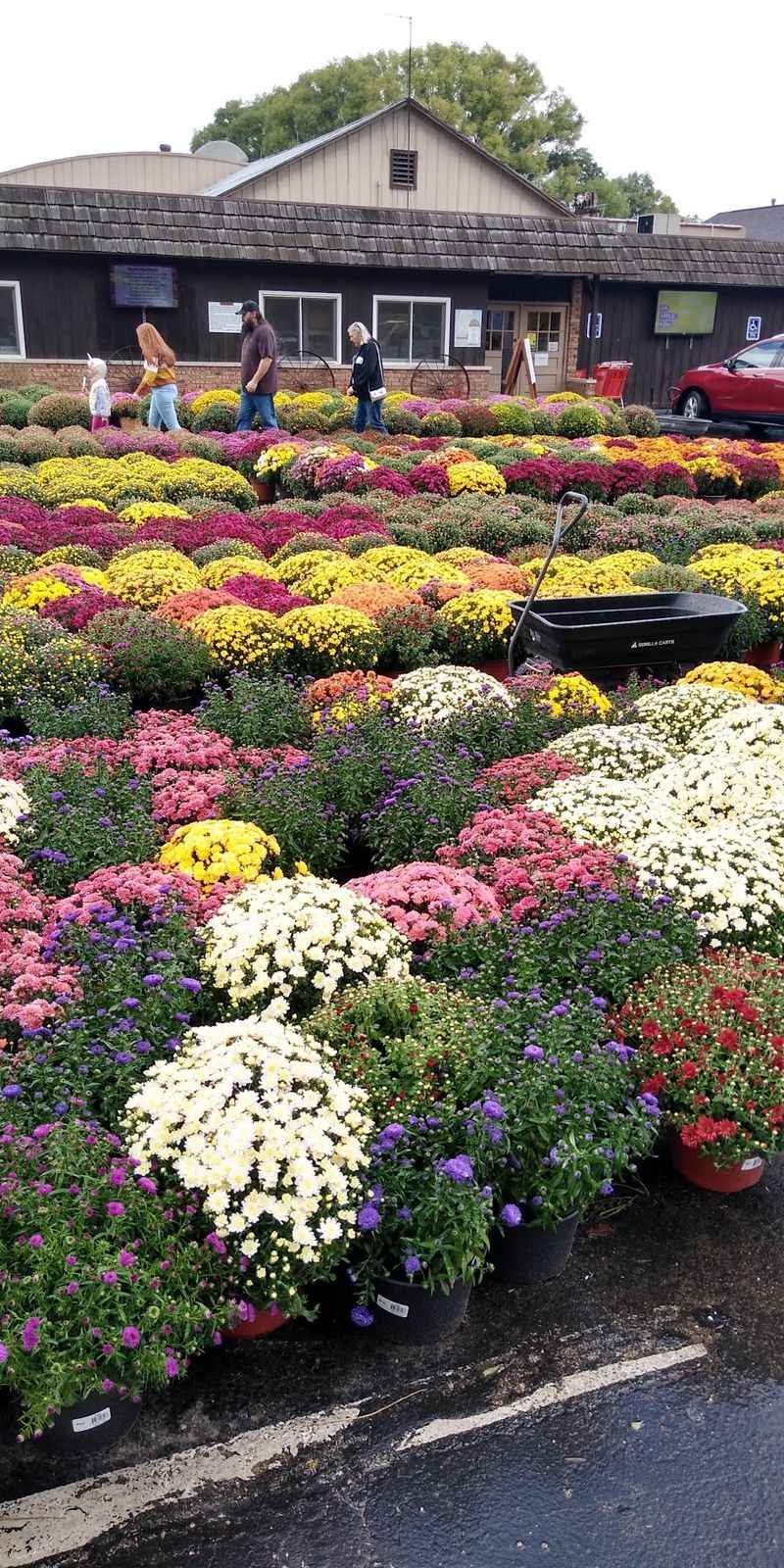
Autumn brings a noticeable transformation. Mums in deep reds and golds crowd the entrance, decorative pumpkins pile up in every shape imaginable, and caramel apples become the impulse buy nobody resists.
Shopping here feels different from a supermarket run. Nothing is stacked in perfect pyramids, and the apples occasionally have a freckle or two, which is exactly what freshly picked fruit looks like.
Gift hunting works well in this space. Honey and preserves travel easily, and a jar from a farm that has operated since 1831 makes a better souvenir than a keychain.
Bring reusable bags and leave trunk space open. Most people underestimate how much they will carry out, especially once the fall decor catches their eye and a few pumpkins join the pile.
Weekday mornings offer the calmest browsing if crowds are not appealing.
Climb Aboard A Wagon And Let The Farm Roll Past
Few things slow a day down like a wagon ride, and that is the whole point. Both tractor-drawn and horse-drawn wagons make loops through the fields, carrying passengers out to whichever picking areas are open.
The pace is unhurried. Riders pass rows of fruit trees, vegetable plots, and sometimes stretches of sunflowers, depending on the time of year.
Sound plays a bigger role than expected. The steady clop of hooves or the low rumble of a tractor engine becomes the background track for the whole outing.
Practical benefits come along with the charm. Fields spread across a wide property, and hauling full buckets back on foot would test anyone’s patience.
Younger children treat the ride as the main event rather than the transportation. Grandparents appreciate it for entirely different reasons, mainly that it makes the orchard accessible without a long walk.
Seating is simple and open-air, so a light jacket helps on cool October mornings when the wind cuts across the fields. Sunscreen earns its place in June.
Photographs turn out especially well from the wagon, with tree rows framing the shot as it moves. Just keep a hand on hats and loose bags, because farm lanes have their share of bumps and dips along the way.
Apple Fest And The Weekends That Feel Like One
Early September in Indiana brings the Apple Fest and Craft Show, and the farm fills up accordingly. Local artisans set up booths with handmade goods, creating a temporary marketplace alongside the usual produce bins.
Live music often adds to the atmosphere, drifting across the grounds while visitors browse crafts and work through bakery treats.
Honestly, most autumn weekends here carry the same energy. Apples, pumpkins, fall decor, and fresh-from-the-oven pastries stack up whether there is an official festival on the calendar or not.
Group visits get their own arrangement. School and organization tours are available for parties of twenty or more, generally scheduled from early September through early October.
Those tours cover real ground, teaching kids how orchards are managed and where the food in their lunchbox actually starts. Watching a class connect a tree to a lunchroom apple is a small but satisfying thing.
Festival days mean fuller parking areas and longer bakery lines, so arriving early pays off. Anyone hoping for a quieter experience should aim for a weekday instead.
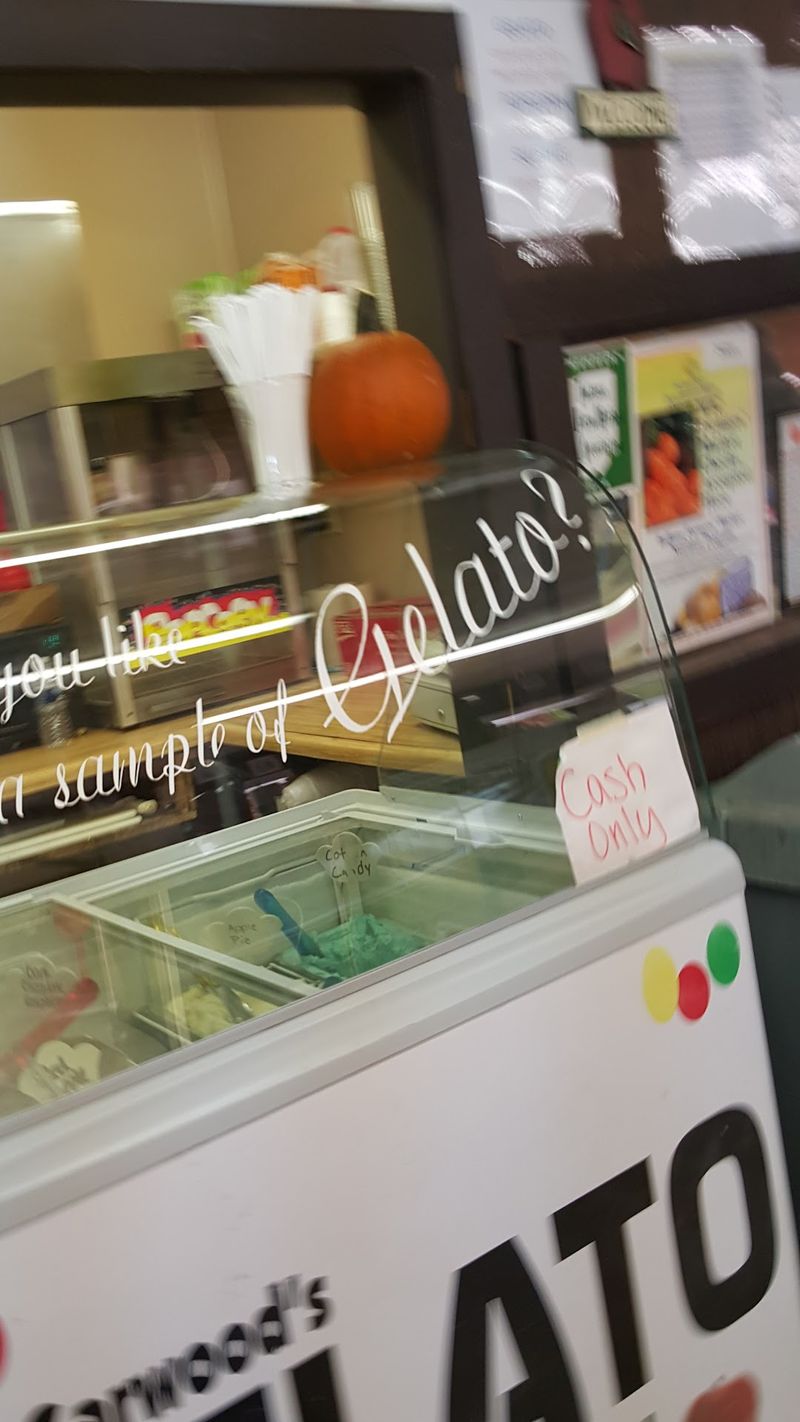
Cash and card both work, but having a plan for what to buy first helps, since the craft booths and the bake shoppe both compete for attention.
Community shows up in force on these weekends, and that gathering feeling is a big part of the appeal.
No Frills, No Gimmicks, Just A Working Farm
Skip the bounce houses. Skip the corn cannons.
Garwood keeps its focus on fruit, vegetables, and the land itself, which is a deliberate choice rather than an oversight.
Agritourism has drifted toward theme-park territory in a lot of places, with petting zoos and inflatable slides pulling attention away from the crops. That is not the model here.
Roughly 350 acres of working farmland set the tone instead. Picking, tasting, and looking around make up the itinerary, and the scenery holds its own without added attractions.
Family involvement keeps the atmosphere grounded. Relatives run the market, drive the wagons, and handle the fields, so conversations tend to be genuine rather than scripted.
Visitors describe the appeal in simple terms: a crisp apple, the smell of turned earth, warm pie in a paper bag. Nothing manufactured about any of it.
Plan accordingly. Entertainment for restless toddlers is limited, so the visit works best for people who enjoy being outdoors and moving at a farm’s pace.
For travelers tired of polished attractions and gift shop mazes, that honesty is refreshing. The drive out to 5911 W 50 S rewards anyone who values tradition over spectacle, and it leaves the kind of impression that pulls people back the following season.
