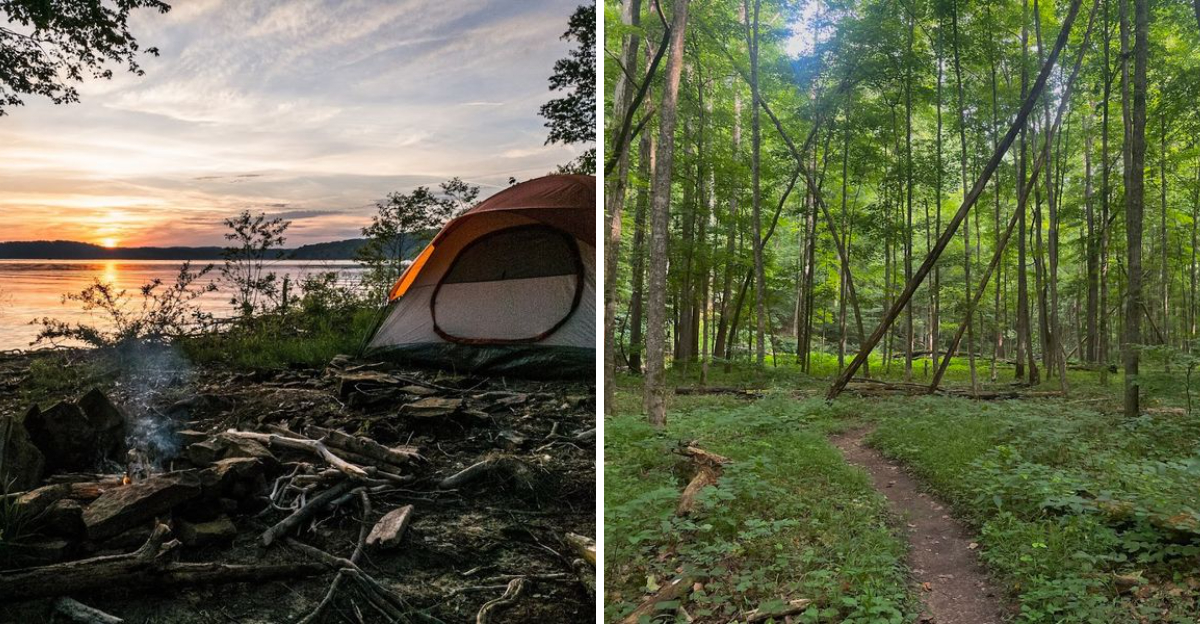
I still remember the first time I pulled off Tower Ridge Road and stepped into this wilderness area near Bloomington. The air smelled like damp earth and pine, and the only sounds were birds and the crunch of leaves under my boots.
No crowds, no fees, no noise; just thousands of acres of raw Indiana forest waiting to be explored. It sits along the western edge of a massive lake, and it is the only federally designated wilderness area in the state.
That title means something real here. No motorized vehicles, no paved trails, and no assigned campsites.
You pick your spot, filter your water, and sleep under the stars the way people did before campgrounds had Wi-Fi passwords. If you have been looking for a reason to trade the screen for something real, this place is it.
Primitive Camping With Zero Fees and Total Freedom
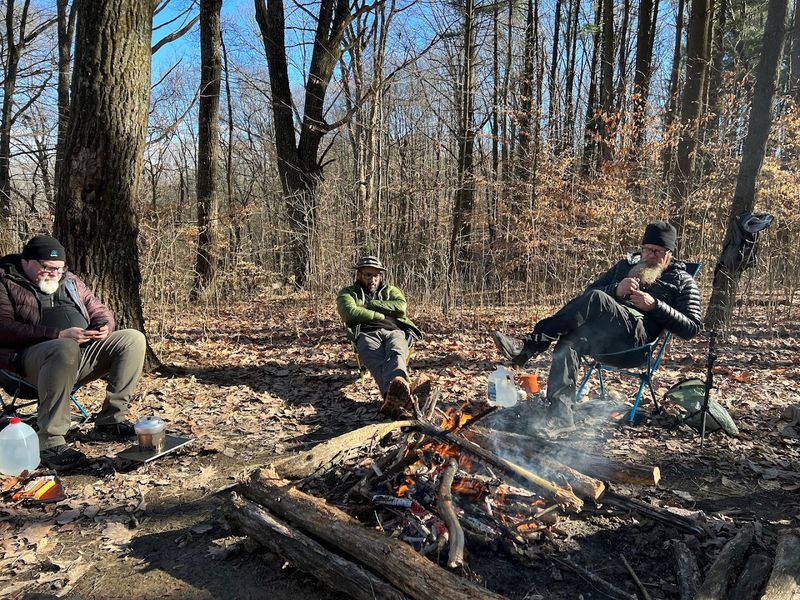
Most campgrounds in Indiana charge you for the privilege of sleeping next to someone else’s generator. Deam Wilderness flips that script completely.
Dispersed camping here is free, first-come, first-served, and open anywhere that is reasonable inside the wilderness boundary. You are not assigned a numbered pad or a fire ring.
You find your own spot and make it yours for the night.
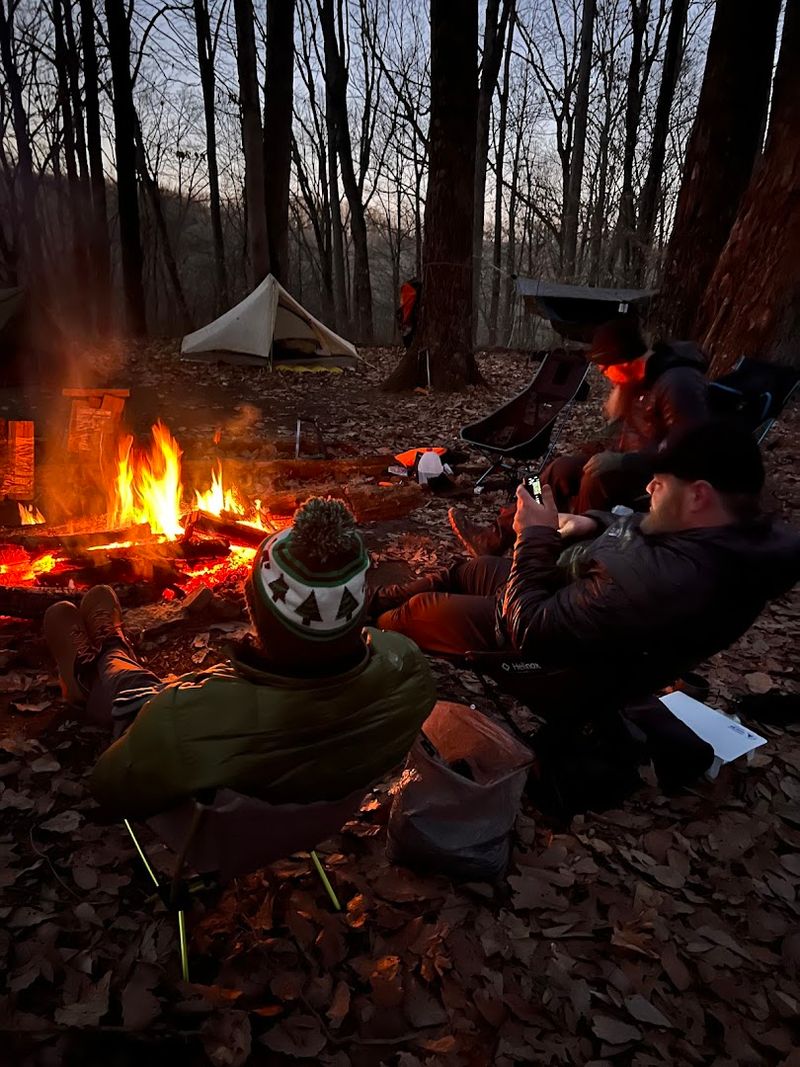
That kind of freedom is rare. You can set up a hammock between two white oaks, build a small fire, and fall asleep to owls calling across the hollow.
No check-in desk, no camp host knocking on your door at 10 p.m. Just you and the forest doing its thing.
The deeper you go down the gravel road, the better the sites get and the more privacy you gain. Campers who have been coming here for years know to arrive early on summer weekends because parking fills up fast along Tower Ridge Road.
Arrive on a weekday and you might have the whole area to yourself. There are no restrooms or electricity, so bring everything you need.
Pack out your trash, leave no trace, and respect the land. The reward for that small effort is one of the most genuine camping experiences left in the entire Midwest.
Over 37 Miles of Trails Through Quiet Indiana Forest
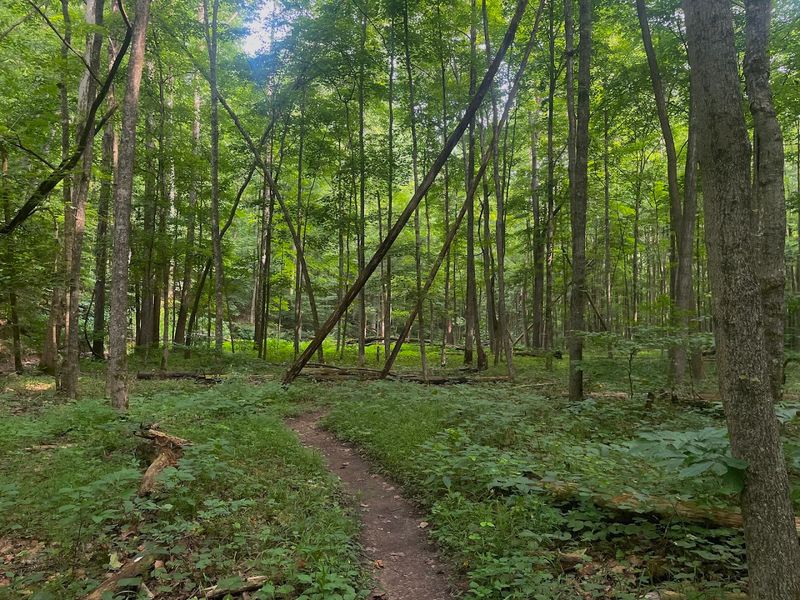
Thirty-seven miles of trail sounds like a lot until you are standing at a trailhead with a full backpack and a three-day weekend ahead of you. Then it feels just about right.
The Deam trail network includes the Grubb Ridge Loop, the Terrill Ridge Trail, the Axsom Branch Trail, and the Sycamore Trail, each offering a different personality and level of challenge.
Grubb Ridge is probably the most well-known route. It winds through lush hollows, crosses seasonal creek drainages, and rewards hikers with views down into some of the prettiest wooded terrain in southern Indiana.
The trail can get muddy after rain, which honestly just adds to the adventure. Spring and fall are the sweet spots for hiking here, when the heat and tick pressure ease up and the colors are incredible.
What makes these trails feel special is the silence. On a weekday hike, you might go hours without seeing another person.
The wilderness designation keeps motorized traffic out entirely, so the only sounds are wind, water, and wildlife. Trails are generally well-marked, though blowdowns from storms can occasionally block the path.
Always carry a map, a compass, and a charged phone with offline GPS. The forest rewards people who come prepared and stay curious.
Patton Cave, a Hidden Underground Gem on the Trail
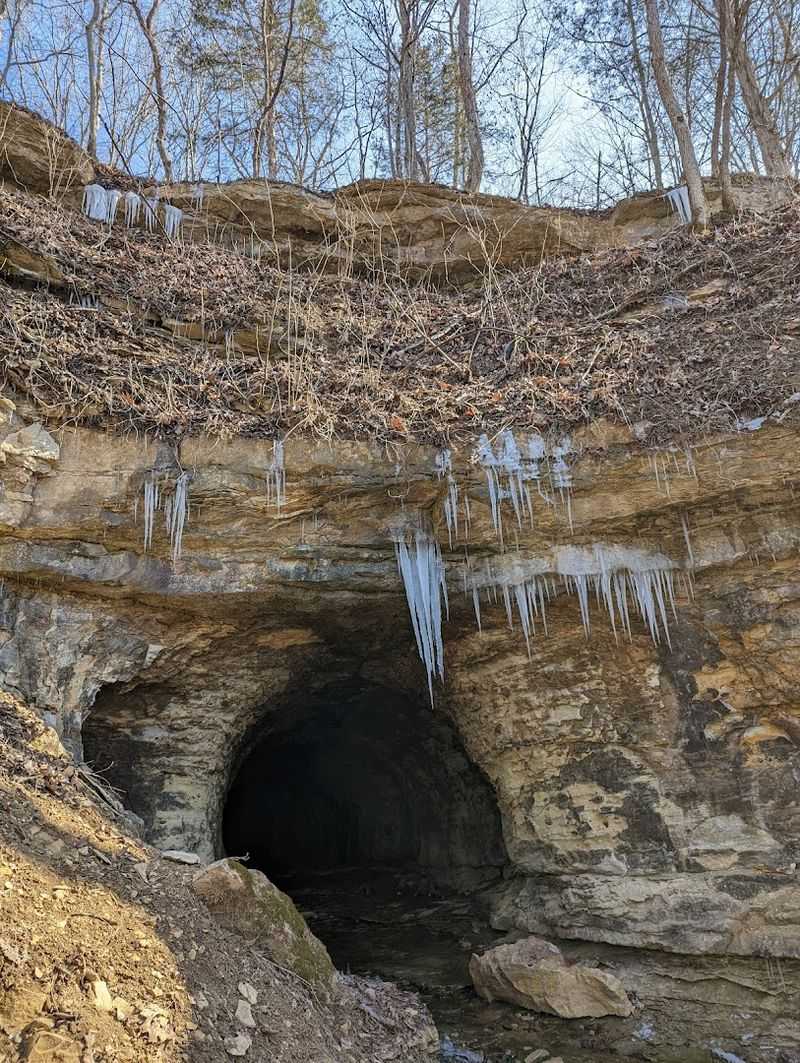
Not many people outside of southern Indiana know that you can hike to an actual cave inside a federally designated wilderness area. Patton Cave sits along the Grubb Ridge Trail and it is one of those trail surprises that makes you stop and just stare for a minute.
The cave is carved into the limestone geology that defines much of this part of the state, and it feels genuinely wild in a way that tourist caves never do.
The hike to Patton Cave from the main trailhead is roughly five miles round trip, making it a solid half-day adventure. The trail passes through dense canopy and dips into shaded hollows before the cave entrance comes into view.
It is the kind of payoff that keeps hikers coming back season after season.
One important note: the cave is closed during winter months to protect bat hibernation. Indiana has several bat species that rely on caves like this one for survival, and the closure is taken seriously.
Plan a spring or early fall visit to catch it open. Even if the cave is closed when you arrive, the surrounding hollow is beautiful on its own.
The limestone walls and mossy ground cover create a microclimate that feels cooler and quieter than the rest of the trail. It is one of those spots that feels genuinely tucked into another world.
Lake Monroe Access and That Turquoise Reservoir View
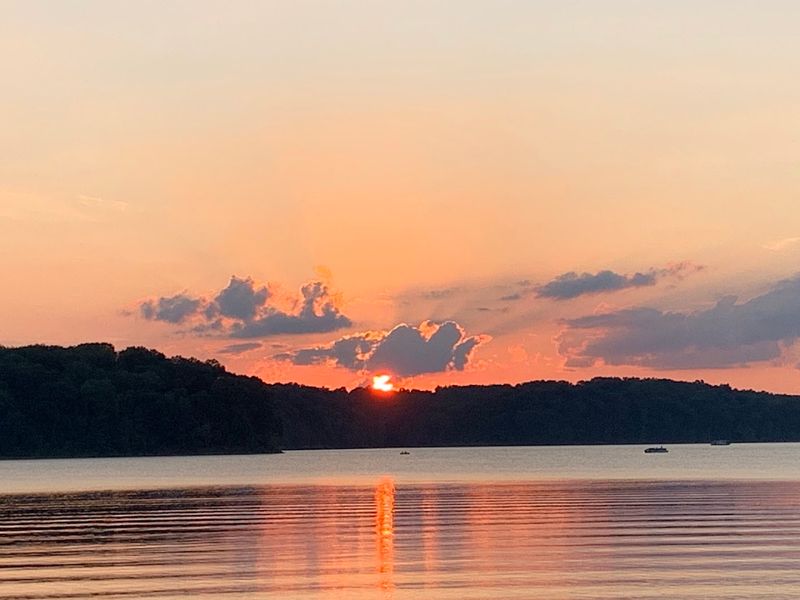
Lake Monroe is the largest inland lake in Indiana, and the Deam Wilderness sits right on its western edge. Getting to the lake on foot is one of the most rewarding hikes in the entire area.
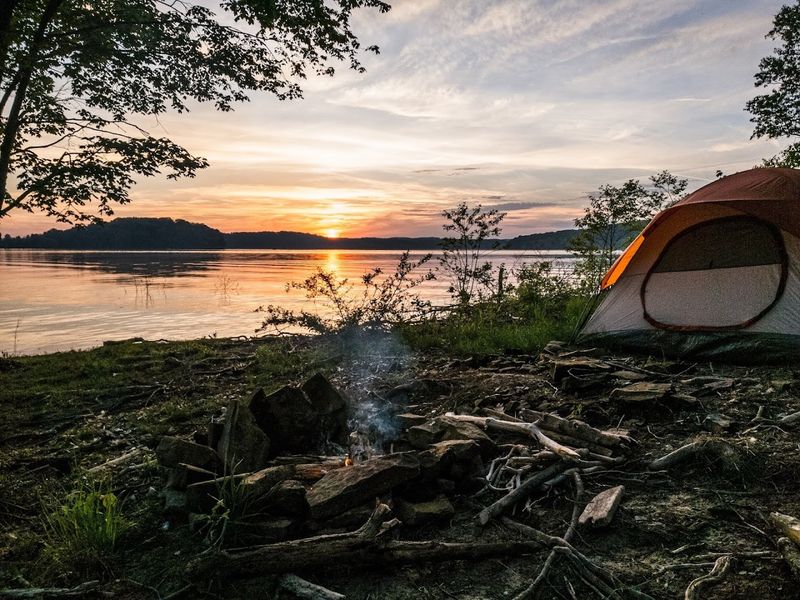
The Axsom Branch Trail connects the interior trail network to the lake shoreline, where you can set up camp right at the water and wake up to that wide-open reservoir view stretching out in front of your tent.
The water has a quality to it that surprises first-time visitors. On a calm, clear morning, the lake reflects the sky in shades that genuinely look turquoise or deep blue depending on the light.
It is a dramatic contrast to the forest you just hiked through. Paddlers sometimes bring canoes or kayaks down to access the shoreline from this side, though there is no boat launch inside the wilderness boundary itself.
Camping at the lake requires a multi-mile hike in, which keeps the crowds thin. One popular route involves hiking the Sycamore Trail to site 6, spending the night, and then continuing to the lake the next day via Axsom Branch.
That two-day itinerary is one of the most talked-about backpacking routes in southern Indiana. The effort is real, but the payoff of sitting at the edge of Lake Monroe with nothing but forest behind you is the kind of memory that sticks with you for years.
The Fire Tower Lookout With a Forest-Wide View
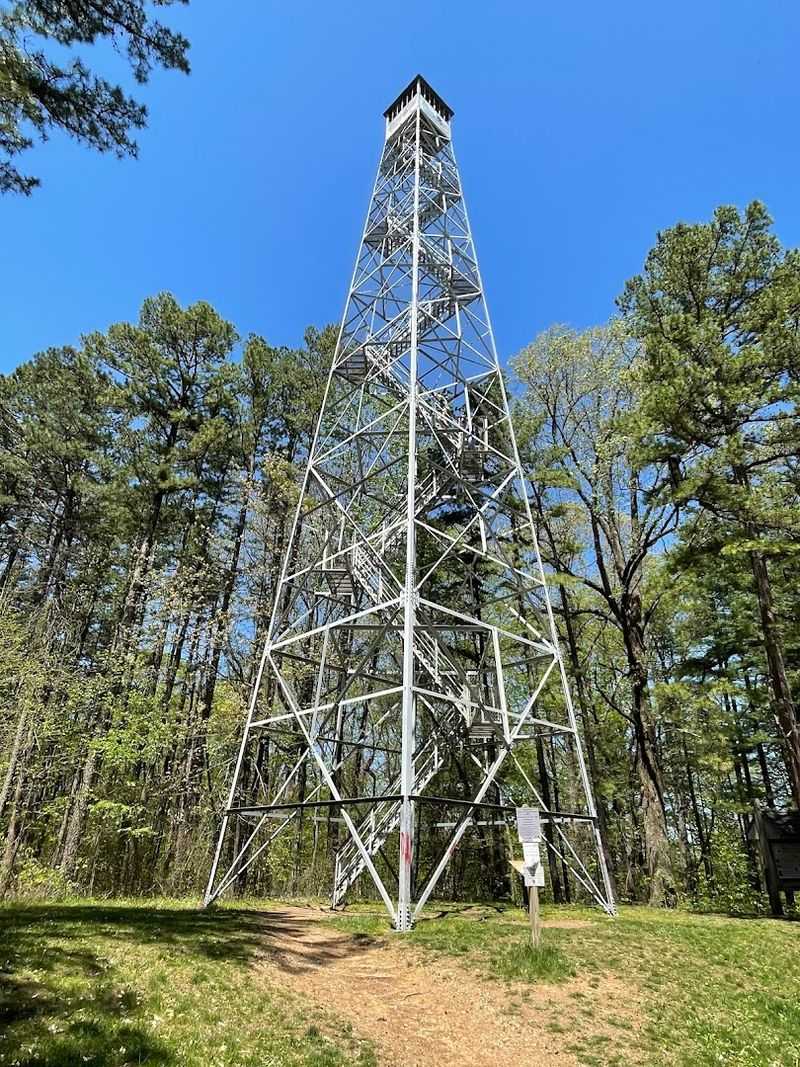
Before satellites and aerial surveillance, fire towers were how land managers kept watch over vast stretches of forest. The old fire tower at Deam Wilderness is still standing, and climbing it gives you one of the best elevated views of the Hoosier National Forest you will find anywhere.
On a clear fall day, the canopy stretches out in every direction in waves of orange, red, and gold.
The tower sits near the main access road and is reachable without a long hike, which makes it a great first stop before heading deeper into the wilderness. It also works well as a landmark for orienting yourself to the trail network.
Many backpackers use the tower parking area as their base camp starting point before setting out on multi-day routes.
Spring visits offer a different kind of reward from the tower. The forest is just leafing out, and you can see the rolling topography of the ridges and hollows more clearly before the canopy fills in completely.
Summer views are lush and green but dense. Winter visits on a clear day are arguably the most dramatic, with bare trees revealing the full skeleton of the landscape below.
Whatever season you visit, the tower is worth the short walk. It puts the scale of the Deam Wilderness into perspective in a way that standing on the trail simply cannot replicate.
Geodes, Wildlife, and Natural Surprises Along Every Trail
One of the things that keeps hikers coming back to Deam Wilderness is the sense that the forest always has something new to offer. Geodes are a genuine find here.
Southern Indiana sits in a geological zone where these crystal-lined rocks form naturally, and sharp-eyed hikers along creek beds and eroded trail sections have been pulling them out for decades. Cracking one open on a flat rock and finding purple amethyst or white quartz inside is a small thrill that never gets old.
Wildlife sightings add another layer to every visit. White-tailed deer are common, especially at dawn and dusk near the hollow edges.
Wild turkey, red-tailed hawks, and a rotating cast of songbirds fill the canopy throughout spring and summer. The designated wilderness status means this habitat has been relatively undisturbed for years, which shows in how comfortable the wildlife seems around quiet hikers.
Horseback riders also use parts of the trail network, which is something you do not expect until a pair of horses rounds a bend and you step aside on a narrow ridge trail. The mix of users keeps the experience interesting and reminds you that this land serves a broad community of outdoor enthusiasts.
Natural springs appear seasonally in the hollows, offering water sources for those with filters. The whole place has a layered richness that rewards slow, attentive exploration over rushing to hit a mileage goal.
Bloomington Nearby for Food, Culture, and a Warm Bed
After a couple of nights sleeping on the forest floor, Bloomington feels like a reward you genuinely earned. The city is only about 20 minutes from the main Deam Wilderness access roads, making it easy to split a long weekend between deep wilderness and a surprisingly vibrant college town.
Indiana University anchors the city culturally, and that energy spills into every corner of the downtown square.
Lennie’s Restaurant at 1795 E 10th St is a Bloomington institution for a reason. It is the kind of place where locals eat after a long hike, the menu is solid, and the atmosphere is warm without being loud.
The Upland Brewing Company Tasting Room at 350 W 11th St is another popular stop for food and a lively crowd after a day outdoors. For something quieter, Soma Coffee at 322 E Kirkwood Ave is a go-to spot for a slow morning before heading back into the forest.
The Monroe County History Center at 202 E 6th St is worth a stop if you want context for the land you just hiked through. The IU Art Museum on the university campus holds a genuinely impressive collection for a city this size.
If your legs need a rest day, Bloomington has the bookstores, galleries, and food scene to fill it easily. The combination of raw wilderness and a walkable, interesting city nearby makes this corner of Indiana one of the most underrated outdoor destinations in the whole region.
Dear Reader: This page may contain affiliate links which may earn a commission if you click through and make a purchase. Our independent journalism is not influenced by any advertiser or commercial initiative unless it is clearly marked as sponsored content. As travel products change, please be sure to reconfirm all details and stay up to date with current events to ensure a safe and successful trip.
