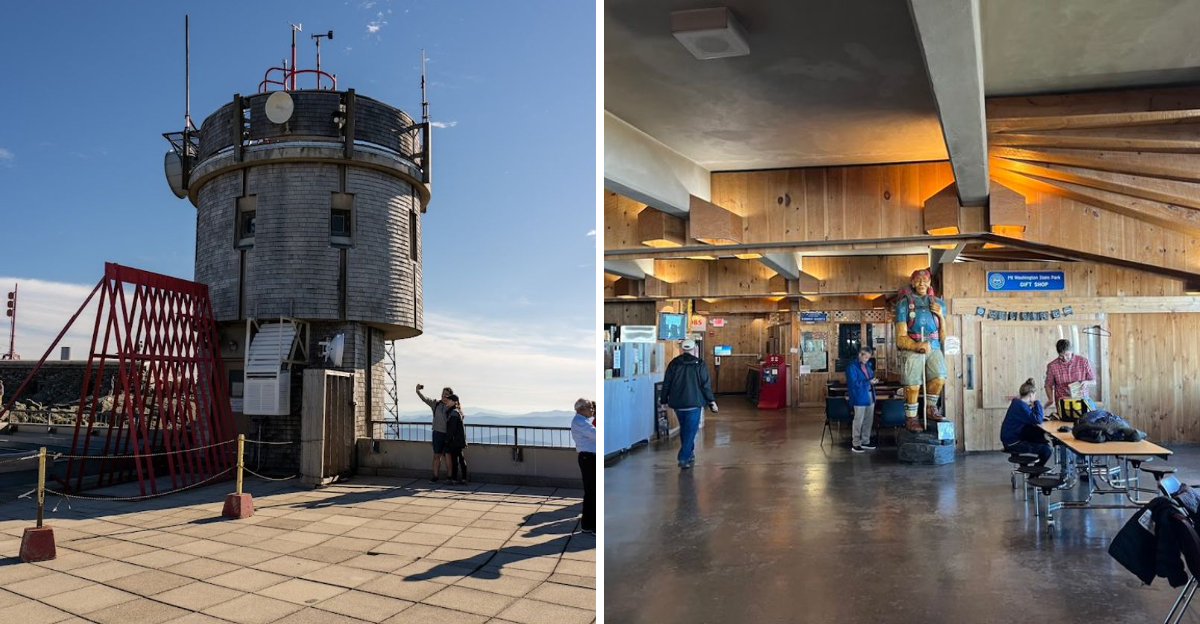
The wind up here is like nothing else I have ever experienced. It pushes against you constantly, making every step a small battle.
This remote summit in New Hampshire holds the record for some of the fastest wind speeds ever recorded on Earth. The weather observatory at the top has been collecting data for nearly a century, standing alone against the elements while the rest of the world stays safely below.
I drove up on a clear day, and even then, the wind was strong enough to make me lean into it. I cannot imagine what it feels like during a winter storm.
The building itself is small and sturdy, built to withstand conditions that would destroy most structures. Inside, the staff showed us the instruments that measure the weather.
They told us about the people who live up here for weeks at a time, studying the clouds and the snow and the wind. That is a hard life, but someone has to do it.
New Hampshire is home to some extreme places, but this summit might be the most extreme of all.
The Observatory That Refused to Quit
Long before weather apps and satellite feeds, a group of dedicated scientists decided the best way to understand extreme weather was to live inside it.
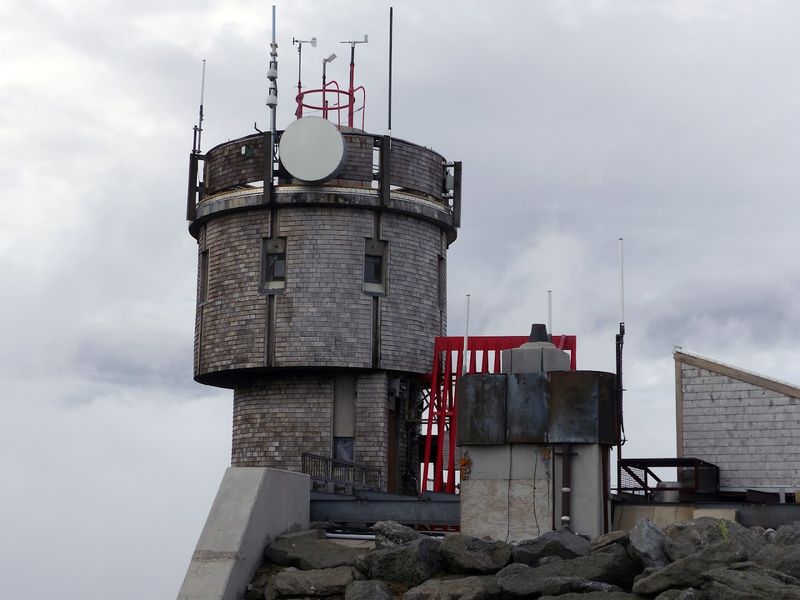
Perched at the top of New Hampshire’s most iconic peak, the Mount Washington Observatory has been operating continuously since the early 1930s. It is one of the longest-running high-altitude weather stations in the entire country.
The building itself looks like it was designed to survive a battle, because in many ways, it has. Thick walls, reinforced doors, and a structure literally chained to the mountain tell you everything you need to know about what conditions get like up here.
Staffed year-round by dedicated meteorologists, the observatory collects real climate data that contributes to broader scientific understanding of atmospheric behavior. Visiting feels less like a museum trip and more like stepping into an ongoing experiment.
The mountain does not pause for anyone, and neither does the science happening at its summit.
Wind Records That Shook the Scientific World
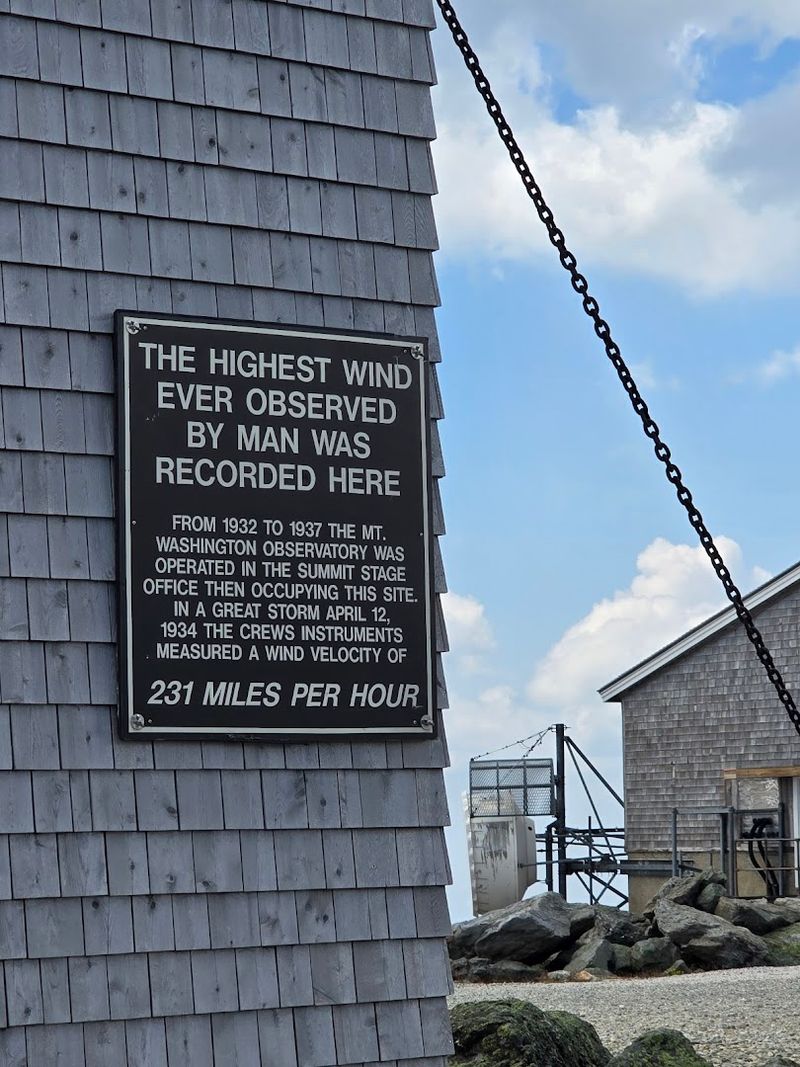
Imagine standing outside and feeling a gust so powerful it would lift a car. On a spring day in April 1934, instruments at the summit recorded a wind speed that instantly became the stuff of meteorological legend.
That measurement held the world record for surface wind speed for more than six decades, putting this New Hampshire summit on the global map in the most dramatic way possible.
What makes this record truly remarkable is that it was not recorded by a remote automated sensor. A staffed crew was present, living and working inside the observatory while the storm raged outside.
The specific anemometer that captured this historic reading, nicknamed Heated No. 2, is now proudly displayed inside the Extreme Mount Washington museum.
Mount Washington still holds the record for the highest wind speed ever measured by a staffed weather station not associated with a tornado or tropical cyclone. Standing next to that actual instrument and knowing what it witnessed sends a genuine chill down your spine, and not just from the altitude.
Extreme Mount Washington, The Museum Experience
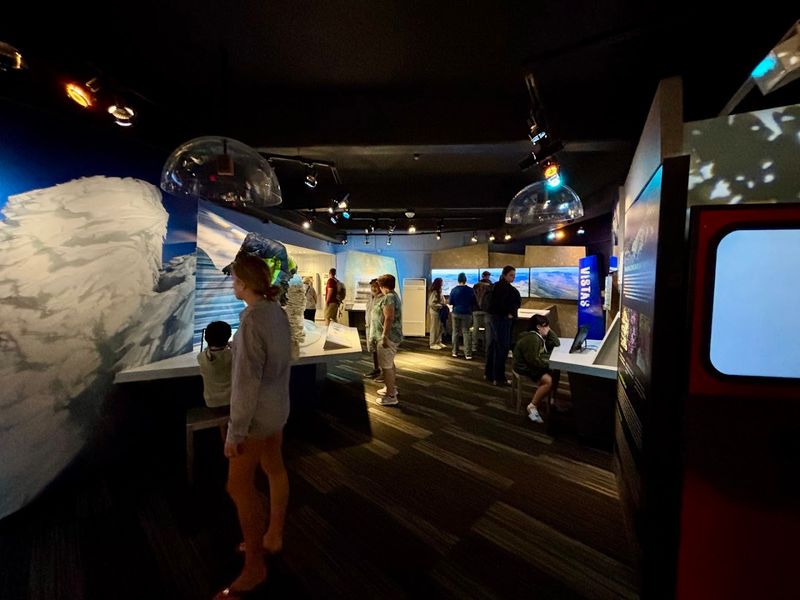
Officially called Extreme Mount Washington, this interactive science museum opened in its current form in 2014 and replaced an earlier exhibition that had called the summit home for years.
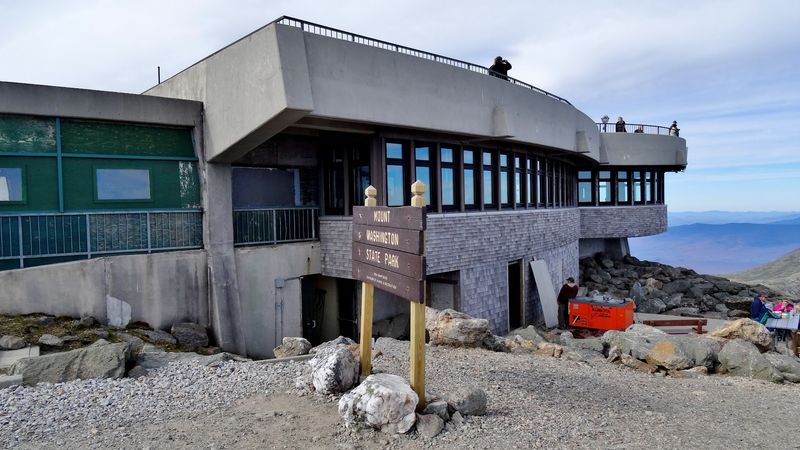
Tucked inside the Sherman Adams Building within Mount Washington State Park, the museum manages to pack a serious punch into a compact space at the roof of New England.
Exhibits are designed to be genuinely engaging rather than just informative. Hands-on displays, dramatic weather visuals, and artifacts that carry real historical weight make every corner worth exploring slowly.
The famous Heated No. 2 anemometer sits as the undisputed centerpiece, drawing eyes the moment you walk in.
One of the most unique features is the daily live video chat opportunity with the scientists who actually live and work at the summit station. Talking to a real meteorologist who is experiencing the same wild conditions you are standing in brings the science to life in a way no textbook ever could.
The Mount Washington Observatory Museum does not just explain extreme weather; it puts you right in the middle of it.
Getting to the Summit, Your Options Are Thrilling
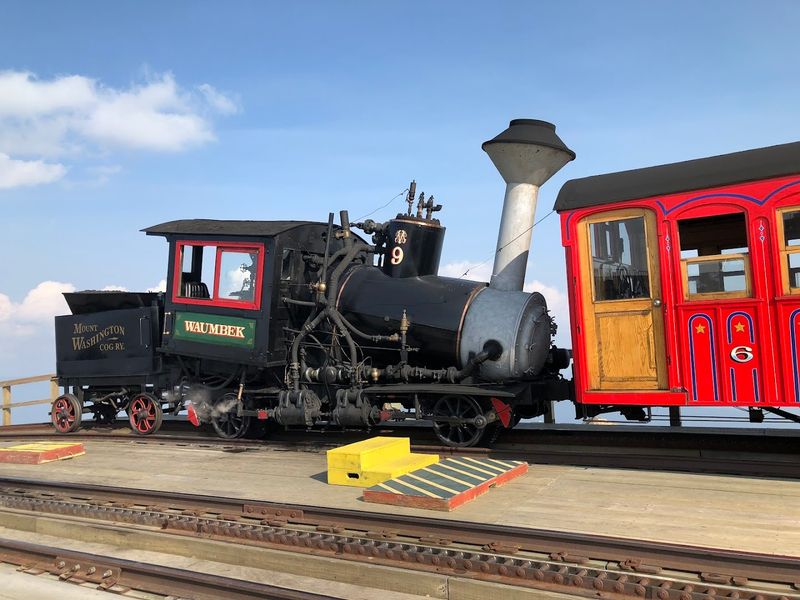
Reaching the summit is half the adventure, and New Hampshire gives you more than one way to earn that view. The Mount Washington Cog Railway is an iconic experience, a historic steam-powered train that chugs up a dramatically steep track with mountain scenery unfolding around every curve.
Riding it feels like something from another era, in the best possible way.
For those who prefer four wheels, the Mount Washington Auto Road offers a self-drive route to the top. The road is narrow, winding, and absolutely not for the faint of heart, but the payoff at the summit is extraordinary.
Many drivers find themselves gripping the wheel with white knuckles while simultaneously gasping at the views.
Hikers have a full network of trails to choose from, ranging from manageable day routes to serious alpine challenges. Regardless of how you arrive, the summit greets you with the same wild, unpredictable energy that has made this place famous.
Strong footwear is non-negotiable, and layers are your best friend no matter what month you visit the mountain.
Weather So Extreme It Has Its Own Nickname
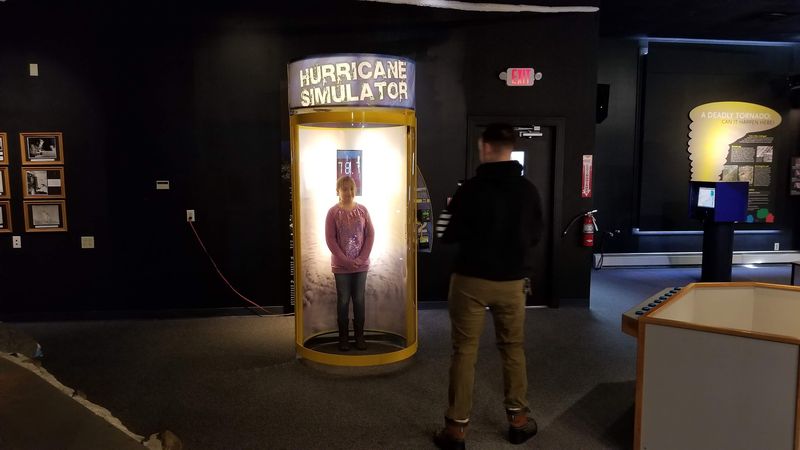
The mountain did not earn the title Home of the World’s Worst Weather by accident. Located in the Presidential Range of the White Mountains, Mount Washington sits at the convergence of multiple major storm tracks, creating a perfect storm of atmospheric chaos on a near-daily basis.
Even on a relatively calm summer day, conditions at the summit can shift from pleasant to dangerous within minutes.
Fog rolls in without warning, temperatures plunge, and winds that would qualify as hurricane-force elsewhere are practically routine up here. The summit experiences measurable precipitation on a staggering number of days each year, and snow can fall in virtually any month.
Locals and scientists alike treat the weather here with deep respect.
For the Mount Washington Observatory Museum, this extreme climate is not a problem to manage but a story to tell. Every exhibit is rooted in the reality of what happens outside those reinforced walls.
Spending time inside the museum while a genuine gale rattles the building around you adds a layer of authenticity that no indoor attraction could ever replicate or fake.
The Scientists Who Actually Live Up There
Most people visit a museum and then go home. The crew at the Mount Washington Observatory Museum does not have that option, at least not for weeks at a time.
Rotating teams of meteorologists and observers live on the summit in week-long shifts, collecting data, maintaining instruments, and weathering conditions that would send most people running for lower ground.
Life at the top is equal parts challenging and extraordinary. Staff members manage everything from routine observations to emergency situations, all while being surrounded by one of the most hostile natural environments in the eastern United States.
The camaraderie that develops among summit crews is something you can feel just by talking to them.
The daily live video chat sessions offered through the Extreme Mount Washington museum give curious visitors a rare window into this unusual lifestyle.
Asking a meteorologist what it feels like when winds exceed hurricane force outside their front door, and getting a calm, matter-of-fact answer, is genuinely humbling.
New Hampshire produced this place, and the people who work here are every bit as remarkable as the mountain itself.
A Building Literally Chained to the Mountain
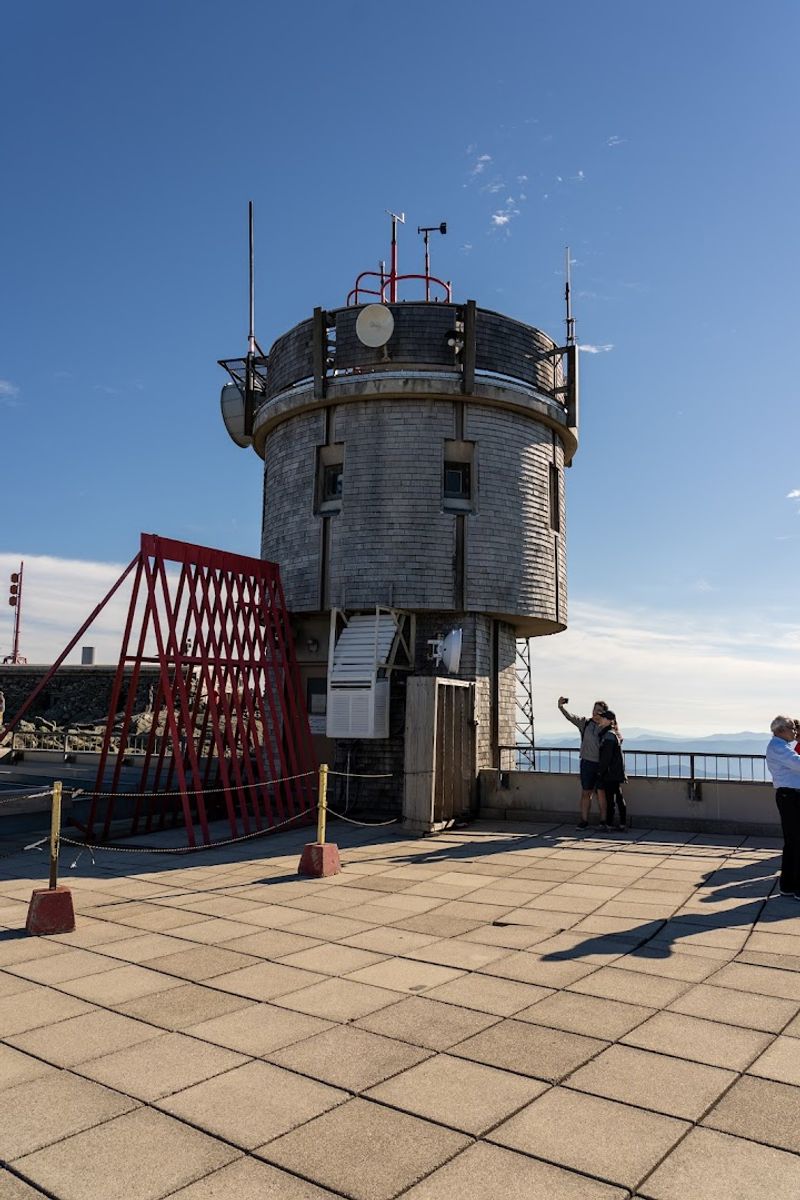
You read that correctly. One of the structures on the summit of Mount Washington is physically chained to the mountain to prevent it from being blown away.
That single fact tells you more about the wind conditions here than any weather chart ever could. The chains are thick, industrial, and completely serious, a visual reminder that nature holds the upper hand at this elevation.
The Sherman Adams Building, which houses the Extreme Mount Washington museum along with a cafe and gift shop, is built to withstand conditions that would demolish ordinary structures.
Steel doors with battleship-style clasps, tiny reinforced windows, and walls designed for brutal compression all contribute to a structure that has survived decade after decade of the mountain’s worst tantrums.
Walking around the exterior of these buildings and spotting the chains is a genuinely memorable moment for most visitors. It reframes everything you thought you knew about architecture and environmental engineering.
The Mount Washington Observatory Museum exists inside a building that is essentially a fortress, and that context makes every exhibit inside feel even more impressive and grounded in reality.
Views That Make the Climb Completely Worth It
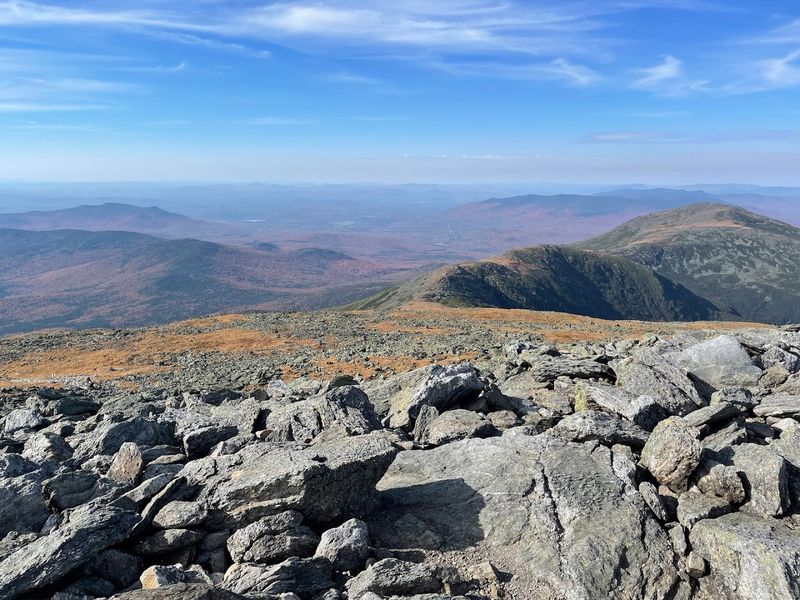
On a clear day at the summit, visibility can stretch up to eighty miles in every direction. Rolling green valleys, distant ridgelines, and the patchwork of New England spread out below you like a living map.
Clear days are genuinely treasured up here because the mountain only offers them sparingly throughout the year, making each one feel like a gift.
The Presidential Range unfolds in dramatic fashion from the summit, with neighboring peaks lined up like chapters in a geological story. Hikers who make it to the top on foot experience a particular kind of satisfaction that is hard to describe without sounding overly dramatic.
The view simply earns it.
Even on foggy or overcast days, there is something undeniably atmospheric about standing above the clouds on New Hampshire’s highest point. The mist swirls, the wind pushes back, and the landscape takes on an almost mythical quality.
Experienced hikers often say that a cloudy summit visit at Mount Washington is its own kind of spectacular, different from a clear day but no less memorable.
The Gift Shop, Post Office, and Summit Surprises
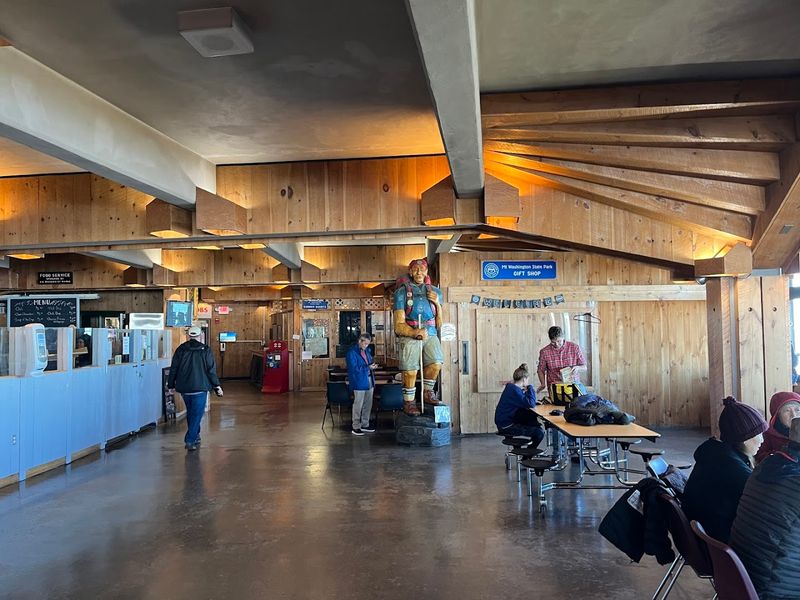
Reaching the top of the highest peak in the Northeast deserves a souvenir, and the summit gift shop delivers on that front with Mount Washington Observatory branded merchandise, keepsakes, and gear.
The selection leans heavily into the mountain’s identity, and picking up a windbreaker or a patch feels like the right way to commemorate surviving the experience.
Perhaps the most unexpectedly charming feature at the summit is the post office. Dropping a postcard to a friend from the top of Mount Washington, stamped with a summit postmark, is the kind of quirky travel move that delights recipients and makes a great story.
It is a small detail that adds real personality to the visit.
The cafe offers warm options that hit differently when you are standing at altitude in brisk mountain air. Sitting inside the Sherman Adams Building with something hot in hand, watching fog roll past the windows, is a deeply satisfying travel moment.
The whole summit experience at the Mount Washington Observatory Museum is layered with these small, memorable details that stick with you long after you descend.
Plan Your Visit to This New Hampshire Icon
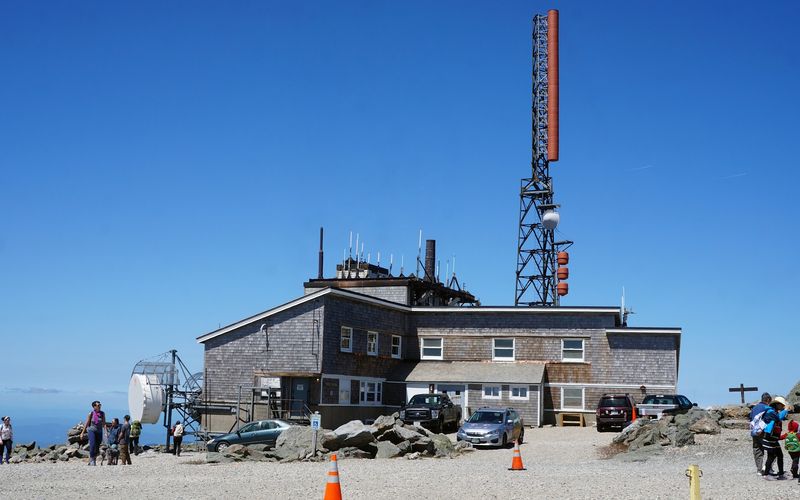
It is located at the Sherman Adams Building on the Mount Washington Auto Road in Jackson, New Hampshire. The Extreme Mount Washington museum is open daily from 10 AM to 5 PM throughout the regular season.
The address is Sherman Adams Building, Mt Washington Auto Rd, Jackson, NH 03846, and the observatory can be reached by phone at (603) 356-2137 for any planning questions.
Layering your clothing is genuinely essential, not optional. Temperatures at the summit can be dramatically colder than at the base, and wind chill makes the difference even more pronounced.
Sturdy footwear is a must if you plan to explore the rocky terrain surrounding the buildings, and a light rain jacket tucked into your bag could easily save your day.
Timing your visit around a clear forecast maximizes the view experience, though even stormy days carry their own wild appeal at this altitude. New Hampshire has no shortage of natural wonders, but this summit stands apart as something truly singular.
The Mount Washington Observatory Museum is not just a stop on a road trip. It is the kind of place that changes how you think about weather, science, and the stubborn brilliance of people who chose to study both from the most extreme seat possible.
