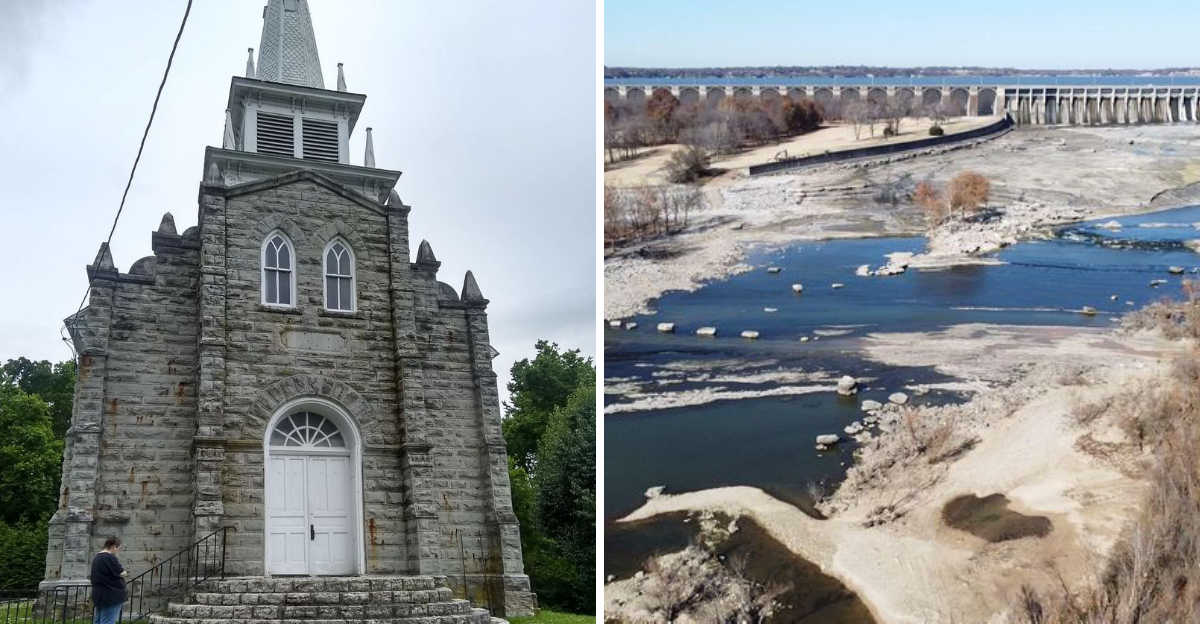
Hidden away in the northeastern corner of Oklahoma, Disney sits on the edge of Grand Lake O’ the Cherokees like a secret waiting to be discovered. With just over 200 residents, this tiny lakeside town feels worlds apart from the bustle of Tulsa or Oklahoma City.
Named after former U.S. Congressman Wesley E. Disney, the community has no connection to the famous entertainment empire, but it carries its own quiet charm that draws anglers, boaters, and those seeking a slower pace of life.
The town’s remote location along State Highway 28 gives it an island-like quality, surrounded by water on multiple sides and accessible primarily by a handful of winding roads.
Visitors often describe the feeling of crossing into Disney as stepping back in time, where neighbors know each other by name and the rhythm of life follows the rise and fall of the lake.
Grand Lake provides the heartbeat of this community, shaping everything from local economy to weekend recreation. The isolation that once made Disney difficult to reach now serves as its greatest appeal, offering an escape from the connected, hurried world beyond its shores.
For travelers seeking authentic small-town Oklahoma life wrapped in natural beauty, this overlooked lake town delivers an experience that feels genuinely cut off from the rest of the state.
A Town Named After a Congressman, Not a Mouse
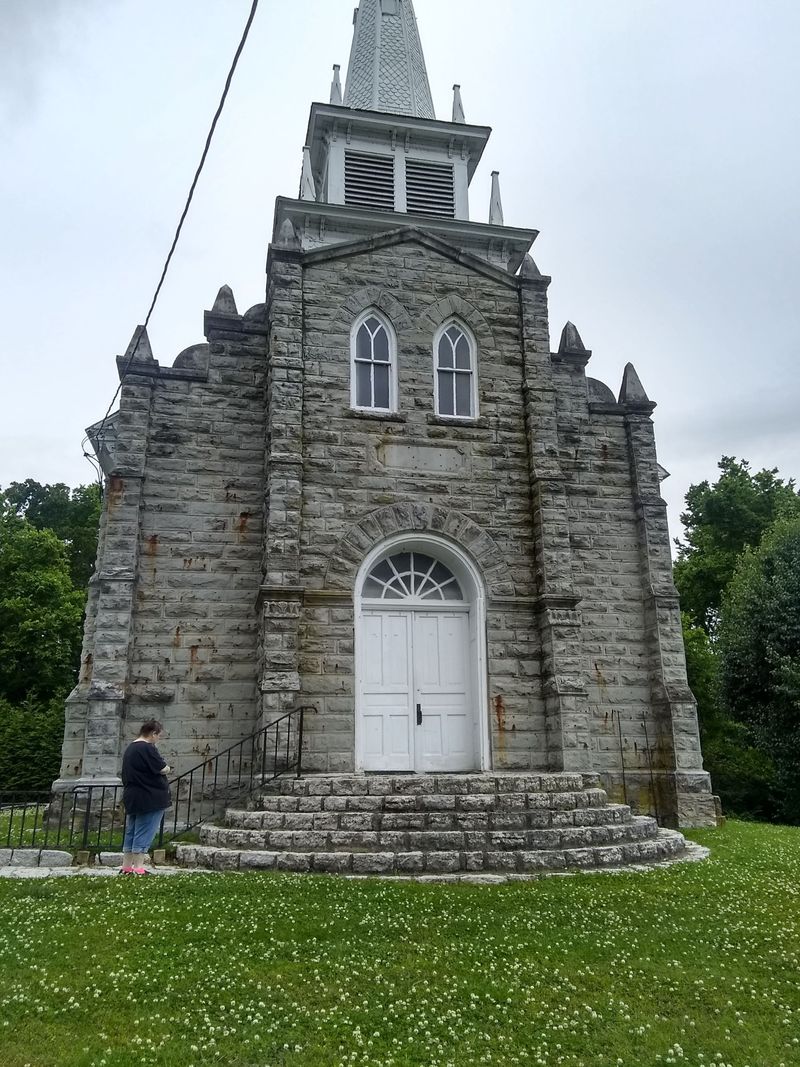
Confusion often greets first-time visitors who assume this Oklahoma hamlet shares roots with the entertainment giant. Wesley E. Disney served Oklahoma in the U.S. House of Representatives during the 1930s and 1940s, and when this small community incorporated, residents chose to honor his service.
The congressman had no family ties to Walt Disney, and the town itself predates much of the theme park empire’s expansion.
Local pride runs deep around this naming story, and residents enjoy correcting the misconception with good humor. Signs around town make no attempt to capitalize on the famous name, and you will find no cartoon characters or themed attractions here.
Instead, the town embraces its political heritage and lakeside identity.
The simplicity of Disney’s downtown reflects its working-class roots and practical focus on serving lake visitors and year-round residents. A handful of businesses line the main road, offering bait, supplies, and basic services without fanfare.
The town’s refusal to commercialize its name speaks to a broader authenticity that defines life here.
Visitors seeking photo opportunities with oversized mouse ears will leave disappointed, but those interested in genuine small-town Oklahoma culture will find something far more valuable.
The story of Wesley E. Disney and his legislative contributions offers a window into the state’s political history, a narrative often overshadowed by more colorful tales.
Understanding this naming origin helps frame the town’s independent spirit and its residents’ determination to chart their own course, separate from any corporate influence or tourist gimmicks that might dilute their lakeside community’s character.
Grand Lake O’ the Cherokees Defines Everything
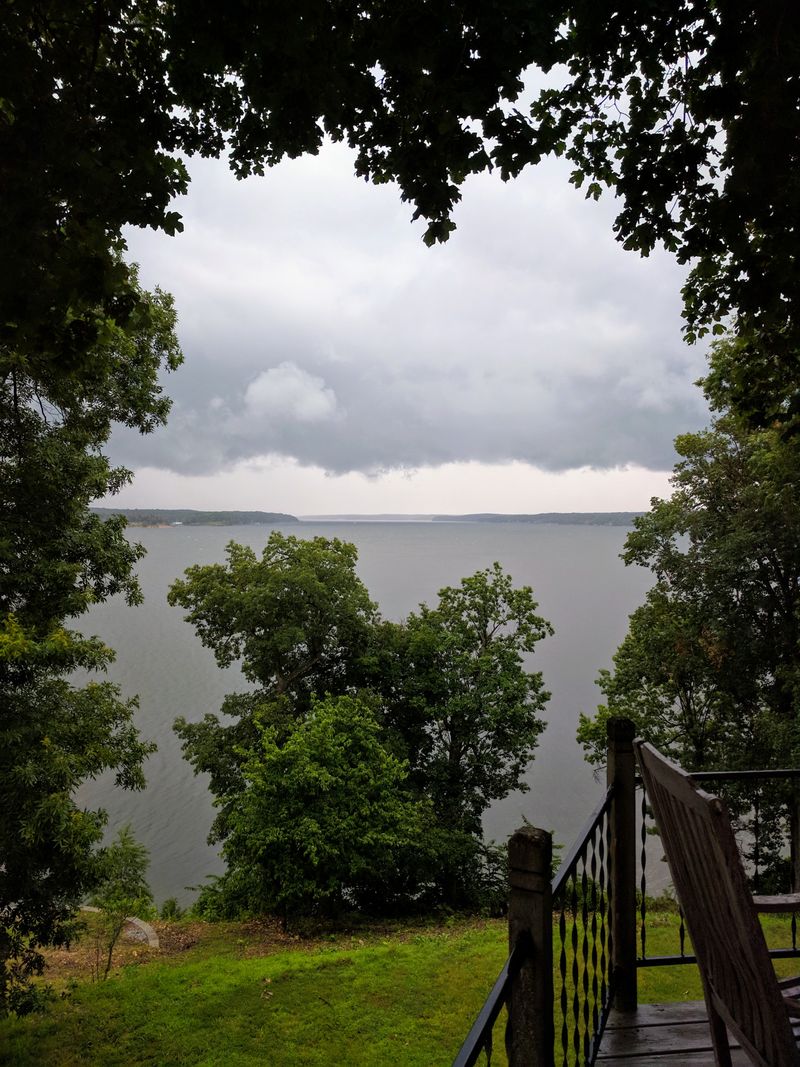
Sprawling across 46,500 acres, Grand Lake O’ the Cherokees serves as the lifeblood of Disney and surrounding communities. Created in 1940 by the completion of Pensacola Dam, this massive reservoir transformed the landscape and economy of northeastern Oklahoma.
Disney sits on the lake’s northeastern shore, where fingers of water reach into wooded coves and create hundreds of miles of shoreline.
Fishing dominates much of the lake activity, with bass, catfish, crappie, and spoonbill drawing anglers from across the region. Tournament fishermen consider Grand Lake one of Oklahoma’s premier bass destinations, and the waters around Disney offer quieter spots away from the busier marinas farther south.
Early morning fog often blankets the surface, creating an otherworldly atmosphere as boats slip out toward favorite fishing holes.
Recreational boating fills summer weekends, though the waters near Disney tend to be calmer than the party cove areas closer to Grove. Families launch small fishing boats from local ramps, while pontoons cruise slowly along the shoreline.
The lake’s size means you can always find solitude if you know where to look.
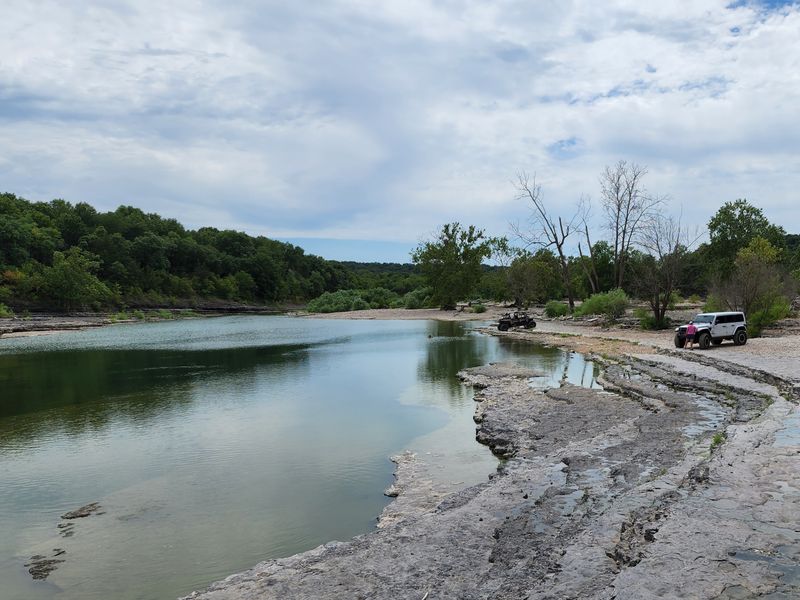
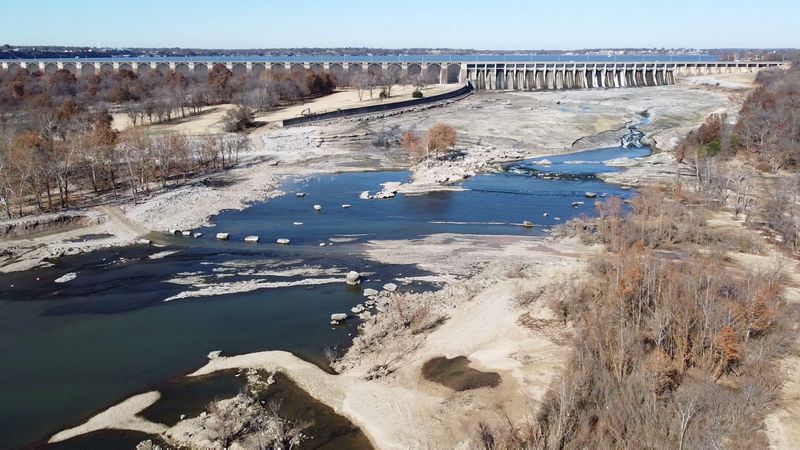
Water levels fluctuate with seasonal rains and dam operations, exposing rocky beaches during dry spells and flooding boat docks during wet years. This constant change shapes daily life in Disney, where residents check lake levels like others check weather forecasts.
The relationship between town and water runs so deep that separating one from the other becomes impossible, making Grand Lake not just a geographical feature but the very reason Disney exists and continues to draw those seeking waterfront refuge.
Population Decline Tells a Changing Story
Census numbers paint a picture of steady contraction in Disney, with the 2020 count recording just 222 residents compared to 311 a decade earlier. This 29 percent drop reflects broader trends affecting rural Oklahoma communities, where younger generations often migrate toward urban opportunities.
The shrinking population creates both challenges and a tighter sense of community among those who remain.
Empty storefronts along the main road hint at busier times, when the town supported more businesses and services. Older residents remember when Disney had a larger school, more active churches, and a downtown that buzzed with activity beyond the summer tourist season.
The consolidation of services into nearby larger towns has gradually pulled economic activity away from the smallest communities.
Yet those who stay in Disney often do so by choice, valuing the quiet lifestyle and natural surroundings over economic opportunity. Retirees make up a significant portion of the year-round population, drawn by affordable lakefront property and the chance to fish from their own docks.
Weekend residents with vacation homes swell the numbers during warm months, creating a seasonal rhythm to local life.
The declining population also means less political influence and fewer resources for infrastructure maintenance and community development. Roads receive less attention, and amenities that larger towns take for granted become luxuries here.
Despite these challenges, the remaining residents display remarkable resilience and connection to place. They understand that Disney’s remoteness and small size might be liabilities in economic terms but represent genuine assets for those seeking escape from Oklahoma’s growing metro areas and the pressures of modern life.
Geographic Isolation Creates Island Mentality
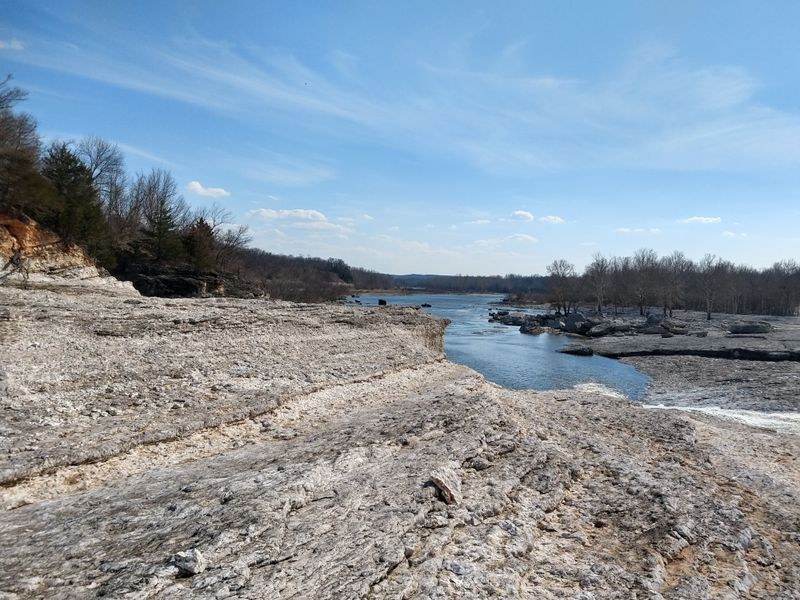
Reaching Disney requires intention, as the town sits at the end of roads rather than along major through routes. State Highway 28 provides the primary access, winding through wooded terrain and crossing lake inlets before reaching the community.
This geographic layout discourages casual passersby and ensures that nearly everyone who arrives has chosen Disney as a destination rather than stumbling upon it accidentally.
Water surrounds the town on multiple sides, creating a peninsula effect that reinforces the sense of separation from the Oklahoma mainland. During high water periods, the feeling of being cut off intensifies as the lake presses closer to roadways and yards.
Residents joke about living on an island, and the comparison carries more truth than exaggeration.
The nearest significant services lie in Grove, roughly 20 miles to the southwest, requiring a deliberate trip for groceries, medical care, or shopping beyond basics. This distance means planning becomes essential, and spontaneous runs to the store turn into calculated expeditions.
The isolation filters out those who need immediate access to urban amenities and attracts those who find freedom in distance.
Cell phone coverage remains spotty in parts of Disney, adding another layer of disconnection that some residents cherish and others find frustrating. Internet service lags behind urban standards, making remote work challenging for those who might otherwise consider relocating here.
The physical isolation thus combines with digital isolation to create a truly removed existence. For visitors from Oklahoma’s cities, the journey to Disney offers a tangible transition from connected to disconnected, from hurried to unhurried, making the geographic separation a feature rather than a flaw.
Fishing Culture Runs Through Every Season
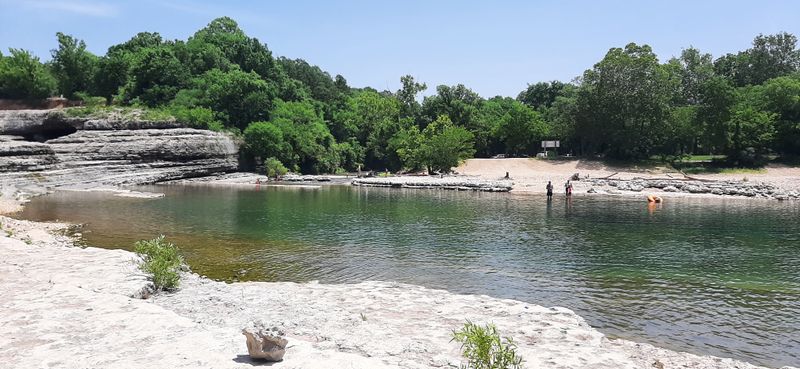
Rods and reels lean against porch railings throughout Disney, and conversations at the local store inevitably turn to what fish are biting and where. The town’s identity intertwines completely with angling culture, from tournament professionals who maintain homes here to casual bank fishermen who drop lines from public access points.
Grand Lake’s reputation as a bass factory brings serious anglers, while abundant catfish and crappie keep family fishermen returning year after year.
Spring brings the spawning run, when bass move shallow and the lake comes alive with activity. Anglers launch before dawn, chasing the magic hours when fish feed aggressively in warming water.
Summer heat pushes fish deeper, requiring different tactics and early morning or evening trips to avoid the worst heat. Fall cooling triggers another feeding frenzy as fish bulk up before winter, and even cold months see hardy souls pursuing wintertime patterns.
Local knowledge matters tremendously on Grand Lake’s vast expanse, and Disney residents guard their favorite spots with friendly but firm secrecy. Newcomers must earn trust before receiving detailed directions to productive areas.
This territorial approach to fishing holes reflects not selfishness but practical reality, as too much pressure can ruin a good spot quickly.
Tournaments bring temporary influxes of visitors and money to the area, though the largest events focus on marinas farther south. Disney benefits from overflow crowds and anglers seeking quieter water away from tournament pressures.
The town’s fishing culture extends beyond sport to subsistence for some residents, who rely on lake fish to supplement their food supply and stretch limited budgets across Oklahoma’s economically challenging rural landscape.
Seasonal Rhythms Shape Community Life
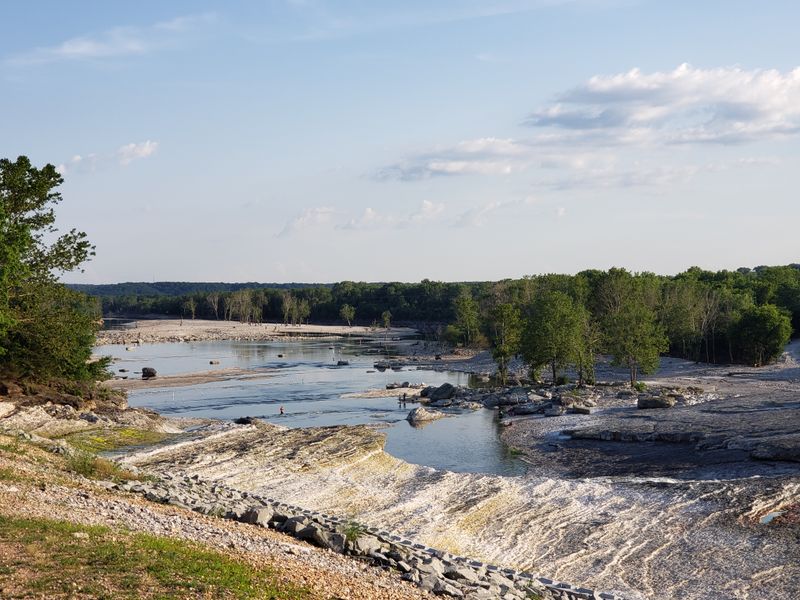
Summer transforms Disney from sleepy hamlet to bustling lake destination, as vacation homeowners arrive and tourists fill rental properties. Boat traffic increases dramatically, and the town’s few businesses see their busiest months.
Weekends bring the roar of ski boats and jet skis, while weekdays remain relatively peaceful. This seasonal surge provides economic lifeline for businesses that must stretch summer earnings across the entire year.
Fall brings relief and melancholy in equal measure, as the crowds depart and quiet returns to the lake. Leaves turn brilliant colors along the wooded shoreline, creating spectacular scenery that goes largely unwitnessed beyond local residents.
The cooler weather makes outdoor activities pleasant again, and locals reclaim their lake from the summer visitors. This transition period represents Disney at its most authentic, when the town belongs again to those who stay year-round.
Winter strips away all pretense, leaving only the hardy and committed. Freezing temperatures occasionally skim the lake with ice along protected coves, and bitter north winds sweep across open water.
The handful of businesses that remain open keep minimal hours, and the town takes on an almost abandoned appearance. Yet residents who weather winter here speak of its stark beauty and the satisfaction of enduring.
Spring awakening brings hope and anticipation, as warming temperatures green the landscape and fishing picks up. Residents emerge from winter hibernation to clean docks, repair boats, and prepare properties for another season.
The cycle repeats endlessly, and those who live in Disney long enough begin to measure their lives by these seasonal rhythms rather than conventional calendars, their existence shaped by Oklahoma’s lake country patterns.
Modest Architecture Reflects Working Class Roots
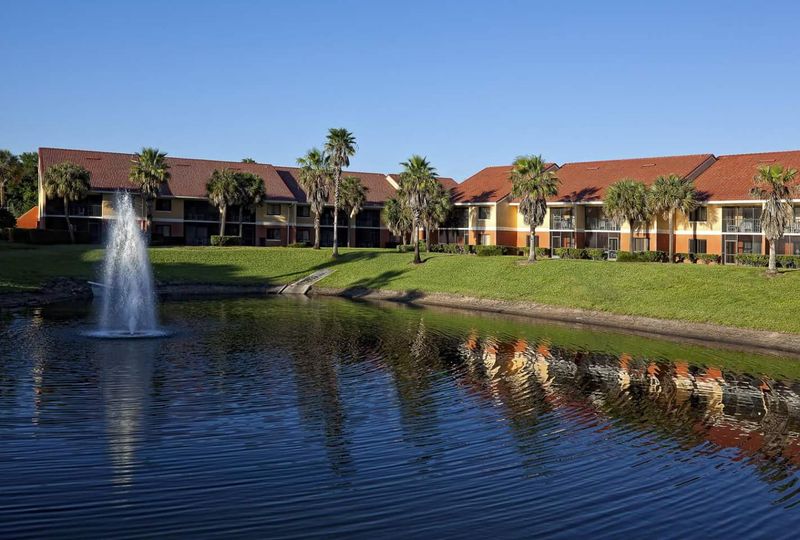
Grand mansions and luxury developments bypass Disney in favor of more accessible locations around Grand Lake. The town’s housing stock consists primarily of modest single-story homes, mobile homes, and simple lake cabins built for function over form.
Vinyl siding predominates, and architectural ambition remains rare. This unpretentious built environment reflects the working-class character of the community and keeps property values accessible.
Many homes show their age, with weathered decks and aging roofs testifying to limited maintenance budgets and the harsh effects of Oklahoma weather. Wind, sun, and temperature extremes take their toll on structures, and constant upkeep becomes necessary to prevent deterioration.
Some properties show meticulous care, with tidy yards and fresh paint, while others slide toward disrepair, creating a patchwork appearance.
Lakefront properties command premium prices relative to Disney’s market, but even prime waterfront lots cost a fraction of comparable locations in more accessible areas. This affordability attracts buyers seeking their own piece of shoreline without the price tags attached to properties near Grove or Monkey Island.
Simple boat docks extend from many waterfront yards, often representing the most significant structure on the property after the house itself.
The town’s commercial buildings follow similar modest lines, with simple metal or wood construction and minimal decoration. No historic downtown district exists to attract preservation efforts or tourism dollars.
Instead, the architecture tells an honest story of a community built around practical needs rather than aesthetic aspirations. This plainness contributes to Disney’s authentic character, presenting Oklahoma lake life without the gloss or pretense that can sanitize more developed destinations into generic tourist experiences.
Limited Services Test Self-Sufficiency
Grocery shopping means driving to Grove, as Disney lacks a full-service market. A small convenience store provides basics like milk, bread, and fishing supplies, but weekly shopping requires leaving town.
Medical emergencies necessitate longer drives to hospitals in Grove or Miami, and the absence of local emergency services means response times stretch longer than in urban areas. These limitations demand self-reliance and careful planning from residents.
Dining options remain extremely limited, with no sit-down restaurants operating year-round within town limits. Visitors hoping for lakeside dining must drive to neighboring communities or pack their own meals.
This absence of restaurants contributes to Disney’s quiet character but also means less economic activity and fewer reasons for outsiders to stop and spend money locally.
Fuel availability fluctuates with seasonal demand, and prices at the local pump often run higher than regional averages due to limited competition and transportation costs. Residents learn to fill tanks when traveling to larger towns rather than paying premium prices locally.
This price differential applies to most goods and services, creating economic pressure on those with limited mobility or transportation options.
The lack of services also builds community bonds, as neighbors help each other with rides, share bulk purchases, and provide informal support networks. When someone falls ill or faces hardship, the community often rallies with practical assistance.
This mutual aid tradition reflects both necessity and choice, as residents understand their isolation requires cooperation.
The service limitations that might drive others away become, for Disney’s residents, part of the trade-off for living in a place where Oklahoma’s natural beauty and quiet lifestyle outweigh the conveniences of modern consumer culture.
Natural Beauty Compensates for Amenity Gaps
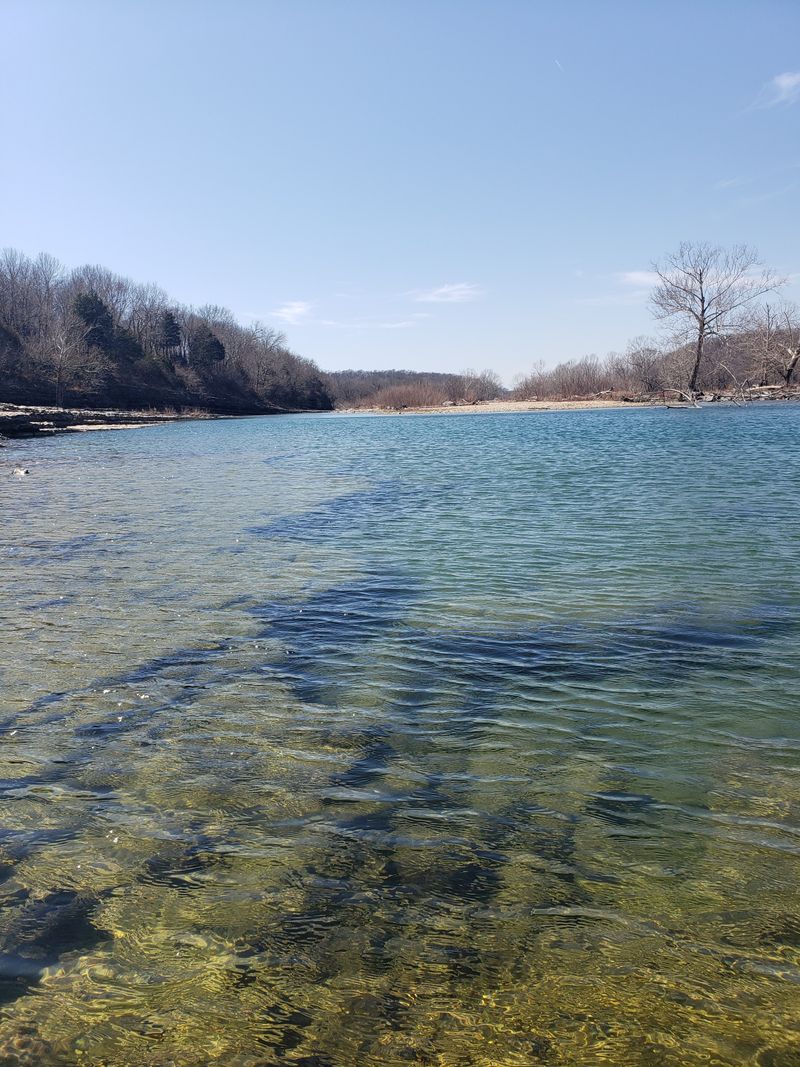
Sunrises over Grand Lake paint the sky in shades of pink and orange that rival any Oklahoma vista. The water reflects these colors like a mirror, creating double images of stunning beauty that greet early risers.
Wildlife abounds in the wooded areas surrounding Disney, with white-tailed deer, wild turkeys, and countless bird species making appearances. This natural richness provides daily rewards that residents value more than shopping centers or entertainment venues.
Wooded shorelines create a sense of wilderness despite the lake’s human-made origins, with oak, hickory, and cedar trees growing down to the water’s edge. Spring brings blooming dogwoods and redbuds that add splashes of white and purple to the green canopy.
Summer thunderstorms roll across the lake with dramatic displays of lightning and booming thunder that echo off the water. These natural phenomena provide free entertainment and constant reminders of living within rather than apart from the natural world.
The night sky over Disney reveals stars invisible in light-polluted cities, and the Milky Way stretches overhead on clear, moonless nights. This darkness represents another form of isolation, cutting the town off from the electric glow that marks human settlement across much of Oklahoma.
Residents and visitors who take time to stargaze often report the experience as transformative, reconnecting them with cosmic perspectives lost in urban environments.
Seasonal migrations bring waterfowl to the lake, and the sound of geese passing overhead marks autumn’s arrival as reliably as any calendar.
These natural rhythms and the beauty that accompanies them form the core of Disney’s appeal, offering a quality of life measured not in services or amenities but in daily encounters with Oklahoma’s lakes, forests, and wildlife.
Mayes County’s Northeastern Corner Location
Disney occupies the far northeastern edge of Mayes County, pressed against the lake and the Kansas border just miles to the north. This corner location places it at the margins of county governance and services, reinforcing the sense of being at the edge of things.
County roads receive maintenance, but priorities often favor more populated areas closer to the county seat in Pryor. This geographical positioning within the county structure amplifies Disney’s isolation.
The proximity to Kansas means some residents cross state lines for certain services or shopping, though the nearest Kansas towns remain small themselves. This border location creates interesting dynamics around tax rates, fuel prices, and regulatory differences between states.
Savvy residents learn to navigate these variations to their advantage, buying certain items where prices or selection prove better.
Mayes County’s overall rural character means even the larger towns offer limited urban amenities, making Disney’s isolation part of a broader regional pattern. The county’s economy relies heavily on agriculture, ranching, and lake tourism, with few major employers or industrial operations.
This economic base creates both stability and limitation, as boom-and-bust cycles affect the region less dramatically than more diversified areas but growth remains consistently slow.
County politics rarely focus on Disney’s specific needs, given its tiny population and limited tax base. Representatives from more populous areas naturally dominate decision-making, and Disney residents must advocate strongly for any attention or resources.
This political marginalization mirrors the geographic isolation, creating a double remoteness that defines life here. Yet residents often express preference for being left alone rather than subjected to regulations or developments they did not request, finding freedom in their corner position within Oklahoma’s Mayes County structure.
Dear Reader: This page may contain affiliate links which may earn a commission if you click through and make a purchase. Our independent journalism is not influenced by any advertiser or commercial initiative unless it is clearly marked as sponsored content. As travel products change, please be sure to reconfirm all details and stay up to date with current events to ensure a safe and successful trip.
