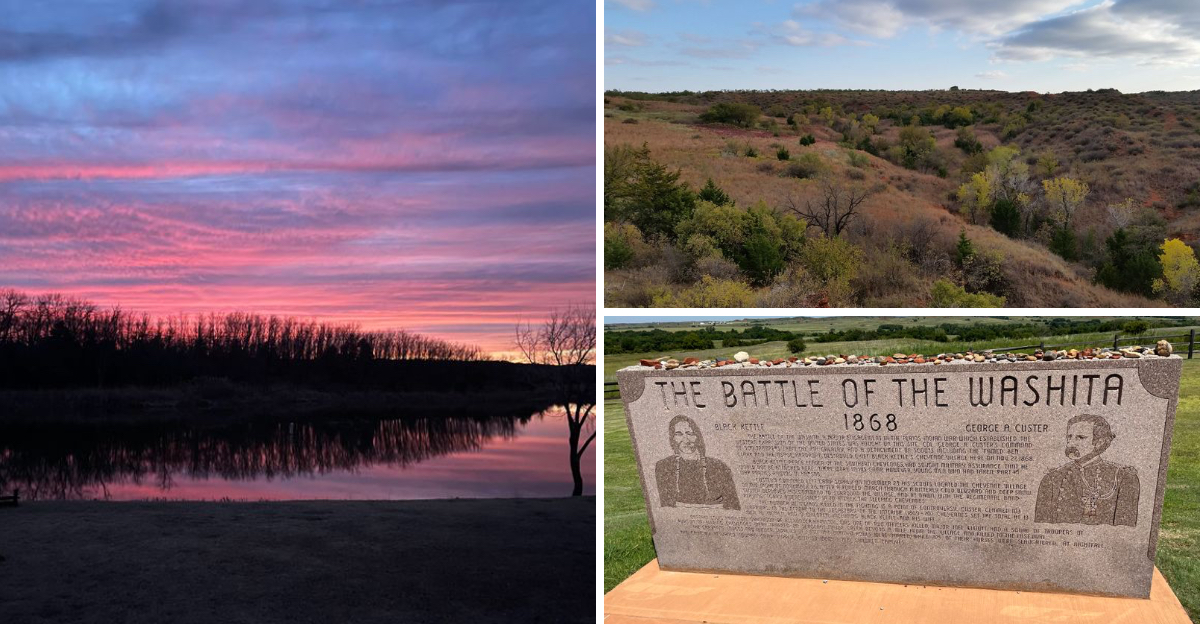
Far from the bustling cities and well-traveled tourist routes, Black Kettle National Grassland stretches across western Oklahoma like a hidden world waiting to be discovered.
This 31,000-acre preserve sits in Roger Mills County, where rolling prairies meet quiet lakes and endless skies create a landscape that feels untouched by time.
Most visitors to Oklahoma never venture this far west, missing out on a side of the state that speaks to solitude, natural beauty, and the raw character of the Great Plains.
The grassland carries the name of Black Kettle, a Cheyenne peace chief, honoring the deep history woven into this land. Here, native grasses sway in the wind just as they did centuries ago, and wildlife roams freely across terrain that looks much like it did before settlement.
For those willing to make the journey to this remote corner of Oklahoma, the rewards are plentiful: starlit nights without light pollution, trails that wind through untouched prairie, and a sense of peace that only true wilderness can provide.
Vast Prairie Landscapes That Stretch to the Horizon
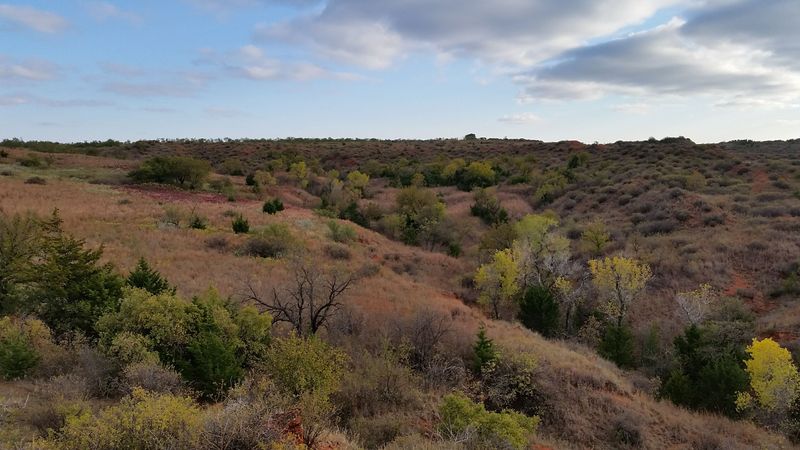
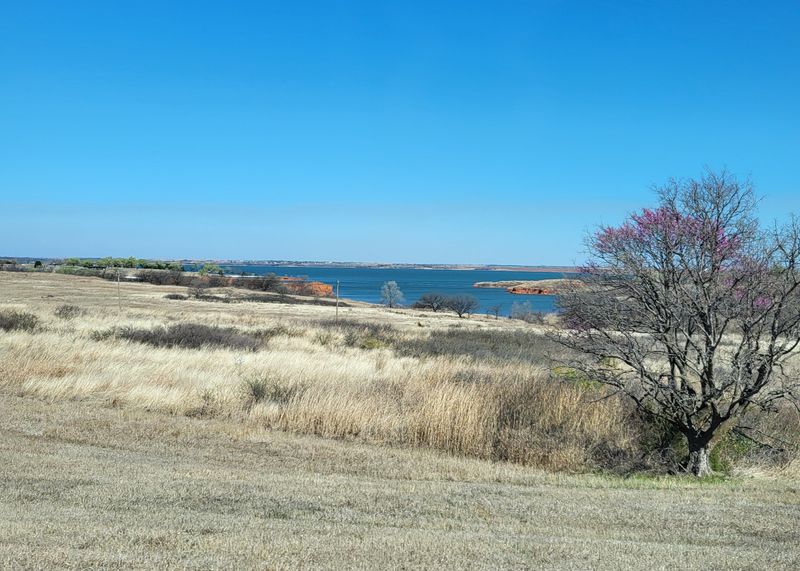
Standing at the edge of Black Kettle National Grassland, you immediately understand what makes this place so different from the rest of Oklahoma. The landscape opens up in every direction, revealing mile after mile of native prairie grasses that ripple like waves under the constant breeze.
This is shortgrass prairie country, where buffalo grass, blue grama, and Indian grass create a tapestry of textures and colors that shift with the seasons.
Spring brings vibrant wildflowers that paint the grassland in yellows, purples, and reds, while summer turns everything golden under the intense prairie sun. Fall adds warm amber tones, and winter reveals the stark, beautiful bones of the landscape.
The openness can be overwhelming at first, especially for visitors used to forests or mountains, but there is something deeply calming about the endless views.
Walking through the grassland, you notice details that might escape notice at first glance. Prairie dog towns dot the landscape, their residents standing sentinel at burrow entrances.
Hawks circle overhead, scanning for movement below. The wind carries the scent of sage and dried grass, a smell that becomes the signature of this place.
Photographers find endless inspiration here, particularly during golden hour when the low sun illuminates every grass blade and creates dramatic shadows across the rolling terrain.
The lack of trees means the sky dominates every view, offering cloud formations and sunsets that seem bigger and more vivid than anywhere else in Oklahoma.
This is landscape photography at its finest, with compositions that write themselves across the prairie canvas.
Skipout Lake and Its Peaceful Shoreline
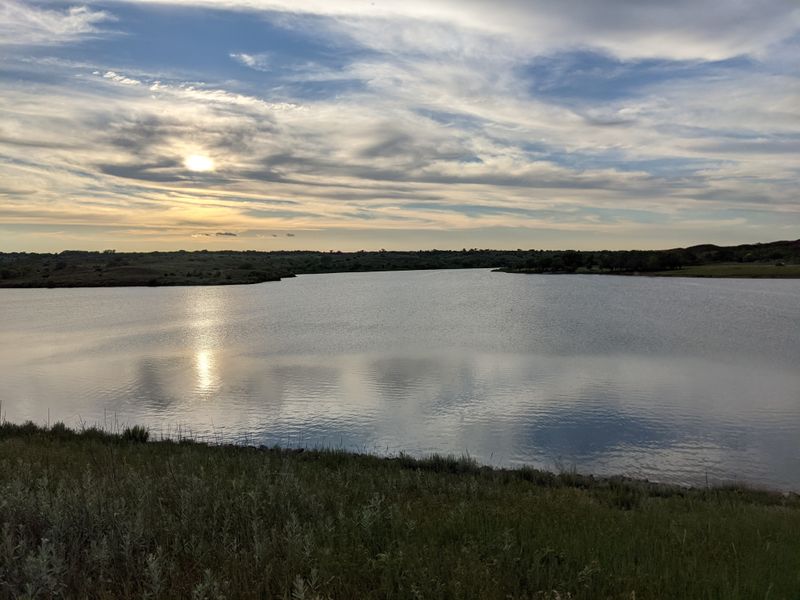
Nestled within the grassland, Skipout Lake offers a surprising contrast to the surrounding prairie. This small reservoir creates an oasis where water meets grassland, attracting wildlife and providing visitors with opportunities for fishing, picnicking, and quiet reflection.
The lake sits calm most days, its surface mirroring the sky and creating perfect conditions for photography and peaceful contemplation.
A fishing pier extends into the water, though time and weather have worn its boards to a weathered gray that blends perfectly with the natural surroundings. Anglers come here for bass, catfish, and other species that thrive in these prairie waters.
The fishing might not rival famous Oklahoma lakes, but the solitude and scenery more than compensate for any difference in catch rates.
A boat ramp provides access for small watercraft, though most visitors prefer to stay shoreside, enjoying picnic tables scattered around the lake perimeter. These spots offer shade from the few trees that cluster near the water, providing relief on hot summer days when the prairie sun beats down relentlessly.
Behind the main lake, smaller ponds create additional habitat for waterfowl and wading birds. Trails wind past these quieter waters, where you might spot herons standing motionless in the shallows or ducks paddling through the reeds.
The combination of water and grassland creates exceptional birdwatching opportunities, particularly during migration seasons when species stop to rest and refuel on their long journeys north or south across the Great Plains.
Free Camping Under Star-Filled Skies
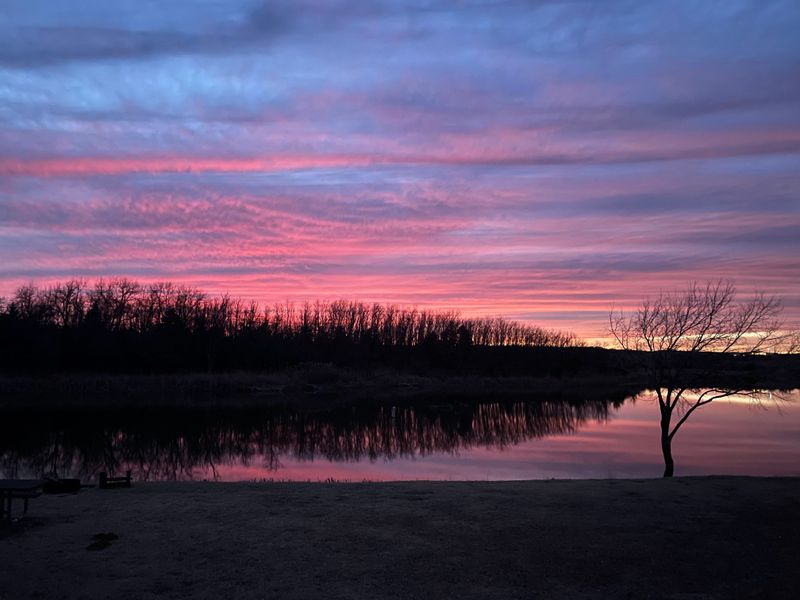
One of the most appealing aspects of Black Kettle National Grassland is the opportunity for free camping in a setting that feels truly remote. Skipout Campground serves as the main camping area, offering designated spots with picnic tables and fire pits scattered across the grassland near the lake.
The facilities remain simple and rustic, exactly what you want when seeking an authentic outdoor experience.
Two spots accommodate RVs, though without hookups for electricity or water. Most campsites cater to tent campers, with parking areas where you can pull in, unload your gear, and pitch your tent within sight of the prairie.
Clean restrooms provide basic facilities, and water spigots allow visitors to fill containers, though you should always bring extra water just in case.
What makes camping here truly special is the night sky. With no nearby cities to create light pollution, the stars emerge in breathtaking numbers once the sun sets.
The Milky Way stretches overhead like a river of light, and on clear nights you can see satellites tracking across the darkness and shooting stars streaking through the atmosphere. Bring a star chart or astronomy app, and you will spend hours identifying constellations and planets.
The grassland operates two additional campgrounds beyond Skipout, offering even more solitude for those willing to explore further. Most weekends see only a handful of campers spread across the entire area, meaning you often have entire sections to yourself.
Friday nights might bring a few more visitors, but even then the spaciousness ensures privacy and quiet for everyone seeking escape from crowded campgrounds elsewhere in Oklahoma.
Wildlife Watching in Native Habitat
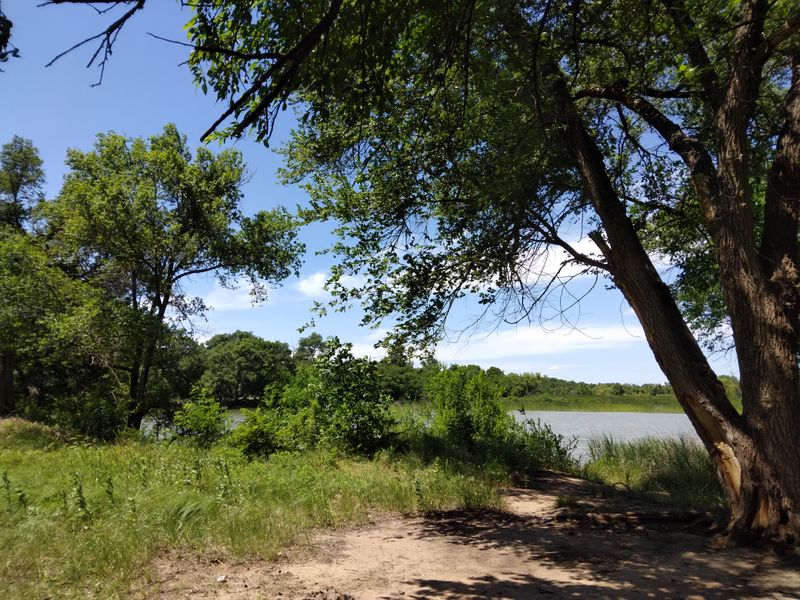
Black Kettle National Grassland supports a remarkable diversity of wildlife that has adapted to thrive in this prairie ecosystem. Deer are perhaps the most commonly spotted large mammals, often seen grazing near dawn and dusk when they emerge from whatever cover they can find in this open landscape.
White-tailed deer move through the grassland in small groups, their cautious nature making each sighting feel like a privilege.
Birdwatchers consider this grassland a hidden gem, particularly for species that depend on prairie habitat. Grassland sparrows, meadowlarks, and dickcissels nest here during breeding season, their songs creating a constant soundtrack across the landscape.
Raptors patrol the skies, including red-tailed hawks, Swainson’s hawks, and occasionally golden eagles during winter months when they migrate south from Canada.
Prairie dogs maintain their towns in scattered locations across the grassland, their colonies providing homes not just for themselves but for burrowing owls and other species that depend on their excavations.
Watching a prairie dog town offers entertainment for hours as these social rodents go about their daily routines, calling warnings to each other and standing upright to scan for predators.
Coyotes roam the grassland, though they typically stay hidden during daylight hours. You might hear their yipping and howling at night, a wild sound that reminds you of where you are and what this landscape once supported.
Smaller mammals like rabbits, ground squirrels, and mice form the base of the food chain, supporting the predators that hunt across these Oklahoma prairies.
Hiking Trails Through Untouched Prairie
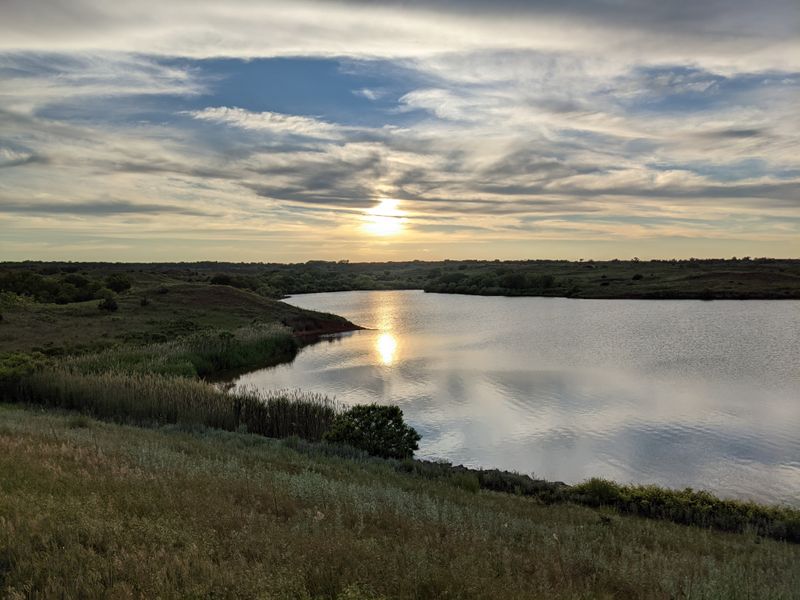
Trail networks wind through Black Kettle National Grassland, offering visitors chances to explore the prairie landscape on foot. These paths range from short walks near the campground to longer routes that venture deeper into the grassland, each providing different perspectives on this unique Oklahoma ecosystem.
The trails remain relatively undeveloped, maintaining a wild character that matches the surrounding landscape.
Behind Skipout Lake, trails follow the shorelines of smaller ponds, passing through areas where water and grassland meet to create rich habitat zones. These routes offer the best opportunities for spotting wildlife, particularly birds that congregate near water sources.
The terrain stays mostly flat, making the trails accessible for hikers of various fitness levels, though the lack of shade means you should plan accordingly during summer months.
Walking these trails requires attention to your surroundings in ways that forest hikes do not. Without trees to provide landmarks, navigation depends on staying aware of your route and perhaps carrying a GPS device or compass.
The openness means you can usually see the trailhead or other landmarks from a distance, but the sameness of the landscape can be disorienting for first-time visitors.
Unfortunately, some trails prohibit dogs, which disappoints visitors hoping to bring their pets along for the adventure. Check current regulations before planning your hike to avoid surprises.
The trails see light use compared to more popular Oklahoma parks, meaning you often have the paths entirely to yourself, creating a meditative experience as you walk through grass and sky with only the wind and birds for company.
Historical Connections to Cheyenne Heritage
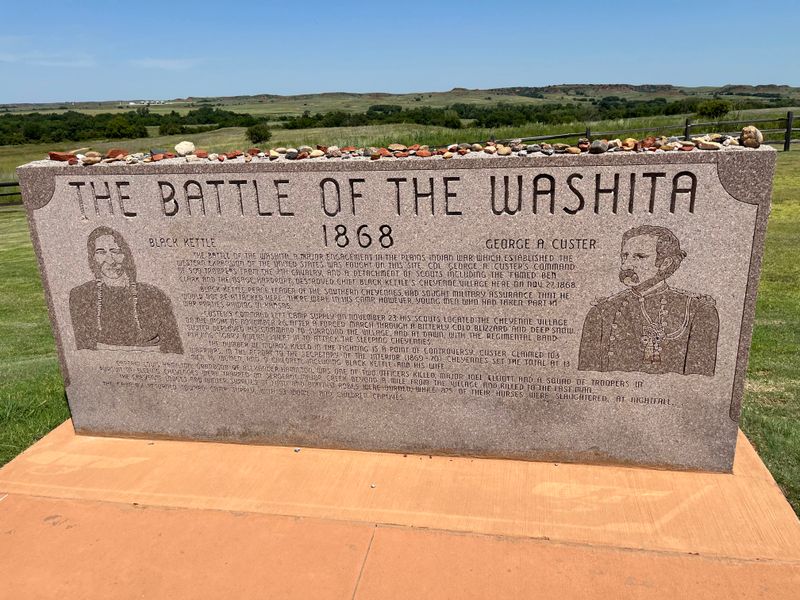
The name Black Kettle carries deep historical significance, honoring a Cheyenne peace chief who sought to protect his people during one of the darkest chapters in American history.
Black Kettle survived the Sand Creek Massacre in Colorado in 1864, where peaceful Cheyenne and Arapaho people were attacked despite flying an American flag and a white flag of truce.
Four years later, he and his wife were killed during another attack on their village along the Washita River, not far from where this grassland now preserves the landscape they once knew.
A small museum near the grassland helps visitors understand this history and the broader story of the Southern Cheyenne people who called these plains home.
The exhibits provide context for the landscape around you, explaining how Native peoples lived on and shaped these prairies for thousands of years before European settlement changed everything.
Understanding this history adds depth to any visit, transforming the grassland from simply a scenic area into a place of profound cultural importance.
The grassland itself represents a form of restoration, bringing back native grasses and wildlife to land that was converted to agriculture in the early twentieth century. This restoration work honors not just ecological health but also the memory of the people who understood how to live in balance with these prairies.
Walking through the grassland, you follow in footsteps that stretch back countless generations.
Visitors interested in learning more about Cheyenne history and culture should plan time for the museum, which receives consistent praise for its informative and respectful presentation of difficult historical events.
This combination of natural beauty and cultural education makes Black Kettle National Grassland a place for both recreation and reflection in western Oklahoma.
Seasonal Changes Across the Grassland
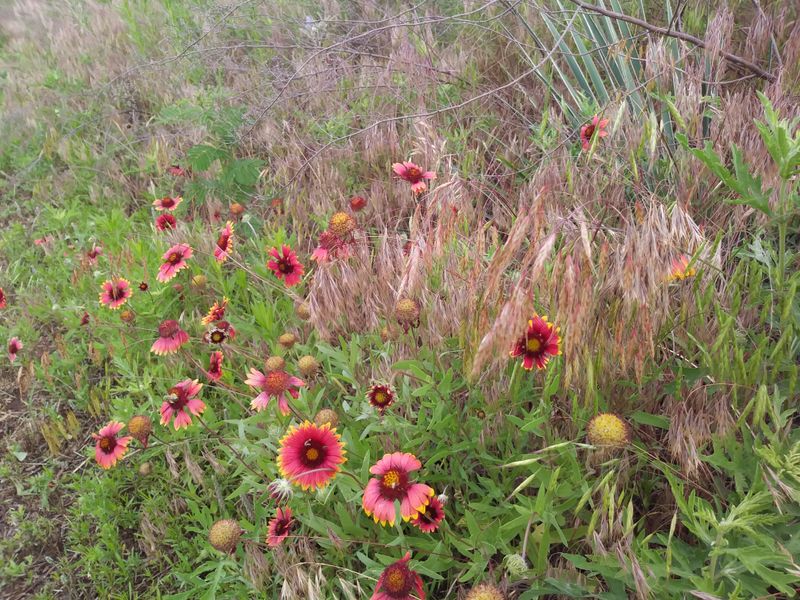
Each season transforms Black Kettle National Grassland into a different place, offering visitors varied experiences depending on when they choose to visit. Spring arrives with dramatic weather and explosive growth as native plants emerge from winter dormancy.
Wildflowers bloom in waves, starting with early species in March and continuing through May when the prairie reaches peak color. Thunderstorms roll across the landscape with impressive frequency, their approach visible for miles across the flat terrain.
Summer brings intense heat and the full growth of prairie grasses, which reach their maximum height by July. The landscape turns predominantly golden and green, with seed heads nodding in the constant breeze.
Morning and evening offer the best times for outdoor activities, while midday heat sends most visitors seeking shade near the lake or back to their campsites. Sunsets become the main event, painting the western sky in colors that seem too vivid to be real.
Fall transforms the grassland into a palette of warm tones as grasses cure and wildflowers go to seed. The weather becomes more stable, with crisp mornings and comfortable afternoons that make this perhaps the best season for hiking and camping.
Wildlife activity increases as animals prepare for winter, and migrating birds pass through in large numbers on their way south.
Winter strips the grassland down to its essential character, revealing the landscape in stark beauty. The grasses turn tan and gray, standing dormant against occasional snow that dusts the prairie white.
Fewer visitors brave the cold, but those who do discover a peaceful solitude and wildlife viewing opportunities as animals become more visible against the muted background of winter prairie.
Navigating to This Remote Location
Getting to Black Kettle National Grassland requires planning and attention, as this remote location sits far from major highways and population centers. The grassland lies in Roger Mills County in western Oklahoma, roughly halfway between Oklahoma City and Amarillo, Texas.
Most visitors approach from State Highway 283, which runs north-south through the area, though several county roads provide access to different sections of the grassland.
GPS navigation can be unreliable or misleading in this area, with several visitors reporting that their devices tried to route them through active oilfields or down roads that deteriorate into dirt tracks leading nowhere.
The best approach involves researching your route beforehand, downloading offline maps, and being prepared to navigate using traditional methods if your GPS sends you astray.
The official Forest Service website provides detailed directions and maps that prove more reliable than general navigation apps.
The nearest towns are small, with limited services, so you should fuel up and gather supplies before making the final approach to the grassland. Cheyenne, Oklahoma sits about fifteen miles north and offers basic amenities, while larger towns with more complete services lie further away.
Cell phone coverage can be spotty or nonexistent once you enter the grassland, so plan accordingly and let someone know your itinerary before heading into this remote area.
Once you arrive, the roads within the grassland range from paved to gravel to dirt, with conditions varying based on recent weather. After rain, some routes become impassable without four-wheel drive.
The remoteness that makes this place special also means you need to be self-sufficient and prepared for the isolation that defines Black Kettle National Grassland.
Solitude and Serenity in the Heart of Oklahoma
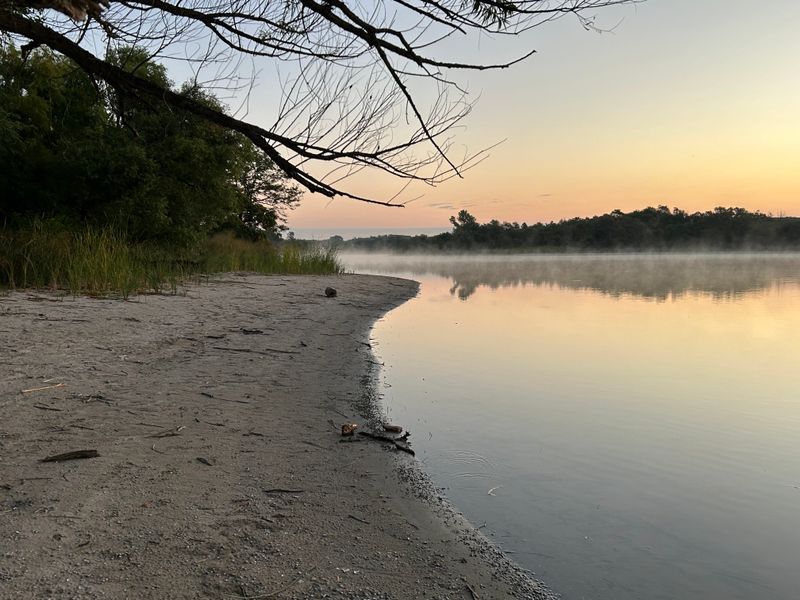
Perhaps the greatest gift Black Kettle National Grassland offers is something increasingly rare in modern life: genuine solitude. On weekdays, you might encounter only a handful of other people during your entire visit, and even on weekends the spaciousness ensures everyone can find their own piece of prairie peace.
This is not a park where you need to arrive early to claim a campsite or where trails feel like crowded sidewalks. Space and quiet define the experience here.
The silence of the grassland takes adjustment for visitors accustomed to urban noise or even the sounds of forested parks. Here, the wind becomes the dominant sound, a constant presence that rushes through grass and whistles around your ears.
Bird calls punctuate the quiet, and at night the silence deepens until you can hear your own heartbeat. This acoustic environment allows your mind to settle in ways that busier places simply cannot provide.
Many visitors describe their time at Black Kettle as restorative, a chance to disconnect from digital devices and reconnect with natural rhythms.
Without cell service and far from the demands of daily life, you have permission to simply exist in the present moment, watching clouds drift across the sky or following the path of a hawk as it hunts across the prairie.
This grassland reveals a side of Oklahoma that contradicts common stereotypes about the state. Beyond the cities and interstates, beyond the well-known tourist destinations, places like Black Kettle preserve wild character and natural beauty that surprise visitors who thought they knew what Oklahoma offered.
For those willing to venture to this remote corner of the state, the rewards include not just scenic beauty but a profound sense of peace that lingers long after you return to everyday life.
Dear Reader: This page may contain affiliate links which may earn a commission if you click through and make a purchase. Our independent journalism is not influenced by any advertiser or commercial initiative unless it is clearly marked as sponsored content. As travel products change, please be sure to reconfirm all details and stay up to date with current events to ensure a safe and successful trip.
