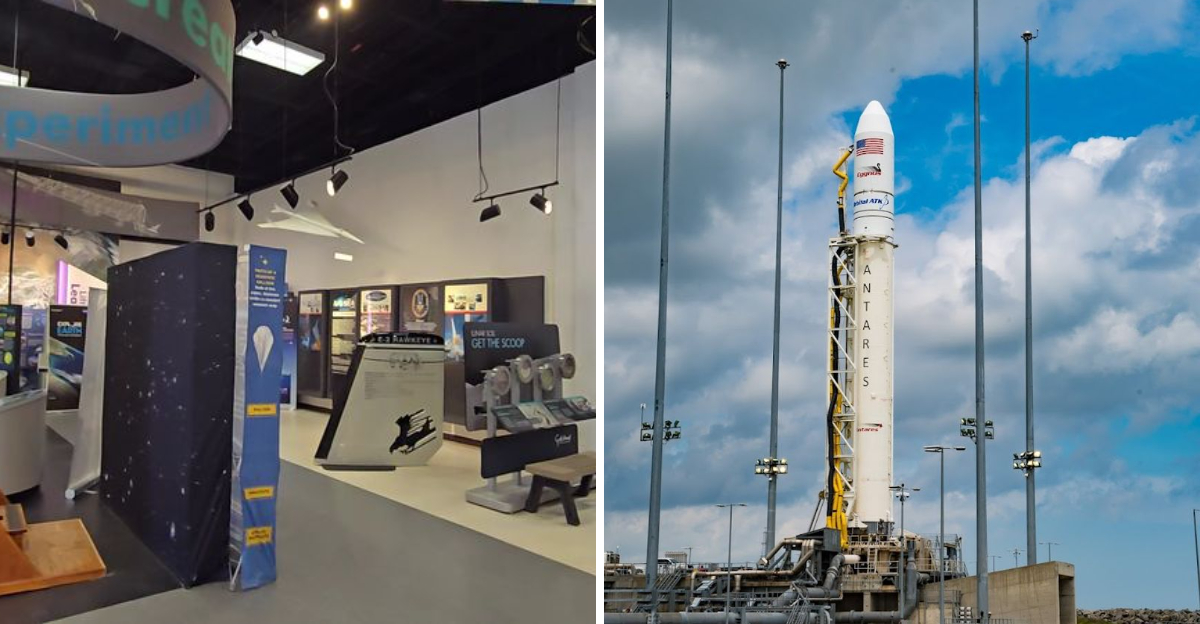
Forget everything you think you know about quiet barrier islands off the Virginia coast. Tucked along the Eastern Shore of Accomack County sits a sliver of land that punches way above its weight, launching rockets into orbit while wild ponies roam nearby marshes.
Most people speed past this stretch of Virginia on their way to the beach, completely unaware that one of NASA’s most active and storied facilities is just off the highway. This place is proof that the most jaw-dropping adventures don’t always require a cross-country flight, just a curious mind and a willingness to look beyond the obvious.
NASA’s Wallops Flight Facility: Where Rockets Meet the Atlantic
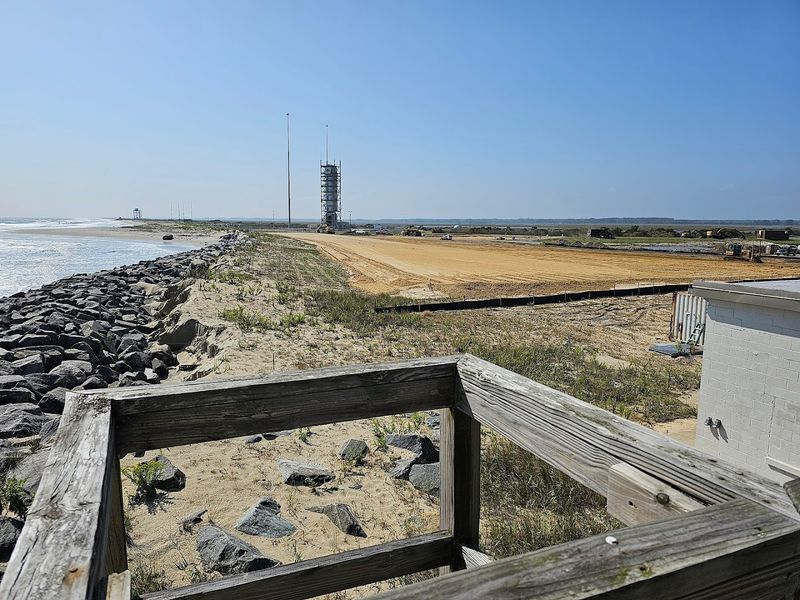
Standing on the edge of the Atlantic and watching a rocket streak into the sky above Virginia is one of those experiences that rewires your brain permanently. Wallops Flight Facility has been doing exactly that since its founding in 1945, making it one of the oldest launch sites in the entire world.
The facility operates as NASA’s primary site for suborbital and small orbital missions, supporting a staggering range of scientific research from atmospheric studies to satellite deployment.
What makes Wallops Island uniquely thrilling is the sheer variety of launches. Sounding rockets, orbital rockets, and massive high-altitude balloons all share the same sky here.
The Mid-Atlantic Regional Spaceport, located right on the grounds, adds commercial launches to the mix, meaning this compact island punches far above its geographic size.
Visiting during a scheduled launch is something that belongs on every science lover’s bucket list. The roar of engines, the trail of fire cutting through coastal air, and the ocean as a backdrop make it cinematic in the best possible way.
Wallops Island, Accomack County is not just a NASA address. It is a front-row seat to humanity’s ongoing conversation with the cosmos.
The Visitor Center Experience: Science Made Spectacular
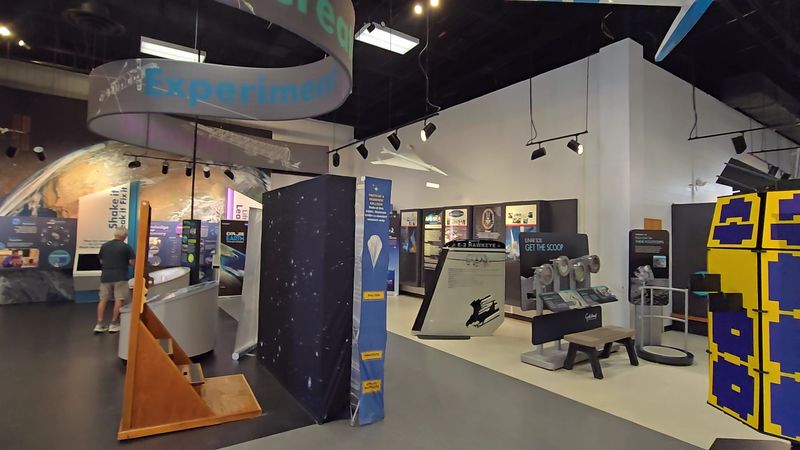
Science museums can sometimes feel dry and dusty, but the Wallops Visitor Center throws that stereotype straight out the airlock. The exhibits here are genuinely engaging, mixing hands-on displays with real artifacts from decades of spaceflight history.
A welcome film kicks things off with modern, cinematic flair that gets kids and adults equally fired up about what NASA actually does day to day.
Mini exhibits scattered throughout the space cover everything from rocket propulsion to atmospheric research. Some installations are perfectly pitched for young children, while others dig deep enough to satisfy adults who already know their way around an orbital mechanics textbook.
That layered approach is rare and refreshing.
The gift shop deserves its own mention. It is genuinely well-stocked with souvenirs, educational materials, and NASA-branded items that feel like real keepsakes rather than throwaway trinkets.
Outside, picnic tables dot grassy areas perfect for a relaxed afternoon break. Please note that as of late 2025, there were plans to close the visitor center, so checking current operating status before your trip is strongly recommended.
Wallops Island, Accomack County keeps evolving, and staying informed means you never miss a moment of it.
Rocket Launch Viewing: The Ultimate Backyard Spectacle
Few things in life are as immediately humbling as watching a rocket leave Earth. At Wallops Island, launch viewing is practically a community sport.
The facility maintains a public viewing area, and on launch days the surrounding roads and beaches fill with people craning their necks skyward with wide, disbelieving grins plastered across their faces.
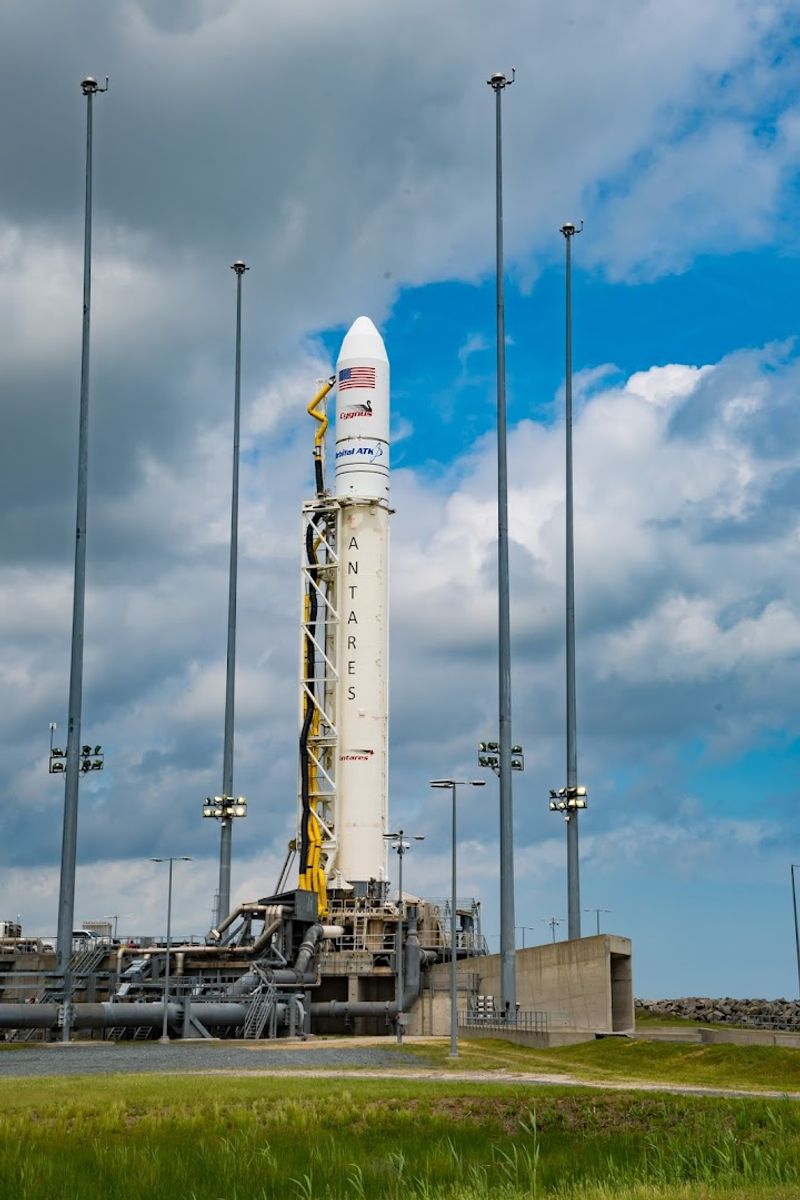
The Antares rocket, used by Northrop Grumman for Cygnus cargo resupply missions to the International Space Station, has launched from Wallops multiple times. Seeing something that large and powerful ignite and climb is viscerally different from watching it on a screen.
The sound arrives seconds after the light, a deep, chest-rattling rumble that you feel as much as hear.
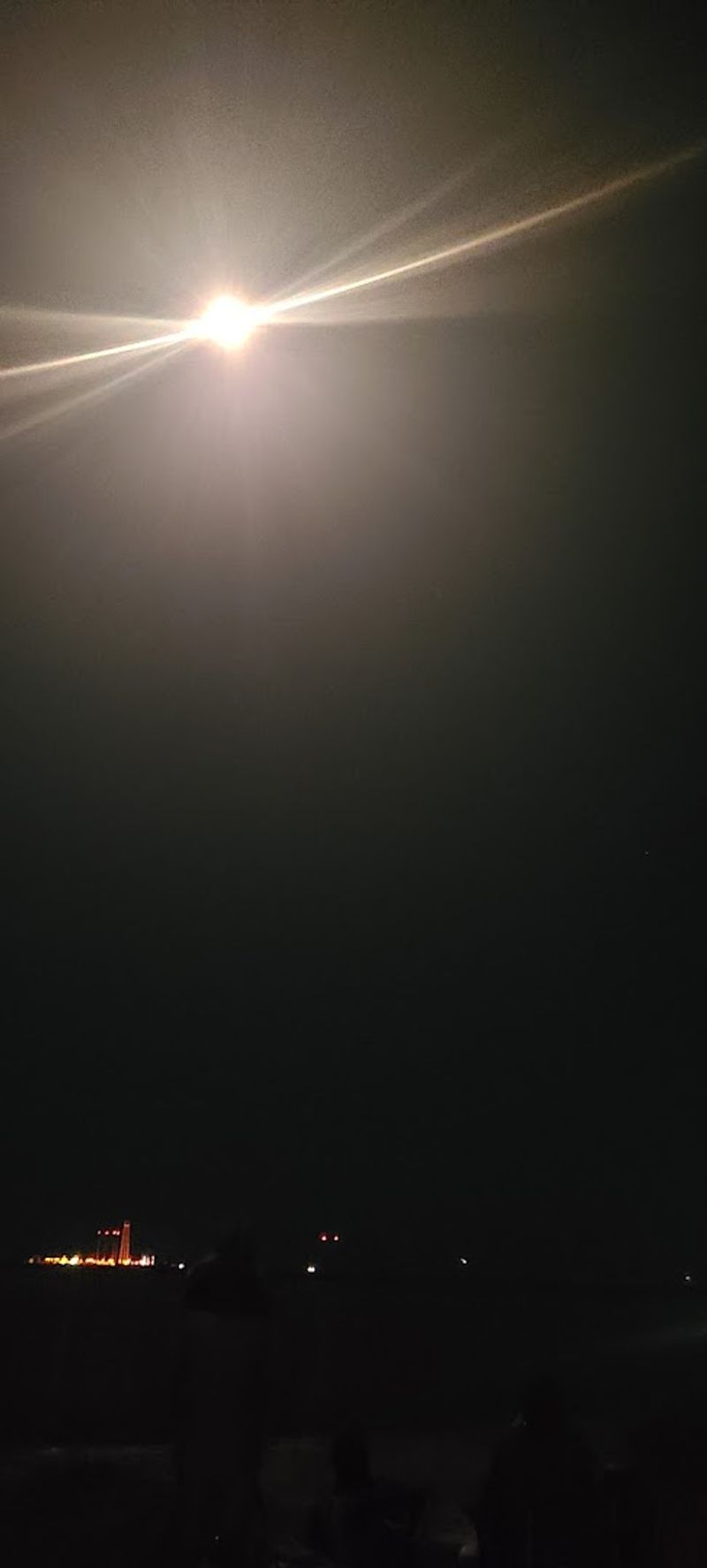
Planning around a launch schedule takes a little homework, but the NASA Wallops website publishes upcoming launch windows well in advance. Night launches are particularly spectacular, turning the dark Virginia sky into something resembling a special effects reel.
Locals have learned to keep one eye on the launch schedule year-round because missing a good one feels like skipping the best concert of the summer. Pack a blanket, arrive early, and prepare to feel genuinely small in the most wonderful way.
The Eastern Shore of Virginia: A Coastal World Apart
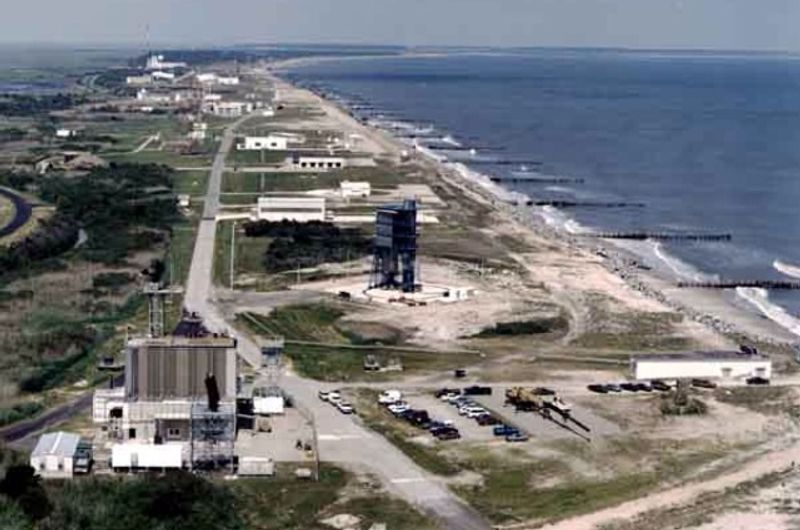
Accomack County is not your typical Virginia destination, and that is precisely what makes it magnetic. The Eastern Shore stretches like a long, narrow peninsula between the Chesapeake Bay and the Atlantic Ocean, creating a geography that feels genuinely otherworldly.
Salt marshes, tidal creeks, and barrier islands string together in a mosaic that has remained largely unchanged for centuries.
Driving down Route 13 through Accomack County feels like peeling back layers of modern noise. Small towns with deep histories pop up between long stretches of farmland and wetlands.
The light here is different too, softer and more diffuse, bouncing off open water in every direction and giving the whole landscape a painterly quality that photographers absolutely lose their minds over.
Virginia’s Eastern Shore moves at its own pace, and once you sync up with it, the rest of the world starts to feel unnecessarily frantic. The proximity of Wallops Island to this serene coastal backdrop creates an almost surreal contrast.
One moment you are watching a rocket tear through the atmosphere, and the next you are listening to nothing but wind through cordgrass. That juxtaposition is the Eastern Shore’s greatest and most underappreciated gift.
Assateague Island: Wild Ponies and Wilder Beaches
Just a short drive from Wallops Island sits Assateague Island, home to one of the most photographed and beloved wild horse populations in the entire country. These stocky, salt-and-pepper ponies roam freely across the barrier island, grazing on marsh grasses and occasionally wandering right up to the edge of the beach with absolutely zero concern for personal space.
They are magnificent and slightly chaotic, which is a combination that works beautifully.
Assateague straddles the Virginia-Maryland border and offers two distinct management zones. The Virginia side is managed in partnership with the Chincoteague National Wildlife Refuge, which also protects critical nesting habitat for migratory birds.
The Maryland side is managed as a national seashore, offering camping and surf fishing opportunities that draw hardcore outdoor enthusiasts year after year.
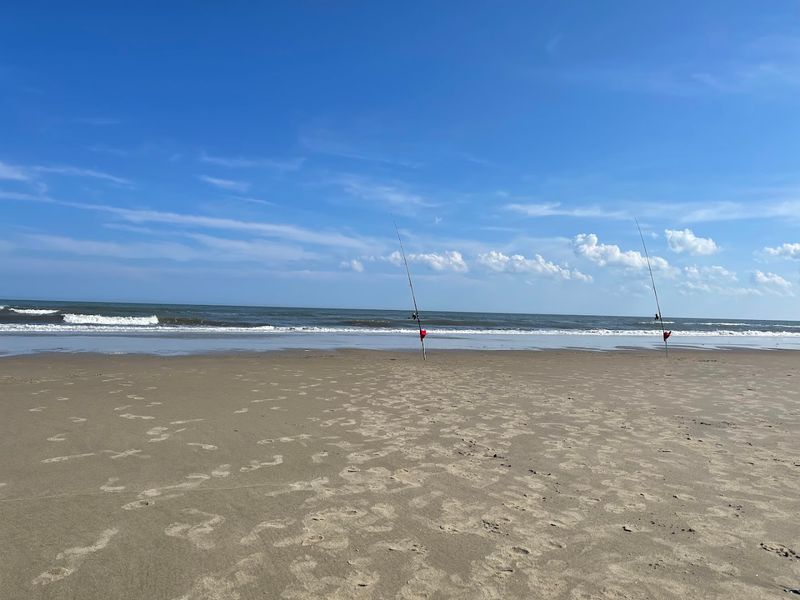
The beaches on Assateague are the kind that make you immediately resent every crowded, over-developed shoreline you have ever visited. Wide, undeveloped, and spectacularly beautiful, they stretch for miles without a single high-rise in sight.
After watching rockets launch from Wallops Island, Accomack County, spending an afternoon with wild ponies on Assateague feels like the universe offering a perfectly balanced chaser to all that adrenaline.
Chincoteague National Wildlife Refuge: A Birdwatcher’s Paradise
Chincoteague National Wildlife Refuge is the kind of place that turns casual nature fans into obsessive birders almost overnight. Managed by the U.S.
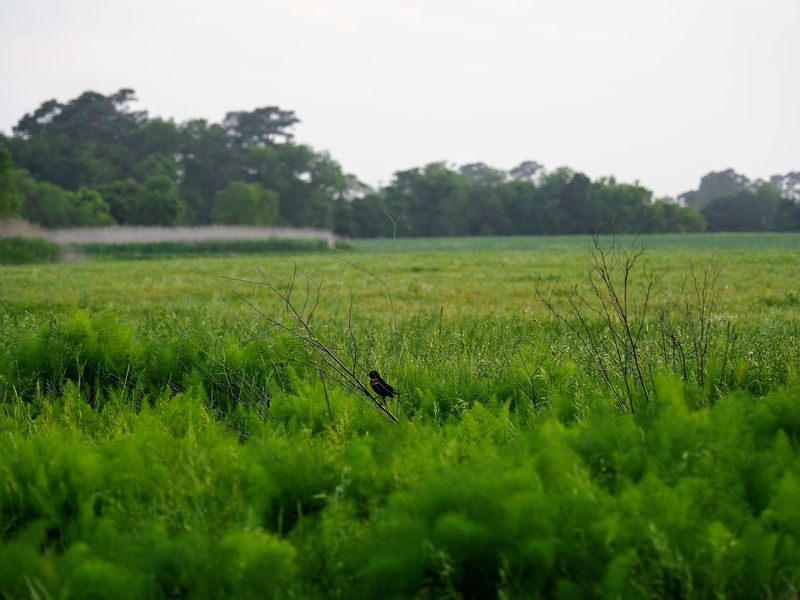
Fish and Wildlife Service on the Virginia portion of Assateague Island, the refuge protects critical habitat for hundreds of migratory and resident bird species. Snow geese, peregrine falcons, piping plovers, and great blue herons are just a few of the regulars that show up throughout the year.
The wildlife loop road inside the refuge is perfect for slow, window-down drives at dawn or dusk when animal activity peaks. Deer, river otters, and the famous Chincoteague ponies share the landscape with the birds, creating a layered wildlife experience that feels genuinely wild rather than curated.
Kayaking through the refuge’s tidal channels offers an even more immersive perspective, putting you at eye level with the marsh ecosystem.
Virginia’s coastal refuges are among the most ecologically significant stretches of the entire Atlantic Flyway, and Chincoteague sits at the heart of that importance. Spending a morning here before or after a visit to Wallops Island creates a full-day itinerary that covers both the technological and the natural sublime.
Bring binoculars, move slowly, and let the refuge set the tempo.
High-Altitude Balloons: NASA’s Quiet Giants in the Sky
Rockets get all the glory, but NASA’s high-altitude balloon program at Wallops is doing some of the most fascinating science in the sky. These enormous, gossamer-thin balloons carry scientific payloads to the edge of the atmosphere, reaching altitudes where the sky above turns black and the curvature of Earth becomes visible.
They float silently, methodically, and carry instruments that measure everything from cosmic rays to ozone levels.
The balloons launched from Wallops Island can be as large as a football stadium when fully inflated, yet they weigh only a fraction of what you might expect. Watching one rise slowly from the launch pad is a different kind of spectacle from a rocket launch but no less awe-inspiring.
There is something almost meditative about the slow, deliberate ascent compared to the explosive immediacy of a rocket burn.
NASA’s Balloon Program Office, headquartered at Wallops, coordinates launches from multiple sites globally, but Wallops Island remains a central hub for operations and testing. The program supports university researchers, international partners, and NASA science teams simultaneously.
For those who love science that moves quietly but covers enormous ground, the balloon program is a compelling reason to pay attention to everything happening at this remarkable corner of Accomack County, Virginia.
Commercial Space at Wallops: The Mid-Atlantic Regional Spaceport
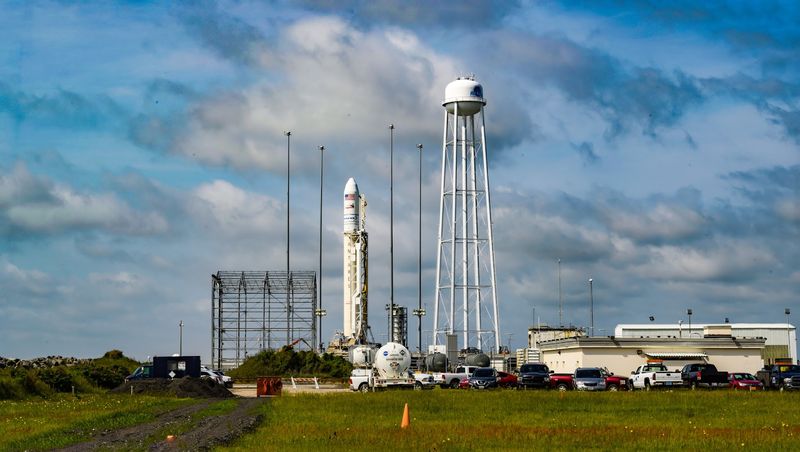
The Mid-Atlantic Regional Spaceport, known as MARS, represents the commercial heartbeat of Wallops Island. Operated by the Virginia Commercial Space Flight Authority, MARS provides launch infrastructure for private companies looking to send payloads into orbit without the expense and complexity of using major federal launch sites.
It is a partnership model that has become a template for how NASA and private industry can share resources effectively.
Northrop Grumman’s Antares rocket has used MARS pads for its Cygnus cargo missions, but the spaceport also supports a growing roster of smaller launch vehicles as the small satellite market expands rapidly. Virginia positioned itself early as a player in commercial spaceflight, and MARS is the physical proof of that strategic vision paying off in real, tangible launches.
The economic impact on Accomack County and the broader Eastern Shore region is significant. High-skilled jobs, infrastructure investment, and the magnetism of being associated with active spaceflight all contribute to a regional identity that goes far beyond agriculture and tourism.
Wallops Island is genuinely shaping what Virginia’s future looks like, one orbital insertion at a time. For space industry watchers, MARS is one of the most interesting commercial launch sites operating anywhere on the East Coast right now.
The Natural Beauty of Wallops Island: Beaches, Birds, and Barrier Magic
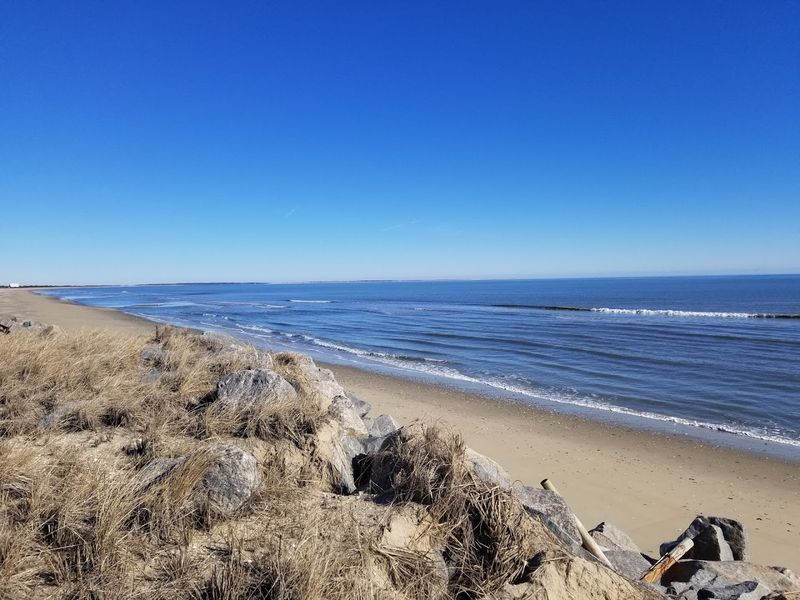
Beyond the launch pads and radar arrays, Wallops Island itself is a genuinely beautiful place. As a barrier island, it sits at the intersection of the Atlantic Ocean and the Chincoteague Bay, creating a dynamic coastal environment that shifts with every tide and season.
The beaches here are raw and ungroomed, the kind that feel like they belong to a different era entirely.
Shorebirds pick through the wrack line at the water’s edge while osprey circle overhead scanning for fish. The dune systems, stabilized by sea oats and beach grass, roll gently back from the shoreline in undulating ridges that break the coastal wind into something almost gentle.
On clear days, the horizon stretches out with a flatness that makes the sky feel enormous.
Access to the island’s natural areas is limited by the presence of the NASA facility, which actually works in the landscape’s favor. Restricted access has kept development at bay, preserving the ecological integrity of the island in ways that more accessible stretches of Virginia coastline cannot claim.
The result is a barrier island that still functions as nature intended, filtering storm surge, sheltering wildlife, and quietly doing the unglamorous but essential work of protecting the mainland behind it.
Planning Your Trip to Wallops Island, Accomack County
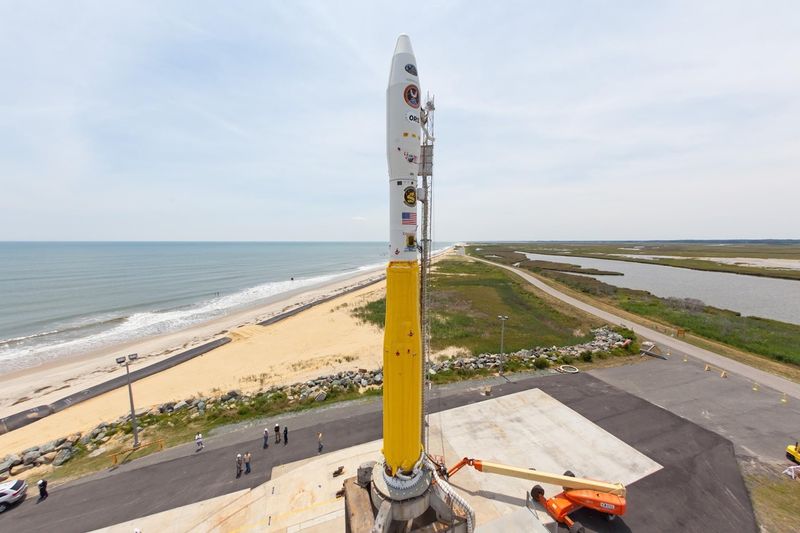
Getting to Wallops Island is a road trip that rewards the journey as much as the destination. Located on Virginia’s Eastern Shore, the island is accessible via Route 175, which branches off Route 13 and cuts across the marshes toward the coast.
The drive itself is scenic, passing through small towns, working farms, and tidal wetlands that set the mood perfectly before you arrive.
The nearest town with hotels, dining options, and services is Chincoteague, just a few miles away. From there, the entire area becomes a multi-day itinerary with ease.
Launch viewings, wildlife refuge visits, kayaking, cycling the refuge loop road, and exploring the local character of the Eastern Shore all compete for your time in the best possible way.
The best seasons to visit are spring and fall, when migratory birds pack the refuge and the coastal weather is crisp and clear. Summer brings larger crowds and warmer ocean water, while winter offers a stark, moody beauty and nearly empty beaches.
Wallops Flight Facility is located at 17111 Beachview Drive, Wallops Island, Virginia. Check the NASA Wallops website for current launch schedules, visitor center hours, and any access updates before making the trip.
Virginia rewards the curious traveler, and Wallops Island is its most electrifying proof.
Dear Reader: This page may contain affiliate links which may earn a commission if you click through and make a purchase. Our independent journalism is not influenced by any advertiser or commercial initiative unless it is clearly marked as sponsored content. As travel products change, please be sure to reconfirm all details and stay up to date with current events to ensure a safe and successful trip.
