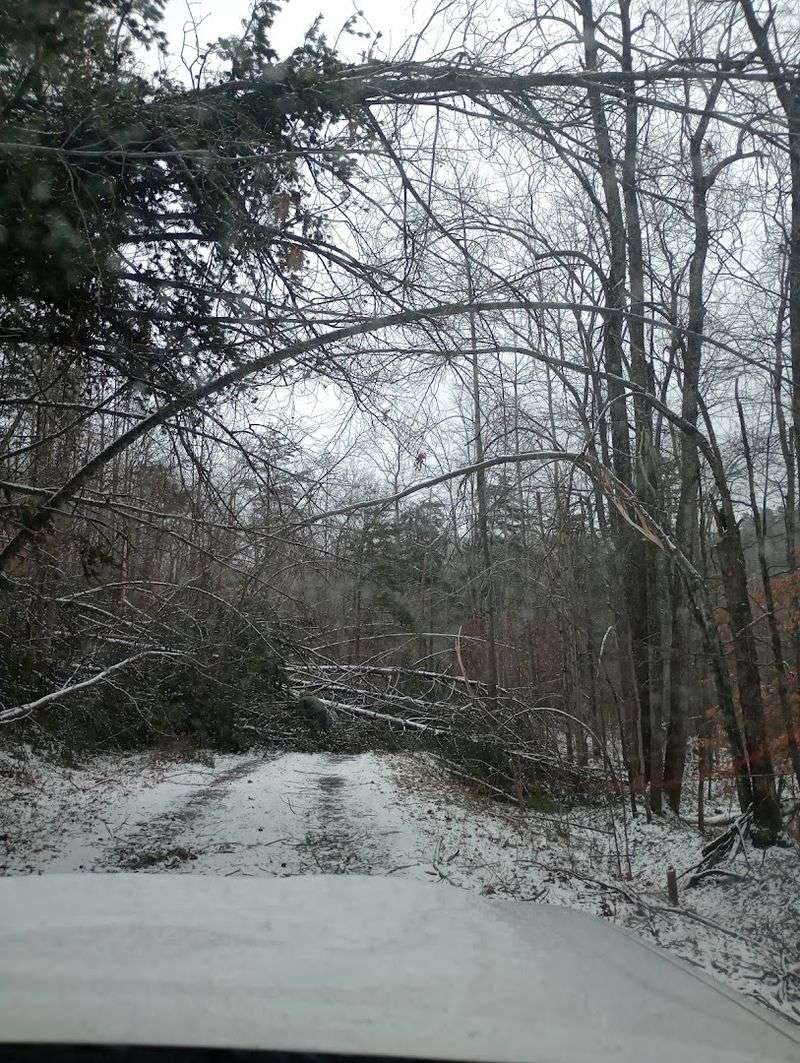
This is not a hike for your sedan, and honestly not for your faint heart either. You will need four wheel drive, decent ground clearance, and a willingness to let your suspension do some heavy lifting.
The road up is rough, rocky, and absolutely not playing around. Once you finally make it, you are standing at 1,700 feet surrounded by a forest that feels completely untouched.
No crowds, no paved paths, just rugged trees and quiet that presses into your ears. It is the kind of place where you realize why people used to disappear into the woods on purpose.
Just pack a spare tire, please.
The Four-Wheel Drive Requirement That Keeps Things Wild
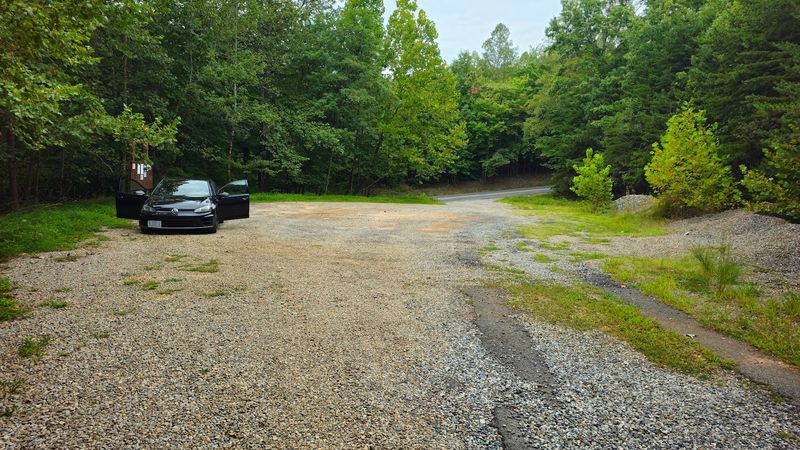
Not every destination earns its reputation by being difficult to reach, but this one absolutely does. The roads leading into Turkeycock Wildlife Management Area are rough gravel tracks that twist and dip through thick forest, and they mean serious business.
Ruts, rocks, and steep grades make a four-wheel drive vehicle a genuine necessity rather than an optional upgrade.
Access comes via State Route 108 north through Figsboro, then Route 890 north to Snow Creek, and finally south on Route 619 to the area entrance. That route alone tells you this is not a casual Sunday drive destination.
The terrain filters out the faint-hearted and rewards those who show up prepared.
Virginia has plenty of accessible parks and recreation areas, but Turkeycock WMA operates on a different level entirely. The remoteness is the point.
Arriving here after navigating those roads feels like earning a badge of honor. Pack your supplies, check your tire pressure, and make sure your vehicle can handle genuine backcountry conditions before you commit to this mountain adventure.
Elevations Reaching Past 1,700 Feet Above the Valley Floor
Standing near the upper ridgeline of Turkeycock Mountain and looking out over the surrounding Virginia countryside is genuinely breathtaking. The WMA spans elevations ranging from around 1,100 feet at its lower edges to well over 1,700 feet along the mountain spine, creating a dramatic vertical landscape packed with ecological variety.
That elevation gain matters more than just the view. As you climb through the WMA, the forest character shifts noticeably.
Lower slopes host different plant communities than the exposed upper ridges, and the air noticeably cools as you ascend. Wildlife patterns also change with elevation, making every stretch of trail feel like a new chapter.
Henry County sits in the southern Piedmont region of Virginia, and Turkeycock Mountain rises sharply above the surrounding terrain, making it a genuine landmark in the local landscape. The combination of rugged topography and dense forest cover creates microclimates that support a surprising range of flora and fauna.
Reaching those upper elevations on foot rewards you with a perspective on this corner of Virginia that very few people ever experience firsthand.
Nearly 2,700 Acres of Undisturbed Forest to Explore
Nearly 2,679 acres of protected forest land sounds like a statistic until you actually set foot inside it. Then the sheer scale becomes immediately, viscerally real.
Trees press in from every direction, trails disappear into thick understory, and the sounds of civilization fade completely within minutes of leaving the parking area.
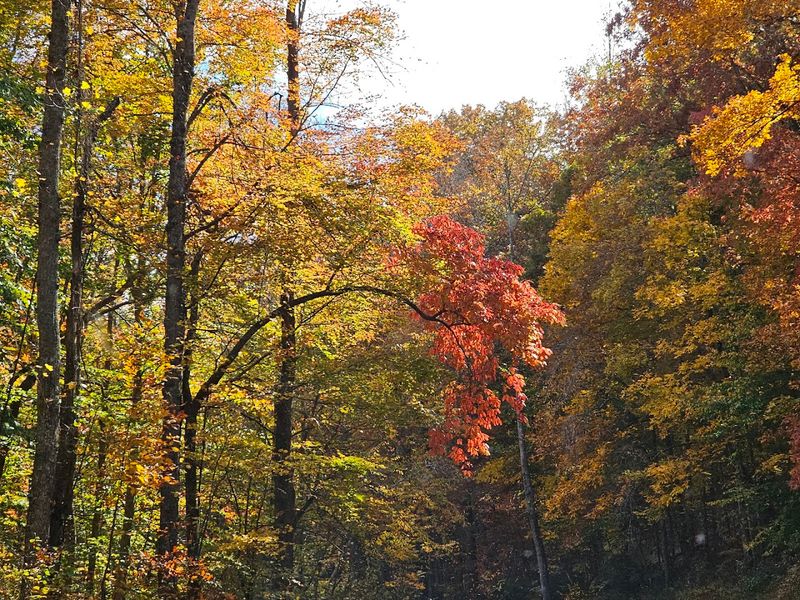
Turkeycock Wildlife Management Area straddles both Franklin and Henry counties in Virginia, and that boundary-crossing size gives the landscape a genuine sense of wilderness depth. Hardwood forest dominates the terrain, with oaks, hickories, and mixed species creating a canopy that turns golden and crimson during autumn.
Spring brings wildflowers pushing through the leaf litter along the lower trail corridors.
Managing nearly 2,700 acres for wildlife habitat means the Virginia Department of Wildlife Resources keeps human infrastructure deliberately minimal here. No paved paths, no visitor centers, no concession stands.
Just forest, ridgelines, and the occasional gravel road threading through the trees. For anyone craving a genuine escape from the manicured outdoor experience, this amount of raw, undeveloped Virginia woodland is genuinely extraordinary and deeply satisfying to explore.
Scout Pond, the Quiet Fishing Spot Tucked in the Southwest Corner

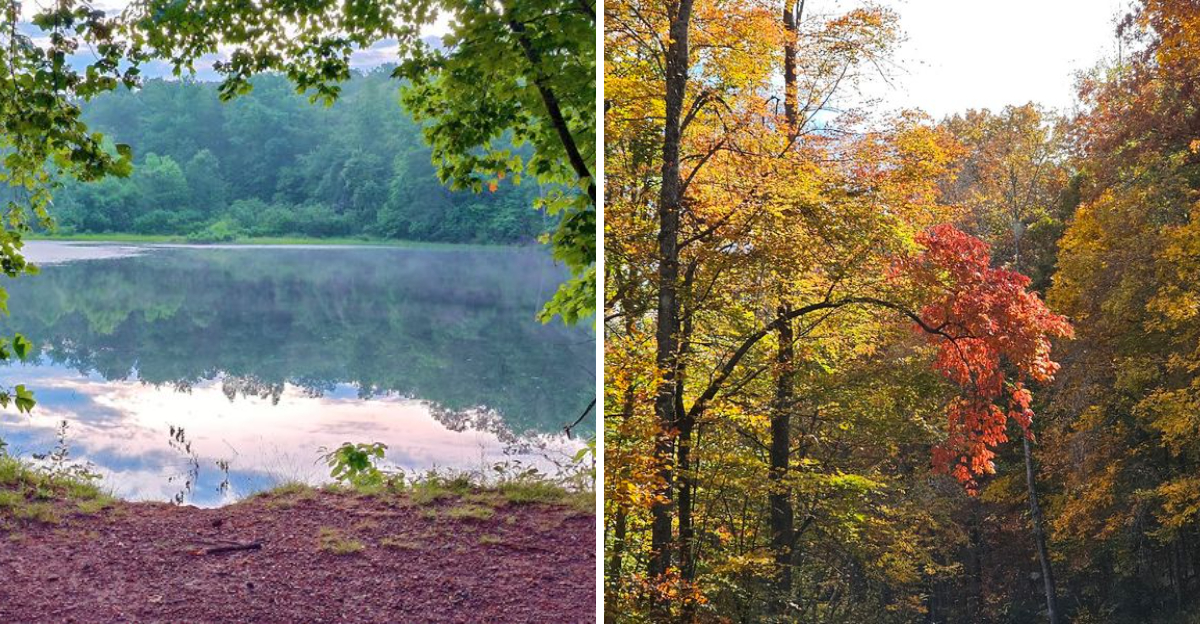
Scout Pond sits quietly near the southwestern corner of Turkeycock Wildlife Management Area, and it carries the kind of calm energy that makes you want to stay longer than planned. The pond is accessible via a nice gravel path that winds through the forest from the main entrance area, making it reachable even when the interior gates are closed to vehicle traffic.
Warmwater fishing is available at Scout Pond, and the surrounding forest creates a genuinely picturesque setting for an afternoon on the bank. The sound of water moving near the pond adds to the atmosphere, and wildlife activity around the water edges is consistently interesting.
Coyotes, birds, and various woodland creatures regularly use this water source.
The gravel path leading to Scout Pond continues beyond the water, offering additional exploration opportunities for those who want to push further into the WMA. This corner of the property feels particularly alive and dynamic, with the pond acting as a natural gathering point for the area’s wildlife.
Arriving early in the morning gives you the best chance of experiencing Scout Pond at its most magical, with mist rising off the water and the forest just waking up around you.
Wildlife Watching That Puts You Face to Face With Virginia Nature
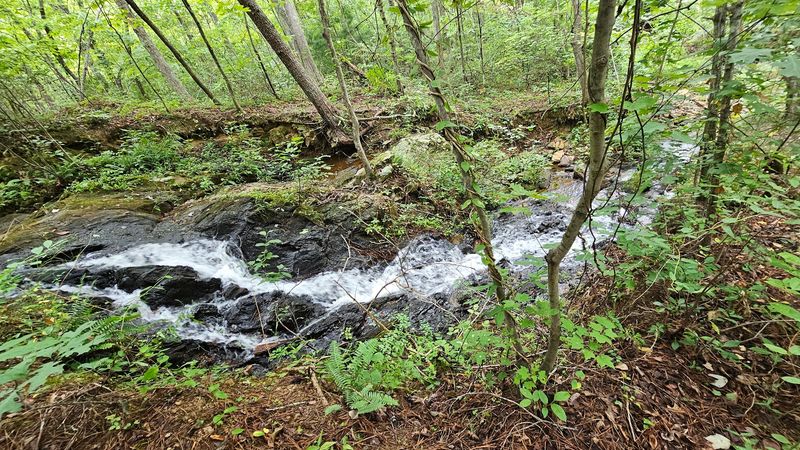
Wild turkeys gave this mountain its name, and they still roam the ridges and hollows of Turkeycock Wildlife Management Area in impressive numbers. Spotting a tom turkey strutting through a forest clearing or a group of deer picking their way through the understory feels completely natural here, because this land was designed with wildlife in mind from the very start.
White-tailed deer are abundant throughout the WMA, and their presence is evident in the browsed vegetation and well-worn deer trails that crisscross the forest floor. Bird species diversity is genuinely impressive, with songbirds, raptors, and woodland specialists all finding suitable habitat across the varied elevations of Turkeycock Mountain.
Patient observers with binoculars will find plenty to keep them entertained.
Virginia supports an impressive range of wildlife across its varied landscapes, and Turkeycock WMA captures a representative slice of that biodiversity within its forested ridgelines. Raccoons, squirrels, and various small mammals round out the mammal community, while reptiles and amphibians thrive in the moist hollows and rocky outcrops.
Bringing a field guide and a camera with a good zoom lens transforms a simple walk here into a genuinely rewarding wildlife observation experience worth repeating across seasons.
Hiking Trails That Challenge Every Fitness Level
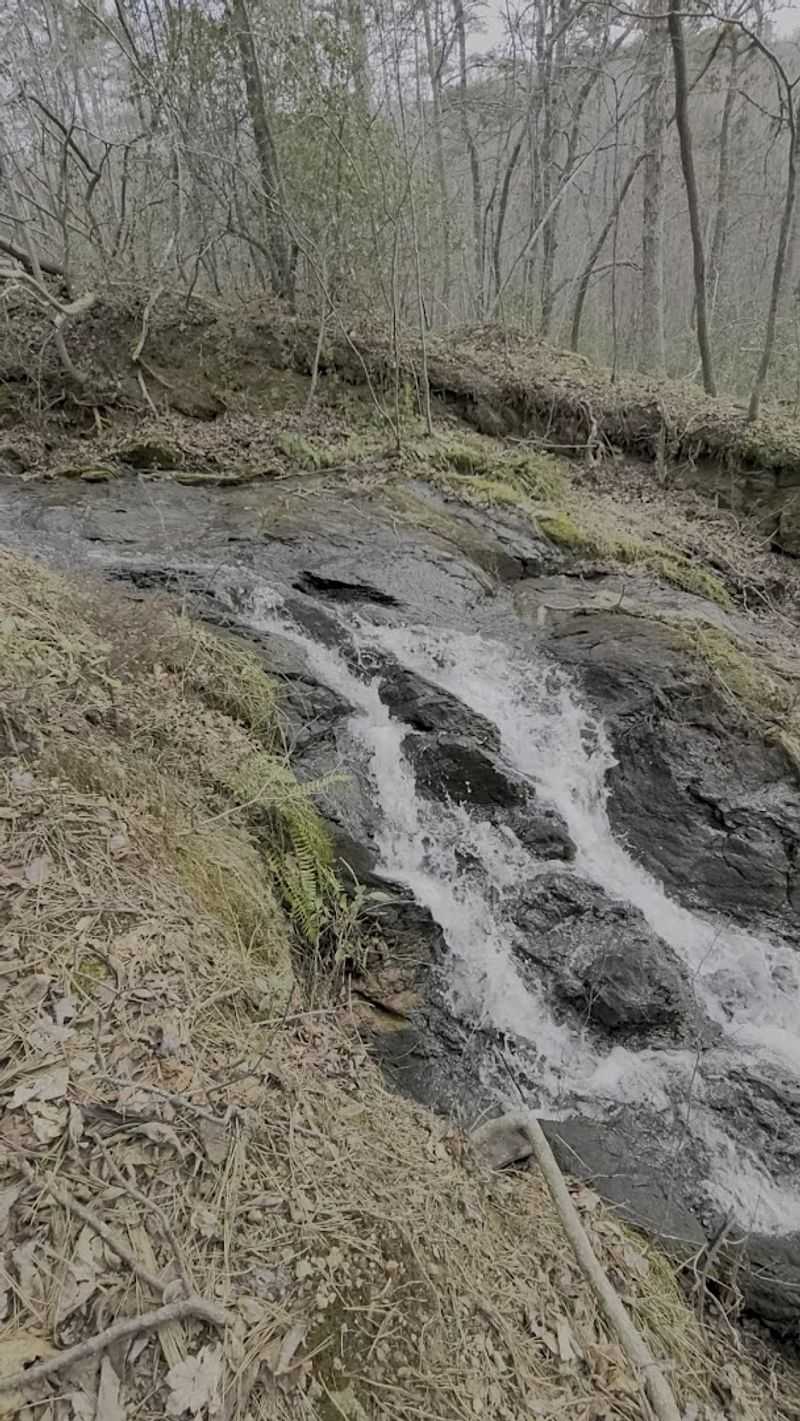
Turkeycock Wildlife Management Area does not offer manicured interpretive trails with distance markers and rest benches every quarter mile. What it offers is something far more satisfying: several miles of rough gravel roads and numerous natural trails that thread through genuine backcountry forest, demanding actual attention and rewarding real effort.
The terrain varies considerably across the WMA, with gentler lower slopes giving way to steeper, rockier ridgeline sections as you gain elevation. Trail surfaces range from packed gravel to loose rock to soft leaf-covered forest floor, keeping your footing honest throughout.
Sturdy hiking boots with ankle support are strongly recommended over casual sneakers for any serious exploration of this mountain.
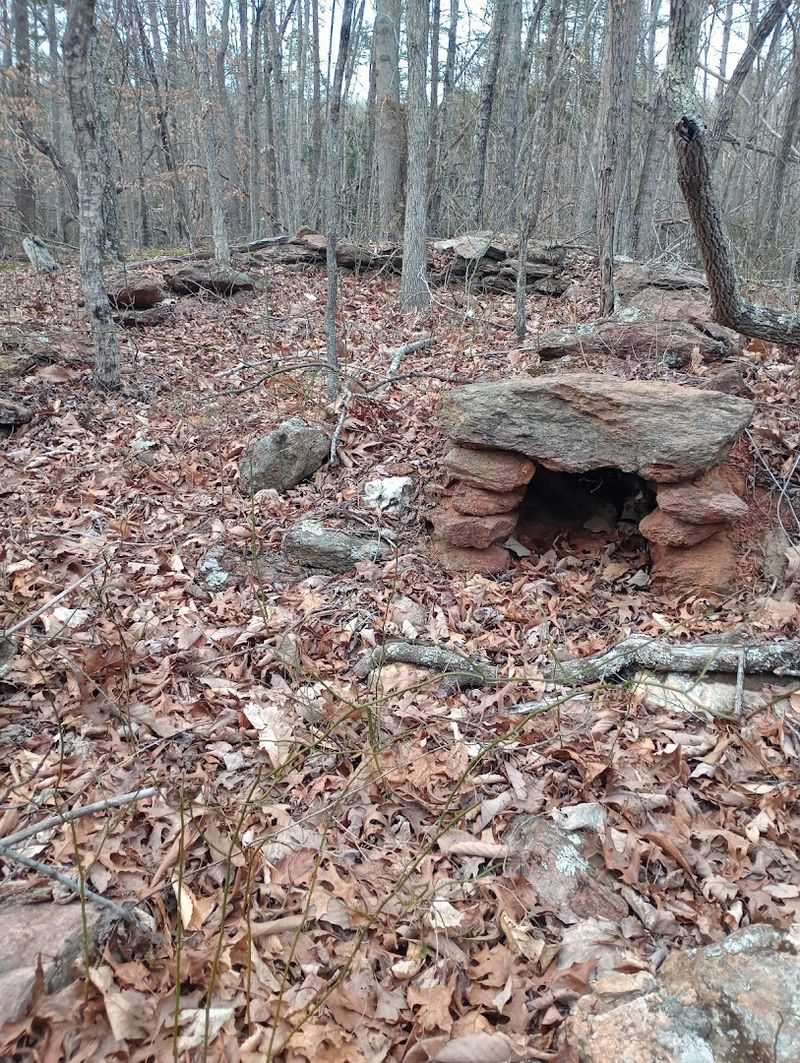
One particularly rewarding aspect of hiking Turkeycock WMA is the sense of discovery it delivers. An unexpected pond, an interesting grave site near the county line parking area, and sudden panoramic views through gaps in the forest canopy all appear without warning along various routes.
Virginia mountain hiking does not get much more authentically rugged than this. Bringing a paper map or downloading offline GPS maps before arrival is genuinely smart, as cell service on the mountain can be unreliable at best.
Hunting Seasons That Draw Serious Sportsmen to the Mountain
Hunting has been central to the identity of Turkeycock Wildlife Management Area since its establishment, and the landscape genuinely supports a rich and varied hunting experience. Wild turkeys, white-tailed deer, raccoons, and squirrels are all present in huntable numbers across the WMA’s nearly 2,700 acres of forested ridgeline and hollow terrain.
Hunting seasons bring the most activity to the WMA, with multiple parking areas opened specifically to accommodate the increased access demand. The two seasonal parking sites, one at Scout Pond and one near the center of the property, supplement the year-round entrance lot on Route 619.
Planning your visit around gate schedules and seasonal access rules is essential for a smooth hunting experience.
Virginia hunting regulations apply fully within the WMA, and a valid hunting license is required for access during hunting seasons. The combination of dense forest cover, varied terrain, and relatively limited hunting pressure compared to more accessible public lands makes Turkeycock WMA genuinely attractive to serious hunters.
Primitive camping is permitted within the WMA, allowing multi-day hunting trips that give you time to learn the land and dramatically improve your odds of success across the mountain’s ridges and hollows.
Primitive Camping Under the Stars on a Mountain Ridge
Spending a night on Turkeycock Mountain changes your relationship with this place entirely. Primitive camping is permitted within the WMA, and that means no hookups, no facilities, and no noise except the forest itself settling into darkness around you.
Stars appear above the ridgeline canopy in numbers that genuinely surprise people accustomed to light-polluted skies.
Setting up camp on a Virginia mountain ridge at over 1,700 feet elevation means cool nights even in summer, and crisp, clean air that makes sleeping outdoors feel genuinely restorative. Morning arrives with bird calls layering over each other in the canopy above, and mist often fills the hollows below the ridgeline, creating a landscape that looks more like a painting than a real place.
Preparation matters enormously for primitive camping at Turkeycock WMA. Pack out everything you bring in, carry sufficient water, and bring appropriate shelter for mountain weather that can shift quickly.
A lightweight backpacking setup works well given the rough access roads and limited vehicle access to interior areas. Those who embrace the no-frills nature of camping here consistently find it among the most memorable outdoor nights they have spent anywhere in Virginia, or anywhere at all.
Horseback Riding Through Miles of Forest Roads and Trails

Horseback riding at Turkeycock Wildlife Management Area is one of those experiences that feels almost cinematic in the best possible way. Miles of rough gravel roads and natural trails wind through the dense forest, offering equestrians a genuinely varied and visually stunning route through the mountain terrain.
The combination of forest canopy, ridge views, and quiet backcountry atmosphere makes every ride feel like an adventure.
Riding is permitted throughout the year with specific seasonal restrictions tied to hunting activity. Horseback riding is not allowed during hunting seasons, with the exception of Sundays between September 1 and January 15, and from April 1 through May 15.
Checking the current Virginia Department of Wildlife Resources calendar before planning an equestrian visit is strongly recommended to avoid conflicts with hunting season activity.
The terrain at Turkeycock WMA suits experienced trail riders more comfortably than beginners, given the rough road surfaces and occasional steep grades. Horses need to be comfortable with gravel underfoot and relaxed around the sounds of a wild forest environment.
For those with the right horse and the right skills, though, riding the ridgelines of this Virginia mountain delivers a freedom and perspective that no hiking trail can quite replicate. It is genuinely special.
How to Get There and What You Need Before You Go
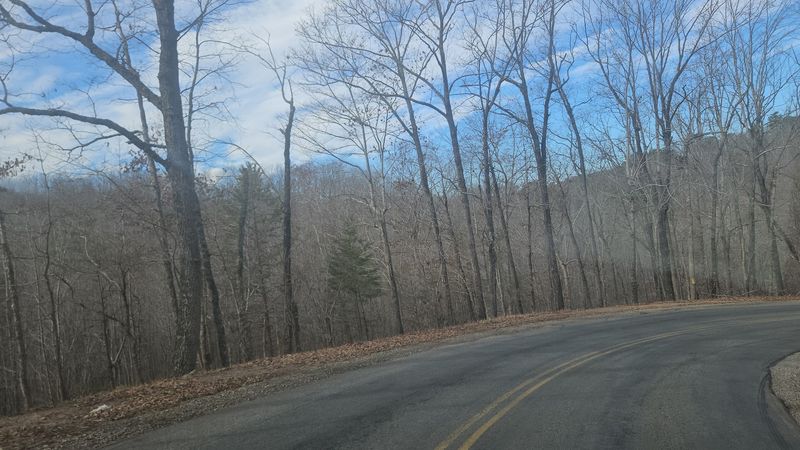
Reaching Turkeycock Wildlife Management Area requires a bit of navigational confidence and the right vehicle. The recommended approach runs north on State Route 108 through Figsboro, then north on Route 890 toward Snow Creek, and finally south on Route 619 to the WMA entrance.
Note that GPS mapping apps sometimes direct drivers to incorrect entrance points, so cross-referencing coordinates before departure saves real frustration.
A valid access permit is required to use the WMA. This requirement can be satisfied by holding a current Virginia hunting or trapping license, a fishing license, a valid Virginia boat registration certificate, an access permit, or a current Restore the Wild membership.
The Virginia Department of Wildlife Resources website provides full details on each option and current fee structures.
Turkeycock Wildlife Management Area is located near Axton, VA 24054, in Henry County, Virginia. Cell service on the mountain is unreliable, so downloading offline maps and saving the GPS coordinates 36.80566, -79.74029 for the correct access road entrance is genuinely useful preparation.
Bring water, pack light, wear sturdy footwear, and give yourself more time than you think you need. Virginia has countless outdoor destinations, but very few deliver the combination of remoteness, rugged beauty, and wild character that this mountain offers to those willing to make the effort.
