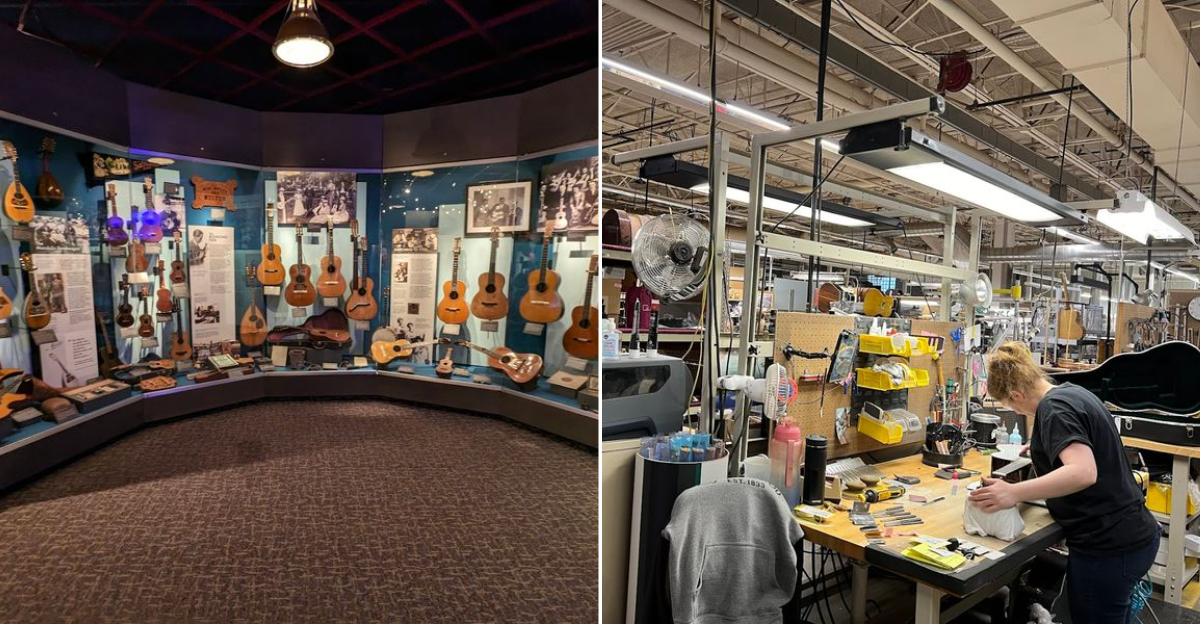
Have you ever watched a skilled artisan turn a raw piece of wood into something that sings? That is exactly what you will witness at this renowned production line experience in Pennsylvania, where heritage craftsmanship comes alive before your eyes.
The building smells of fresh timber and varnish, and the steady rhythm of sanding and shaping fills the air. You walk through the workshop while craftsmen bend wood, carve necks, and fit pieces together with quiet precision.
Each step reveals decades of practice and a deep respect for tradition. The finished products are beautiful, but watching them take shape is the real education.
Families stand together at viewing windows, children pressing their noses against the glass. It is a day trip that turns curiosity into appreciation.
You leave not just with a souvenir, but with a new understanding of what it means to make something by hand. Pennsylvania has a proud legacy of making things well, and this place keeps that flame burning.
Why This Place Feels Different Right Away
You can feel it almost immediately, and that is what makes this place land a little differently than a lot of factory tours. The Martin Guitar Factory Tour is rooted in real working craft, so the whole experience carries that mix of quiet pride and steady focus that you notice before anyone even says much.
It feels lived in, which is exactly why it works.
Instead of getting a polished story that floats above the place, you are standing in the middle of a company culture that still cares about the details. Martin has been building respected guitars for generations, and that legacy is not treated like a museum label here because it still shapes the work happening around you.
I think that is why even people who do not play guitar tend to lean in.
There is also something very Pennsylvania about how grounded the whole thing feels, with heritage and skill sitting side by side without any fuss. You are not pushed through a flashy attraction, and you are not expected to pretend expertise you do not have.
You just get to watch careful work unfold, and honestly, that alone makes the trip feel worthwhile.
Getting To The Factory In Nazareth
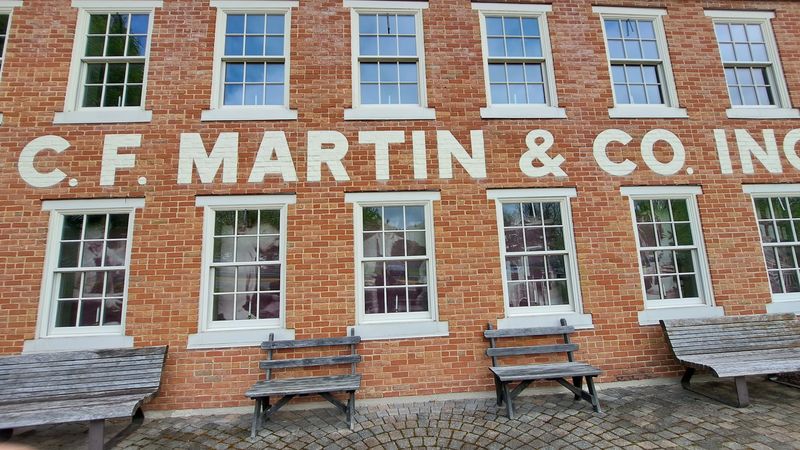
The nice thing is that getting there feels easy, and that helps set the tone before you even walk inside. The Martin Guitar Factory Tour is at Martin Guitar Factory Tour, 510 Sycamore St, Nazareth, PA 18064, and once you arrive in Nazareth, it feels like you are exactly where you are supposed to be.
There is no weird disconnect between the town and the experience.
Nazareth has that steady Pennsylvania character where history does not need to announce itself every five minutes. You drive in, look around, and the setting makes sense for a company with deep roots and a reputation built over time.
I always appreciate when a place feels connected to its surroundings instead of dropped there for convenience.
That matters more than people think, because the approach to a destination shapes your mood before the tour even begins. Here, the setting quietly prepares you for something thoughtful, hands-on, and real.
By the time you step inside, you are already in the right headspace to pay attention to the work, which is honestly half the fun of a visit like this.
Watching Raw Wood Become Something Beautiful
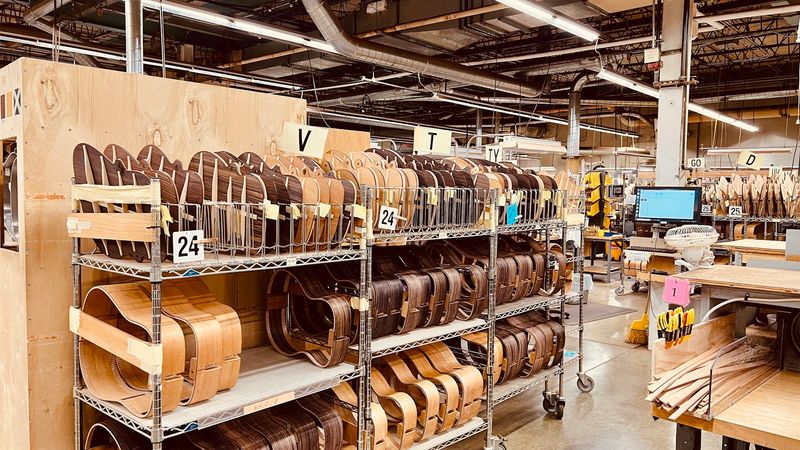
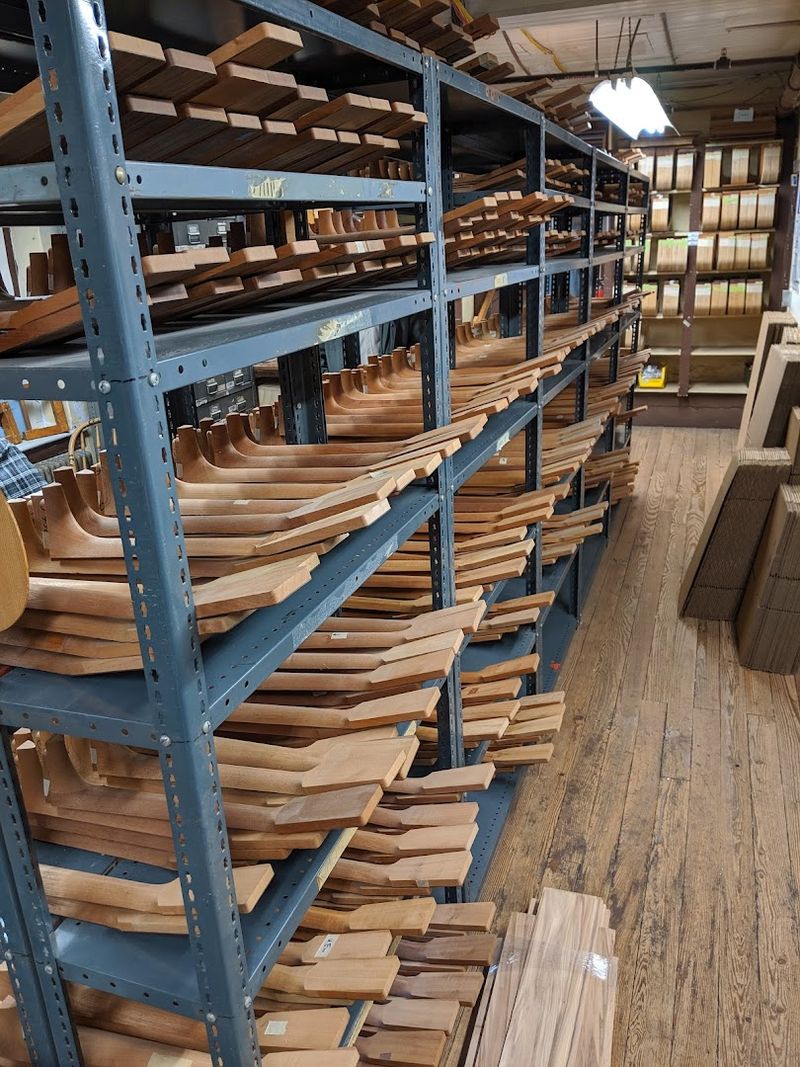
This is the part where people usually stop chatting and just watch, because seeing rough wood start its path toward an instrument is strangely absorbing. You are looking at material that still feels close to the tree, and then you begin noticing how many choices, cuts, and careful steps have to happen before it becomes anything recognizable.
It is fascinating in a very human way.
The tour highlights the journey from wood selection through shaping and later finishing, and that progression gives the whole visit a real sense of movement. Nothing appears by magic, which sounds obvious, but it is easy to forget when most of what we buy arrives finished and silent on a shelf.
Here, you get to see process instead of just result.
I like that this part of the tour makes craftsmanship feel less abstract and more physical. Grain matters, touch matters, patience matters, and you can actually sense that as you move through the space.
Even if you walked in caring more about history than instruments, this section usually pulls you in because the making itself is so honest and satisfying to watch.
The Craftspeople Are The Real Story
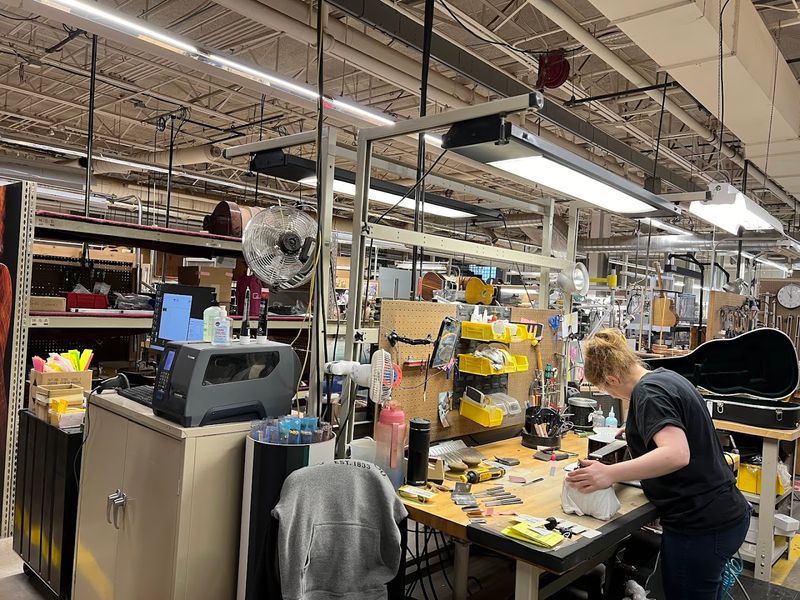
What stays with me most is not a machine or a display, but the people doing the work with calm, practiced attention. You can tell pretty quickly that this is not about rushing pieces down a line and hoping they turn out fine.
There is skill in the room, and you can feel it even when the space is quiet.
Watching craftspeople at work changes the way you think about an object you may have taken for granted before. A guitar stops being a familiar shape and starts becoming a long chain of decisions made by people who know exactly what their hands are doing.
That is the educational value right there, because you begin connecting labor, knowledge, and finished beauty in a way that feels immediate.
I also love that the tour does not flatten these workers into background scenery for a famous brand. Their concentration, consistency, and care are central to the experience, and that makes the visit feel respectful instead of performative.
If you have ever wanted to see craftsmanship as an everyday discipline rather than some romantic idea, this is where that becomes very clear.
The History Never Feels Dusty
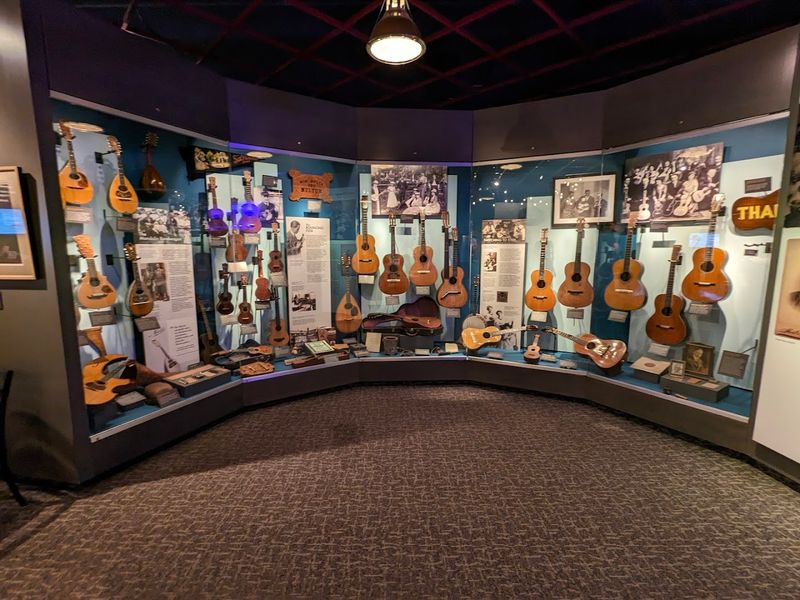
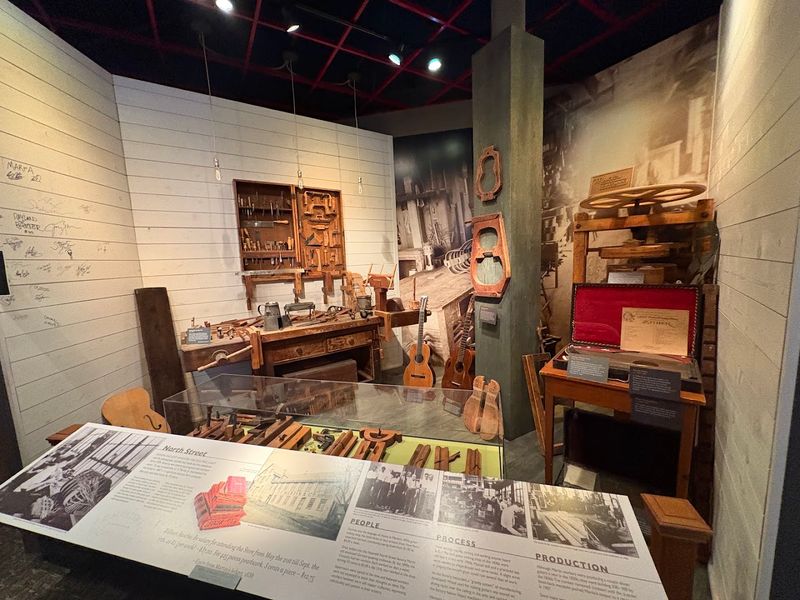
Some places talk about their history in a way that makes your eyes glaze over, but that is not the vibe here at all. Martin’s long story is woven into the tour in a way that feels connected to the present work, so you are never asked to care about the past just because it is old.
You care because it still matters inside the building.
The company legacy reaches back to the early days of guitar making in America, and that heritage gives the whole experience real weight. You start to understand how innovation and tradition have worked together instead of fighting each other, which is honestly a lot more interesting than a simple nostalgia lesson.
The result is a history that feels active rather than preserved under glass.
That balance is one reason this makes such a smart Pennsylvania day trip. You leave with a stronger sense of how a respected name is sustained over time, not through slogans, but through continued attention to quality and identity.
It is educational without getting dry, and that is a harder thing to pull off than most places would like to admit.
Even Non Musicians Get Pulled In
You do not need to play guitar, read music, or know anything about instrument construction to have a good time here. In fact, some of the most engaged people on tours like this are the ones who came in simply curious and then got completely absorbed by the process.
That happens because making something well is interesting on its own.
The guides and the layout help translate specialized work into something you can follow without feeling lost. You start noticing how each step builds on the last, and before long you are paying attention to shape, finish, touch, and timing in a way that feels natural.
I think that sense of discovery is what makes the hour move so quickly.
There is also a nice relief in visiting a place that does not demand fandom before it gives you something worthwhile. If you love music, great, you will have plenty to enjoy, and if you do not, the craftsmanship still carries the day.
That broad appeal sounds like a cliché when people say it casually, but here it feels earned because the work itself is so compelling.
Why It Works As An Educational Day Trip
If you are trying to pick a day trip that feels interesting without feeling heavy, this one hits a really nice middle ground. You get history, manufacturing, design, and hands-on skill all folded into the same visit, which means the experience keeps giving you different ways to stay engaged.
It never feels like a school lecture, but you absolutely learn things.
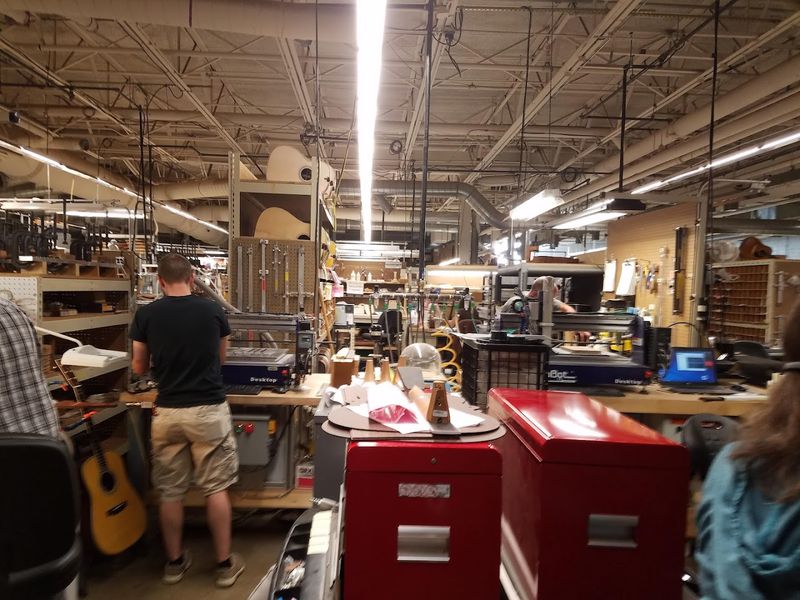
That educational value comes from seeing real production in motion and understanding how much knowledge sits behind every stage. You are not memorizing facts for the sake of it, because the information is tied to what is right in front of you.
For kids, adults, and anyone who likes seeing how things are made, that kind of learning tends to stick.
I would especially recommend it for people who want a Pennsylvania outing with substance but do not want a long, complicated plan. The visit is concentrated enough to fit into a relaxed day, while still feeling distinct and memorable.
You come away with a stronger appreciation for heritage craftsmanship, and that feels like a pretty good reason to get in the car and go.
The Famous Names Add A Fun Layer
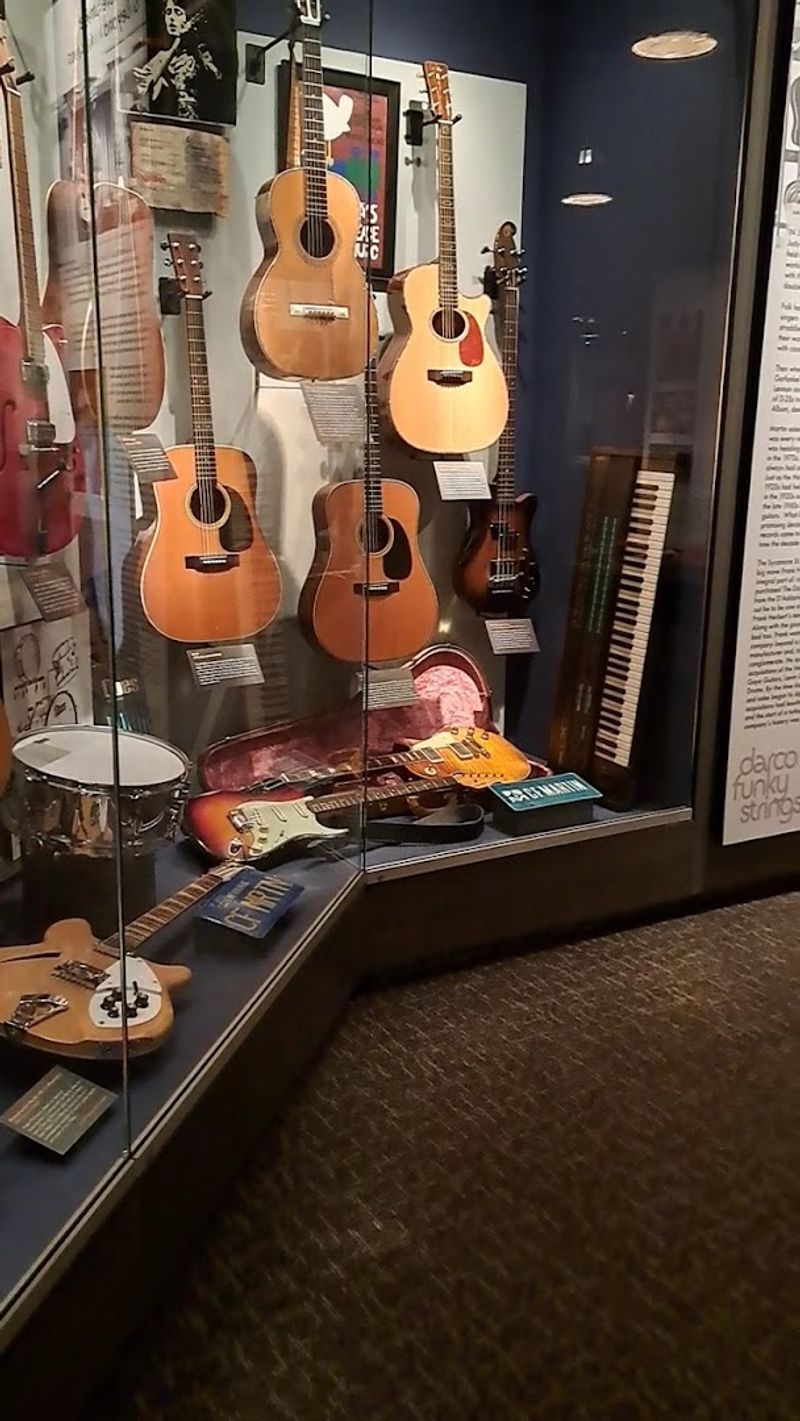
There is also a fun little thrill in remembering how many well-known artists have played Martin guitars over the years. Names like Hank Williams, Elvis Presley, Bob Dylan, John Lennon, Neil Young, Ed Sheeran, and John Mayer give the brand a wider cultural pull, and that can add an extra spark while you are walking through the factory.
You start connecting the making to the music you already know.
What I like, though, is that the tour does not lean on celebrity appeal as a substitute for substance. The famous players are part of the story, but the heart of the visit is still the craftsmanship that made those instruments meaningful in the first place.
That balance keeps the experience grounded, which suits Nazareth and suits Pennsylvania too.
Even if those artists are not your personal favorites, the bigger point still lands. A guitar built with care can travel far beyond the workshop and become part of somebody else’s voice, memory, or creative life.
Standing inside the factory while thinking about that gives the whole tour a wider emotional range, and I think that makes it more memorable than a standard production walkthrough.
Pair It With More Heritage In Lancaster
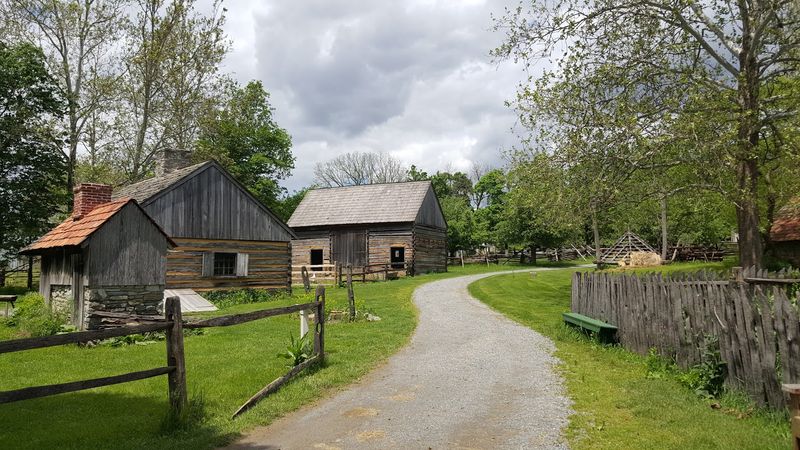
If you leave Nazareth wanting even more craftsmanship and history, I would honestly keep the theme going and head toward Lancaster sometime soon. Landis Valley Village and Farm Museum gives you a different angle on heritage work, with interpreters and demonstrations that bring early Pennsylvania German life into view in a way that feels tangible and grounded.
It is a smart companion experience if this tour sparks your curiosity.
What makes that pairing work is the contrast between active guitar production and a living history setting focused on older trades and daily life. At Landis Valley, you can encounter weaving, blacksmithing, food preservation, leatherworking, and other traditional crafts that help explain how skills were carried through communities.
It broadens the conversation from one iconic company to a wider Pennsylvania story about labor, material, and tradition.
I would not cram both stops into one rushed schedule, because each one deserves your attention, but they speak to each other beautifully. Martin shows you how heritage craftsmanship survives inside a respected modern maker, and Lancaster gives you deeper historical texture around that idea.
Taken together, they make a day trip style that feels thoughtful, specific, and genuinely rewarding.
