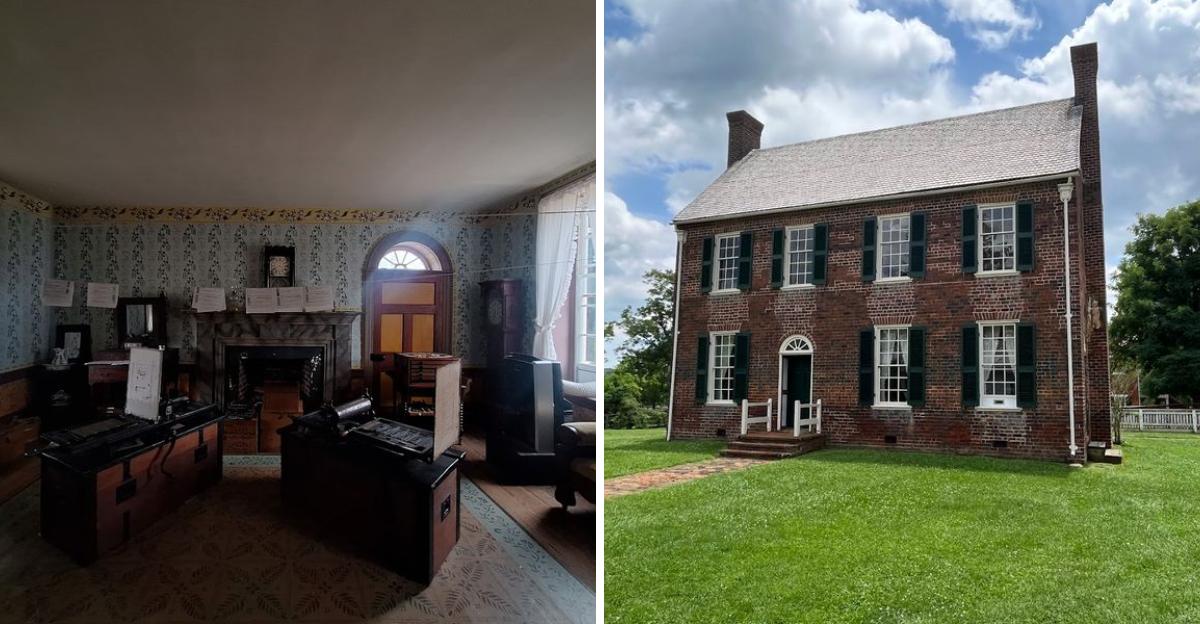
Some places carry the weight of history so deeply that you can almost feel it in the air. In hills of central Virginia, there is a quiet village where one of the most defining moments in American history unfolded.
On April 9, 1865, General Robert E. Lee surrendered to General Ulysses S.
Grant, bringing the Civil War to its close. I packed my curiosity and headed to this place , and what I found was so much more than a history lesson.
Was this the most powerful place I have ever visited in Virginia? Absolutely, and I think it just might spark a debate about which Civil War site hits hardest.
The McLean House: Where History Held Its Breath
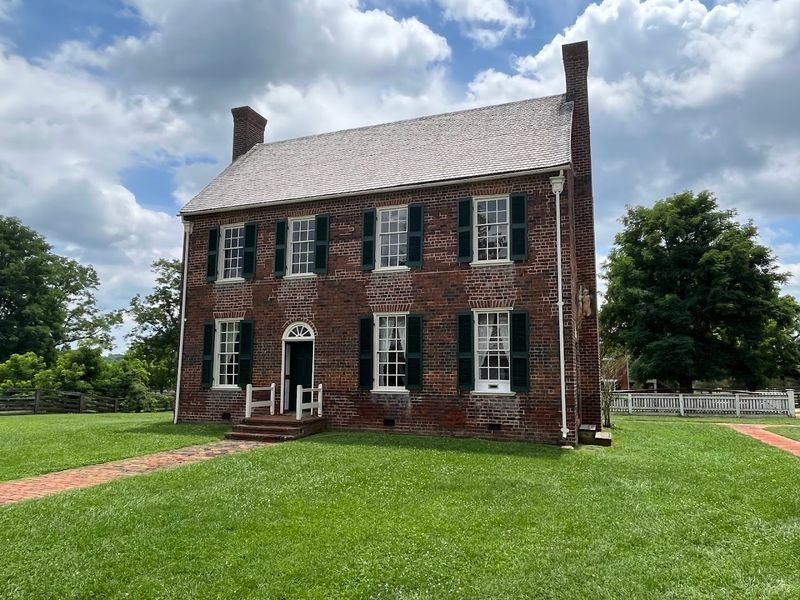
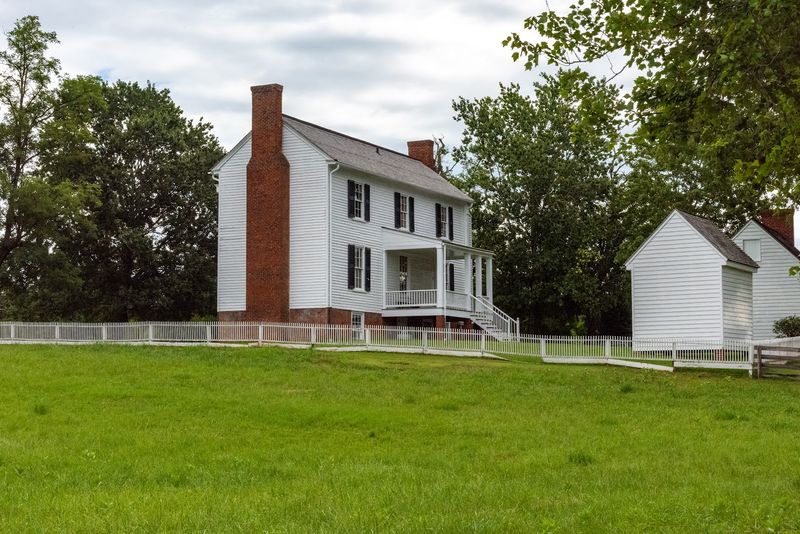
Walk through the front door of the McLean House and suddenly April 1865 feels uncomfortably close. This is the room where General Robert E.
Lee and General Ulysses S. Grant sat across from each other and shaped the future of an entire nation.
The restored interior is so faithfully recreated that it practically whispers.
Period furniture fills the parlor, and informational plaques guide you through every detail of that fateful afternoon. Park rangers stationed inside bring an extra layer of insight, explaining the emotional atmosphere that filled the room as surrender terms were drafted.
My footsteps slowed instinctively as I moved through each space.
Wilmer McLean, the homeowner, had an almost unbelievable connection to the war. The first major battle of the conflict was fought near his previous home in Manassas, Virginia, and the war essentially ended in his parlor.
That kind of full-circle history is rare, and standing inside that house made the entire trip feel profound and unforgettable.
The Visitor Center Inside the Reconstructed Courthouse
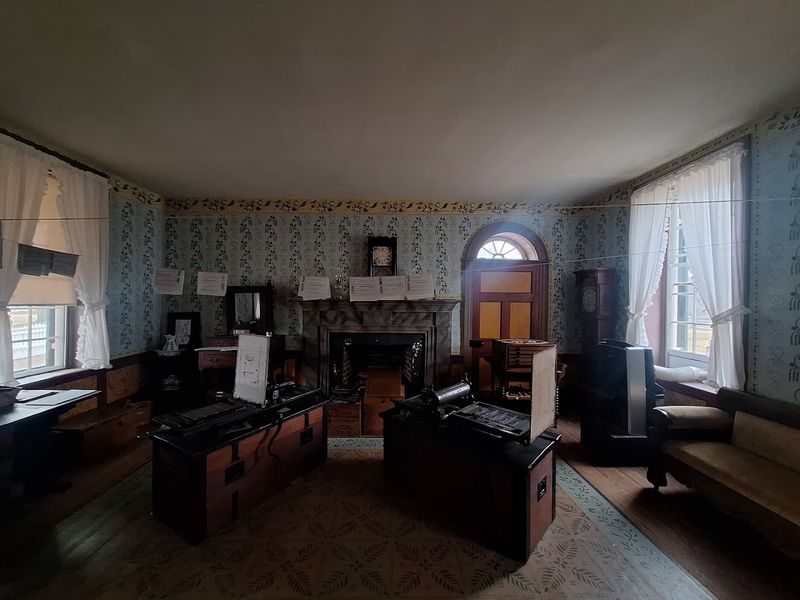
Every great adventure has a smart starting point, and at Appomattox Court House National Historical Park, that starting point is the reconstructed courthouse that now serves as the visitor center. Step inside and the atmosphere shifts immediately from roadside curiosity to immersive education.
The orientation film, titled “With Malice Toward None,” runs about seventeen minutes and does a remarkable job of setting the emotional and historical stage before you explore the grounds. The exhibits inside are thoughtfully arranged, covering everything from battlefield strategy to the human stories of soldiers on both sides.
I found myself lingering far longer than planned.
Knowledgeable park rangers are stationed throughout, ready to answer questions with genuine enthusiasm. The center also provides maps and guides to help you plan a self-paced tour of the village.
Starting here before wandering the grounds makes the entire experience click together in a way that feels cohesive and deeply satisfying. Virginia history does not get more concentrated than this single building.
Ranger-Led Programs That Bring 1865 Back to Life
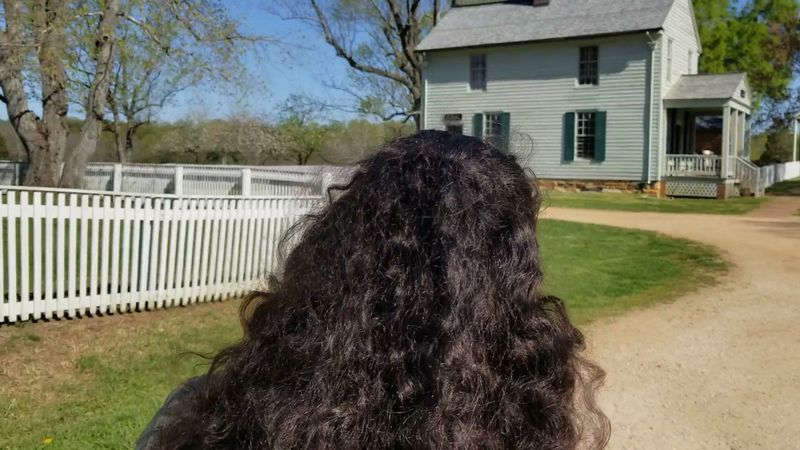
Park rangers at Appomattox Court House National Historical Park are in a league of their own. These are not just tour guides reciting memorized scripts.
They are passionate historians who speak about April 1865 the way a sports commentator talks about a championship game, with urgency, detail, and genuine investment in the outcome.
During the warmer months, ranger-led talks happen regularly throughout the day at various spots across the village. Living history programs add another dimension entirely, with costumed interpreters portraying soldiers, civilians, and formerly enslaved people to represent the full complexity of the Civil War era.
Seeing history performed rather than just narrated changes everything.
One particularly moving program I caught focused on the perspective of enslaved individuals at the time of surrender, a reminder that the end of the war carried wildly different meanings for different people. These programs are free, spontaneous, and genuinely electrifying.
Check the schedule posted at the visitor center when you arrive, because missing one of these talks would be a real loss.
The Historic Village Layout: A Frozen Moment in Time
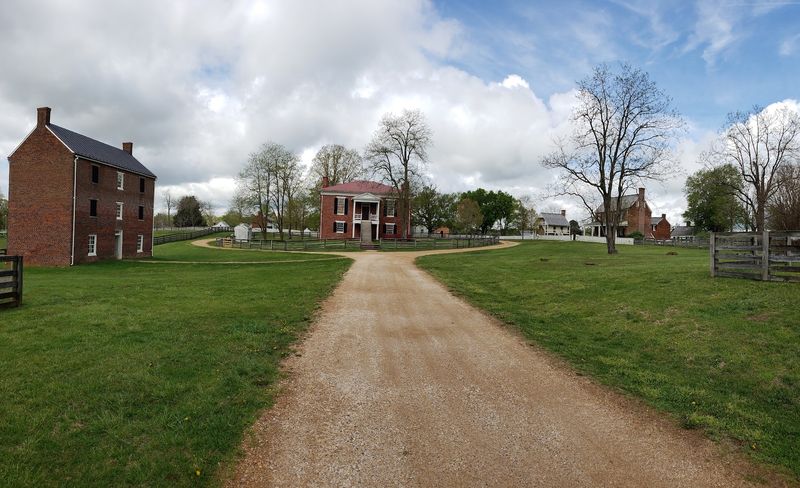
Appomattox Court House National Historical Park is not just one building. It is an entire village preserved and restored to look exactly as it did in 1865.
Walking the grounds feels less like visiting a museum and more like stepping through a time portal with really good lighting.
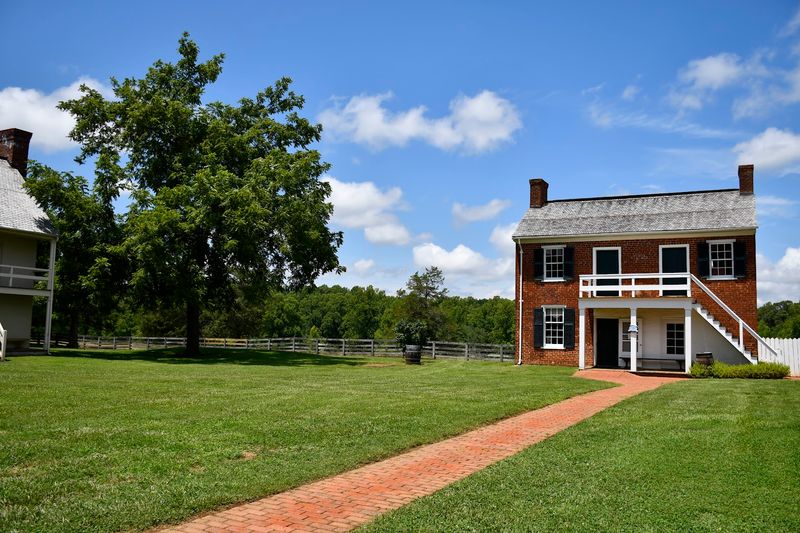
More than two dozen historic structures dot the landscape, including the courthouse, a tavern, private homes, law offices, and a general store. Each building tells a piece of the larger story, and wandering between them at your own pace is one of the most satisfying ways to absorb the history.
The grounds are beautifully maintained, with open green spaces and mature trees framing every view.
What strikes you most is the stillness. There are no neon signs, no parking lots cutting through the village center, no modern intrusions to break the spell.
Virginia does historic preservation seriously, and this park stands as one of the finest examples in the entire state. Give yourself a full afternoon to explore properly, because rushing through would be a genuine shame.
The Clover Hill Tavern: Oldest Building on the Grounds
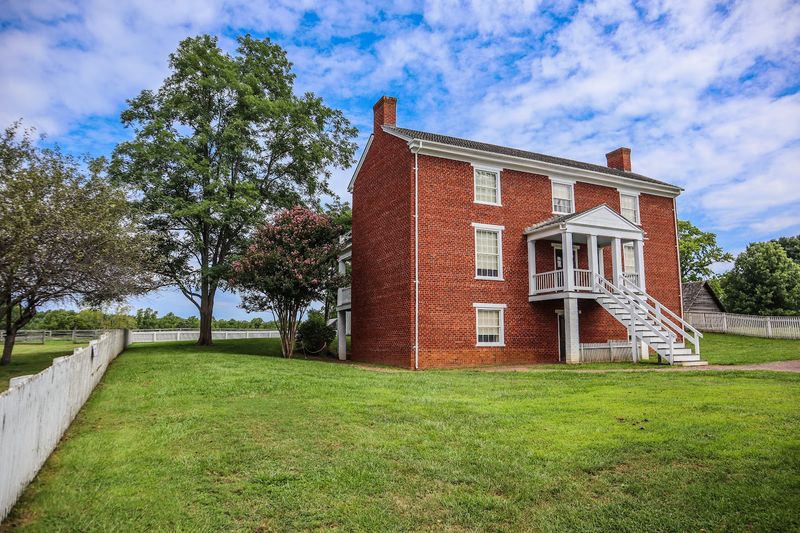
Built in the early 1800s, the Clover Hill Tavern holds the title of oldest surviving original structure at Appomattox Court House National Historical Park. Long before the Civil War made this village famous, the tavern served as the social and commercial hub of the community.
Locals gathered here to exchange news, conduct business, and pass the time.
After the surrender, the tavern took on an unexpected role. Confederate soldiers who had just laid down their arms needed official parole passes to travel safely home, and the tavern’s outbuildings were used to print thousands of those passes.
That detail alone gives the building a fascinating secondary chapter in the story of the war’s end.
Today the tavern and its adjacent structures are open for exploration, and the interpretation inside does a solid job of connecting the building’s everyday pre-war life to its extraordinary post-surrender role. Wandering through the tavern complex after visiting the McLean House creates a satisfying narrative arc, moving from the formal ceremony of surrender to the practical, human scramble of what came immediately after.
Hiking Trails Through the Surrounding Countryside
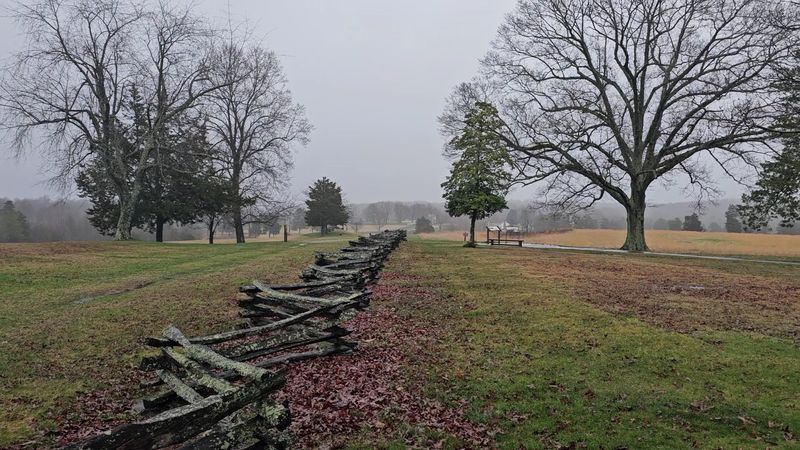
Most people come to Appomattox Court House National Historical Park for the history, but the natural beauty of the surrounding Virginia countryside is a genuine bonus worth celebrating. Nearly eight miles of trails thread through the park, offering a mix of easy walking paths and more immersive nature experiences.
The interpretive nature trail is a particular highlight, weaving through woodland and open field while connecting visitors to the broader landscape that soldiers would have recognized in 1865. Pollinator gardens along some trail sections burst with wildflowers during spring and summer, drawing butterflies and birds in impressive numbers.
Early morning visits reward the patient with wildlife sightings including deer, foxes, and a wide variety of songbirds.
Bringing a good pair of walking shoes is strongly recommended, as some trail sections feature uneven terrain. The trails also provide a contemplative counterpoint to the intense historical content of the village itself.
After absorbing the weight of surrender inside the McLean House, a quiet walk through the Virginia countryside feels like exactly the right kind of exhale. Pack water, especially during summer months.
The Surrender Triangle: Sacred Ground of Farewell
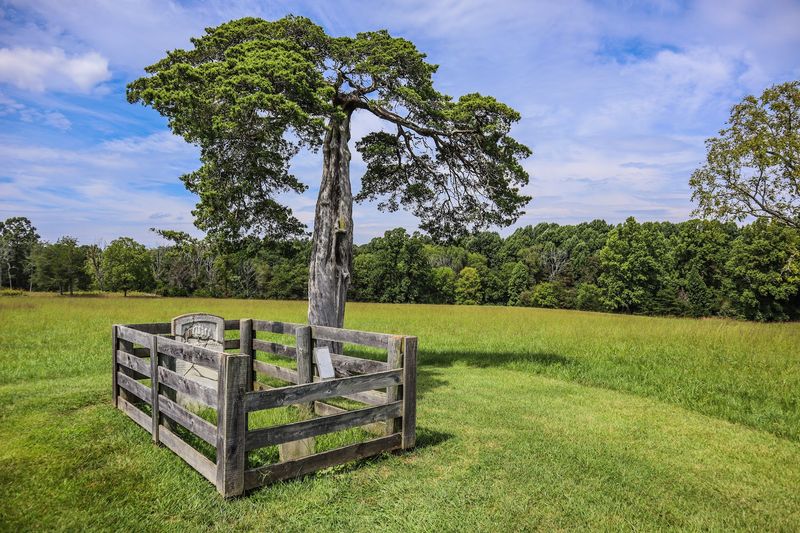
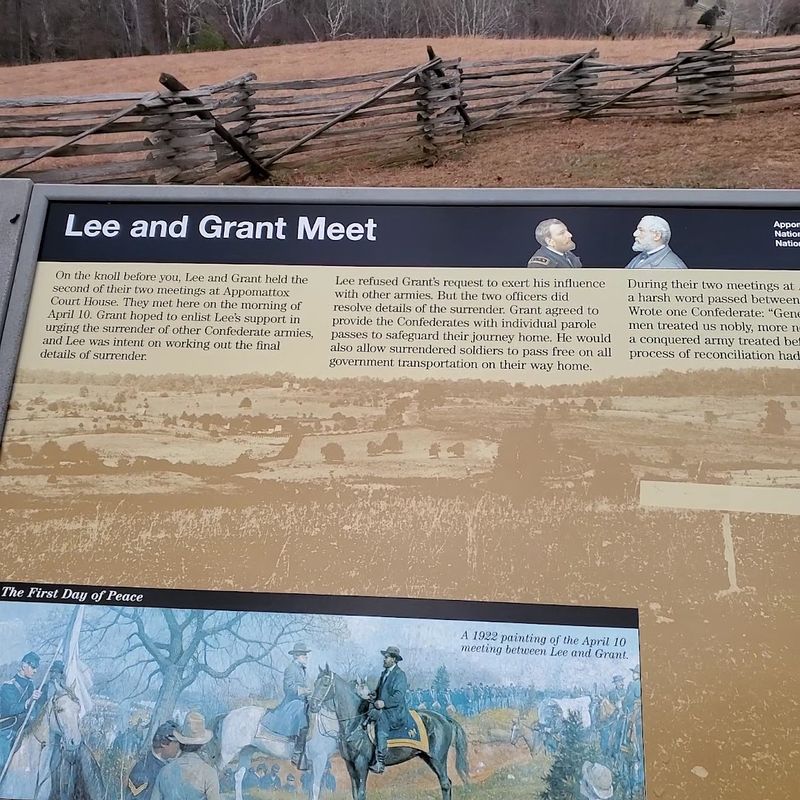
Not far from the McLean House lies the area known as the Surrender Triangle, a stretch of open ground where Confederate soldiers formally stacked their arms and furled their battle flags in the days following the April 9 agreement. It is one of the most emotionally resonant spots in the entire park.
Standing on that ground, imagining tens of thousands of exhausted soldiers performing the final act of a four-year conflict, carries a quiet enormity that no exhibit can fully replicate. The open landscape here is deliberately preserved without interpretation overload, allowing the silence to do its own kind of talking.
I stood there longer than I expected to.
Historical markers provide context without overwhelming the experience, and the surrounding landscape of Virginia woodland and open field adds a natural solemnity to the site. Visiting the Surrender Triangle after touring the McLean House creates a powerful one-two emotional punch that makes the human scale of the war’s end feel genuinely tangible.
This is the kind of spot that stays with you long after you have driven back down the highway.
The Original Confederate White Flag on Display
Among the most striking artifacts preserved at Appomattox Court House National Historical Park is the original white flag sent out by Confederate forces to request a ceasefire on the morning of April 9, 1865. Seeing it up close is a genuinely arresting experience, a simple piece of fabric that carried the weight of an entire war.
The flag is displayed with careful attention to preservation, and the accompanying interpretation explains the frantic, uncertain hours of that morning before the formal surrender meeting took place. Details like these transform what could feel like a dry history lesson into something urgent and human.
You start to feel the tension of that morning rather than simply reading about it.
Artifacts like this white flag are exactly why physical historic sites matter so much more than textbooks alone. Virginia holds an extraordinary concentration of Civil War history, and Appomattox Court House National Historical Park curates its collection with genuine care and scholarly rigor.
The gift shop nearby also carries books and reproductions for those who want to take a piece of the story home with them.
Accessibility and Planning Your Perfect Visit
Planning a trip to Appomattox Court House National Historical Park is refreshingly straightforward. The park is open daily and admission is free, which makes it one of the most generous historical experiences in all of Virginia.
Parking is plentiful and the main village area is within comfortable walking distance of the lot.
The park is largely accessible for most mobility levels, though some areas feature uneven historic surfaces that can present challenges for wheelchairs and mobility scooters. The gift shop building does have a ramp, and staff members are consistently praised for going out of their way to assist visitors with specific accessibility needs.
Calling ahead to discuss your requirements is always a smart move.
Plan to spend a minimum of two hours, though four hours is more realistic if you want to explore every building, catch a ranger talk, and walk some of the trails. Families with children will find the living history programs particularly engaging, and the open grounds give kids room to move between exhibits.
The address is 111 National Park Dr, Appomattox, VA 24522, making it easy to plug into any navigation app for a smooth arrival.
Why Appomattox Deserves a Spot on Every Virginia Road Trip
Some places earn their reputation through spectacle. Appomattox Court House National Historical Park earns its through substance.
There is no flashy theme park energy here, just honest, deeply moving history presented with intelligence and care. That quiet confidence is exactly what makes it so memorable.
Virginia is packed with remarkable historical destinations, but few carry the specific gravity of this village. The Civil War touched virtually every corner of American life, and this is the place where that chapter formally closed.
Understanding what happened here adds context to everything else you might see on a Virginia road trip, from Richmond to Gettysburg and beyond.
First-time visitors often arrive expecting a quick stop and leave hours later, still processing what they experienced. The combination of restored architecture, compelling artifacts, expert interpretation, and natural beauty creates something greater than the sum of its parts.
Pack a good pair of shoes, bring your curiosity, and clear your afternoon schedule. Appomattox Court House National Historical Park is the kind of place that earns a permanent spot in your travel memory, and honestly, Virginia would not be the same without it.
Dear Reader: This page may contain affiliate links which may earn a commission if you click through and make a purchase. Our independent journalism is not influenced by any advertiser or commercial initiative unless it is clearly marked as sponsored content. As travel products change, please be sure to reconfirm all details and stay up to date with current events to ensure a safe and successful trip.
