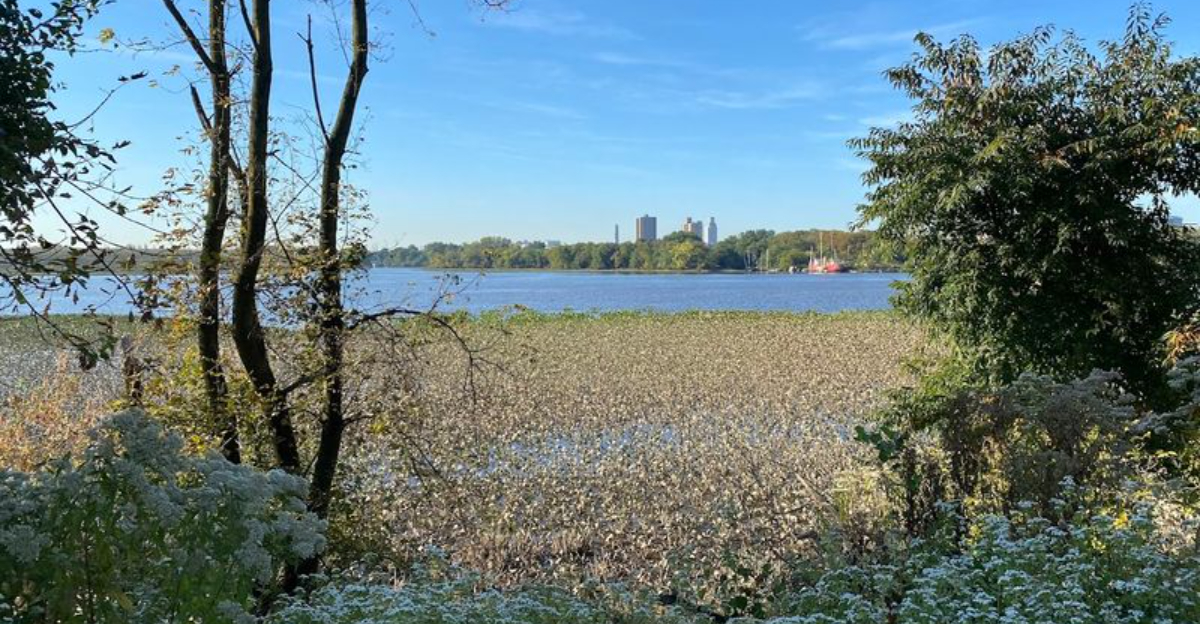
When someone first told me about a secret island sitting right between two major cities, I assumed they were exaggerating.
A wild, restricted sanctuary with bald eagles, tidal marshes, and sweeping river views, just a stone’s throw from downtown Philadelphia?
Sure, totally believable. But here I am, completely converted, because this place is as real and remarkable as it gets.
Getting there requires a little planning, a reserved spot on a guided program, and maybe a healthy sense of adventure.
What waits on the other side of that reservation confirmation is something genuinely unexpected, a living, breathing piece of nature that most people drive right past without ever knowing it exists.
A 350-Acre Island Hidden in Plain Sight
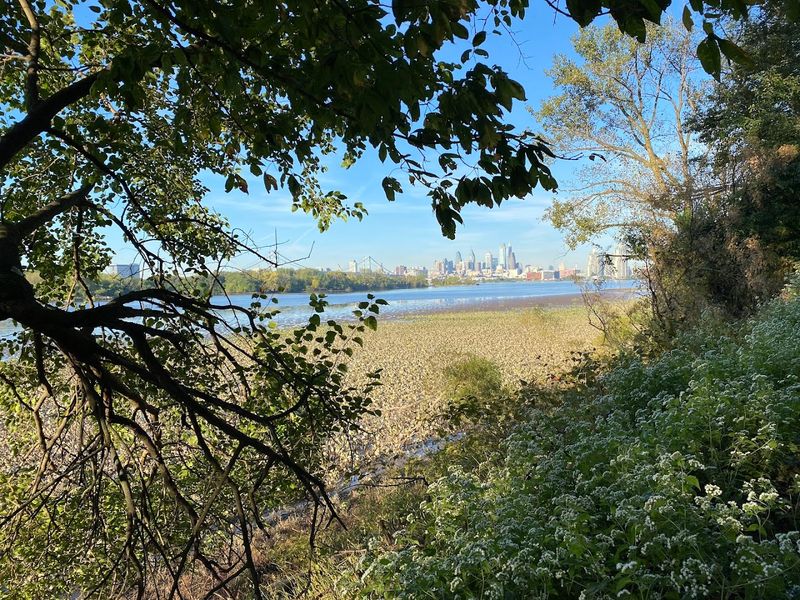
Most people crossing the bridges between New Jersey and Philadelphia have no idea there is an entire island sitting quietly below them in the Delaware River.
Petty’s Island covers 350 acres of woodland, freshwater tidal marsh, and open shoreline, tucked between two of the busiest urban corridors on the East Coast.
The contrast alone is enough to stop you mid-sentence. On one side, city skylines.
On the other, herons wading through calm marsh water like they own the place, because honestly, they do.
This island has been many things over the centuries, from farmland to shipbuilding site to industrial hub. When CITGO donated it to the New Jersey Natural Lands Trust in 2009, the transformation into a nature preserve officially began.
Nature moved back in quickly, reclaiming old industrial ground with surprising speed and enthusiasm. Visiting today feels like stepping into a world that quietly rebuilt itself while nobody was paying attention, and the result is nothing short of extraordinary.
Wildlife That Will Absolutely Steal the Show
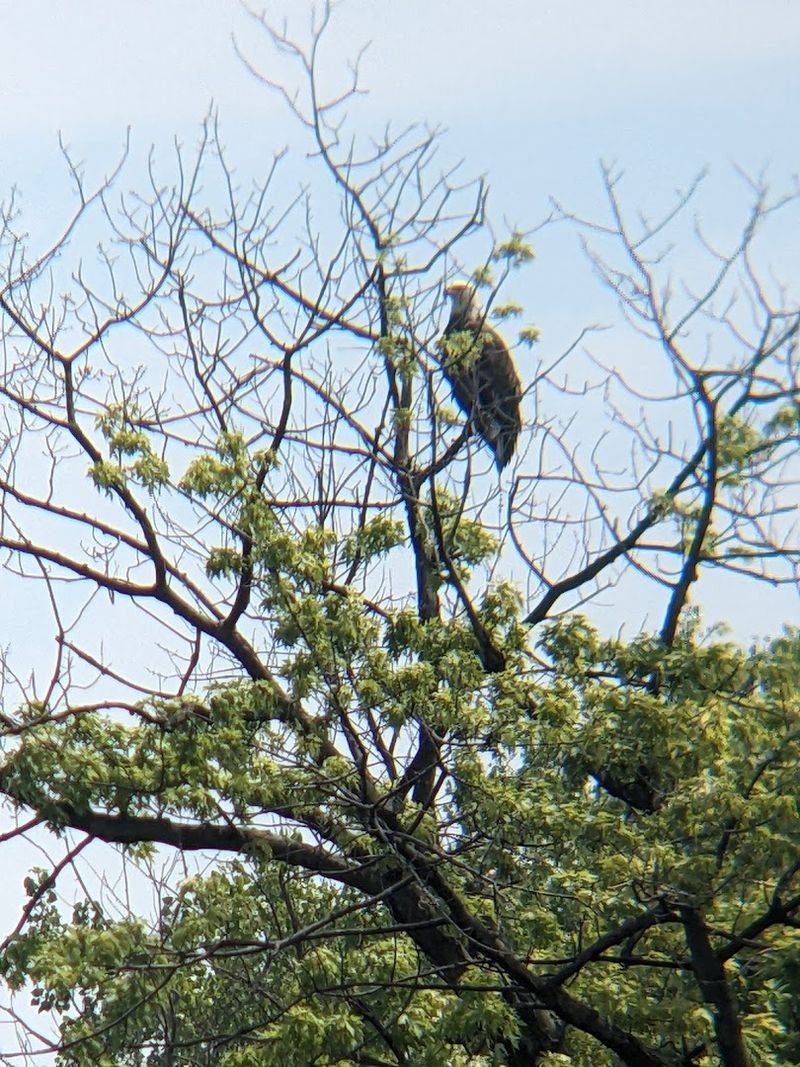
Nothing quite prepares you for the moment a bald eagle glides low over the tree line directly above your head.
That is the kind of thing that happens on Petty’s Island, and it happens with a casual regularity that feels almost surreal given how close you are to a major metropolitan area.
The island supports a genuinely impressive range of wildlife. Osprey patrol the river corridor with sharp focus.
White-tailed deer move through the woodlands at their own unhurried pace. Wild turkeys have been spotted strutting through clearings like they have somewhere important to be.
The freshwater tidal marshes create layered habitats that support everything from migratory shorebirds to native plant communities rarely found this close to urban development. Visiting during different seasons changes the entire experience.
Spring migration brings a rush of bird activity. Summer settles into a lush, insect-buzzing stillness.
Every visit feels distinct, shaped by whatever the island decides to show you that particular day.
The Delaware River Views Are Genuinely Unmatched
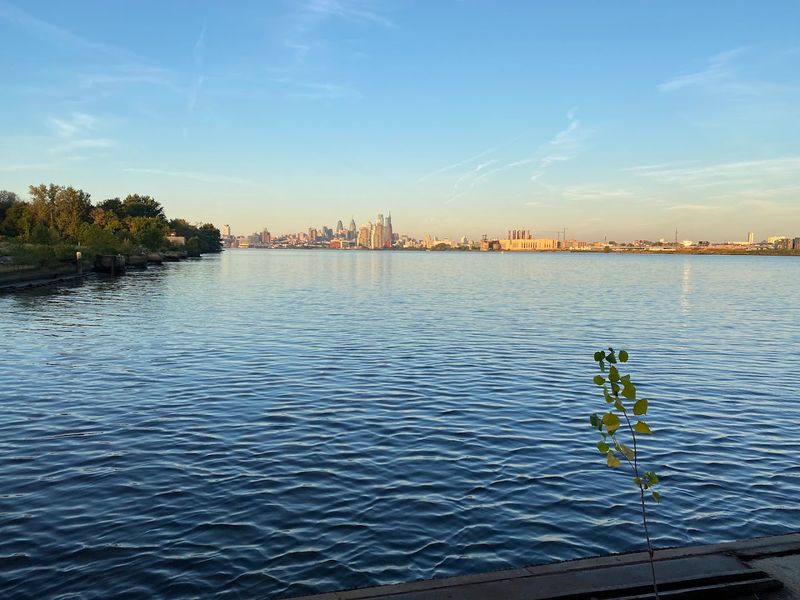
Standing on the island’s edge with the Delaware River spreading out in both directions is a view that does not feel real at first. The Philadelphia skyline rises across the water to the west, close enough to feel familiar but far enough to feel peaceful.
Camden’s waterfront stretches to the south, framed by the kind of open sky you rarely find in this region.
The river itself moves with a steady, unhurried current that adds a constant soft sound to everything. Wind comes across the water clean and cool, carrying that particular smell of river air that immediately relaxes your shoulders.
Photographers tend to lose track of time here completely. The light shifts constantly, especially in the late afternoon when the sun drops behind the Philadelphia skyline and paints the whole river surface in shades of amber and copper.
Even without a camera, the view has a way of anchoring you to the present moment in a way that city life rarely manages to do.
Why Access Is Restricted and Why That Actually Makes It Better
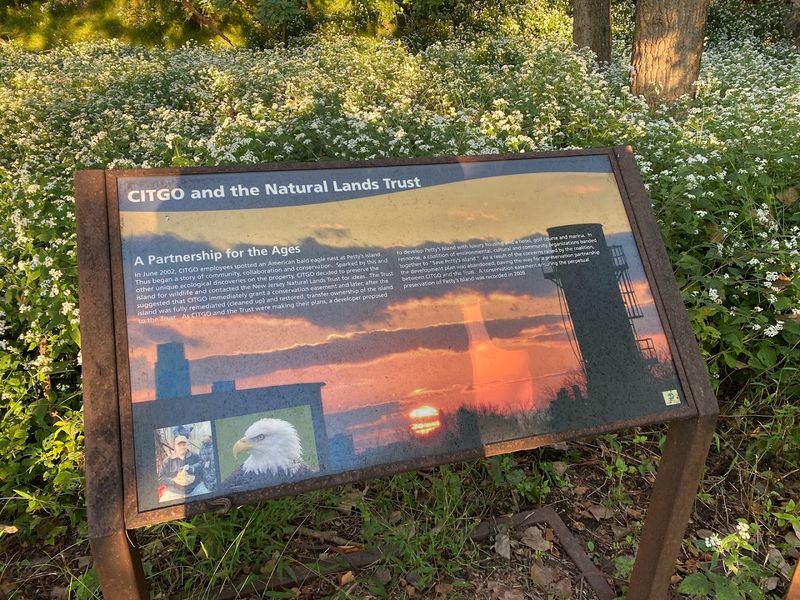
Getting onto Petty’s Island requires a reservation through an organized program, which might sound like a hassle until you actually arrive and understand why. Limiting access protects the habitats that make the island worth visiting in the first place.
Nesting eagles and sensitive marsh ecosystems do not mix well with unregulated foot traffic.
The restricted model also means the experience stays genuinely quiet. There are no crowds, no vendors, no noise beyond what the island itself produces.
That kind of stillness is increasingly rare and almost impossible to put a price on.
Programs are organized through partners like the Center for Aquatic Sciences and New Jersey Audubon, both of which bring real ecological knowledge to every visit.
Going with a guide transforms a walk through the woods into a layered education about watershed ecology, habitat restoration, and the surprisingly complex history of this small island.
Reserving a spot ahead of time is a small step that pays off enormously once you are standing there breathing in the river air.
The Freshwater Tidal Marshes Are a Living Classroom
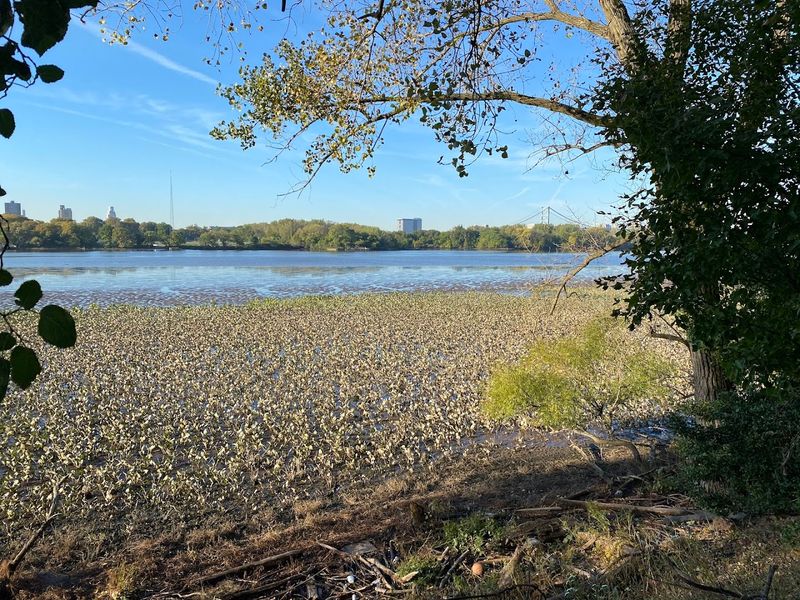
Freshwater tidal marshes are among the most productive and underappreciated ecosystems on the planet, and Petty’s Island has them in abundance.
These wetland zones shift with the tidal rhythm of the Delaware River, creating dynamic conditions where plant and animal life have adapted in fascinating ways.
Walking the edge of the marsh, you start picking up on details that are easy to miss at first. The way certain grasses grow in dense, layered clusters.
The small disturbances in the water’s surface that hint at fish or turtles moving just below. The chorus of frogs that kicks in around dusk with surprising volume.
For anyone with even a passing interest in ecology or environmental science, the marshes here are endlessly interesting. Schools and community groups regularly use the island as an outdoor classroom, and it is easy to see why.
Everything you might read about in a textbook about wetland function and tidal hydrology is happening right in front of you, live and unfiltered, no screens required.
From Industrial Site to Nature Sanctuary: A Comeback Story

Not many places can claim a transformation as dramatic as Petty’s Island. For much of the twentieth century, the island functioned as an industrial operation, most notably as part of CITGO’s petroleum infrastructure.
The land bore the marks of heavy use, and the idea of it becoming a wildlife sanctuary would have seemed unlikely at best.
When CITGO donated the island to the New Jersey Natural Lands Trust in 2009, the cleanup and restoration process began in earnest. Nature responded faster than most expected.
Vegetation reclaimed old ground, birds returned, and the ecological systems that had been suppressed for decades started reasserting themselves with quiet persistence.
Traces of the island’s industrial past are still visible in places, old foundations and remnants of infrastructure that now sit half-buried under native plants. Rather than erasing that history, the preserve treats it as part of the story.
The contrast between what the island was and what it is becoming adds a layer of meaning to every visit that pure wilderness simply cannot replicate.
The Environmental Education Programs Are Worth Every Bit of Effort

The programs offered through partners like the Center for Aquatic Sciences are not just nature walks with a guide. They are genuinely well-designed educational experiences that connect visitors to the island’s ecology in meaningful, memorable ways.
The guides bring real enthusiasm for what they are teaching, and that energy is contagious.
Kids who come through school programs tend to leave with a noticeably different relationship to the natural world than when they arrived.
Seeing a bald eagle up close, holding a water sample teeming with microorganisms, or learning how tidal marshes filter river water, these are the kinds of experiences that stick.
Adults get just as much out of it. The programs are designed to be accessible regardless of background knowledge, so you do not need to arrive as a naturalist to leave feeling like one.
Registering early is strongly recommended since spots fill up, especially during spring and fall when conditions on the island are at their most spectacular and demand is highest.
Plans for an Environmental Center Are Worth Getting Excited About
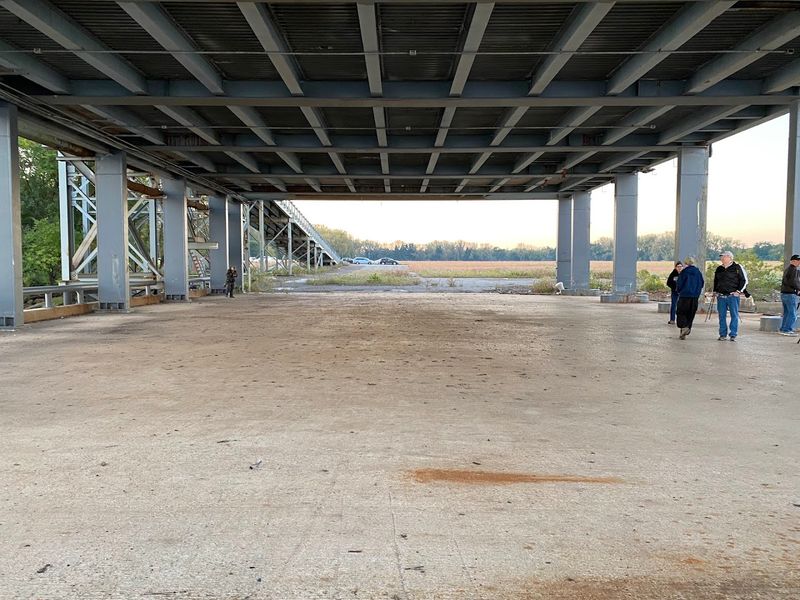
The future of Petty’s Island includes plans for a dedicated environmental education center, designed to serve as a permanent hub for learning, community engagement, and ecological research.
The vision is ambitious in the best way, a facility that honors the island’s history while fully committing to its role as a natural sanctuary.
An on-site center would make it easier to host larger programs, provide shelter during inclement weather, and give visitors a deeper context for what they are experiencing in the field.
It would also create a more accessible entry point for community members who might not otherwise engage with conservation efforts.
The surrounding region has a strong network of environmental organizations, and a facility like this would anchor that community in a meaningful physical space.
Progress on these plans has moved forward steadily, driven by genuine commitment from the New Jersey Natural Lands Trust and its partners.
Watching this island evolve from an industrial footnote to a functioning ecological and educational landmark is one of the more quietly inspiring stories in the Delaware Valley right now.
How to Visit Petty’s Island and Make the Most of It
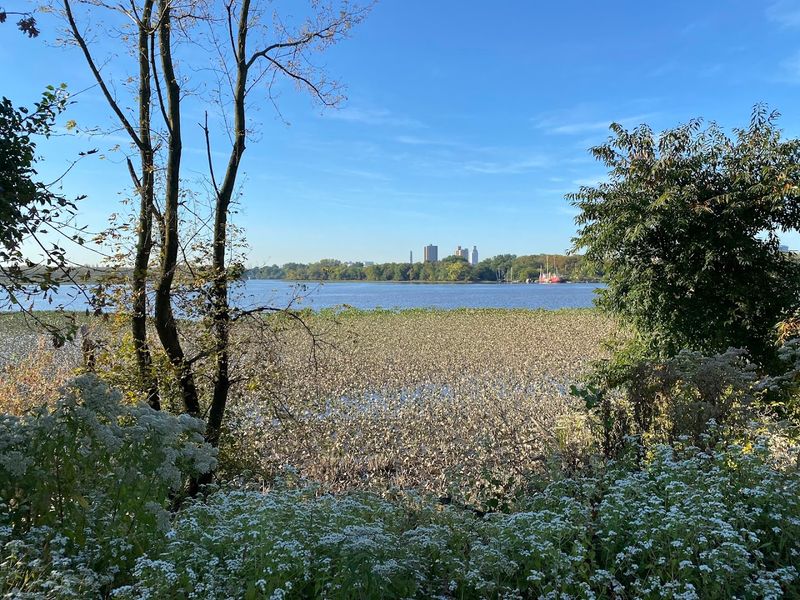
Planning a visit to Petty’s Island starts with checking the current program schedule through the Center for Aquatic Sciences or New Jersey Audubon. Both organizations run guided visits throughout the year, and registration is required in advance.
Spots are limited intentionally, so booking early is genuinely important rather than just a polite suggestion.
Wear layers and bring sturdy footwear since the terrain shifts between woodland paths, marsh edges, and open shoreline. Bug spray is a smart addition during warmer months.
A pair of binoculars will transform your experience, especially if wildlife watching is high on your list.
Bring snacks and water since there are no facilities on the island. Pack light but pack smart.
The island rewards visitors who arrive prepared and curious rather than rushed. Give yourself enough time to slow down and absorb the details, the way the marsh grasses move, the sound of the river, the occasional eagle overhead.
Petty’s Island does not need embellishment. It just needs your full attention.
Address: Pennsauken, NJ
