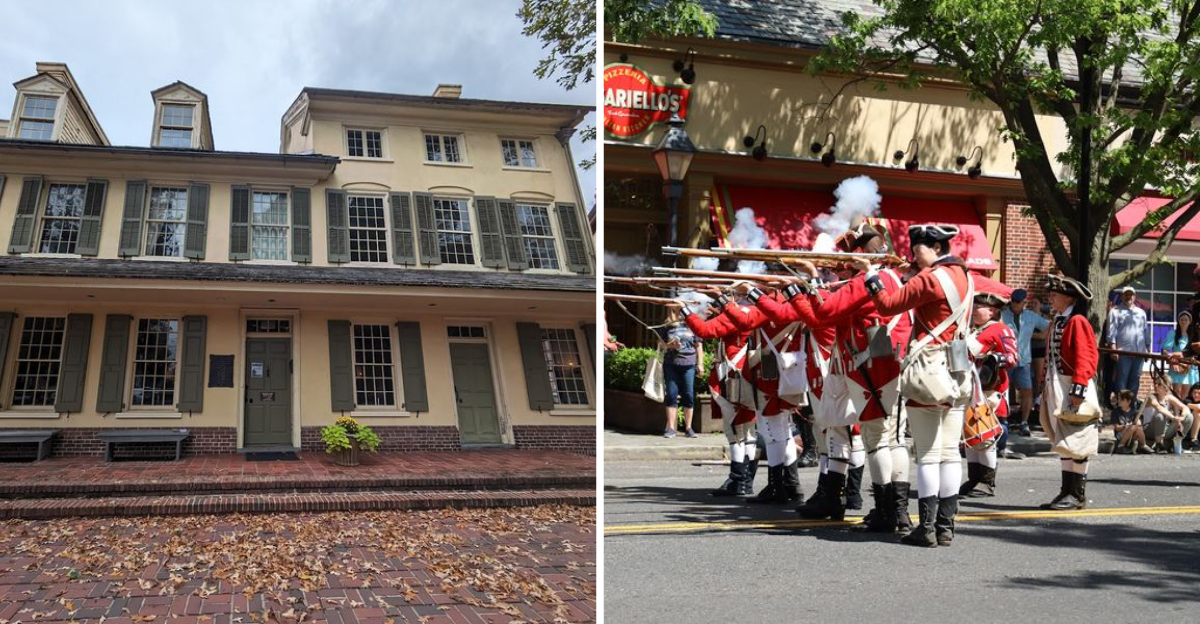
Before New Jersey was even a state, this unassuming building was doing the heavy lifting.
In 1777, its meeting rooms hosted the vote that made it official.
No fancy capitol. Just a brick tavern with big ideas.
Later it became New Jersey’s first historic landmark.
So pull up a chair to the spot that helped launch a state.
History never felt this real. Or this revolutionary.
Four walls. One vote. Zero fuss.
Built Before the Revolution Even Started
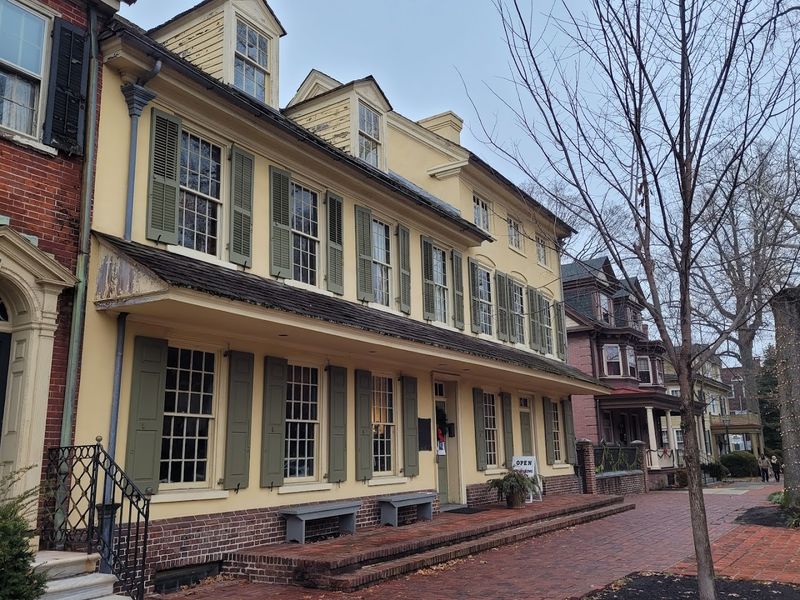
Long before muskets fired and declarations were signed, a Philadelphia merchant named Mathias Aspden constructed this tavern around 1750, planting the seed of what would become one of the most consequential buildings in New Jersey history.
The structure predates the Revolution by decades, which makes walking through its rooms feel like stepping into a timeline that stretches back further than most people realize.
Colonial taverns were not just places to eat and rest. They were the social media of the 1700s, where news traveled, opinions formed, and communities gathered to make sense of a rapidly changing world.
This building absorbed all of that energy from its earliest days.
The oldest section of the structure reportedly dates even further back than the 1750 construction date, giving the building layers of history that overlap and intertwine in fascinating ways. Every beam and floorboard carries that weight quietly but unmistakably.
A Legislature on the Run Finds a Home Here
Picture this: it is 1777, the Revolutionary War is heating up fast, and the New Jersey Legislature has just fled Trenton because the conflict made staying there impossible.
They needed somewhere safe to meet, somewhere functional, and somewhere central enough to matter.
They landed here, at this tavern on Kings Highway, and what happened next changed everything.
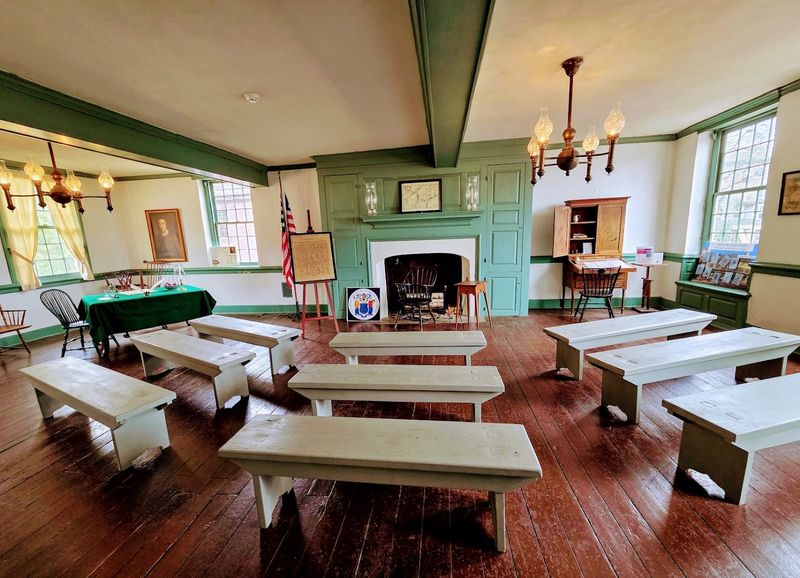
The Assembly gathered upstairs in a large multi-purpose room that had hosted countless gatherings before, but never one quite this significant. During that session, they officially adopted the Declaration of Independence into New Jersey’s legislative records.
That single act formalized the colony’s break from British rule in a way that carried real legal weight.
It was not a grand marble hall or a purpose-built government chamber. It was a tavern room with wooden floors and practical furniture, which somehow makes the moment feel even more human and remarkable.
History rarely happens in the places we expect it to.
New Jersey’s Great Seal Was Born Within These Walls
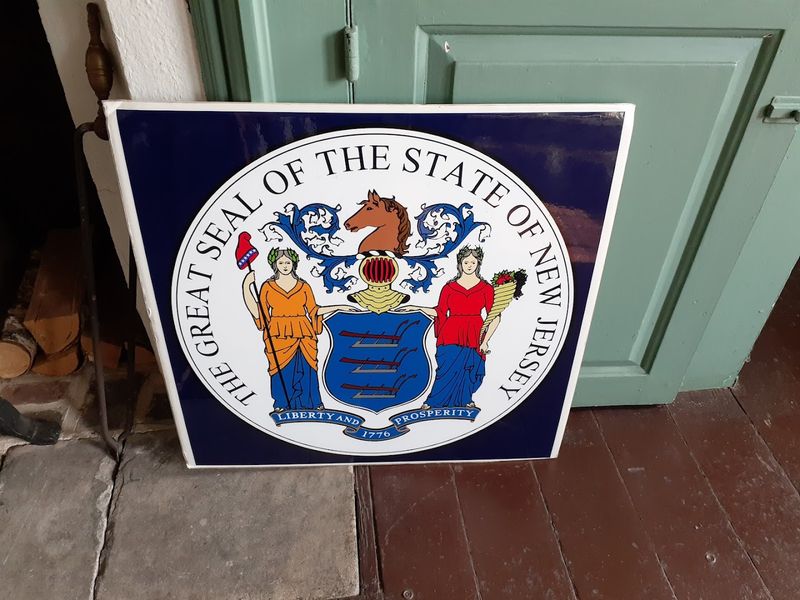
Most people know that New Jersey has a state seal, but far fewer know exactly where it came from. During that same 1777 legislative session at the tavern, the Assembly established the state’s Great Seal, giving New Jersey one of its most enduring symbols of official identity.
That decision, made in a building that also served travelers and locals alike, carries a certain wonderful irony.
The Great Seal was not just decorative. It represented New Jersey’s formal claim to statehood and sovereignty, a declaration in visual form that this was no longer a colony answering to a distant crown.
Designing and adopting it here, in a working tavern, speaks to the practical and urgent nature of the times.
Today, a visit to the museum puts you right in the room where that history unfolded. Standing there, looking at period furnishings arranged as they might have been during that session, makes the whole story feel surprisingly immediate and personal rather than distant and textbook-dry.
The Cellar Held More Than Food and Supplies
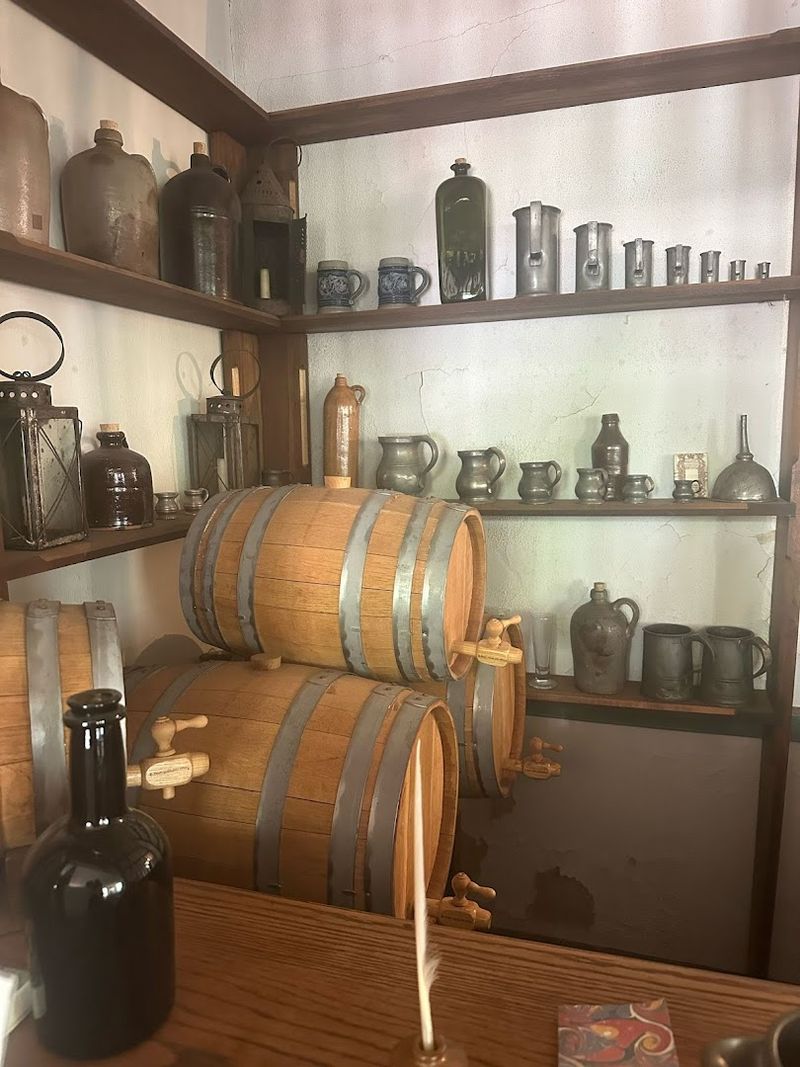
Beneath the tavern’s busy main floors lies a cellar with a much darker story to tell.
During the Revolutionary War, the space is believed to have served as a temporary prison for deserters and suspected Loyalists, people whose loyalties to the British Crown made them dangerous in the eyes of the colonial cause.
It is a sobering detail that adds real complexity to the building’s history.
Colonial taverns often served multiple functions simultaneously, and this one was no different. On any given day, the same building might host a legislative meeting upstairs, serve meals to travelers on the ground floor, and hold prisoners in the cellar below.
The layers of activity happening within a single structure are genuinely astonishing to think about.
The cellar is part of what makes this museum so compelling. It refuses to present history as clean or simple.
Instead, it shows the messy, urgent, human reality of a society in the middle of a war that would reshape an entire continent.
From Active Tavern to New Jersey’s First State Historic Site
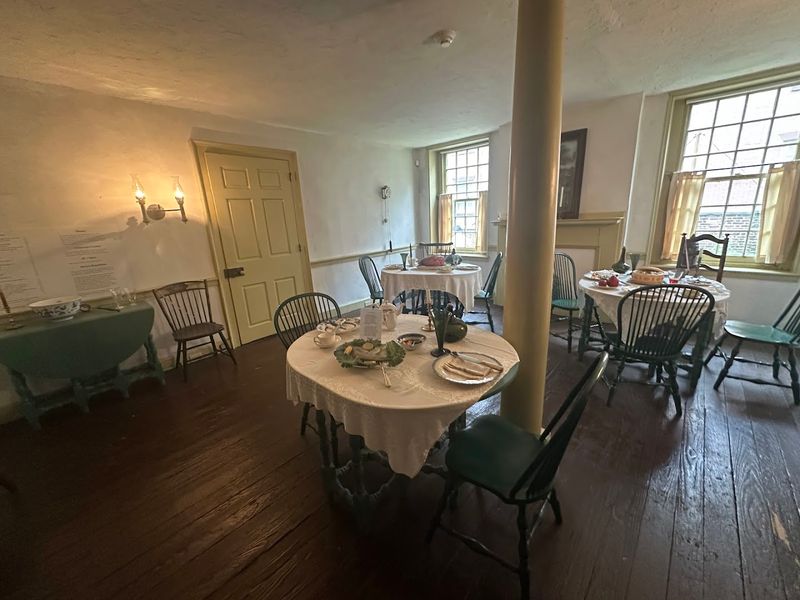
After the Revolution ended, the tavern kept operating as a working inn and gathering place for nearly a century more. It served generations of travelers moving along Kings Highway, quietly accumulating history long after its most dramatic moments had passed.
Then in 1873, Haddonfield became a dry community, and the tavern’s days as an active establishment came to a close.
The building sat with its history intact, and in 1903, the state of New Jersey made a decision that would define its approach to preservation for generations. Officials acquired the property and designated it the state’s first officially owned historic site.
That move was not just symbolic. It was a commitment to remembering.
Becoming New Jersey’s first state historic site is a distinction that still matters today. Every preservation effort and educational program that followed built on that original 1903 decision.
The museum stands as proof that recognizing history early, before it crumbles or disappears, makes all the difference for the people who come after.
The Architecture Tells Its Own Story
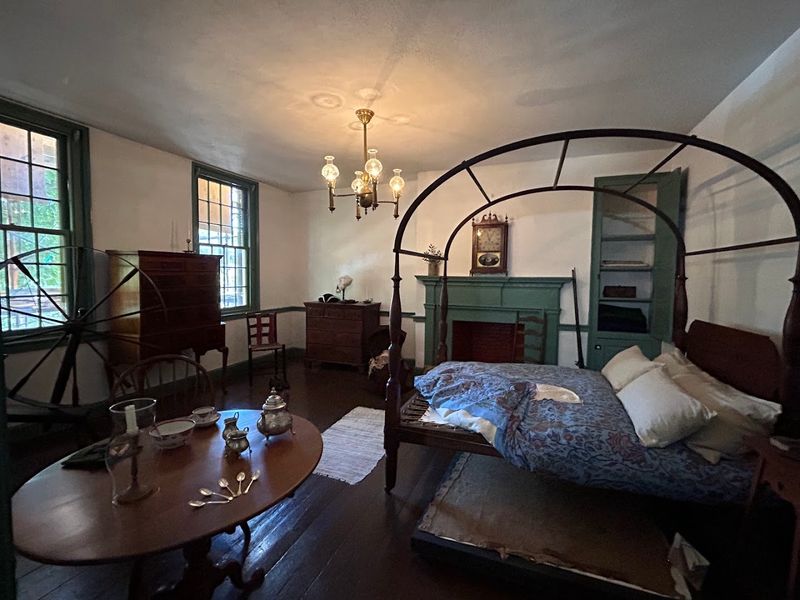
Walking through the Indian King Tavern Museum, the building itself becomes part of the exhibit. Wide plank floors, low ceilings, and thick walls speak to construction methods that prioritized durability over elegance, built to last through hard winters and harder times.
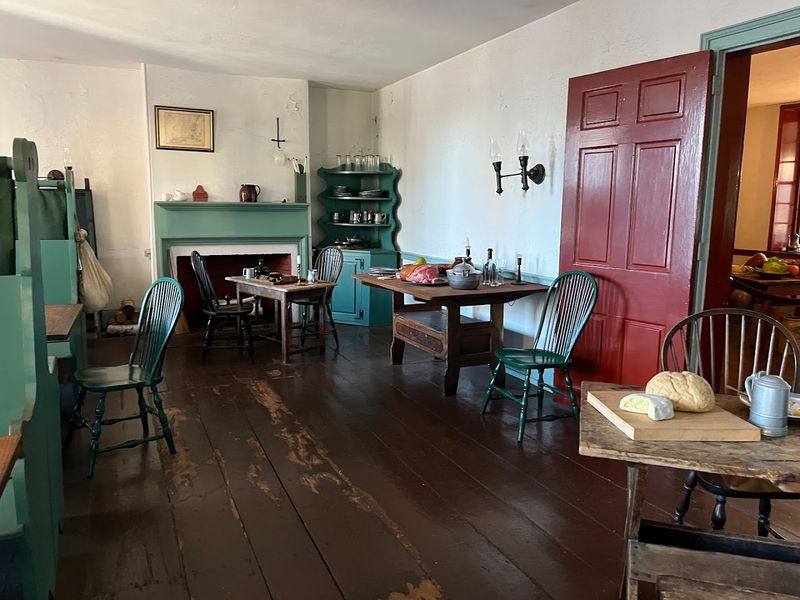
The structure was divided into two main sections: one side functioned as the tavern and kitchen area, while the other served as a dining and gathering space.
Upstairs, the innkeeper and family lived in private quarters alongside several guest rooms for overnight visitors. The large all-purpose room where the legislature met sits at the heart of the upper floor, and it still radiates a sense of purpose that is hard to put into words.
Reproduction furniture and period-accurate accessories fill the rooms without overwhelming them.
The museum recently underwent roof restoration work to ensure the building remains structurally sound for future generations. Seeing a historic structure actively cared for rather than simply displayed behind glass gives the whole visit a living, breathing quality that feels genuinely special.
Free to Visit, Priceless in Value
One of the most refreshing things about this museum is that admission is completely free.
A donation box sits inside for those who want to contribute, but there is no ticket counter, no membership gate, no barrier between curious visitors and one of the most historically significant buildings in New Jersey.
That kind of open access feels almost radical in the best possible way.
Tours run during open hours, led by knowledgeable guides and enthusiastic volunteer docents who genuinely love what they do. Visitors can choose to explore on their own or join a guided tour that typically lasts around forty minutes to an hour.
Either way, the experience is rich and unhurried.
Street parking is available along Kings Highway, with additional public parking nearby, including free options on Sundays. The combination of no admission cost and accessible parking makes this one of the most welcoming historic sites in the region.
Good history should never be locked behind a paywall, and here, it is not.
Events, Lectures, and Living History Programs
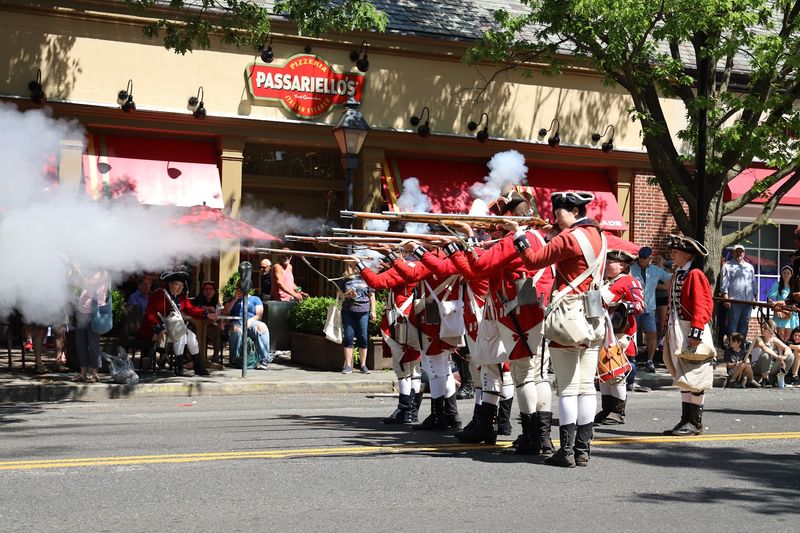
Beyond the standard museum visit, the Indian King Tavern hosts a rotating calendar of events that bring colonial history to life in unexpected and genuinely fun ways.
Monthly lectures cover topics ranging from daily life in the 1700s to the broader context of the American Revolution, drawing audiences from across the region who are hungry for more than just a surface-level tour.
Collaborations with local institutions like the Haddonfield Library expand the museum’s educational reach even further. Special programming for families and school groups makes this a destination that works for visitors of all ages, not just dedicated history enthusiasts.
Reenactment events, when they happen, are particularly memorable, with participants in period dress turning Kings Highway itself into a kind of outdoor theater.
Checking the museum’s website or contacting them before your visit is worth the extra step, especially if you want to catch one of these special programs. Timing a visit around a lecture or event transforms an already excellent experience into something truly unforgettable and community-centered.
Haddonfield Itself Is Part of the Experience
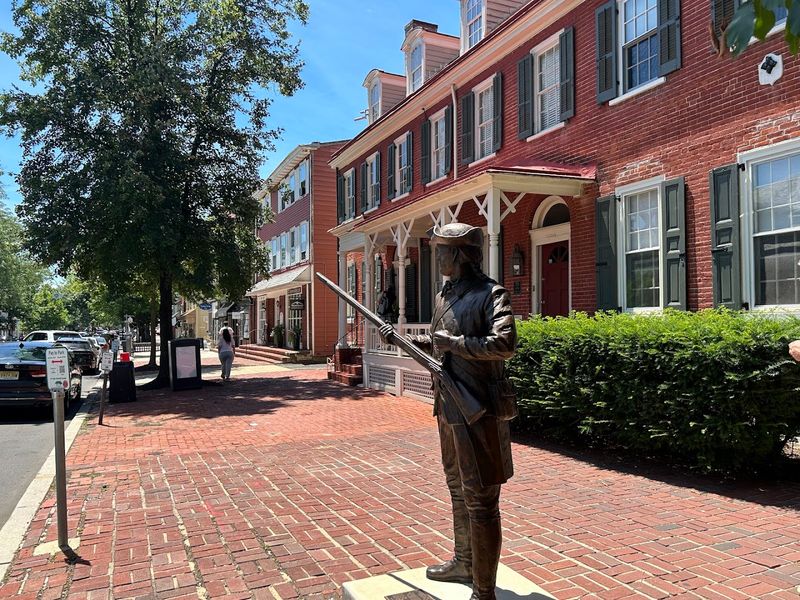
The museum does not exist in isolation. It sits right in the heart of downtown Haddonfield, a town that wears its history openly and proudly along every block of Kings Highway.
Many of the surrounding buildings are themselves historic landmarks, and simply walking the street before or after a museum visit adds another layer to the whole experience.
Haddonfield has a small-town charm that feels genuinely earned rather than manufactured for tourists. Local shops, cafes, and green spaces make it easy to spend a full afternoon exploring without any sense of rush.
The town’s layout has changed remarkably little since the colonial era, which gives the whole area a coherent historical atmosphere that is rare and worth savoring.
Coming to the Indian King Tavern Museum and then wandering through the rest of Haddonfield is a natural pairing. The town and the museum tell the same story from different angles, and together they create a visit that is both educational and deeply enjoyable for anyone who loves a place with real roots.
Why This Place Belongs on Every History Lover’s List
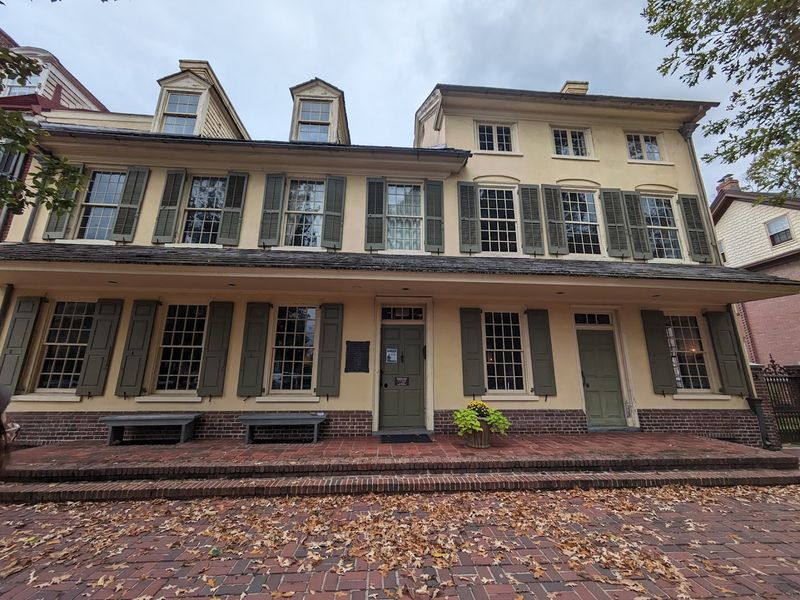
Some historic sites feel like obligations, places you visit because you feel like you should rather than because you genuinely want to be there. The Indian King Tavern Museum is not one of those places.
From the moment you ring the bell at the front door and step inside, the experience pulls you in with real stories, real rooms, and real history that still echoes in the present.
Families, solo travelers, history buffs, and curious passersby all seem to leave with the same feeling: that they found something more meaningful than they expected. That kind of universal appeal is rare and worth paying attention to.
Whether you are a lifelong New Jersey resident or just passing through the area, this museum offers something that cannot be replicated anywhere else. It is the place where a state was made, preserved for anyone willing to walk through the door and listen.
Address: 233 Kings Hwy E, Haddonfield, NJ
