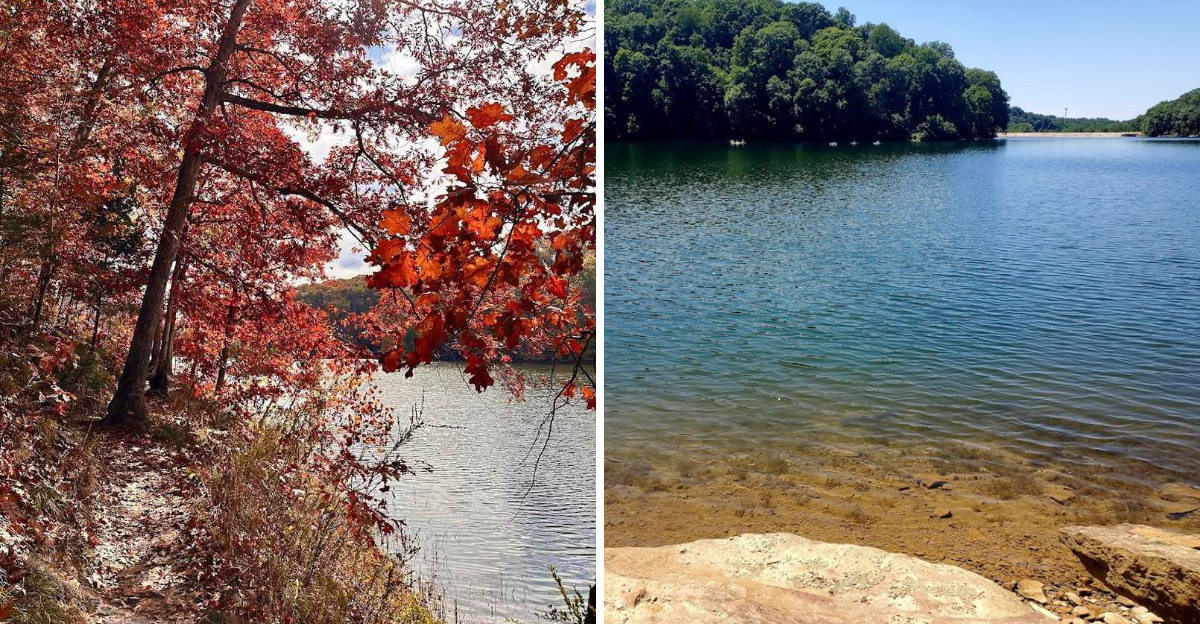
There is something quietly remarkable about a trail that changes its personality depending on the weather. A nature preserve just north of a major university town in southern Indiana holds one of those rare qualities that only reveals itself after a heavy rain.
I have walked plenty of trails across the state, but this loop stopped me in my tracks the first time I heard water rushing through a ravine that had been completely dry only days before. The limestone landscape here creates a system where water appears and disappears in ways most hikers do not expect, reshaping familiar paths into something entirely new from one week to the next.
It adds a sense of unpredictability that makes every visit feel slightly different, even if you are walking the same route.
Ephemeral Streams That Appear Like Magic After Rain
Most trails look the same every time you visit them. Griffy Lake is not most trails.
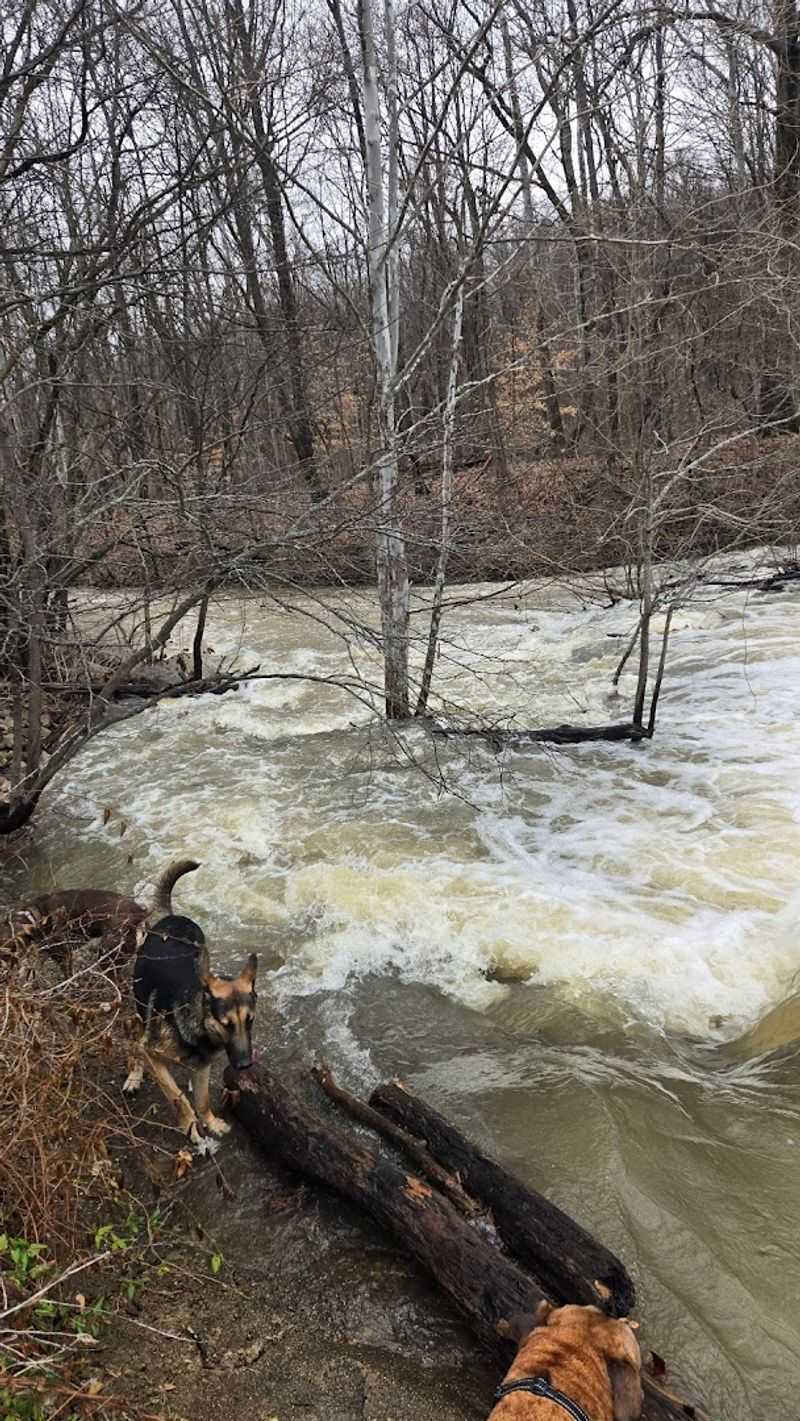
After a significant rainfall, something almost magical happens along the 6.7-mile loop: water begins to flow through the deep limestone ravines that are completely dry under normal conditions.
These are called ephemeral streams, and they exist only because of how rainwater moves through porous limestone bedrock. The water collects, channels, and carves its way downhill through narrow ravines, creating rushing little waterways that vanish within days of the rain stopping.
Timing your visit right after a storm means you get a completely different hike than the one your neighbor described last weekend.
The sound alone is worth it. Standing at the edge of a ravine and hearing water rushing below when you expected silence is one of those unexpected trail moments that sticks with you.
Local hikers who know this preserve well often check the forecast before heading out, deliberately planning visits after a good soaking rain. It is a small piece of natural science playing out right beneath your feet, and it makes every visit feel genuinely unpredictable.
Bring waterproof boots if the ground is still wet, because the clay soil along some sections gets slippery fast.
A Mature Upland Forest Unlike Anything Nearby
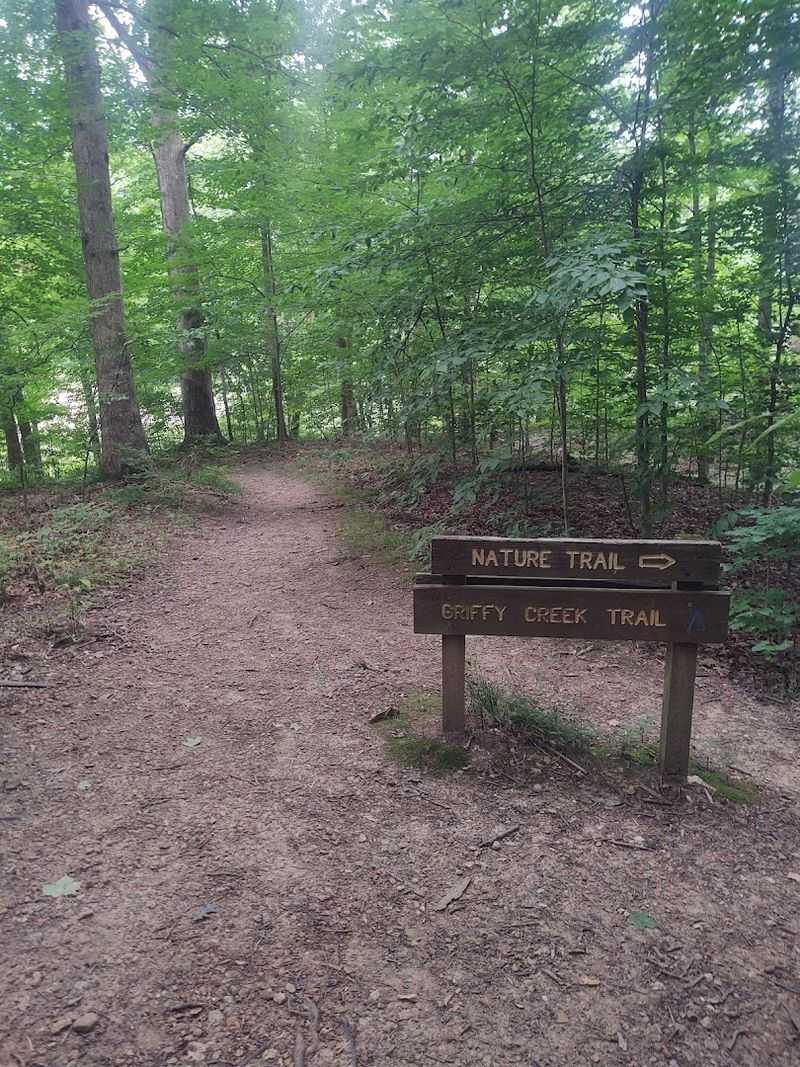
Mature forests are rare. Most of what passes for woodland in Indiana is second or third-growth timber that sprouted after farmland was abandoned.
Griffy Lake Nature Preserve is considered one of the finest remaining examples of mature upland forest in the entire region, and once you walk beneath its canopy, you understand why that distinction matters.
The trees here are old and wide. The understory is layered with shrubs, ferns, and wildflowers that only thrive in stable, undisturbed forest conditions.
Spring ephemerals like trillium and bloodroot push through the leaf litter before the canopy closes in, creating brief windows of color that locals know to chase in April and early May.
Rare plant species have been documented throughout the preserve, making it a quiet hotspot for botanists and naturalists. Even casual hikers notice the difference in atmosphere.
Old forests feel different underfoot and overhead. The air is cooler, the light is softer, and the sense of being somewhere genuinely ancient settles in slowly as you walk deeper into the trail.
It is the kind of forest that makes you want to slow down rather than rush through, and that is a feeling that is harder to find every year as development continues to press closer to Bloomington’s edges.
Rugged Terrain That Actually Challenges You
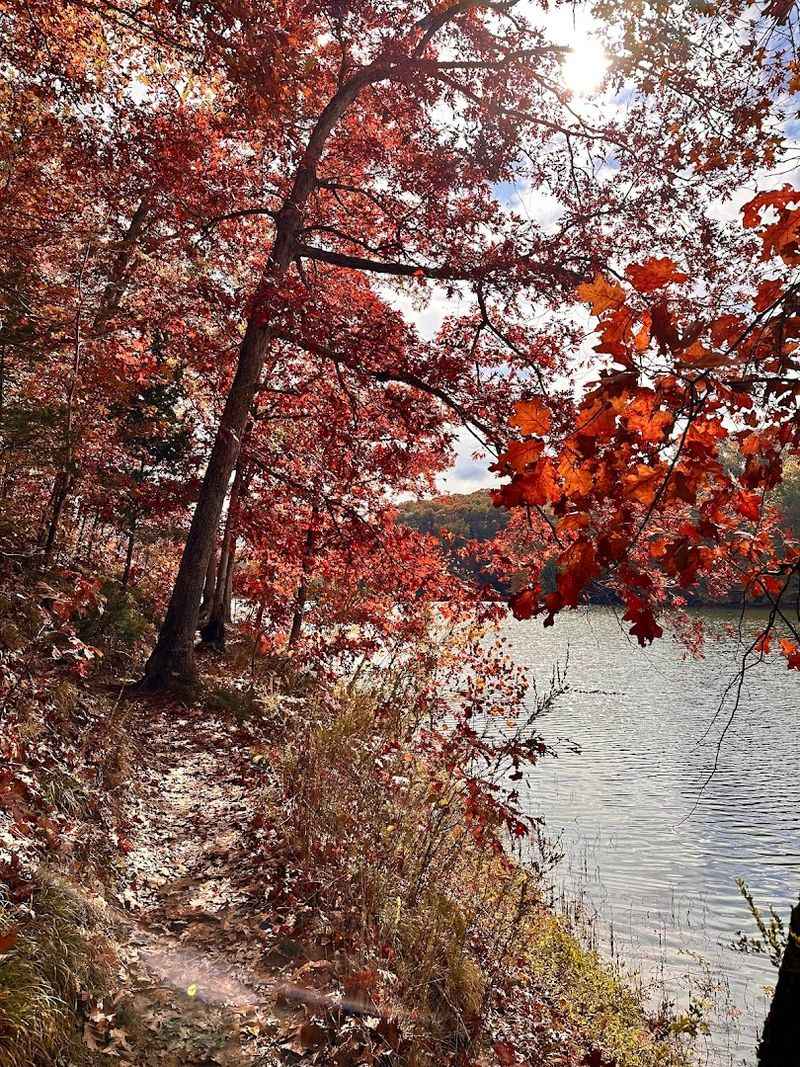
A lot of trails marketed as rugged turn out to be a gentle stroll with a few pebbles. Griffy Lake does not mislead you.
The 6.7-mile loop includes genuine elevation changes, steep descents into ravines, and sections where grabbing a sapling for balance is not embarrassing but actually smart.
The terrain shifts constantly. One moment you are walking a flat ridge with long views through the forest canopy, and the next you are picking your way down a clay-heavy slope that rewards careful footing.
Some sections have exposed roots crossing the path at ankle-height, and a few stretches require you to find your own line when the trail gets less defined.
That unpredictability is exactly what makes this loop satisfying. It is not a casual stroll, but it is also not a technical climb requiring gear.
Most reasonably fit hikers can complete it, though first-timers should budget more time than they think they need. Trekking poles are genuinely useful here, especially on wet days.
The physical challenge feels earned rather than manufactured, and reaching the dam at the far end of the trail gives you a real sense of accomplishment. Indiana does not have mountains, but Griffy Lake reminds you that the Hoosier landscape has more grit than people give it credit for.
Rich Wildlife You Can Actually Spot
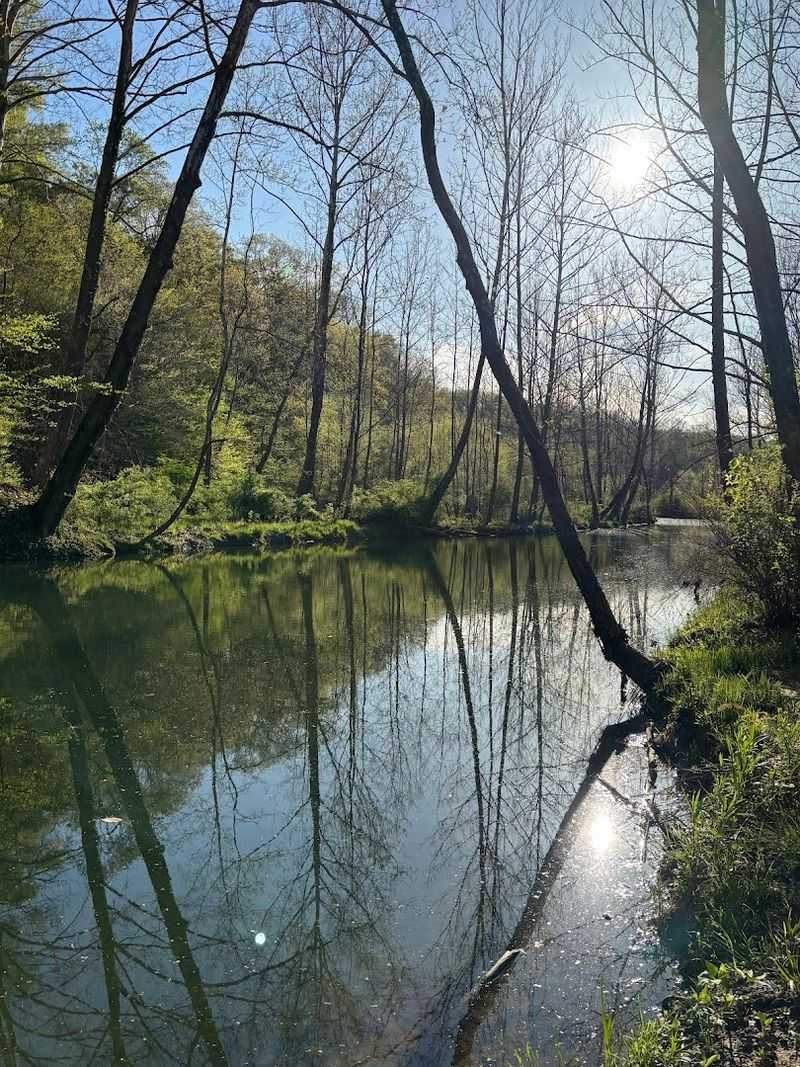
Wildlife sightings at Griffy Lake are not the kind you have to squint at from a distance. Deer are common enough that multiple visitors have spotted them right at the trailhead or bounding up hillsides along the path.
Early morning visits, especially around 6:00 or 7:00 AM, give you the best odds of catching the preserve before the crowds and the animals before they retreat deeper into cover.
The forest structure here supports a wide range of species. Woodpeckers work the old snags.
Songbirds fill the canopy during migration season in spring and fall. The lake itself draws herons, kingfishers, and the occasional osprey hunting the shallows.
Dry creek beds along the trail are worth pausing at because they often show animal tracks pressed into the mud after rain.
There is also the occasional surprise. Hikers have reported hearing and sometimes glimpsing wild turkey moving through the brush, and the rustling in the undergrowth keeps you alert in the best possible way.
Bringing binoculars adds a whole extra layer to the experience without adding much weight to your pack. The preserve functions as a genuine wildlife corridor close to a mid-sized city, and that ecological role is part of what makes protecting it so important to the Bloomington community.
Historical Roots Going Back to the 1920s
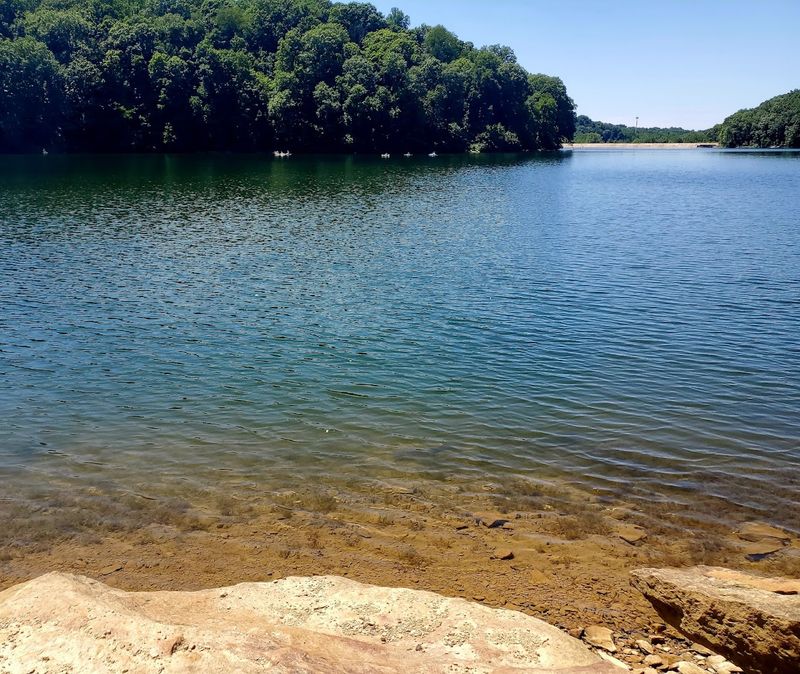
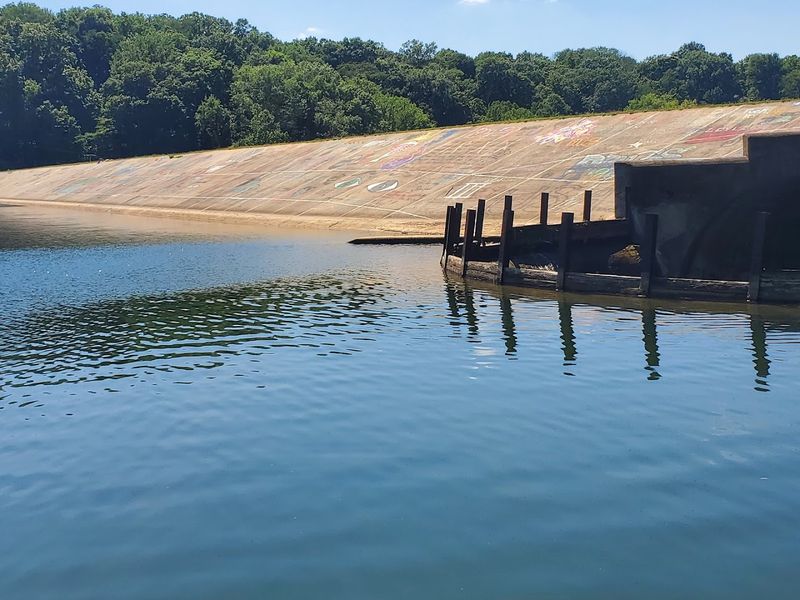
Not many hiking trails come with a century of local history attached. Griffy Lake was created in the 1920s specifically to supply drinking water to Bloomington, making the dam at the far end of the loop more than just a scenic turnaround point.
It is a piece of working infrastructure that shaped daily life in this city for decades.
The reservoir served the community through much of the twentieth century before the city transitioned to other water sources. What remained was a remarkably intact natural area that the city eventually designated as a nature preserve, protecting the lake and surrounding forest from development.
That history gives the trail a layered quality that purely recreational parks sometimes lack.
Reaching the dam after a long push through the ravines and ridges adds a satisfying narrative arc to the hike. You are not just walking a loop for exercise.
You are walking through a piece of Bloomington’s civic memory. Local historians and Indiana University researchers have both shown interest in the preserve over the years, and interpretive materials available through Bloomington Parks and Recreation add context that enriches what you see along the way.
For anyone who grew up in Monroe County or has roots here, that connection to local history makes the trail feel like something worth protecting and revisiting across the seasons.
Recent Trail Improvements That Make the Loop More Accessible
Griffy Lake got a meaningful upgrade in December 2023 when the South Shore Trail was completed, filling in a key section of the overall loop and improving both safety and trail continuity. Before that addition, some portions of the route required backtracking or navigating less defined connectors, which frustrated first-time visitors trying to complete the full circuit.
The improvements brought better footing and clearer wayfinding to sections that had long been inconsistent. Trail signage has been updated in several areas, reducing the chance of taking a wrong turn in the more remote stretches of the preserve.
The work reflects a genuine investment by Bloomington Parks and Recreation in making this resource more usable for a broader range of hikers.
That said, rugged still means rugged. The improvements smooth out the navigation without turning the loop into a groomed park path.
You will still encounter steep slopes, rooty sections, and muddy stretches after rain. But knowing that the route has been intentionally maintained and improved means you can focus on the experience rather than wondering if you are on the right track.
Checking current trail conditions on the city of Bloomington parks website before heading out is always a smart move, especially after heavy rain when some sections near the ravines can become temporarily impassable or slippery enough to require extra caution.
Close Proximity to Bloomington’s Best Spots
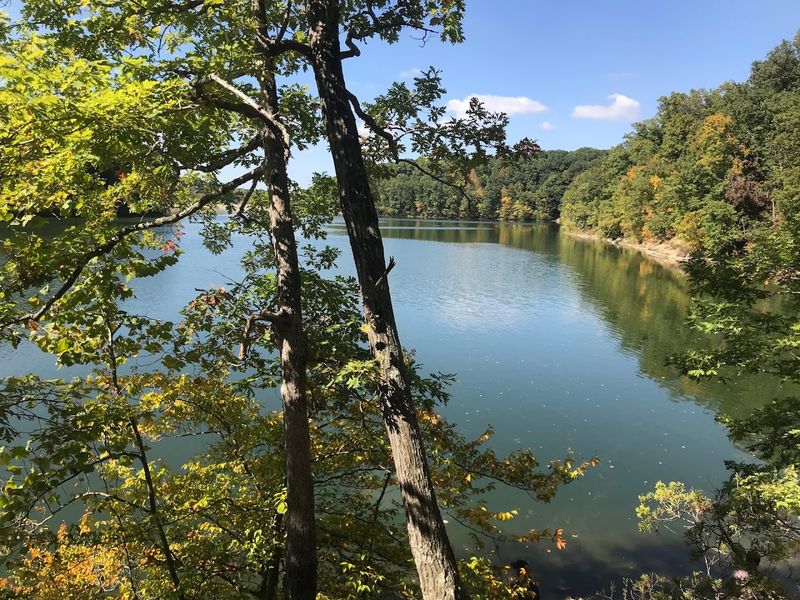
One of the most underrated things about Griffy Lake is how close it sits to everything Bloomington has to offer. The preserve is located at 3400 N Headley Rd, Bloomington, IN 47408, just a short drive north of Indiana University’s campus.
That means you can finish a two-hour hike and be sitting at a cafe on Kirkwood Avenue before lunchtime without any highway driving.
After a morning on the trail, the Bloomington Community Farmers Market at Showers Common, 401 N Morton St, is worth a stop on Saturday mornings when it runs. The Monroe County History Center at 202 E 6th St gives you a chance to connect the local history you just walked through with the broader story of Monroe County.
For a meal after the hike, the Bloomington downtown square has a solid range of options within easy walking distance of the parking areas near campus.
The preserve also sits close enough to IU’s campus that students use it regularly for trail runs, photography projects, and ecology fieldwork. That mix of serious outdoor enthusiasts and casual visitors creates an unusually welcoming trail culture.
You are just as likely to pass a professor identifying tree species as you are a family walking a dog. That variety of people and purposes is part of what makes Griffy Lake feel like a genuine community resource rather than just another green space on a city map.
