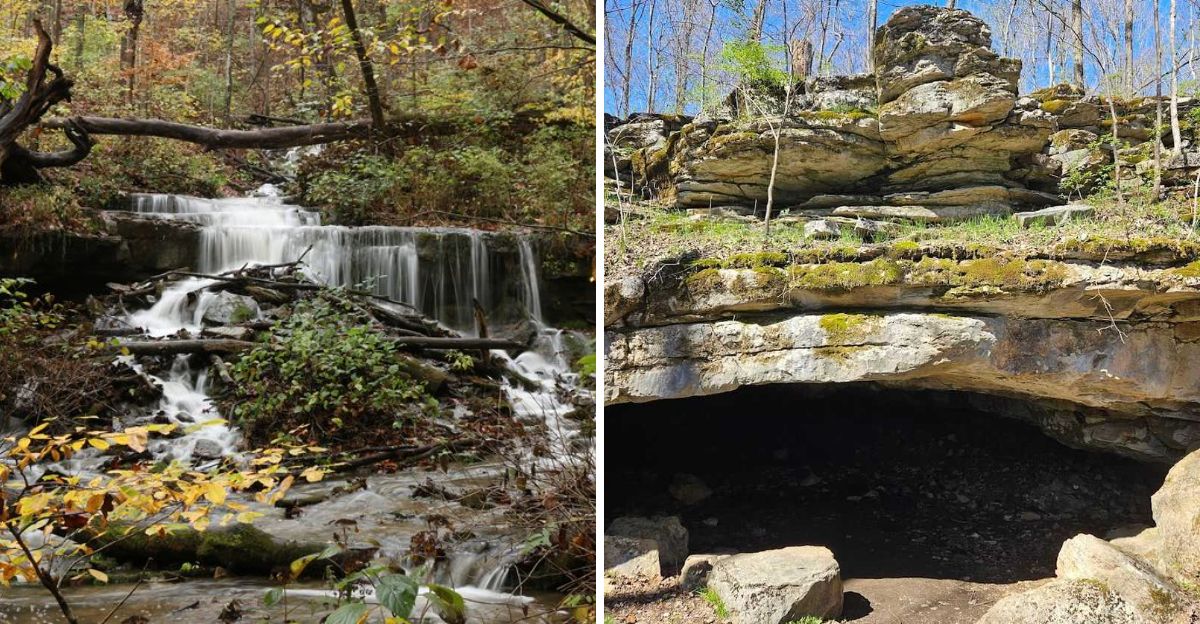
There is something quietly remarkable about a place where the past and present exist side by side, and this nature park is exactly that kind of place. I had heard locals talk about it for years before I finally made the drive out, and honestly, I wish I had gone sooner.
The moment you descend those first steep stairs and hear water rushing from the mouth of a cave, something shifts in you. The cool, damp air carries a hint of limestone, and sunlight filters in just enough to illuminate the rocky walls, making the space feel both ancient and alive.
This is not just a hike. It is a living piece of history, a karst landscape tucked right at the edge of town, and one of the most genuinely surprising natural experiences the region has to offer.
The Rugged Leonard Springs Trail That Actually Earns Its Reputation
Some trails promise adventure and deliver a pleasant stroll. The Leonard Springs Trail, located at 4685 S Leonard Springs Rd, Bloomington, IN 47403, is not one of those trails.
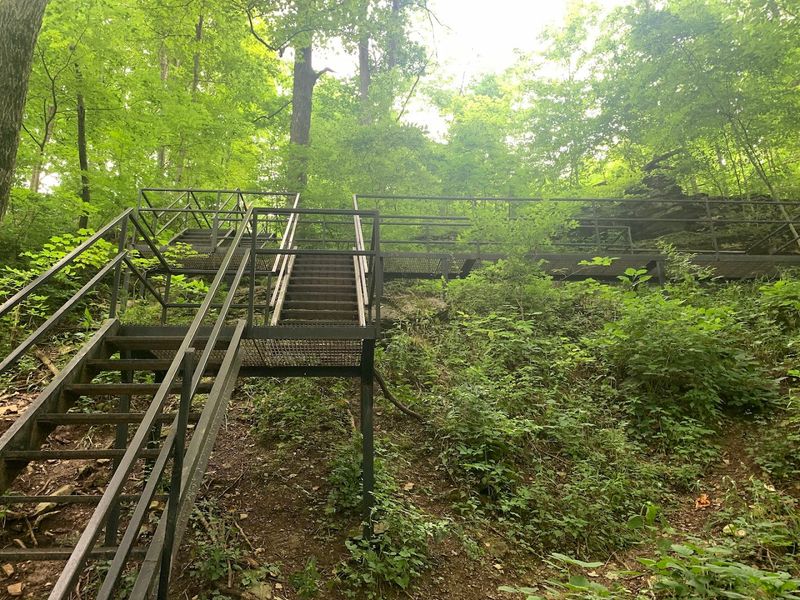
This 1.1-mile loop at Leonard Springs Nature Park means business from the very first step, greeting hikers with a steep metal staircase that drops sharply into the heart of the park’s karst landscape.
The stairs are not decorative. There are roughly 98 of them, and they set the tone for everything that follows.
Once you reach the bottom, the trail winds through rocky terrain with exposed tree roots, clay-heavy soil, and uneven ground that keeps you paying attention. After rain, the clay holds moisture for a long time, so waterproof footwear is genuinely useful here, not just a suggestion.
What makes this trail special is how much variety it packs into just over a mile. You move through wooded sections, past cave openings, alongside flowing streams, and through open wetland areas, all within a single loop.
The elevation changes feel meaningful without being overwhelming for reasonably fit hikers. I found the climb back up at the end the most physically demanding part, but also oddly satisfying.
Bring water, wear shoes with grip, and give yourself more time than you think you need. This trail rewards the unhurried visitor who stops to look around rather than rush through.
Leonard Spring and Shirley Spring, Where Bloomington Once Got Its Water
Before modern water infrastructure, cities relied on what the land provided. In Bloomington, Indiana, that meant Leonard Spring and Shirley Spring, two natural springs that once served as the city’s primary drinking water source.
Standing at the mouth of those spring alcoves today, it is genuinely humbling to think about what this place meant to the people who built this community.
Both springs emerge from multiple outlets tucked into large rocky alcoves carved by centuries of karst geology. The water still flows freely, cool and clear, pushing out from the limestone with a quiet persistence that feels almost defiant.
One visitor described tasting the spring water and calling it the best water they had experienced in Indiana, and that kind of enthusiasm is hard to dismiss.
The springs are the emotional center of the park for many who visit. There is something grounding about seeing water emerge naturally from the earth in a place so close to a functioning city.
Bloomington designated this area as a nature preserve in 1999, recognizing that what flows here is worth protecting for future generations. The karst system that feeds these springs is fragile and interconnected, making conservation genuinely important.
Whether you come for the history or simply to watch water move through stone, the springs have a way of making you slow down and appreciate what has always been here.
A Cave You Can Actually Reach Without Special Gear
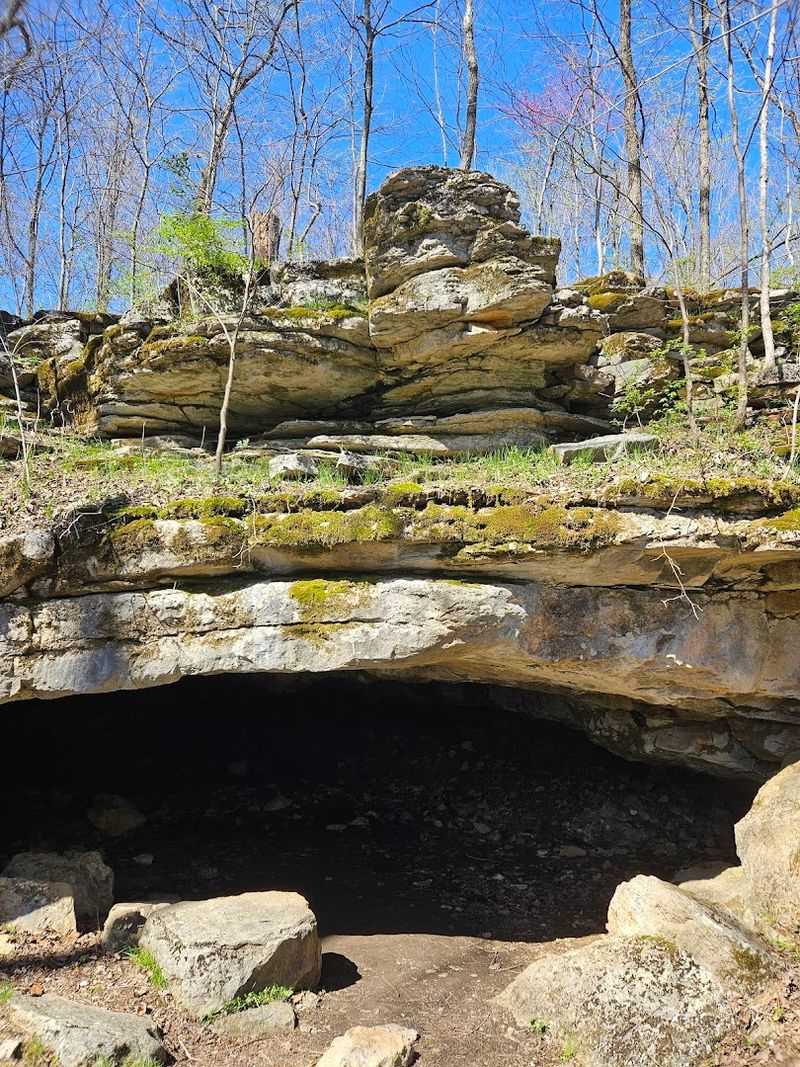
Most people do not associate Indiana with caves, but the southern part of the state sits on a karst landscape riddled with underground formations. Leonard Springs Nature Park gives casual visitors a genuine cave experience without requiring any special equipment or technical expertise.
The cave along the trail is accessible enough that families with kids regularly explore its entrance, making it one of the more exciting surprises the park offers.
The cave sits near the staircase at the beginning of the trail, making it one of the first dramatic features you encounter on the descent. The opening is framed by natural limestone, and the cool air that drifts out of it is noticeable even in warm weather.
Whether you can or should go fully inside is a point of some debate among visitors, but the entrance alone is worth the trip down the stairs.
For kids especially, this is the kind of place that sparks real curiosity about geology and natural history. Seeing a cave in the context of a functioning spring system helps explain how water, stone, and time work together over thousands of years.
The park’s interpretive signage along the trail adds useful context without turning the experience into a classroom lecture. It feels more like discovery than instruction, which is exactly the right tone for a place this genuinely interesting.
Plan to linger here longer than you expect.
Waterfalls That Hit Different After a Good Rain
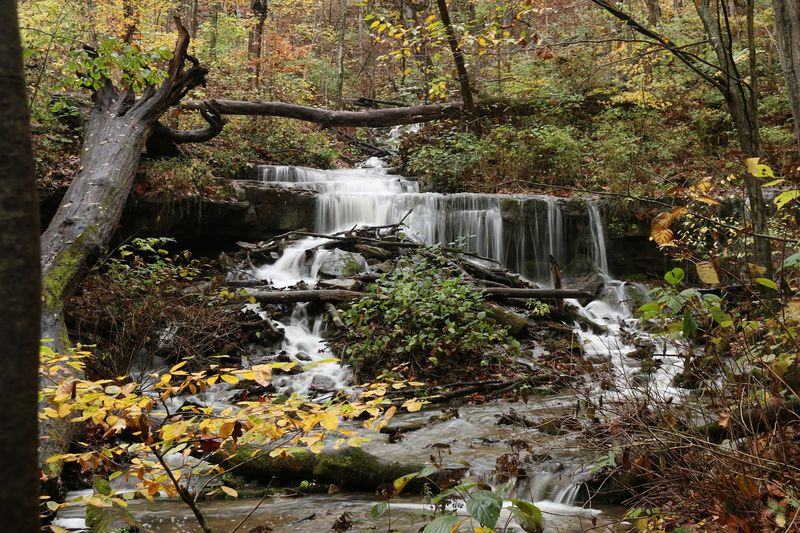
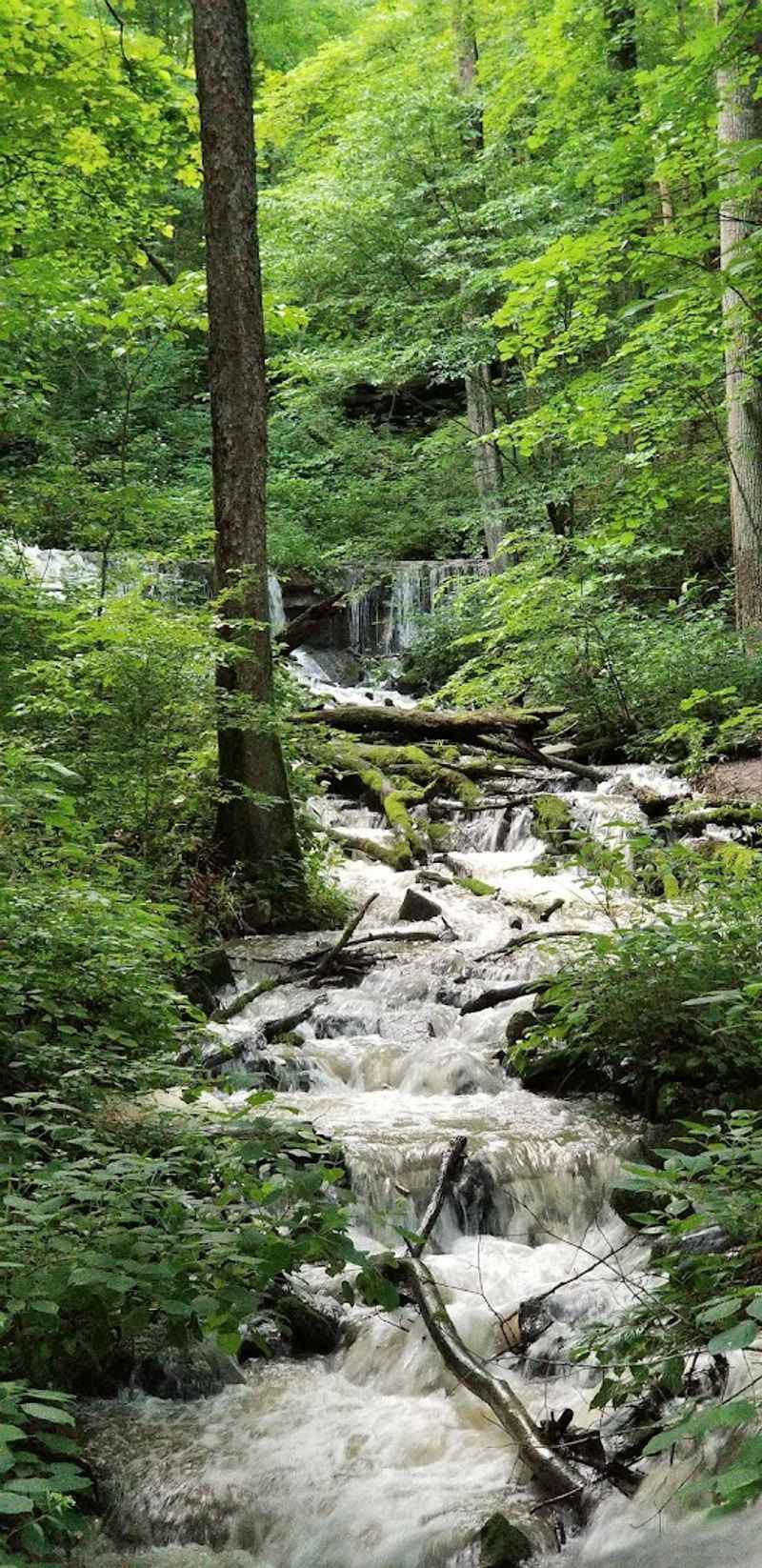
Rain changes everything at Leonard Springs Nature Park. On a dry day, the waterfall along the trail is a pleasant feature worth a photograph.
After a solid rainfall, it transforms into something genuinely impressive, with water pounding over the limestone ledge loud enough to drown out surrounding sounds. More than one visitor has described standing near it in winter or early spring and feeling surrounded by rushing water on all sides.
The waterfall is accessible from the staircase at the trailhead, which means you do not have to complete the full loop to see it. You can head right after descending the stairs and reach the falls relatively quickly.
That said, hiking the full trail first and saving the waterfall for the return adds a satisfying rhythm to the experience. Either approach works depending on your energy level and how much time you have.
The sound of moving water carries through the whole lower section of the park, and that ambient noise is part of what makes Leonard Springs feel so removed from everyday life. It is hard to believe that a Bloomington neighborhood sits just beyond the tree line.
The waterfall feeds into a small stream that winds through the park before reaching the wetland area, connecting all of the park’s water features into one flowing system. Visiting after rain is not always predictable, but when conditions align, the waterfall at Leonard Springs is genuinely one of the more memorable sights in Monroe County.
Wetlands, Wildlife, and Biodiversity Worth Slowing Down For
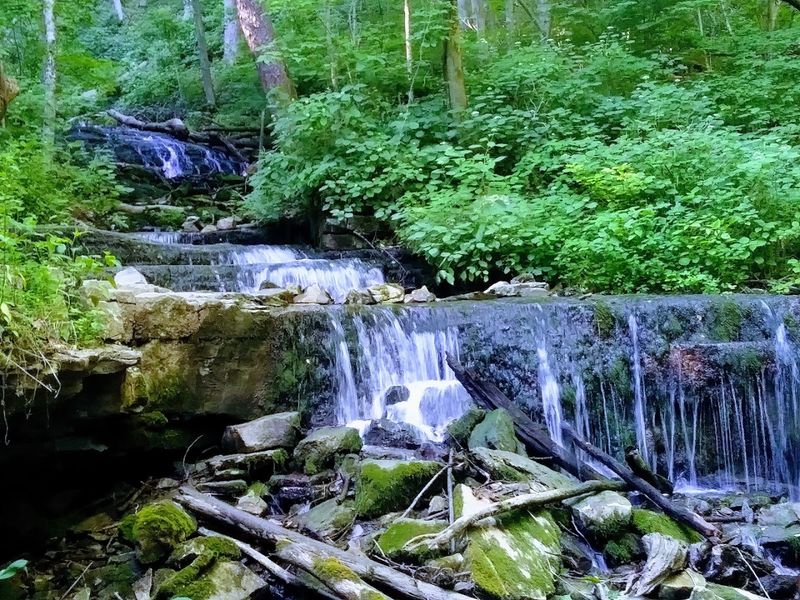
Not every part of Leonard Springs Nature Park is dramatic. Some of the most rewarding sections are the quieter ones, particularly the wetland area that opens up as you move through the lower portion of the trail.
The shift from rocky woodland to open marsh feels like walking into a different ecosystem entirely, and in many ways, it is.
The wetland supports a wide range of wildlife, including birds that gather near the water’s edge during morning hours. Visitors who arrive early and move quietly through this section often spot species they would not expect to find so close to a city.
The biodiversity here is genuinely notable for a 95.5-acre park. One hiker recorded over two miles of walking and 320 feet of elevation change while exploring the various branching trails, which suggests there is more to discover than the main loop alone reveals.
Beyond birds, the wetland area features unique vegetation and plant communities shaped by the moisture-rich environment. The old dam remnants visible in this section add a historical layer to what is already an ecologically rich space.
Below the dam, a swampy area holds its own quiet beauty, especially in early morning light when mist sometimes sits low over the water. If you tend to rush through nature parks, this is the section that will slow you down in the best possible way.
Bring binoculars if bird watching is your thing.
The Historical Significance of a Park Built on Karst Conservation
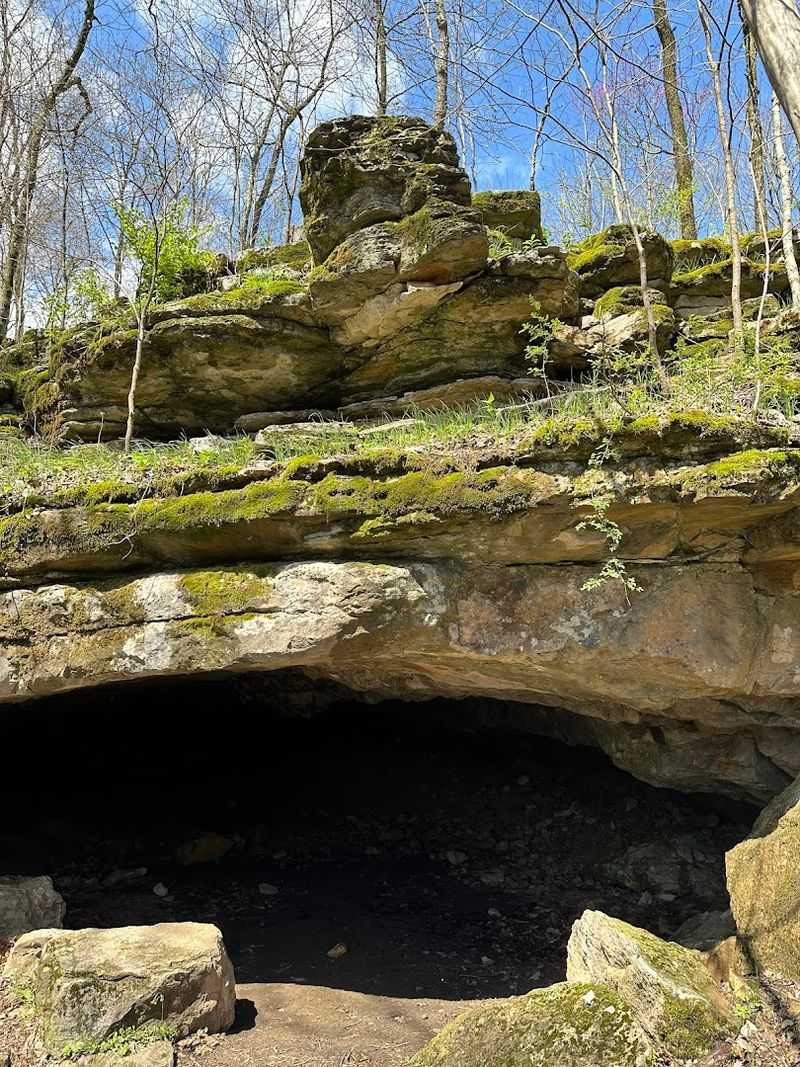
Leonard Springs Nature Park was established as a nature preserve in 1999, but the history of this land stretches back much further than that. The springs here were once the lifeblood of Bloomington’s water supply, and the infrastructure built around them, including the old reservoir and intake structure, still exists within the park as a visible reminder of how the city once functioned.
The park serves as an educational resource on karst conservation, a topic that matters deeply in southern Indiana where limestone geology shapes the entire landscape. Karst systems are porous and connected underground, meaning what happens on the surface directly affects water quality below.
The interpretive signs placed along the trail explain this relationship in accessible terms, making the hike informative without feeling like a required reading assignment.
What strikes me most about the historical dimension of this park is how it honors something practical. These springs did not just look beautiful.
They kept people alive. Preserving them as a nature park rather than developing the land represents a meaningful choice by the city of Bloomington, one that benefits residents and visitors alike decades later.
The old reservoir visible from the trail is a quiet anchor to that history. Seeing it while surrounded by living forest and flowing water makes the connection between past and present feel immediate and real.
This is the kind of local history that deserves to be walked through, not just read about.
Nearby Places to Round Out Your Visit to Bloomington
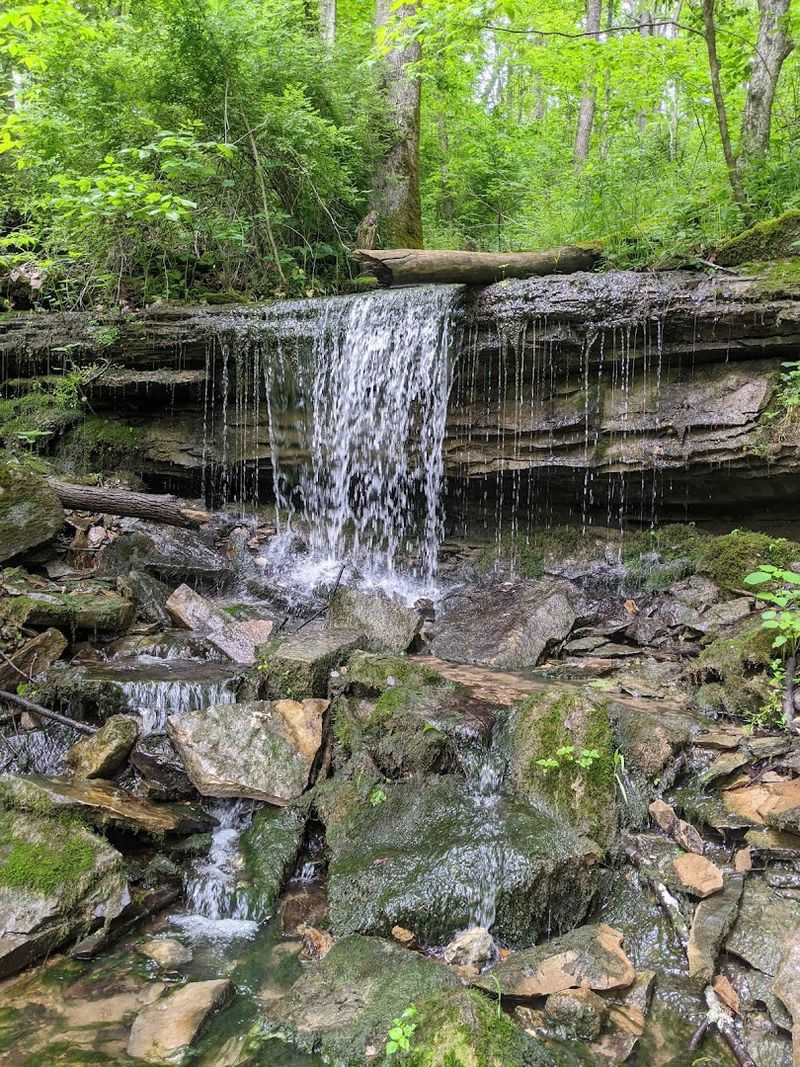
After a morning on the trail at Leonard Springs, Bloomington has plenty to offer for the rest of your day. The city’s food scene is genuinely strong for a college town, and several local spots are worth making time for after working up an appetite on that climb back up the stairs.
Lennie’s Restaurant and Brewpub at 1795 E 10th Street in Bloomington has been a local institution for years, known for its wood-fired pizza and relaxed atmosphere that fits naturally after a morning outdoors. For something lighter, Crumble Coffee and Bakery at 214 W 4th Street serves excellent coffee and baked goods in a cozy space that feels genuinely welcoming.
The Bloomington Community Farmers Market at Showers Common, 401 N Morton Street, runs on Saturdays from spring through fall and is worth building your visit around if the timing works.
For more nature nearby, Griffy Lake Nature Preserve at 4500 N Headley Road offers a different kind of outdoor experience with lake access and additional hiking trails. The Monroe County History Center at 202 E 6th Street provides useful context for understanding the region’s past, including its relationship with natural resources like the Leonard Springs system.
Bloomington is the kind of place that rewards lingering, and a visit to Leonard Springs pairs well with a slower afternoon exploring what this southern Indiana city has built around its natural landscape.
