
I trekked into a rugged canyon in Oregon that felt like stepping straight into the state’s ancient wilderness. The sheer walls rose around me, their weathered faces whispering stories of the land before any road or city ever existed.
With every turn, I could almost hear the echo of old river currents and the distant call of elk, as if the past was still alive in the shadows of the rocks.
It was one of those moments where you realize how powerful nature can be, and how a simple hike can turn into a vivid lesson in history.
If you’ve ever wanted to feel connected to Oregon’s wild roots, this hidden slice of scenery is exactly the kind of place that makes you pause, breathe, and appreciate the timeless beauty that surrounds us.
The John Day River: Heart of the Canyon
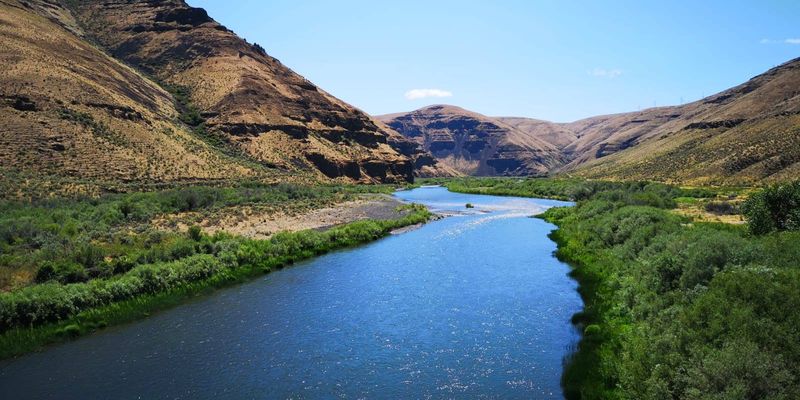
Standing at the riverbank for the first time, the John Day River feels surprisingly personal. It is not dramatic or thunderous, just steady, clear, and alive in a way that draws you closer.
The water runs shallow in many spots, revealing smooth river stones in shades of rust, gray, and amber.
Fishing here is a real highlight. Smallmouth bass are plentiful, and fly fishing along the quieter bends feels almost meditative.
Families wade in during summer, and the calm current makes it accessible for kids and older visitors alike.
The river also acts as a natural corridor for wildlife. River otters have been spotted along the banks, and shorebirds pick carefully through the shallows at dawn.
Sitting near the water in the early morning, with mist still clinging to the canyon walls, is one of those experiences that quietly resets everything. The John Day does not ask for your attention, but once it has it, you give it freely.
Hiking Trails That Tell a Story
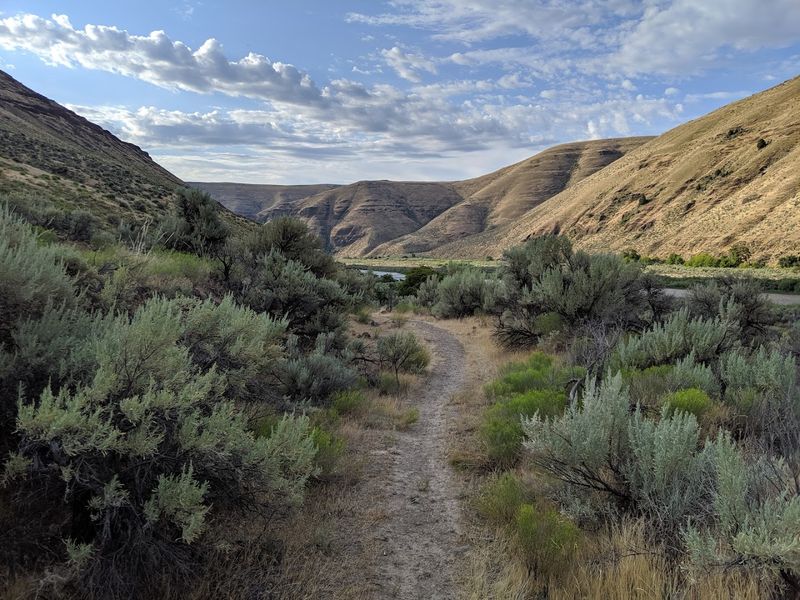
The trail system here does not feel like a curated experience. It feels like the land simply left a path and invited you to follow it.
Trails like the Pinnacles and Hard Stone routes run alongside the river and climb toward the canyon rim, offering sweeping views that shift with every bend.
Some sections wind through sagebrush flats while others push upward along steep basalt walls. The contrast keeps things interesting, and the changing terrain means you are rarely looking at the same scenery twice.
Good, sturdy footwear is genuinely important here because the thorns in this canyon are no joke and will push right through thin soles.
Hikers have spotted bighorn sheep on the upper ridges, deer moving through the brush at dusk, and elk grazing in the open flats near the river. The trails are largely uncrowded, even on holiday weekends, which adds to the feeling that you have stumbled into something rare.
Each walk here feels less like exercise and more like eavesdropping on the land itself.
Stargazing in a Registered Dark Sky Area
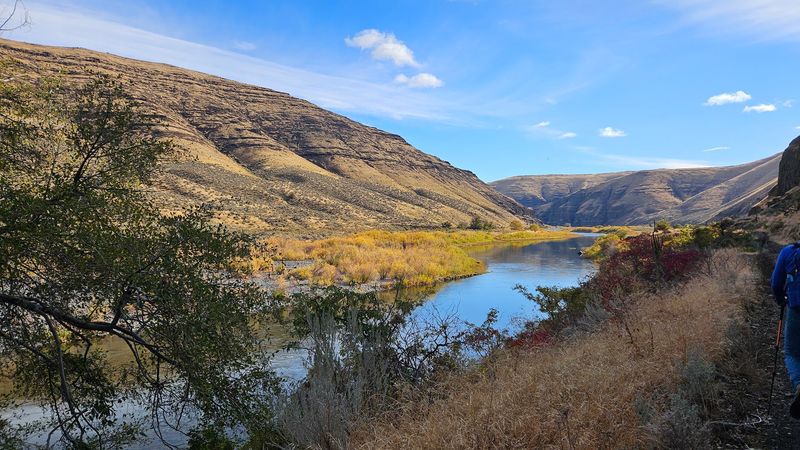
Once the sun drops behind the canyon rim, something extraordinary happens overhead. Cottonwood Canyon holds a registered dark sky designation, which means light pollution is minimal and the night sky becomes genuinely breathtaking.
On a clear, moonless night, the Milky Way stretches across the canyon like a river of its own.
Campers regularly report counting shooting stars in the double digits during a single night. Lying on a sleeping pad outside your tent and watching the sky slowly rotate is one of those simple pleasures that feels almost impossible to describe to someone who has not done it.
It sounds ordinary until you are actually there.
The key is timing. A bright full moon can wash out the fainter stars, so checking the lunar calendar before your trip makes a real difference.
Arriving in late summer or early fall tends to offer the clearest skies and warmest overnight temperatures. Bring a blanket, leave the phone screen off, and just look up.
The canyon gives you the rest.
Camping at Lone Tree Campground
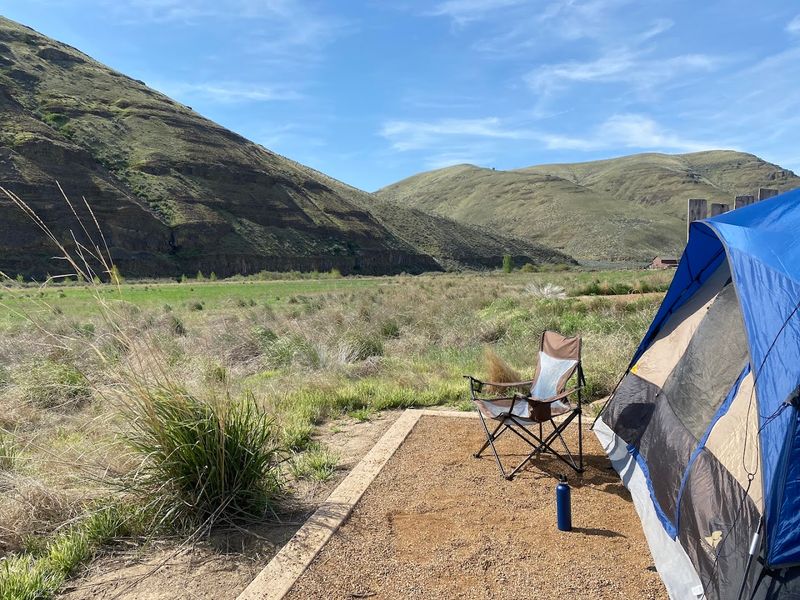
Lone Tree Campground has a thoughtfulness to it that you do not always find in state park camping. Wooden shade canopies sit over many of the sites, which matters enormously when the eastern Oregon sun decides to show up.
The sites are generously spaced, so you are not sharing breakfast with your neighbors whether you like it or not.
Facilities are clean and surprisingly well-equipped. Hot showers are available, bathrooms are maintained carefully, and drinking water is accessible throughout the campground.
A solar charging station means devices can get a boost without breaking the off-grid mood too badly.
Reservations are now required for part of the season, so checking the Oregon Parks reservation system before heading out is a smart move. Walk-in tent sites offer some of the best canyon views in the park.
Cabins are available for those who prefer a roof, and they come stocked with basics like a mini fridge and mattresses. The whole setup feels intentional, like someone actually thought about what campers need rather than just building the minimum.
The Historic Homestead and Interpretive Center
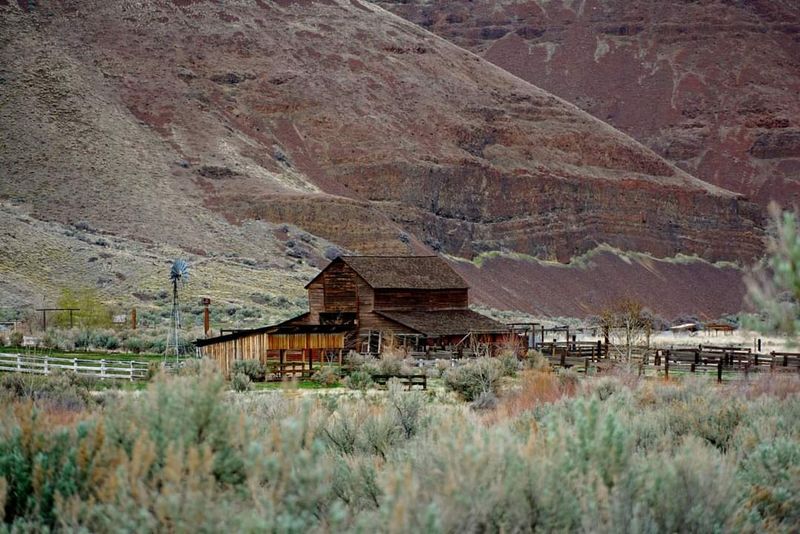
Wandering through the day-use area feels like stumbling into a chapter of Oregon history that most textbooks skip. Old barns, wooden corrals, and weathered outbuildings from a former homestead still stand on the property, lending the park an atmosphere that no amount of landscaping could manufacture.
The bones of someone else’s life are quietly present everywhere you look.
A small interpretive center sits on site and is open to walk-in visitors. Inside, displays explain the challenges of homesteading in this remote canyon, from unpredictable weather to the sheer isolation of canyon life.
Handmade rusty signs throughout the park add small, specific details that reward the curious visitor who slows down to read them.
Log chairs on a covered porch face the canyon, and sitting in one with no particular agenda is oddly satisfying. The day-use area also includes covered picnic shelters, a group area with a prep sink and grill, and clean restroom facilities.
It is the kind of place that works beautifully as a road trip stop even if you never pitch a tent.
Wildlife Watching Throughout the Seasons
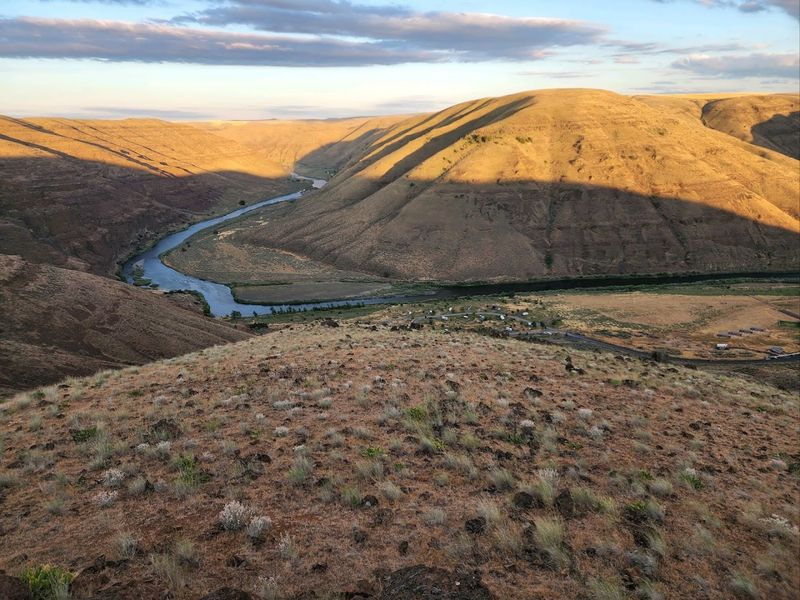
The wildlife here is not the shy, glimpsed-from-a-distance kind. Bighorn sheep appear on the canyon ridges with impressive regularity, seemingly unbothered by the occasional hiker below.
Elk move through the open flats near the river in the early morning, and deer are practically a daily sighting throughout the campground.
Bird life is rich and varied. Shore birds work the riverbanks, waterfowl cruise the calmer sections of the John Day, and hawks ride thermals above the canyon walls through most of the day.
River otters have been spotted here too, which is always a genuine thrill when it happens.
Spring is especially rewarding because wildflowers bloom across the canyon floor while migratory birds pass through in good numbers. The park also sits in rattlesnake country, so staying alert on trails and avoiding reaching into rocky crevices is just sensible practice.
Cougars have been sighted occasionally, though encounters are rare. The wildlife here is not a backdrop, it is an active, functioning part of the canyon ecosystem that makes every visit feel unpredictable in the best way.
Spring Wildflowers and Seasonal Color
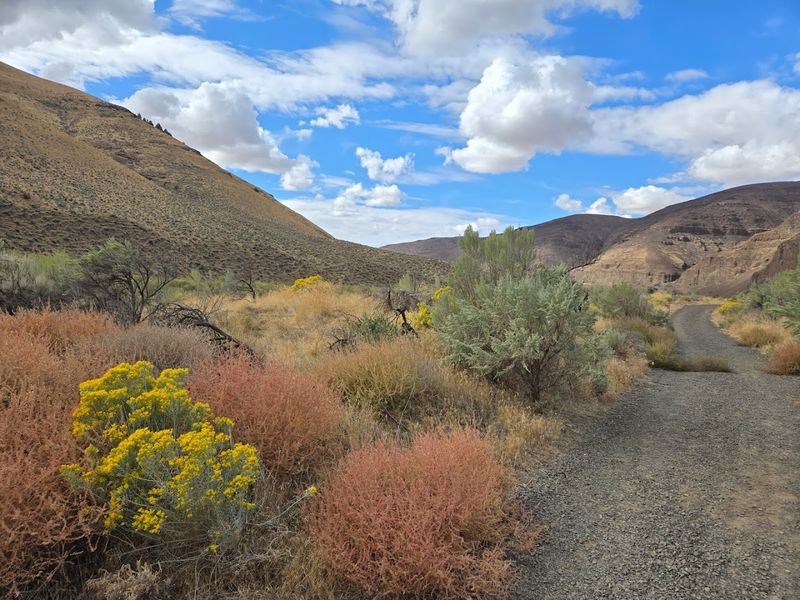
Spring arrives in this canyon with a kind of quiet drama. One week the hillsides are all dry rock and pale sagebrush, and then suddenly color pushes through every crack and seam in the ground.
Wildflowers spread across the canyon floor in patches of yellow, purple, and white that feel almost defiant given how harsh the terrain looks.
Longtime visitors describe the spring bloom as one of the park’s most underrated experiences. The flowers do not last long, maybe a few weeks depending on rainfall and temperature, so catching them requires a bit of planning.
Late March through May tends to be the sweet spot for most years.
The blooms also attract pollinators in impressive numbers, so the canyon hums with insect activity during peak spring weeks. Birdsong picks up noticeably too, layering over the river sounds in a way that makes early morning walks feel genuinely joyful.
Pairing a spring visit with a stop at the nearby Painted Hills creates a full day of Oregon landscape immersion that is hard to top. The two places complement each other in color and mood perfectly.
A Destination for Fishing Enthusiasts
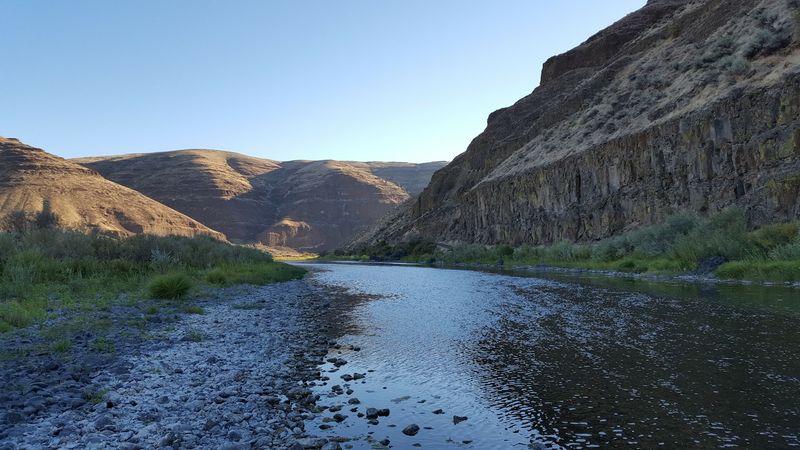
Fishing at Cottonwood Canyon has a reputation that travels well beyond the park’s immediate region. Smallmouth bass populate the John Day River in healthy numbers, and the relatively calm currents make casting accessible for anglers of most skill levels.
Fly fishing along the quieter bends is especially satisfying because the scenery alone makes the trip worthwhile even on slower days.
The river is within easy walking distance from the campground, so early morning sessions before breakfast are completely realistic. Wading in the shallower sections works well through much of the season, and the rocky riverbed provides solid footing in most spots.
Bringing a pair of water shoes or wading boots adds comfort and stability.
Catch-and-release is a popular practice here, and visitors report releasing healthy numbers of bass on good days. The park does not have a tackle shop on site, so arriving prepared with your own gear is essential.
The nearest town with supplies is roughly a 25-minute drive away, which makes packing carefully before leaving home a genuinely useful habit for any fishing trip here.
Getting There and Practical Visitor Tips

Cottonwood Canyon sits in a genuinely remote corner of north-central Oregon, and that remoteness is part of its appeal. The drive in passes through rolling wheat fields and open ranching country before the land drops suddenly into the canyon.
It is a rewarding approach that builds anticipation naturally.
Cell service disappears well before the park entrance, so downloading maps or directions ahead of time is a practical move rather than an optional one. The nearest grocery store is about 25 minutes away, so arriving with all supplies already loaded is a much smarter approach than hoping to grab something nearby.
Bug spray is worth packing, especially in warmer months. Ticks are present in spring and summer, and checking carefully after hikes is just standard practice in this environment.
Water is available on site, which is a genuine convenience given the desert setting. The park sits inside Oregon’s reservation system for peak season, so checking availability at stateparks.oregon.gov before planning a stay avoids unnecessary disappointment.
The drive is long enough to feel like an adventure and short enough to manage as a weekend trip from Portland.
Why Cottonwood Canyon Deserves a Spot on Your Oregon List
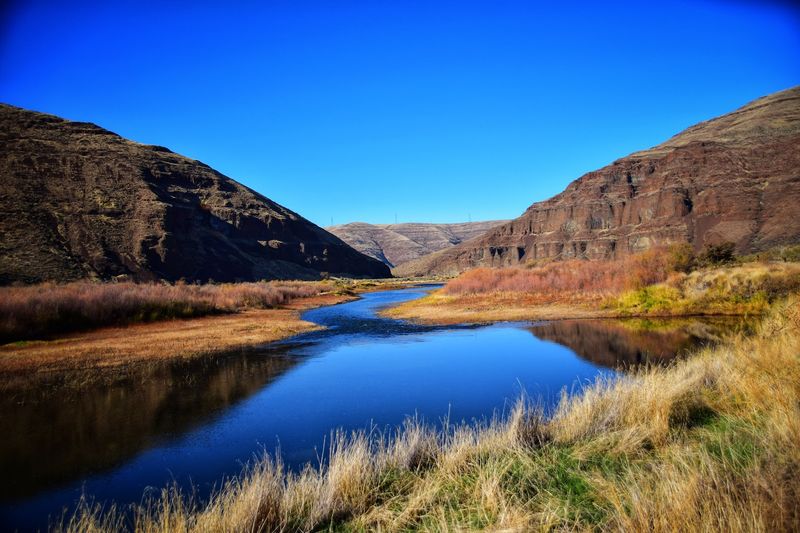
Most people discover Cottonwood Canyon by accident, often as a detour on the way to the Painted Hills or another eastern Oregon destination. Then they come back on purpose.
The park has a way of landing in your memory as a place that felt genuinely different from everything else on the itinerary.
It is not polished or flashy. The landscape is stark, the facilities are functional rather than fancy, and the remoteness requires actual effort to get there.
But those qualities are precisely what make it stick. There is no ambient noise from a nearby freeway, no light glow on the horizon at night, and no crowd pressing in on the trails.
The canyon holds layers of Oregon identity in one place: ranching history, Indigenous land, wild river ecology, and high desert botany all coexisting within 800 acres. Visiting feels less like checking a box and more like making a small discovery.
Cottonwood Canyon rewards the curious, the patient, and the traveler who does not need everything explained in advance.
Dear Reader: This page may contain affiliate links which may earn a commission if you click through and make a purchase. Our independent journalism is not influenced by any advertiser or commercial initiative unless it is clearly marked as sponsored content. As travel products change, please be sure to reconfirm all details and stay up to date with current events to ensure a safe and successful trip.
