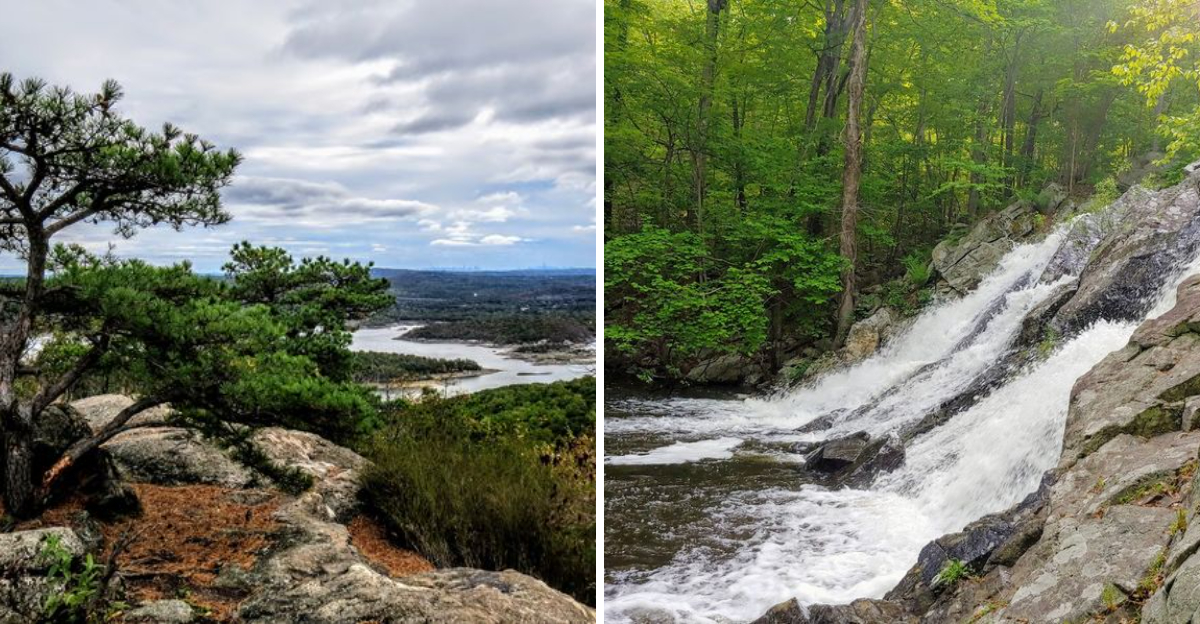
Pulling off the road at Snake Den Road, I honestly had no idea what I was walking into. The trees pressed in close, the trail disappeared into a tangle of rocks and roots, and suddenly the whole idea of being just an hour from New York City felt completely absurd.
Norvin Green State Forest does not ease you in gently. It throws you straight into something raw, something that feels genuinely wild in a way that surprises most first-timers.
The forest sprawls across more than 5,000 acres, and every one of those acres seems to have a personality of its own.
Rocky ridges, hidden waterfalls, stream crossings, and sweeping views of the Manhattan skyline from high open ledges all exist here in one place.
I kept stopping just to take it in, because the contrast between the rugged terrain underfoot and the distant city glittering on the horizon is genuinely striking.
This is the kind of place that sticks with you long after the mud dries on your boots.
The Rocky Trails That Test Every Step
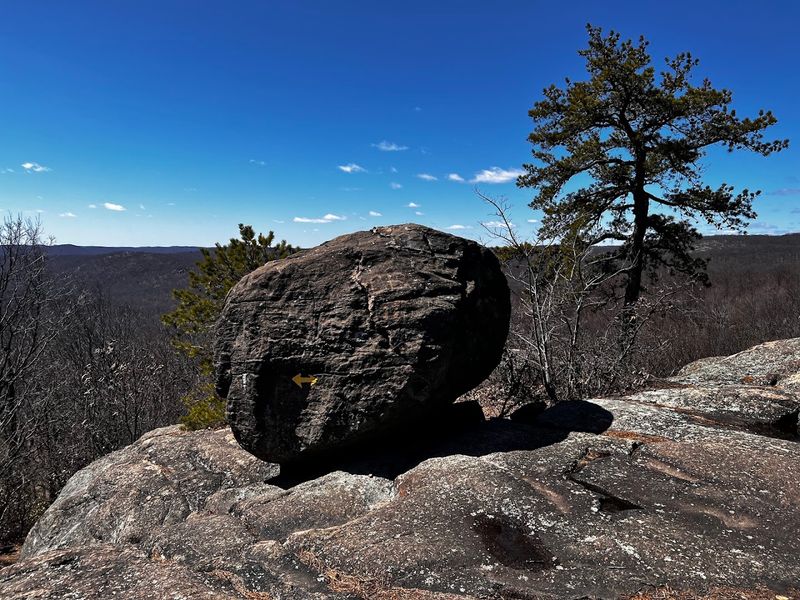
Right from the first quarter mile, the trails at Norvin Green make it clear they are not here to coddle anyone. The ground is almost entirely rock, and not the smooth, easy kind.
Jagged slabs, loose pebbles, and root-laced ledges stack up one after another, demanding your full attention with every single step.
Proper footwear is not just a recommendation here, it is a genuine necessity. Supportive hiking boots with solid ankle coverage make a real difference, especially when the leaves pile up in fall and hide what is underneath.
A walking pole adds stability on the steep descents that come without much warning.
What makes all of this worth it is the sense of accomplishment that builds as you push through. Each difficult section rewards you with something beautiful just around the next bend.
A mossy boulder field, a sudden opening with a long view, a cold little stream running over flat stones. The challenge and the reward feel perfectly matched here.
Hikers of most fitness levels can find a route that suits them, from the shorter light-blue marked trail to longer, more demanding loops. Arriving early, around 8 AM when the forest opens, gives you the best chance of finding parking and enjoying the trails before the afternoon crowds show up.
Pack water, snacks, and a downloaded trail map before you leave home.
Wyanokie High Point and Its Jaw-Dropping Views
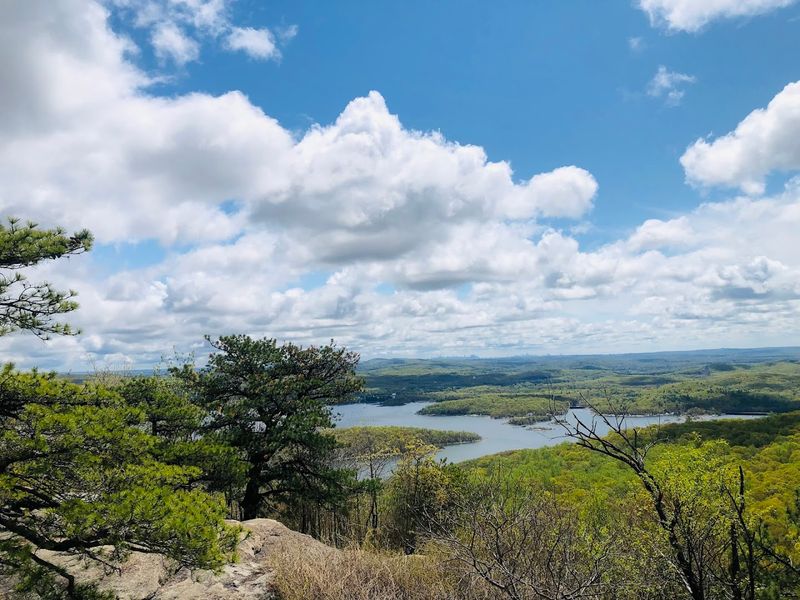
Standing at Wyanokie High Point for the first time genuinely stops you in your tracks. The forest opens up onto a broad, flat rock ledge, and suddenly the entire horizon stretches out in front of you.
On a clear day, the New York City skyline rises unmistakably in the distance, a surreal contrast to the wilderness you just hiked through to get there.
The green-to-blue trail combination from the Snake Den Road parking area is the most popular route to reach the summit. It takes solid effort, climbing through rocky terrain with a noticeable elevation gain, but the view at the top makes every labored step feel completely justified.
Bring a snack and give yourself time to actually sit and absorb the scene rather than rushing back down.
Timing matters more than most people expect. Early morning hikes on clear days offer the sharpest views, and the soft light hitting the ridgeline adds something almost cinematic to the whole experience.
Fall brings an extra dimension, with layers of orange and red canopy spreading out below the ledge in every direction. Photographers love this spot for good reason.
The combination of rugged foreground rock and distant skyline creates compositions that are hard to replicate anywhere else in New Jersey. Getting here early also means you beat both the crowds and the afternoon haze that can soften those long-distance views considerably.
Chikahoki Falls: A Hidden Reward Deep in the Forest
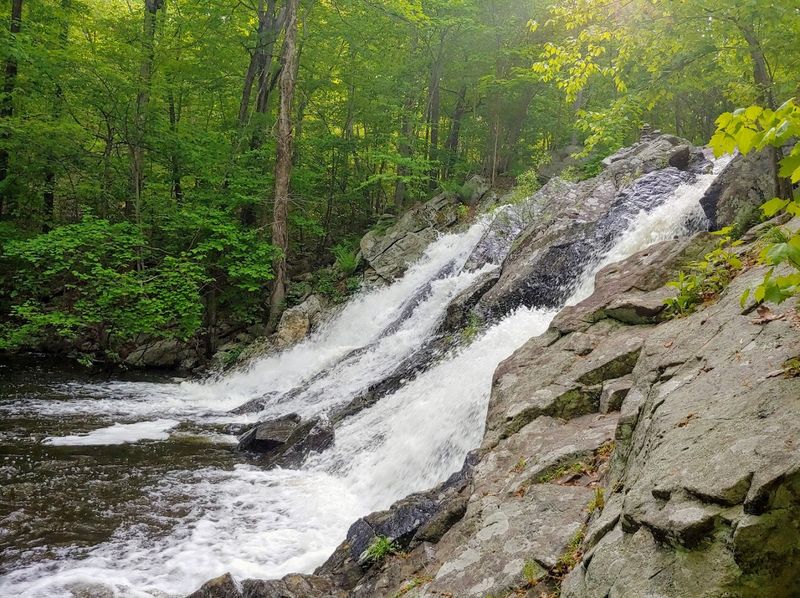
Chikahoki Falls does not announce itself loudly. You hear it before you see it, a soft rushing sound threading through the trees, and then suddenly there it is, a delicate curtain of water spilling over layered stone into a shallow, clear pool below.
It is modest in size but genuinely charming in the way that only truly tucked-away natural features can be.
Reaching the falls requires committing to a longer loop. Most hikers combine sections of the blue, yellow, and white trails to work Chikahoki into a full-day route.
That extra mileage filters out casual visitors, which means you often get the falls nearly to yourself, especially on weekday mornings. The stream crossings leading up to it are part of the fun, hopping from stone to stone while the forest hums around you.
Pack a light picnic for this stop. The flat rocks near the base of the falls make a perfect resting spot, and eating lunch beside moving water in a quiet forest is one of those simple pleasures that city life rarely offers.
Trail mix, sandwiches, and fresh fruit travel well in a daypack and taste considerably better when enjoyed in a setting like this. After the falls, the trail continues through some of the forest’s most beautiful sections, with dense hemlocks, mossy boulders, and the kind of deep, cool shade that feels like a reward all on its own.
Wildlife Encounters That Keep You on Your Toes
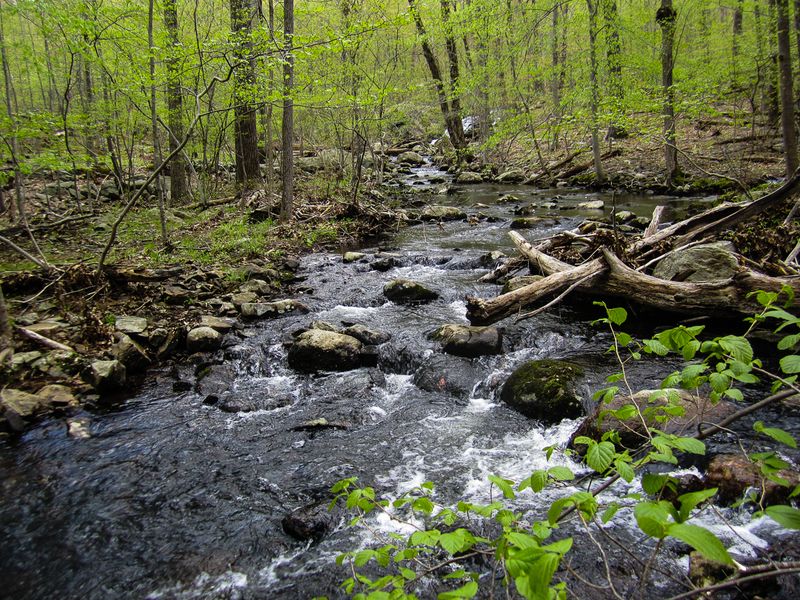
Norvin Green is not a zoo, and it does not pretend to be. The wildlife here is real, unpredictable, and genuinely thrilling to encounter.
Black bears have been spotted along several trails, particularly near the streams, and while they are not aggressive, coming across one unexpectedly is the kind of moment that rewires your understanding of what wild actually means.
Beyond the bears, the forest hosts a remarkable variety of birds, making it a legitimate destination for birders as well as hikers. The forest is officially designated as a bird and wildlife sanctuary, and that status shows in how undisturbed the habitat feels.
Frogs appear in surprising numbers on rainy days, darting across the trail in tiny leaps. Deer move quietly through the underbrush at dawn and dusk.
Being bear-aware is just smart trail etiquette here. Make noise while hiking, keep food sealed in your pack, and never approach or feed any wildlife you encounter.
If a bear crosses your path, slow down, give it space, and let it move on naturally. The forest asks you to be a respectful guest, and in return it offers encounters with nature that most people only see in documentaries.
Bringing a pair of compact binoculars adds a whole new layer to the experience, especially for bird spotting along the quieter trail sections away from the main parking areas.
Trail Markings and Navigation Tips Worth Knowing
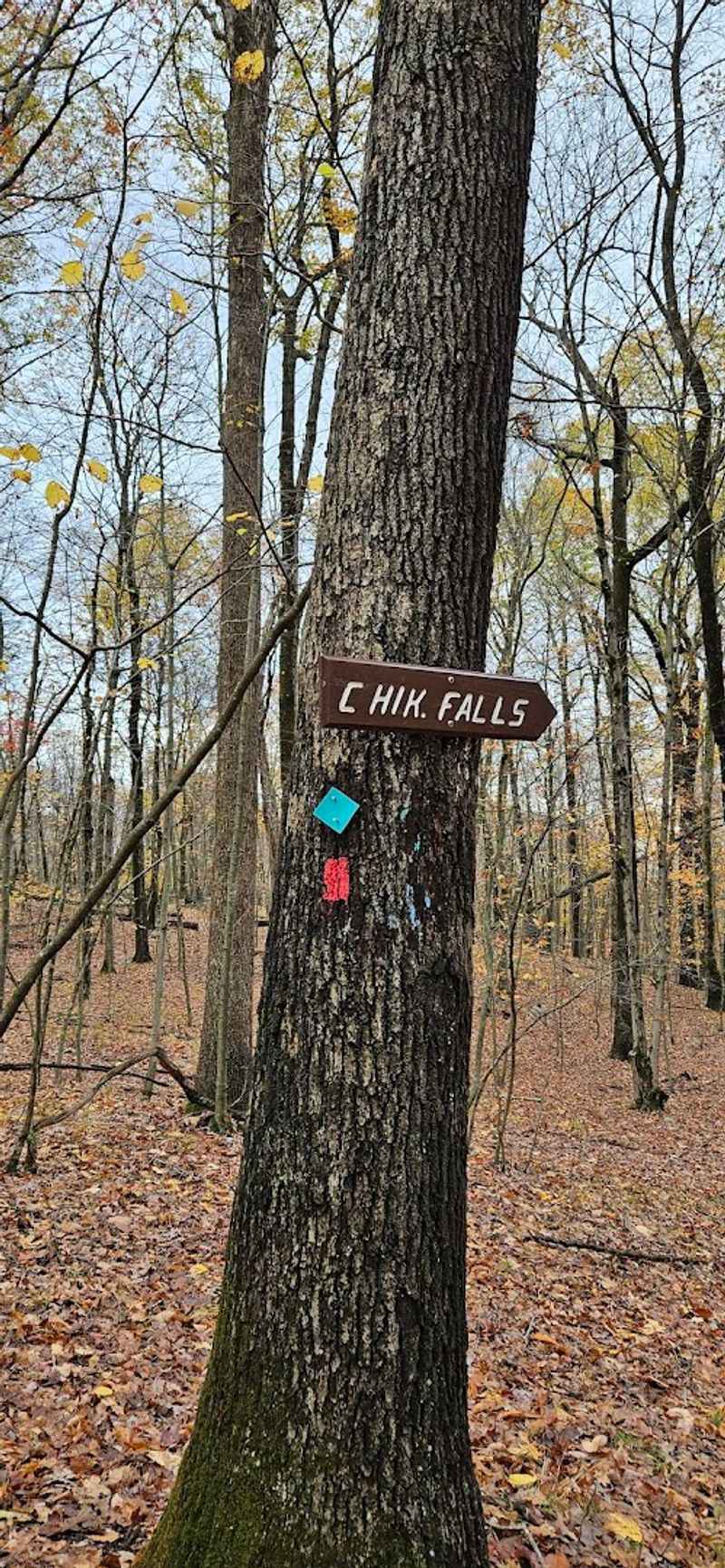
Navigation at Norvin Green is one of those things that rewards preparation but punishes overconfidence. The trails are color-coded with painted blazes on trees and rocks, and updated maps are posted at major intersections.
That said, some sections still require careful attention, particularly where fallen leaves cover the ground and obscure the path beneath your feet.
Downloading a trail app like AllTrails or Gaia GPS before leaving home is genuinely the smartest move you can make. Cell service in the forest can be spotty, so having the map cached offline keeps you oriented even when your signal disappears.
A physical map as backup never hurts either, and the Weis Center trailhead often has printed versions available.
One important navigation note for first-timers: Google Maps directions sometimes lead drivers to the wrong Snake Den Road. Following signs for the Weis Ecology Center instead is a more reliable approach to finding the correct trailhead parking area.
Arriving at the right spot saves frustration before the hike even begins. Once on the trail, pay attention to the blaze colors and check intersections carefully, especially on the longer loops where multiple trails converge.
The forest layout gives hikers a lot of flexibility to customize route length, which is genuinely one of its best features. Plan your route in advance, communicate it to someone not hiking with you, and always carry more water than you think you will need.
Parking Strategy: Getting It Right Before You Start
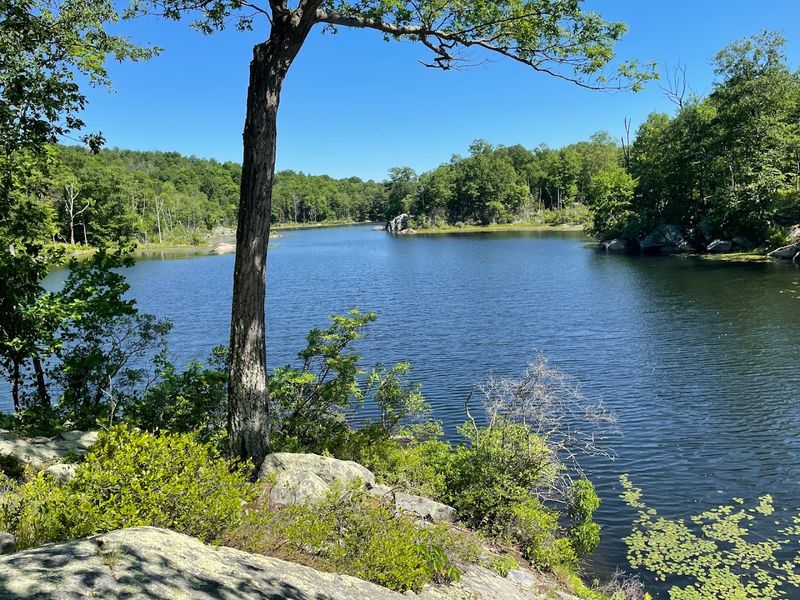
Parking at Norvin Green is one of those logistics issues that can make or break the whole day if you do not think about it ahead of time. The main lot near the Weis Ecology Center holds roughly 25 to 30 cars, and on weekend mornings it fills up fast, sometimes before 9 AM in peak seasons.
Arriving at 8 AM when the forest opens is not just a suggestion, it is basically the move if you want a guaranteed spot.
Overflow parking along the shoulder of Snake Den Road does exist, but it comes with real risk. Multiple hikers have returned from their trails to find parking tickets on their cars even without visible no-parking signs.
Saving the cost of a ticket by arriving early is a much better strategy than hoping for the best on the roadside.
Carpooling with friends or fellow hikers makes both the parking situation and the trail experience better. Fewer cars means less competition for spots, and having company on the longer loops adds a layer of safety and fun.
Weekday visits dramatically reduce the parking crunch as well, with the lot often having open spaces well into the morning. If a weekend visit is unavoidable, aim for a holiday-free date when foot traffic is lighter.
Planning parking with the same care you give to gear selection sets the whole adventure up for a smooth, stress-free start from the very first step.
Seasonal Hiking: When to Visit and What to Expect
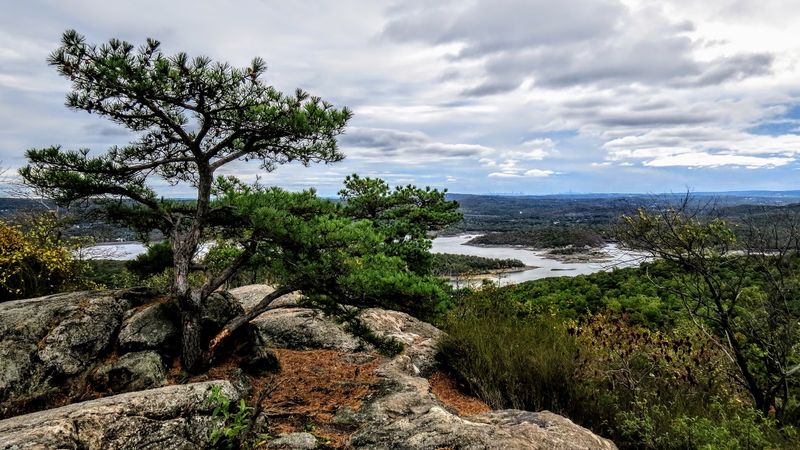
Every season at Norvin Green brings something genuinely different to the experience. Fall is the crowd favorite, and for obvious reason.
The canopy turns into a layered quilt of orange, red, and gold that frames every viewpoint in a way that feels almost too beautiful to be real. The tradeoff is that fallen leaves make the already rocky terrain even more slippery, so extra caution on inclines is non-negotiable during October and November.
Spring brings a different kind of magic. The forest floor greens up quickly after winter, waterfalls run stronger from snowmelt and rain, and the trails are less crowded than during peak fall weekends.
Summer offers dense shade on the forested sections and comfortable temperatures on the higher ridges where a breeze usually moves through. Insects can be active in summer, so a good repellent is worth packing.
Winter hiking here is for experienced hikers only. Ice on the rocks creates genuinely hazardous conditions, and shorter daylight hours mean planning your turnaround time carefully.
That said, a clear winter day at Wyanokie High Point offers some of the sharpest NYC skyline views of the entire year, with the bare trees opening up sight lines that summer foliage blocks completely. The mine at Norvin Green is only accessible April through August, so factor that into your seasonal planning if exploring the old iron mine is on your list.
Each season earns its own kind of loyalty from regular visitors.
Address: 150 Snake Den Rd, Ringwood, NJ.
Dear Reader: This page may contain affiliate links which may earn a commission if you click through and make a purchase. Our independent journalism is not influenced by any advertiser or commercial initiative unless it is clearly marked as sponsored content. As travel products change, please be sure to reconfirm all details and stay up to date with current events to ensure a safe and successful trip.
