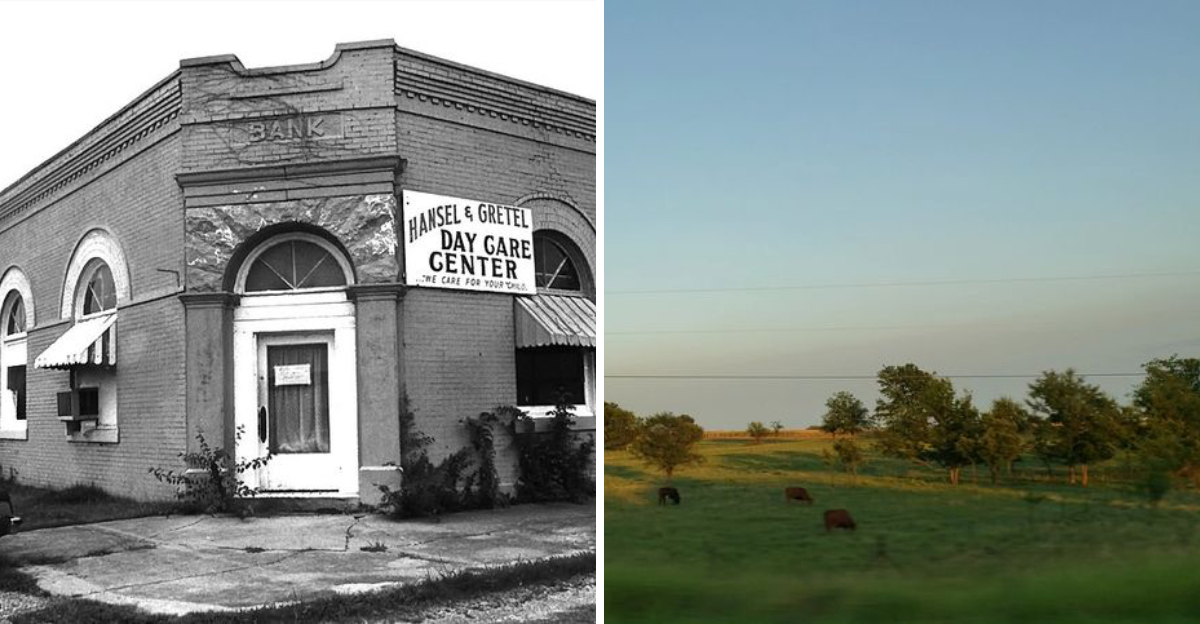
Most people blow past this Oklahoma community on their way somewhere else, and that is honestly their loss. This small town of roughly 2,000 people sits in Mayes County, about 40 miles northeast of Tulsa, and it runs on a rhythm that outsiders rarely get to witness.
Life here moves around community gatherings, local landmarks, seasonal traditions, and a pace that feels almost deliberately unhurried.
Spend a few days paying attention, and you start to see how a place this size can feel surprisingly full of life, character, and purpose.
The Small-Town Heartbeat of Mayes County
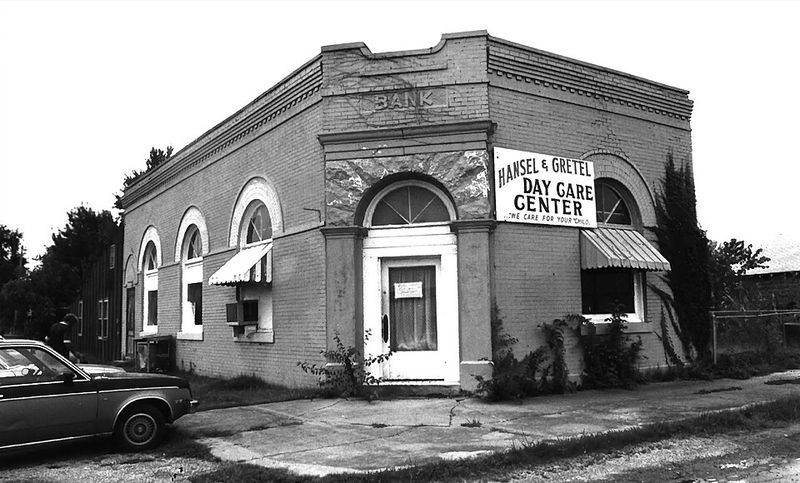
Chouteau is the second-largest town in Mayes County, Oklahoma, and it carries that distinction with quiet confidence. Sitting along US Highway 69, it serves as a practical hub for the surrounding farming communities and rural households scattered across the rolling northeastern Oklahoma landscape.
The town itself is compact and easy to navigate on foot. Most of what matters here sits within a short drive or walk of the center, which gives the whole place a manageable, human-scaled feel that larger cities simply cannot replicate.
What makes Chouteau stand out is not dramatic scenery or headline-grabbing attractions. It is the steady, dependable rhythm of everyday life that keeps this community moving.
Locals know each other by name, schedules revolve around shared events, and the sense of belonging here is something you can feel almost immediately upon arrival.
Oklahoma has plenty of towns like this scattered across its map, but Chouteau has a particular groundedness to it. The community does not perform for visitors; it simply lives, and that authenticity is refreshing.
A Weekly Routine Most Outsiders Never Witness
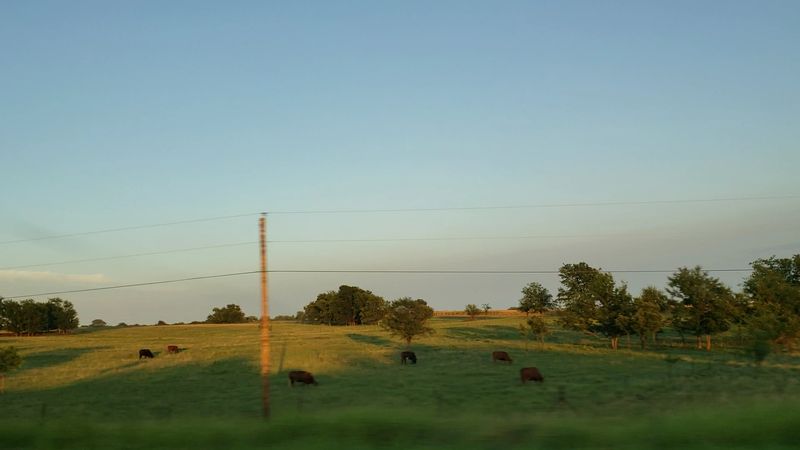
The weekly routine in Chouteau, Oklahoma is not advertised in travel brochures or featured on popular road trip blogs. It is simply lived, week after week, by the people who call this corner of northeastern Oklahoma home.
Mornings bring farmers and families to local stops for coffee and conversation. Afternoons shift toward errands, school pickups, and the kind of casual neighborly interaction that feels increasingly rare in busier parts of the country.
By midweek, the rhythm picks up around community gathering points, whether that is a local diner, a feed store, or the parking lot of a hardware shop where people linger longer than strictly necessary. These are the invisible stitches that hold a small town together.
Weekends carry their own energy, with church services, local sports, and informal get-togethers filling the calendar. Oklahoma small-town weekends have a particular texture, and Chouteau captures it well.
You have to slow down enough to actually see it, but once you do, the appeal becomes completely clear.
The Geography Shapes Everything Here
Northeastern Oklahoma is genuinely beautiful in a way that does not shout for attention. The land rolls gently, covered in patches of oak and hickory woodland broken up by open pastures and red-dirt fields.
Chouteau sits right in the middle of this landscape, and the geography shapes almost every aspect of daily life here.
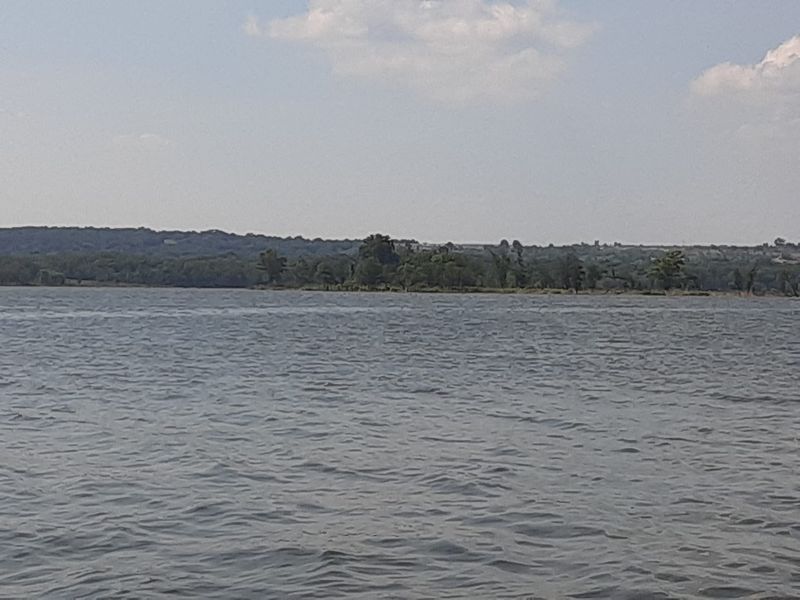
The Grand Lake O the Cherokees is not far away, bringing a seasonal pulse of outdoor activity to the wider region. Chouteau benefits from its proximity to that body of water, drawing people through town who are headed to fish, boat, or simply enjoy the waterfront.
Spring and fall are the most visually rewarding seasons in this part of Oklahoma. The trees shift color in October with real drama, and the spring green that follows a wet winter is almost impossibly vivid against the red earth.
Summer brings heat, as it always does in Oklahoma, but the evenings cool down enough to make porch sitting a legitimate evening activity. The landscape here is not just a backdrop; it is an active participant in the life of the town.
Cherokee Heritage Runs Deep in This Region

Mayes County, where Chouteau sits, falls within the historic boundaries of the Cherokee Nation. That history is not a distant footnote here; it is woven into the fabric of everyday life, visible in place names, community organizations, and the cultural identity of many residents.
The Cherokee Nation is one of the largest tribal nations in the United States, and its influence across northeastern Oklahoma is substantial. Chouteau reflects that presence in practical ways, from tribal services operating in the region to cultural events that mark the Cherokee calendar throughout the year.
Learning even a little about this history before visiting Chouteau adds enormous depth to the experience. Oklahoma itself was shaped profoundly by the Five Civilized Tribes, and Mayes County sits at the heart of that legacy.
Spending time in a place like this without acknowledging the Indigenous roots feels like reading only half a book. The Cherokee heritage here is not a museum exhibit; it is an ongoing, living part of what makes this corner of Oklahoma distinct and worth understanding on its own terms.
US Highway 69 Connects More Than Just Towns
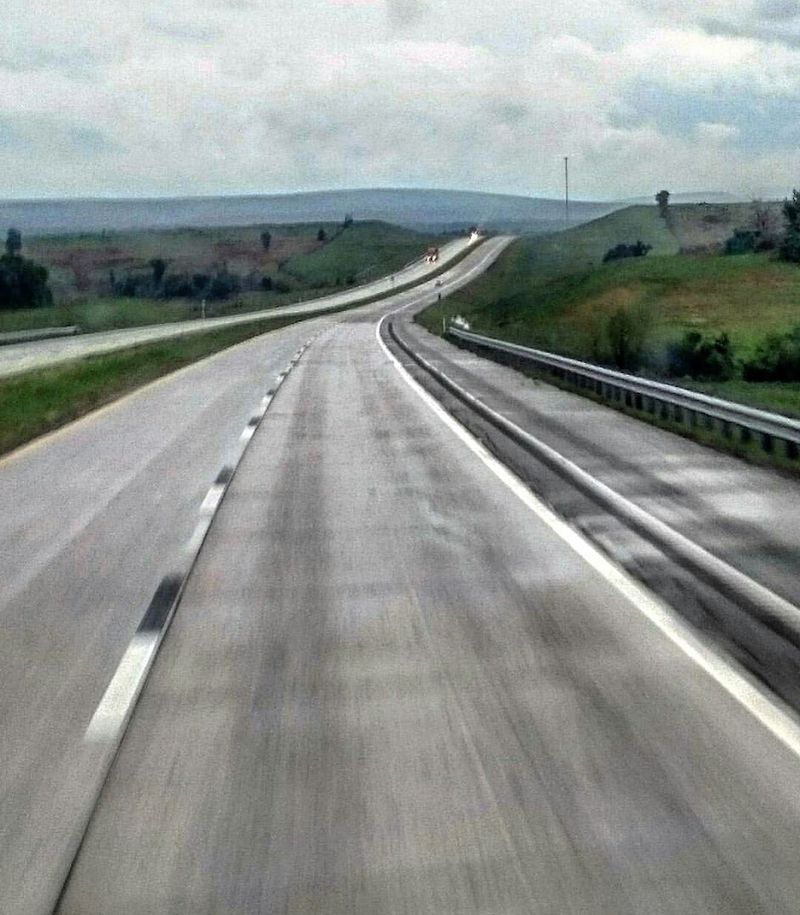
US Highway 69 is the main artery running through Chouteau, and it does a lot of heavy lifting for this community. Most travelers use it as a through-road connecting Tulsa to the north and Muskogee to the south, rarely stopping to consider what sits just off the pavement.
For Chouteau residents, Highway 69 is something else entirely. It is the road to school, to work, to the grocery store, and to the social events that anchor the week.
The highway carries both commerce and community, and the town has grown up alongside it in a way that feels organic rather than planned.
Stopping along this stretch of Oklahoma roadway reveals a series of small businesses, agricultural operations, and community landmarks that tell a genuine story about rural life. There is a certain honesty to a highway town that has not been polished for tourism.
Pull off and pay attention, and Highway 69 near Chouteau starts to feel less like a road you pass through and more like a place worth pausing at. Oklahoma has a lot of highway corridors, but this one has character.
Agricultural Life Sets the Town Calendar
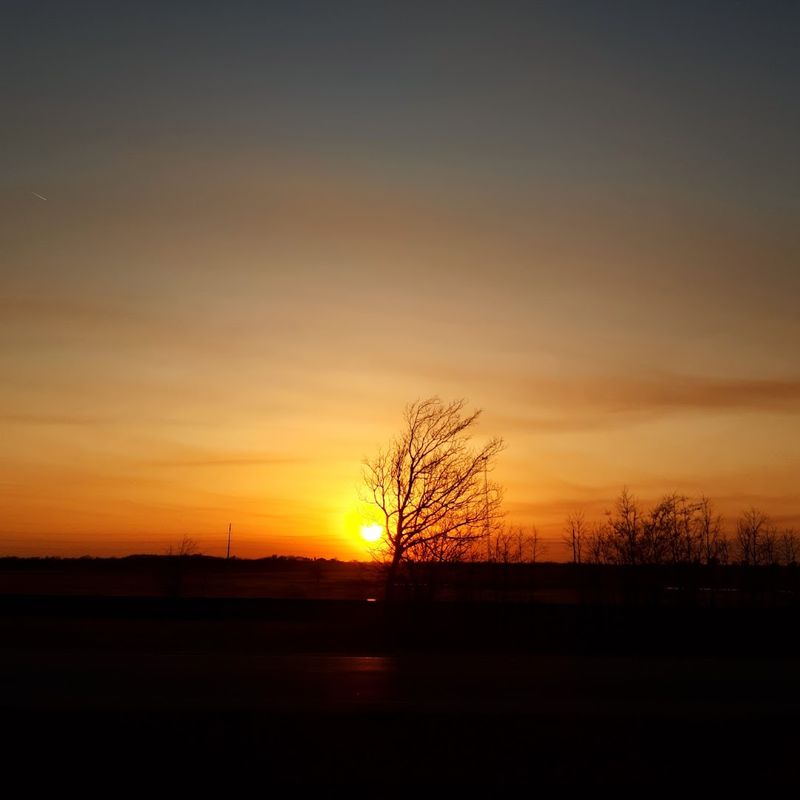
Agriculture is not a background detail in Chouteau; it is the engine that drives the local economy and sets the rhythm of the year.
The fields surrounding the town shift through planting, growing, and harvest seasons, and the community moves in sync with those changes in a way that most urban visitors find genuinely surprising.
Cattle ranching and row crops both play significant roles in the area. Driving the back roads outside town, you pass pastures full of livestock, grain storage facilities, and the kind of working farm equipment that signals real agricultural output rather than decorative rural aesthetics.
This agricultural foundation shapes everything from local business hours to school schedules and community event timing. Oklahoma farming communities have always organized themselves around the land, and Chouteau is no different.
For anyone who has spent most of their life in a city, watching an agricultural town operate through its seasonal cycles is genuinely eye-opening. The connection between the land and the people who work it here is direct, visible, and deeply rooted in generations of practice.
Community Spaces Hold the Social Life Together
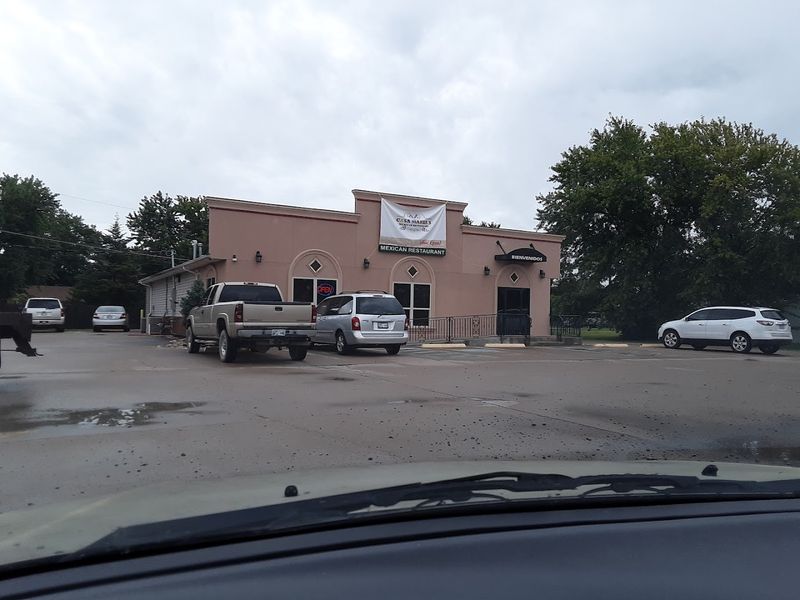
In a town of around 2,000 people, community spaces carry enormous social weight. Chouteau’s schools, churches, parks, and local gathering spots function as the social infrastructure that keeps the community connected through every season of the year.
Friday nights during football season bring the whole town out in a way that is hard to fully describe unless you have experienced it. Oklahoma takes high school football seriously at every level, and small towns like Chouteau are where that passion burns brightest.
Beyond sports, the local church community plays a central role in organizing events, supporting families, and maintaining the kind of social cohesion that larger communities often struggle to achieve. The density of community engagement here is remarkable for a town this size.
Public spaces in Chouteau feel genuinely used rather than merely maintained. Playgrounds see real activity, parking lots fill up on weekdays, and the general hum of a functioning community is audible if you stop and listen.
Oklahoma small-town social life has a particular warmth, and Chouteau delivers it consistently.
Why Slowing Down Here Actually Makes Sense
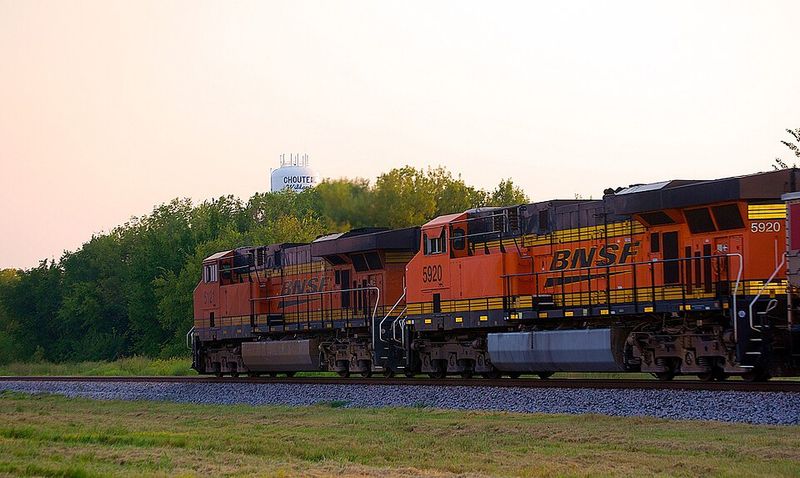
There is a strong case for deliberately slowing down in a place like Chouteau, Oklahoma. The town does not offer a packed itinerary or a list of must-see attractions that you can check off in an afternoon.
What it offers instead is something harder to manufacture: genuine pace.
Spending a morning here without a schedule feels oddly productive. The absence of urgency is itself a kind of experience, especially for anyone arriving from a high-pressure urban environment.
Oklahoma has this effect in many of its smaller towns, but Chouteau is particularly good at it.
The drive into town from any direction sets the mood well before you arrive. Open land, modest signage, and a sky that seems wider than anywhere else prepare you mentally for a different kind of visit.
Chouteau will not dazzle you with spectacle, and that is entirely the point. It will show you what a community looks like when it is built around real life rather than tourism.
That turns out to be one of the most interesting things you can witness anywhere in rural Oklahoma.
