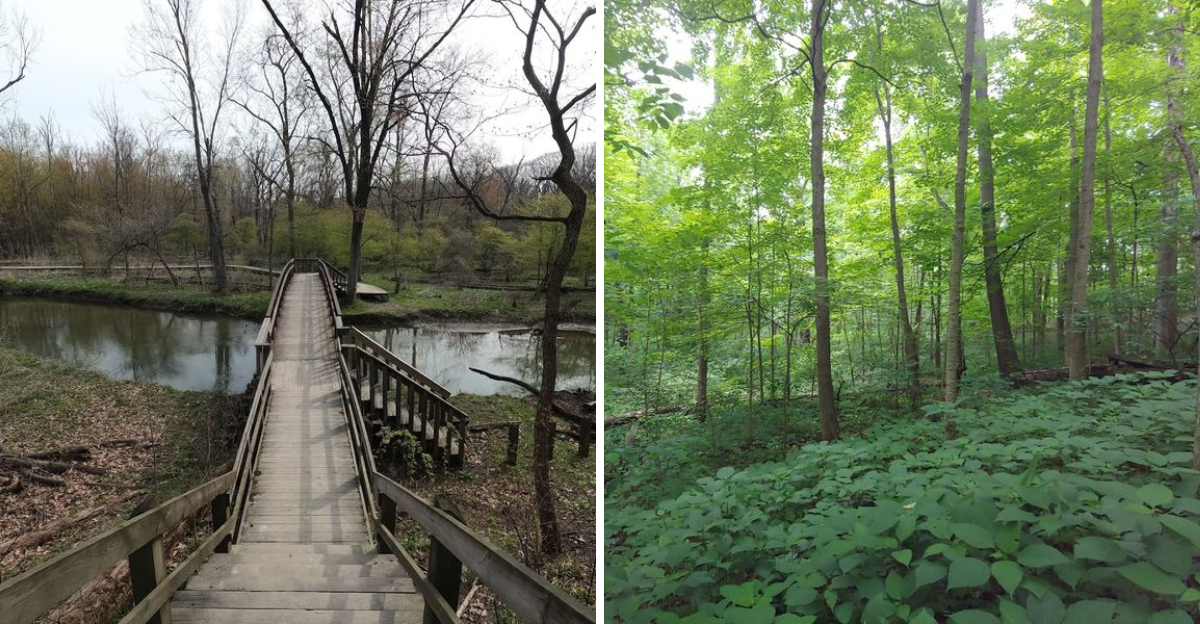
Some trails just walk you through nature, but this one takes you through centuries of living history, untouched prairie, and some of the most quietly beautiful river scenery in the Midwest. I grew up in Indiana and had no idea it existed until a few years ago, and honestly, that surprised me more than anything.
The trail winds along gentle bends and shaded paths, giving you moments to pause and really take in your surroundings. Tall grasses sway in the breeze, birds call from hidden perches, and the river glimmers in ways that make you forget you’re still not far from town.
Whether you love hiking, exploring history, or just need a place where your phone can take a back seat for a few hours, this trail deserves a serious spot on your list. The combination of quiet beauty, historical context, and immersive nature makes it an experience that lingers long after you’ve left.
Rich Historical Roots That Go Deeper Than You Expect
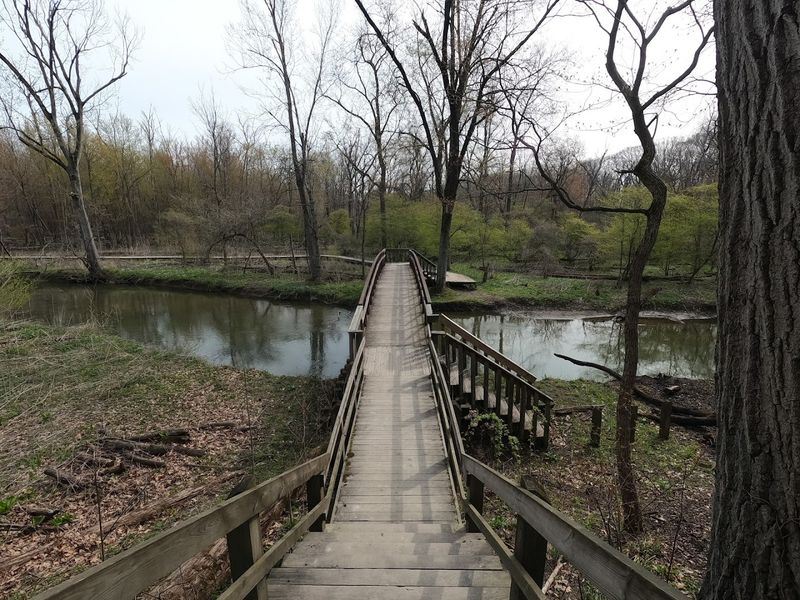
Most hiking trails offer trees and fresh air. The Little Calumet River Trail offers all of that plus a genuine connection to the people who shaped this region long before Indiana was even a state.
Walking this trail means stepping into a landscape that Native American tribes traveled, traded along, and called home for generations.
The Bailly Homestead, established in 1822 by fur trader Joseph Bailly, sits right along this trail corridor and is one of the most significant early settlement sites in the entire region. Bailly was a French-Canadian trader who recognized the Little Calumet River’s value as a trade and travel route.
His homestead still stands today, maintained by the National Park Service, and visiting it feels genuinely grounding in a way that museums sometimes miss.
There is something different about reading history on a trail versus reading it in a book. When you are standing where those early settlers stood, beside the same river they relied on, the past stops feeling abstract.
History lovers will find this trail endlessly rewarding, not just for the Bailly site but for the layered stories embedded in every stretch of the path. Plan to spend extra time here.
You will want it.
Mnoké Prairie Brings Pre-Settlement Indiana Back to Life
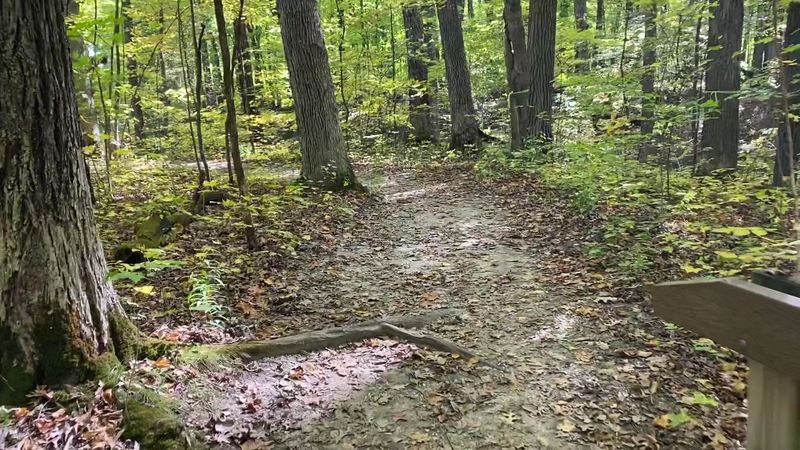
Before European settlers arrived, much of Indiana looked nothing like it does today. Open grasslands called prairies stretched across the landscape, filled with native plants, insects, and wildlife that most modern Hoosiers have never seen outside of a nature center.
The restored Mnoké Prairie along the Little Calumet River Trail gives you a rare chance to see what that original Indiana actually looked like.
Prairie restoration is slow, careful work, and the results here are genuinely impressive. Native grasses and wildflowers have been reestablished across the area, creating habitat that supports pollinators, ground-nesting birds, and other species that disappeared when the land was converted to farmland and development decades ago.
Walking through this section of the trail in late summer is almost surreal. The colors, the sounds, and the scale of it all feel completely different from the wooded sections nearby.
For anyone interested in ecology, conservation, or just experiencing something visually striking, the prairie stretch is a highlight worth planning your visit around. Bring a camera with a wide-angle lens if you have one.
The open sky and sweeping grasses make for some of the most dramatic trail photography in the whole park. This is one of those spots that makes you wish more of Indiana still looked this way.
It is quietly spectacular.
The River Itself is the Star of the Show
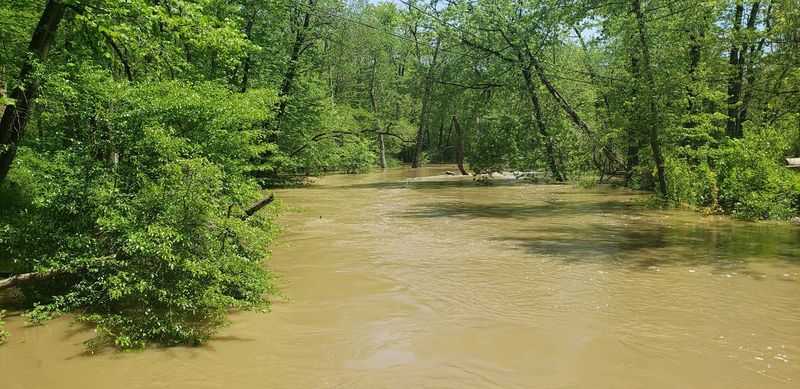
There is a particular kind of calm that comes from walking beside moving water. The Little Calumet River delivers that feeling for long stretches of this trail, offering views that are genuinely picturesque without being overdone or crowded with other visitors.
The river winds through the landscape with a quiet confidence that is easy to appreciate.
What makes this waterway especially interesting is its history as a working transportation corridor. Early travelers, traders, and Indigenous people used the Little Calumet River as a natural highway through the region.
Canoes moved goods and people along its banks for centuries before roads existed. Knowing that as you walk alongside it adds a layer of meaning that turns a pleasant riverside stroll into something much more thoughtful.
Wildlife tends to gather near the water, which makes the riverside sections of the trail some of the best spots for casual nature observation. Great blue herons are frequently spotted standing motionless in the shallows.
Turtles sun themselves on logs. Kingfishers dart across the surface with surprising speed.
If you stop and stay still for even a few minutes, the river comes alive around you in ways that feel almost cinematic. Bring binoculars if you have them.
The river rewards patience more than almost any other feature on the trail. It is simply beautiful.
A Deep and Powerful Connection to the Underground Railroad

Not every trail carries the weight of this kind of history. The Little Calumet River played a documented role in the Underground Railroad, serving as a route that freedom seekers used to move northward toward Canada and safety.
That fact alone transforms the experience of walking this trail into something profoundly meaningful.
The river’s remote, wooded stretches provided cover and direction for people escaping enslavement in the mid-1800s. Local families and abolitionists in the region worked to support those making the dangerous journey, and the landscape itself, dense with trees and cut through with waterways, made navigation possible for those who knew how to read it.
Standing on the trail with that knowledge changes how you see the trees, the river, and the silence around you.
This chapter of the trail’s history is not always prominently advertised, which makes discovering it feel all the more significant. Illinois Public Media and regional historians have documented the Little Calumet River’s role in this story, and it deserves far more attention than it typically receives.
For anyone who cares about American history in its fullest, most honest form, this is reason enough to make the drive to Indiana Dunes. The trail holds these stories with quiet dignity, and walking it feels like an act of remembrance.
Plan to reflect here.
Wildlife Watching That Rivals Dedicated Nature Preserves
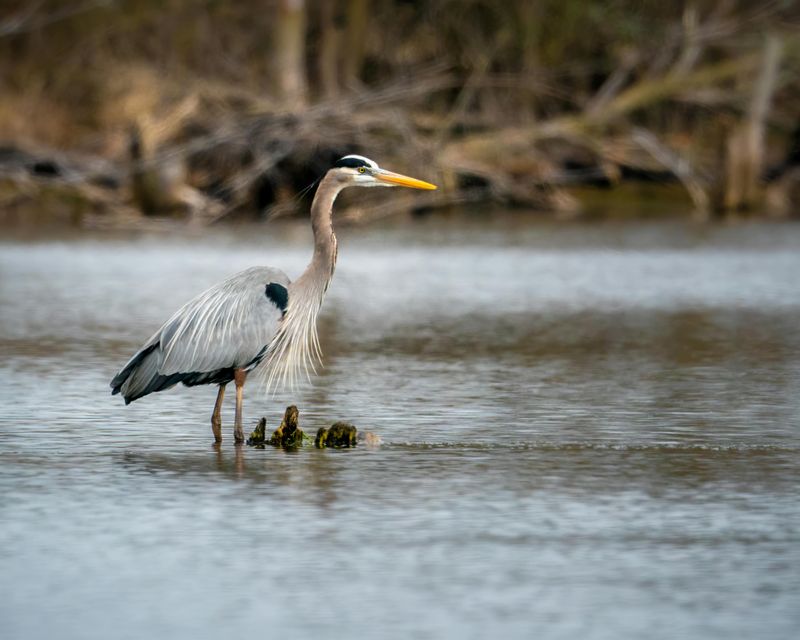
You do not need to travel to a remote wilderness to see genuinely impressive wildlife. The Little Calumet River Trail packs a surprising amount of biodiversity into a relatively accessible stretch of land, and regular visitors know that each season brings something new to watch for along the path.
The variety of habitats along the trail is what makes wildlife viewing here so rewarding. Woodland edges, open prairie, wetland margins, and the river corridor itself each support different species, which means your chances of spotting something interesting stay high throughout the entire hike.
White-tailed deer move through the wooded sections at dawn and dusk. Red-tailed hawks circle overhead in the open areas.
Mink and muskrat occasionally appear along the riverbanks if you are quiet and patient enough.
Birdwatchers in particular find this trail worth repeated visits across the year. The mix of resident species and seasonal migrants makes the species list genuinely impressive for a trail this close to the Chicago metro area.
Spring migration brings warblers and shorebirds through the area in waves that can feel almost overwhelming in the best possible way. Fall brings raptors and waterfowl.
Winter offers a stripped-down, peaceful version of the trail where tracking animals in the snow becomes its own kind of adventure. Bring your field guide and give yourself more time than you think you need.
Accessibility and Practical Amenities Make It Easy for Everyone
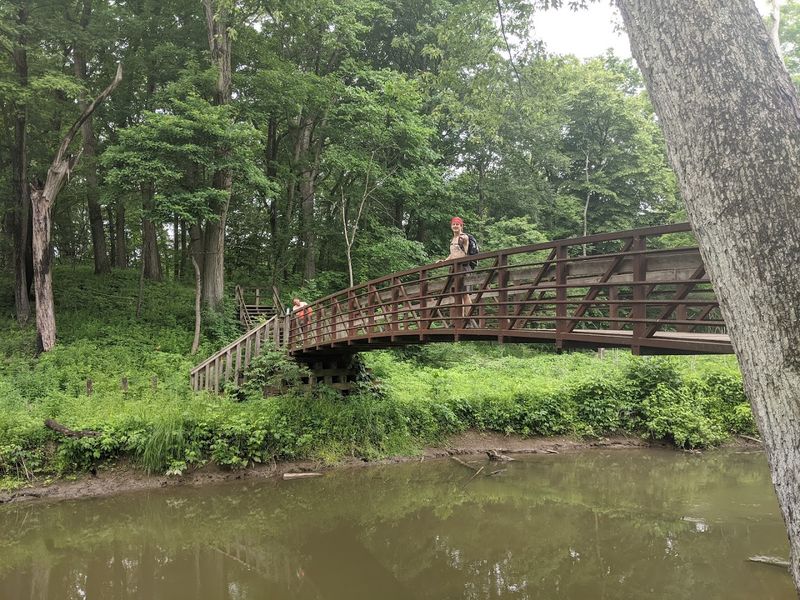
Some of the most beautiful trails in Indiana are also the most frustrating to visit. Limited parking, no facilities, and confusing access points can turn an exciting outdoor adventure into a logistical headache.
The Little Calumet River Trail, located at 1100 N Mineral Springs Rd, Porter, IN 46304, sidesteps most of those issues with practical amenities that make a real difference, especially for families or first-time visitors.
The trailhead parking area includes restrooms and potable water, which sounds basic but genuinely matters when you are planning a longer hike or visiting with kids. The trail is open daily from 6:00 in the morning until 11:00 at night, giving you flexibility whether you prefer a sunrise walk or a late afternoon wind-down.
Pets are welcome on a leash, which is great news for dog owners who want to share the experience with their four-legged hiking companions.
The trail is accessible year-round, meaning you are not limited to a narrow seasonal window to enjoy it. Winter visits have their own appeal, with bare trees opening up longer sightlines and the river taking on a quieter, more reflective character.
The National Park Service does a solid job of maintaining the trail and keeping information updated on their website, so checking current conditions before your visit is easy. For a national park trail this close to a major urban area, the overall visitor experience is genuinely well-organized and welcoming.
It rewards planning without punishing spontaneity.
Nearby Destinations Make It a Full Day Worth Remembering

The Little Calumet River Trail is a destination on its own, but the surrounding area gives you plenty of reasons to extend your visit into a full day out. Northwest Indiana has developed into a genuinely compelling travel destination over the past decade, and the communities near Indiana Dunes National Park have a lot to offer once you finish your hike.
The town of Chesterton, Indiana sits just minutes from the park and has a welcoming small-town character that makes it worth a stop. The European Market in downtown Chesterton runs on weekends during warmer months and draws locals and visitors alike with artisan goods and fresh produce.
Lucrezia Cafe at 428 South Calumet Road in Chesterton is a beloved local restaurant with an Italian-inspired menu that has earned a loyal following in the region. For something more casual, Lemon Tree Restaurant at 110 West Indiana Avenue in Chesterton is a longtime local favorite for straightforward, satisfying food.
If you want to keep exploring the natural side of the area, Indiana Dunes State Park at 1600 North 25 East in Chesterton offers beach access and additional hiking trails that complement the river trail experience beautifully. The Calumet Trail, which runs nearby, is another option for cyclists and hikers looking to cover more ground.
The whole region rewards exploration, and the Little Calumet River Trail is the perfect starting point for discovering what northwest Indiana has quietly been building for years.
Dear Reader: This page may contain affiliate links which may earn a commission if you click through and make a purchase. Our independent journalism is not influenced by any advertiser or commercial initiative unless it is clearly marked as sponsored content. As travel products change, please be sure to reconfirm all details and stay up to date with current events to ensure a safe and successful trip.
