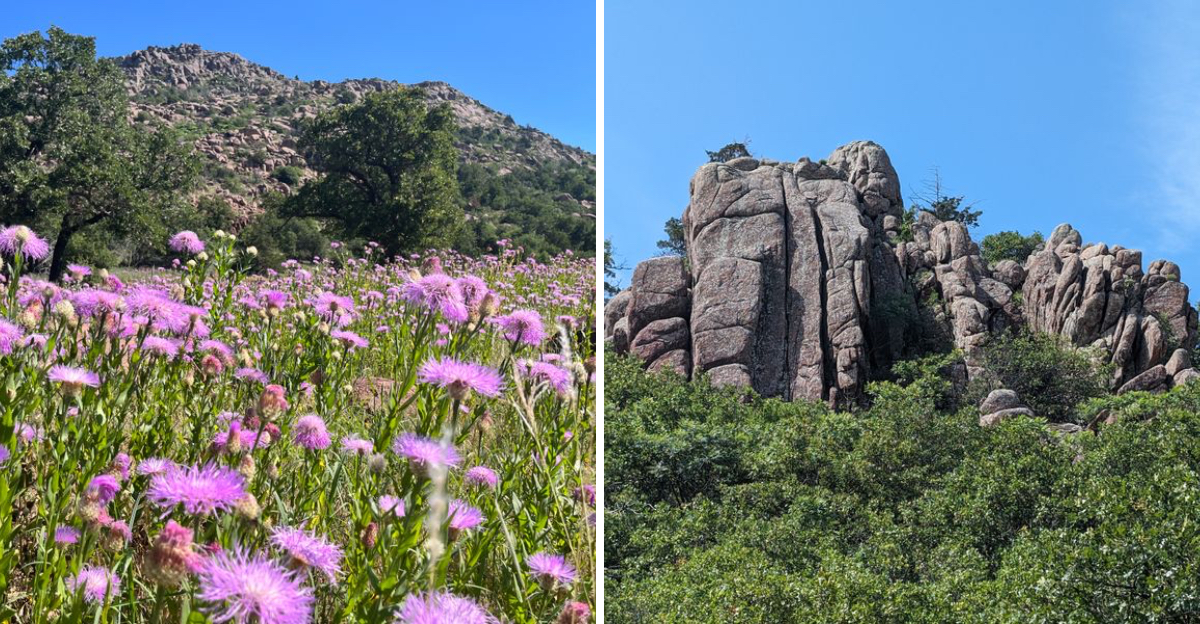
You know that feeling when you stumble across a place that makes you question everything you thought you knew about a state? That’s the Wichita Mountains for you.
Right in the middle of Oklahoma, where you’d expect nothing but flat prairie and tumbleweeds, these ancient granite peaks rise up like nature’s plot twist. This isn’t your typical mountain getaway with overpriced lodges and crowded tourist traps.
It’s raw, real, and filled with bison that couldn’t care less about your Instagram feed.
The Drive That Changes Everything
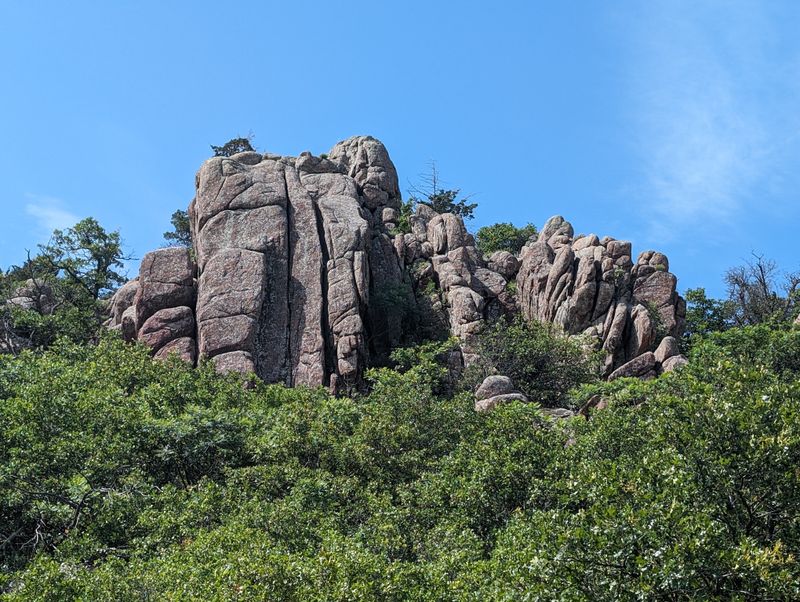
The moment you start driving through the refuge, something shifts. You’re cruising along, probably expecting more of the same Oklahoma flatlands, and then suddenly these massive granite boulders appear like they’ve been dropped from another planet.
The main scenic drive loops through the heart of the refuge, and it’s the kind of road where you’ll brake randomly just to stare. Rolling hills covered in prairie grass stretch out on one side.
On the other, those ancient rock formations stack up in ways that make you wonder how physics even works.
Early morning is when the magic really happens. The light hits those rocks at angles that turn them gold and pink.
Mist sometimes hangs low in the valleys. You’ll share the road with wildlife crossing at their own pace, completely unbothered by your schedule.
Bring your camera, but also just look with your actual eyes. Some moments here don’t translate to photos.
The way the wind moves through the grass, the absolute silence broken only by bird calls, the feeling of being somewhere that hasn’t changed much in centuries. That’s the stuff you’ll remember long after your phone battery dies.
Bison Encounters That Feel Prehistoric
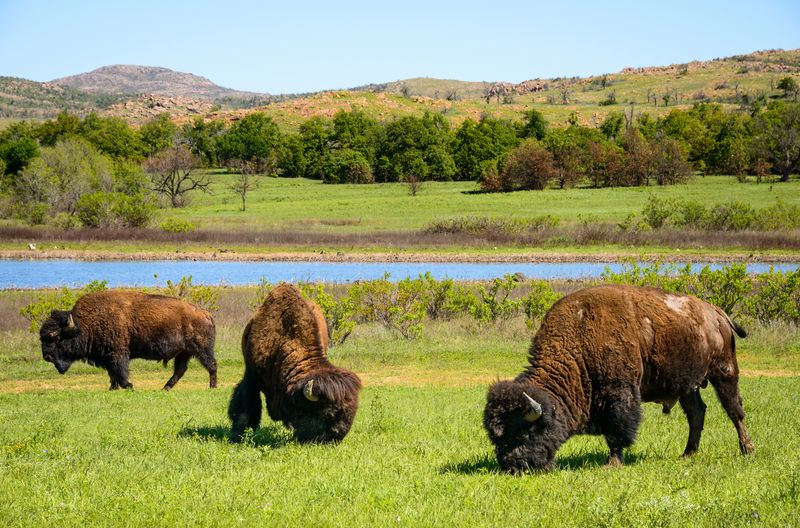
Nothing prepares you for your first bison sighting here. Sure, you’ve seen them in documentaries or behind fences at zoos.
But watching a massive bull casually cross the road ten feet from your car while you sit there holding your breath? That hits different.
The refuge is home to a thriving bison herd that roams freely across the landscape. These aren’t tame animals putting on a show.
They’re genuinely wild, doing their thing, and you’re just a visitor in their space. That distinction matters.
You’ll spot them grazing in valleys, lounging near water sources, or sometimes just standing on the road because they own the place and they know it. Bulls can weigh over a ton.
Calves stay close to their mothers, learning the ropes of prairie life.
Keep your distance, always. These animals are unpredictable and faster than they look.
Stay in your vehicle when they’re nearby. Use a zoom lens if you want photos.
The refuge rangers aren’t kidding when they post those warning signs. Respect the wildlife and you’ll witness something genuinely special.
Get too comfortable and you’ll learn a hard lesson about wild animals.
Hiking Trails That Test Your Navigation Skills
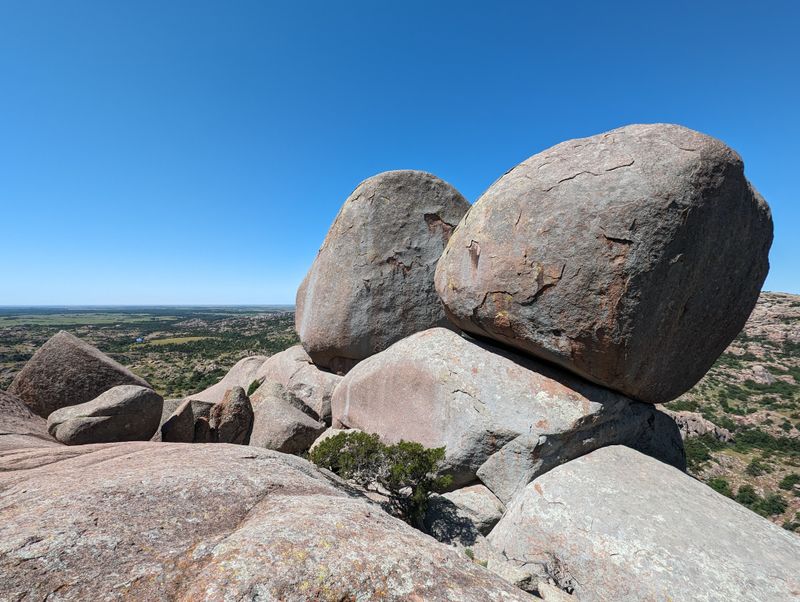
Here’s the thing about hiking in the Wichitas that nobody mentions in the brochures. The trails have personality, and that personality is a little chaotic.
Markers exist, sure, but they’re more like suggestions than guarantees.
You’ll find yourself scrambling over boulders, following cairns that may or may not lead where you think they do, and occasionally wondering if you’ve wandered off the trail entirely. That’s part of the charm.
This isn’t a manicured park experience with boardwalks and handrails.
The terrain varies wildly. One section might be a gentle walk through grassland.
The next has you climbing over massive granite slabs that require actual problem-solving. Some trails connect in ways that let you create your own adventure.
Others dead-end at viewpoints that make every confusing turn worth it.
Bring real hiking boots, not sneakers. Pack more water than you think you need.
Download an offline map because cell service is spotty. Tell someone where you’re going.
These mountains are beautiful but they demand respect. Getting lost here is easier than you’d expect, and rescue operations aren’t instant.
Come prepared and you’ll have the adventure of a lifetime.
Mount Scott Summit Views That Rewire Your Brain
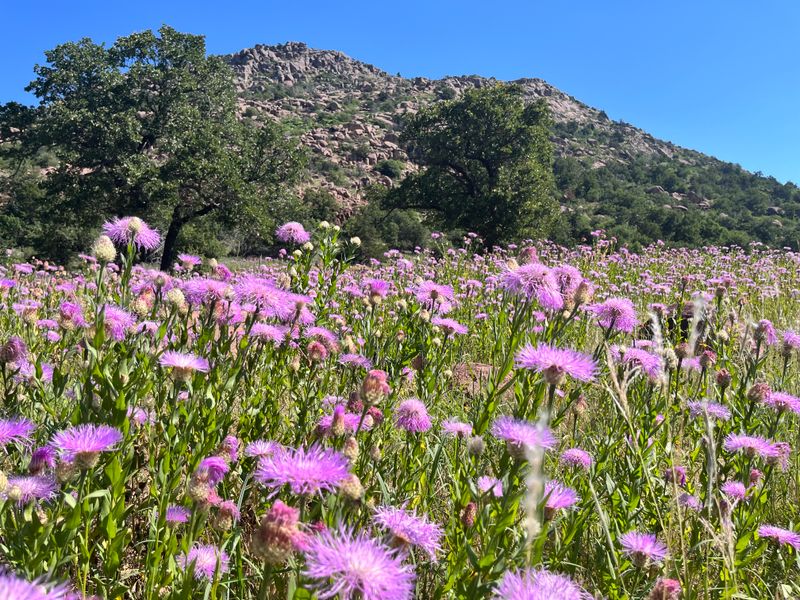
You can drive to the top of Mount Scott, which feels like cheating until you see what’s waiting up there. Then you realize this view earned its spot on your bucket list without making you work for it.
The summit sits at about 2,464 feet, which might not sound impressive if you’re from Colorado. But in Oklahoma, surrounded by relatively flat terrain, this elevation gives you perspectives that feel almost aerial.
Lakes shimmer in the distance. The refuge spreads out below like a living map.
On clear days, you can see for miles in every direction.
Sunrise and sunset are peak times, but honestly, any time works. Mid-day light shows off the landscape’s colors in ways that softer light hides.
Stormy weather creates drama that fair-weather visitors miss entirely.
The stone shelter at the top was built by the Civilian Conservation Corps back in the 1930s. It’s a solid structure that offers shade and a place to sit while you process what you’re seeing.
Bring snacks. Stay awhile.
This isn’t a quick photo stop. It’s a place that deserves your time and attention.
Elk Bugling That Echoes Through Your Soul
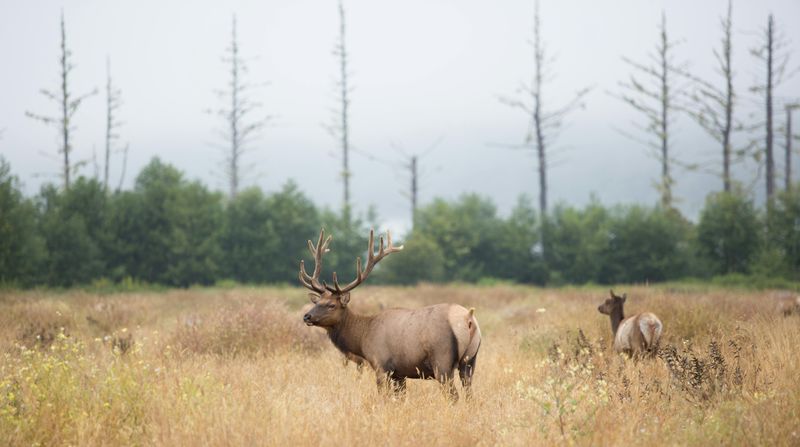
Fall brings something magical to these mountains that you can hear before you see. The elk rut transforms quiet valleys into concert halls where bulls bugle challenges that echo off the granite walls.
That sound is impossible to describe adequately. It starts low and rises to a high-pitched whistle that seems too otherworldly to come from an actual animal.
It carries across distances that seem impossible. Once you hear it in person, you’ll understand why people plan entire trips around this experience.
The best time is September through October, usually early morning or evening. Bulls gather harems and defend their territories with vocalizations that range from intimidating to haunting.
You might spot them in meadows near the visitor center or along the wildlife drive.
Bring binoculars and patience. These animals are less habituated to humans than the bison, so they keep more distance.
That’s actually better. Watching elk behave naturally, without human interference, gives you a glimpse into wild behavior that’s increasingly rare.
Listen for that bugle cutting through the dawn. Let it remind you that some things can’t be captured on your phone.
Some experiences just have to be felt.
Camping Under Stars You Forgot Existed
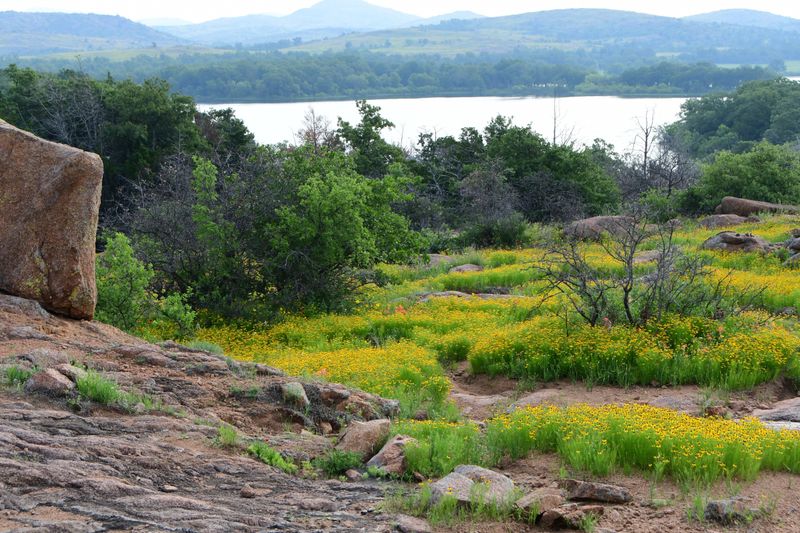
Light pollution has robbed most of us of real darkness. We’ve forgotten what night actually looks like when humans aren’t drowning it in artificial glow.
The campgrounds here remember.
Doris Campground is the main spot, nestled among boulders and trees in a way that feels like the landscape is hugging you. Sites are basic but well-maintained.
You get a picnic table, fire ring, and enough space to not feel crowded by your neighbors.
After dark, look up. Actually look up and give your eyes time to adjust.
The Milky Way stretches across the sky like someone spilled glitter. Satellites track slowly across your field of vision.
Shooting stars are common enough that you’ll stop making wishes and just enjoy the show.
Fireflies add their own light show in summer, blinking through the darkness in patterns that feel like nature’s morse code. The sounds shift too.
Coyotes might howl in the distance. Owls call from the trees.
The wind moves through grass and leaves with a sound that’s both constant and ever-changing. This is the kind of camping that reminds you why humans used to tell stories around fires and sleep under stars before we built walls to keep the wild out.
Rock Climbing That Builds Character
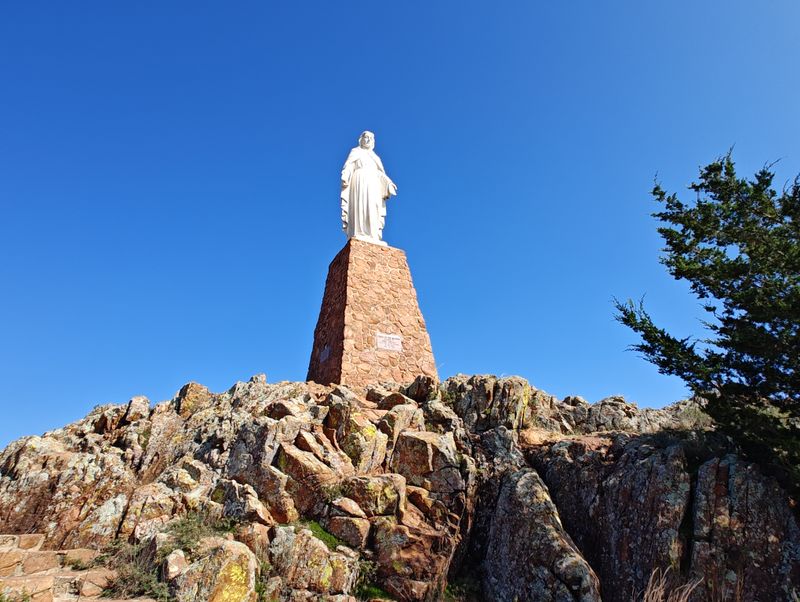
Climbers from all over the region make pilgrimages to these granite formations. The rock here is solid, the routes are varied, and the setting beats any indoor gym by about a million percent.
You’ll find everything from easy scrambles perfect for beginners to technical climbs that’ll humble experienced climbers. The granite offers good friction and features.
Cracks accept protection well for those doing traditional climbing. Some routes are single pitch.
Others string together into longer adventures.
The climbing community here tends toward the chill side. People share beta, offer encouragement, and generally remember that we’re all just trying to have fun moving over rocks.
Weekdays are quieter if you prefer solitude. Weekends bring more folks but also more energy.
If you’re new to outdoor climbing, consider hiring a guide or coming with experienced friends. The rock is forgiving in some ways, unforgiving in others.
Weather can change quickly. Afternoon heat in summer is no joke.
Spring and fall offer the best conditions, with temps that won’t cook you mid-route. Bring plenty of water, sun protection, and respect for the rock.
These formations have been here for millions of years. They’ll outlast all of us.
Wildlife Photography That Fills Memory Cards
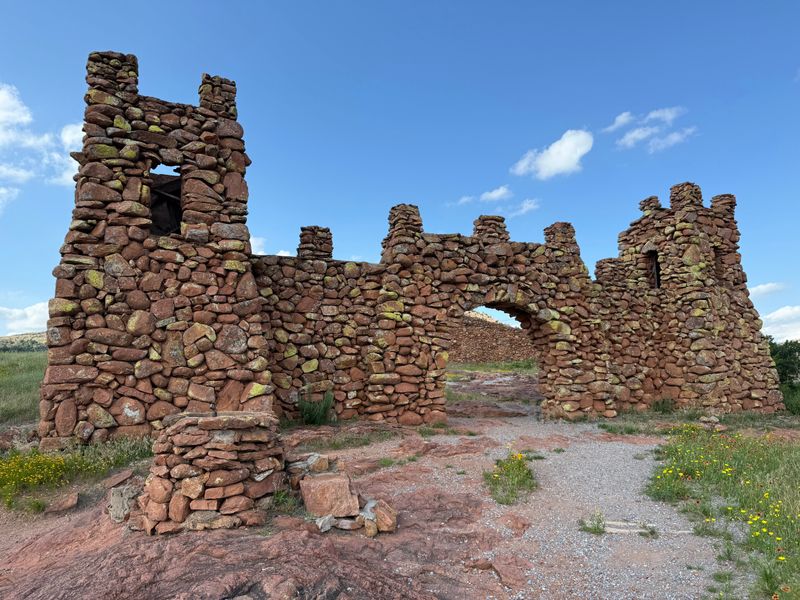
Photographers treat this refuge like a classroom where wildlife shows up to teach lessons in patience, timing, and light. You don’t need a professional setup to get shots that’ll make your friends jealous, but you do need to show up ready.
Besides the famous bison and elk, you’ll encounter Texas longhorn cattle with horns that seem aerodynamically impossible. Prairie dogs pop up from their burrows like whack-a-mole games.
Deer graze at dawn and dusk. Birds range from massive turkey vultures to tiny warblers depending on the season.
Early morning and late afternoon give you the best light and the most active animals. Overcast days can actually work in your favor, providing even lighting without harsh shadows.
A zoom lens helps you maintain safe distances while still getting detailed shots.
The landscape itself deserves equal attention. Those granite formations change personality depending on light and weather.
Lakes reflect mountains and sky in ways that create natural mirror images. Wildflowers bloom in spring, covering hillsides in colors that seem almost unreal.
Storm clouds building over the peaks create drama that landscape photographers dream about. Come with charged batteries and empty memory cards.
You’ll fill them faster than you expect.
Lakes That Offer Unexpected Serenity
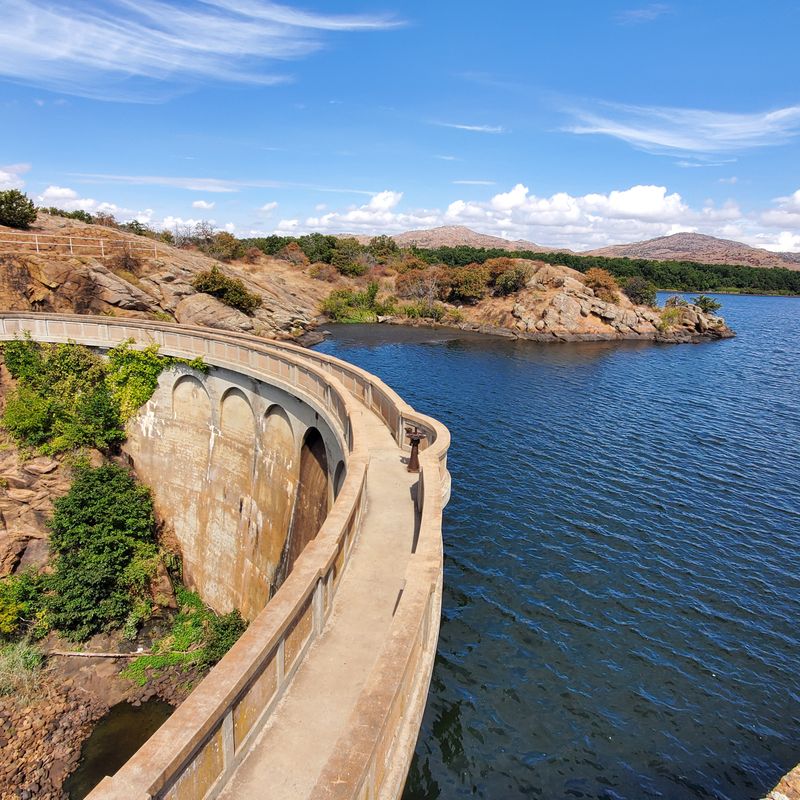
The lakes scattered throughout the refuge don’t advertise themselves loudly. They’re just there, tucked into valleys, reflecting sky and stone, offering moments of calm that contrast beautifully with the rugged terrain surrounding them.
Fishing is allowed in most, and anglers pull out bass, catfish, and other species with varying degrees of success. But even if you don’t fish, the lakes provide perfect spots to sit and reset.
The water attracts wildlife, so patient observers often see more action here than anywhere else.
Birds use the lakes as rest stops during migration. Herons stand motionless in shallows, waiting for fish to make fatal mistakes.
Ducks paddle across the surface in formations that somehow look both random and organized. Dragonflies hover and dart, performing aerial acrobatics that put drones to shame.
Pack a simple lunch and claim a spot along the shore. Watch the water change as wind creates ripples or leaves it glass-smooth.
Notice how the reflected mountains look almost more real than the actual peaks. This is the kind of quiet that’s increasingly hard to find.
No music. No engines.
Just water, wind, and whatever thoughts rise to the surface when you finally stop moving long enough to let them.
The Historical Layers That Add Depth
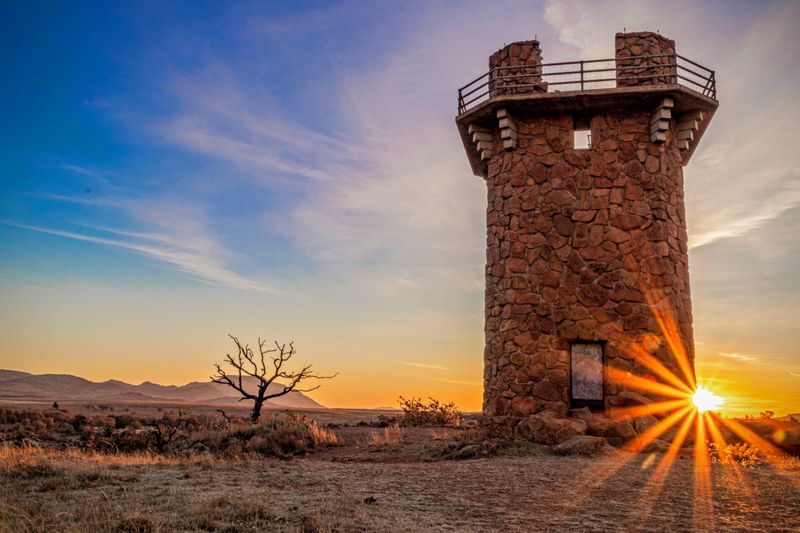
These mountains have stories stacked like geological layers. Native peoples lived here for thousands of years before European contact.
The Comanche considered these peaks sacred. Spanish explorers passed through in the 1600s.
Settlers arrived later, bringing their own complicated history.
The Civilian Conservation Corps left their mark throughout the refuge during the Depression era. Those stone buildings you see weren’t always here.
Young men built them by hand, shaping local granite into structures that blend so seamlessly with the landscape you might think they grew naturally.
The refuge itself was established in 1901, making it one of the oldest in the country. It was created to protect and restore wildlife populations that had been decimated.
Bison were nearly extinct. Elk had been wiped out regionally.
The conservation work here brought them back.
You can visit the visitor center to learn more, or just observe as you explore. Those stone walls tell stories about labor and craftsmanship.
The wildlife represents successful conservation efforts. The mountains themselves have witnessed more human history than any book can capture.
Walking here means walking through time, whether you realize it or not.
Dear Reader: This page may contain affiliate links which may earn a commission if you click through and make a purchase. Our independent journalism is not influenced by any advertiser or commercial initiative unless it is clearly marked as sponsored content. As travel products change, please be sure to reconfirm all details and stay up to date with current events to ensure a safe and successful trip.
