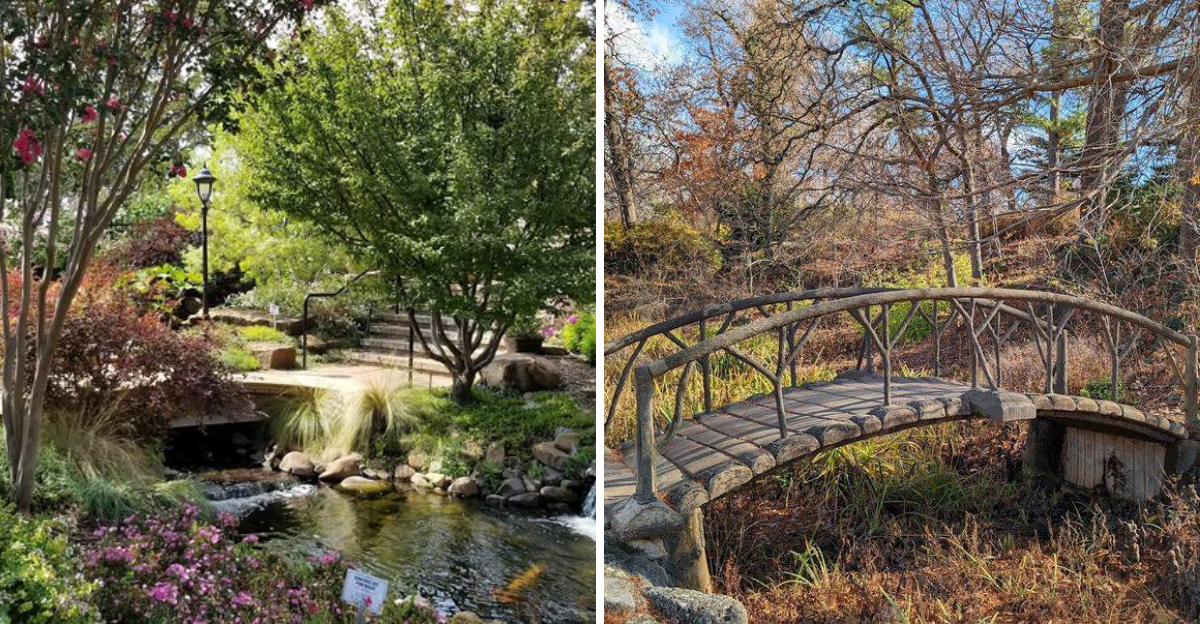
Spring in Oklahoma has a secret, and it lives in Tulsa. This is a 45-acre horticultural wonderland where terraced rose gardens, spring tulips, and vibrant floral displays make you feel like you’ve stepped into a Dutch countryside painting.
The structured layouts, symmetrical garden beds, and thousands of blooms create a visual experience that’s hard to believe exists right in the middle of a busy city.
If you’re looking for the perfect springtime escape that combines natural beauty, peaceful walks, and classic garden design, this is the place to be.
The Terraced Rose Gardens That Stop You in Your Tracks
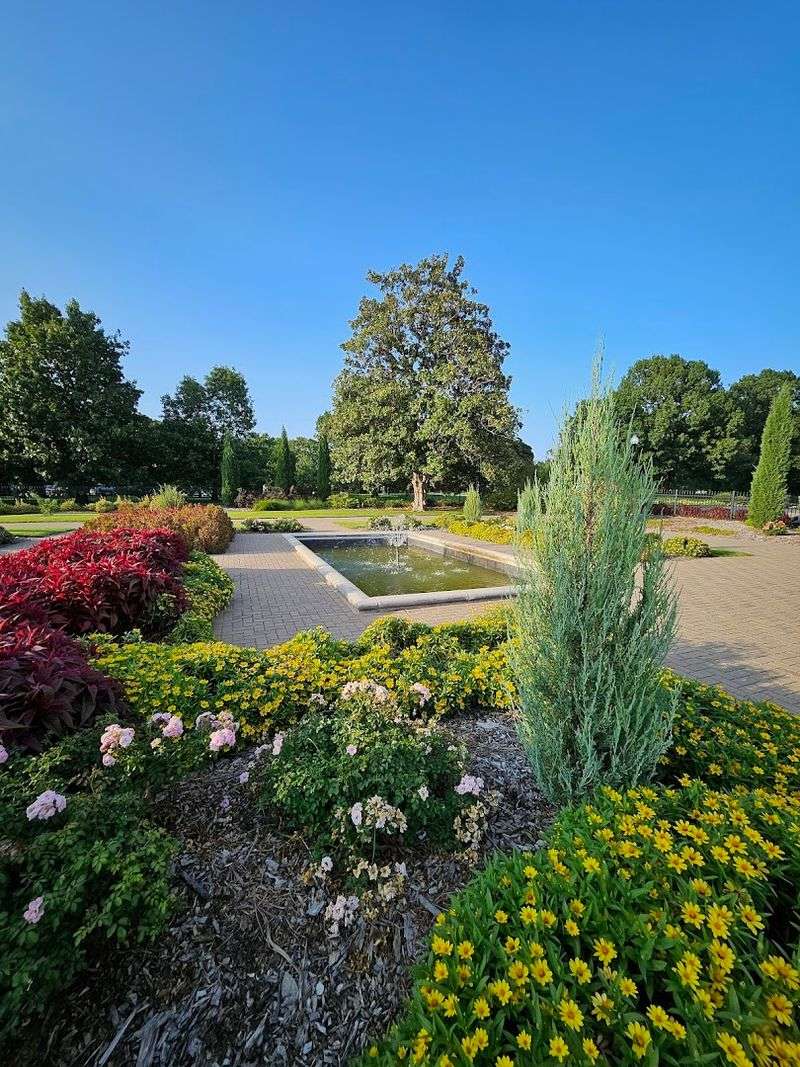
Some gardens make you slow down. The terraced rose gardens at Woodward Park and Gardens do something more powerful than that: they make you stop completely and just stare.
Arranged in sweeping, symmetrical tiers, these rose beds are designed with a classic European formality that feels both grand and welcoming at the same time. Each level showcases a different palette of blooms, from deep crimson to soft blush pink, creamy white to golden yellow.
The structured layout is intentional and precise. Hedgerows frame the pathways, guiding your eye upward and outward across the layers of color.
This kind of garden design echoes the grand floral traditions of formal European parks, where symmetry and color placement are treated as serious art forms. Every angle offers a new composition worth photographing.
Late spring to early summer is undeniably the best time to see the roses at their fullest, though the garden holds its own charm through summer and into fall. Plan to spend at least thirty minutes here alone, because the details reward a slow, unhurried pace more than any quick walk-through ever could.
Spring Tulips and the Dutch Countryside Feeling
There is a moment in early spring at Woodward Park when the tulip beds reach full bloom and the whole scene looks almost unreal. Neat rows of red, orange, purple, and yellow tulips stretch across carefully arranged garden beds, and the effect is genuinely breathtaking.
The structured, color-blocked planting style is very similar to the famous tulip fields of the Netherlands. It is the kind of floral display that makes Oklahoma feel surprisingly cosmopolitan, in the best possible way.
What makes this experience feel so special is the combination of scale and order. The beds are large enough to feel immersive, yet organized enough to feel intentional and designed rather than wild.
Walking along the paths between these tulip rows in the morning light is one of those simple pleasures that stays with you long after the visit ends. The air carries that fresh, green scent that only comes with new spring growth.
Timing your visit for mid-to-late March through April gives you the best chance of catching peak tulip season. The blooms do not last forever, so arriving early in the season is always the smarter move.
Classic Garden Design With Symmetry and Bold Color
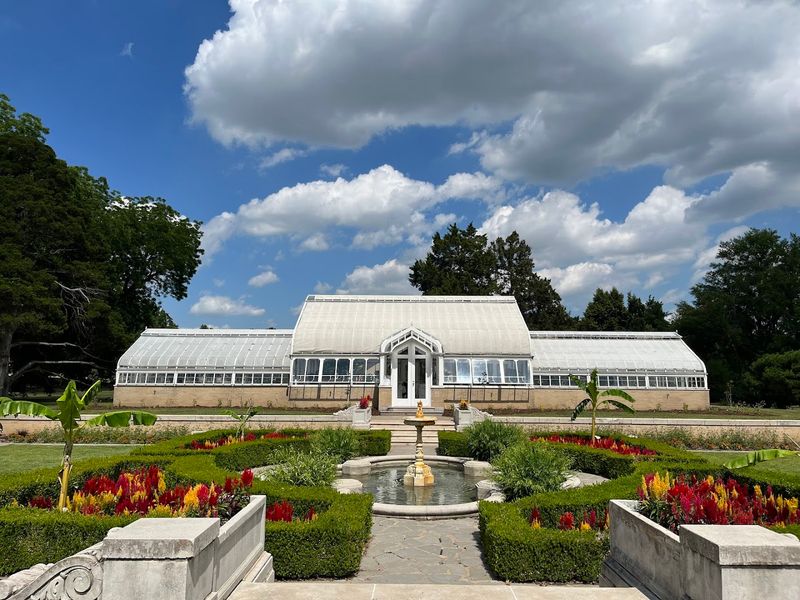
Good garden design does not shout at you. It leads you, frame by frame, from one beautiful moment to the next.
That is exactly what the classic layout at Woodward Park and Gardens accomplishes so well.
The garden beds are arranged with a clear sense of geometry. Pathways divide the space into clean sections, and within each section, the planting is dense and intentional, filling every inch with color and texture.
Bold combinations of contrasting hues sit side by side in a way that feels deliberate rather than accidental. Deep purples next to bright oranges, soft lavenders beside vivid pinks, all working together to create a visual rhythm that carries you through the space.
This approach to color-heavy, structured planting is a hallmark of traditional European garden design, and it translates beautifully to the Oklahoma landscape. The result is a garden that feels both timeless and surprisingly fresh.
Even visitors who do not consider themselves garden enthusiasts tend to find themselves lingering here longer than expected. The design pulls you in and holds your attention in a way that feels effortless, which is actually the highest compliment any garden can receive.
The Victorian Conservatory Is a Hidden Highlight
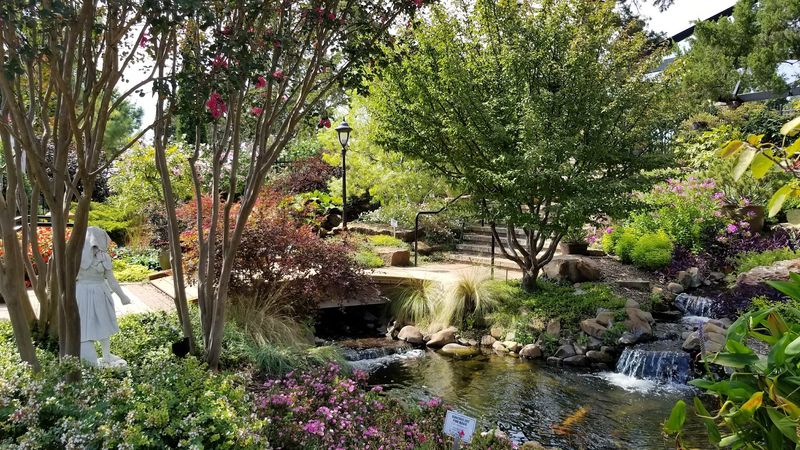
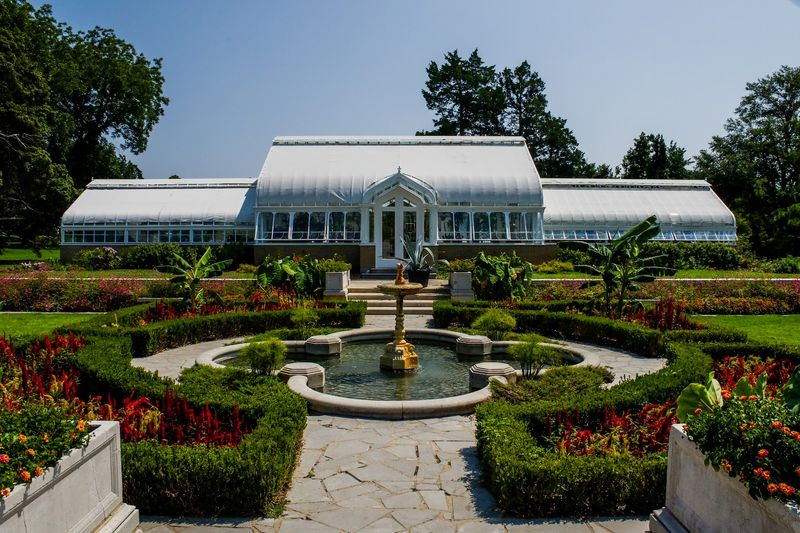
Not everyone who visits Woodward Park and Gardens knows about the Victorian conservatory, and that is a genuine shame. Stepping inside feels like crossing into a different era entirely.
The conservatory sits near the southeastern corner of the park and serves as both a working horticultural facility and a beautiful architectural landmark. Its glass-and-iron structure has that distinctive Victorian elegance, all curves and careful craftsmanship.
Inside, tropical and subtropical plants thrive in the warm, humid environment. The contrast between the cool Oklahoma air outside and the lush greenery inside creates a sensory shift that is immediately noticeable and deeply pleasant.
The building itself is worth studying closely. The details in the ironwork, the proportions of the glass panels, and the way natural light filters through the structure all speak to a period of design history when function and beauty were expected to coexist without compromise.
Pairing a conservatory visit with a walk through the adjacent Teaching Garden creates a satisfying loop that covers both the historic and the educational sides of the park. It is a combination that rewards curiosity at every turn and makes the whole visit feel layered and complete.
The Arboretum Offers Shade, Scale, and Quiet Wonder
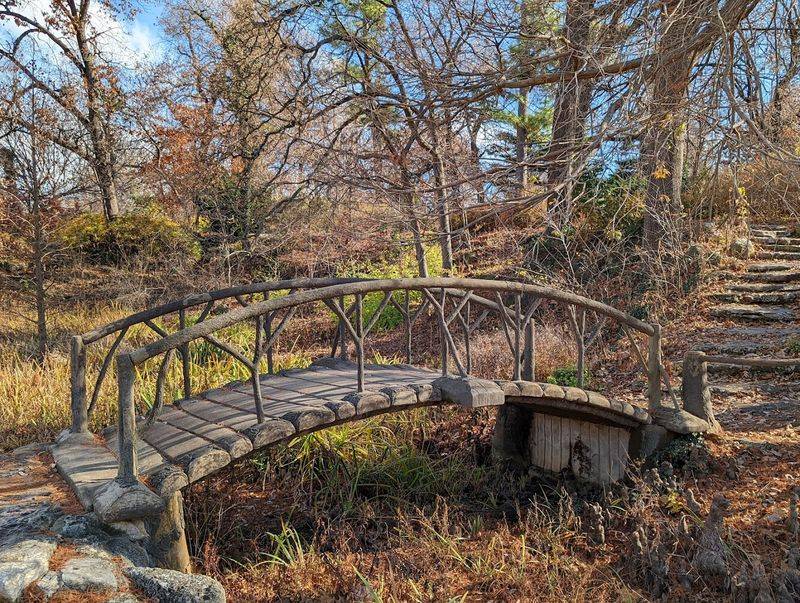
There is something deeply grounding about walking beneath a canopy of mature trees. The arboretum section of Woodward Park and Gardens delivers that feeling in abundance, offering shade, scale, and a sense of quiet that feels rare in an urban setting.
The trees here represent a wide variety of species, many of them labeled so you can learn as you walk. It turns a casual stroll into something closer to a gentle outdoor education, without any of the effort that phrase usually implies.
Some of the specimens are genuinely impressive in size, with trunks and canopies that speak to decades of careful cultivation. Standing beneath them puts the rest of the world into a different perspective, which is a feeling worth seeking out.
The arboretum connects naturally to other sections of the park, so it is easy to move between the open floral gardens and the shaded tree walks without backtracking. That flow between sun and shade, open and enclosed, is part of what makes the overall park experience so satisfying.
Spring brings a particular kind of magic to the arboretum, when new leaf growth creates a soft, lime-green canopy that filters the light into something almost otherworldly and genuinely hard to capture in a photograph.
Rock and Herb Gardens Add Texture to Every Visit
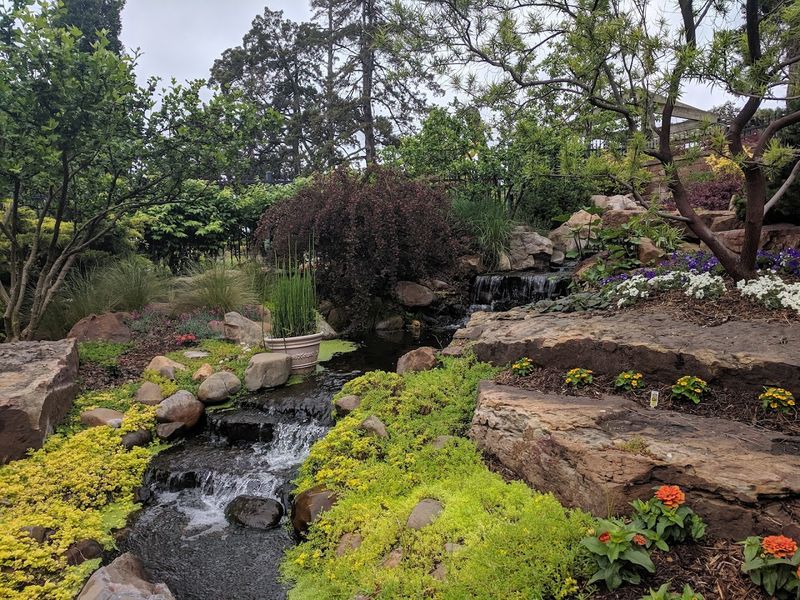
Beyond the roses and tulips, Woodward Park and Gardens holds a few quieter corners that reward the curious explorer. The rock and herb gardens are exactly that kind of reward.
The rock garden uses natural stone formations and low-growing plants to create a rugged, textured landscape that contrasts beautifully with the more formal sections of the park. It has a completely different energy, more raw and earthy, like a miniature mountain landscape dropped into the heart of Oklahoma.
The herb garden sits nearby and brings a sensory dimension that the flower gardens do not quite replicate. The fragrances here are strong and varied, lavender, rosemary, sage, and dozens of other plants that release their scents as you brush past them on the path.
Both gardens are thoughtfully labeled, which adds an educational layer to what might otherwise be a purely aesthetic experience. Knowing the names and uses of the plants around you changes how you look at them and deepens the connection to the space.
These sections tend to be less crowded than the rose garden, which means they offer a more personal and unhurried experience. For anyone who enjoys a little solitude with their scenery, this part of the park is genuinely worth seeking out.
The Koi Pond and Japanese-Style Garden Create Calm
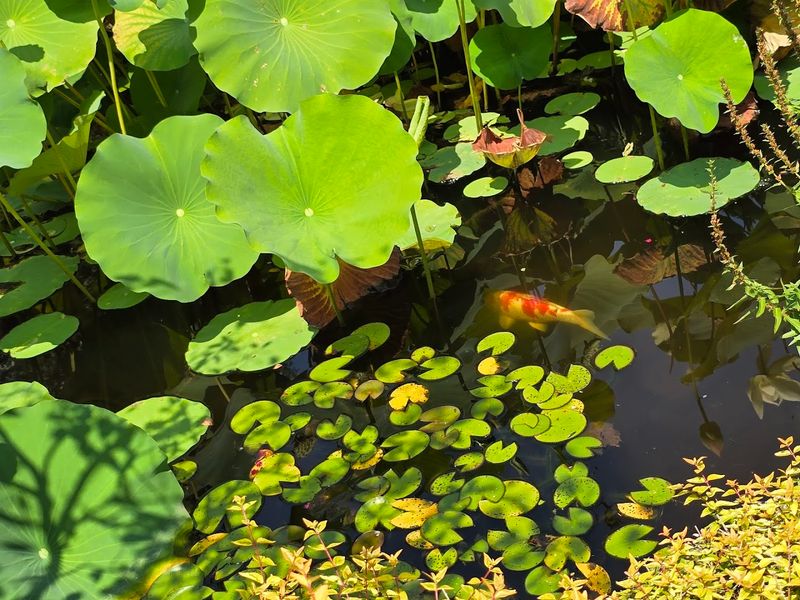
Water has a way of changing the mood of a garden, and the koi pond at Woodward Park and Gardens is one of the most effective examples of that principle anywhere in Oklahoma.
Large, brilliantly colored koi move slowly through the clear water beneath a small bridge, surrounded by water lilies and carefully placed stones. The whole area has a Japanese garden sensibility, clean, minimal, and deeply focused on the relationship between water, stone, and plant.
Sitting on the edge of this pond for even a few minutes produces a noticeable sense of calm. The rhythm of the fish moving through the water and the soft sound of a nearby waterfall work together in a way that feels almost meditative.
The Japanese-style design here is not an imitation but rather a genuine interpretation of those principles applied to a Southern Oklahoma landscape. The result feels both authentic and locally grounded.
Children tend to be completely captivated by the koi, pressing close to the water to watch the fish surface and swirl. Adults, meanwhile, tend to settle onto nearby benches and simply breathe for a while, which might be the most honest description of what this corner of the park is actually for.
The Teaching Garden Makes Horticulture Feel Approachable
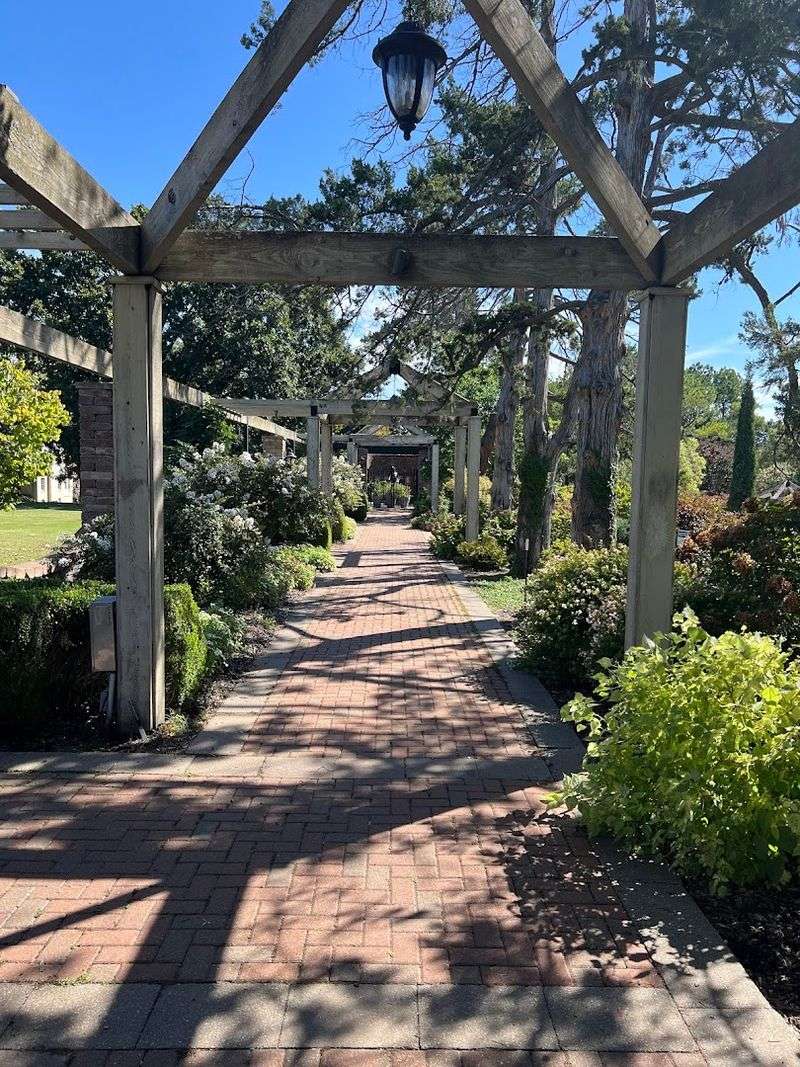
Most botanical gardens keep their knowledge behind glass or inside brochures. The Teaching Garden at Woodward Park takes a different approach, bringing the information directly into the growing space where it belongs.
Beds are clearly labeled, plant varieties are explained in plain language, and the overall layout is designed to demonstrate practical gardening techniques that visitors can actually apply at home. It is genuinely useful in a way that feels refreshing.
There is also a dedicated space within the Teaching Garden where younger visitors can get hands-on with plants and soil. Watching a child discover that gardening is interesting and tactile rather than boring is one of those small, satisfying park moments that tends to stick with you.
The Teaching Garden also connects to the broader mission of the Tulsa Garden Center, which operates out of the historic mansion on the park grounds. That organizational presence gives the space a sense of purpose and ongoing investment that shows in the quality of the plantings and the upkeep.
For anyone thinking about starting or improving their own garden, this section offers more practical inspiration per square foot than almost anywhere else in Oklahoma, delivered in a setting that makes learning feel completely effortless.
Wildlife and Squirrels Make Every Walk an Adventure

Not every highlight of Woodward Park and Gardens grows in a flower bed. The wildlife here is remarkably bold, sociable, and frankly entertaining in a way that no garden brochure fully prepares you for.
Squirrels are everywhere, and they have absolutely no fear of people. They approach along pathways, climb nearby benches, and show a level of confidence that suggests they know exactly who the park really belongs to.
Spoiler: it is them.
Rabbits are another constant presence, hopping through the garden beds and pausing just long enough to be photographed before disappearing into the undergrowth. Songbirds fill the air with sound throughout the morning hours, and the koi pond area attracts ducks and other water-loving species.
This abundance of wildlife gives the park a lively, living quality that purely manicured gardens sometimes lack. There is always something moving, something unexpected, something that reminds you this is a real ecosystem and not just a pretty backdrop.
Bringing a small bag of nuts or seeds for the squirrels is a move that will make you immediately popular with every child in your group, and honestly, it will make you feel pretty good too. Oklahoma wildlife has a way of doing that.
Practical Tips for Getting the Most Out of Your Visit
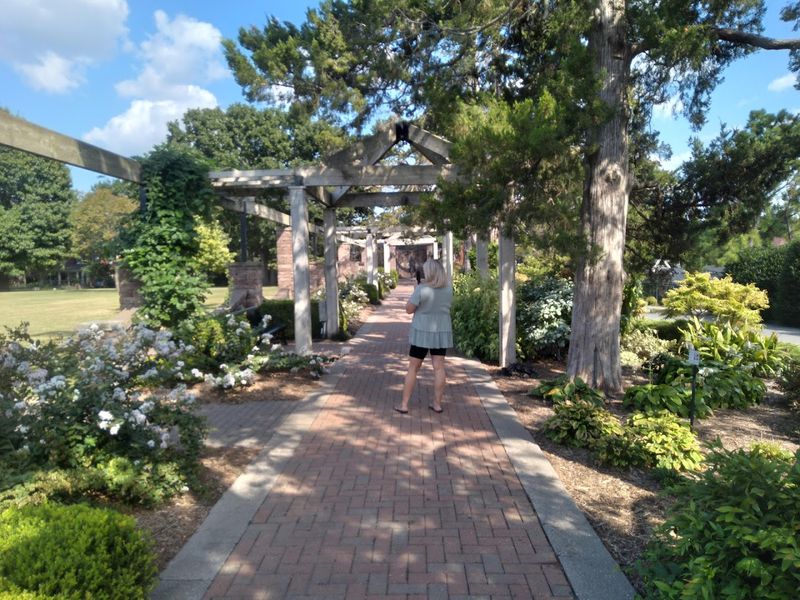
Woodward Park and Gardens is free to enter, which already makes it one of the best value experiences in all of Oklahoma. The park is open daily from 5 AM to 11 PM, giving visitors a wide window to choose their ideal time of day.
Morning visits during spring are particularly rewarding. The light is softer, the crowds are thinner, and the air carries that cool, clean quality that makes outdoor walks feel genuinely restorative before the day gets busy.
Parking is available in several locations around the park, and the grounds are large enough that having a rough plan before you arrive helps you cover the highlights without backtracking.
Comfortable walking shoes are a must. The park covers 45 acres, and while the main paths are well-maintained, some of the garden sections involve uneven terrain and steps between terrace levels.
Dogs on leashes are welcome, which makes it a great outing for pet owners as well. The full address is 2435 S Peoria Ave, Tulsa, OK 74114, and the contact number is +1 918-576-5155 for any questions before your visit.
Plan to stay at least two hours to do the space real justice.
Dear Reader: This page may contain affiliate links which may earn a commission if you click through and make a purchase. Our independent journalism is not influenced by any advertiser or commercial initiative unless it is clearly marked as sponsored content. As travel products change, please be sure to reconfirm all details and stay up to date with current events to ensure a safe and successful trip.
