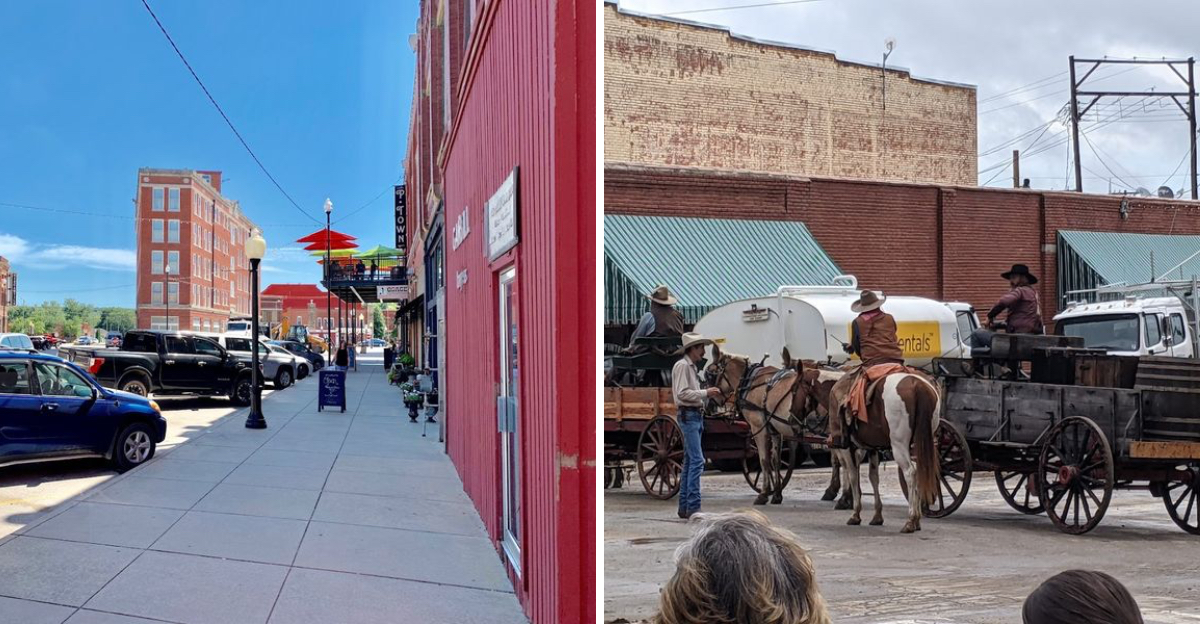
Pawhuska sits in the rolling hills of northern Oklahoma like a secret someone forgot to tell you about. Most people speed past it on their way to somewhere bigger, louder, shinier.
But if you slow down and actually pull off the highway, you’ll find a town that feels like stepping into a story you didn’t know you needed to hear.
It’s got history that runs deeper than most places twice its size, wide-open prairie that makes you remember what sky actually looks like, and a downtown that somehow survived when so many others didn’t.
This isn’t a place trying to be trendy or Instagram-perfect. It’s just real, rooted, and way more interesting than you’d expect from a dot on the map in Osage County.
Downtown That Actually Has Soul
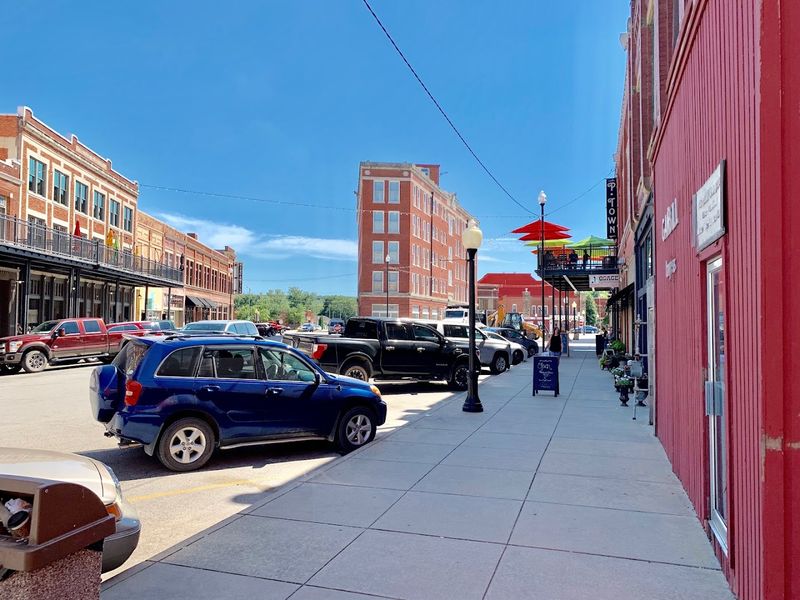
Walking down Kihekah Avenue feels like finding something you thought was extinct. Real storefronts with actual character, not chain stores pretending to have personality.
The buildings date back over a century, and you can tell because they’re built the way things used to be built, with detail work and craftsmanship that nobody bothers with anymore.
What surprises most people is how alive it feels. Sure, there are a few empty spaces like any small town, but there are also cafes serving genuinely good food, shops selling things you didn’t know you wanted, and locals who’ll actually talk to you like a human being.
It’s not trying to be Mayberry or some movie-set version of small-town America.
The Pioneer Woman Mercantile draws crowds, yes, but honestly the whole street benefits from it. People come for one thing and discover ten others.
That’s how you know a downtown still has pulse. You can spend a morning just wandering, poking into places, grabbing coffee, watching people who aren’t in a rush.
There’s parking everywhere, which feels almost luxurious after dealing with city nonsense. And the buildings themselves tell stories if you look up past the storefronts at the old painted signs and architectural details that survived decades of changing tastes and tight budgets.
Osage Nation Museum Tells It Straight
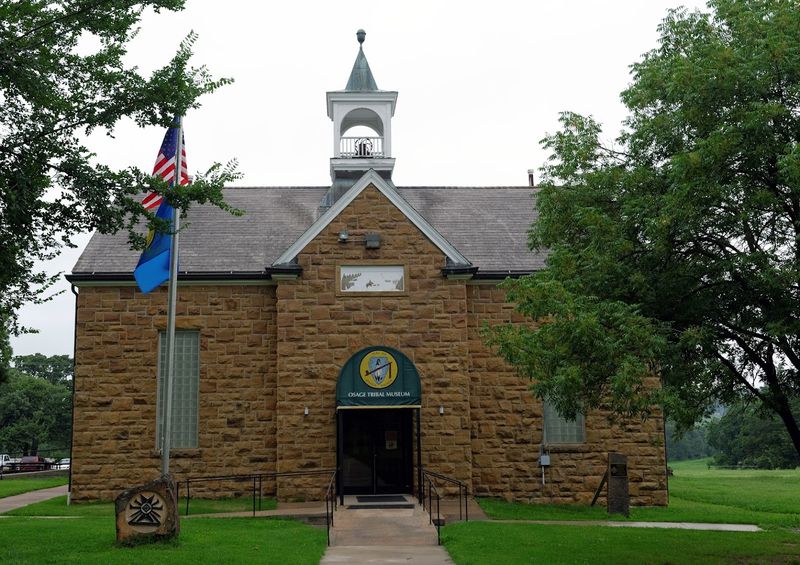
This isn’t some sanitized, feel-good version of history. The Osage Nation Museum sits in a building that’s seen more than most, and it doesn’t shy away from the complicated, often brutal reality of what happened here.
You’ll see beautiful things, artwork and clothing and objects that show incredible skill and tradition, but you’ll also learn about oil rights, government betrayal, and survival against odds that would have crushed most people.
The museum opened back in 1938, making it the oldest tribally owned museum in the country. That matters because it means the stories are told by the people who lived them, not filtered through someone else’s lens or agenda.
The exhibits include photographs that make you stop and really look at faces, at people who built lives here long before Oklahoma was even a state.
What hits hardest is realizing how much wealth flowed through this community during the oil boom, and how much outside interference came with it. The Osage Reign of Terror isn’t ancient history.
It’s grandparents and great-grandparents, people whose descendants still live here.
Admission is free, which feels both generous and appropriate. You leave understanding why this town exists the way it does, why certain buildings stand where they stand, why history here isn’t just dates on a timeline but living memory that shapes everything.
Tallgrass Prairie Preserve Reminds You What Space Feels Like
North of town, the land opens up in a way that makes you realize how boxed-in most of us live. The Tallgrass Prairie Preserve stretches across nearly 40,000 acres of what this part of the world looked like before plows turned it into farmland.
Grass grows taller than you’d think grass should grow, sometimes over six feet when conditions are right, moving in waves when wind sweeps across it.
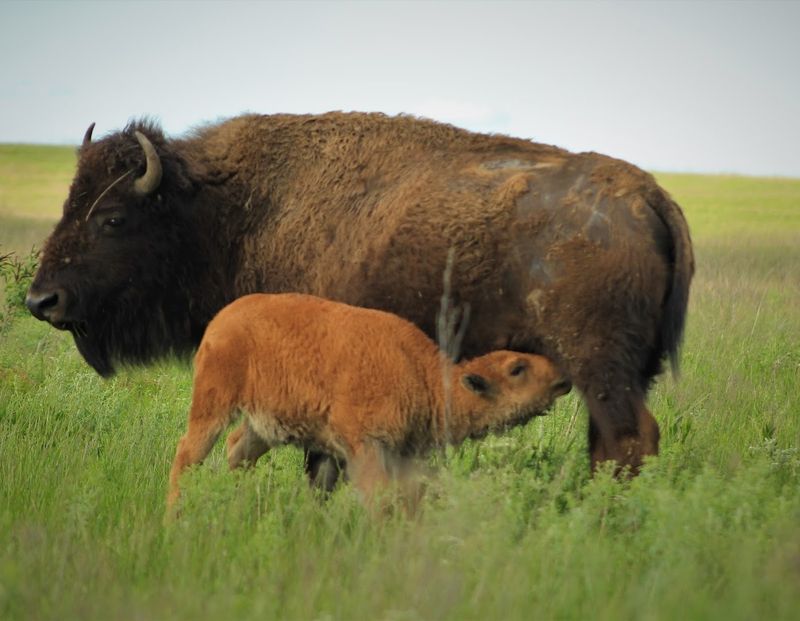
Bison roam here, around 2,500 of them, doing what bison have done for thousands of years. Seeing them in this landscape instead of behind fences at a zoo changes something in your brain.
They’re massive and unbothered, grazing or just standing there like living monuments to everything that almost got wiped out but somehow survived.
The preserve also shelters deer, coyotes, birds you won’t see in cities, and a kind of quiet that feels almost aggressive at first if you’re used to constant noise. There are trails you can hike, roads you can drive, and overlooks where you can just sit and watch weather move across miles of uninterrupted horizon.
It exists in partnership with the Osage Nation, whose stewardship of this land made long-term protection possible. This ecosystem survived because people fought to keep it intact, and you can feel that intention when you’re standing in the middle of it.
Swinging Bridge Over Bird Creek
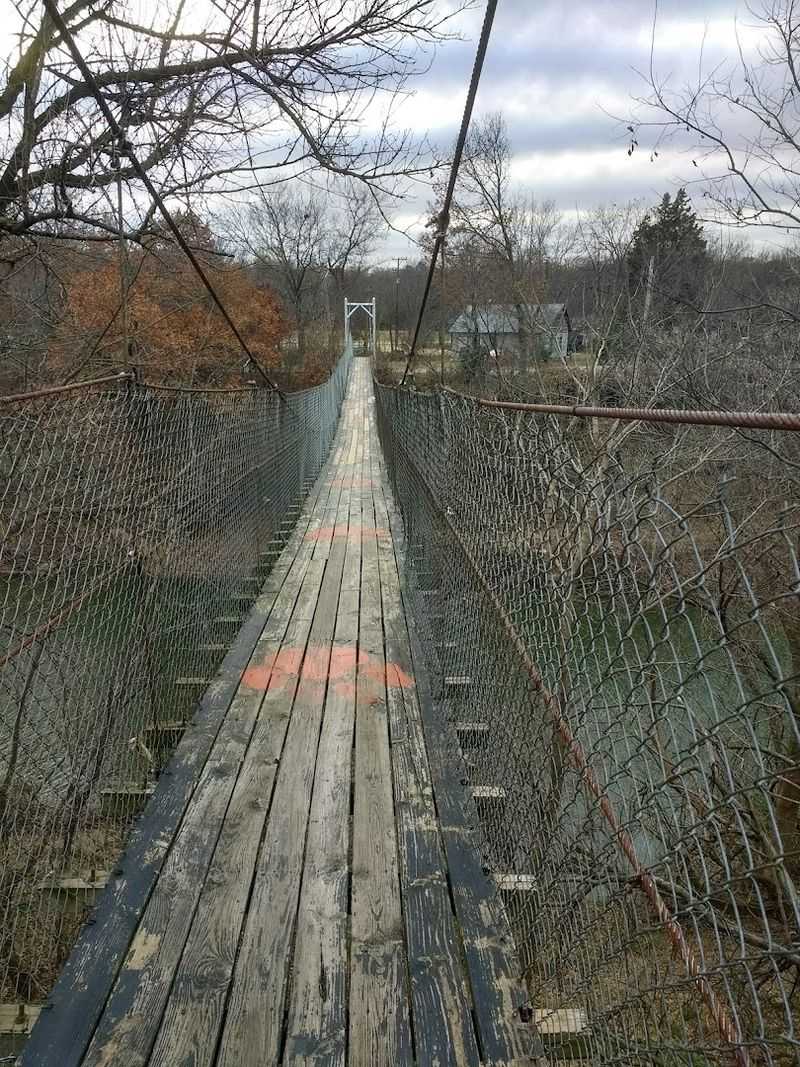
Built in 1926, this wooden bridge hangs over Bird Creek and moves when you walk across it. Not in a scary, structural-failure kind of way, but in a gentle sway that reminds you this thing is held up by cables and faith in old engineering.
The planks creak under your feet, gaps between them let you see water moving below, and the whole experience feels like something from a different era because it literally is.
Local kids have been daring each other to run across it for generations. Adults walk slower, gripping the cable handrails, half-nervous and half-delighted by the mild thrill of it.
It’s only about 120 feet long, but that’s plenty when you’re suspended over a creek with nothing but century-old wood and wire keeping you dry.
The bridge connects to walking paths along the creek, shaded by trees that make summer heat almost bearable. People fish here, families have picnics, and teenagers probably sneak off to have conversations they don’t want parents overhearing.
It’s that kind of spot, useful and charming without trying to be either.
What makes it special isn’t just the bridge. It’s that someone built it in 1926 and chose to preserve it through floods, storms, and lean years rather than swap it for something forgettable.
Bluestem Lake and Falls
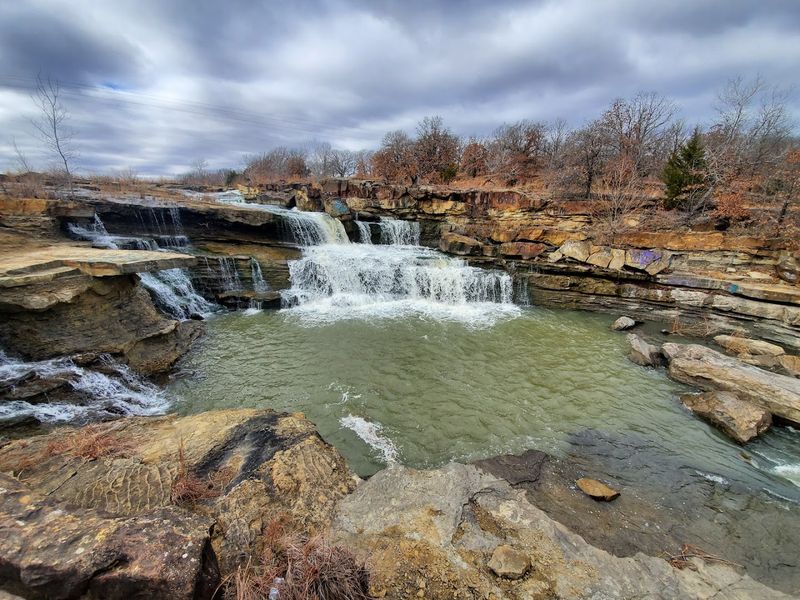
Just outside town, Bluestem Lake sits quiet and stocked with fish that make local anglers very happy. It’s not huge or dramatic, just a nice body of water where you can cast a line, sit in peace, and remember that not everything needs to be an event.
The trail that loops around connects to Bluestem Falls, which sounds grander than it is but delivers exactly what you need after walking through Oklahoma heat.
The falls aren’t Niagara. They’re more like an enthusiastic creek tumbling over rocks in a way that creates pleasant water sounds and a spot cool enough to make you want to linger.
During spring runoff they’re more impressive, during late summer they’re more of a trickle, but either way they mark a destination worth the short hike.
Families come here for easy outdoor time without needing special gear or advanced planning. The trails are manageable for most fitness levels, the scenery is pretty without being showy, and there’s something satisfying about a place that doesn’t oversell itself.
It’s just a lake, just a waterfall, just a nice way to spend a few hours.
You might see deer, definitely see birds, possibly see a turtle sunning itself on a rock. The whole area feels well-used but not overrun, cared for but not manicured into something unnatural.
It’s outdoor space that still feels like outdoors, not a theme park version of nature.
Local Food Scene That Surprised Everyone
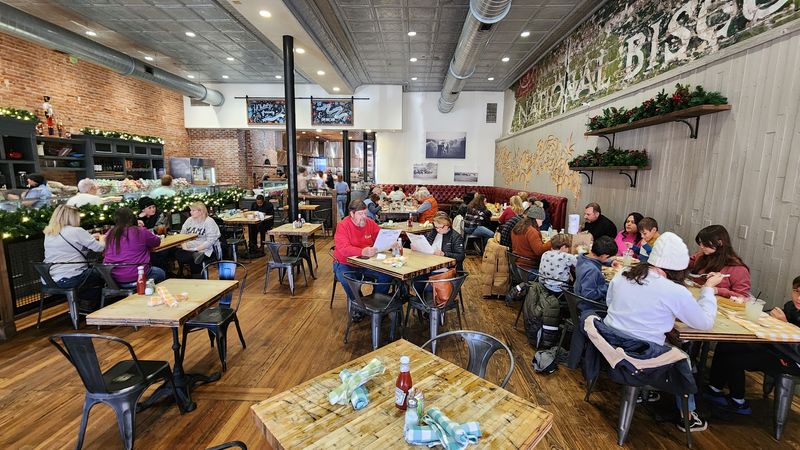
Nobody expected Pawhuska to become a food destination, but here we are. The Mercantile gets most of the attention, and the cinnamon rolls alone justify the hype, but other spots have quietly raised their game too.
You can find genuinely good meals here, not just small-town-good but actually-good by any reasonable standard.
Bakeries turn out pastries that would hold their own in bigger cities. Cafes serve lunch that tastes like someone’s grandmother made it, assuming your grandmother knew her way around a kitchen.
Even the unassuming places surprise you with quality that comes from actually caring about what goes on the plate, not just filling space between bread or under gravy.
What’s interesting is watching a town figure out how to feed tourists without losing its local character. Some places lean into the visitor traffic, others ignore it completely and keep serving the same regulars they’ve fed for years.
Both approaches work because neither feels fake or calculated.
The food reflects the town’s mix of influences: Native American traditions, ranch culture, Southern comfort cooking, and whatever immigrants brought with them over generations. You end up with menus that don’t fit neat categories but make perfect sense when you’re sitting there eating them.
Prices stay reasonable, portions stay generous, and the pace stays relaxed. Nobody’s rushing you through your meal to flip the table.
That alone makes it worth the drive.
Architecture That Survived When Others Didn’t
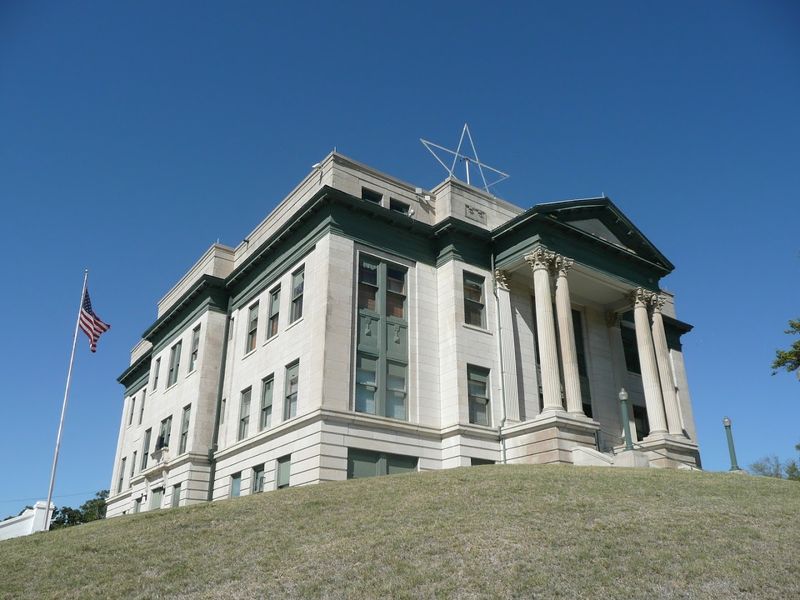
Look up when you’re walking around Pawhuska. The buildings tell better stories than most tour guides could manage.
Stone construction, ornate details, the kind of craftsmanship that cost serious money back when this was one of the wealthiest towns per capita in America thanks to Osage oil headrights. That wealth left marks you can still see in structures that were built to last and somehow did.
The Constantine Theater, the Osage County Courthouse, the old banks and office buildings all speak to an era when people believed in permanence, when putting up a building meant creating something your grandchildren would use.
Some have been restored beautifully, others show their age in ways that feel honest rather than sad.
What’s remarkable is how much survived the mid-century demolition craze that gutted so many downtowns across America. While other places tore down their history to build parking lots and bland storefronts, Pawhuska kept its bones intact.
Partly because the money to demolish and rebuild never showed up, partly because locals recognized what they had.
Now those bones give the town an authenticity you can’t fake or recreate. You can see layers of history in different architectural styles, in modifications made over decades, in the way buildings adapted to changing uses while keeping their essential character.
It’s a living textbook of American small-town architecture, readable to anyone willing to pay attention.
Community That Never Forgot Itself
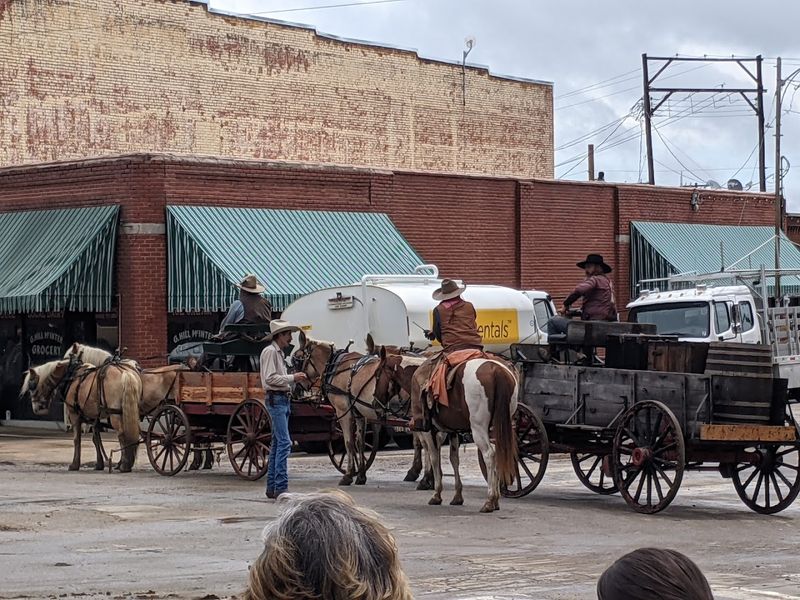
The real story of Pawhuska isn’t buildings or museums or even prairie. It’s people who decided their town mattered enough to fight for it when easier options would have been to let it fade or move somewhere with better prospects.
You feel that determination in how locals talk about the place, not with desperate boosterism but with grounded pride in what survived and what’s being built.
The Osage Nation remains central to everything here, not as a tourist attraction but as living culture and governance that predates Oklahoma statehood and will outlast whatever comes next.
That continuity gives the town a depth most places lack, a sense of identity that goes deeper than Main Street storefronts or recent headlines.
Newcomers have arrived in recent years, drawn by attention or opportunity or just the chance to be part of something that feels real. The mix works better than you might expect, old-timers and new arrivals figuring out how to share space without erasing what made the place worth coming to in the first place.
Events bring people together, regular rhythms of community life that don’t need to be explained or justified. It’s not perfect, no place is, but there’s a genuine sense of collective investment in making this town work.
That’s rarer than it should be and more valuable than most people realize until they’ve spent time in places that lost it.
Pawhuska sits in Osage County, Oklahoma, stubbornly itself and surprisingly compelling for anyone willing to slow down long enough to notice.
Dear Reader: This page may contain affiliate links which may earn a commission if you click through and make a purchase. Our independent journalism is not influenced by any advertiser or commercial initiative unless it is clearly marked as sponsored content. As travel products change, please be sure to reconfirm all details and stay up to date with current events to ensure a safe and successful trip.
