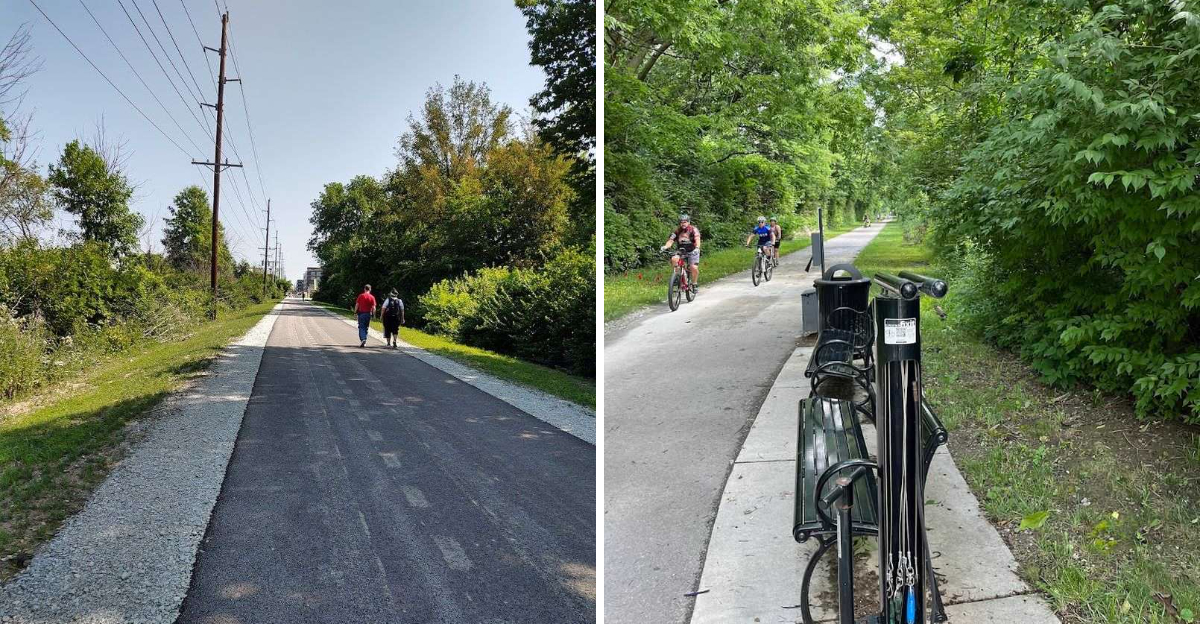
There is something quietly powerful about walking a trail that was once a working railroad corridor. Stretching for miles through some of the most honest, unhurried countryside the state has to offer, it feels like reading a living chapter of Indiana history with your feet.
Along the way, rolling farmland, charming small towns, and glimpses of the old rail infrastructure remind you of the people and stories that shaped this part of the state.
Whether you are a cyclist, a hiker, a history lover, or simply someone looking for a genuine escape from the ordinary, this trail offers a sense of place and calm that lingers long after you’ve returned home.
A Railroad Legacy Reborn as a Recreational Trail
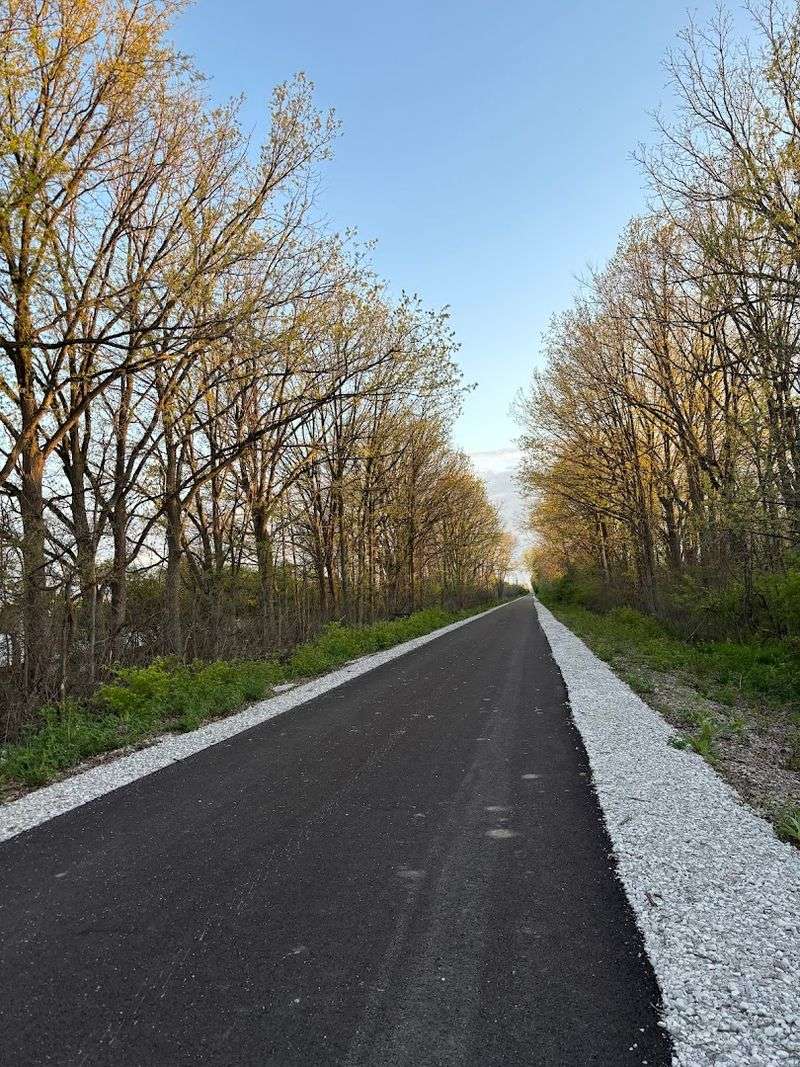
Long before this trail was a place for morning jogs and weekend bike rides, it was the lifeline of a railroad empire. The Nickel Plate Road, formally known as the New York, Chicago and St. Louis Railroad, was one of the most storied freight and passenger lines in the Midwest during the late 19th and early 20th centuries.
Its corridor through North Central Indiana connected communities that depended on it for commerce, travel, and daily life.
When rail service eventually faded, the corridor sat quiet for years. Converting it into a recreational trail preserved not just the physical path but the memory of what it once meant to Indiana.
Walking or riding here, you can still spot old mile markers, graded embankments, and the occasional remnant infrastructure that hints at the industrial past beneath your feet.
The trail connects Kokomo, Peru, and Rochester across roughly 40 miles of converted rail bed. That linear layout, flat and direct, makes it ideal for long-distance cycling and accessible walking for nearly all fitness levels.
The history embedded in this route is not just a backdrop. It is the reason the trail exists at all, and understanding that adds a layer of meaning to every mile you cover on it.
Amish Farmland Views That Feel Like Stepping Back in Time
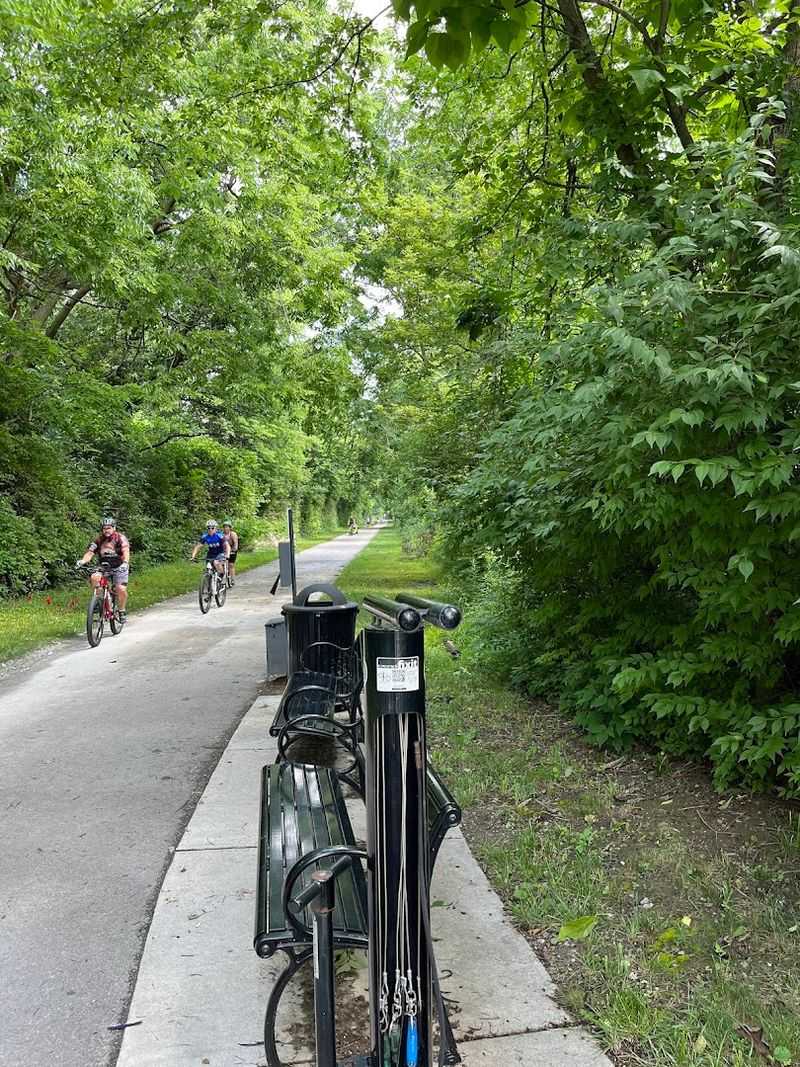
One of the most striking features of the Nickel Plate Trail is how naturally it threads through active Amish farming communities in Miami and Fulton counties. As you travel the rural stretch near Peru and northward toward Rochester, the landscape shifts into something that feels genuinely timeless.
Wide open fields, hand-tended crops, and the occasional horse-drawn buggy moving along a nearby road create a scene that is impossible to replicate anywhere else in Indiana.
The Amish presence here is not a tourist attraction or a staged experience. These are working farms and real communities that have farmed this land for generations.
Cyclists and walkers often slow down naturally in this section, not because the trail demands it but because the scenery earns it. There is a quiet dignity to the landscape that encourages you to look up from your handlebars and actually take it in.
If you time your visit right, you might catch the planting or harvest season, when the fields are at their most active and the air carries that rich earthy scent of turned soil. Some nearby roadside stands offer fresh produce and baked goods, giving trail users a chance to connect with the local culture in a small but meaningful way.
This section alone is worth the drive to North Central Indiana.
Wildlife and Natural Habitat Along Every Mile
The Nickel Plate Trail is not just a path through farmland and history. It is also a living corridor for wildlife that thrives along the edges of former rail lines.
Trail users have spotted great blue herons, red-tailed hawks, wild turkeys, white-tailed deer, and an impressive variety of songbirds. The transition zones between open farmland and wooded stretches create ideal habitat for many species that are otherwise hard to observe up close.
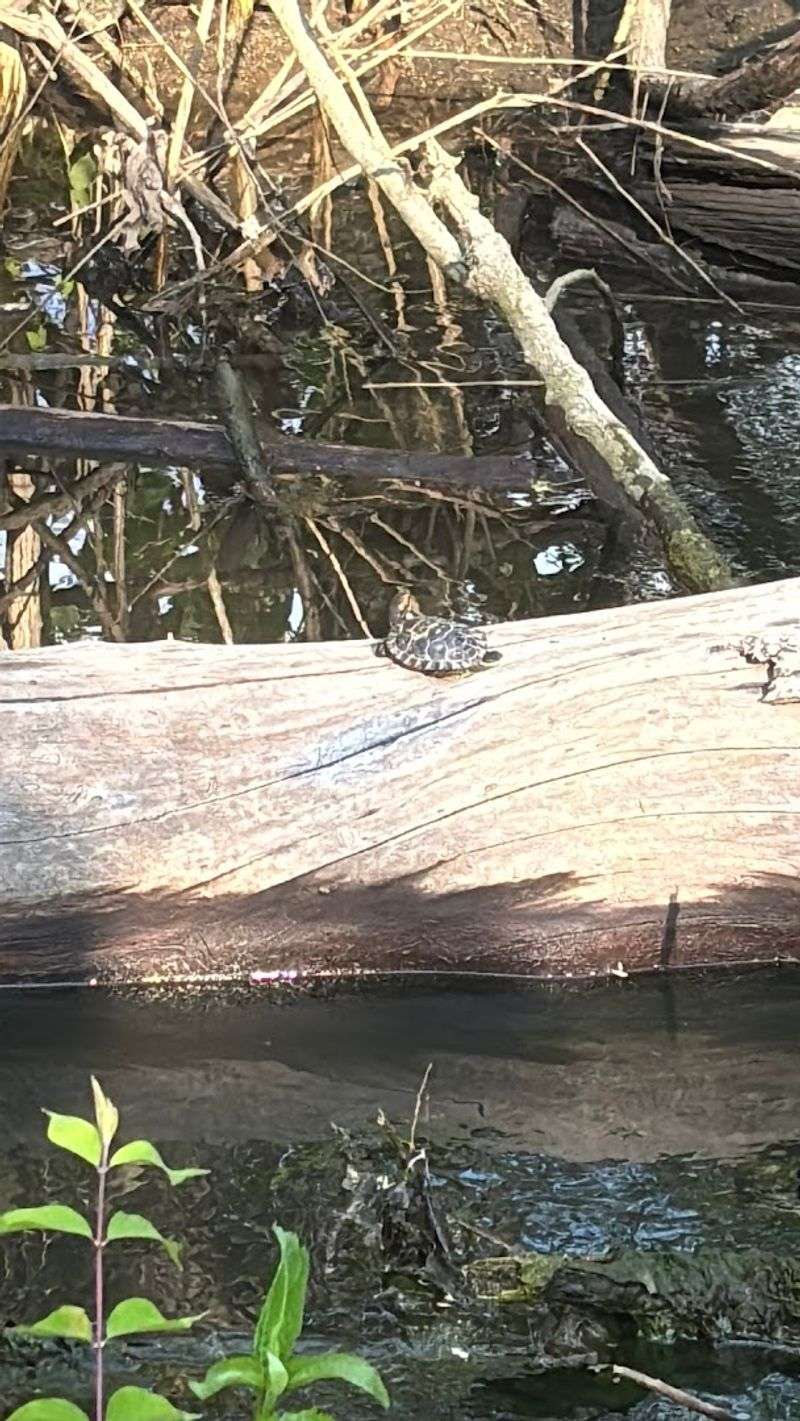
Smaller wildlife encounters are equally rewarding. Painted turtles sunning on rocks near drainage areas, muskrats slipping into slow-moving water channels, and red foxes darting across the trail at dawn are all part of the experience.
The flat, quiet nature of the trail means animals are less disturbed by foot traffic than they might be on busier paths, giving observant visitors genuine wildlife moments without needing to venture into a designated nature reserve.
Spring and early summer are particularly rich seasons for wildlife activity. Wildflowers bloom along the trail edges, pollinators work the open meadow sections, and fledgling birds can often be spotted near nesting areas in the shrubs and tree lines.
Bringing a pair of binoculars is a genuinely good idea here. The trail rewards slow, attentive travel in a way that fast-paced routes rarely do, making it a favorite among birders and nature photographers who know the area well.
Kokomo as Your Southern Gateway to the Trail
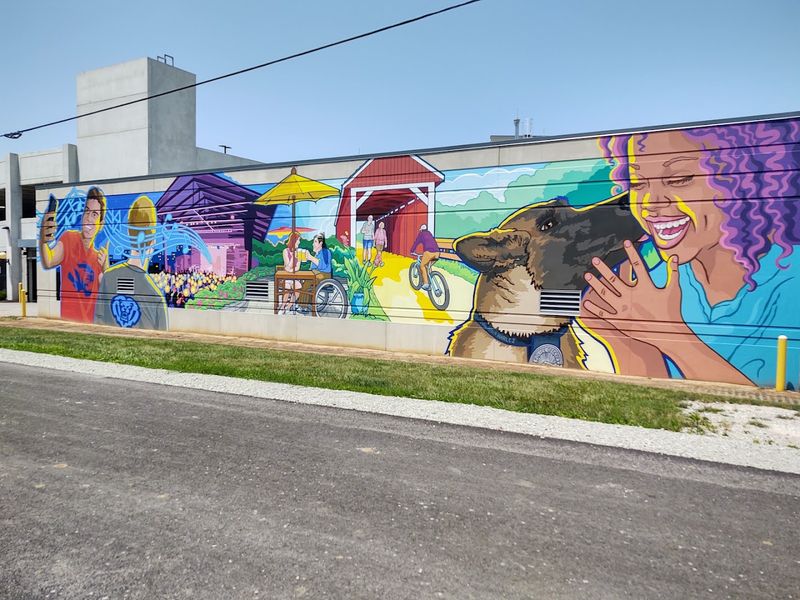
Kokomo serves as the southern anchor for the rural stretch of the Nickel Plate Trail, and it is a city worth arriving in with a little extra time. Known historically as the City of Firsts for its role in early American automotive and technological innovation, Kokomo has a character that goes well beyond its industrial reputation.
The downtown area has seen meaningful revitalization in recent years, and the trail connection adds another reason to explore it on foot or by bike.
Before or after your ride, the Elwood Haynes Museum at 1915 South Webster Street offers a fascinating look at one of Indiana’s most inventive minds. Haynes is credited with building one of the first American gasoline-powered automobiles, and the museum preserves both his home and legacy with genuine care.
It is a short detour that adds real context to the city you are starting your trail journey from.
The Howard County Courthouse and the surrounding historic district give Kokomo a walkable downtown feel that pairs well with trail culture. Local cafes and restaurants near the trailhead make it easy to fuel up before heading north.
Kokomo is not just a starting point. It is a destination in its own right, and beginning your Nickel Plate Trail experience here gives the journey a sense of departure that feels intentional and grounded in place.
Peru and Its Surprising Circus History Midway Through the Route
Midway through the Nickel Plate Trail corridor sits Peru, Indiana, a small city with one of the most unexpected histories in the entire state. During the late 19th and early 20th centuries, Peru was the winter home of several of America’s most famous traveling circuses.
Performers, animals, and elaborate equipment would return here each fall after the touring season ended, earning Peru the nickname Circus Capital of the World.
That legacy is very much alive today. The International Circus Hall of Fame, located at 3076 East Circus Lane, preserves wagons, costumes, photographs, and memorabilia from the golden age of American circus performance.
It is a genuinely quirky and deeply engaging stop that families and solo travelers alike tend to linger in longer than expected. The annual Peru Amateur Circus, performed by local youth, continues a tradition that has run for decades.
For trail users, Peru is a natural rest point where the surroundings shift from open farmland to small-city streets. The Miami County Museum at 51 North Broadway Street adds another layer of local history for those interested in the broader story of the region.
Getting off the trail here and spending an hour walking the downtown area gives the whole journey a richer texture. Peru rewards curiosity, and that makes it one of the most memorable stops along the entire 40-mile route.
Rochester and the Northern Terminus Worth the Full Ride
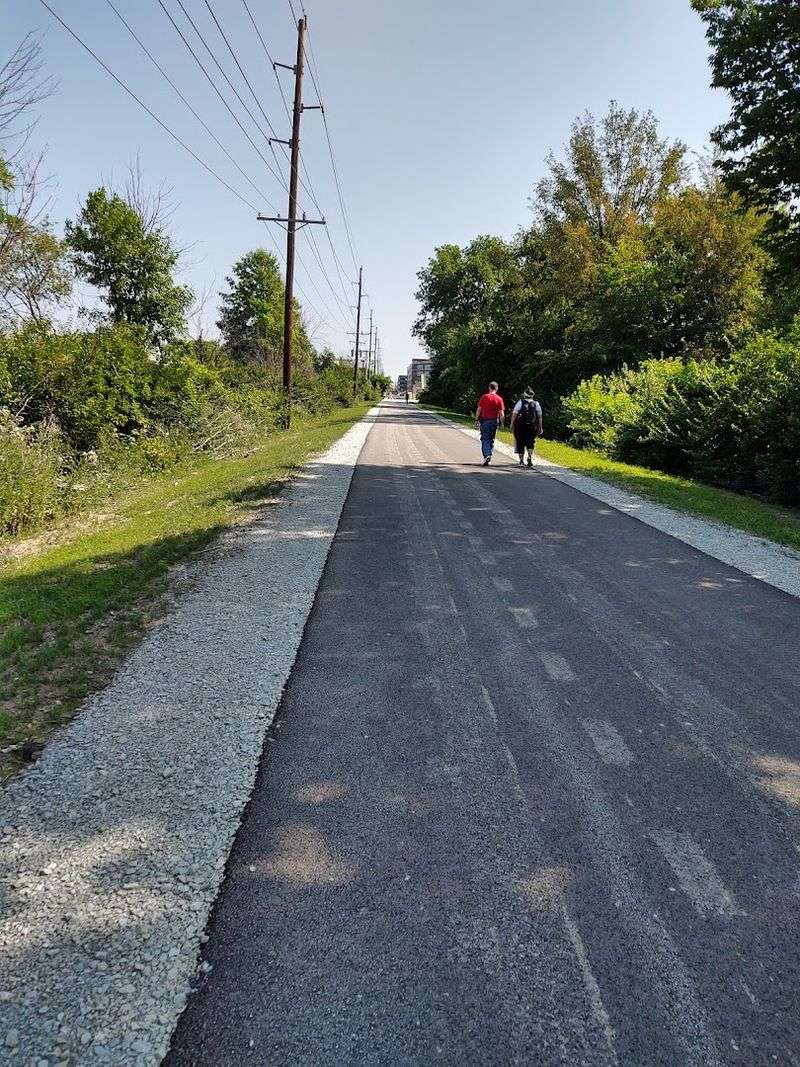
Reaching Rochester after a long ride on the Nickel Plate Trail carries a satisfying sense of completion. As the Fulton County seat and the northern terminus of the rural trail corridor, Rochester offers a quiet, welcoming finish to a journey that has taken you through farmland, small-city history, and open Indiana skies.
The town itself has the kind of unhurried atmosphere that feels increasingly rare in modern travel.
Fulton County is also home to one of the last remaining round barns in Indiana, and the Fulton County Historical Society at 37 East 375 North has done remarkable work documenting the agricultural and cultural heritage of the region. The Round Barn Festival held annually in Rochester draws visitors from across the state who share an appreciation for rural Indiana’s architectural and farming traditions.
It is the sort of local event that does not get national press but absolutely deserves it.
Lake Manitou, located just south of Rochester at the edge of town, adds a recreational dimension that extends the visit naturally. Fishing, kayaking, and shoreline walking make it a logical next stop after finishing the trail.
The combination of a completed long-distance ride, a bit of local history, and a quiet lake on the edge of a small Indiana town creates the kind of travel day that is hard to plan but easy to remember. Rochester earns its place as more than just an endpoint.
Accessibility and Trail Conditions That Make Every Skill Level Welcome
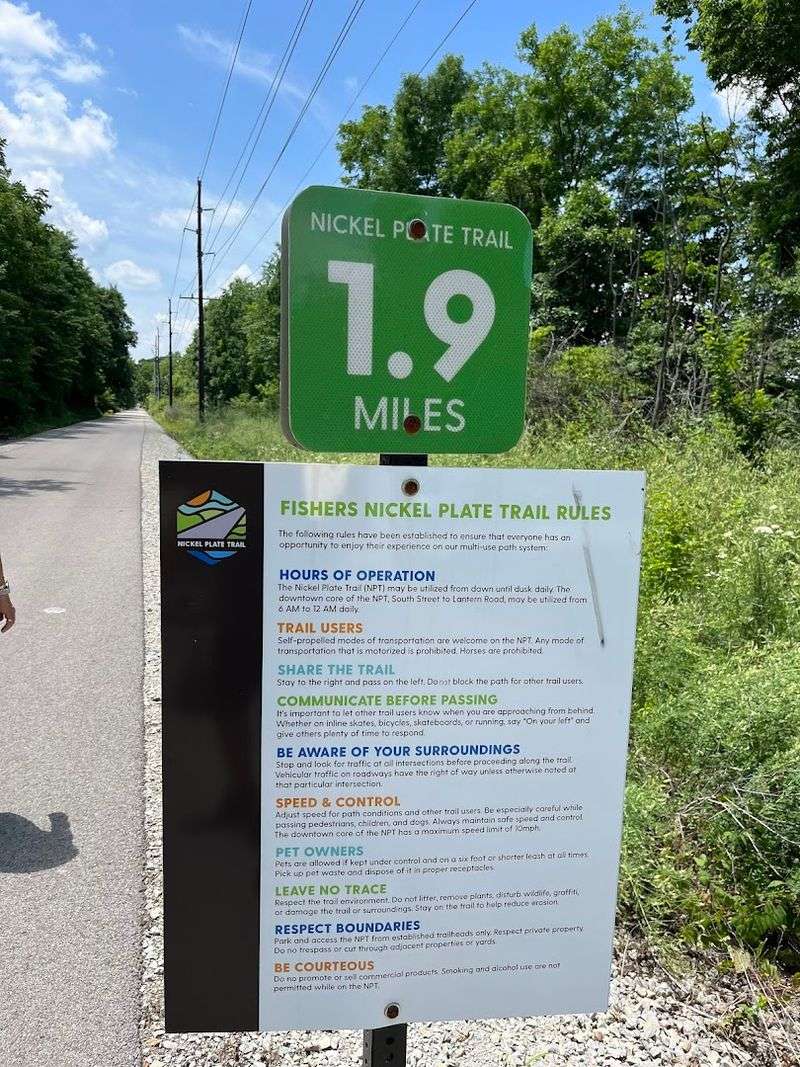
One of the most practical things to know about the Nickel Plate Trail is how genuinely accessible it is for a wide range of users. Because the trail follows a former railroad corridor, the grade is remarkably flat across nearly all of its 40-mile rural stretch.
Former rail lines were engineered to avoid steep elevation changes, and that design philosophy translates directly into a trail that beginners, older adults, families with young children, and casual cyclists can all enjoy without feeling overwhelmed.
The paved surface along much of the trail makes it suitable for road bikes, hybrid bikes, and even strollers or mobility devices in sections where the pavement is well-maintained. Trail users consistently note that the flat, open layout makes it easy to set your own pace and distance without worrying about difficult terrain.
You can ride five miles or thirty-five, and the trail accommodates both with equal ease.
Parking access points are available at multiple locations along the route, which means you do not have to commit to the full 40 miles to enjoy the experience. Starting at a midpoint near Peru or entering from a county road trailhead gives flexibility that rigid trail systems rarely offer.
Bringing water, sunscreen for the open farm stretches, and a basic repair kit for cyclists is genuinely worthwhile advice. The trail rewards preparation, and a little planning goes a long way toward making your visit smooth and enjoyable from start to finish.
Dear Reader: This page may contain affiliate links which may earn a commission if you click through and make a purchase. Our independent journalism is not influenced by any advertiser or commercial initiative unless it is clearly marked as sponsored content. As travel products change, please be sure to reconfirm all details and stay up to date with current events to ensure a safe and successful trip.
