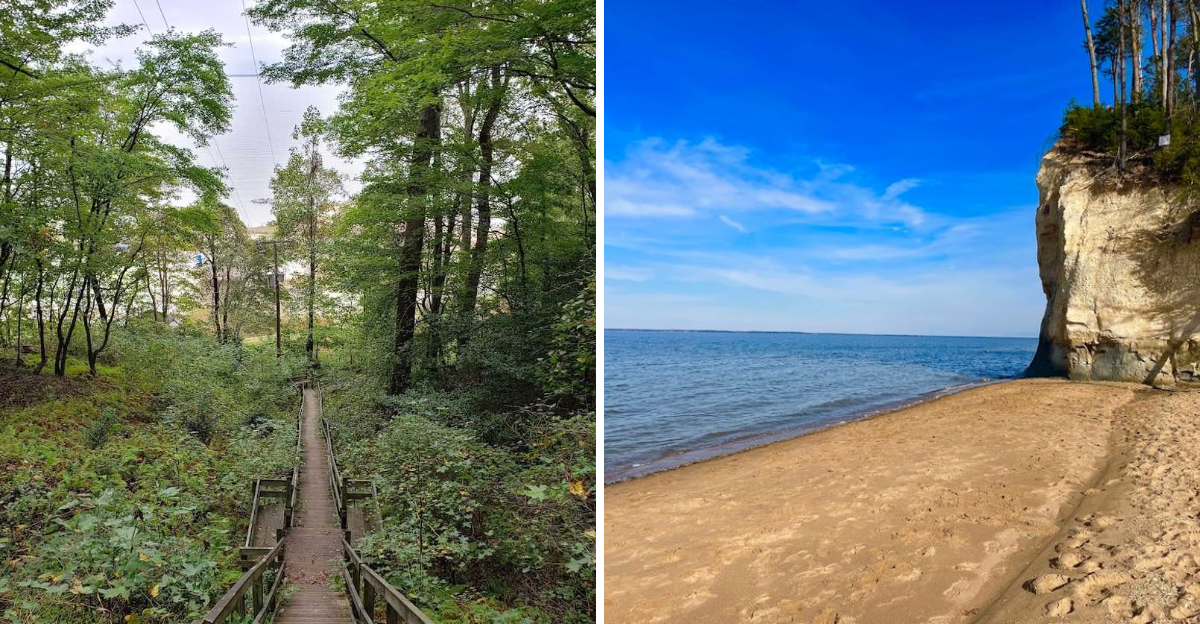
Scan the shoreline for a moment and you might spot something that predates humanity by millions of years. Along Virginia’s Northern Neck, this spot offers one of the most unusual beach experiences on the East Coast.
Fossilized shark teeth from roughly 25 million years ago are scattered among the gravel, waiting to be discovered by anyone willing to look closely. The rush of finding one with your own hands is hard to match, even for seasoned park visitors.
It is the kind of place locals quietly treasure and newcomers quickly become fascinated by, earning its reputation as a must-visit destination in Virginia.
Fossil Beach: Where Prehistoric Sharks Still Rule
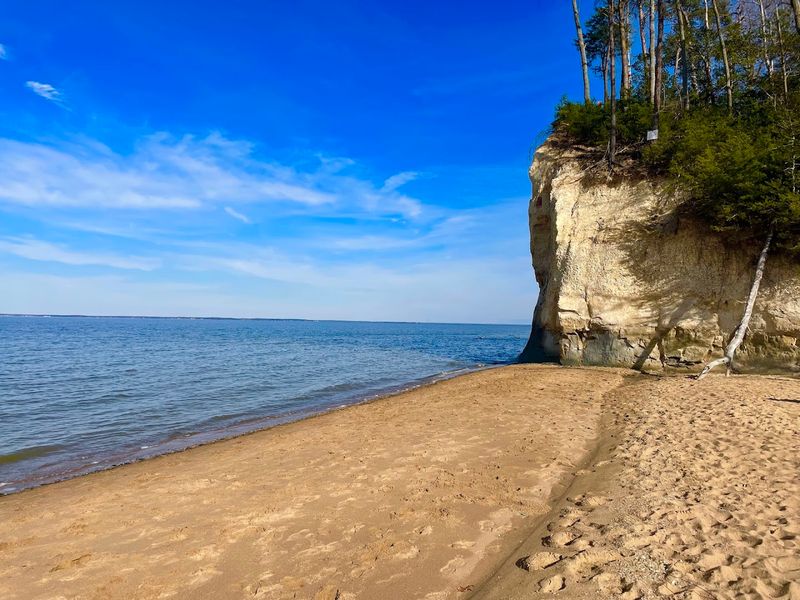
Picture this: you’re crouching on a quiet little beach, fingers sifting through wet gravel, and suddenly you pull out a jet-black triangle that’s older than human civilization by a jaw-dropping margin. That’s the magic of Fossil Beach at Westmoreland State Park, and it never gets old.
The beach sits at the base of Horsehead Cliffs, where the Potomac River steadily erodes the ancient sediment and deposits fossils right onto the shoreline. Most of what you’ll find dates back to the Miocene epoch, roughly 25 million years ago, when this entire region was submerged beneath a warm, shallow sea teeming with giant sharks.
Shark teeth are the star attraction, and they come in all sizes, from tiny slivers to chunky, well-preserved specimens. You’ll also spot ray dental plates, whale bone fragments, and the occasional shell fossil if you look carefully.
Bring a colander or mesh screen to sift through the gravel near the waterline for the best results. The thrill of the find is absolutely real, and every single visit feels like a fresh treasure hunt on the shores of Virginia.
The Big Meadow Trail Down to the Shore
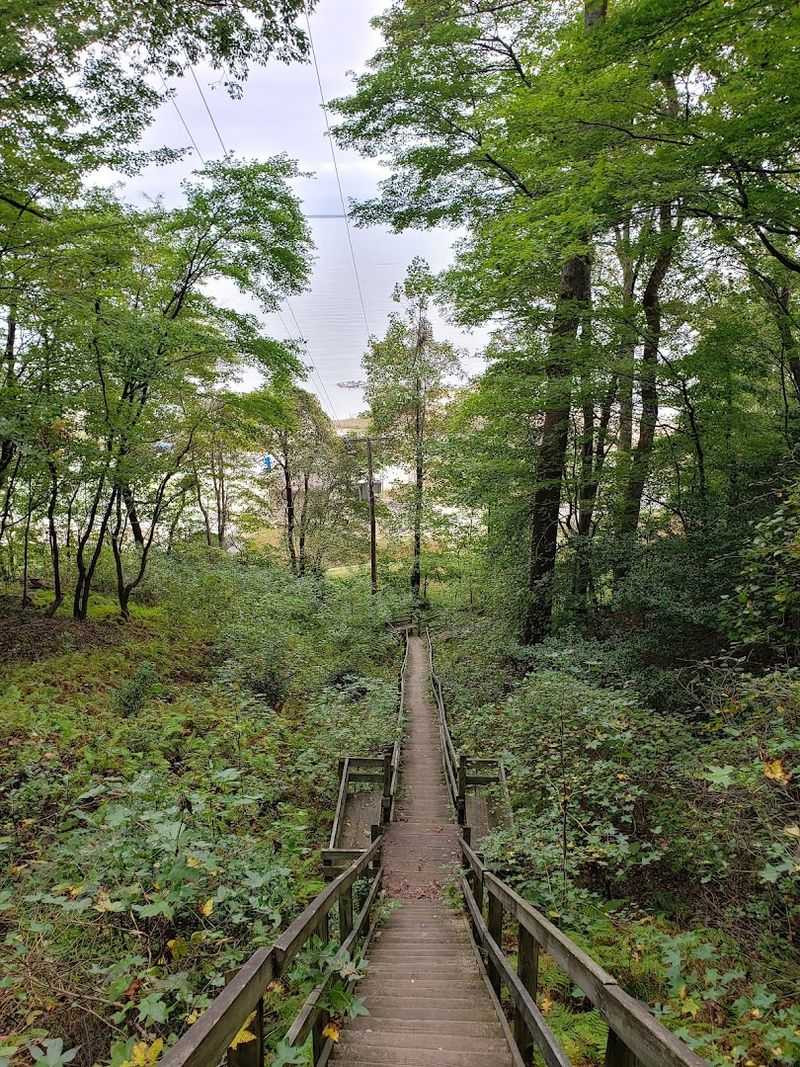
Getting to Fossil Beach is half the adventure, and the Big Meadow Trail delivers a proper forest experience before you even set foot on the sand. Starting near the visitor center, this trail winds downhill through a lush canopy of mature trees, with roots threading across the path and birdsong filling the air.
The trail stretches just under a mile one way, making it totally manageable for families with kids or anyone who prefers a casual walk over a serious workout. A wooden bench sits roughly halfway down, which is a genuinely welcome sight on the return trip since that uphill stretch is no joke after a full morning of fossil hunting.
Trail markers are clear and well-maintained, so getting lost is not a realistic concern. The forested descent creates a sense of anticipation, like the park is slowly revealing its best feature one leafy step at a time.
Once the trees thin out and the Potomac comes into view, the payoff feels completely earned.
Wear sturdy shoes with grip, especially after rain when roots and soil can get slippery. This trail sets the tone for everything Westmoreland State Park does brilliantly: simple, beautiful, and deeply satisfying.
Horsehead Cliffs and the View That Stops You Cold
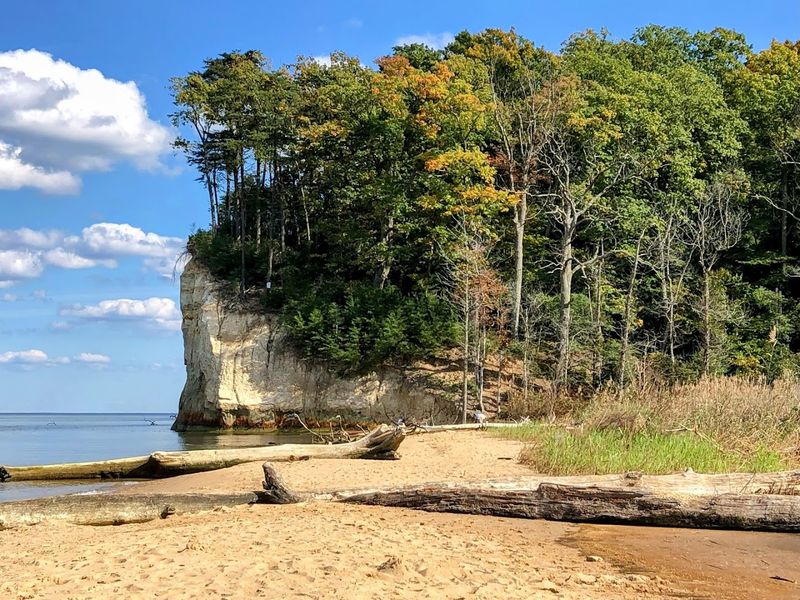
Standing at the base of the Horsehead Cliffs and craning your neck upward is one of those genuinely humbling moments that Virginia’s outdoors delivers so well. These towering bluffs of sand and sediment rise dramatically above Fossil Beach, their layered faces telling a geological story that spans tens of millions of years.
The cliffs are actively eroding, which sounds alarming but is actually the whole reason fossils keep appearing on the beach below. Every storm, every tide cycle, every season nudges more ancient material down to the shoreline.
It’s a slow, relentless gift from deep time, and Westmoreland State Park is one of the best places on the East Coast to witness it up close.
From the top of the bluffs, the views across the Potomac River stretch wide and cinematic, especially on clear mornings when the water catches the light. Bald eagles and osprey frequently soar along the ridgeline, adding a wildlife dimension that feels almost theatrical.
Stay well clear of the cliff faces themselves, as the soft sediment can shift without warning. Admire them from a safe distance and let the sheer geological spectacle sink in.
Few spots in Virginia pack this much raw, ancient drama into one frame.
The Visitor Center: Small Space, Big Personality
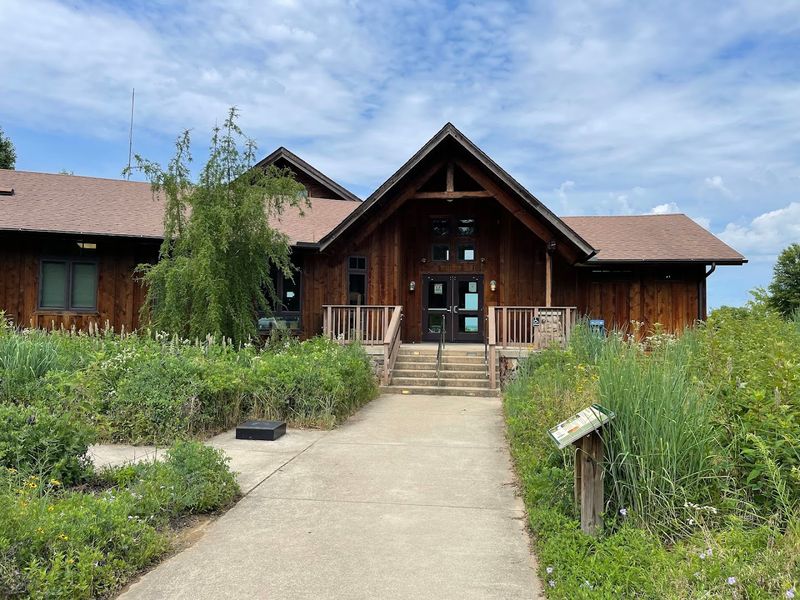
Before heading down to the beach, a stop at the visitor center is genuinely worth your time. It’s compact but packed with character, housing educational exhibits about the park’s geology, wildlife, and fossil history that give real context to everything you’re about to see outside.
Live animal ambassadors are a highlight, including snakes and turtles that the park rangers use for educational programs. Watching a snake finish its lunch while a ranger calmly explains the local ecosystem to a group of wide-eyed kids is exactly the kind of unscripted moment that makes state parks so endearing.
A small gift shop offers souvenirs, field guides, and a few practical supplies. Knowledgeable rangers are stationed here and genuinely enjoy chatting about the park’s history, pointing out the best spots for fossil hunting, and answering questions with a level of enthusiasm that’s contagious.
Picking up a trail map here is a smart move before exploring. The visitor center also serves as the registration point for significant fossil finds, since the park encourages collectors to log notable discoveries.
It’s a small ritual that connects your personal find to a larger scientific record, which makes that shark tooth in your pocket feel even more meaningful.
Kayaking and Boating on the Potomac River
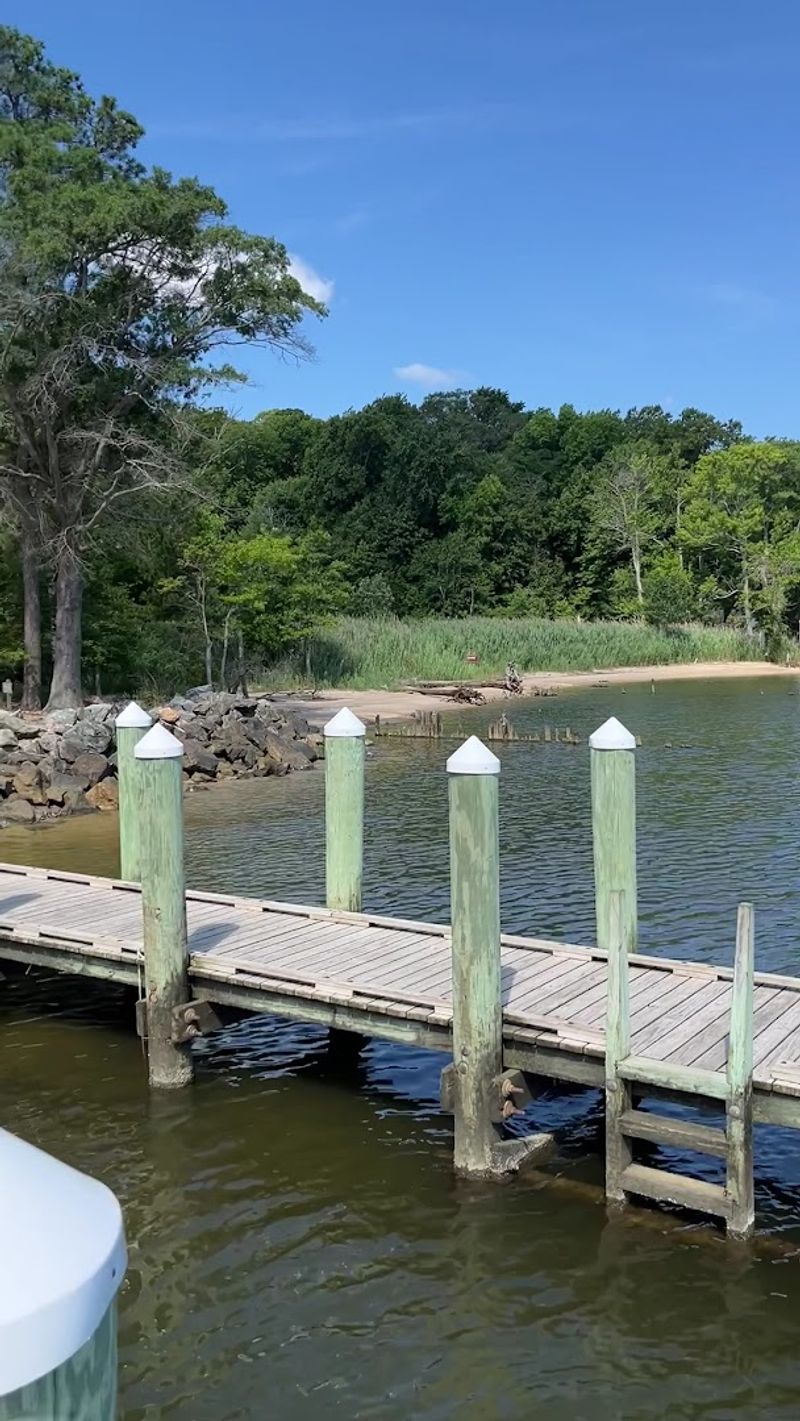
The Potomac River at Westmoreland State Park is a different creature from the choppy, boat-traffic-heavy sections farther north. Out here on Virginia’s Northern Neck, the water runs wide and surprisingly calm, making it ideal for paddling at a relaxed, exploratory pace.
Kayak and paddleboard rentals are available at the boathouse, which means showing up without gear is no obstacle. The river views from water level are spectacular, with the Horsehead Cliffs visible from a completely different angle and the wooded shoreline stretching in both directions without a single building in sight.
A boat ramp accommodates visitors who bring their own watercraft, and fishing from a kayak is a popular combination. Striped bass, catfish, and perch are all present in these waters, and the quiet pace of paddling makes spotting wildlife significantly easier than motoring past.
Bald eagles are a genuine possibility on any given morning, often perched in the tall trees lining the banks or circling overhead in lazy spirals. Going out on the water early, before the midday sun cranks up, gives the whole experience a golden, unhurried quality that perfectly captures what makes Virginia’s state park system so worth exploring.
Camping Under the Stars in Three Distinct Campgrounds
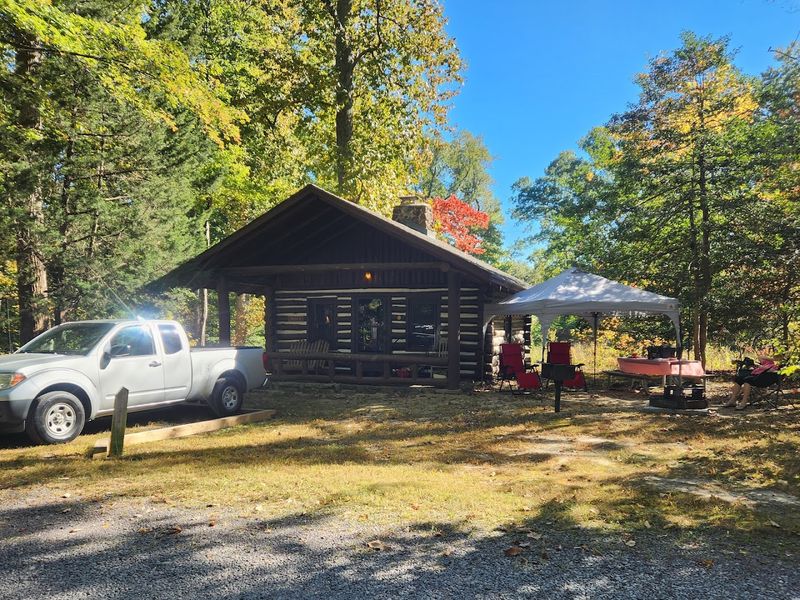
Spending the night at Westmoreland State Park transforms the whole experience from a day trip into something much richer. The park offers three campground areas, each with its own atmosphere, catering to different styles of outdoor sleeping.
Campground A is the most heavily wooded option, with deep shade and a classic forest-camping feel that tent enthusiasts love. Pull-through sites make it accessible for larger rigs too, and the bathhouse here includes laundry facilities, which is a legitimate luxury after a few days of riverside adventuring.
Campground B sits in a more open layout, designed primarily for RVs and trailers. The bathhouse in this section is notably modern and well-maintained, earning consistent praise from everyone who uses it.
Campground C goes full wilderness mode, offering the most secluded and primitive experience of the three. Privacy and pine trees are the main selling points here, though muddy conditions after rain are a real consideration.
All campsites come equipped with fire pits and picnic tables, and the park’s dog-friendly policy makes it a popular choice for families traveling with pets. Tick prevention is essential in this region of Virginia, so treat your gear and your animals before arrival without exception.
The Main Beach: Swimming, Picnics, and Potomac Sunsets
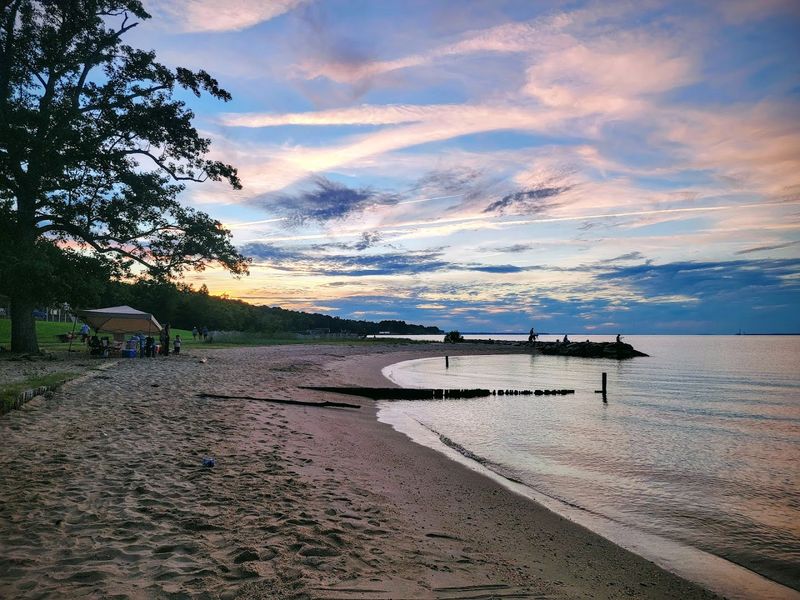
Not every beach visit needs to involve a geology lesson, and the main swimming beach at Westmoreland State Park delivers pure, uncomplicated fun. Positioned separately from Fossil Beach, this stretch of shoreline is set up specifically for recreation, with picnic tables and charcoal grills lining the area in an easy, casual layout.
The Potomac River here is gentle enough for swimming, and the sandy, pebbly mix underfoot is best navigated with water shoes. Views from the beach look out across a broad expanse of river, and on clear evenings the sunsets paint the water in shades of orange and copper that feel almost theatrical.
Kayak rentals operate from the nearby boathouse, making it easy to combine a swim with a paddle without hauling any equipment. Concession options are available seasonally, so packing your own supplies is always the safer strategy for a full day out.
Families set up camp at the picnic tables for hours at a stretch, kids wade in the shallows, and the whole scene has a relaxed, unhurried energy that’s genuinely restorative. Summer weekends fill up fast, so arriving early secures the best spots along the waterfront before the crowds settle in for the day.
Wildlife Watching: Eagles, Herons, and Surprises
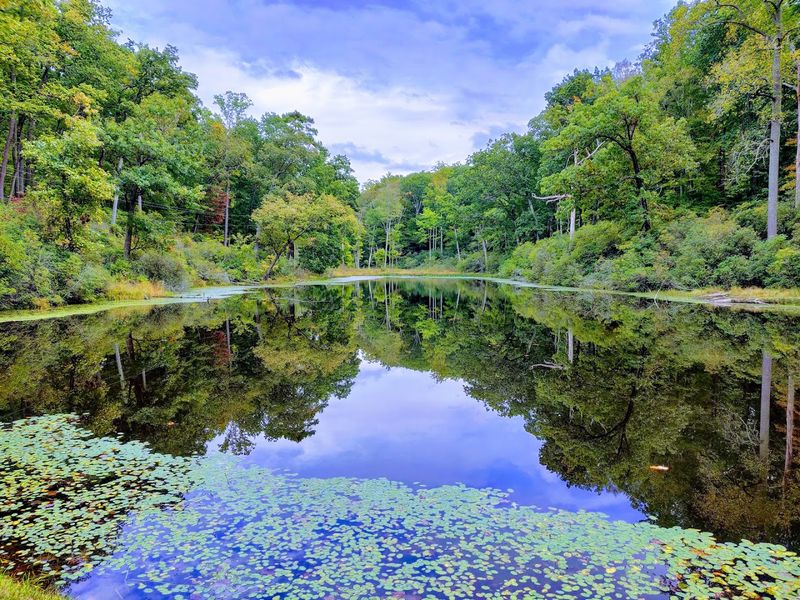
Westmoreland State Park sits in one of Virginia’s most ecologically rich corridors, and the wildlife here does not disappoint. Bald eagles are arguably the headline act, frequently spotted soaring above the river or perched in the tallest trees along the bluff trail, and seeing one up close never stops feeling remarkable.
Great blue herons wade in the shallows with an almost meditative patience, while osprey dive dramatically for fish in the open water. The wetland areas along the trails support a surprising diversity of species, including deer, box turtles, and an assortment of lizards that dart across sun-warmed rocks with impressive speed.
Tiny toads appear in astonishing numbers along the forest trails during certain seasons, carpeting the path in miniature hopping forms that require careful footwork. Even the insects have personality here, with mating swarms of small beetles occasionally claiming Fossil Beach as their temporary territory in a display that’s equal parts bizarre and fascinating.
Birders especially find Westmoreland rewarding, since the combination of river, marsh, and mature woodland creates overlapping habitats that attract a wide variety of species throughout the year. Bring binoculars and move quietly along the trails for the best sightings.
Fossil Collecting Rules: What You Can Keep
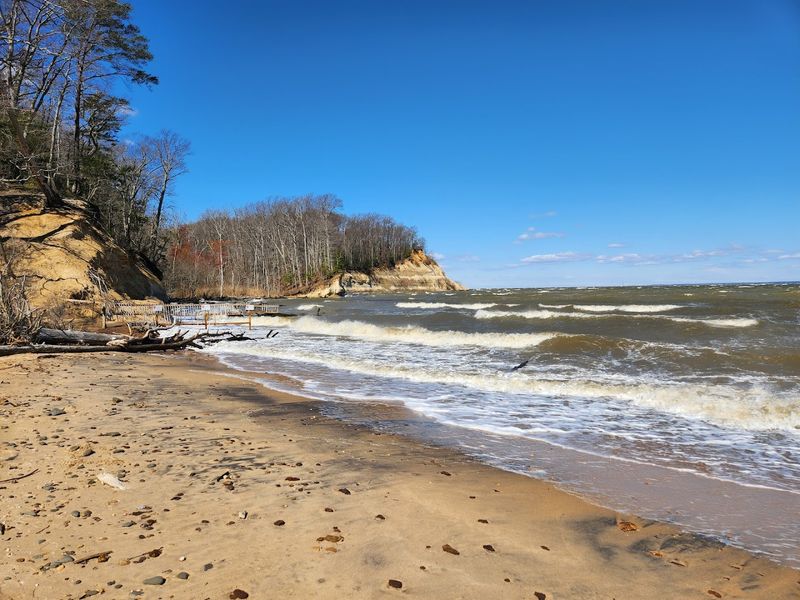
One of the genuinely wonderful things about Westmoreland State Park is that fossil collecting is not just tolerated but actively encouraged. You can take home what you find, which puts it in a rare category among fossil sites in Virginia and across the broader East Coast region.
The park’s guidelines are straightforward and designed to keep things sustainable. Collecting is permitted for personal, non-commercial use, and the park asks that significant finds be registered at the visitor center.
This registration process contributes to ongoing scientific documentation of what the site is producing, connecting casual collectors to a larger research effort.
Tools like colanders, mesh screens, and small hand shovels are perfectly acceptable and genuinely improve your success rate. Working the gravel near the waterline at low tide is the most productive strategy, since wave action concentrates heavier fossils in specific zones along the beach.
Shark teeth are the most common find, appearing in shades of black, gray, and brown depending on their age and mineral composition. Ray dental plates and fragments of ancient bone also turn up with some regularity.
The park recommends checking tide schedules before your visit, since low tide dramatically expands the accessible beach area and improves fossil hunting conditions considerably.
Planning Your Trip to Westmoreland State Park
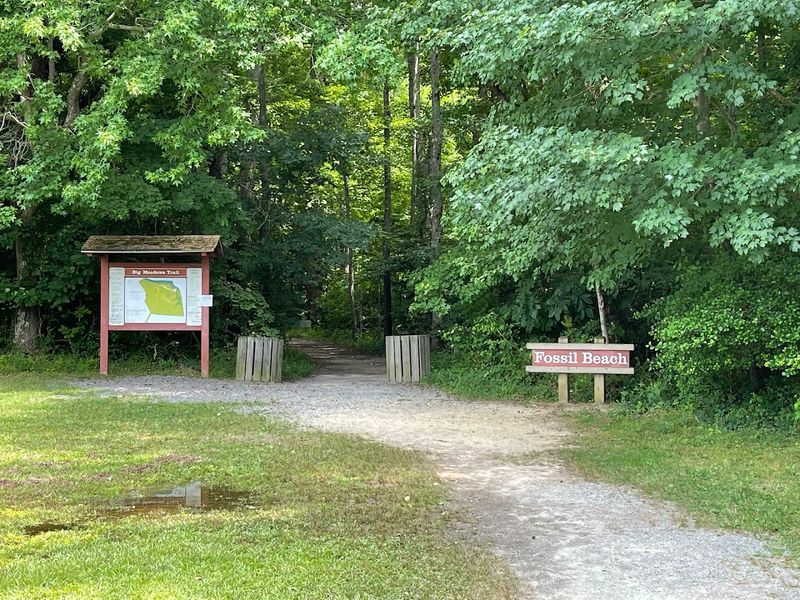
Getting to Westmoreland State Park is part of the pleasure. The drive in along Cliff Road winds through a split-lane canopy of trees that immediately signals you’re leaving the ordinary world behind.
Located at 145 Cliff Road, Montross, VA 22520, the park sits on Virginia’s Northern Neck peninsula, roughly equidistant from Richmond and the Washington D.C. area.
A parking fee applies to day visitors, and the entry road itself is scenic enough to set the mood before you’ve even parked. The park is open year-round, though summer brings the fullest range of amenities including rental equipment, seasonal concessions, and ranger-led programs that are especially good for families with curious kids.
Spring and fall offer cooler temperatures and thinner crowds, which makes fossil hunting more relaxed and wildlife spotting more productive. Winter visits have their own quiet appeal, with the bare trees opening up long views through the forest that summer obscures completely.
Cell service is minimal inside the park, so downloading trail maps in advance is a practical step. The park’s official website through the Virginia Department of Conservation and Recreation carries current program schedules, reservation details for camping and cabins, and updates on any seasonal closures.
Westmoreland State Park rewards every level of planning, from spontaneous day trips to carefully organized overnight stays.
Dear Reader: This page may contain affiliate links which may earn a commission if you click through and make a purchase. Our independent journalism is not influenced by any advertiser or commercial initiative unless it is clearly marked as sponsored content. As travel products change, please be sure to reconfirm all details and stay up to date with current events to ensure a safe and successful trip.
