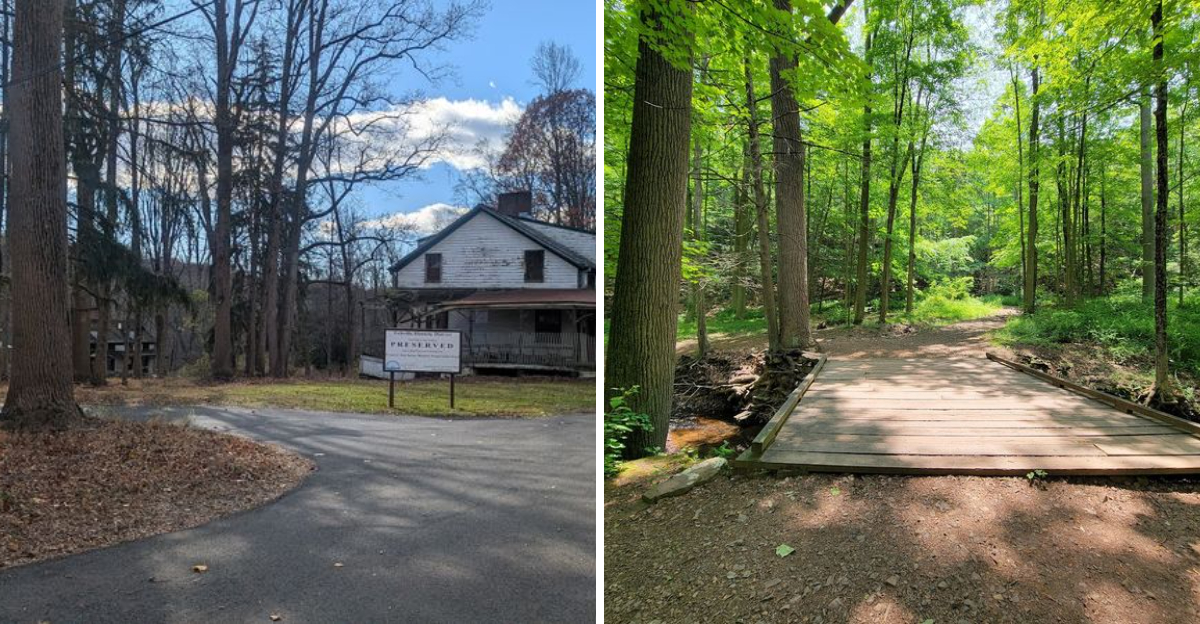
Think your neighborhood has history? Try wandering through a place where George Washington himself once dreamed of building an empire.
Tucked along the roaring Potomac River sits the crumbling remains of Matildaville, a town that vanished almost as quickly as it appeared. This isn’t some dusty textbook tale.
Walk the trail today and you’ll stumble upon stone foundations, canal locks, and whispers of ambition that crashed harder than the falls themselves. Most people zoom past on their way to snap waterfall selfies, completely missing the fact that they’re steps away from one of Virginia’s most fascinating failures.
Matildaville was supposed to be the next big thing, a booming port city that would change commerce forever. Instead, it became a ghost village frozen in time, waiting for curious explorers to piece together its wild story.
Ready to time travel without leaving Virginia? Lace up those hiking boots.
George Washington’s Grand Vision Started Everything
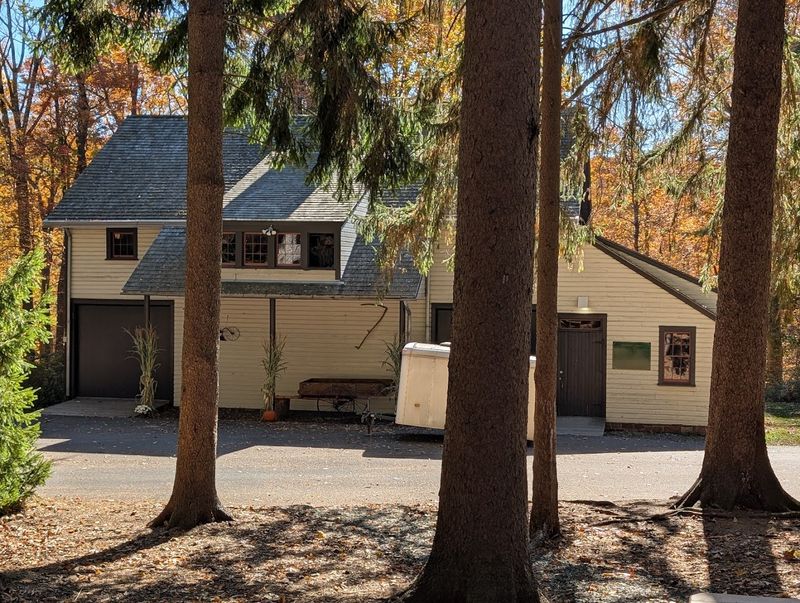
Picture this: America’s first president wasn’t just leading a country. He was scheming up business ventures that would make modern entrepreneurs jealous.
Washington saw the Potomac River as a golden highway for trade, and he convinced his buddies to invest big money into making it navigable.
The Patowmack Company launched with serious firepower behind it. Washington himself served as president of the company, pouring his own cash and reputation into the project.
They planned to build canals that would bypass the treacherous Great Falls and connect the coast to the western frontier.
Henry Lee, a Revolutionary War hero and Virginia governor, bought land here and named the future town after his first wife, Matilda. He imagined warehouses, shops, and homes lining streets bustling with merchants.
Construction crews blasted rock and dug channels through solid stone.
Everything looked promising on paper. Investors lined up.
Workers hammered away. But nature had other plans, and the Potomac proved far more stubborn than anyone expected.
The dream was massive, the ambition contagious, and the optimism sky-high before reality came crashing down.
Canal Locks That Defied The Potomac’s Fury
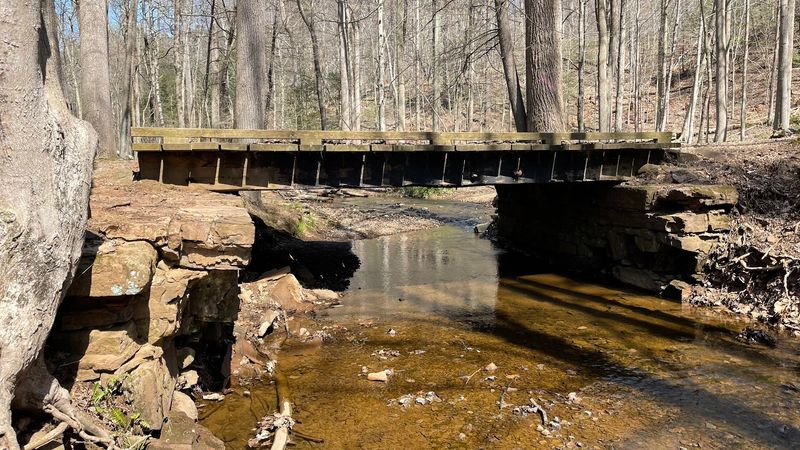
Engineering in the late seventeen hundreds meant backbreaking labor with hand tools, explosives, and pure grit. Workers carved five bypass canals around Great Falls, each one a marvel of determination.
These weren’t gentle garden waterways. They were industrial-strength passages designed to move heavy cargo boats upstream.
The locks raised and lowered vessels around the falls’ deadly drop. Stone walls stacked without modern machinery still stand today, testament to the skill of those early builders.
You can walk right up to these structures and touch the same rocks that workers hauled into place over two centuries ago.
Floods hammered the canals relentlessly. Spring meltwater turned the Potomac into a raging beast that ripped apart wooden gates and undermined foundations.
Repairs cost a fortune. Every time crews fixed one section, another would fail.
Operating the system required constant maintenance and a small army of workers. Boat captains paid tolls to use the canals, but the fees never covered expenses.
The company bled money year after year.
Still, those stone channels remain, stubborn reminders of an era when people believed they could tame any river with enough sweat and stone.
The Town That Almost Was
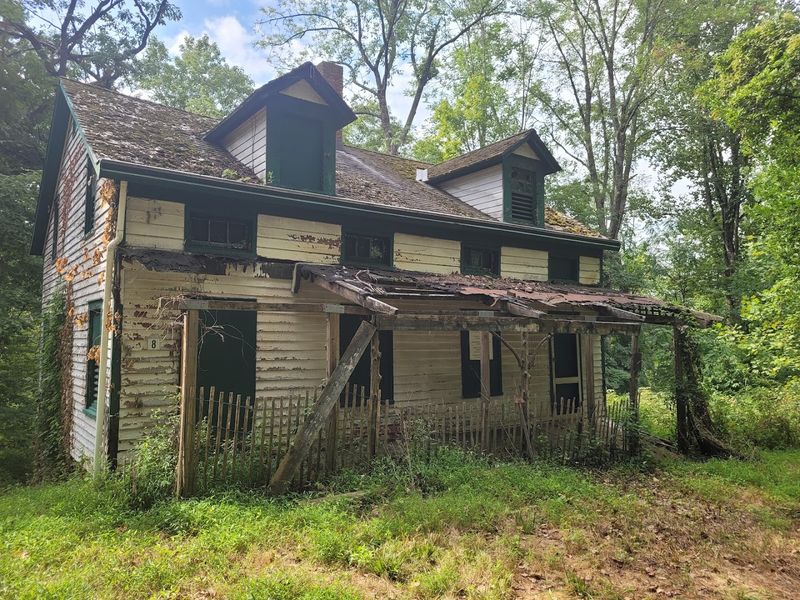
Matildaville sprang up practically overnight. Workers needed housing, merchants saw opportunity, and suddenly a town materialized beside the canals.
At its peak, around forty buildings dotted the landscape. Homes, taverns, a market house, and workshops formed a small but lively community.
Life here centered entirely around the canal operations. Families of lock keepers, laborers, and traders called this place home.
Kids played near the same waters that powered their parents’ livelihoods. The sound of rushing falls provided constant background noise to daily routines.
But the town’s fate was tied directly to the canal company’s fortunes. When revenues couldn’t match expenses, everything began to crumble.
By the early eighteen hundreds, optimism had turned to desperation. Buildings fell into disrepair as residents drifted away seeking better prospects.
The final blow came when the Chesapeake and Ohio Canal opened downstream, offering a superior route that made the Patowmack Company obsolete. Matildaville withered rapidly.
By mid-century, the place was essentially abandoned. Nature reclaimed streets and structures, leaving only foundations and memories.
Today, those ghostly remains tell the story of a community that bet everything on a dream that didn’t quite pan out.
Hidden Stone Foundations You Can Explore Today
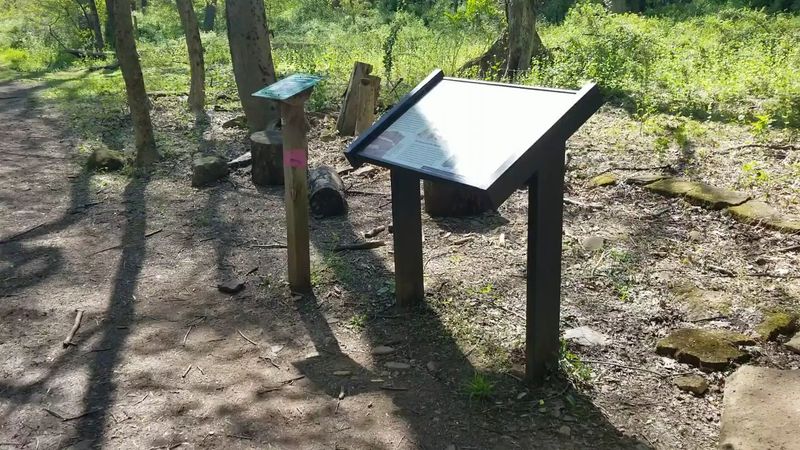
Most hikers cruise right past these ruins without a second glance. Big mistake.
Scattered throughout the forest are dozens of stone foundations that once supported homes, shops, and work buildings. Each crumbling wall holds clues about how people lived here generations ago.
Some foundations are small, probably worker cottages. Others are larger, suggesting more prosperous merchant homes or storage buildings.
You can trace room layouts, spot doorways, and imagine where fireplaces once warmed families on cold winter nights.
Interpretive signs along the trail help decode what you’re seeing. They point out specific structures and explain their purposes.
But honestly, half the fun is playing detective yourself. Notice how some walls are thicker than others.
Check out the craftsmanship in the stonework, which varies from rough-hewn blocks to carefully fitted pieces.
Bring a curious mind and comfortable shoes. The trail isn’t difficult, but it does involve some uneven terrain.
Spring and fall offer the best visibility since summer foliage can hide smaller ruins. Winter reveals everything starkly.
Photography enthusiasts love the way light filters through bare trees onto ancient stones, creating moody scenes perfect for capturing history’s haunting beauty.
The Roar Of Great Falls Still Commands Attention
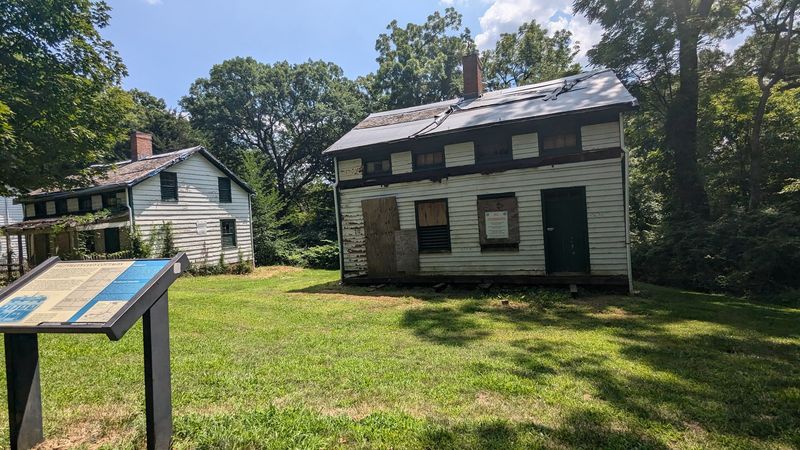
Understanding why Matildaville existed requires experiencing the falls themselves. This isn’t some gentle cascade.
Great Falls drops seventy-six feet over jagged rocks, creating a thunderous spectacle that you hear long before you see it. The Potomac narrows here, forcing massive volumes of water through tight passages.
During high water, the falls become absolutely ferocious. Spray shoots skyward.
The ground literally vibrates. It’s simultaneously beautiful and terrifying, which explains why canal builders had to route around it.
No boat could possibly navigate that chaos.
Multiple overlooks offer different perspectives on the falls. Each viewpoint reveals new details about the river’s power and the landscape’s dramatic geology.
Rocky islands split the flow into multiple channels, each one churning and frothing independently.
Photographers camp out here for golden hour shots. Families picnic on the rocks.
Kayakers scout routes through lower rapids downstream. The falls remain the main attraction at Great Falls Park, drawing hundreds of thousands of visitors annually.
But take time to appreciate that this natural wonder was both the reason Matildaville was built and ultimately the force that contributed to its downfall.
Nature always wins eventually.
Hiking The Trail Through Time
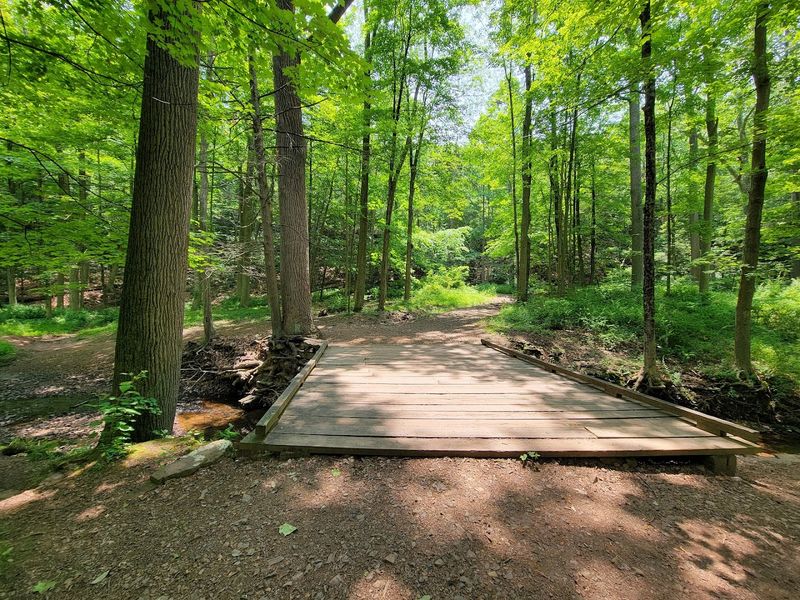
The Matildaville Trail itself covers just over a mile, making it accessible for most fitness levels. The path winds through mature forest, following the contours of the land much as the original town streets once did.
Interpretive markers appear every few hundred feet, providing historical context.
Start near the visitor center and you’ll immediately notice remnants of the old canal system. The trail descends gradually toward the river, passing foundation after foundation.
Each turn reveals new ruins, and the cumulative effect is surprisingly moving. This was a real community with real hopes.
Connecting trails let you extend your exploration. You can loop back along the river for stunning water views, or head toward the falls overlooks for that dramatic waterfall experience.
Many visitors combine the historical walk with natural sightseeing, getting both education and scenery in one outing.
Trail conditions vary seasonally. Mud can be an issue after rain, and exposed roots require watching your step.
But overall, it’s well-maintained and clearly marked. Families with older kids do fine here.
The combination of history, nature, and moderate exercise makes this a perfect half-day adventure that teaches while it entertains.
Why The Dream Died So Quickly
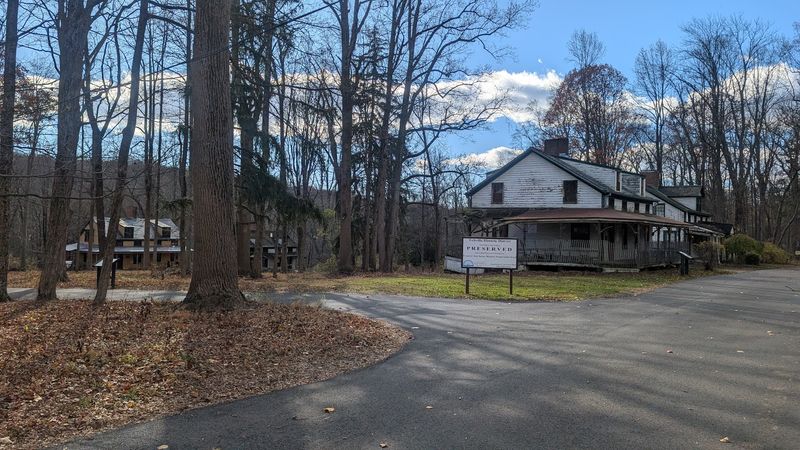
Economics killed Matildaville faster than any natural disaster could. The Patowmack Company never turned a profit.
Construction costs soared beyond estimates. Maintenance ate up whatever toll revenue trickled in.
Investors grew increasingly nervous as years passed without returns.
Competition arrived in the form of better technology. The Chesapeake and Ohio Canal, built decades later with improved engineering, offered a more reliable route.
It ran parallel to the Potomac but used more sophisticated lock systems and sturdier construction. Boats naturally chose the easier, safer passage.
Railroads delivered the final knockout punch. By the mid-eighteen hundreds, trains were moving cargo faster and cheaper than any canal system could match.
The age of river commerce was ending before Matildaville ever really got started.
Henry Lee himself faced financial ruin. He died in poverty, his grand vision unfulfilled.
The town he named for his beloved wife became a symbol of failed ambition rather than commercial triumph. Workers moved on.
Buildings emptied. Within a generation, forest began reclaiming cleared land.
The story of Matildaville became a cautionary tale about the risks of frontier capitalism and the unpredictable nature of progress.
Wildlife Now Rules The Ruins
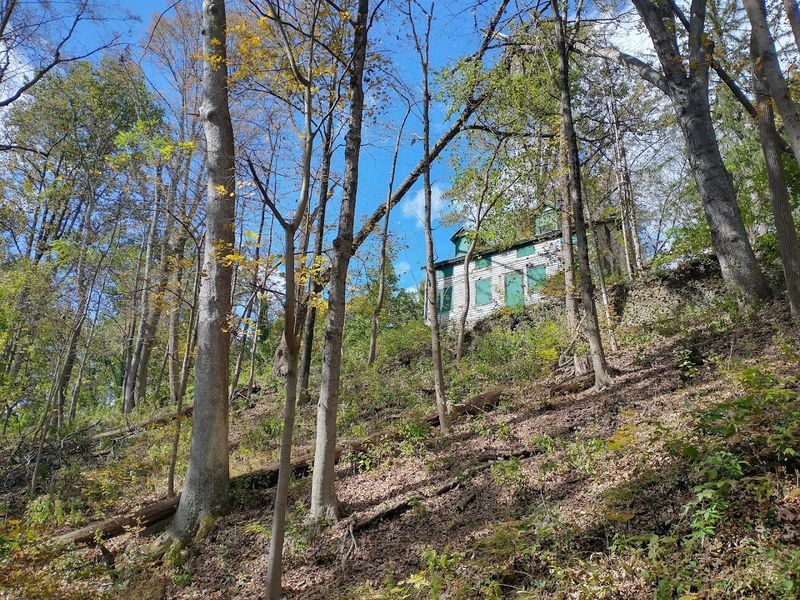
Silence replaced the sounds of commerce long ago. Now birdsong fills the air where merchants once haggled over prices.
White-tailed deer browse among foundations where children once played. The forest has completely absorbed what humans briefly claimed.
Spring brings wildflowers that carpet the ruins in color. Trillium, Virginia bluebells, and bloodroot bloom between stones.
Pollinators buzz through what were once doorways. Old growth trees tower over walls that once supported roofs.
Bird watchers love this area. The mix of river habitat and mature forest attracts diverse species.
Warblers migrate through in spring and fall. Woodpeckers hammer on dead trees.
Hawks soar overhead hunting for small mammals that scurry through the underbrush.
The Potomac itself teems with life. Herons stalk the shallows.
Fish navigate currents that once threatened canal boats. River otters have returned after decades of absence, a sign of improving water quality.
Turtles sun themselves on rocks where workers once stood directing boat traffic. Nature’s resilience is remarkable.
Given enough time, the forest erases almost all evidence of human ambition.
Matildaville proves that wilderness is patient and always ready to reclaim its territory.
Park Amenities Make History Accessible
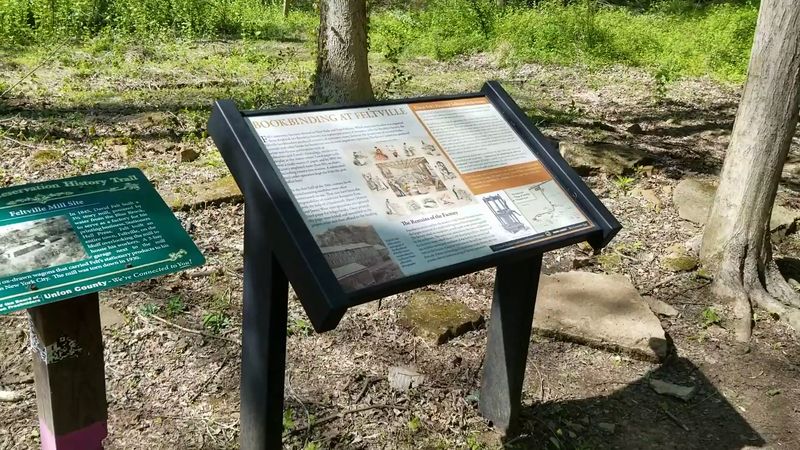
Great Falls Park provides excellent facilities that make exploring Matildaville comfortable and educational. The visitor center offers exhibits explaining the area’s history, geology, and ecology.
Rangers answer questions and provide trail maps. Clean restrooms and water fountains are available.
Parking can fill up on nice weekends, especially during fall foliage season. Arriving early or visiting on weekdays avoids crowds.
Entry fees are reasonable and support park maintenance. Annual passes make sense for frequent visitors who want to return multiple times throughout the year.
Picnic areas near the trailheads let families make a full day of their visit. Tables sit in shaded spots perfect for lunch after hiking.
Some areas have grills for those wanting to cook outdoors. The park prohibits certain activities to protect resources, so check regulations before planning your trip.
Accessibility varies by trail. The main Matildaville Trail has some uneven sections but is generally manageable.
Other park trails range from easy riverside walks to challenging rocky scrambles. Rangers can recommend routes based on your group’s abilities and interests.
Programs and guided walks happen regularly, offering deeper dives into specific topics.
Check the park website or call ahead for current schedules and any temporary closures.
Finding Matildaville At Great Falls Park
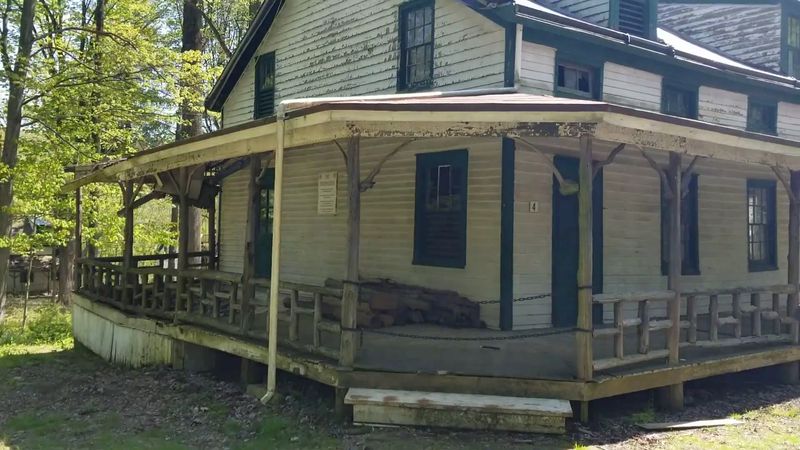
Getting here is straightforward once you know where you’re going. Great Falls Park sits along the Virginia side of the Potomac River, northwest of Washington.
From the Capital Beltway, take exit for Georgetown Pike and follow signs to the park entrance. GPS works reliably for navigation.
The Matildaville Trail begins near the main visitor area. Clear signage directs you from the parking lot.
You can’t miss it if you follow the posted trail maps. Most visitors combine this historical walk with trips to the falls overlooks, creating a loop that showcases both human and natural history.
Seasonal considerations matter. Summer brings heat and humidity that can make hiking less pleasant.
Spring and fall offer ideal temperatures and beautiful scenery. Winter provides solitude and stark beauty, though icy conditions sometimes close trails.
Always check current conditions before visiting.
The official address is Great Falls, VA 22102, which gets you to the park entrance. From there, follow internal park roads and signs.
Nearby towns like McLean and Great Falls offer dining and shopping options for before or after your visit. Make this ghost village part of a larger Virginia adventure, exploring how past ambitions shaped the landscapes we enjoy today.
Dear Reader: This page may contain affiliate links which may earn a commission if you click through and make a purchase. Our independent journalism is not influenced by any advertiser or commercial initiative unless it is clearly marked as sponsored content. As travel products change, please be sure to reconfirm all details and stay up to date with current events to ensure a safe and successful trip.
