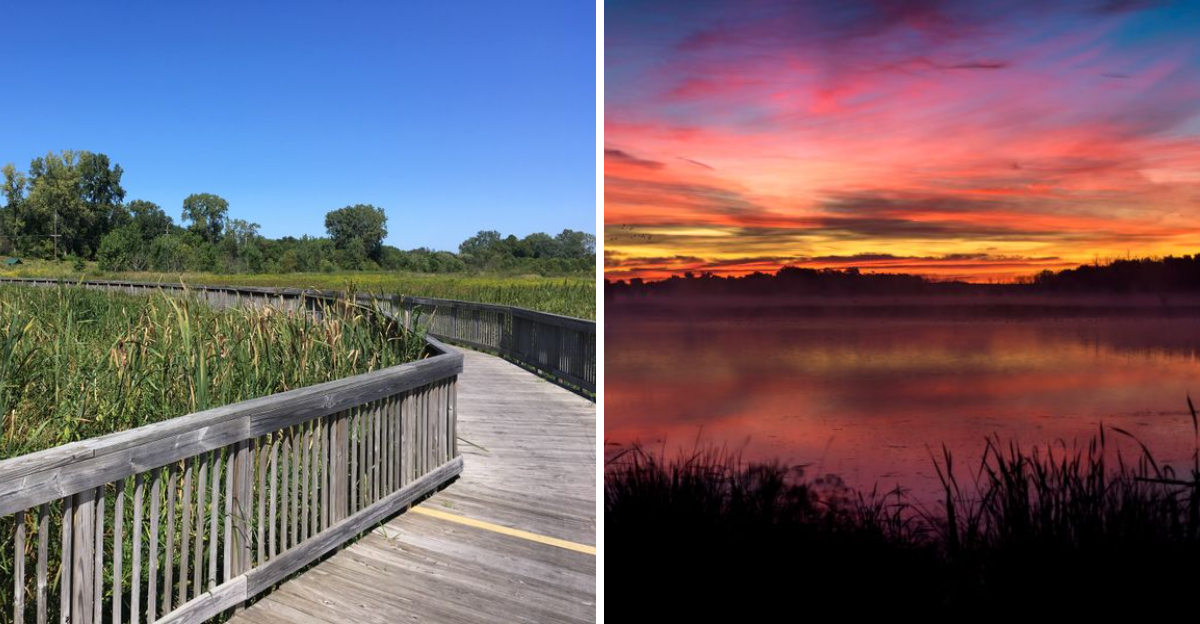
I still remember the first time I walked through Eagle Marsh Nature Preserve on a crisp autumn morning, and the stress of city life just melted away with every step. The sound of rustling cattails and distant bird calls replaced the usual noise of traffic and deadlines.
If you’re looking for a peaceful escape right here in Fort Wayne without driving hours to find it, this 756-acre wetland sanctuary offers exactly what your mind and body need.
Whether you’re an experienced birder, a casual hiker, or someone who just wants to breathe fresh air and clear your head, Eagle Marsh welcomes you with open trails and endless natural beauty that feels worlds away from the everyday hustle.
Miles of Peaceful Trails Wind Through Pristine Wetlands
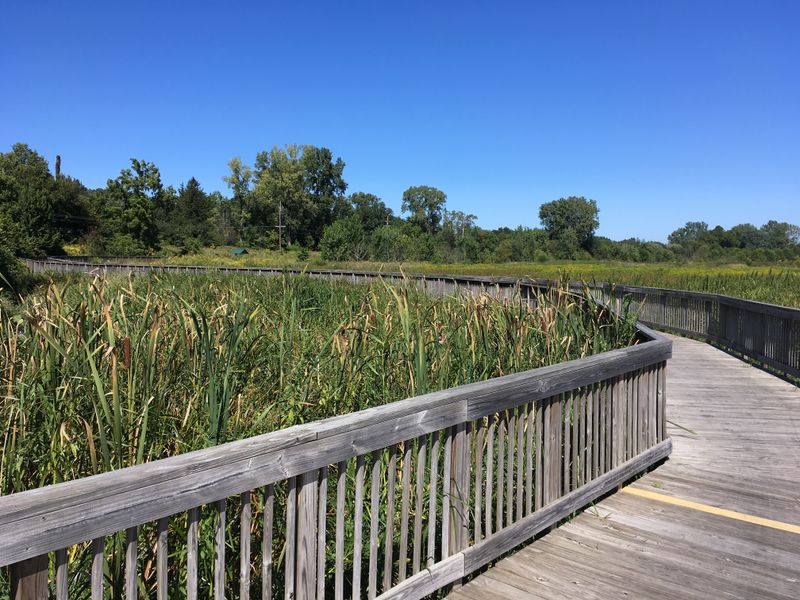
Walking more than ten miles of well-maintained trails at Eagle Marsh feels like stepping into a different world. The paths take you through diverse landscapes where wetlands meet woodlands and prairie grasses sway in the breeze.
You’ll find yourself crossing wooden boardwalks that hover just above the water, giving you front-row views of the marsh ecosystem without disturbing its delicate balance.
The trail system accommodates everyone from families with young children to serious hikers looking for a longer adventure. Most paths remain relatively flat and easy to navigate, making this an accessible outdoor experience regardless of your fitness level.
During spring and summer, wildflowers line the edges of the trails, adding splashes of color to your journey.
Early morning visits reward you with cooler temperatures and increased wildlife activity. The trails loop and connect in ways that let you customize your walk based on how much time you have available.
Some visitors spend just an hour exploring a single path, while others dedicate entire mornings to covering more ground.
The preserve maintains these trails year-round, so you can enjoy different seasonal experiences. Winter brings a quiet stillness, while fall transforms the landscape into a canvas of golden and russet tones that make every step feel like walking through a painting.
Incredible Bird Watching Opportunities Draw Enthusiasts Year-Round
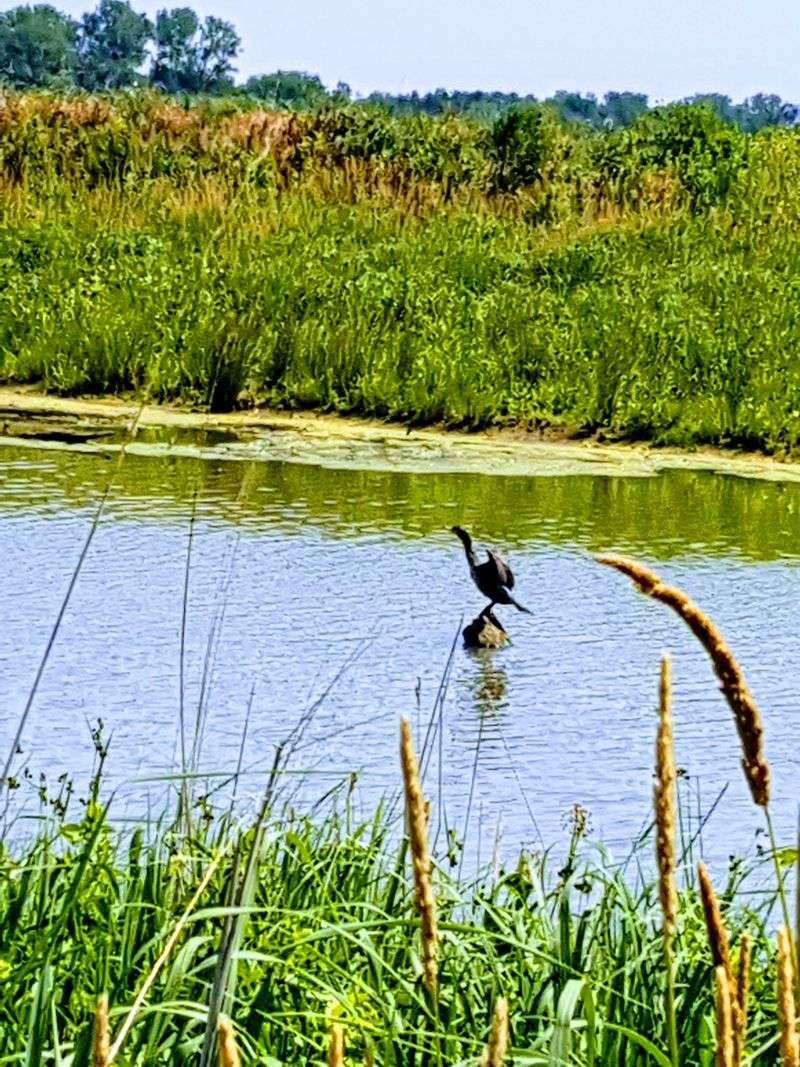
Eagle Marsh has earned a reputation as one of northeast Indiana’s premier bird watching destinations. More than 240 species have been documented here, making it a magnet for both amateur birders and seasoned ornithologists.
The wetland environment creates ideal conditions for waterfowl, wading birds, and songbirds throughout the changing seasons.
Spring migration brings waves of warblers, thrushes, and other species passing through on their northward journey. You might spot great blue herons standing motionless in shallow water or catch glimpses of bald eagles soaring overhead.
The preserve’s observation platforms provide strategic vantage points where you can set up with binoculars and watch the avian activity unfold naturally.
Sandhill cranes make dramatic appearances during migration periods, their distinctive calls echoing across the marsh. Wood ducks, mallards, and Canada geese raise their young in protected areas throughout the preserve.
Even if you’re not a dedicated birder, the sheer variety of feathered residents will capture your attention and maybe spark a new interest.
The Little River Wetlands Project maintains a bird checklist available at the trailhead. Bringing a field guide enhances your experience as you learn to identify different species by sight and sound.
Patient observers often get rewarded with rare sightings that become memorable highlights of their visit.
Educational Programs Connect Visitors With Conservation Efforts
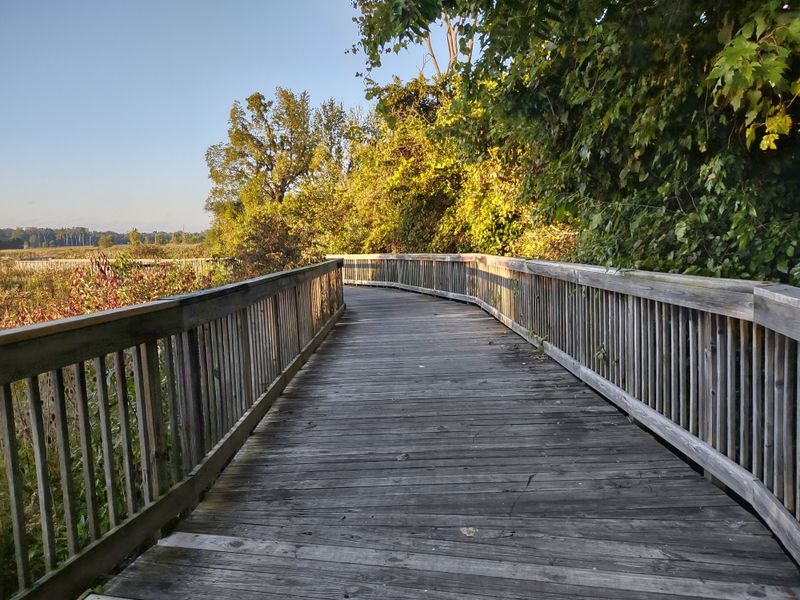
Eagle Marsh doesn’t just offer trails and scenery but also serves as an active learning environment. The Little River Wetlands Project hosts educational programs throughout the year that teach visitors about wetland ecology, conservation, and environmental stewardship.
These guided experiences add depth to your understanding of why this ecosystem matters so much to the region.
School groups regularly visit for hands-on learning opportunities that bring science lessons to life. Kids get to explore aquatic invertebrates, learn about water quality, and discover how wetlands filter pollutants while providing habitat for countless species.
Adult programs cover topics ranging from native plant identification to the history of wetland restoration in northeast Indiana.
Special events like guided bird walks and nature photography workshops happen seasonally. Knowledgeable naturalists share insights you’d never discover on your own, pointing out subtle details and explaining the interconnected relationships within the marsh ecosystem.
These experiences transform a simple walk into an educational adventure.
The preserve’s commitment to education extends beyond scheduled programs. Interpretive signs along the trails provide information about specific plants, animals, and ecological processes.
You can learn at your own pace while exploring, making each visit both relaxing and enriching. This combination of recreation and education makes Eagle Marsh valuable for families looking to inspire curiosity about the natural world.
Native Wildlife Thrives in Protected Habitat
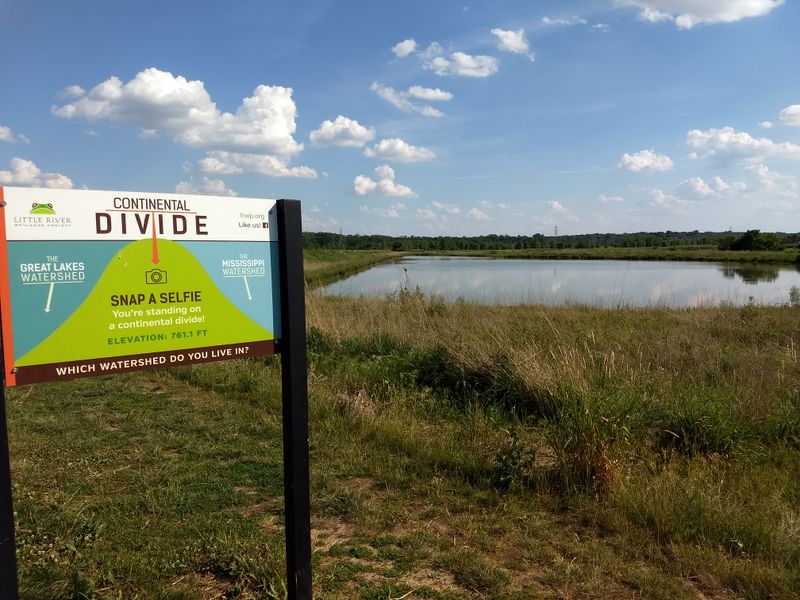
Beyond the impressive bird population, Eagle Marsh supports an amazing diversity of wildlife that calls this wetland home. Painted turtles bask on logs jutting from the water, while muskrats swim through channels they’ve carved in the vegetation.
The protected status of this preserve allows these creatures to live without the pressures of development or human interference.
White-tailed deer frequently appear along the wooded edges, especially during early morning or evening hours. Fox, raccoons, and opossums navigate the landscape under cover of darkness, leaving tracks you might spot on muddy trail sections.
The marsh itself teems with frogs and toads whose choruses create a natural soundtrack during warmer months.
Dragonflies and damselflies dart above the water surface, their iridescent colors flashing in the sunlight. Monarch butterflies stop here during their incredible migration journeys, refueling on native wildflowers before continuing south.
These smaller creatures play crucial roles in the ecosystem’s health and add layers of interest for observant visitors.
Coyotes occasionally make appearances, reminding us that even predators need protected spaces. Mink hunt along the water’s edge for fish and crayfish.
The preserve’s 756 acres provide enough room for these animals to maintain natural behaviors and population dynamics. Watching wildlife in their undisturbed habitat offers perspectives you simply can’t get from documentaries or zoos.
Stunning Photography Locations Capture Every Season
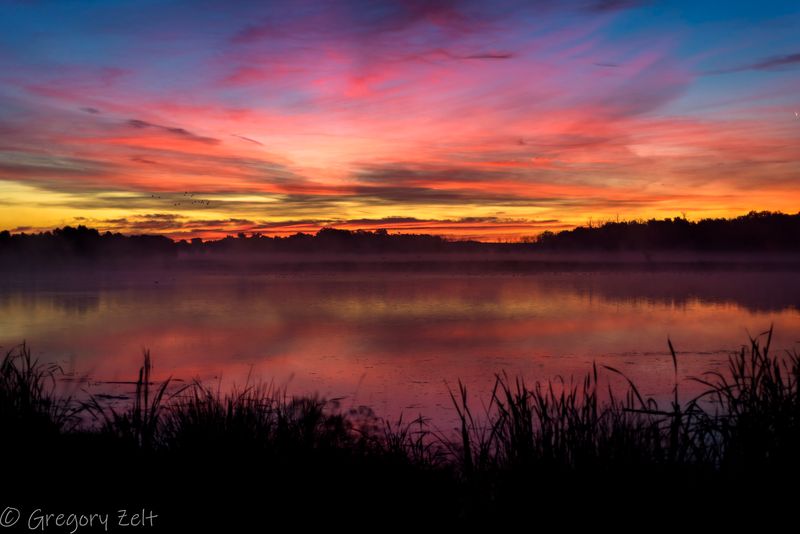
Photographers discover endless inspiration at Eagle Marsh throughout the year. The changing seasons transform the landscape dramatically, offering fresh compositions and lighting conditions that keep creative minds engaged.
Golden hour bathes the wetlands in warm light that makes cattails glow and turns water surfaces into mirrors reflecting the sky above.
Sunrise visits provide particularly magical opportunities when mist rises from the water and soft light gradually illuminates the marsh. The boardwalk sections create leading lines that draw viewers into your images, while the diverse plant life offers both wide landscape shots and intimate macro subjects.
Wildlife photography enthusiasts can capture birds in their natural behaviors without the barriers found at many other locations.
Fall brings spectacular color changes as grasses turn golden and trees display their autumn wardrobe. Winter transforms the preserve into a minimalist landscape where snow highlights the elegant shapes of dried vegetation against neutral skies.
Spring explodes with fresh green growth and blooming wildflowers that add vibrant pops of color to your frames.
The preserve welcomes photographers of all skill levels. You don’t need expensive equipment to capture beautiful images here since the natural beauty does most of the work.
Many local photographers return repeatedly, building portfolios that document the preserve through different seasons and weather conditions. Each visit offers something new to see and capture.
Free Access Makes Nature Available to Everyone
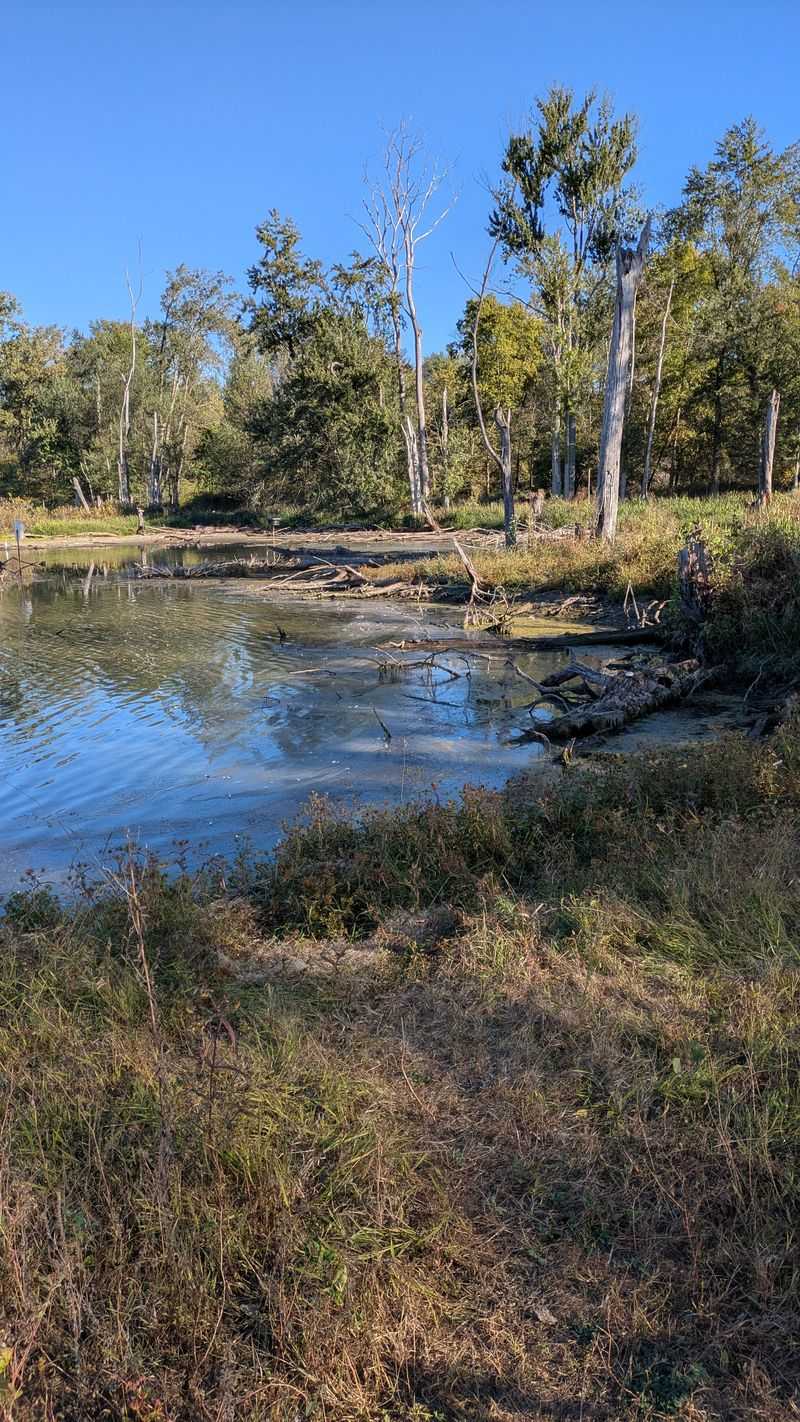
One of Eagle Marsh’s best features might be the simplest one: it costs nothing to visit. The preserve remains open to the public without admission fees, removing financial barriers that keep some people from experiencing natural spaces.
This commitment to accessibility reflects the belief that everyone deserves opportunities to connect with nature regardless of their economic situation.
The parking area at 6801 Engle Road provides easy access to the trail system. You’ll find informational kiosks near the entrance with maps and current conditions posted for visitor reference.
The preserve operates during daylight hours, giving you flexibility to plan visits around your schedule. No reservations or permits are required for general trail use.
This free access makes Eagle Marsh an ideal destination for budget-conscious families looking for quality outdoor experiences. You can visit weekly without worrying about costs adding up.
The preserve becomes a resource for physical activity, mental health, and environmental education without the price tag attached to many recreational facilities.
Nearby, Fort Wayne offers additional attractions like the Fort Wayne Children’s Zoo at 3411 Sherman Boulevard and the Botanical Conservatory at 1100 South Calhoun Street if you want to extend your nature-focused day. But Eagle Marsh stands on its own as a valuable community resource that prioritizes public access and environmental stewardship over profit.
That philosophy makes every visit feel like a gift.
Critical Conservation Work Protects Regional Water Quality
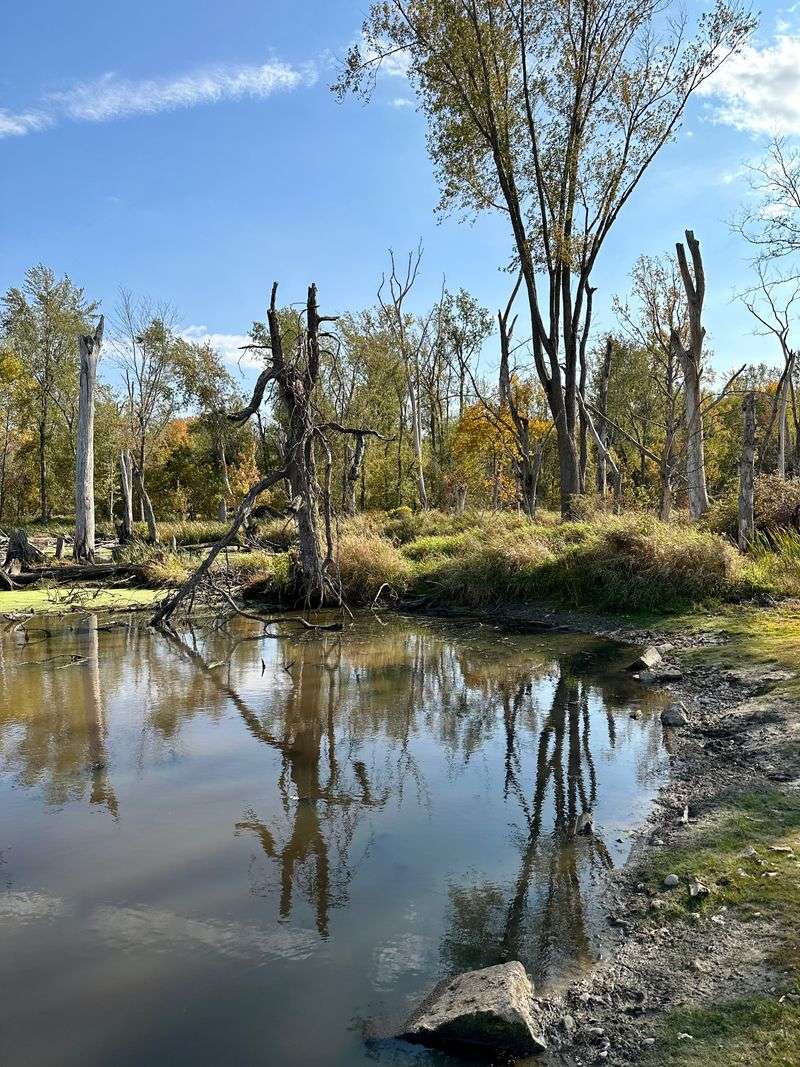
Eagle Marsh serves purposes far beyond recreation and wildlife habitat. This wetland system plays a vital role in protecting water quality for the entire Fort Wayne region.
Wetlands act as natural filters, removing pollutants and sediments from water before it reaches rivers and aquifers. The restoration and protection of Eagle Marsh represents a significant investment in environmental health that benefits everyone downstream.
The Little River Wetlands Project worked for years to restore these wetlands after previous agricultural use had degraded the natural hydrology. Native plants were reintroduced, water flow patterns were reestablished, and invasive species were managed to allow the ecosystem to recover.
Today, the preserve demonstrates what’s possible when conservation becomes a priority.
Understanding this context adds meaning to your visit. You’re not just walking through a pretty landscape but witnessing active conservation that protects drinking water sources and reduces flooding risks.
The wetlands absorb excess water during heavy rains, helping prevent downstream flooding that could damage homes and infrastructure. These ecosystem services have real economic value beyond their environmental importance.
After exploring Eagle Marsh, you might grab lunch at nearby Firefly Coffee House at 2801 Fairfield Avenue or visit the Science Central museum at 1950 North Clinton Street to continue your educational day.
Dear Reader: This page may contain affiliate links which may earn a commission if you click through and make a purchase. Our independent journalism is not influenced by any advertiser or commercial initiative unless it is clearly marked as sponsored content. As travel products change, please be sure to reconfirm all details and stay up to date with current events to ensure a safe and successful trip.
