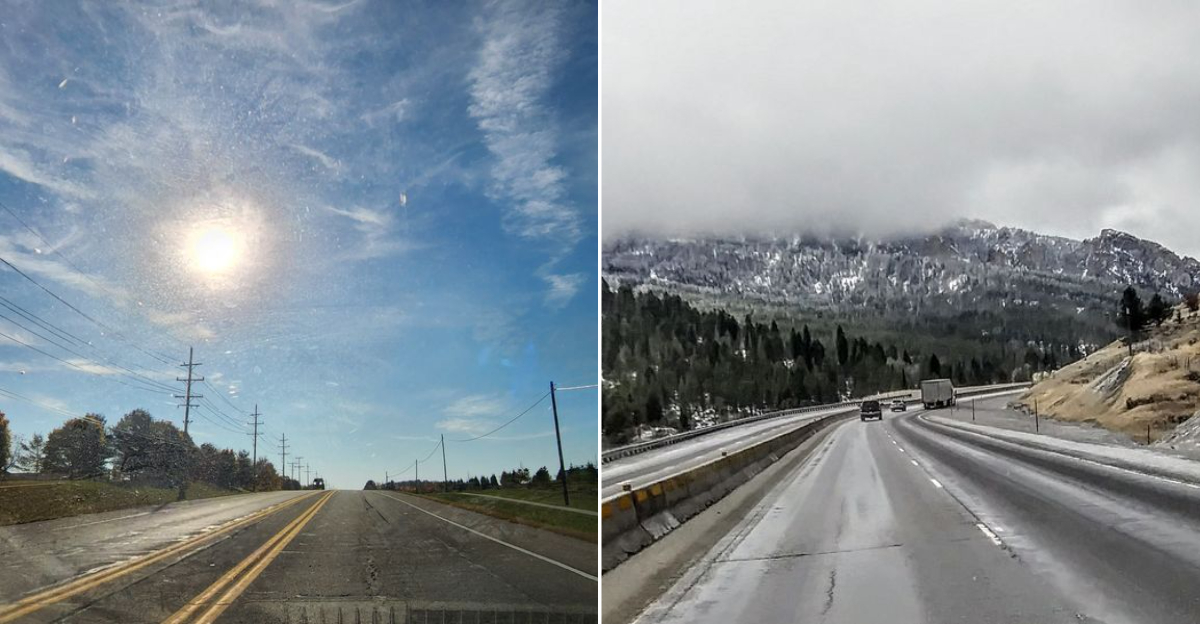
Think you’re ready for Montana’s winter roads?
Trust me, think again.
They look harmless at first; wide skies, postcard views, but then the pavement tilts, the wind cuts sideways, and suddenly you’re gripping the wheel like it’s the only thing keeping you alive.
I’ve slid around corners that felt more like ice rinks than highways, and I’ve had elk step out like they’re daring me to brake.
Out here, speed limits are jokes, because the mountains set the pace, and it’s usually slower than you’d like.
The scary part isn’t just the weather.
It’s how fast it flips.
One minute you’re cruising, the next you’re praying your tires hold.
So if you’re thinking about driving Montana this season, pack nerves of steel and a backup plan.
These roads don’t care about your confidence.
They’ll humble you, shake you, and leave you wondering why you didn’t wait for spring.
So if you’re planning to drive Montana’s roads this season, make sure to keep on reading!
1. Going-To-The-Sun Road, Glacier National Park
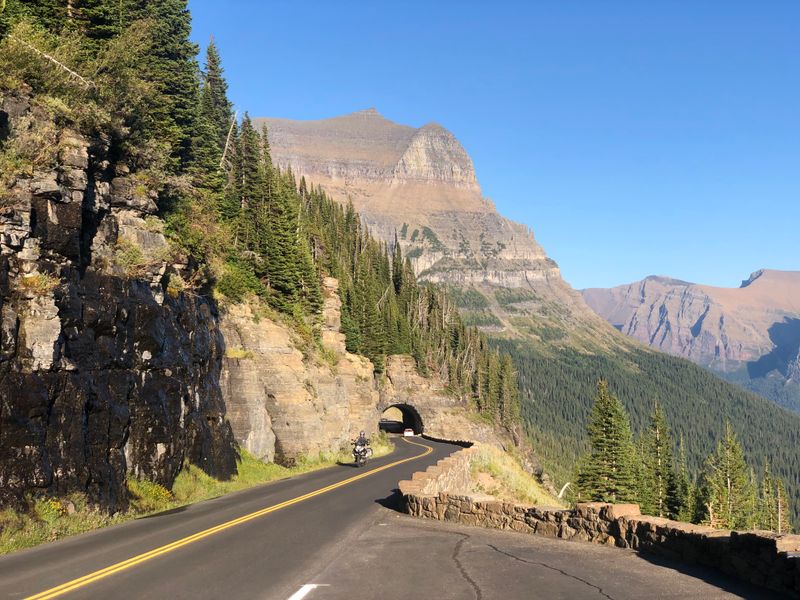
The Going-to-the-Sun Road is the kind of drive that makes your stomach drop before the first curve.
Sharp rock walls on one side and sheer drops on the other set the mood before you even hit the first overlook.
The road winds across Glacier National Park with tight turns, narrow lanes, and weather that can flip from sunny to snowstorm faster than you can change the radio.
I’ve learned to stop at pullouts just to breathe, because the views are distracting enough to make even confident drivers lose focus.
Spring plowing is famous here, and late snowbanks can tower over the asphalt like frozen walls.
Add rain, falling rocks, and hidden ice patches, and you’ve got plenty to keep your hands tight on the wheel.
Parking fills up early, so starting before sunrise helps avoid stress and lets faster cars pass.
Oversized vehicles aren’t allowed for good reason: low tunnels and sharp corners make it tough even for smaller rigs.
And don’t forget the wildlife; mountain goats may look cute until they block your lane.
In my opinion, this road isn’t casual.
Check conditions first, take it slow, and respect every mile.
2. US-191 Through Gallatin Canyon
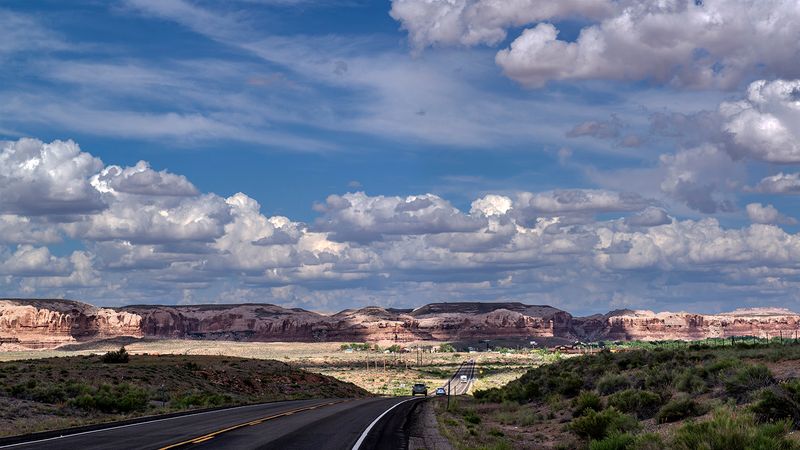
US 191 through Gallatin Canyon looks beautiful, but it definitely keeps you on edge.
The river flashes beside the pavement, cliffs press close, and suddenly you’re aware of how narrow the lanes really are.
It starts out scenic, then gets crowded, and before you know it, a curve tightens and a trailer drifts a little wide.
Traffic heading to Big Sky piles on the stress, and winter weather stacks hazards like firewood.
Locals talk about this stretch often, not because they want more visitors, but because they know patience is the only way to survive it.
Black ice hides in the shadows, snow dusts the rocks and the road, and it all looks prettier than it feels when you’re behind the wheel.
I always let plows set the pace, pull off when fatigue hits, and expect wildlife at dusk.
One bad patch of ice or one rushed pass can turn this drive into a nightmare.
Drive prepared, give yourself space, and you’ll get through it with both your nerves and the view intact.
3. US-2 Over Marias Pass
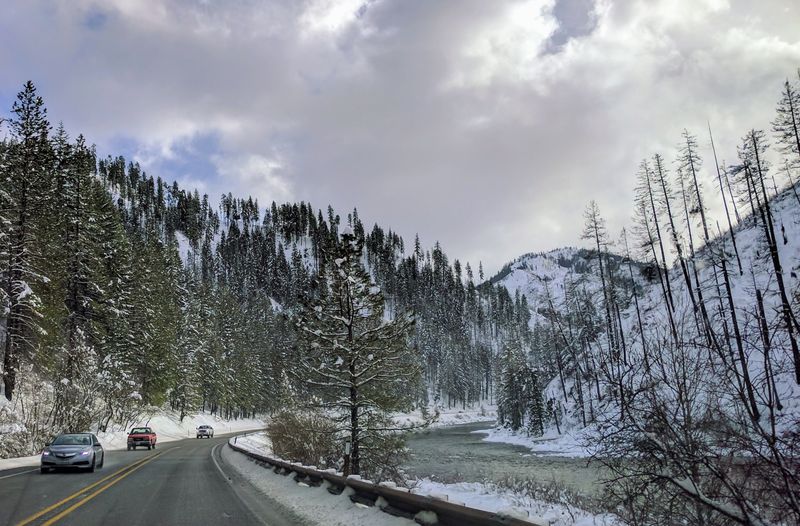
Marias Pass isn’t the kind of road you just “wing it.”
Between the wind, the freight traffic, and the sudden weather shifts, it demands your full attention from the first mile.
Freight trucks, sweeping curves, and sudden drops in visibility make it a road where you can’t relax for long.
One minute you see for miles, the next you’re staring through snow blowing sideways off the trees.
Forecasts help, but they don’t guarantee anything.
Conditions change overnight, and wide shoulders only matter until the drifts pile up.
I’ve learned to listen to the road; tire noise and texture tell you more than lane paint when storms erase it.
If you’re hauling a trailer or driving tired, I think this pass will punish every mistake.
Plows do great work, but timing matters.
Get caught between cycles and you’re pushing through fresh snow.
I always pack snacks, warm layers, and a charged phone, because delays stack fast when spinouts block the grade.
Marias Pass is a workout every mile, so make sure to keep both hands ready.
4. I-90 Over Lookout Pass
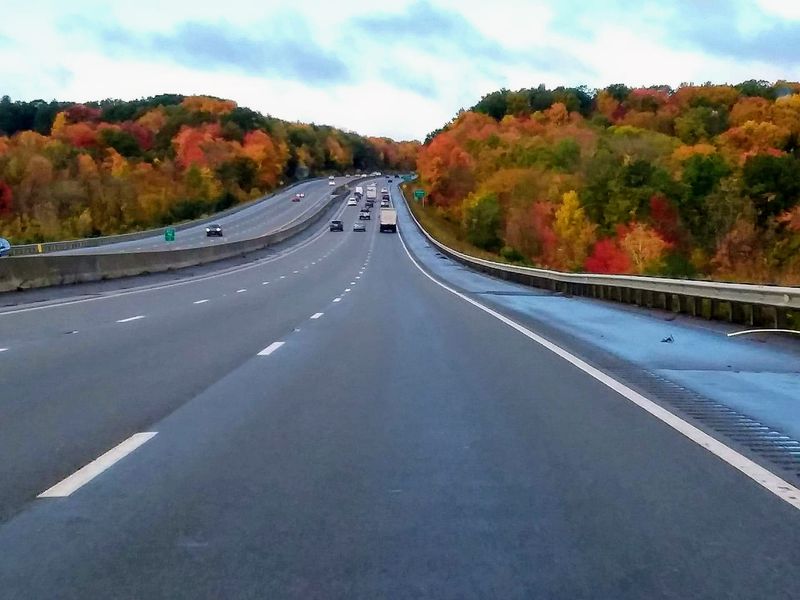
Lookout Pass is where freeway speed meets mountain weather, and it’s not a friendly mix to say the least.
I?90 climbs and twists just enough that crosswinds shove big rigs around, while sudden squalls sweep across lanes without warning.
Alerts from Montana and Idaho about chains or restrictions aren’t optional; they’re the difference between making it through or getting stuck.
Dry pavement can fool you into thinking it’s easy, but one shaded curve with a thin glaze will change that fast.
I suggest using rest areas to reset, because white?knuckle driving doesn’t get better with wishful thinking.
Plows roll in waves, and the spray they kick up can blind you quicker than fog, so I keep fresh wipers and winter?grade fluid ready.
Know that stopping on shoulders is risky, berms hide drop?offs, and crashes can stack up into long detours.
That’s why you should keep your fuel tank higher than usual.
Read the sky, respect the alerts, and drive the conditions.
5. I-90 Over Bozeman Pass
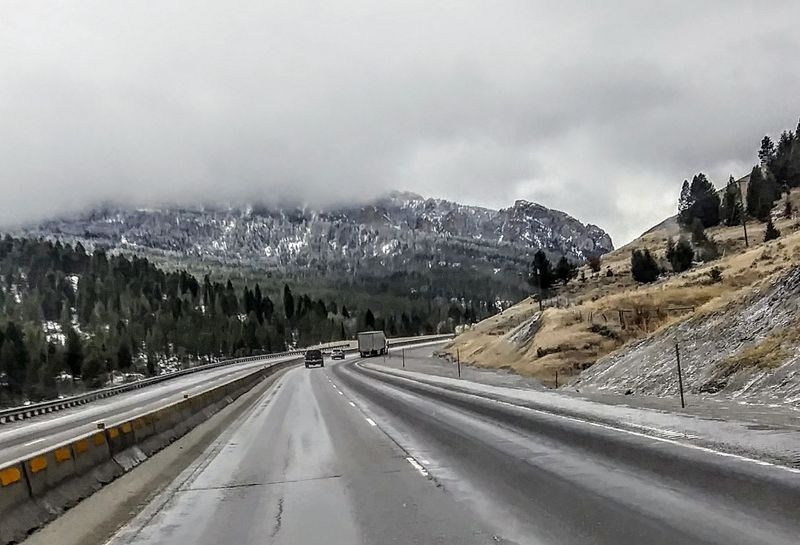
Bozeman Pass looks easy from a distance, but it doesn’t stay that way once you’re on it.
I?90 squeezes commuters, trucks, and visitors into a busy corridor where speed and weather trade punches all day.
Shaded stretches hide ice, sunny spots make drivers too confident, and that mix shows up in your shoulders when you’re gripping the wheel.
Local news has covered plenty of crashes here, and it’s no surprise.
Wind cuts through the gaps, drifting snow slides across lanes, and exit ramps can glaze over just when you’re ready for a break.
I’ve learned to leave extra space, skip sudden lane changes, and keep a relaxed grip when semis push a bow wave past my car.
Locals know the rhythm, so I try to match the flow without chasing it.
Cruise control stays off when temps drop, because even when the road looks fine, slick patches hide in the shadows.
Bozeman Pass demands focus, so stay patient, and you’ll definitely get through it.
6. I-90 Near Missoula
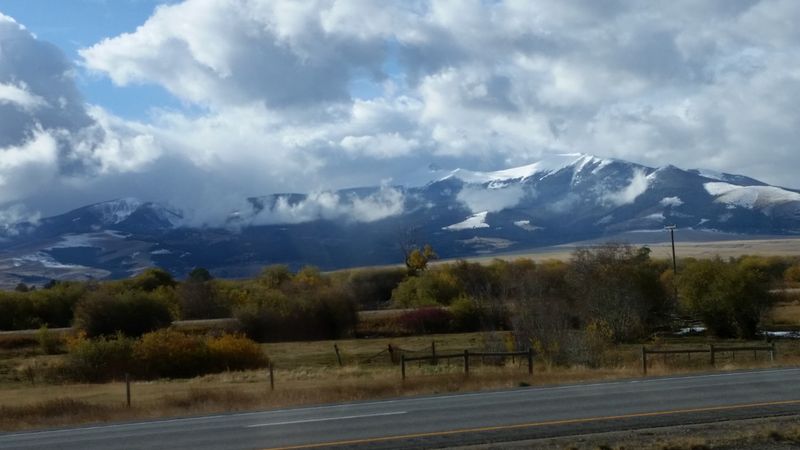
I think that driving I?90 through Missoula is about control.
The interstate runs past busy interchanges where drivers merge fast, brake hard, and sometimes forget how quickly visibility can disappear.
Crash reports have flagged dangerous stretches near the city, and that’s worth paying attention to.
Snow here doesn’t just fall; it melts into slush, then refreezes at dusk when the sun drops behind the hills.
Big rigs shift lanes to set up for climbs, and giving them space makes life easier for everyone.
Make sure to check the forecast before leaving town and wait for a calm window instead of racing a storm.
Exit ramps matter too.
A quick detour can buy you time to regroup while the weather passes.
And speed limits aren’t suggestions; thin traffic can trick you into pushing it, but slick curves remind you fast.
Missoula’s stretch of I?90 rewards steady driving, clear signals, and the patience to finish strong.
7. US-12 Over Lolo Pass
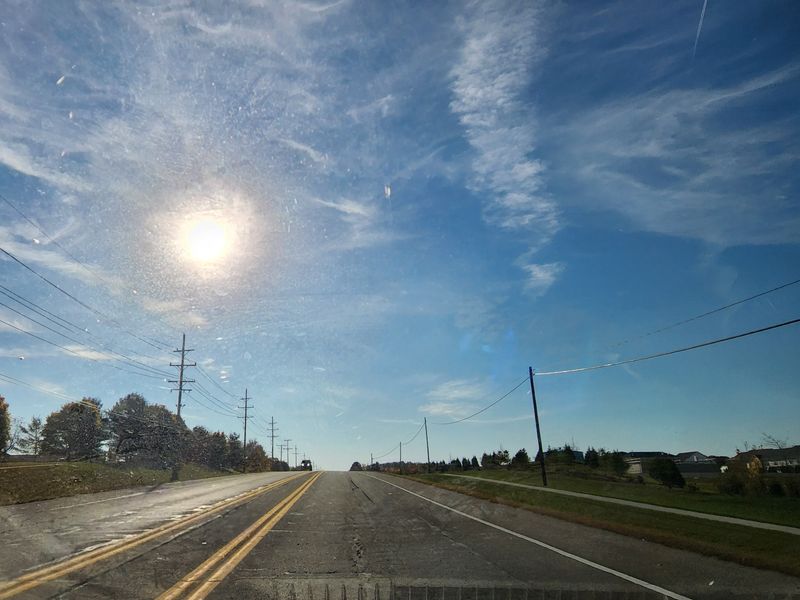
Lolo Pass is one of those drives that looks fine on the map but feels very different behind the wheel.
US-12 climbs with long grades, tight corners, and fog that settles low enough to shrink your view.
Trucks and plows add weight to the traffic, so passing takes more room and more thought than usual.
When the snowpack builds, shoulders blend into the lanes, and the safest guide is the set of clean tracks ahead.
Fresh storms leave slick spots that stick around in the shade well past lunchtime.
If you’re not confident with real winter mountain driving, this isn’t the place to learn.
I highly suggest picking another day or another route.
I keep traction gear ready and watch for chain?up pullouts, because conditions can flip quickly near the crest.
Cell service drops in places, so offline maps or printed notes help when detours pop up.
Wildlife shows up without warning too, and a steady pace makes those surprises easier to handle.
The views are worth it, but the real win is finishing Lolo Pass calm, safe, and in one piece.
8. US-89 Over Kings Hill Pass
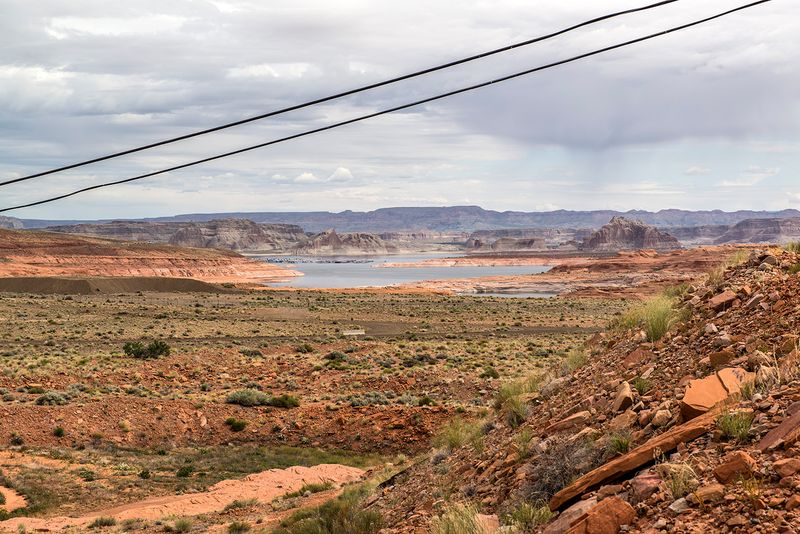
Kings Hill Pass may seem simple at first, but it quickly proves it’s one of Montana’s trickier drives.
US-89 rises steadily, then drops into grades where traction and momentum don’t always agree.
Open meadows let the wind push drifts across the road, and they close off lanes without warning.
After sunset, the temperature falls fast, and what felt steady in the afternoon can turn slick by evening.
I always use turnouts to reset and check the car, because small breaks save bigger problems later.
Slowing down early gives you room for surprises; whether that’s a moose stepping out or a plow swinging wide.
Cruise control stays off here.
Feathering the wheel and pedals keeps the car planted when surfaces change.
Make sure to fuel up before the climb and pack extra layers, since spinouts can stack traffic and leave you waiting.
Signs may look calm, but shaded curves often hide their own trouble.
Kings Hill Pass rewards preparation and steady driving, it’s not the place to show off.
9. US-212 Beartooth Highway
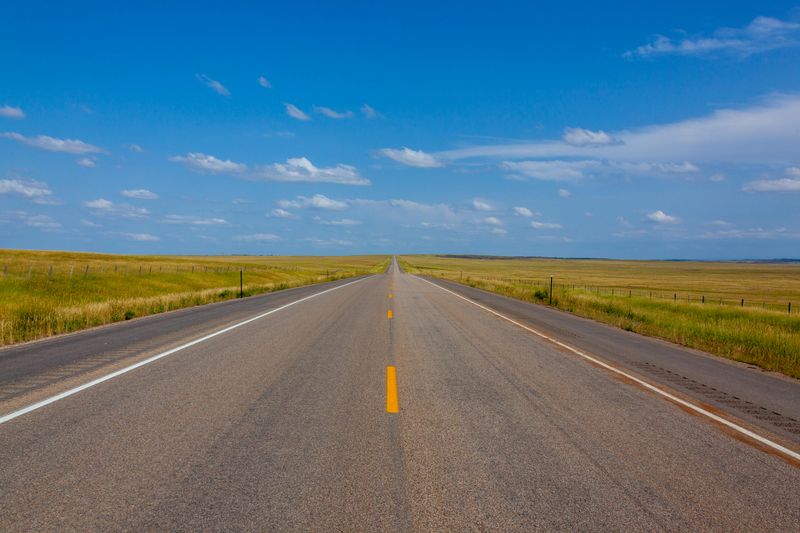
The Beartooth Highway looks amazing in photos but feels intense in person.
US-212 climbs past the treeline on switchbacks that seem playful on a postcard but demand focus behind the wheel.
Winter shuts this road down for months, and even when it reopens, the weather can flip fast; hail or graupel showing up on what started as a sunny afternoon.
I don’t start the drive without checking Wyoroad and MDT updates before heading out, because late snow removal or slides can change plans overnight.
At high elevation, the air thins and crosswinds shove harder than most drivers expect.
Pullouts are great for photos, but I only stop after a safe straight stretch; gawking mid?curve is a mistake you don’t want to make.
Alpine lakes may still be iced over in early summer, and those views come with near?freezing gusts.
Services are limited, so I always carry layers, snacks, and a full tank.
This road is stunning, but it’s a really serious drive.
10. MT-200 Between Small Towns And Big Weather
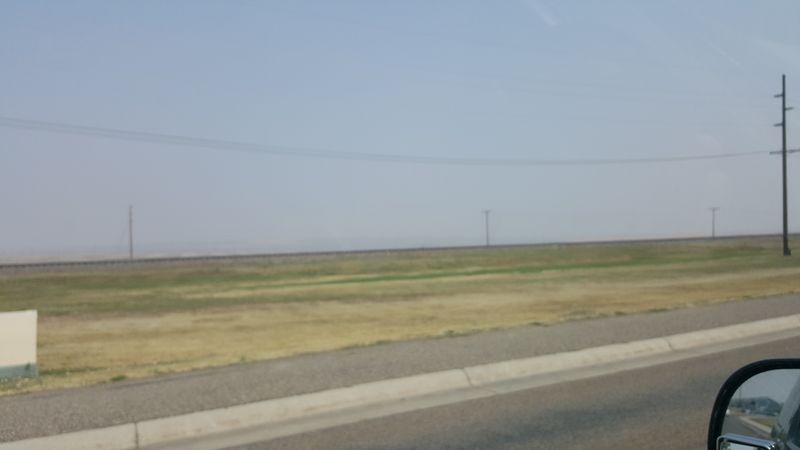
MT-200 is one of those roads that can catch you off guard really fast.
It runs long and quiet, with services spread far apart, and the wind pushes snow across the pavement in ways that make the surface unpredictable.
Even on calm days, icy patches show up without warning.
Sometimes you only see them when your headlights hit just right.
Local news has covered plenty of crashes here, and locals will tell you the same thing: winter driving on this stretch is no joke.
Empty roads tempt you to speed, but the real danger is letting your guard down mile after mile.
Fuel stops matter more here than most places, so I top off whenever I can.
I also keep a winter kit in the car, blankets, a shovel, traction mats, because help can be farther away than the map makes it look.
Snowplows are a welcome sight, but they need space, and slowing down early when visibility drops keeps small surprises from turning into big problems.
This is the road that rewards drivers who stay alert and prepared.
11. US-87 Toward Great Falls And The Open Plains
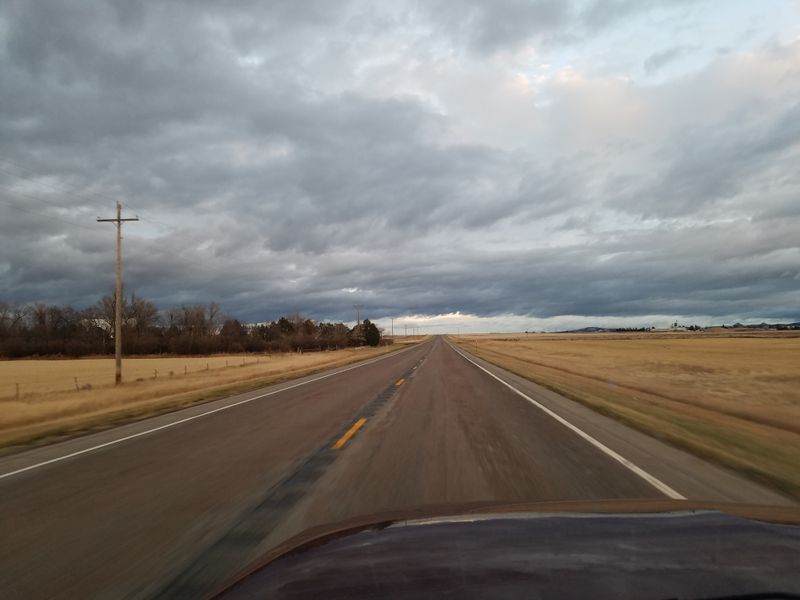
US-87 is wide?open country, and the wind makes sure you don’t forget it.
Gusts shove at doors, blowing snow wipes out the horizon, and advisories here carry the same weight as a blizzard warning.
Plows do their job, but ground blizzards rebuild drifts fast, so traction changes every few minutes.
Passing tall trucks feels calm in their wind shadow, but the snap back into open air reminds you who’s in charge.
I keep an eye on fence lines and snow tails off the grass to read wind direction before the next crest.
If the forecast calls for high winds, I plan extra time or skip towing altogether.
Fresh tires with good siping matter here, especially when temps hover near freezing.
Space is your best friend here, because spray and spinouts show up with almost no warning.
This drive is definitely about letting caution win the day.
Dear Reader: This page may contain affiliate links which may earn a commission if you click through and make a purchase. Our independent journalism is not influenced by any advertiser or commercial initiative unless it is clearly marked as sponsored content. As travel products change, please be sure to reconfirm all details and stay up to date with current events to ensure a safe and successful trip.
