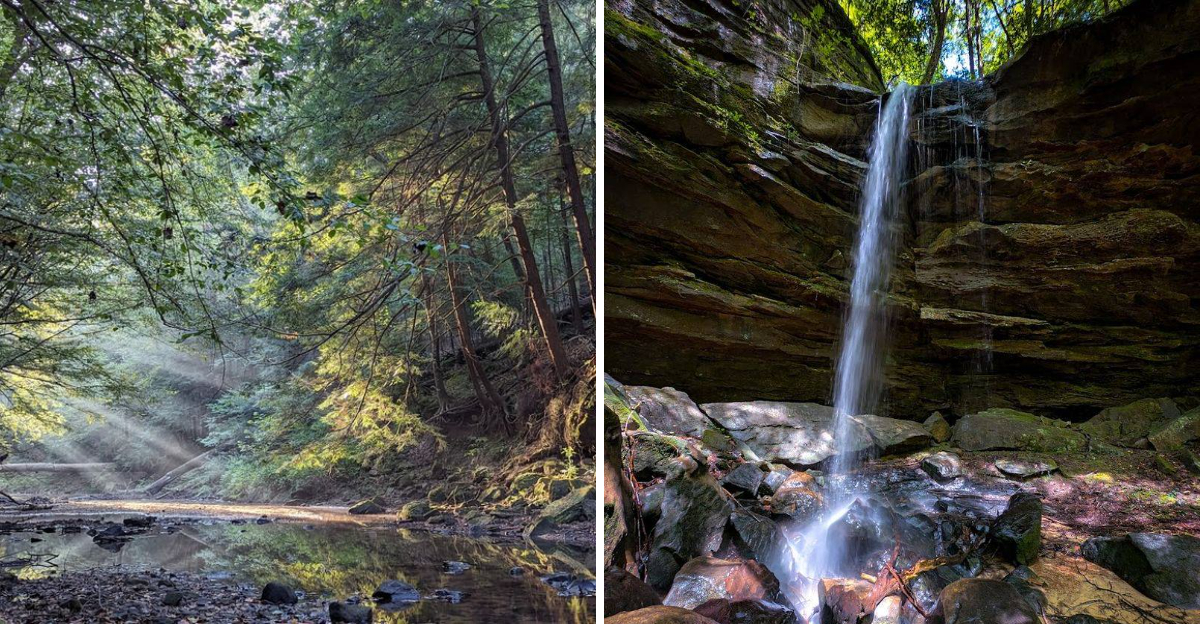
Most people driving through northwest Alabama have no idea what is hiding deep inside a large national forest in the region. This protected wilderness area spans nearly 30,000 acres of rugged canyon terrain, clear flowing rivers, and dense forest that has remained largely unchanged for generations.
It is often referred to as the “Land of 1,000 Waterfalls” because of the many cascades that appear throughout its creeks and seasonal flows. The landscape feels remote and ancient, with deep hollows, sandstone cliffs, and rich biodiversity that make it especially popular with hikers and nature lovers.
In recent years, its growing popularity has brought more foot traffic to its trails, raising concerns about preservation in an area long valued for its quiet, untouched character.
Waterfalls Around Nearly Every Bend
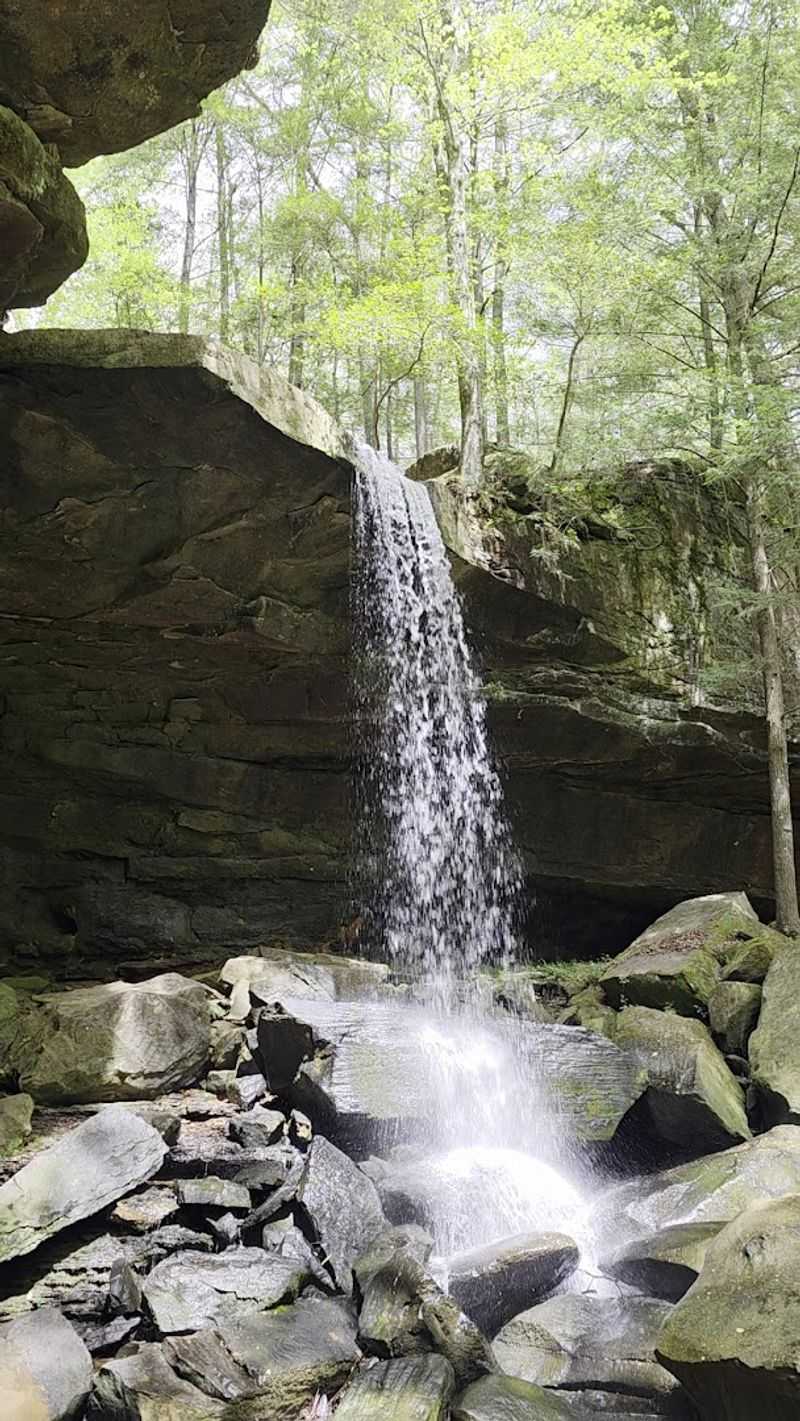
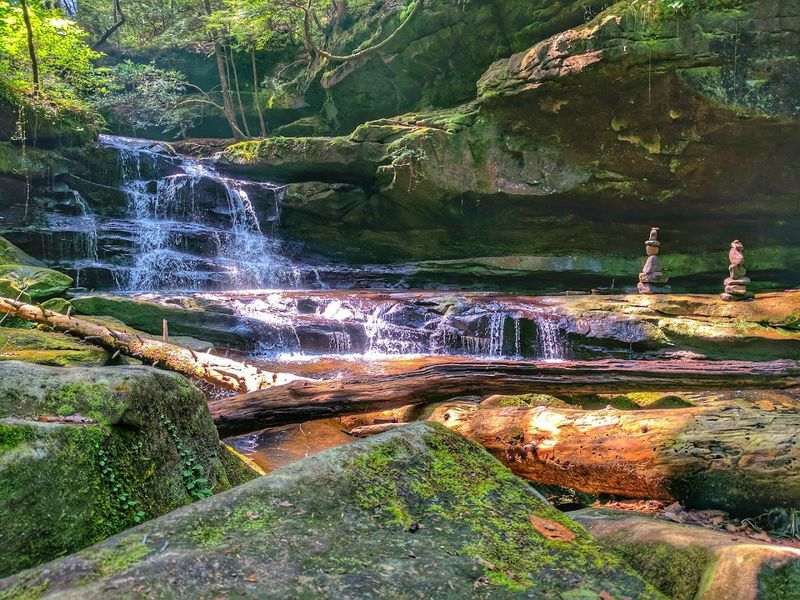
Few places in the American South pack as many waterfalls into one wilderness area as Sipsey does. The creeks here flow wild and fast, feeding into the Sipsey Fork and tumbling over ancient sandstone ledges at nearly every turn.
Fall Creek Falls, Caney Creek Falls, and Bee Branch Falls are among the most visited, but dozens more hide just off the main paths.
Kinlock Falls and Turkey Foot Falls reward hikers who are willing to push a little deeper into the forest. After a heavy rain, the entire wilderness seems to come alive with the sound of rushing water.
Thin ribbons of water appear on cliff faces where none existed the day before.
The waterfalls here are not manufactured or manicured like something you would find in a state park. They are raw and real, shaped by millions of years of erosion working through layered sandstone.
Some pools below the falls are deep and clear enough to swim in during warmer months, which draws crowds on summer weekends. Going on a weekday or during winter gives you a much better chance of having a waterfall completely to yourself.
The quiet is something worth protecting, and it starts with visitors who choose to tread carefully and leave nothing behind.
Alabama’s Only Wild and Scenic River Runs Right Through It
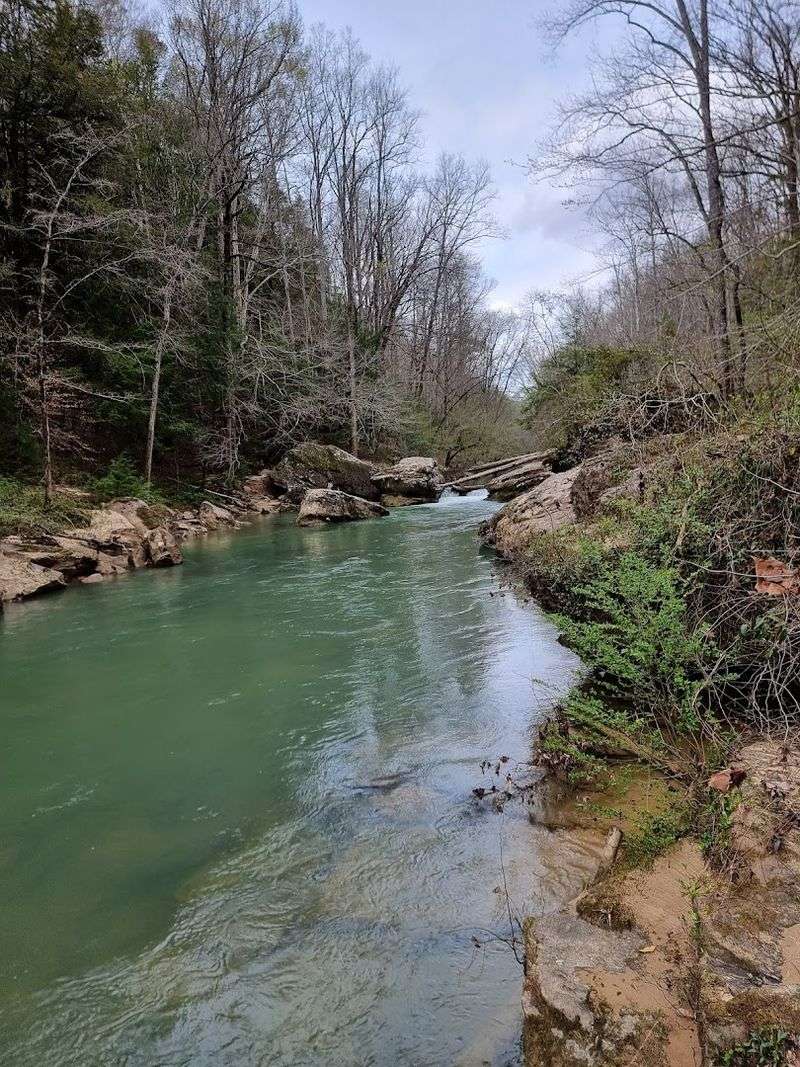
The Sipsey Fork of the Black Warrior River holds a title that no other waterway in Alabama can claim.
It is the state’s only federally designated National Wild and Scenic River, a status earned by its remarkable water clarity, its undeveloped banks, and its ecological importance to species found nowhere else on Earth.
The river’s color shifts depending on depth and light, ranging from pale green in the shallows to a deep jade in the slower pools.
Paddlers who put in a canoe or kayak on the Sipsey Fork quickly realize why that federal designation exists. The banks are almost entirely undeveloped, and the silence is broken only by birdsong and water moving over rock.
It feels genuinely remote in a way that most rivers in the Southeast simply do not anymore.
The river also supports a community of endangered freshwater mussels and rare aquatic species that depend on clean, cold water to survive. That is why trail erosion and sediment runoff caused by heavy foot traffic near the banks are such serious concerns for conservation groups.
Every boot that kicks loose soil near the river’s edge contributes to a slow degradation of something irreplaceable. Fishing is allowed in designated areas, and the catch can be surprisingly good for those who know the pools well.
The Sipsey Fork is not just a pretty backdrop. It is a living system worth defending.
Canyon Walls and Bluffs That Feel Prehistoric
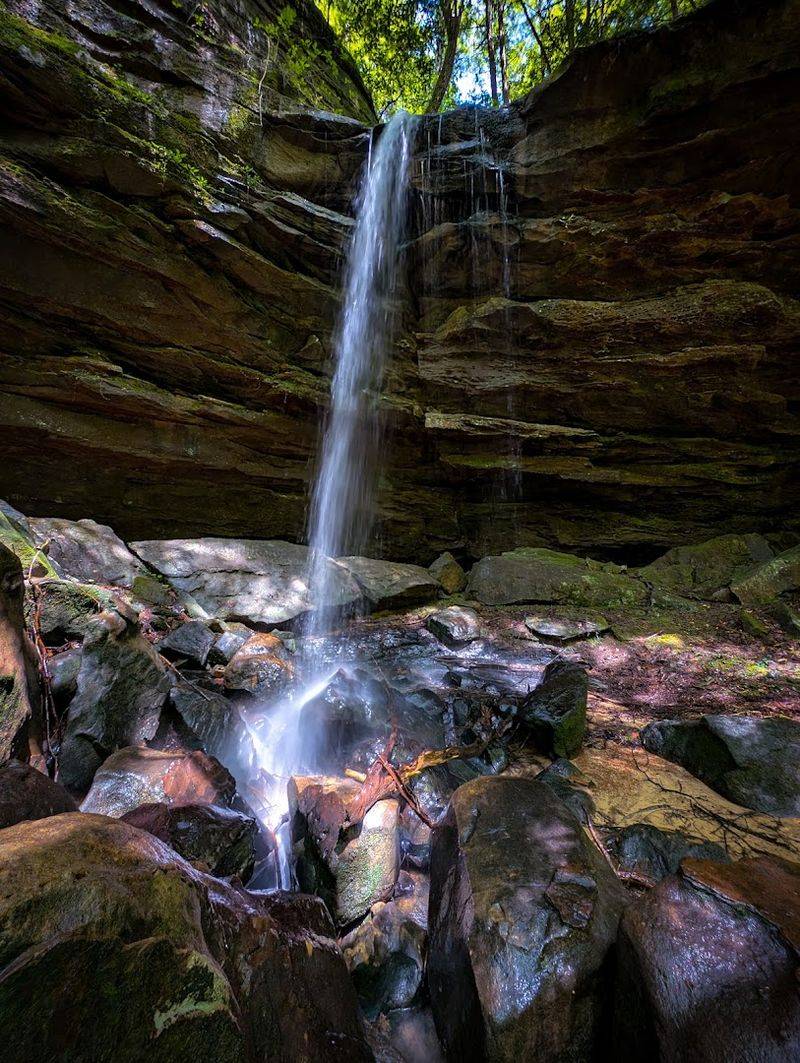
There is something almost disorienting about standing at the base of a 100-foot sandstone bluff inside Sipsey. The rock walls rise straight up from the creek bed, streaked with iron stains and draped in ferns, and they make the forest floor feel like the bottom of a lost world.
Geologists estimate these canyon walls formed somewhere between 250 and 550 million years ago, tied to the same forces that built the Appalachian Mountains.
Formations like Ship Rock and the Eye of the Needle are landmarks that hikers talk about for years after their first visit. The Eye of the Needle is exactly what it sounds like, a narrow arch carved through solid sandstone by centuries of water and wind.
Crawling through it feels like passing through geological time.
The bluffs also create natural shelter, and you can find overhangs large enough to camp under during a light rain. These rock shelters were used by Indigenous peoples long before European settlers arrived in Alabama, and standing inside them connects you to something much older than any trail map.
The canyon terrain means trail difficulty varies dramatically in short distances. One moment the path is flat and sandy, and the next you are scrambling over boulders the size of small cars.
That unpredictability is exactly what makes the Sipsey landscape so hard to forget.
Old-Growth Trees and Forests That Predate the Nation
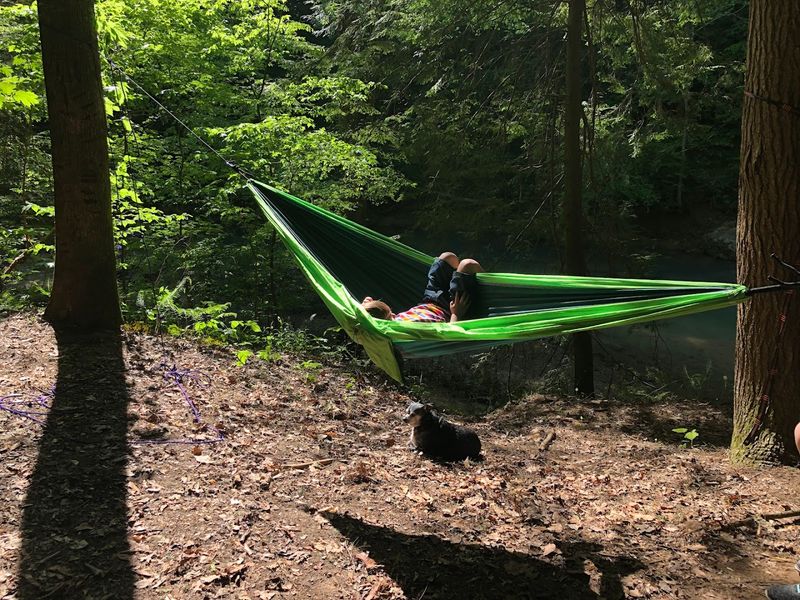
Alabama lost most of its old-growth forests to logging long before conservation laws caught up with the pace of destruction. Sipsey Wilderness is one of the rare exceptions.
Deep inside the forest, stands of virgin timber survived simply because the terrain was too rugged for loggers to access efficiently. Those trees are still standing today, and some of them have been growing for centuries.
The most famous resident is “The Big Tree,” a giant yellow poplar that is widely recognized as the largest tree in Alabama. Its trunk is massive enough that several adults holding hands could barely wrap around it.
Seeing it in person recalibrates your sense of scale in a way that photographs simply cannot.
Beyond the headline attraction, the forest itself is dense and diverse. Tulip poplars, white oaks, hemlocks, and beech trees form a multi-layered canopy that shades the canyon floors and keeps the air noticeably cooler than surrounding areas.
Wildlife thrives here because of that biodiversity. Salamanders, rare aquatic insects, and dozens of bird species depend on the intact forest ecosystem.
The old-growth sections near the Sipsey Fork are especially sensitive to disturbance. Wandering off-trail through these areas compresses root systems and damages the very conditions that allowed these trees to survive this long.
Staying on established paths is not just a rule here. It is an act of respect for something genuinely ancient.
Real Solitude Is Still Possible If You Plan Right
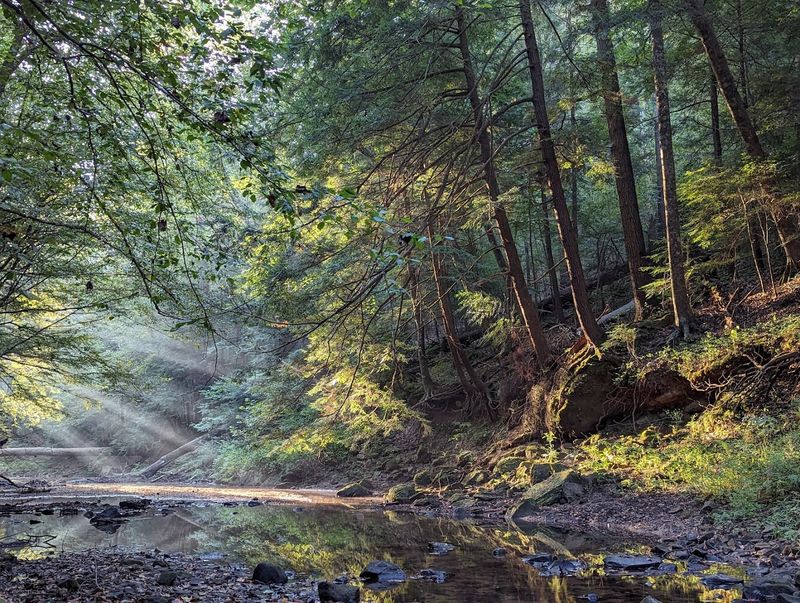
Wilderness solitude is becoming harder to find across the country, and Sipsey is no exception to that trend. Visitation numbers have climbed steadily over the past decade, and the most popular trailheads near the waterfalls can feel crowded on spring and fall weekends.
But the wilderness is nearly 30,000 acres, and most visitors never venture more than a mile from their cars.
Going deeper changes everything. Hikers willing to cover five or more miles find trail conditions that feel almost untouched.
The sounds of other groups fade, and the forest takes over completely. Winter is particularly rewarding, with no bugs, lower crowds, and waterfalls at their most dramatic flow after cold rains.
Cell service is nonexistent throughout most of the wilderness, which is either a dealbreaker or a major selling point depending on your perspective. Download a GPS map before you leave, and carry a paper backup because trail signage is inconsistent in several sections.
Some markers have gone missing, and social trails created by off-route hikers can send you in the wrong direction if you are not paying attention. Starting early on a Saturday morning beats the midday rush at popular access points.
Visiting on a Tuesday or Wednesday almost guarantees a quieter experience. The infrastructure around Sipsey is minimal, and that is part of what makes it special.
Protecting that quietness means being intentional about when and how you show up.
Ancient Geology That Reads Like a History Book in Stone
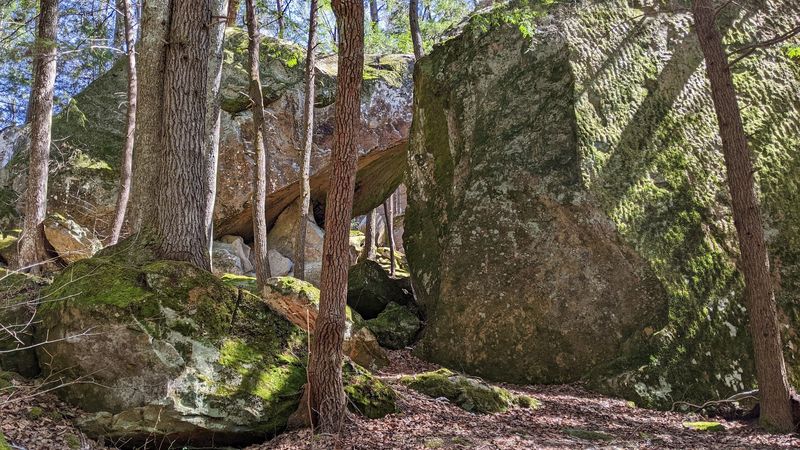
Most people do not think of Alabama as a destination for geology enthusiasts, but the canyon walls of Sipsey make a compelling argument.
The sandstone here is estimated to be between 250 and 550 million years old, formed during the same tectonic events that built the Appalachian Mountain chain far to the northeast.
What you see in these canyon walls is a cross-section of deep time, layer by layer.
The rock surfaces hold subtle clues for anyone willing to look closely. Ancient ripple marks from prehistoric shorelines are preserved in some stone faces.
Fossil impressions occasionally appear in exposed sections of canyon wall, quiet reminders that this landscape was once something entirely different from what it is today.
One visitor who hiked here described the boulders as “giant reptiles frozen in time,” and that description sticks once you start seeing the shapes in the rock. The geological formations also explain the dramatic topography.
Hard sandstone caps protect softer rock below, creating the bluffs, overhangs, and narrow passages that define the Sipsey landscape. Features like Fat Man Squeeze, a narrow canyon slot barely wide enough for a person to pass through sideways, exist because of how different rock layers erode at different rates.
The geology is not background scenery here. It is the main event, and it rewards hikers who slow down long enough to actually read what the stone is saying.
Getting Here Is Easier Than You Think, But the Crowds Are Catching On
Birmingham is about two hours from the Sipsey Wilderness, and Huntsville sits even closer to the north. For most of Alabama, this wilderness is a genuine day-trip option, which is part of why it has seen such a surge in out-of-state visitors over the past several years.
Road trip culture and social media have turned once-quiet trailheads into weekend destinations for hikers from Tennessee, Georgia, and beyond.
The Sipsey Wilderness is located within the William B. Bankhead National Forest near Mt Hope, AL 35651.
The U.S. Forest Service manages the area, and their website at fs.usda.gov provides current trail conditions and access information.
Some trailheads require navigating unpaved roads that are best suited for trucks or higher-clearance vehicles, so checking conditions before you go is genuinely important.
Nearby, the town of Moulton serves as a practical base for visitors needing supplies before heading into the forest. The accessibility that makes Sipsey appealing is also the source of its greatest challenge.
More visitors mean more erosion, more social trails, and more strain on a Forest Service that already relies on volunteer organizations like Wild Alabama to help maintain what exists.
Visiting responsibly means going in small groups, packing out everything you bring in, and sticking to marked trails even when unmarked shortcuts look tempting.
The wilderness can handle visitors. What it cannot handle is carelessness repeated thousands of times a season.
