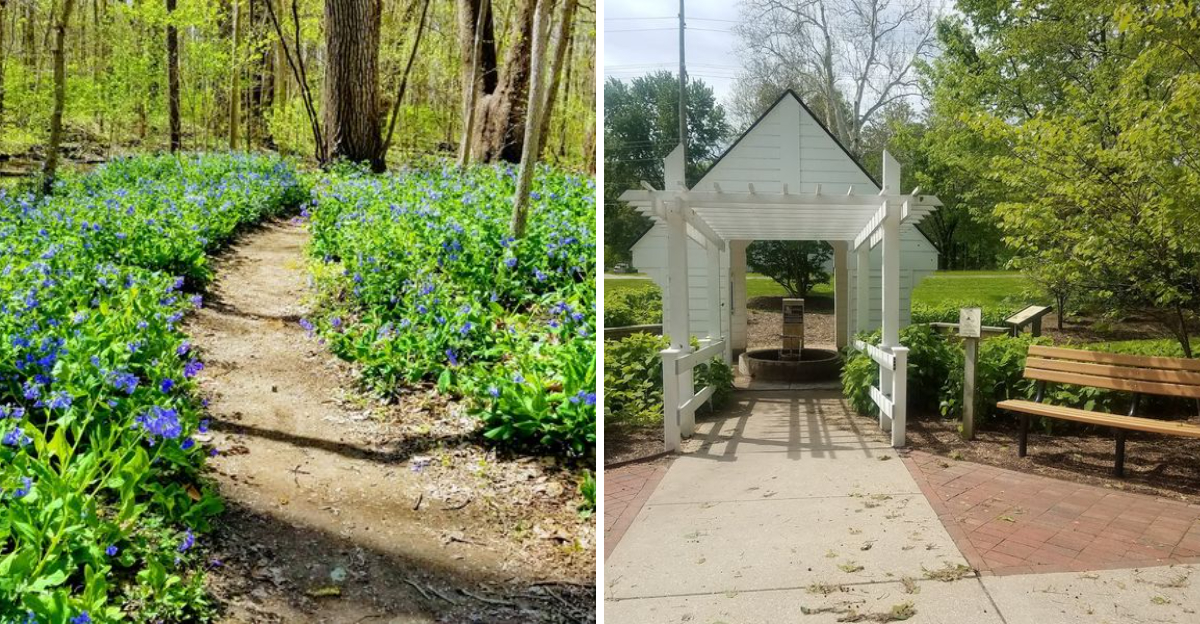
Somewhere in Carmel, Indiana, a natural artesian well has been flowing continuously since 1904, and most visitors have no idea it is there. A wooded park surrounds the site, offering a quiet escape filled with shaded trails, a small creek, and pockets of wildflowers tucked beneath mature trees.
At its center is the flowing spring, where cold, mineral-rich water emerges from the ground and can be collected directly by visitors. The steady sound of running water and the peaceful landscape make it feel surprisingly removed from the nearby city.
It is a simple but memorable stop, whether you are there to refill containers, take a short walk, or just enjoy a calm outdoor break. For anyone seeking a blend of nature and local history in one place, this spot delivers a uniquely refreshing experience.
You Can Fill Giant Jugs With Free Artesian Water
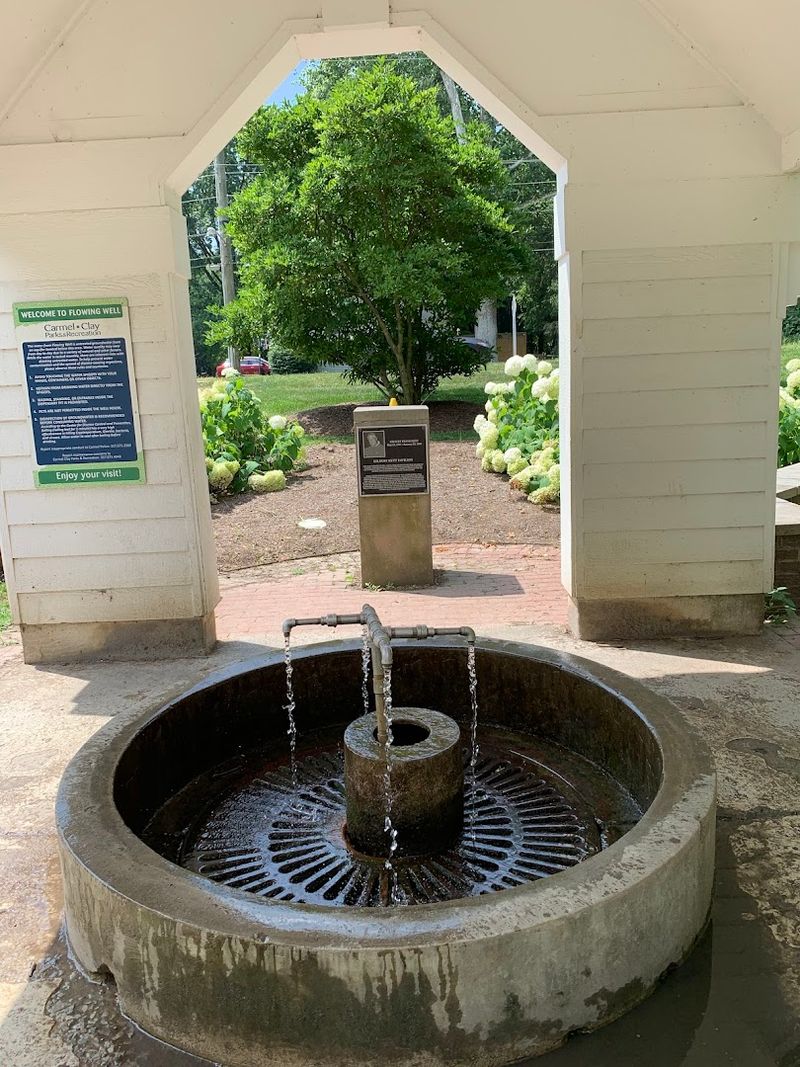
Long before grocery stores sold bottled water, people came to places like this to collect it themselves. The artesian well at Flowing Well Park has been flowing continuously since it was accidentally discovered in 1904, and it shows no sign of stopping.
The concrete structure built around it in 1926 still stands today, quietly doing its job around the clock. The well pushes out roughly 15 gallons of cold groundwater every single minute.
That is not a trickle. It is a steady, generous flow, and the spigots are designed wide enough to fit large containers underneath.
People regularly show up with five-gallon jugs and fill them completely for free. The water is mineral-rich, with Total Dissolved Solids tested between 339 and 380 ppm, well within the EPA secondary guideline of 500 mg per liter.
Carmel Clay Parks and Recreation does recommend boiling the water for one minute before drinking, since it is untreated groundwater. Many visitors also run it through a home filter for extra peace of mind.
There is something almost old-fashioned and satisfying about collecting your own water from the earth. Bring your biggest containers and plan a few extra minutes at the well.
The experience alone is worth the trip to 5100 E 116th Street, Carmel, Indiana.
Come Walk the One-Mile Nature Trail Through Cool Creek Woods
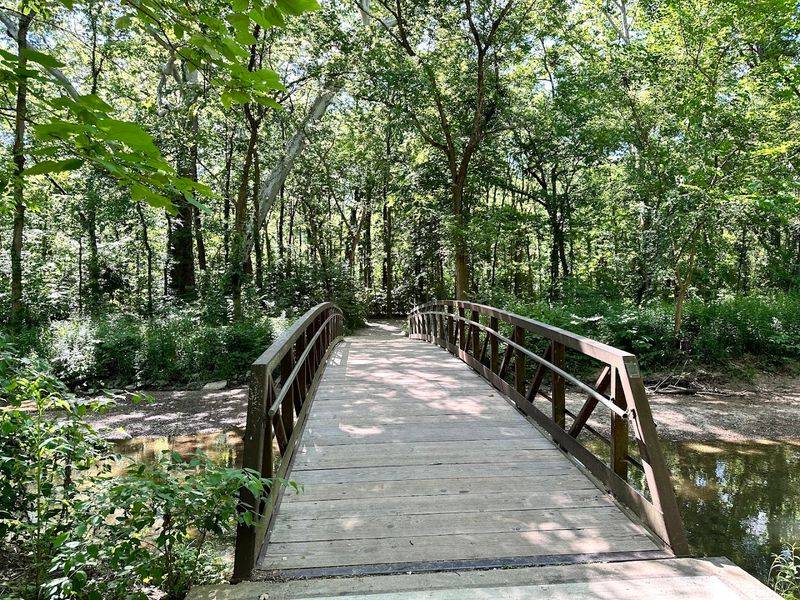
Not every mile-long trail leaves an impression, but this one does. The nature trail at Flowing Well Park winds through shaded woodland and runs alongside Cool Creek, giving walkers a front-row seat to one of the most peaceful natural corridors in Hamilton County.
The path is mostly dirt and gravel, which keeps it feeling raw and genuine rather than overly manicured.
Interpretive signs are placed along the trail, sharing educational facts about local plants and animals. It is the kind of detail that makes a walk feel meaningful rather than just exercise.
Kids especially enjoy stopping to read the signs and spot the wildlife mentioned on them.
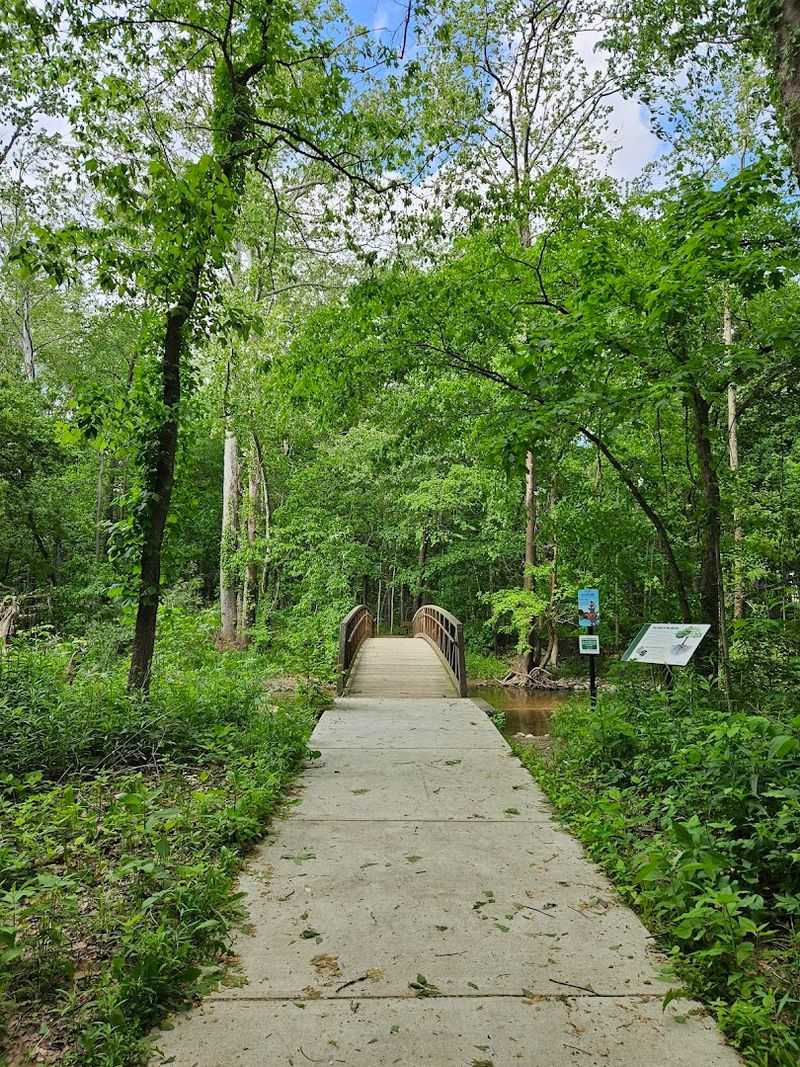
The trail crosses the creek via small bridges, and those crossing points offer some of the best views in the park. Looking down into the clear water below, you can often spot fish moving along the creek bed.
The canopy overhead filters the sunlight in a way that feels almost cinematic on a sunny afternoon.
The full loop takes less than an hour at a relaxed pace, making it ideal for after-work visits or weekend mornings. Parts of the front path are paved, which helps visitors with mobility needs enjoy at least a portion of the trail.
Bug spray is a smart addition to your bag, especially in warmer months when the wooded sections get lively.
Try Creek Stomping in Cool Creek With Your Kids
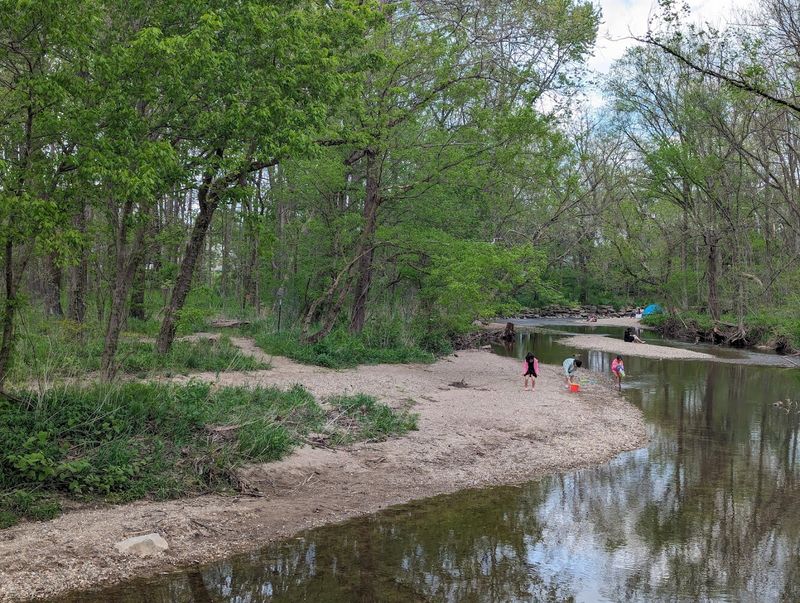
Cool Creek is the kind of place that makes kids forget about screens for a whole afternoon. The creek runs directly through Flowing Well Park, and its shallow sections are perfectly sized for little ones who want to wade in, splash around, and turn over rocks looking for whatever surprises might be underneath.
Bring buckets and small nets, and you have an instant adventure.
Most of the creek sits at a very manageable depth, but there are a few spots that get a couple of feet deep, giving older kids a chance to swim a little. The water stays cool even in summer, which makes it a welcome relief on warm Indiana days.
Parents can sit on nearby benches and keep a comfortable eye on the action from the bank.
Fishing is another option along the creek. Species like creek chub, large and smallmouth bass, and sunfish are known to live in these waters.
If you venture just beyond the busiest wading spots, you will often see fish moving in the calmer sections of the creek.
A foot wash fountain near the entrance makes cleanup easy after creek time, which is a genuinely thoughtful touch. Muddy sandals and wet feet are practically guaranteed, so knowing there is a rinse station waiting is reassuring.
The creek alone makes this park a family favorite worth returning to season after season.
Plan a Spring Visit for Wildflower Season Along the Trail
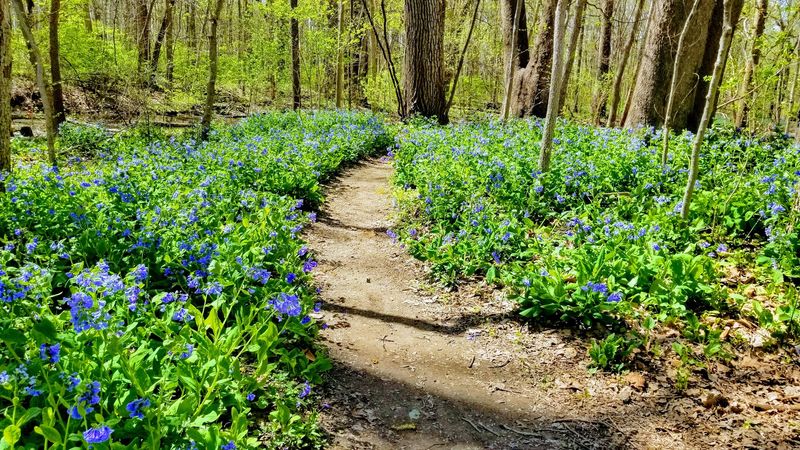
April and May transform Flowing Well Park into something that feels genuinely magical. The forest floor along the trail bursts with spring wildflowers, and the variety is impressive for a 15-acre park.
Virginia bluebells paint the ground in soft purple-blue, yellow trout lily dots the shaded areas, and bloodroot pushes up through the leaf litter in delicate white clusters.
Wildflower season at this park is not widely advertised, which means it stays refreshingly uncrowded compared to more famous nature spots in Indiana. Photographers and nature lovers who know about it tend to return every spring, often timing their visits to catch peak bloom.
The window is short, usually just a few weeks, so checking conditions before you go is worthwhile.
The combination of the flowing creek, the woodland canopy just starting to leaf out, and the colorful ground cover creates a layered visual experience that is hard to find this close to a suburban area. Early morning visits in April offer the best light and the quietest atmosphere.
Children who visit during wildflower season often become genuinely curious about plant identification, especially with the interpretive signs along the trail pointing out what to look for. It turns a casual walk into a small lesson in Indiana ecology.
Bringing a field guide or a plant identification app adds another layer of fun to the outing without requiring any extra gear.
Make Time to Spot the Giant Sycamore Trees Near the Bridge
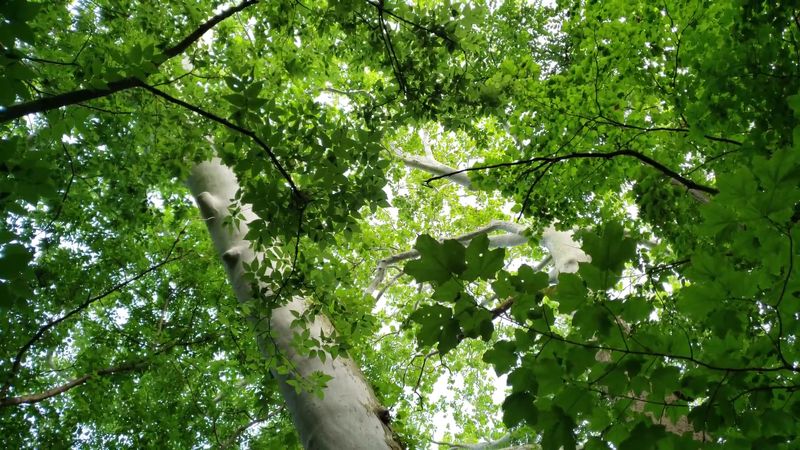
Some trees stop you in your tracks, and the giant sycamores near the bridge at Flowing Well Park are exactly that kind of tree. These are not ordinary park trees.
They are old, wide, magnificently forked specimens with the kind of pale, peeling bark that makes sycamores so instantly recognizable. Standing next to one puts their scale into honest perspective.
The most striking sycamore sits just past the bridge on the left side of the trail. Its trunk splits dramatically into multiple massive limbs, creating a natural sculpture that visitors consistently mention as one of the most memorable parts of the park.
Legacy trees like this one take generations to grow, and seeing them feels like a genuine connection to the land’s long history.
Sycamores tend to thrive near water, so their presence along Cool Creek makes perfect botanical sense. The creek provides the consistent moisture these trees need, and in return they provide deep shade over the trail and shelter for birds and other wildlife.
In every season, they look different and equally striking.
Bring a camera or simply take a moment to stand still and look up. The canopy created by these trees is something you genuinely cannot replicate in a photo.
Kids love trying to wrap their arms around the trunk and discovering just how far short they fall. It is one of those small moments that tends to stick in memory long after the visit ends.
Skip the Crowds and Enjoy the Picnic Shelter Near the Well
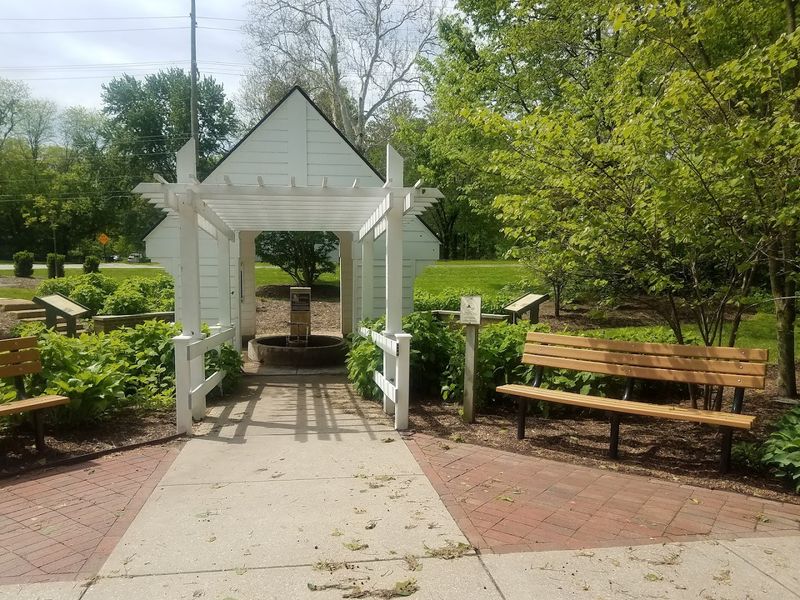
Not every park visit needs to be a full hike. Sometimes the best thing to do is claim a picnic table, unpack a lunch, and sit somewhere genuinely pleasant for an hour.
The covered picnic shelter at Flowing Well Park sits close to the well area and offers a shaded spot with tables, a grill, and nearby trash cans, making it easy to settle in without a lot of logistics.
The shelter is also available for rental if you want to organize a small group gathering, a birthday outing, or a casual get-together. For everyday visitors, the tables around the well area are usually available on weekday mornings and early afternoons.
Weekend afternoons can bring more foot traffic, especially when the weather is nice.
Sitting near the well while you eat means you get the gentle, constant sound of flowing water as background noise. It is surprisingly calming.
The surrounding trees block most of the visual noise from 116th Street, and the sound of the creek drifts over from the trail side of the park, adding to the layered natural atmosphere.
Clean restrooms are located on site and are well maintained, which makes longer visits much more comfortable for families. Benches are also scattered along the walking paths near the well, so even visitors who are not picnicking can sit and rest without having to head back to the parking area.
It is a small but genuinely welcoming setup.
Do Not Miss the Park That Started Carmel Clay Parks and Recreation
Flowing Well Park holds a specific place in Carmel’s history that most visitors never realize when they first pull into the parking lot. This 15-acre green space was the very first park opened to the public by Carmel Clay Parks and Recreation, back in 1994.
Everything that came after, every trail system, sports complex, and recreational facility in the area, traces its roots back to this quiet wooded lot along 116th Street.
The well itself has an even longer story. It was first discovered in the early 1800s and later accidentally rediscovered in 1904 by workers who were actually drilling for natural gas.
Instead of gas, they hit a powerful flow of cold groundwater that has not stopped running since. The concrete structure encasing the well was built in 1926 after the well was donated for public use.
Visiting Flowing Well Park means stepping into more than two centuries of Indiana history, all concentrated in one modest, beautiful spot. The park opens daily at 7 AM and closes at 9 PM.
Admission is completely free. For a place this historically significant and this naturally generous, that price feels almost impossible to believe.
