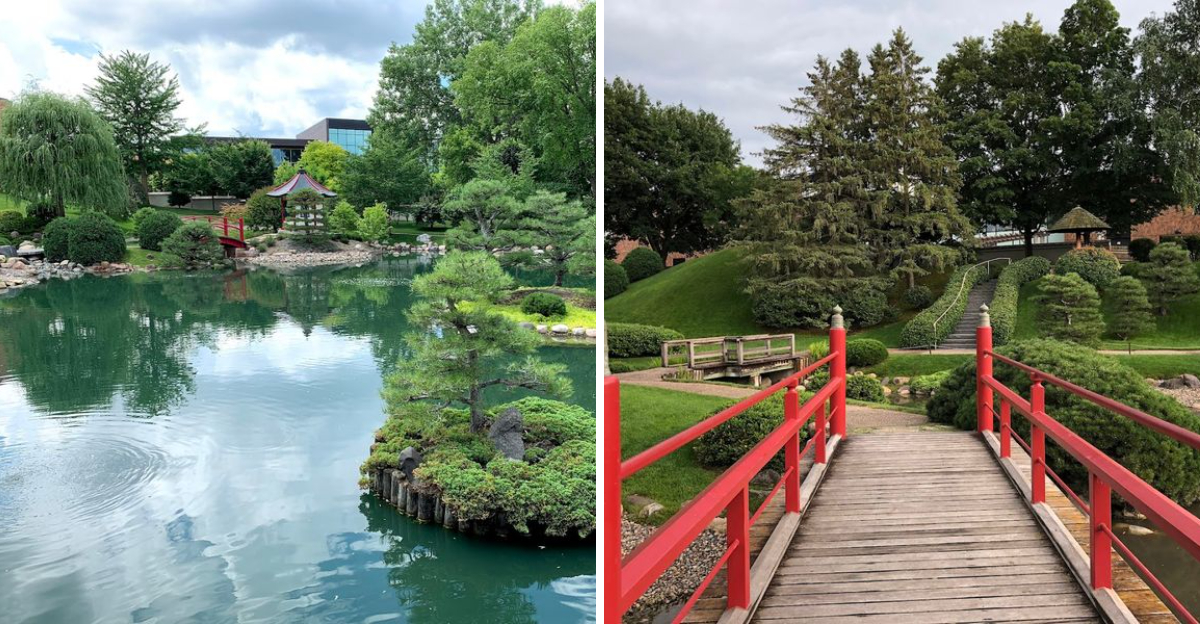
A peaceful two acre garden tucked behind a college campus where koi fish glide through calm water like living jewels. I walked through the gate and the sounds of traffic faded away replaced by gentle waterfalls and rustling bamboo.
Minnesota has a secret Japanese garden that feels like a tiny escape to Kyoto without the expensive plane ticket. The stone paths wind around a pond where bright orange koi follow your footsteps hoping for a snack.
I sat on a wooden bench and watched the light filter through maple trees turning everything soft and golden around me. Minnesota really created a quiet sanctuary where you can forget about deadlines and to do lists for a little while.
The bridges are curved and the lanterns are mossy and every detail feels intentional and calming to the spirit. I watched a couple meditate near the waterfall while a heron stood perfectly still in the shallows nearby.
The garden changes with each season and I am already dreaming of coming back to see the autumn colors. You leave feeling like you took a deep breath that lasted an entire afternoon in the best possible way.
A Hidden Gem Tucked Behind a College Campus
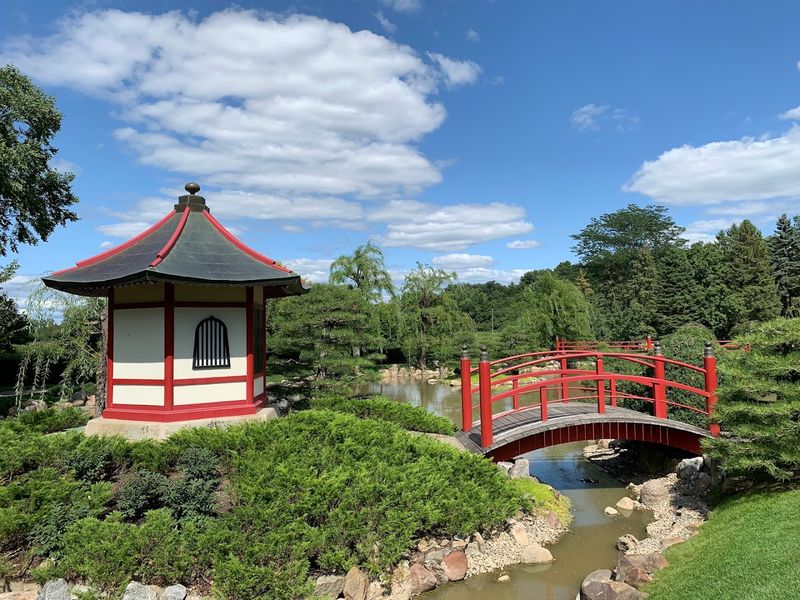
Most people drive past Normandale Community College without ever knowing what hides behind it. The Japanese Garden sits quietly on the west side of campus, easy to miss if you are not looking for it.
A short walk from the parking lot leads you through a stretch of prairie wildflowers and past a few stone sculptures.
Then the garden opens up. Suddenly the noise of France Avenue fades.
The air feels cooler and the trees seem taller. It is a genuine surprise, even if you have seen photos before.
The garden covers about two acres and was established in 1976. It was designed in the traditional Japanese style, meant to encourage reflection and calm.
There is no grand entrance, no ticket booth, and no crowd control rope. Just a small shelter near the gate with donation boxes and a stack of free brochures.
The whole experience starts gently and gets better the further you walk.
The Koi Pond That Steals the Show
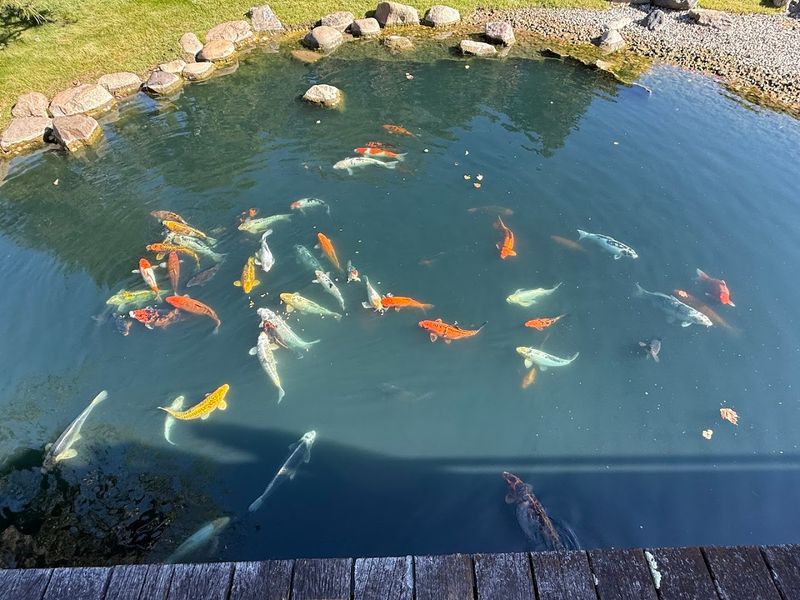
Honestly, the koi are the stars here. The pond holds over 80 fish, some of them large and slow-moving, with scales that flash orange, white, and gold in the sunlight.
Watching them glide through the water is oddly satisfying.
Near the garden entrance, there is a small vending machine. Drop in two quarters and it dispenses a handful of fish food.
The moment pellets hit the water, the koi come rushing from every direction. It is a little chaotic and completely delightful.
Even without food, the fish are active and easy to spot from the bridges. A few of the older ones are noticeably larger than the rest.
They tend to appear once the smaller fish start feeding, almost like they are waiting their turn. The pond is the heart of the garden, and most visitors end up circling back to it more than once.
Bring a few extra quarters because one round of feeding never feels like enough.
Bridges, Paths, and the Joy of Wandering Slowly
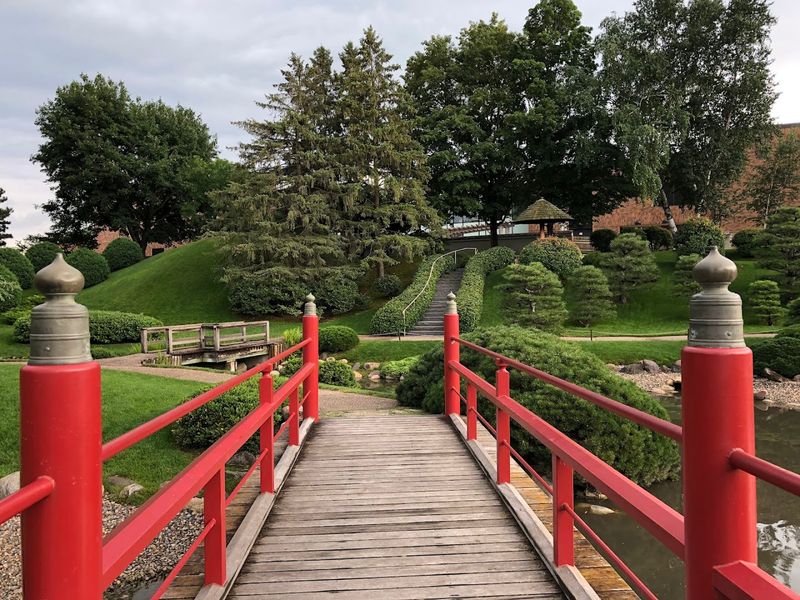
The garden path loops around the pond in a way that feels intentional and unhurried. There is no wrong direction to walk.
The bridges are a highlight, arching gently over the water and offering the best views of the fish below.
Stone lanterns dot the edges of the path. Carefully shaped shrubs line the walkway, some trimmed to resemble rounded clouds.
A volunteer once mentioned that the cloud pruning technique is traditional and takes years of careful maintenance to achieve. It shows.
The whole loop takes about 20 to 30 minutes at a relaxed pace. That said, most visitors slow down naturally.
There are too many small details to rush past. A mossy rock here, a perfectly placed stone there.
The path surface is mostly firm, though a few sections near the entrance involve a steeper slope. Visitors with mobility concerns are encouraged to bring assistive devices.
The accessible bridge near the pond offers a flat, easy route for anyone who needs it.
The Waterfall That Sets the Mood Instantly
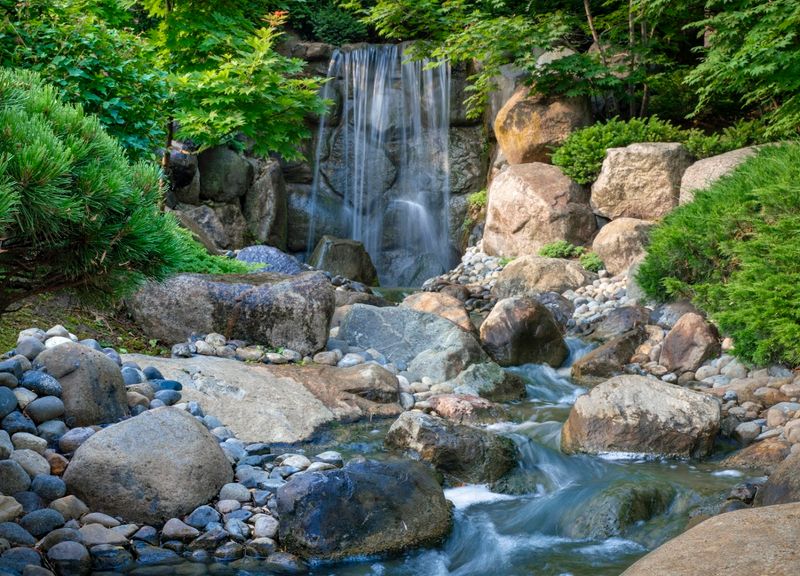
The sound hits you before the sight does. A soft, steady rush of water cuts through the quiet of the garden.
Then you round a curve in the path and there it is, a small waterfall tumbling over dark rocks into the pond below.
It is not dramatic or towering. The scale is intimate, which actually makes it more effective.
Standing nearby, the sound wraps around you. It is the kind of white noise that slows your breathing without you realizing it.
A few benches sit close enough to hear it clearly without blocking the view.
The waterfall is one of those features that photographs well but feels even better in person. The surrounding rocks are always slightly damp and covered in soft green moss.
In the morning light, the whole area has a glow to it that feels almost cinematic. If you are looking for one specific spot to pause and just exist for a few minutes, the waterfall area is exactly right for that.
Free Entry and the Donation Box at the Gate
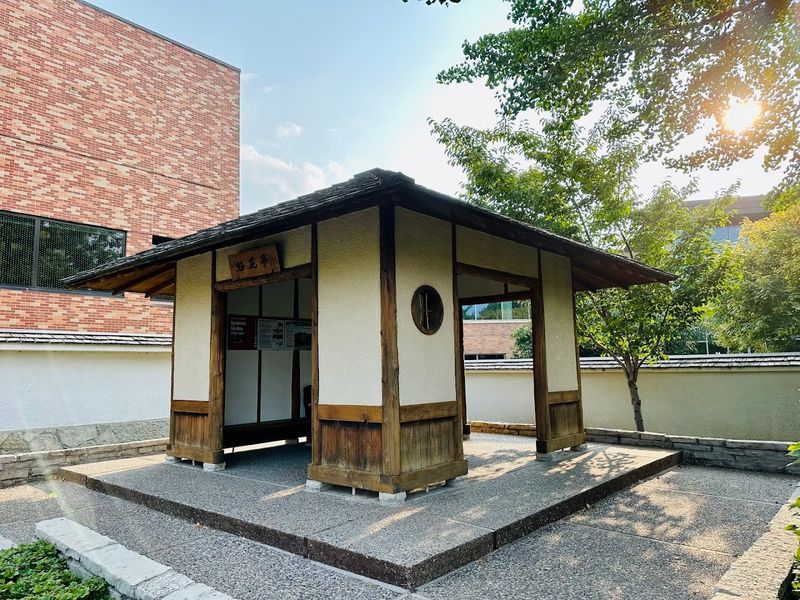
One of the first things visitors notice is that there is no admission fee. The garden is completely free to enter.
A donation box sits near the entrance shelter, and contributions are genuinely appreciated but never required. That kind of openness is rare.
Free parking is available in the Normandale College lot directly west of the garden. Signs point the way clearly.
There is even a portable restroom at the edge of the parking area for convenience. The whole setup is thoughtful without being fussy.
Because entry is free, the garden draws a wonderfully mixed crowd. College students stop by between classes.
Families spread out picnic blankets near the entrance tables. Solo visitors wander the path with headphones out, just listening.
There is no pressure to move quickly or spend money. The experience feels generous in a way that is hard to put into words.
Cloud-Pruned Trees and the Art of Japanese Landscaping
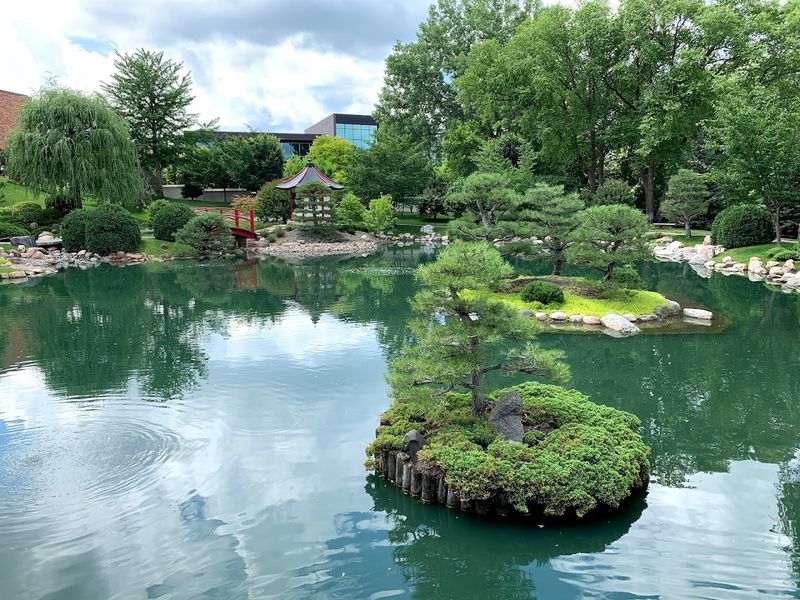
Look up from the koi pond long enough and the trees will catch your attention. Several of them have been shaped into rounded, layered forms that resemble clouds stacked on top of each other.
The technique is called cloud pruning, and it is a traditional Japanese art form.
It takes years of careful trimming to achieve that effect. Each branch is shaped individually.
The result is a garden that looks sculpted without feeling artificial. The trees have personality.
Some lean slightly over the water, casting reflections that shift with the breeze.
Beyond the cloud-pruned specimens, the garden features a wide variety of tree types. Maples, pines, and ornamental shrubs are mixed throughout the two acres.
In autumn, the color change is spectacular. In spring, fresh green growth makes the whole place feel newly alive.
Every season brings a different version of the same garden. That variety is part of what keeps visitors coming back.
The Walk Through Campus to Get There
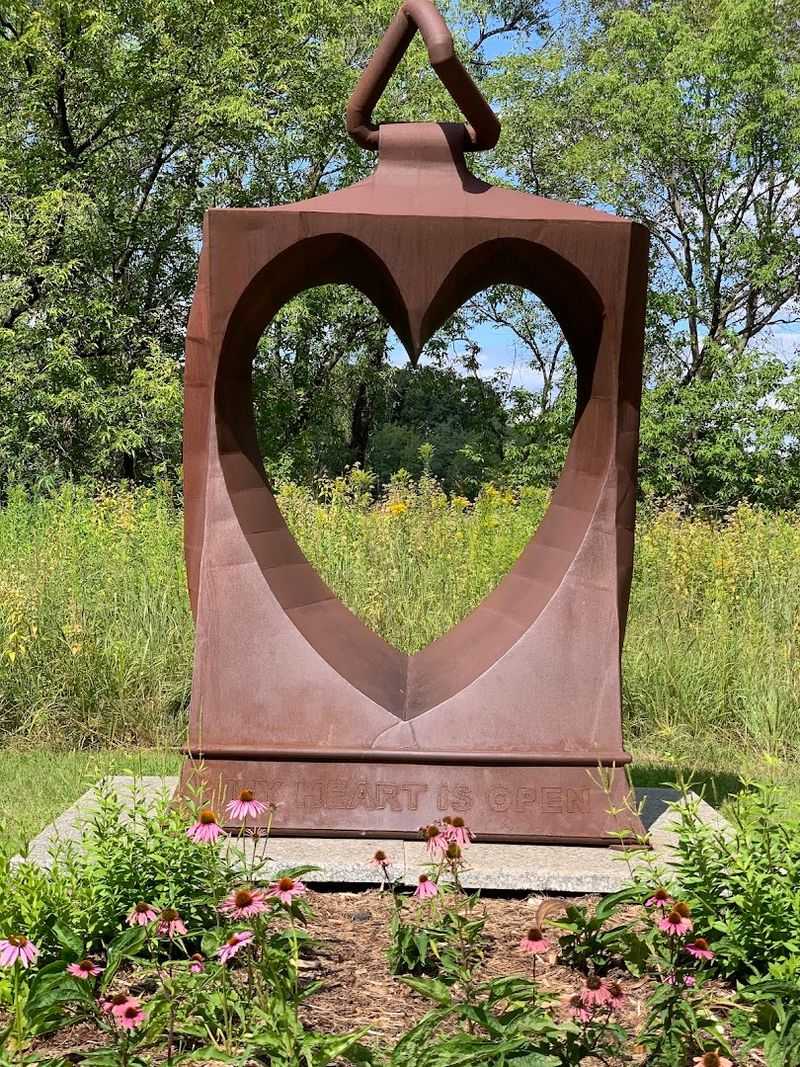
Getting to the garden is part of the experience. The walk from the parking lot takes you through a quiet stretch of the Normandale campus, past open lawns and a handful of outdoor sculptures.
It does not take long, maybe five minutes at most.
Along the way, prairie-style wildflowers grow in loose clusters beside the path. In summer, they bloom in yellows and purples.
The sculptures are easy to miss if you are moving fast, but worth a slow look. They add an unexpected artistic layer to what could have been a plain campus walkway.
The transition from parking lot to garden feels gradual on purpose. By the time you reach the garden gate, the college buildings have fallen behind you and the mood has shifted.
It is a small but effective bit of design. The approach builds quiet anticipation.
That walk also makes the garden feel earned in a small way. You move through something ordinary to reach something extraordinary.
Benches, Shade, and the Art of Doing Nothing
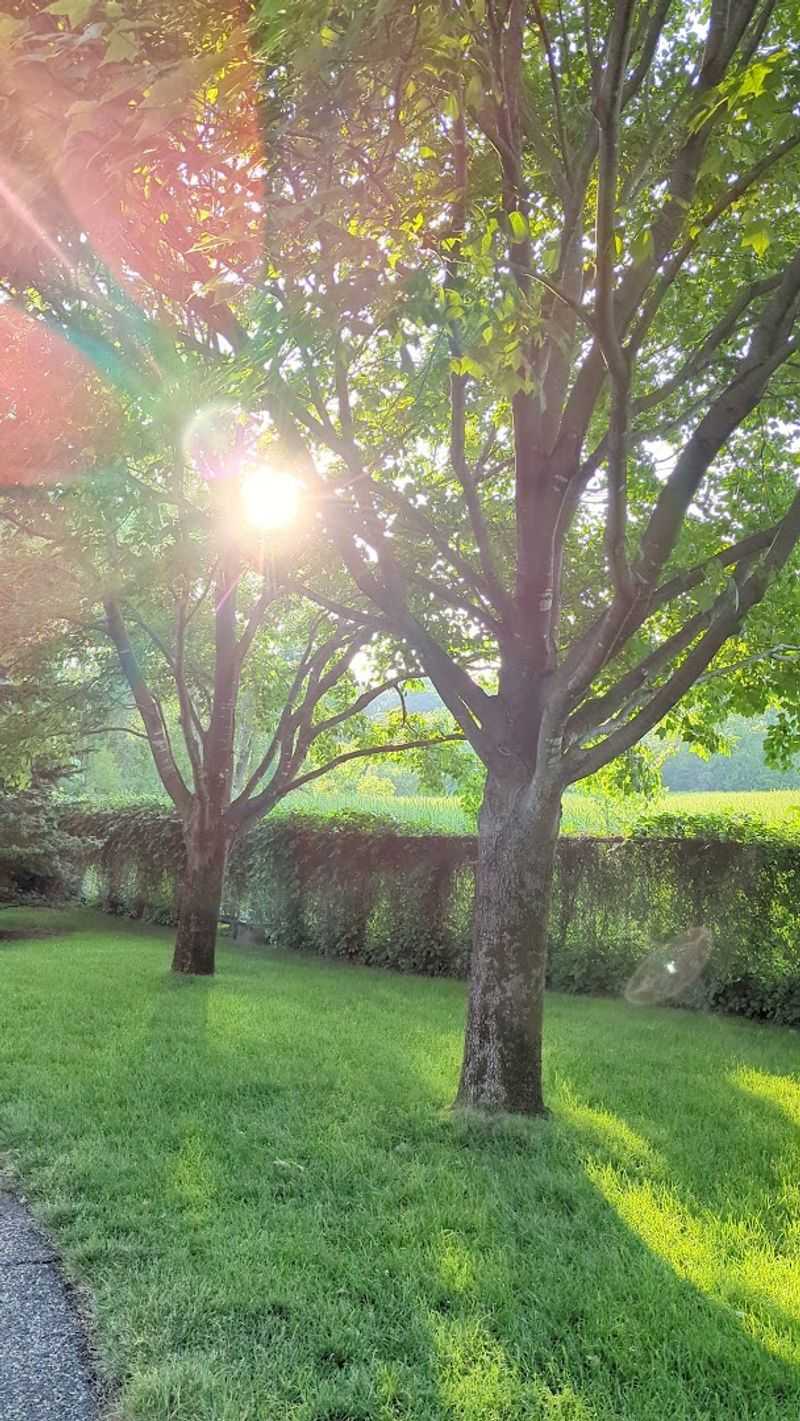
There is a particular pleasure in finding a good bench in a good place. The Normandale Japanese Garden has plenty of both.
Seating is scattered throughout the grounds, some in full sun, some tucked under trees where the shade is thick and cool.
A few elevated seating areas sit up a short set of stairs, offering a slightly different view of the pond and surrounding trees. From up there, the whole garden layout becomes visible.
It is a good spot for people-watching or just staring into the middle distance for a while.
Visitors are encouraged to slow down and stay. Some people bring books.
Others practice tai chi on the grass near the water. A few just sit with their eyes closed, listening to the waterfall.
The garden does not demand anything from you. It is one of the few public spaces where doing nothing is not only acceptable but actively encouraged.
That kind of permission is increasingly rare, and it makes the whole place feel like a genuine gift.
Photography, Picnics, and Making the Most of Your Visit
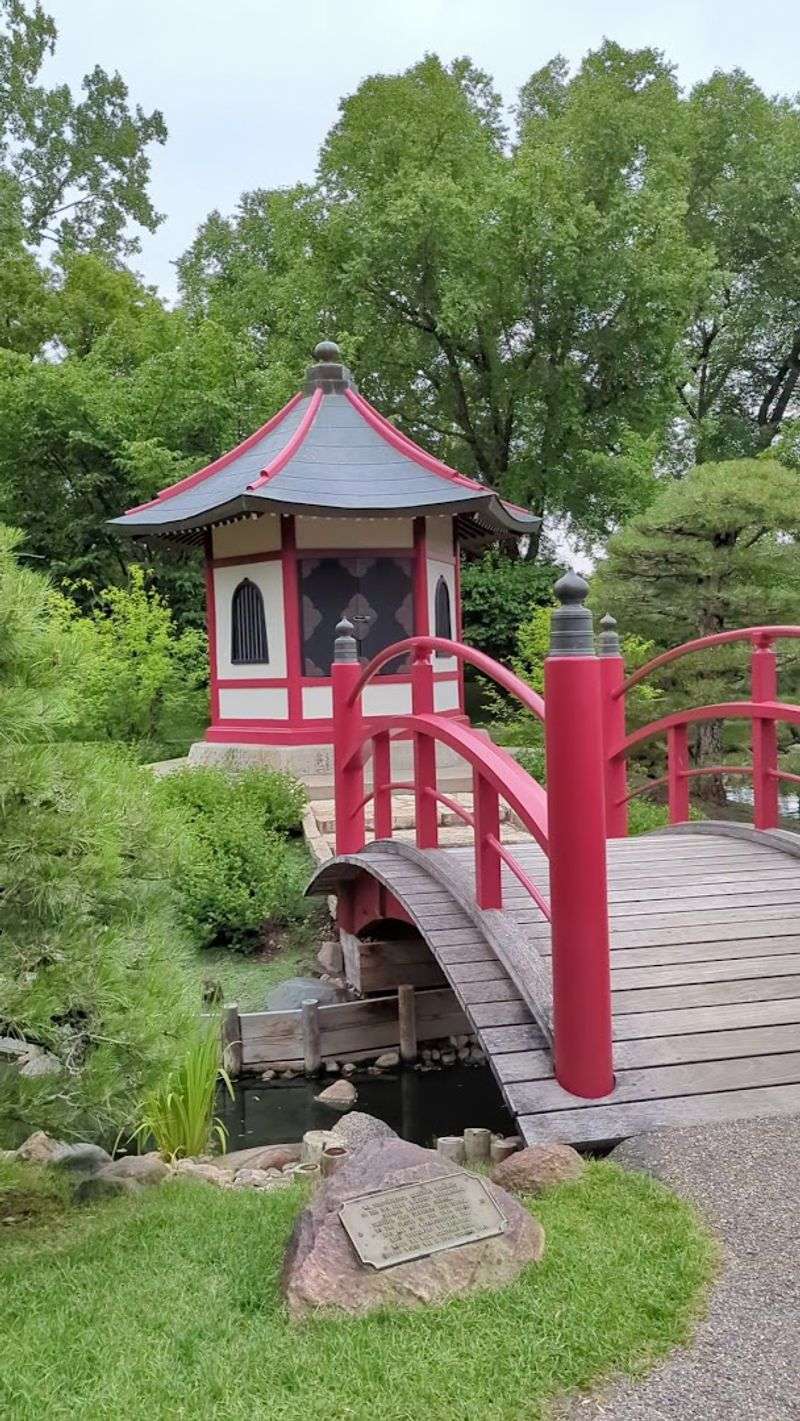
The garden is incredibly photogenic. Stone lanterns, arching bridges, colorful koi, and mossy rocks make every corner camera-ready.
Casual photography is completely free and welcome. Commercial photographers or those running paid sessions need a permit, but personal photos are always fair game.
Near the garden entrance, there are tables and chairs where visitors can set up a picnic. Bringing a lunch and eating it with a view of the garden is a genuinely lovely way to spend an afternoon.
The setting makes even a simple sandwich feel like a treat.
A few practical tips help make the visit smoother. Arrive early on weekdays to enjoy the garden at its quietest.
Midday on weekends tends to bring more visitors, so the peaceful atmosphere can feel slightly different. Comfortable walking shoes are a good idea, especially near the steeper entrance slope.
Bring quarters for the fish food vending machine. And if you plan to stay a while, pack a light snack.
Why This Garden Keeps Calling People Back
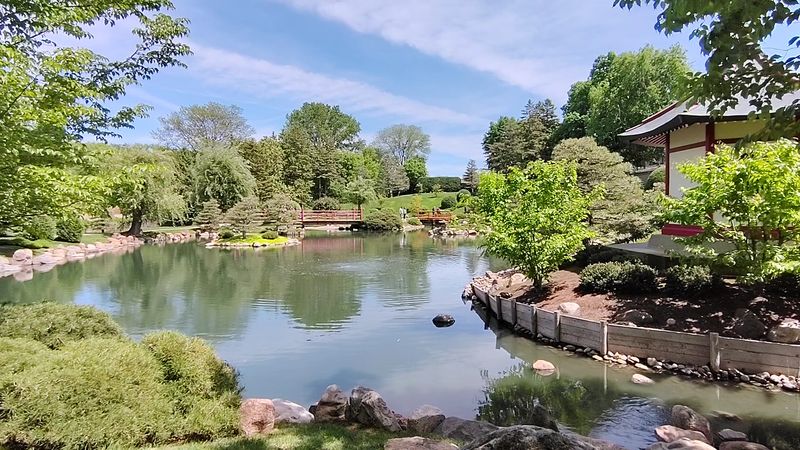
Some places are worth visiting once. This one earns repeat visits.
The garden changes with the seasons, and each version of it has its own character. Spring brings soft new growth and blooming shrubs.
Summer deepens the green and fills the pond with active koi. Autumn turns the maples into something almost unreal.
The community around the garden clearly cares about it. Volunteers greet visitors, answer questions, and help maintain the space.
That human presence adds warmth without feeling intrusive. It is a cared-for place, and you can feel it.
For anyone living in the Twin Cities metro area, the Normandale Japanese Garden is the kind of spot that becomes a personal favorite quickly. It is small enough to visit on a lunch break and meaningful enough to return to on hard days.
The garden holds something steady and calm that the rest of the world does not always offer. That is not a small thing.
Address: Normandale Japanese Garden, West Lot, 9700 France Ave S, Bloomington, MN 55431
