Drifting through a cypress swamp feels less like a workout and more like starring in a nature documentary that forgot to hire a narrator. The water is so still it looks like a mirror, and passing under a rickety wooden bridge adds a splash of old-school character that most city parks could only dream of.
For anyone who thinks “exercise” is a four-letter word, the calm loops around the camping units offer plenty of shade and zero pressure to set a personal record.
It is a reminder that some of the best weekend escapes involve nothing more complicated than a plastic boat and a serious sense of curiosity.
The Sandy Creek Paddling Trail: The Longest Route in the Park
At 5.4 miles, the Sandy Creek Paddling Trail is the kind of route that earns its reputation. It is the longest trail in the park, and it does not let you forget that.
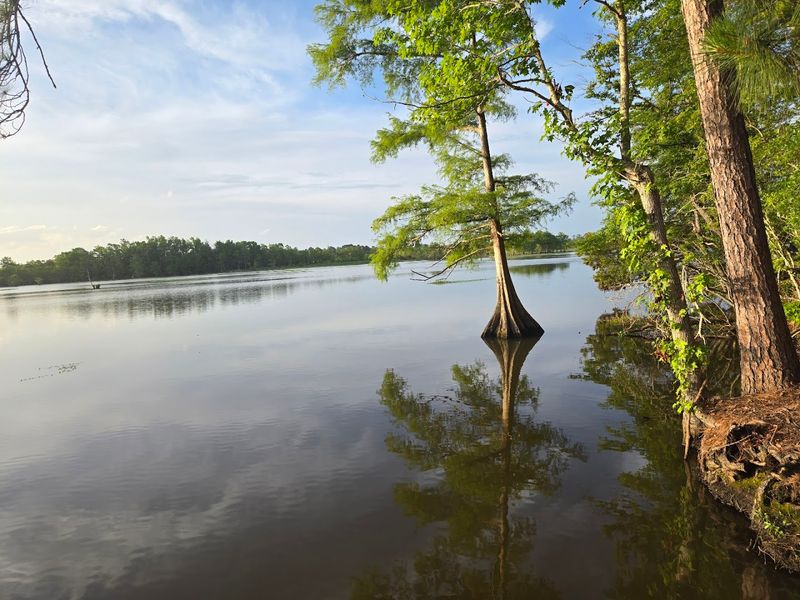
The path hugs the shoreline of the B.A. Steinhagen Reservoir, crossing open water in stretches that feel genuinely wild and expansive.
I remember the moment the trees opened up and the full reservoir came into view. It felt like the park had been holding that view in reserve, saving it for when you had earned it.
Two boat ramps along the route give you the option to rest, stretch, or simply take in the surroundings before pushing on.
The trail is accessible from the Canoe Dock and Hen House Boat Ramp in the Hen House Unit. It is a trail that rewards patience and steady paddling. If you only have time for one trail at the park, this one covers the most ground and gives you the fullest sense of what Martin Dies, Jr. State Park is really about.
The Neches Paddling Trail: Where the River Takes Over
Something shifts when you paddle the Neches Trail and feel the current start to pull. The 2.8-mile route follows buoys along a twisting path that gradually leads toward the Neches River, and the moment you hit that southern current, the whole experience changes pace.
This trail is rated moderate, which feels accurate. It is not intimidating, but it asks you to pay attention.
Paddlers can ride the river current for a more adventurous stretch or take a shortcut toward calmer backwater if the flow feels strong that day.
The trail has a rhythm to it that is different from the Sandy Creek route. Where Sandy Creek is about open water and distance, the Neches Trail is about movement and the feeling of a living river doing part of the work for you.
It is a satisfying paddle that leaves you feeling like you actually went somewhere, not just circled a quiet pond.
The Walnut Paddling Trail: A Loop Around the Camping Unit
There is something almost meditative about the Walnut Paddling Trail. At 2.7 miles, it loops around the Walnut Ridge Camping Unit in a way that feels self-contained and unhurried.
This is the trail I would recommend to someone who wants a beautiful paddle without covering a lot of ground.
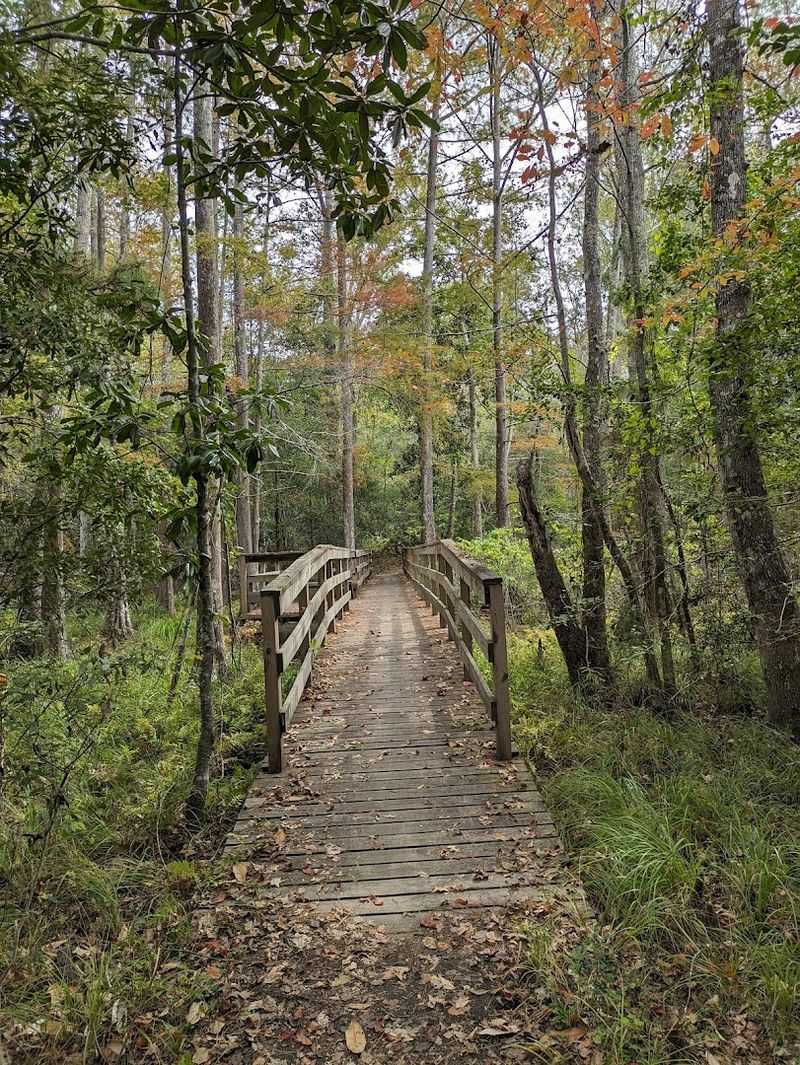
The highlight for me was ducking under the park’s observation bridge and road bridge mid-route. It sounds like a small thing, but those moments of passing under old wooden structures with water dripping and birds perched above gave the whole trail a storybook quality.
The trail starts and ends at the Walnut Boat Ramp, making navigation simple.
Families with younger kids or beginners will feel comfortable here. The water stays relatively calm, and the surrounding forest keeps things shaded and cool even on warmer days.
Because the trail wraps around an active camping unit, you occasionally catch glimpses of campsites through the trees, which gives the route a cozy, lived-in feeling. It is a good reminder that this park is not just a day-trip destination.
Many people call it home for a few nights, and the Walnut Trail makes it easy to understand why.
The Cypress Swamp Paddling Trail: Ducks, Cypress Trees, and Pure Stillness
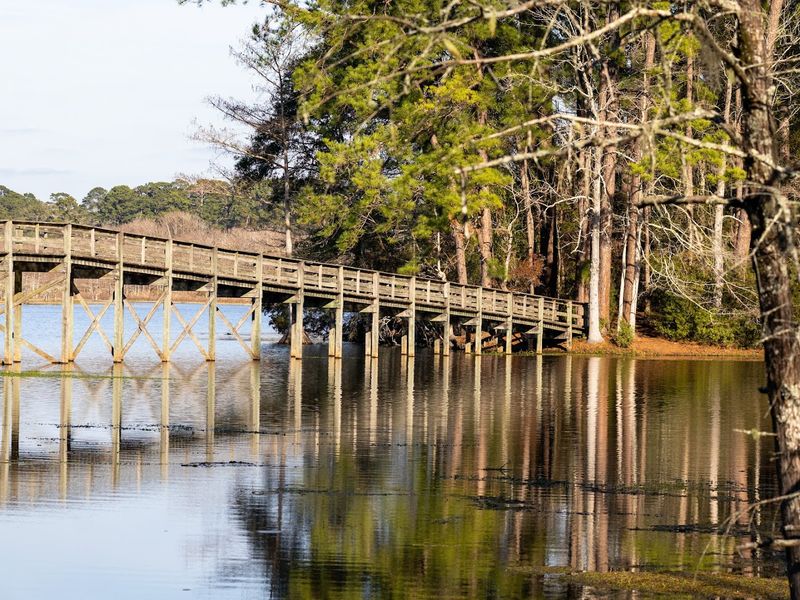
The Cypress Swamp Paddling Trail is where the park gets genuinely atmospheric. This 3.0-mile moderate trail meanders around the Wolf Creek and Rush Creek units, and the scenery is unlike anything else in the park.
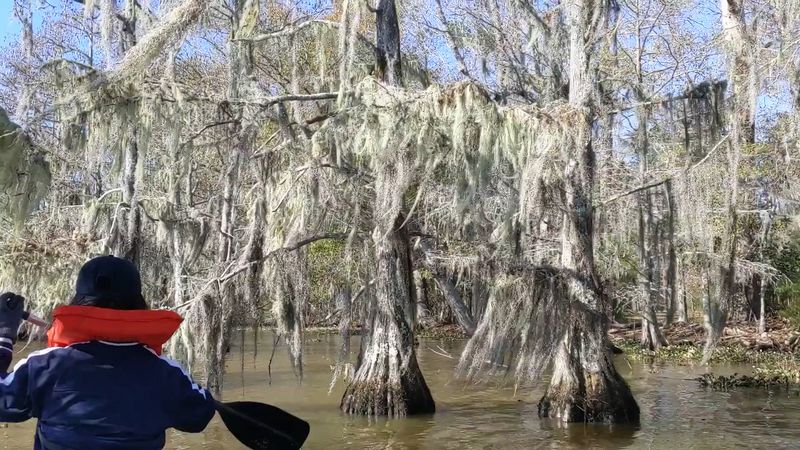
Tall cypress trees rise straight out of the water, their roots fanning out beneath the surface like something from a nature documentary.
Ducks gather here in noticeable numbers, especially in the quieter morning hours. Paddling slowly through the cypress groves with birds moving around you and the water barely making a sound is the kind of experience that makes you put the paddle across your lap and just sit for a moment.
It earns that pause.
The trail is accessible from the Walnut Boat Ramp as well, which makes it easy to combine with the Walnut or Neches trails if you have a full day. The swamp environment feels distinctly different from the open reservoir stretches of Sandy Creek, and that contrast is part of what makes this park so interesting.
Four trails, four completely different moods. The Cypress Swamp Trail is the one that tends to stay with people the longest after they leave.
Kayak and Canoe Rentals at the Park Headquarters
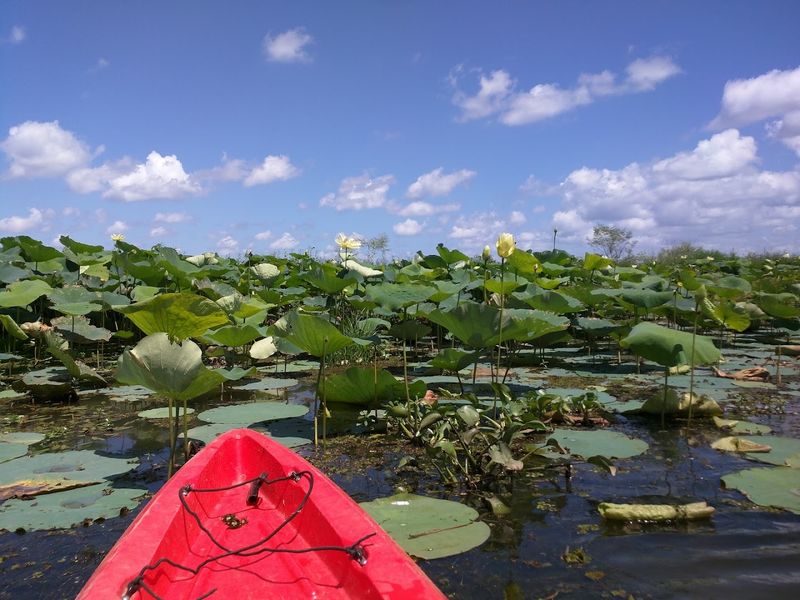
Not everyone shows up to a state park with a kayak strapped to the roof, and this park has thought about that. Canoes and kayaks are available for rent at the park headquarters, open daily from 8:30 a.m. to 4:30 p.m.
Rentals come with life jackets and paddles included, so you can arrive with nothing and still get out on the water.
This is one of those practical details that makes the park genuinely accessible to a wide range of visitors. First-timers who are not sure if paddling is their thing can try it without committing to buying gear.
Families traveling light can still get the full experience without hauling equipment across the state.
The headquarters staff are helpful and can point you toward the trail that best fits your skill level and available time. If you are newer to paddling, they can steer you toward the calmer Walnut loop.
If you are looking for a challenge, Sandy Creek is ready for you. Having rentals on-site removes one of the biggest barriers to getting out on the water, and it keeps the whole experience feeling low-stress and genuinely welcoming for anyone who walks through the gate.
Fishing at the Lighted Piers and Campsites
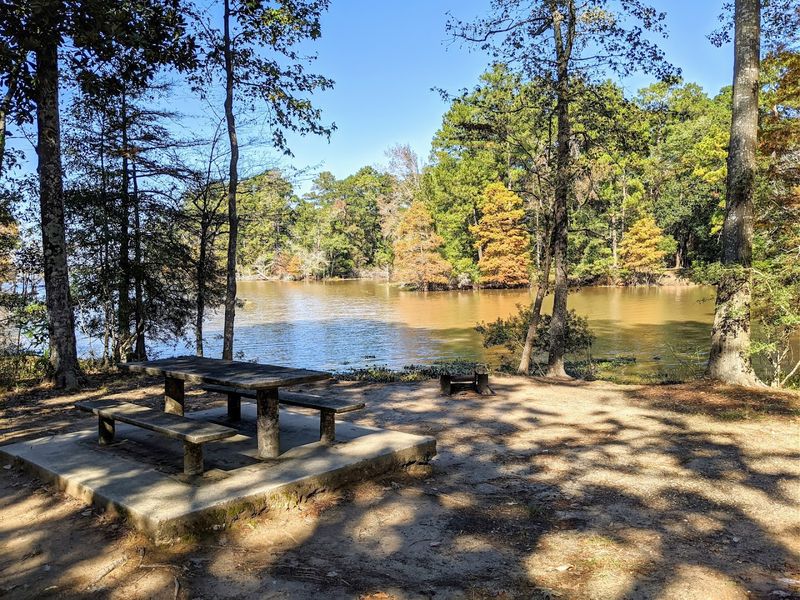
Even if paddling is not your priority, the park gives you plenty of reasons to stay near the water. Several small lighted fishing piers are scattered throughout the park, and many campsites sit right on the bank, making it easy to cast a line without going far at all.
The reservoir holds catfish, bass, perch, and crappie in solid numbers.
One of the better details here is the fishing license situation. No license is required when fishing from shore or a pier inside a Texas state park.
That is a genuinely nice perk, especially for families who do not fish regularly but want to give it a try during a camping weekend.
The lighted piers extend the fishing window into the evening hours, which turns out to be one of the best times to be out there. The air cools down, the reservoir goes flat and glassy, and the lights attract insects that attract fish.
It becomes a whole scene. I have talked to campers who said they barely kayaked at all because the evening fishing kept pulling them back to the pier.
That is the kind of flexibility this park offers. It rewards whatever pace you bring to it.
Camping Options: Over 200 Sites, Shelters, and Cabins
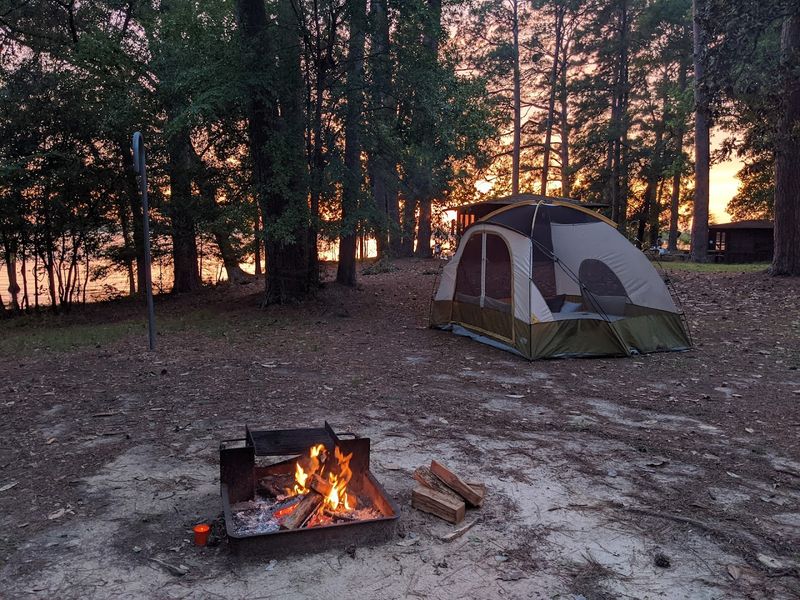
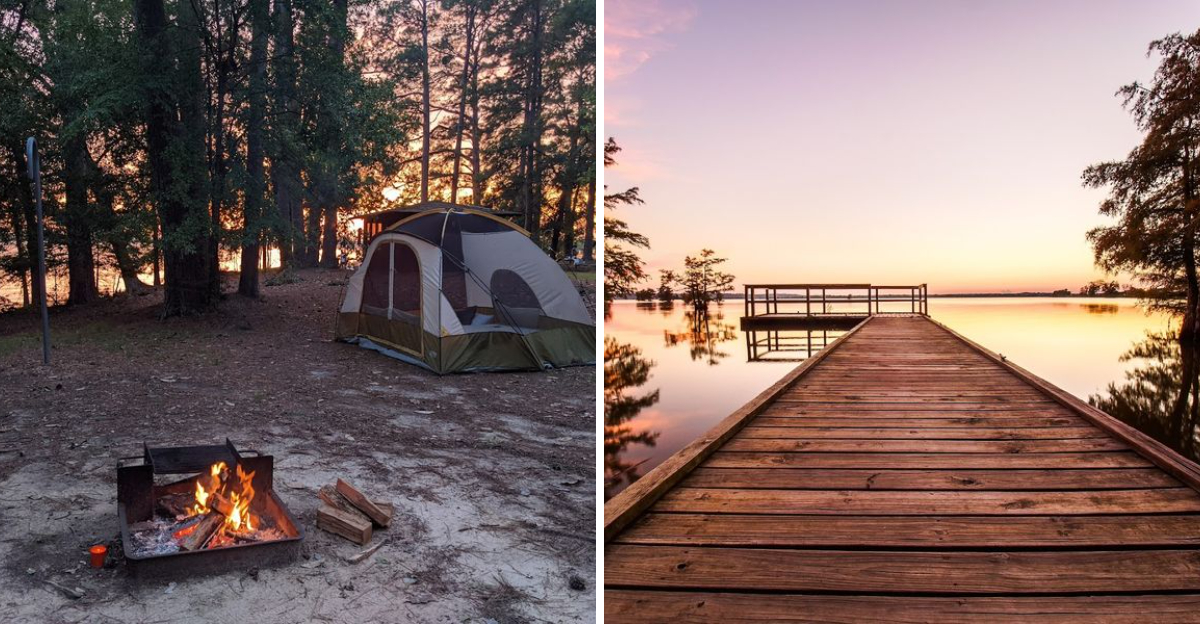
More than 200 campsites spread across the park, and the variety is genuinely impressive. Many sites come with water and electric hookups, which makes the park comfortable for RV travelers and tent campers who appreciate a bit of convenience.
Screened shelters and cabins are also available for those who want a roof over their heads without fully stepping away from the outdoor experience.
The camping units are spread across different parts of the park, including the Walnut Ridge and Hen House units. Each one has its own feel.
Some sites back right up to the water, which means you can hear the reservoir at night and stumble to a fishing pier in the morning without much effort at all.
Booking ahead is strongly recommended, especially on weekends and during the cooler months when East Texas weather turns perfect for outdoor stays. The park does not feel overcrowded even when it is busy, partly because the sites are spread out and the trees provide natural privacy between neighbors.
Waking up in the Piney Woods with water nearby and birds already active before sunrise is the kind of morning that makes you wonder why you do not camp more often.
The B.A. Steinhagen Reservoir: The Heart of the Park
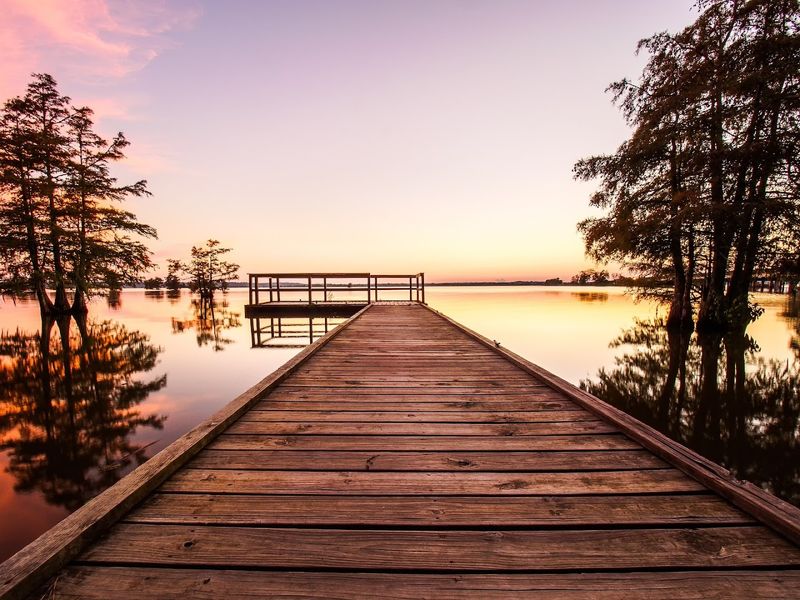
The B.A. Steinhagen Reservoir is not just a backdrop for the park.
It is the reason most of the park exists in the form it does. This large reservoir sits at the center of the paddling trail network, providing the open water stretches that make routes like Sandy Creek feel genuinely adventurous.
The reservoir was created by the dam on the Neches River and covers a substantial area of East Texas wetlands. That history matters because it shaped the ecosystem you paddle through today.
The combination of open reservoir water, backwater sloughs, and river channels creates an unusually diverse set of environments within a single park.
On calm mornings, the reservoir surface turns into a near-perfect mirror, reflecting the pine-covered shoreline and sky in a way that makes you want to stop paddling and just look. On breezier days, small chop forms across the open sections, which adds a bit of physical challenge to the longer crossings.
The reservoir responds to weather and season in ways that keep return visits feeling fresh. People who paddle here multiple times across different seasons consistently say the experience changes enough to feel like a new place each time.
Wildlife Watching Along the Trails and Shorelines
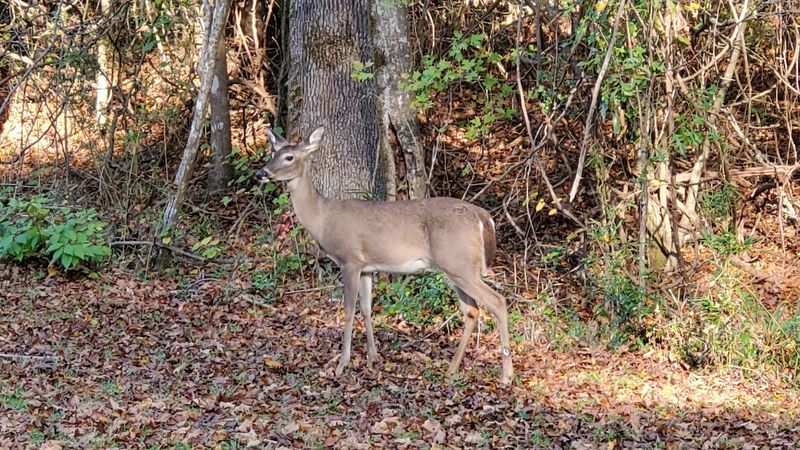
The wildlife at this park does not hide. Great blue herons stand at the edges of sloughs like they own the place, barely moving as you paddle past.
Alligators are present in the reservoir and surrounding waterways, so keeping a respectful distance is part of the experience rather than a reason for alarm. Seeing one slide off a log into the water is memorable in a way that no photograph fully captures.
Ducks concentrate heavily around the Cypress Swamp Trail, particularly in the cooler months when migratory birds pass through East Texas.
Osprey patrol overhead, and woodpeckers work the dead cypress trunks along the shoreline with a rhythmic persistence that becomes part of the ambient soundtrack of a morning paddle.
What makes wildlife watching here feel rewarding is the pace of kayaking itself. Moving quietly through the water without a motor means animals do not scatter before you arrive.
You earn close encounters by moving slowly and keeping noise down. The park sits within the larger Angelina-Neches-Dam B Wildlife Management Area, which means the surrounding land is also protected.
That continuity of habitat is part of why the wildlife diversity here feels richer than at many other Texas state parks.
Getting There and Planning Your Visit to Martin Dies, Jr. State Park
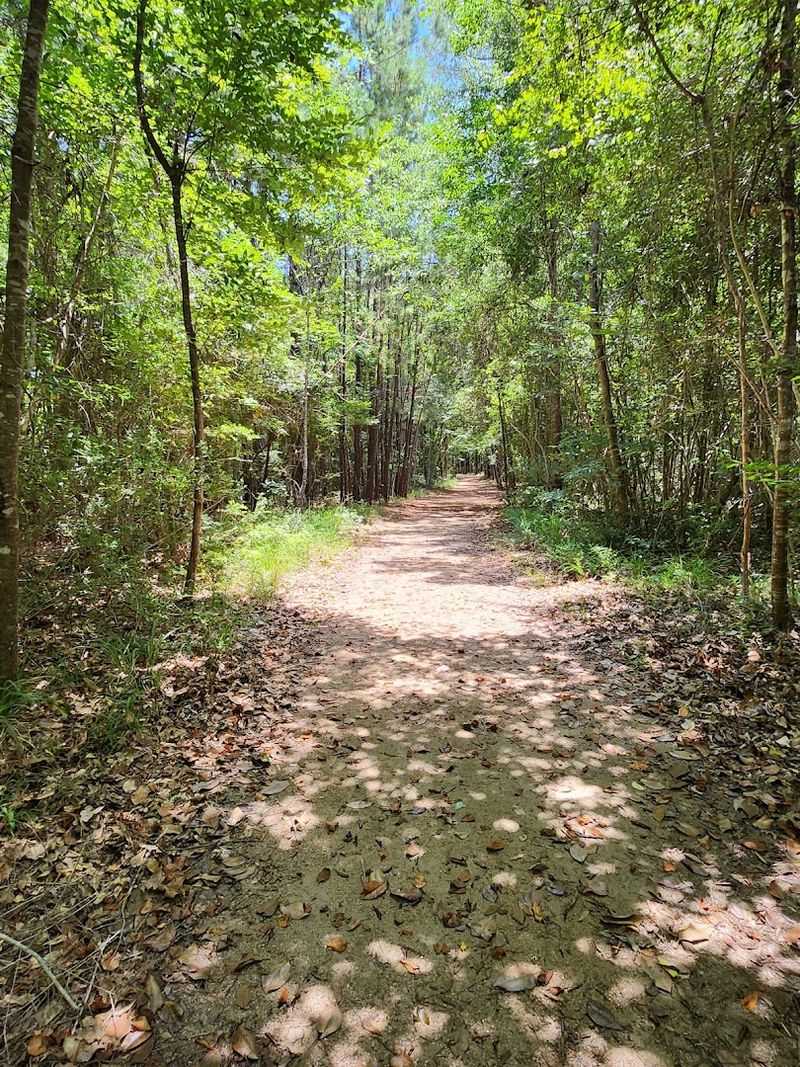
Getting to the park is straightforward once you know the route. From Highway 190, you turn onto Park Road 48 South and follow the road into the park.
The headquarters is one of the first things you reach, which makes it easy to stop in, ask questions, rent gear, and get oriented before heading out to the trails.
The park is located at 634 Park Road 48 S, Jasper, TX 75951, about 12 miles west of Jasper in the Piney Woods region of East Texas. It sits within reasonable driving distance from Beaumont, Lufkin, and even Houston for a weekend trip.
The drive in through the tall pines already sets the mood before you reach the water.
Visiting during the week gives you a quieter experience, but weekends are lively without feeling chaotic. The park is open year-round, and each season brings something different.
Fall and spring offer the most comfortable paddling temperatures. Summer mornings are beautiful if you get on the water early.
Winter brings migrating birds and crisp air that makes the whole park feel sharper and cleaner. No matter when you show up, this park tends to exceed what people expect from it.
