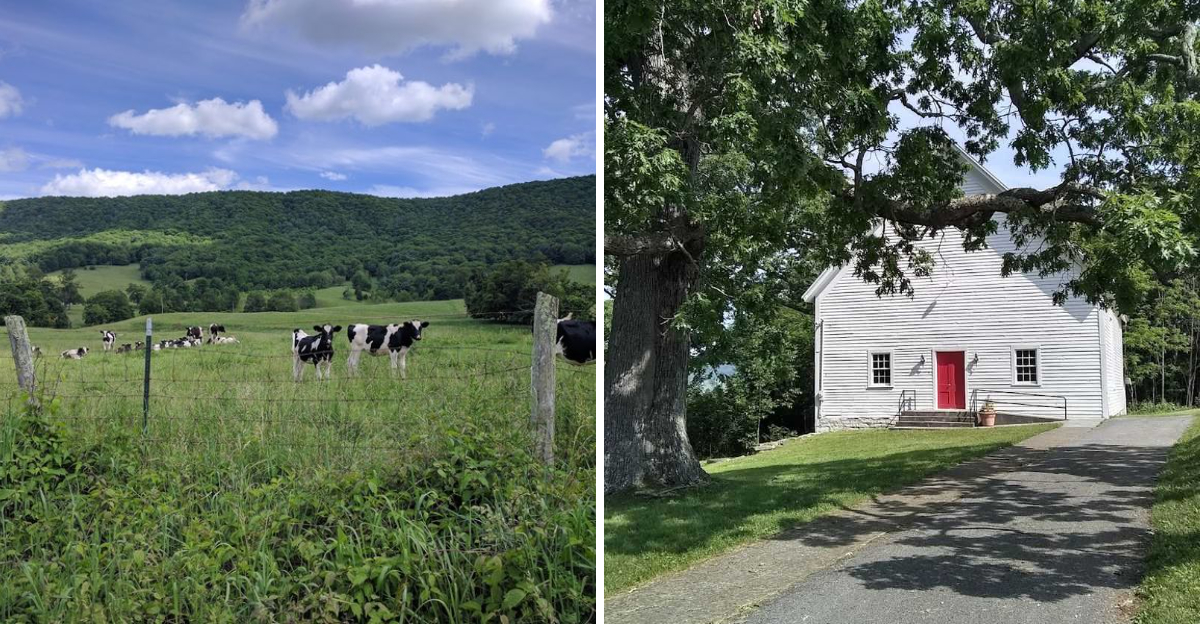
Picture a place where cell service fades, horses outnumber cars, and farmland stretches like a patchwork quilt sewn by giants. Tucked inside a mountain crater in Virginia, this valley feels like it stopped the clock somewhere around the time your grandparents were kids.
Locals call it God’s Thumbprint, and once you see it from the rim, you’ll understand why. Rolling pastures, red barns, and gravel roads tell stories of a simpler life that most of America forgot decades ago.
It’s not a theme park or a movie set. It’s real, it’s lived-in, and it’s utterly captivating.
Visiting here means stepping off the fast track and into a world where neighbors wave, cows graze lazily, and the biggest entertainment might just be watching the sunset paint the ridges gold. Ready to explore a valley that time forgot?
A Natural Crater That Defies Belief
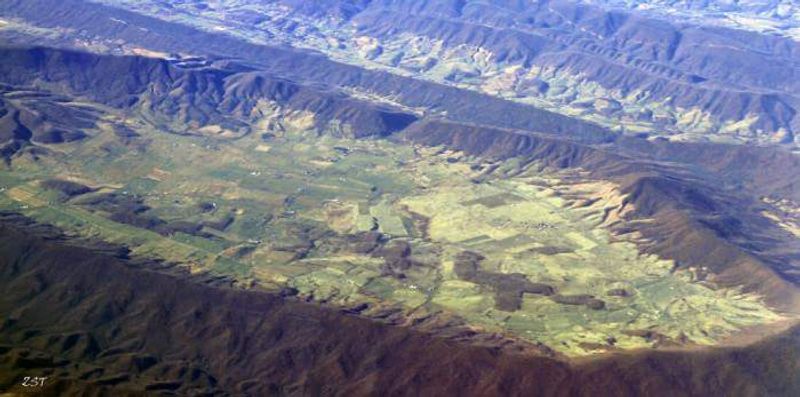
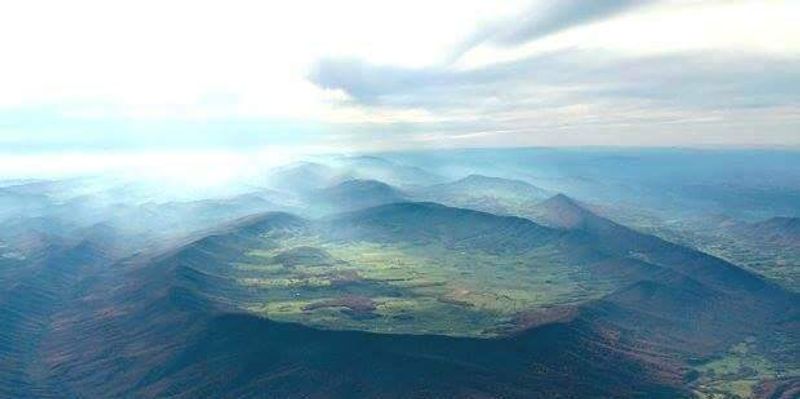
Imagine standing on the rim of a giant bowl carved into the Appalachian Mountains. That’s exactly what greets you when you arrive at the overlook.
The valley below stretches out like a secret world, completely enclosed by ridges that rise over a thousand feet above the floor.
Geologists believe this formation started millions of years ago when limestone bedrock dissolved and collapsed inward. What remains is an oval basin roughly ten miles long and five miles wide.
Farmers have worked this land for generations, creating a landscape that looks almost untouched by modern development.
Driving down into the valley feels like descending into another era. The road winds steeply, and as you drop below the rim, the outside world disappears.
You’re surrounded by green fields, split-rail fences, and mountain walls that seem to guard this place from change.
Photographers love capturing the valley from above, especially during sunrise or fall when colors explode across the hillsides. Visitors often say it feels like discovering a hidden kingdom, and honestly, that’s not far from the truth.
Farms Frozen in the 1800s
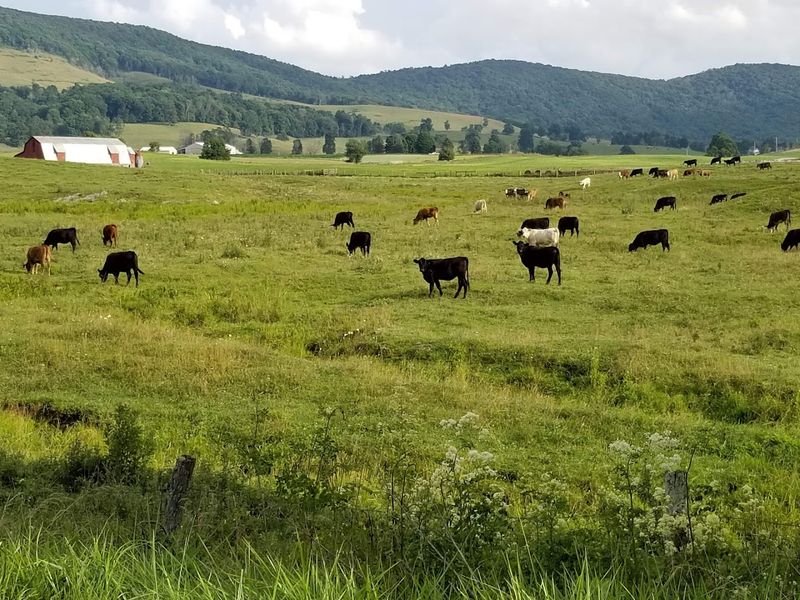
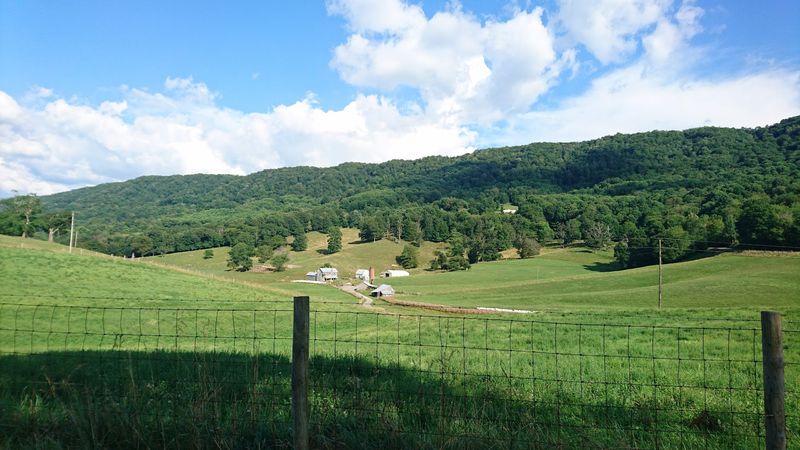
Step onto any farm here and you might wonder if you accidentally time-traveled. Barns wear weathered red paint.
Horses pull equipment through fields. Families still gather on front porches after supper.
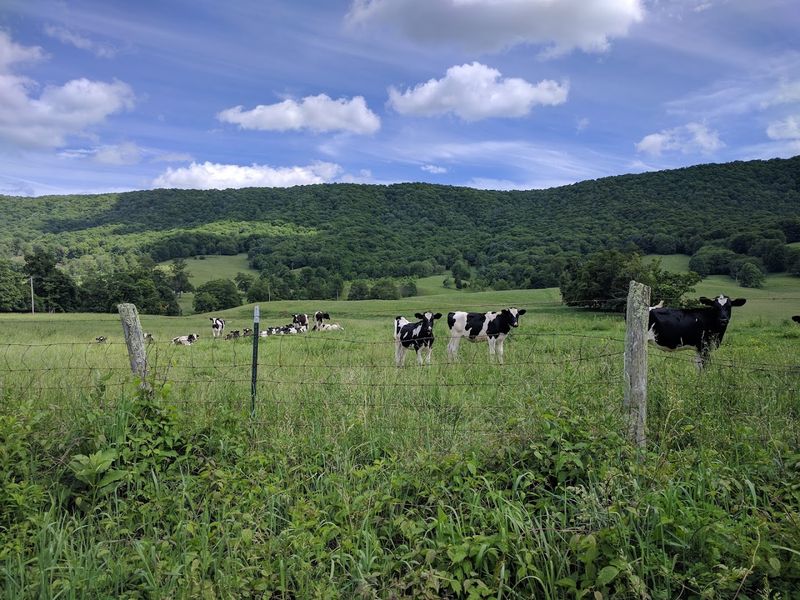
Agriculture defines life in this valley. Cattle graze peacefully, hay bales dot the landscape, and vegetable gardens grow behind nearly every home.
Many families have farmed the same land for five or six generations, passing down traditions like heirloom seeds.
Technology hasn’t completely bypassed the valley, but it certainly takes a back seat. You won’t find sprawling industrial farms or massive machinery dominating the skyline.
Instead, small-scale operations thrive, producing crops and livestock the old-fashioned way.
Visitors can sometimes arrange farm tours by contacting local families directly. Watching someone milk a cow by hand or gather eggs from a henhouse feels like participating in living history.
Kids especially love seeing animals up close and learning how food actually gets from field to table.
The pace here moves slower, intentionally. Farmers work with the seasons, not against them, creating a rhythm that feels almost meditative.
Churches That Anchor Community Life
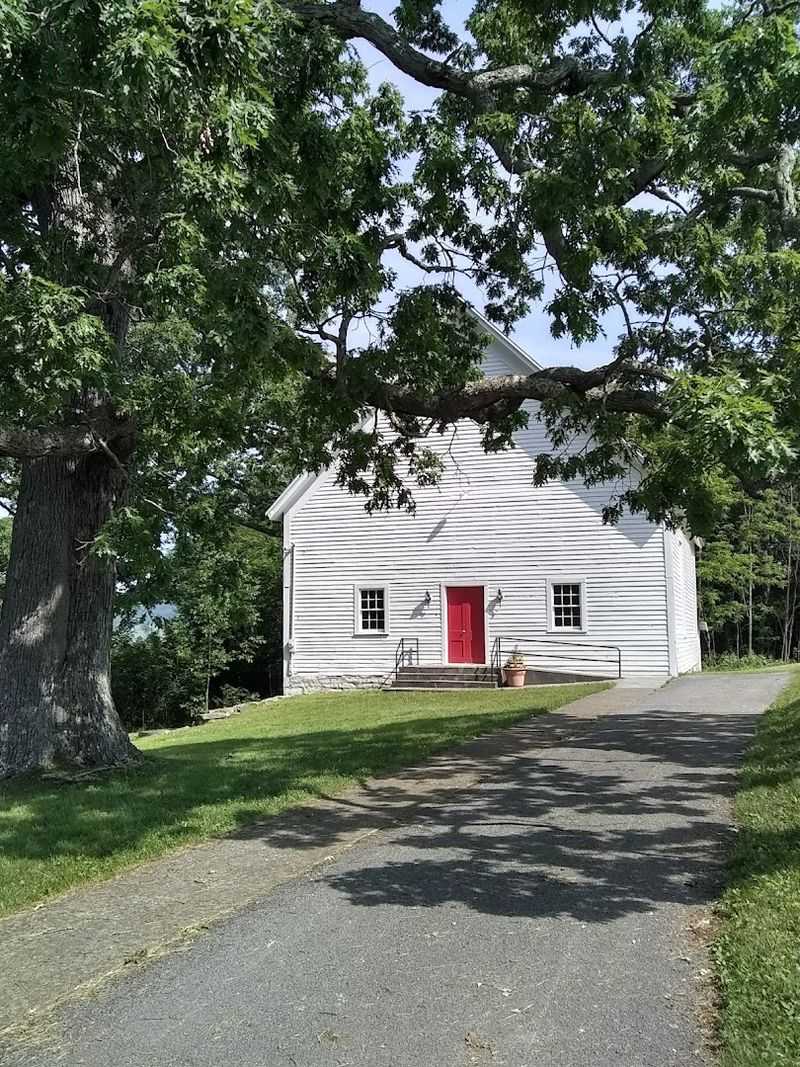
Faith runs deep in this valley. Small country churches dot the landscape, their steeples rising above fields like quiet sentinels.
These buildings serve as more than worship spaces. They’re community centers, gathering spots, and keepers of local history.
Most churches here date back over a century. Their simple architecture reflects practical mountain building styles, with white clapboard siding and tall windows that let in natural light.
Inside, wooden pews show the wear of countless Sunday services, and hymnals contain songs sung by great-grandparents.
Sunday mornings bring the valley to life. Families arrive in their best clothes, greeting neighbors they’ve known their entire lives.
After services, potluck dinners spread across fellowship halls, featuring dishes made from recipes older than the church itself.
Visitors are typically welcomed warmly if they happen to attend. Don’t expect flashy presentations or rock band worship.
Services remain traditional, featuring organ music, scripture readings, and sermons delivered without microphones.
These churches represent continuity in a changing world. They connect present residents to ancestors who built the valley’s foundation, creating threads that hold the community together across generations.
Roads That Challenge Modern Vehicles
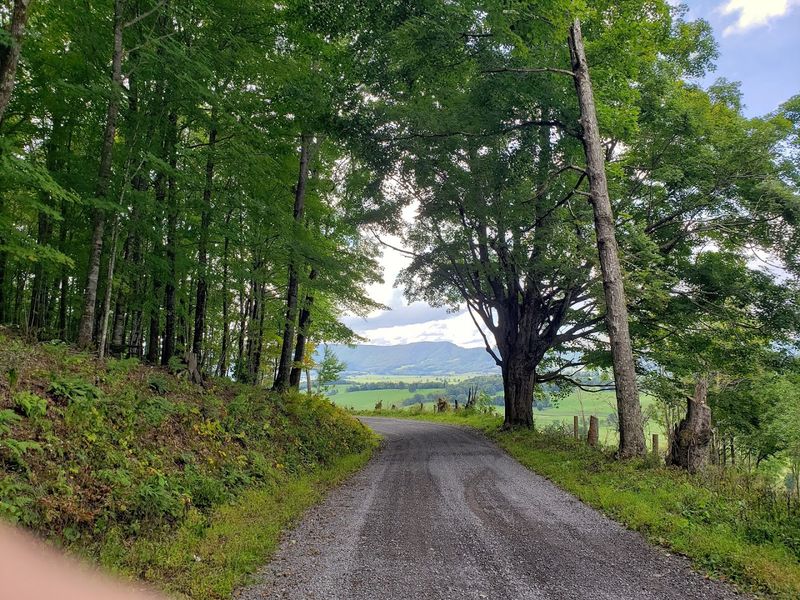
Forget GPS and smooth highways. Getting into this valley requires navigating steep, winding roads that make modern cars groan.
The main entrance climbs over Garden Mountain, twisting through hairpin turns that demand full attention.
Gravel roads crisscross the valley floor, connecting farms and homes. They kick up dust in summer and turn muddy in spring.
Potholes appear regularly, and you’ll share the road with tractors, horse-drawn wagons, and the occasional herd of cattle being moved between pastures.
Cell service becomes spotty or nonexistent once you descend into the basin. This isolation contributes to the time-warp feeling.
Without constant digital connection, you’re forced to actually look around and experience your surroundings.
Locals drive these roads instinctively, knowing every curve and dip. Visitors should take it slow, not just for safety but to actually enjoy the scenery.
Pull over when you can to let faster traffic pass, and keep your camera ready because stunning views appear around nearly every bend.
The challenging roads keep tourist crowds away, which residents appreciate. It filters out casual visitors, leaving only those truly interested in experiencing something different.
A General Store Straight From Yesterday
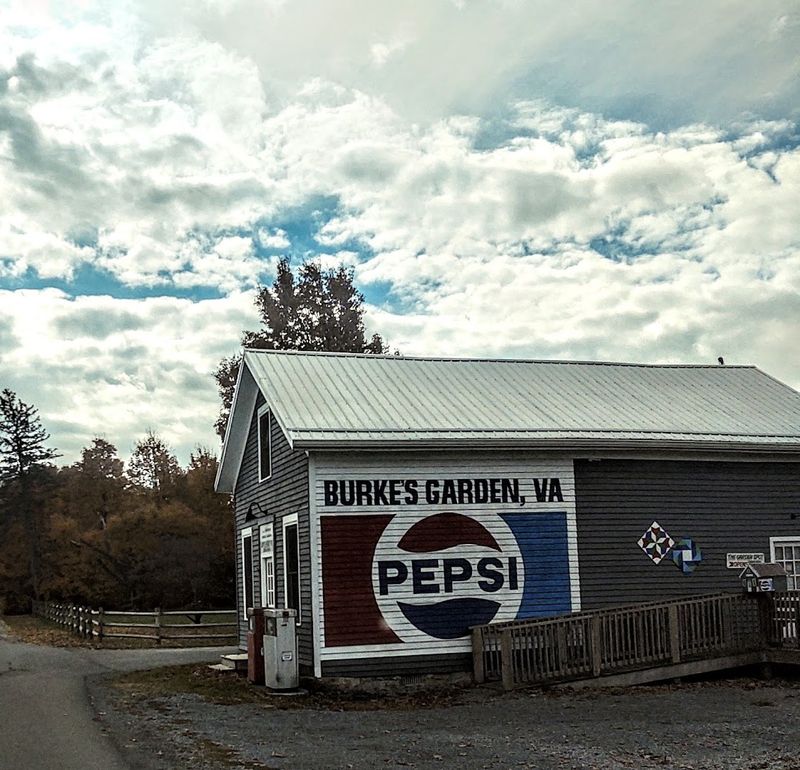
Every classic small town needs a gathering spot, and here it’s the general store. This isn’t some recreated tourist attraction.
It’s a working store that serves the valley’s daily needs, just like it has for decades.
Walking inside feels like entering a time capsule. Wooden floors creak underfoot.
Shelves stock basic supplies, from canned goods to work gloves. A potbelly stove sits in one corner, surrounded by chairs where locals gather to swap stories and catch up on valley news.
The store functions as an informal information center. Visitors can ask directions, learn about local history, or find out which farms might welcome guests.
Shopkeepers know everyone by name and can tell you which family lives in which house across the entire valley.
Don’t expect fancy coffee drinks or trendy snacks. You’ll find simple refreshments, practical supplies, and maybe some locally made honey or preserves.
The selection reflects real needs rather than tourist desires.
Spending time here offers insight into valley life. Listen to conversations, observe interactions, and you’ll understand how tight-knit communities actually function when they haven’t been disrupted by suburban sprawl or commercial development.
Gardens That Feed Families Year-Round
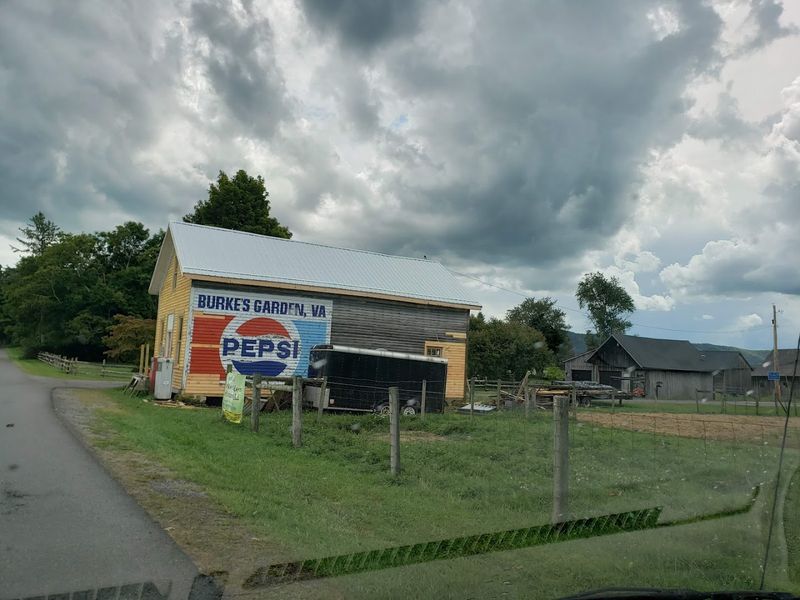
Self-sufficiency isn’t a trendy lifestyle choice here. It’s how people survive and thrive.
Nearly every property features extensive gardens where families grow vegetables, herbs, and fruits that sustain them through all seasons.
Spring brings planting season, when residents till soil their ancestors worked. They plant heirloom varieties passed down through generations, seeds carefully saved from previous harvests.
Tomatoes, beans, corn, squash, and potatoes form the backbone of most gardens.
Summer means constant tending. Weeding, watering, and watching for pests keeps everyone busy.
Kids learn early how to recognize ripe produce and understand the connection between work and food. Nothing gets wasted when you’ve invested months of labor.
Fall harvest transforms kitchens into preservation factories. Canning, freezing, and root cellaring ensure families eat well through winter.
The skills required for food preservation remain common knowledge here, unlike in most modern communities where such practices have become novelties.
Walking past these gardens reveals a relationship with land that most Americans have lost. Residents know their soil, understand their microclimates, and work with nature’s rhythms.
It’s practical, sustainable, and deeply satisfying in ways grocery shopping never achieves.
Wildlife That Roams Freely
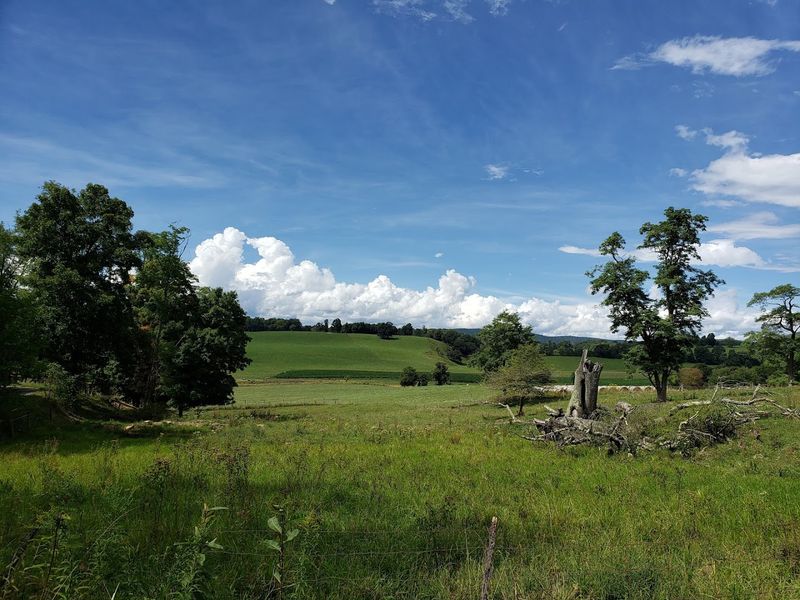
Animals here don’t just survive in pockets of habitat squeezed between developments. They thrive across an entire valley that remains largely undeveloped.
White-tailed deer browse fields at dawn and dusk. Wild turkeys strut across roads.
Black bears occasionally wander down from the surrounding ridges.
Birdwatchers find this place particularly rewarding. Hawks circle overhead, hunting rodents in the fields.
Songbirds fill mornings with concerts. Owls hoot through the nights, their calls echoing off mountain walls.
The valley’s isolation creates a refuge for species that struggle elsewhere. Without major highways fragmenting habitat or suburban sprawl destroying nesting sites, wildlife populations remain healthy and visible.
You don’t need special equipment or guided tours to see animals. Just patience and quiet observation.
Foxes hunt along field edges. Groundhogs pop up from burrows.
Even bobcats leave tracks in muddy patches, though spotting one requires serious luck. The ecosystem functions as it should, with predators and prey maintaining natural balance.
For kids growing up here, wildlife encounters form normal parts of childhood. They learn to coexist with animals rather than fear them, developing respect for creatures sharing their landscape.
Seasons That Paint Dramatic Transformations
Each season rewrites the valley’s appearance completely. Spring explodes with wildflowers carpeting fields in purple, yellow, and white.
Trees leaf out in shades of green so bright they almost hurt your eyes. Creeks swell with snowmelt, rushing over rocks and filling the air with constant background music.
Summer brings deep, lush growth. Crops reach toward the sky.
Hay fields wave in breezes. Thunderstorms roll over the ridges, darkening skies and unleashing dramatic downpours that cool everything temporarily before humidity returns.
Fall steals the show. Hardwood forests covering the surrounding mountains ignite in reds, oranges, and golds.
The valley floor contrasts with harvested fields showing earth tones against the brilliant hillsides. Cool mornings give way to warm afternoons perfect for outdoor exploration.
Winter strips everything bare, revealing the valley’s bones. Snow dusts fields and rooftops, creating Christmas card scenes.
Smoke rises from chimneys. Icicles hang from barn eaves.
The landscape sleeps, resting before spring’s renewal begins the cycle again.
Visiting during different seasons offers completely different experiences. Each brings unique beauty and activities, making this valley worth returning to multiple times throughout the year.
Silence That Modern Life Forgot
Close your eyes and listen. Really listen.
You’ll hear wind rustling through leaves. Birds calling.
Maybe a distant cow lowing. But you won’t hear traffic noise, sirens, airplanes, or the constant hum of civilization that follows us everywhere else.
This silence feels almost shocking at first. Our brains have adapted to constant background noise.
When it disappears, we notice the absence like a missing tooth. Some visitors find it unsettling initially, but most quickly develop an appreciation for true quiet.
Nighttime amplifies the experience. Without light pollution, stars blanket the sky in numbers city dwellers can’t imagine.
The Milky Way stretches overhead like a cosmic river. Darkness feels complete, interrupted only by occasional porch lights or fireflies dancing through summer air.
The quiet allows thoughts to surface that normally get drowned out. Conversations happen without competing against background noise.
You can actually hear yourself think, which might sound cliche but proves genuinely valuable.
Residents protect this silence fiercely. They resist developments that would bring noise and activity.
The peace here isn’t accidental. It’s maintained through conscious choices about how the valley develops, or more accurately, doesn’t develop.
A Community That Knows Your Name
Anonymity doesn’t exist here. Within hours of arriving, locals will know you’re visiting.
They’ll ask where you’re from, what brings you to the valley, and whether you need directions or recommendations. This isn’t nosiness.
It’s genuine community care.
Everyone truly knows everyone. Families intermarry across generations, creating webs of cousins and relations that connect nearly every household.
Residents track each other’s lives through church, the general store, and simply living in close proximity for decades.
This tight-knit structure creates both benefits and challenges. Help arrives immediately when someone faces trouble.
Barn raisings, harvest assistance, and emergency support happen organically without formal organization. But privacy becomes limited, and leaving the community can feel like betrayal.
For visitors, the friendliness feels refreshing. Strangers wave from porches.
People stop to chat without checking phones or rushing away. Conversations happen at human pace, without the frantic energy that characterizes most modern interactions.
You’ll find the address at Virginia, though no street numbers guide you. The valley exists as a place defined by relationships rather than coordinates, where directions involve landmarks and family names rather than GPS points.
That’s exactly how residents prefer it.
Dear Reader: This page may contain affiliate links which may earn a commission if you click through and make a purchase. Our independent journalism is not influenced by any advertiser or commercial initiative unless it is clearly marked as sponsored content. As travel products change, please be sure to reconfirm all details and stay up to date with current events to ensure a safe and successful trip.
