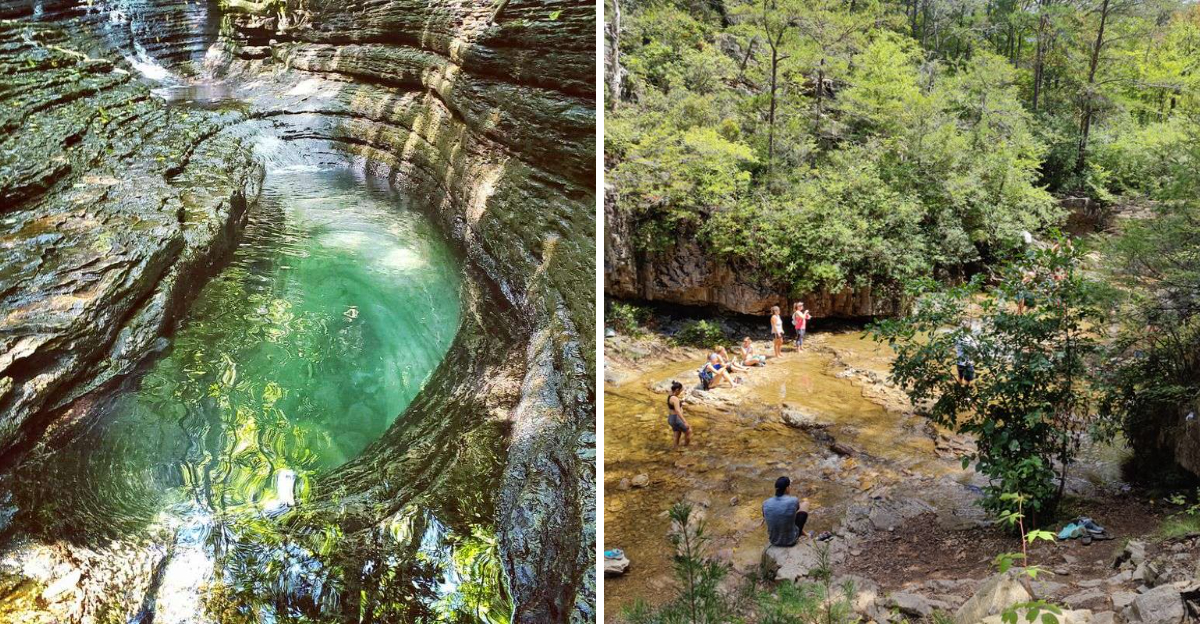
I thought I knew what summer swimming was until I ended up deep in the backcountry of southwestern Virginia, standing in front of a pool that made every neighborhood swim spot I had ever loved feel completely forgettable. Devil’s Bathtub is not a casual dip after a short walk. Getting there means earning it.
Stream crossings, rocky climbs, muddy boots, and that moment where you wonder if you missed a turn or made a questionable life choice. Then the trees open up and suddenly there it is, carved into stone like nature got bored and decided to show off. The water is unreal.
Clear, emerald, and cold enough to knock the heat straight out of your body. Waterfalls spill in nonstop, smoothing the rocks and filling the air with sound that makes everything else go quiet.
Phones stay in pockets. Time slows down.
You stop thinking about anything except how alive you feel standing there. This is not a pool. It is not a swimming hole.
It is an experience that ruins ordinary summer forever, and the hike is just the beginning.
The Trail That Turns Hikers Into Creek Hoppers
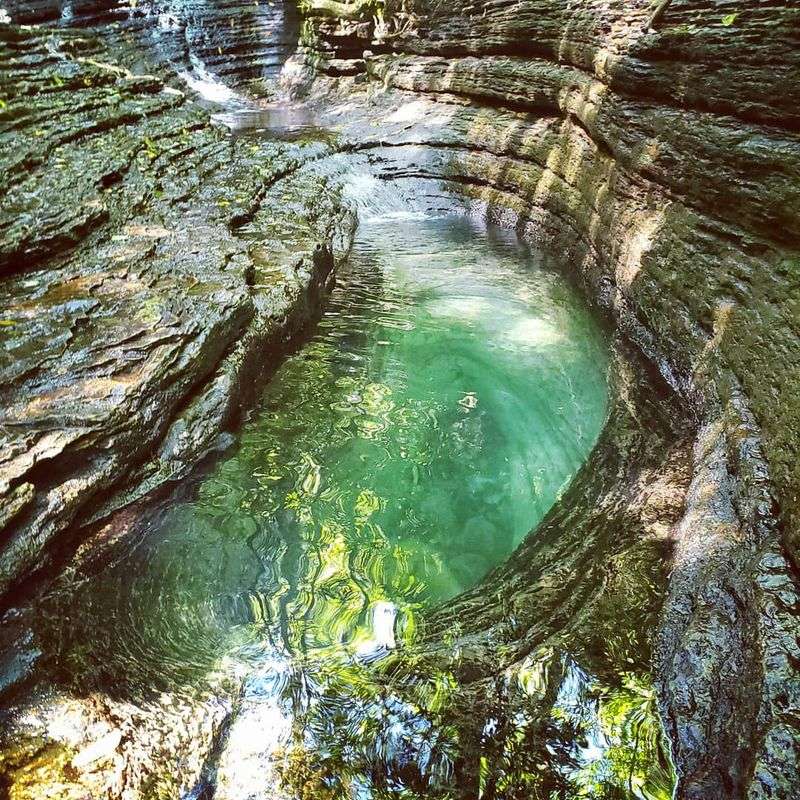
Getting to Devil’s Bathtub means embracing your inner adventurer and accepting that dry feet are a luxury you won’t enjoy. The trail from the northern trailhead spans roughly two and a half miles of rugged terrain punctuated by anywhere from seven to thirteen creek crossings, depending on which route you choose and how high the water runs.
Rocky underfoot and moderately challenging, this path weaves alongside babbling streams that’ll tempt you to stop for impromptu wading sessions. Good hiking boots are essential, though they’ll get soaked regardless of how carefully you hop from rock to rock.
Roots snake across the trail, and elevation changes keep your legs engaged throughout the journey. Plan for about ninety minutes to two hours reaching the bathtub, factoring in those stream crossings that slow your pace considerably.
The entire Devils Fork Loop extends to roughly eight miles if you’re feeling ambitious and want the full circuit experience. Shade covers most of the route, offering merciful relief from Virginia’s summer sun.
Early morning departures beat both crowds and heat, giving you the trail’s best light filtering through the canopy. Weekdays transform this popular destination into a peaceful escape, while weekends pack the path with fellow adventurers seeking the same aquatic prize.
Water Shoes Versus Hiking Boots: The Eternal Debate
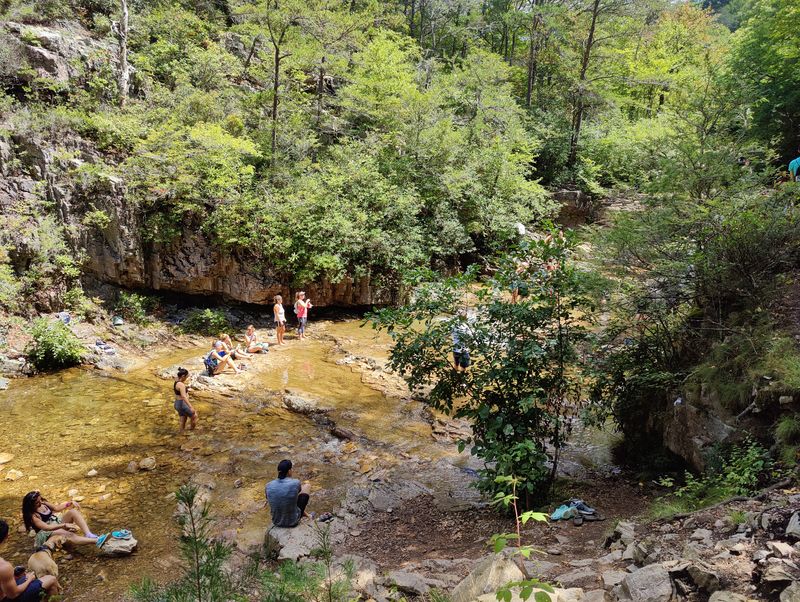
Footwear decisions make or break your Devil’s Bathtub experience, and seasoned hikers passionately defend their preferred approach. Sturdy hiking boots provide ankle support and traction on the uneven, root-riddled trail, protecting your feet from sharp rocks and twisted ankles that could end your adventure prematurely.
Yet those same boots become waterlogged anchors after the first creek crossing, squishing uncomfortably for the remainder of your trek. Some visitors swear by bringing extra socks to change midway, though that requires hauling additional weight.
Water shoes or hiking sandals offer quick-drying convenience and excellent grip on slippery underwater rocks, but they sacrifice protection and support on the rocky trail sections. Experienced hikers sometimes wear boots for the trail and switch to water shoes at the bathtub itself.
The rocks surrounding the swimming hole are notoriously slippery, making water shoes particularly valuable for navigating the bathtub area safely. Whatever you choose, understand that getting wet is inevitable and plan accordingly.
Chacos and similar sport sandals earn frequent mentions in visitor reviews as the goldilocks solution, offering decent trail performance and water readiness in one package. Test your footwear on shorter hikes before committing to this adventure.
The Bathtub Itself: Nature’s Infinity Pool
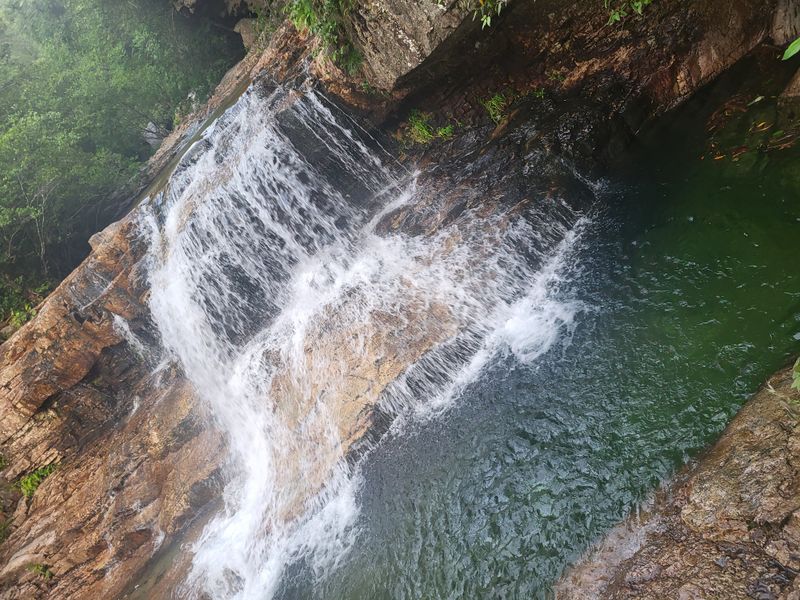
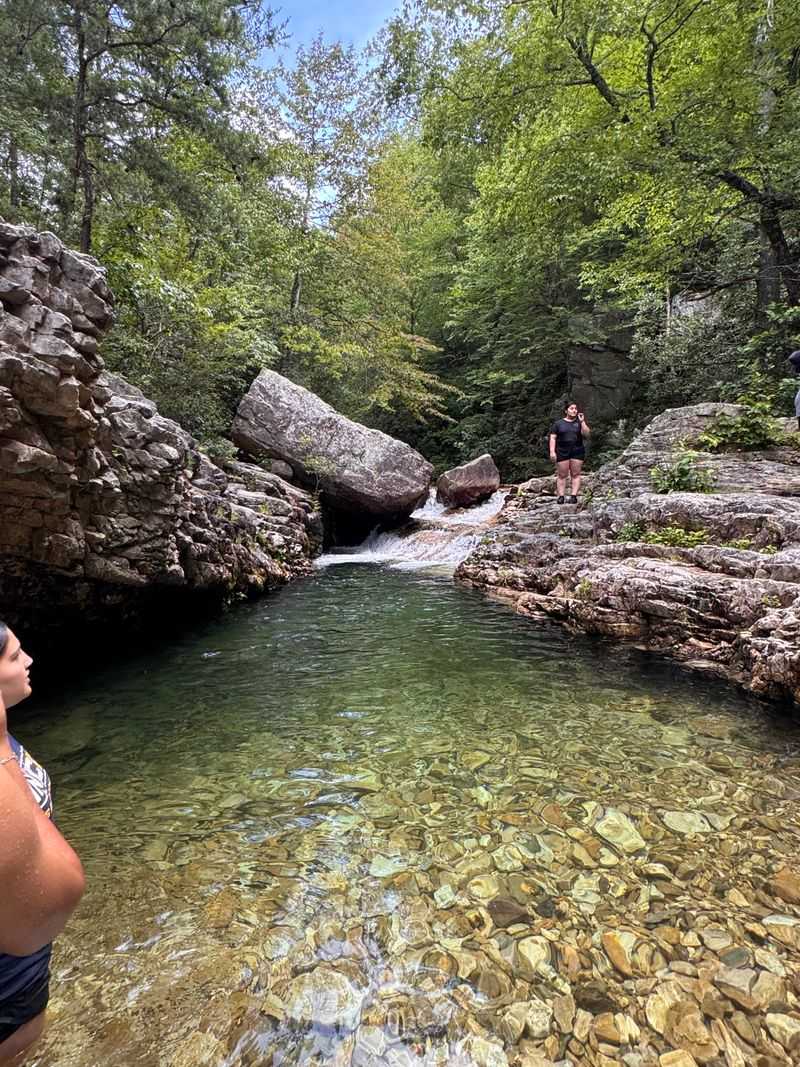
After navigating stream crossings and rocky inclines, the trail delivers you to a sight that justifies every challenging step. Devil’s Bathtub emerges as a compact, jewel-toned pool carved into solid rock, fed by a waterfall tumbling over a stone ledge above.
The water glows an otherworldly blue-green, so clear you can count pebbles on the bottom and watch small fish dart between submerged rocks. Rounded boulders frame the bathtub like natural stadium seating, smoothed by endless water flow into organic sculptures.
The bathtub itself is surprisingly small, accommodating only a handful of swimmers comfortably at once, which explains why visitors often migrate to the larger swimming hole just below. That secondary pool offers more space for splashing and floating without bumping into fellow heat refugees.
Water temperatures hover somewhere between refreshing and shocking, fed by mountain streams that never quite warm up even in peak summer. Sunlight reaches the bathtub sporadically through the forest canopy, so expect chilly conditions even on blazing afternoons.
Sharp rocks surround the pools, making towels or cushions smart additions to your pack for comfortable lounging between swims. This isn’t a place for cannonballs and roughhousing but rather for savoring nature’s craftsmanship.
Parking Lot Politics and Getting There
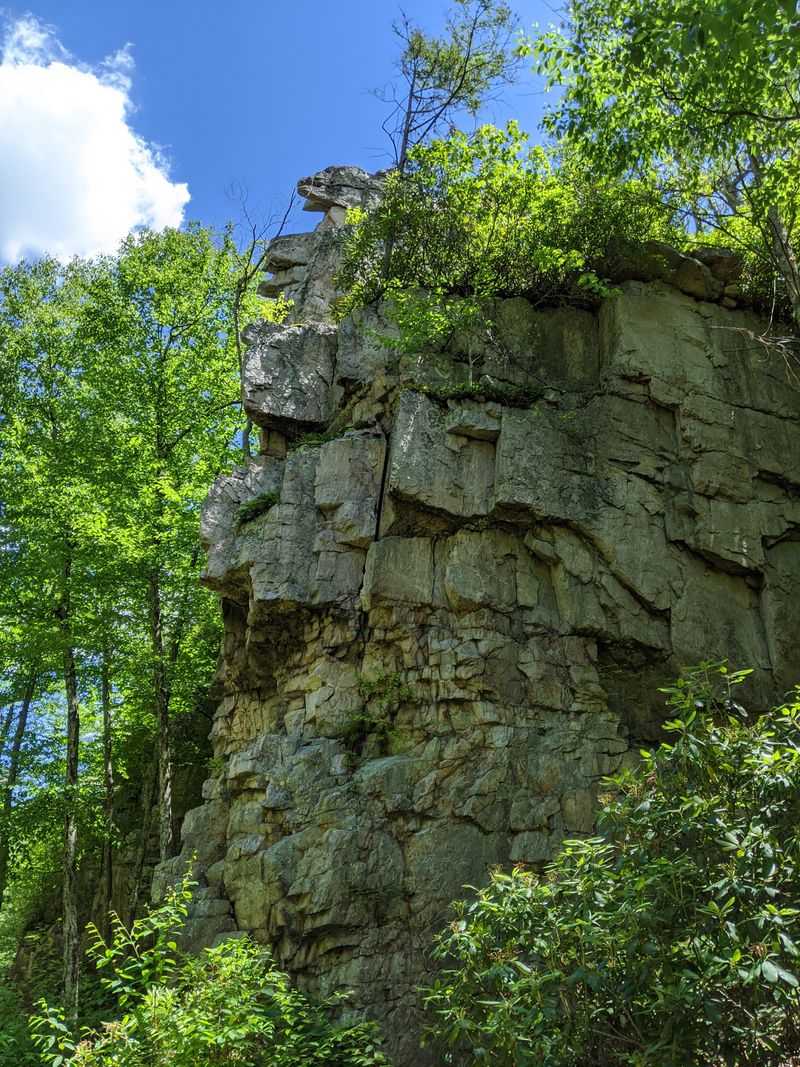
Finding Devil’s Bathtub requires navigation skills and realistic expectations about parking availability, especially during peak season. The main parking area sits further from the trailhead, accessible to all vehicle types and serving as overflow when the closer lot fills.
Continuing past that first lot, a gravel road leads to a smaller parking area directly at the trailhead, accommodating roughly eight to ten vehicles maximum. SUVs and trucks handle this bumpy approach easily, while low-clearance sedans risk scraping their undercarriages on the uneven surface.
Weekends transform parking into a competitive sport, with spaces filling by mid-morning and latecomers relegated to the overflow area, adding extra walking distance to an already substantial hike. Weekday visits offer dramatically better parking prospects and quieter trails overall.
Cell phone service vanishes once you leave the main road, so download offline maps beforehand and inform someone of your hiking plans. Searching for “Devils Bathtub trailhead” in your GPS application should deliver you to the closer parking option.
The location sits in remote Scott County, Virginia, roughly thirty minutes from Natural Tunnel State Park and other regional attractions. Pack everything you need before arriving, as no facilities, water sources, or convenience stores exist nearby.
Weather Watching and Flash Flood Realities
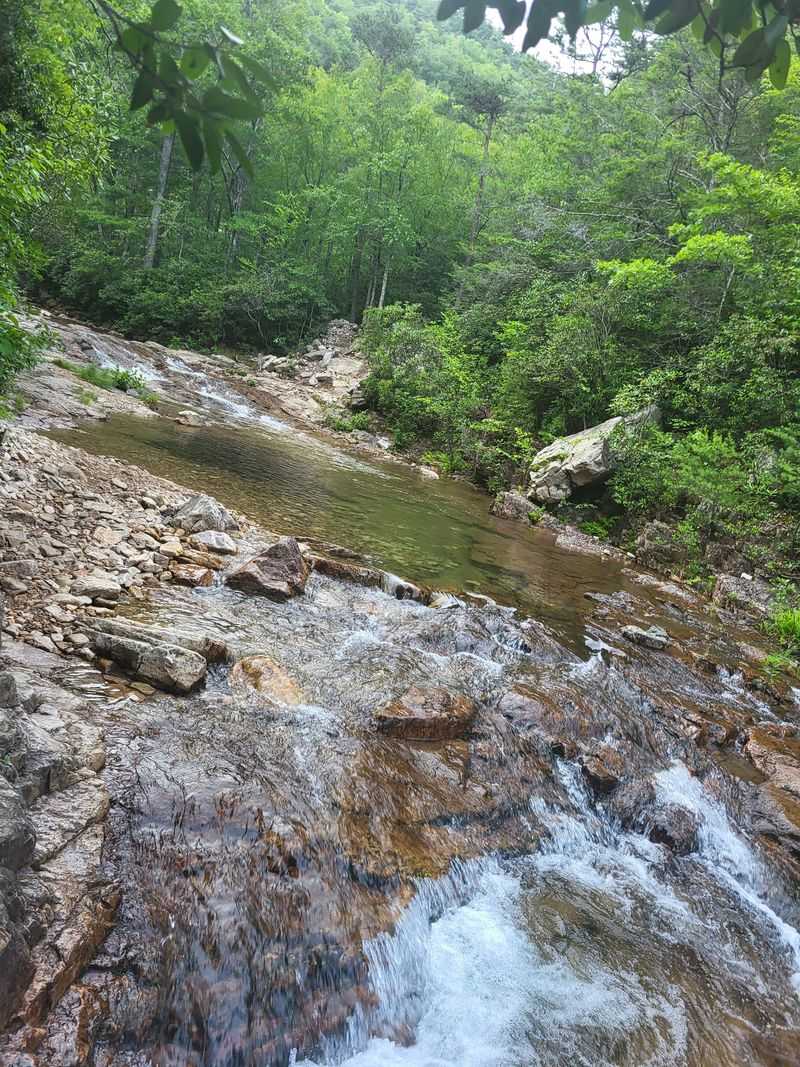
Planning your Devil’s Bathtub adventure demands meteorological awareness, as weather conditions directly impact trail safety and accessibility. Recent rainfall transforms those picturesque creek crossings into potentially dangerous obstacles, with higher water levels making rock-hopping treacherous or impossible.
Flash floods represent a genuine hazard in this mountain terrain, where heavy rain can rapidly swell streams and trap hikers on the wrong side of surging water. Check weather forecasts for several days preceding your visit, not just the day itself.
Storms upstream can affect water levels even when skies look clear at the trailhead, so exercise caution whenever recent precipitation has occurred in the region. Stream crossings that seem manageable in normal conditions become impassable after significant rain.
Summer thunderstorms roll through southwestern Virginia with little warning, making early morning starts doubly wise for beating both crowds and afternoon weather systems. Carry rain gear regardless of the forecast, as mountain weather changes rapidly.
Winter and early spring visits face additional challenges from freezing temperatures and ice-slicked rocks, though the waterfalls gain spectacular frozen formations during cold snaps. Late spring through early fall offers the most reliable conditions, balancing comfortable temperatures with manageable water levels throughout the creek crossings that define this hike.
Leave No Trace in This Wilderness Cathedral
Devil’s Bathtub’s popularity threatens the very qualities that make it special, placing responsibility squarely on every visitor to protect this natural treasure. Trash accumulation plagues popular swimming holes nationwide, and this Virginia gem faces constant pressure from increasing foot traffic.
Pack out everything you pack in, including food wrappers, beverage containers, and any other items that didn’t grow naturally in these woods. Leave the bathtub area cleaner than you found it by carrying out trash left by less conscientious visitors.
Human waste management becomes critical on trails without facilities, so plan bathroom breaks before starting your hike or practice proper wilderness protocols if nature calls mid-trek. Soap and sunscreen contaminate these pristine pools, so rinse off beforehand if you’ve applied products.
Stay on established trails to prevent erosion and vegetation damage that widens the path and degrades the surrounding ecosystem. Leash dogs throughout the hike, respecting both wildlife and fellow hikers who may not appreciate unleashed animals.
Avoid disturbing rocks, plants, and wildlife, remembering that thousands of annual visitors magnify even small impacts into significant environmental damage. Photography is wonderful; taking natural souvenirs home is not.
Future generations deserve to experience Devil’s Bathtub in the same pristine condition you enjoyed.
What to Pack for This Aquatic Adventure
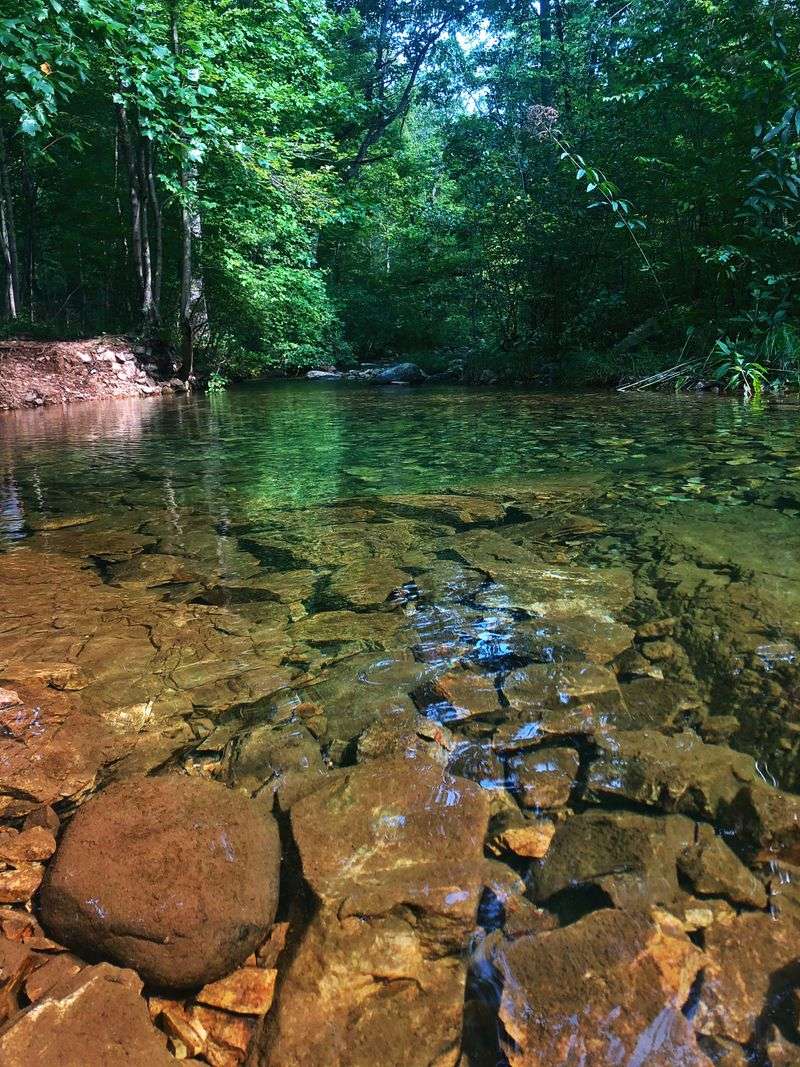
Smart packing transforms a challenging hike into a comfortable adventure, so assemble your gear thoughtfully before heading to Devils Fork Loop Trail. Water bottles or hydration systems top the essential list, as the strenuous trail and summer heat demand constant fluid replacement.
Snacks or lunch provide necessary fuel, though pack lightweight options that won’t weigh you down or spoil in warm temperatures. Quick-dry towels serve double duty for swimming and sitting on sharp rocks.
Waterproof bags protect electronics, car keys, and anything else that shouldn’t get soaked during creek crossings or swimming sessions. Basic first aid supplies address scrapes, blisters, and minor injuries that rocky trails can inflict.
Trekking poles help immensely with balance during stream crossings and provide stability on uneven terrain, especially for less experienced hikers. Extra socks let you change into dry pairs after inevitable soakings.
Sunscreen and insect repellent combat the twin annoyances of sunburn and bug bites, though remember not to wear them in the water. A cushion or sitting pad makes rocky lounging spots significantly more comfortable.
Walking sticks found along the trail work surprisingly well for balance assistance if you forgot poles. Leave valuables locked in your vehicle, as the trailhead parking areas sit unattended in remote backcountry.
Dear Reader: This page may contain affiliate links which may earn a commission if you click through and make a purchase. Our independent journalism is not influenced by any advertiser or commercial initiative unless it is clearly marked as sponsored content. As travel products change, please be sure to reconfirm all details and stay up to date with current events to ensure a safe and successful trip.
