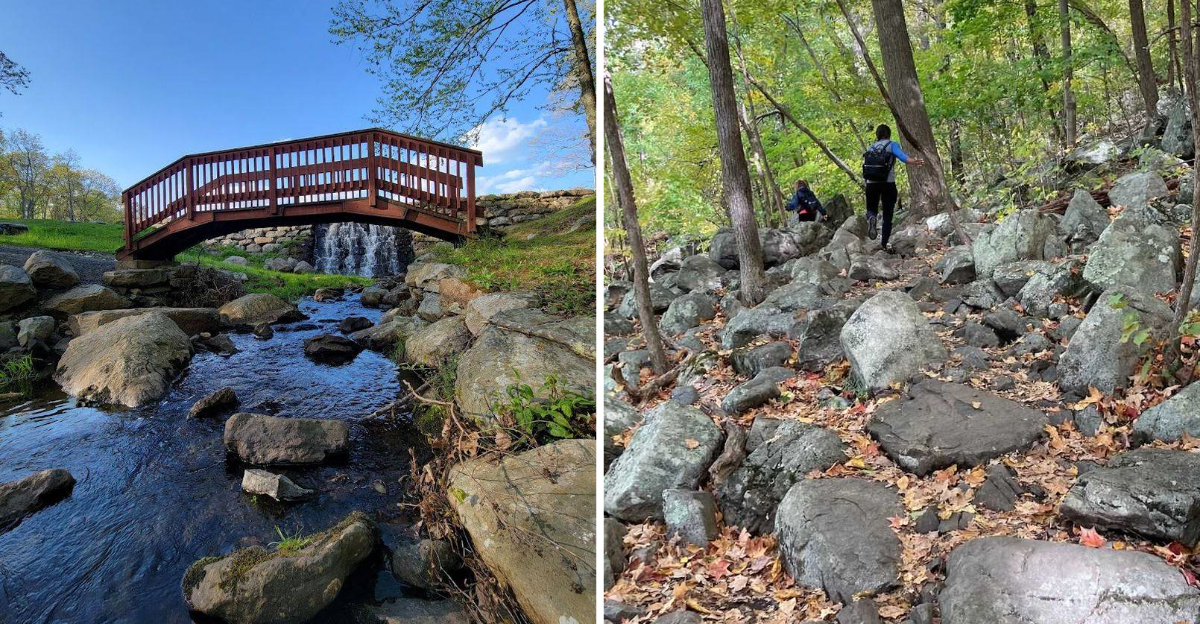
You will curse the rocks, thank the views, and sleep like a baby under a billion stars.
This 72-mile New Jersey route climbs over Kittatinny Ridge, dips through Stokes State Forest, and rewards you with the highest point in the state.
Expect blisters, black bears that are more scared of you than you are of them, and a surprising number of salamanders crossing the path.
The trail serves up rocky ridgelines that demand your attention and silent pine forests that give you a break.
You carry everything on your back, so keep your pack light and your sense of humor heavy.
It is not a stroll in the park. It is a badge of honor.
Crossing Into Adventure
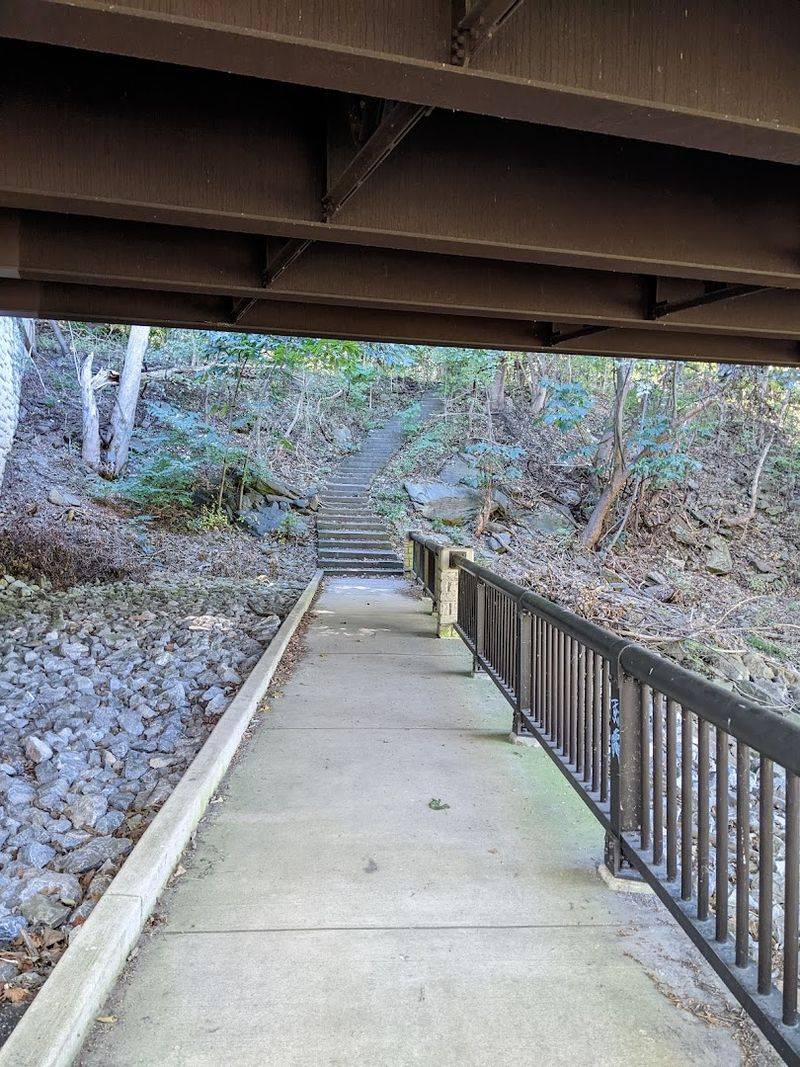
Stepping onto the pedestrian walkway of the I-80 bridge over the Delaware River feels like crossing a threshold into something bigger than yourself. The river stretches wide below, and the forested ridge ahead gives you your first real sense of what the next 72 miles will feel like.
It is both exciting and a little humbling.
The trail enters New Jersey here from the south, climbing from the Delaware Water Gap National Recreation Area and Worthington State Forest up onto the Kittatinny Ridge. That initial ascent sets the tone fast.
Your legs will know they are working.
The surrounding landscape is lush and layered, with dense forest canopy and views of the Delaware River that reward every step upward. Starting here grounds you in the geography of the trail.
This is not a gentle park stroll. It is the real beginning of a demanding, beautiful backpacking route that earns every bit of its reputation among serious hikers.
Sunfish Pond
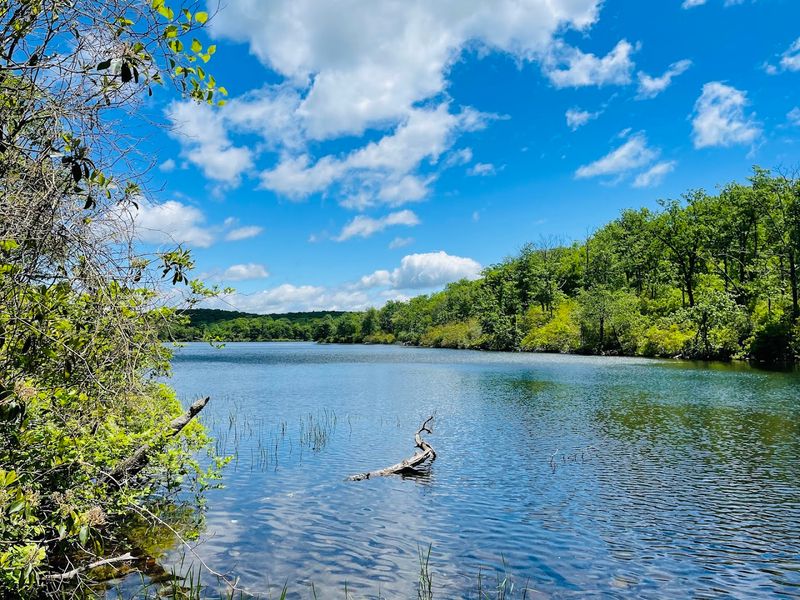
Few moments on the New Jersey AT hit quite like the first glimpse of Sunfish Pond through the trees. This glacier-carved lake sits quietly along the Kittatinny Ridge, looking almost too perfect to be real.
It is one of New Jersey’s Seven Natural Wonders, and once you see it, that title makes complete sense.
Sunfish Pond is designated as a National Natural Landmark, which means it carries some serious ecological weight. The water is remarkably clear, the shoreline is rocky and wild, and the surrounding forest feels genuinely untouched.
Sitting on one of the boulders at the edge gives you a moment to breathe and take it all in.
Reaching the pond requires a solid climb, so the payoff feels earned. Many day hikers make this their turnaround point, and you can understand why it works as a destination on its own.
For thru-hikers, it is a welcome milestone that reminds you why you packed all that gear in the first place.
Stokes State Forest Shelters
Pulling into the Brink Road Shelter after a long day of hiking through Stokes State Forest feels like finding exactly what you needed without knowing you needed it. The shelter is simple, sturdy, and surrounded by the kind of quiet that only deep forest can offer.
Both the Brink Road Shelter and the Gren Anderson Shelter serve as overnight stops for hikers moving through this section.
Stokes State Forest is also home to Sunrise Mountain, where the views stretch across valleys and ridgelines in a way that makes you want to stay until the light fades completely. The open pavilion at the summit is a favorite resting spot for good reason.
The panorama from up there has a way of resetting your perspective on things.
All eight shelters along the New Jersey AT come equipped with bear-safe food boxes and most have moldering privies. Campfires are prohibited on state property, so a good camp stove is essential.
The shelters fill up, especially on weekends, so planning ahead matters.
High Point State Park
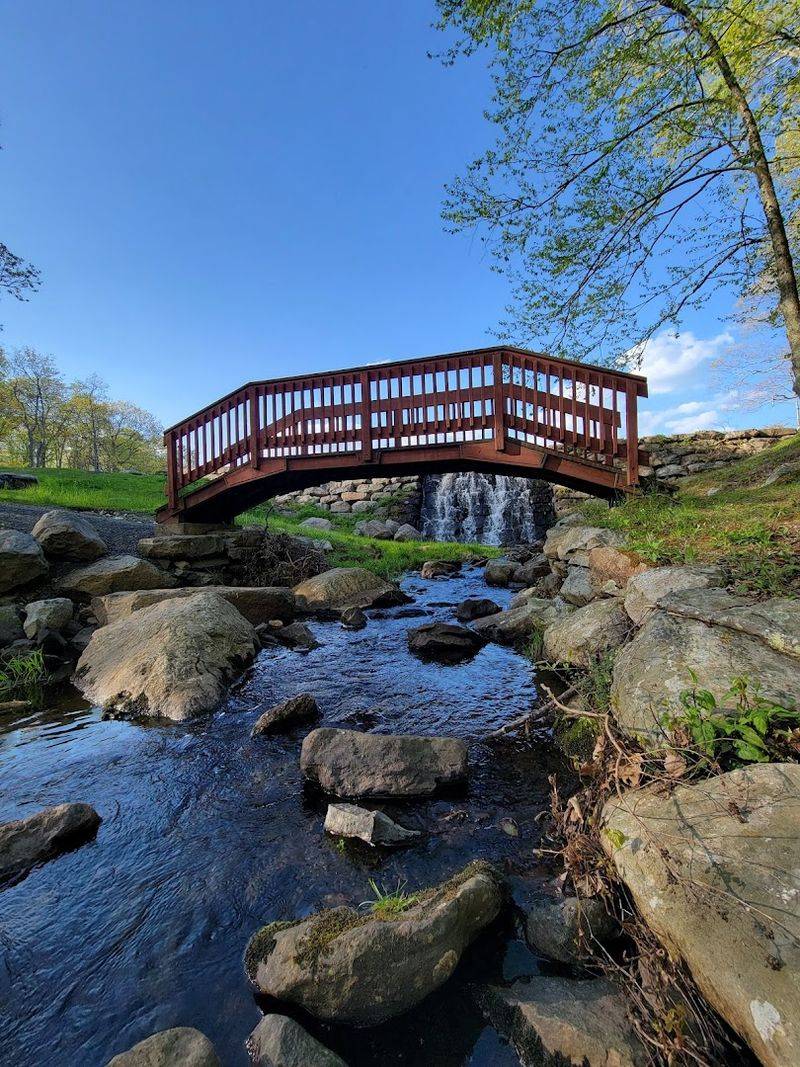
There is something deeply satisfying about standing at the highest point in New Jersey and knowing your own two feet carried you there. High Point State Park sits at 1,803 feet above sea level, and the monument that marks the summit is visible from miles away as you approach.
A side trail leads up to it from the main AT route, and taking that detour is absolutely worth the extra steps.
The AT itself reaches its highest point in New Jersey near an observation deck at 1,671 feet, which still delivers sweeping views across three states on a clear day. The combination of elevation, open sky, and surrounding forest makes this one of the most memorable spots on the entire New Jersey section.
The air feels different up here, a little crisper and a lot more earned.
High Point State Park also offers great wildlife watching opportunities along the approach trails. The landscape shifts as you gain elevation, moving through varied forest types before opening up near the summit.
Plan extra time here because leaving too quickly feels like a missed opportunity.
The Pochuck Boardwalk
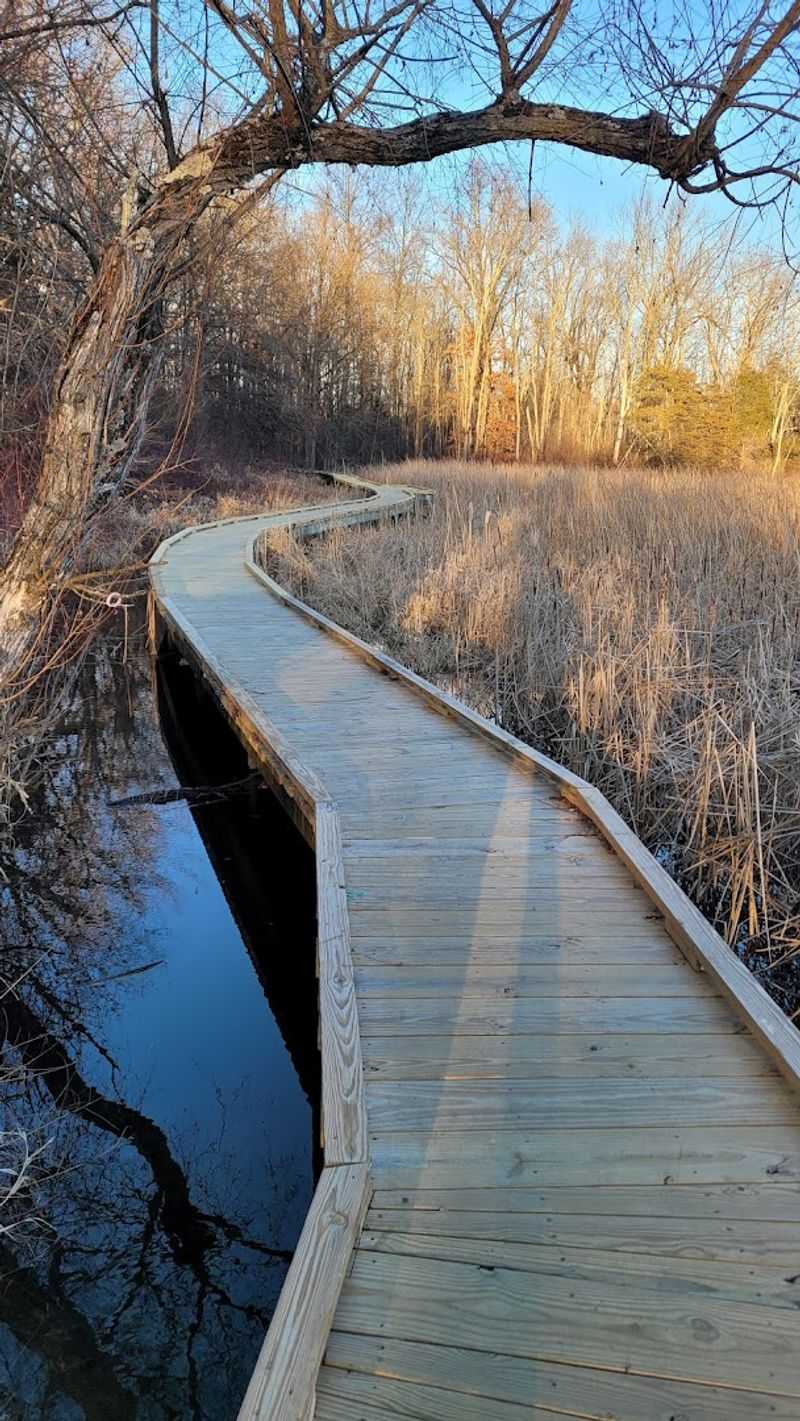
Walking the Pochuck Boardwalk is one of those trail experiences that stops you mid-step just to look around. A mile-long elevated wooden path carries hikers through open wetlands, and the 110-foot suspension bridge that spans Pochuck Creek adds a little bounce to your stride, literally.
It is one of the most visually unique sections of the entire Appalachian Trail.
The boardwalk was built to protect the fragile wetland ecosystem below while giving hikers safe passage through what would otherwise be a muddy, difficult crossing. The engineering is impressive, but the scenery steals the show.
Herons, frogs, and all sorts of wetland wildlife make appearances along the way, and the open sky above the marshes offers a welcome contrast to the dense forest sections.
Morning is a particularly good time to cross the boardwalk, when mist sometimes hangs low over the water and the light is soft. The suspension bridge sways gently underfoot.
It is the kind of moment that ends up in your trail journal because words almost cannot do it justice.
Wawayanda’s Stairway to Heaven
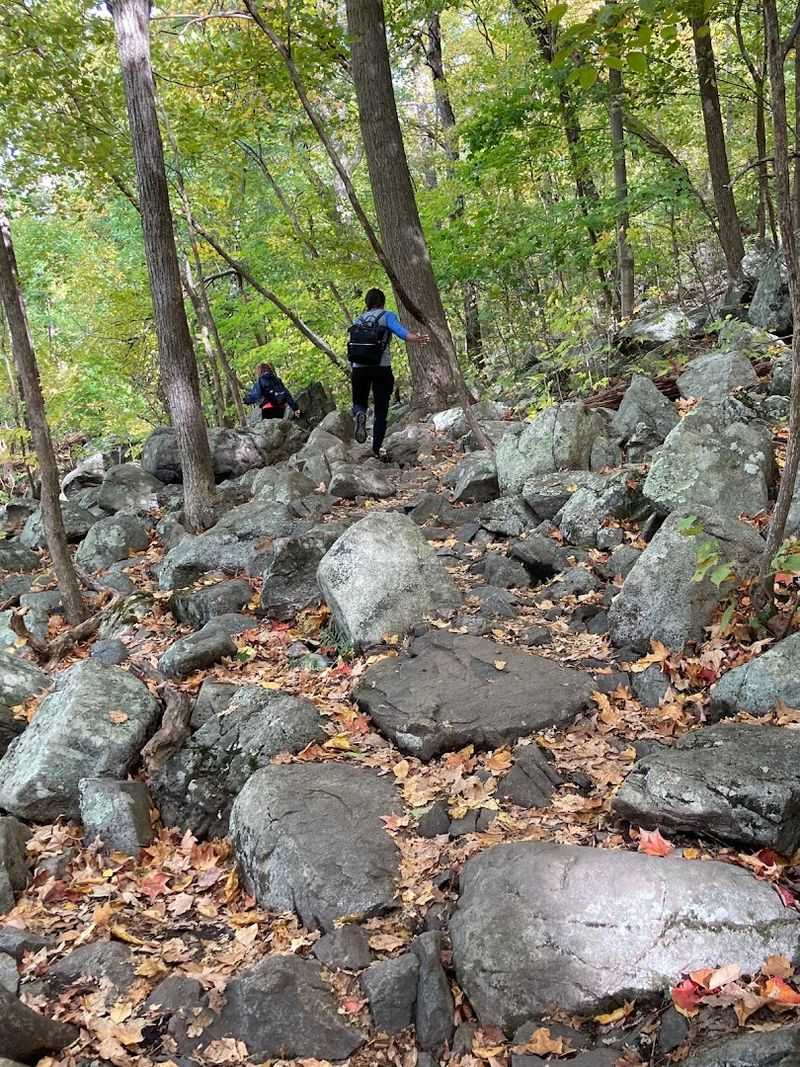
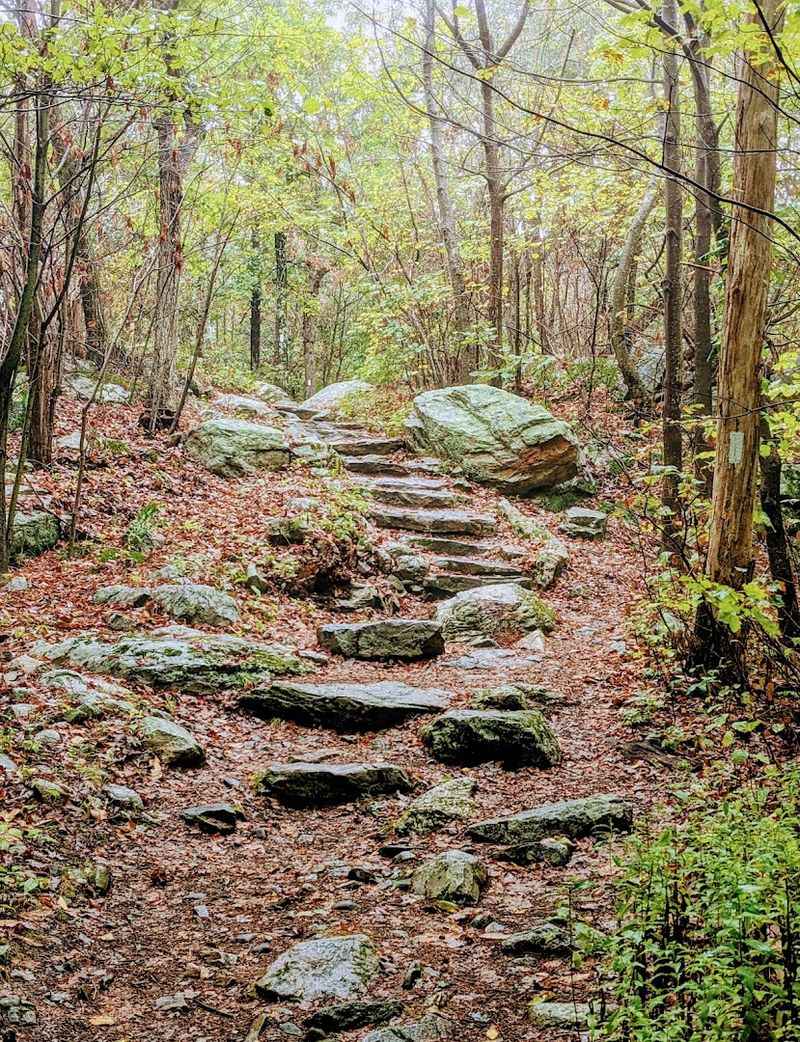
The nickname alone should tell you everything: Stairway to Heaven. This section of the trail through Wawayanda State Park sends hikers up a series of natural rock slab steps that feel like the mountain is testing your commitment one foothold at a time.
It is steep, it is rocky, and it is genuinely thrilling once you get into a rhythm.
At the top of Wawayanda Mountain, the trail opens up to Pinwheel’s Vista, a sweeping overlook that makes the burning quads feel like a fair trade. The views extend across rolling hills and forested valleys, and on clear days the horizon seems to go on forever.
It is the kind of view that makes you want to text everyone you know a photo immediately.
The rock slabs require careful footing, especially after rain when surfaces become slick. Trekking poles are genuinely useful here.
The challenge of this climb is matched by the reward waiting at the top, which is exactly the kind of trail math that keeps adventurers coming back to the New Jersey AT for more.
Wallkill River National Wildlife Refuge
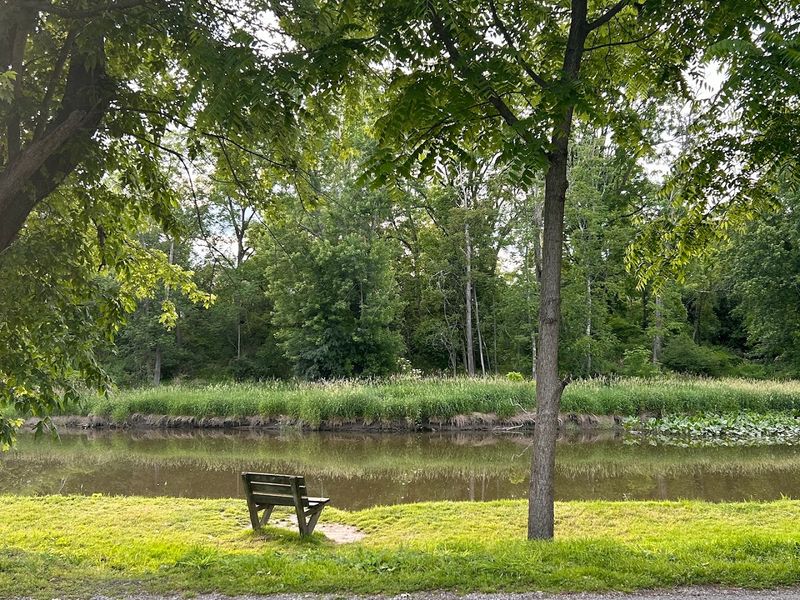
The trail through Wallkill River National Wildlife Refuge feels like stepping into a different world compared to the rocky ridgelines found elsewhere on the New Jersey AT.
Here, the path flattens out and moves through open fields and wetland edges where the sky opens wide and the pace naturally slows.
It is the kind of section that invites you to look up and out instead of just down at your feet.
The eastern goldfinch, New Jersey’s state bird, is commonly spotted in this refuge, darting through tall grasses and flowering plants along the trail corridor.
Other bird species fill the air with sound throughout the warmer months, making this a rewarding stretch for anyone who appreciates wildlife.
The contrast between this open refuge and the dense forest sections makes the New Jersey AT feel remarkably diverse.
Flat terrain does not mean easy going, since the ground can be wet and soft depending on the season. Good waterproof footwear pays off here.
The refuge section is a genuine highlight that often surprises hikers who expect the whole trail to be nothing but rocks and climbs.
Staying Safe in New Jersey’s Wild Backyard
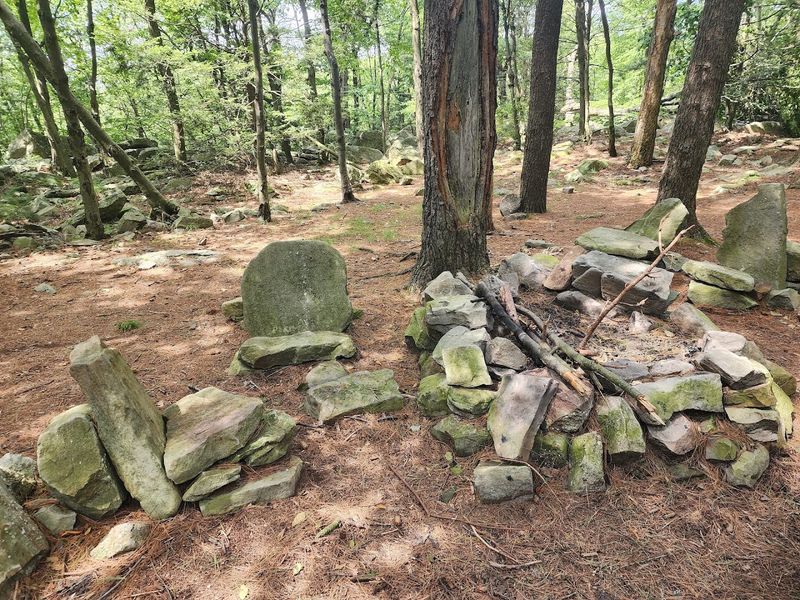
New Jersey has one of the highest concentrations of black bears in the eastern United States, and the AT runs right through prime bear habitat. That fact is not meant to scare anyone off the trail.
It is just a reminder that proper food storage is not optional here, it is a core part of responsible hiking in this region.
Every shelter along the New Jersey AT comes equipped with bear-safe food boxes, which are designed to keep your snacks and meals secure overnight. Using them correctly, along with keeping a clean campsite, dramatically reduces the chance of an unwanted midnight visitor.
Bears are wild animals following their instincts, and giving them no reason to approach your camp is the smartest move you can make.
Bear canisters are a solid backup option for hikers camping away from designated shelters. Storing anything scented, including toothpaste and sunscreen, inside secure containers is standard practice.
The bears you might spot from a safe distance are genuinely impressive animals, and seeing one in the wild is a memorable part of the New Jersey experience.
What 72 Miles of New Jersey Trail Really Feels Like
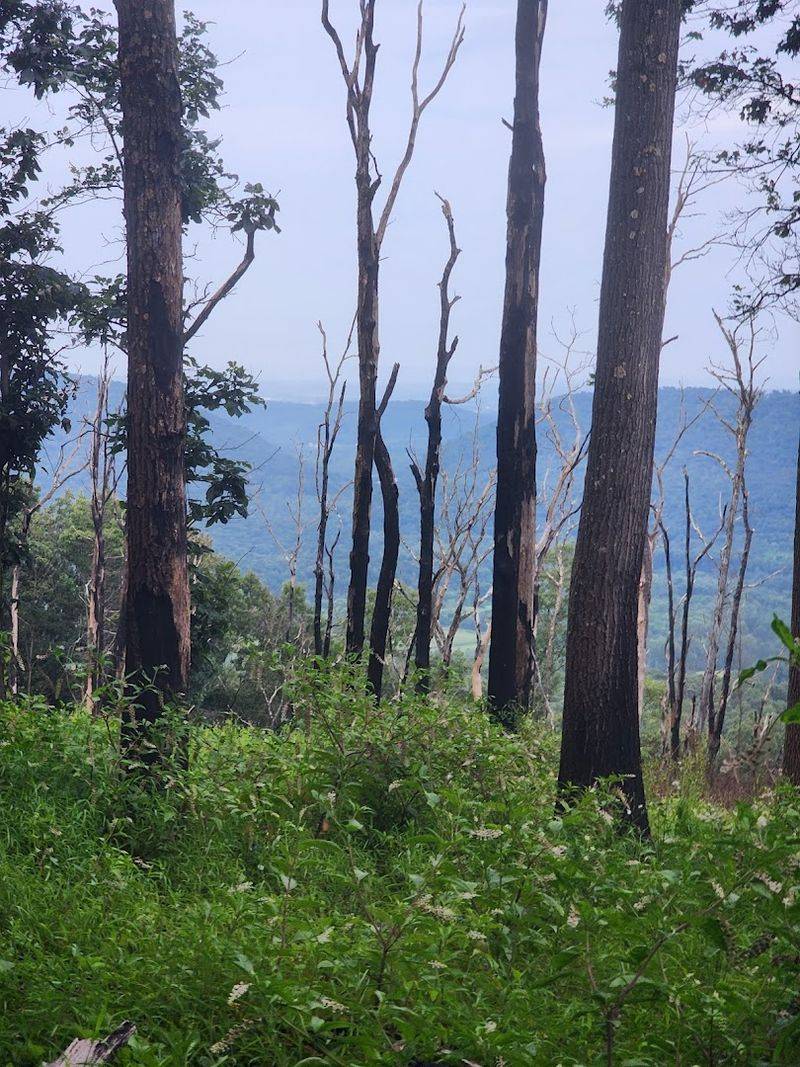
People sometimes assume New Jersey is flat, and then they try hiking the AT through it. The trail ranges from 286 feet near the Delaware River to 1,671 feet at its highest point on the ridge, and it does not get there gently.
Rocky paths, steep pitches, and exposed ridgeline walking make this a genuinely demanding route even for experienced backpackers.
The Kittatinny Ridge forms the backbone of the New Jersey AT, and much of the trail follows its spine through miles of forest with occasional open views. The footing is technical in many places, with loose rocks and root-covered sections that demand constant attention.
Summer hikes come with the added challenge of humidity, which can make the climbs feel significantly harder than the elevation numbers suggest.
Planning daily mileage conservatively is smart advice for this trail. Twelve to fifteen miles per day is a reasonable target for most hikers given the terrain.
Breaking the 72 miles into five to six days gives you enough time to actually enjoy the landscape rather than just survive it.
Trail Food and Fueling Up for a Multi-Day New Jersey Backpacking Trip
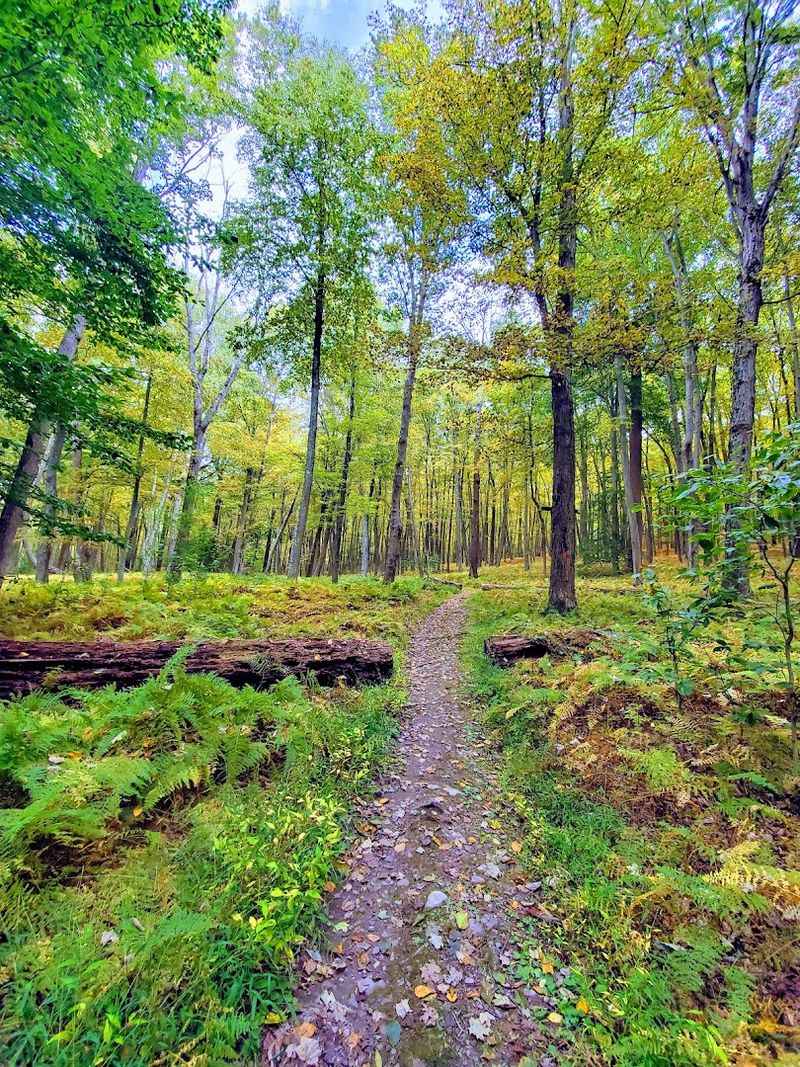
Fueling a multi-day backpacking trip through New Jersey requires some serious food planning, because the trail does not offer many chances to resupply once you are out there.
Most hikers carry enough food for the full route or plan a town stop in one of the small communities near the trail corridor.
Getting the calorie math right matters more than you might expect after a big climbing day.
High-calorie, lightweight foods are the backbone of any good AT food strategy. Nut butters, jerky, instant oatmeal, trail mix, and freeze-dried meals are staples for good reason.
They pack efficiently, hold up in a bear canister, and deliver the energy needed to keep moving through rocky terrain. A reliable camp stove and water filter round out the essential kit.
Water sources along the New Jersey AT include streams, ponds, and sometimes shelter-adjacent springs, but always filter before drinking. Staying hydrated is especially important during humid summer stretches.
Good food and clean water are the unglamorous backbone of a successful backpacking trip, and getting both right makes everything else on the trail feel more manageable.
Address: Appalachian Trail, Delaware Water Gap, New Jersey
