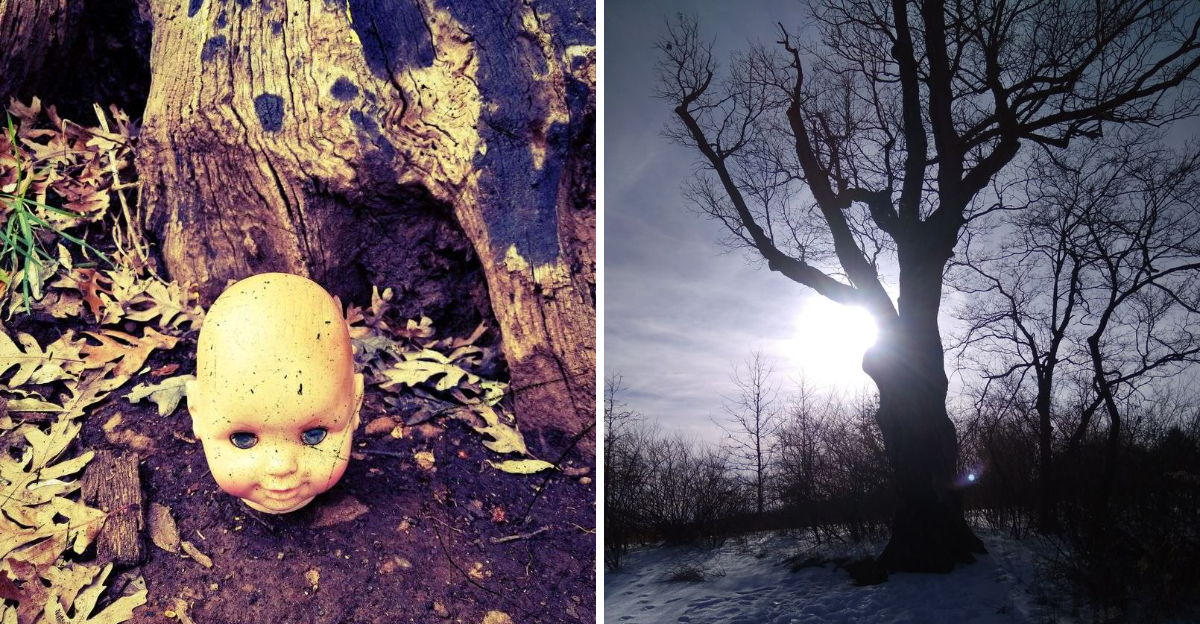
Think you’ve seen a tree that chills you to the bone? Along a lonely stretch of Mountain Road in Basking Ridge, New Jersey, a gnarled oak has been fueling ghost stories, dark legends, and shivers for decades.
Known locally as Devil’s Tree, this centuries-old giant has become one of New Jersey’s most notorious paranormal landmarks, drawing curious visitors, ghost hunters, and skeptics alike.
Stories swirl around its twisted branches like fog on a cold night, tales of curses, hangings, and strange happenings that defy easy explanation.
I’ve always been fascinated by places where history and mystery collide, and this tree delivers both in spades.
Whether you believe in the supernatural or just love a good creepy story, there’s something undeniably magnetic about this spot.
The tree has survived vandalism, attempted burnings, and countless late-night visits from thrill-seekers testing their courage.
What is it about this twisted oak that gives people chills? Stories of drained car batteries and eerie encounters keep drawing visitors back, even as locals insist the tree demands respect.
Step closer and uncover ten unsettling facts about New Jersey’s Devil’s Tree that might leave you wondering if some places truly carry a curse.
The Tree That Refuses to Die
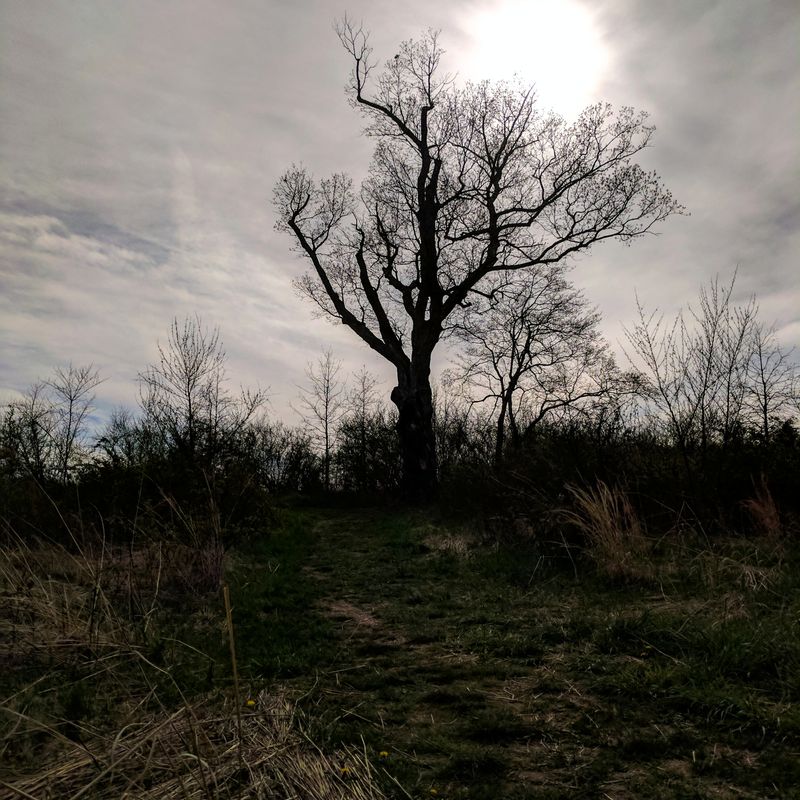
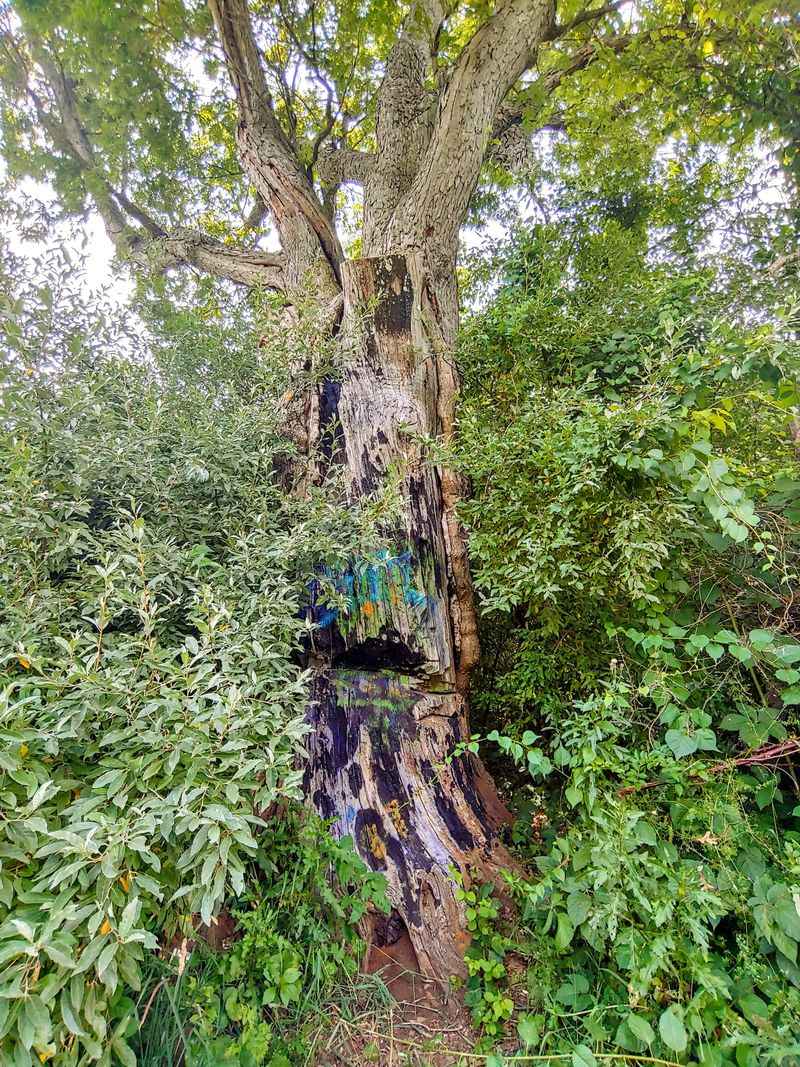
Despite decades of attempted destruction, vandalism, and even arson, this ancient oak keeps standing like a stubborn guardian of its own dark secrets. Visitors throughout the years have hacked at its trunk, spray-painted its bark, and tried setting it ablaze, yet the tree survives season after season.
You can still see the scars carved into its lower trunk, chunks missing where axes bit deep, but somehow new growth continues to push through the wounds.
What makes this resilience particularly unnerving is how the tree seems almost defiant in its survival. Local lore suggests that anyone who tries to harm it faces swift and bizarre consequences, from car troubles to unexplained accidents.
One recent reviewer noted how their friend disrespected the tree during a visit and totaled their car in an accident the very next day.
The oak’s ability to endure goes beyond normal tree biology. Hen of the woods mushrooms have been spotted emerging from its base, typically a sign of internal rot, yet the tree stands firm.
Its branches stretch outward in unnatural angles, each piece of foliage looking deliberately placed rather than organically grown.
Located at Mountain Rd, Basking Ridge, NJ 07920, this survivor has become a living monument to persistence or perhaps something more sinister. Whether you see it as nature’s resilience or supernatural protection, there’s no denying this tree has an iron will to remain exactly where it is, watching over the quiet road with an almost sentient presence that refuses to be extinguished.
Legends of Hangings and Dark History
The most persistent tale surrounding this infamous oak involves its alleged use as a hanging tree, though historians have never confirmed these claims with solid evidence. According to local legend, criminals and accused witches met their fate dangling from its sturdy branches centuries ago.
Some versions of the story claim a farmer murdered his entire family before hanging himself from the tree, cursing the ground beneath it forever.
Other whispered accounts suggest the Ku Klux Klan used this location for their horrific lynchings during darker periods of American history. While these stories circulate widely among paranormal enthusiasts and appear in numerous Weird NJ features, concrete historical documentation remains frustratingly elusive.
What we do know is that the tree’s ominous appearance and isolated location make it easy to imagine such terrible events occurring here.
The lack of verified facts hasn’t stopped the legends from growing more elaborate with each retelling. Some locals who grew up near the tree, like one reviewer whose childhood home sat directly across the road, speak vaguely of strange happenings and witchiness in the area without providing specific details.
Their reluctance to elaborate only deepens the mystery.
Whether these hanging stories are historical truth or urban legend built from fear and imagination, they’ve become inseparable from the tree’s identity. The tales serve as a grim reminder that sometimes the most powerful stories are the ones we can neither prove nor disprove, leaving us suspended between belief and skepticism much like the ghostly figures said to have swung from those ancient branches.
The Curse That Follows Disrespect
Ask anyone familiar with Devil’s Tree and they’ll tell you the same thing: show respect or face the consequences. This isn’t just superstitious nonsense to locals; they’ve got stories that would make your skeptical eyebrow drop.
Multiple visitors have reported experiencing immediate bad luck, mechanical failures, and even serious accidents after mocking or vandalizing the tree.
One particularly chilling account comes from a group of high school kids who visited at midnight, joking around and acting disrespectfully toward the tree. When they tried to leave, two of their three cars simultaneously lost all electrical power, headlights, interior lights, and tail lights all blown at once.
No coincidence, they insist, especially given the timing and the fact that multiple vehicles experienced identical failures.
Another visitor shared how their friend who disrespected the tree during a group visit ended up in a car accident the following day, his vehicle completely totaled. The other three friends who had been respectful experienced no such misfortune.
These patterns repeat themselves across decades of visitor accounts, creating a consistent thread of cause and effect that’s hard to dismiss entirely.
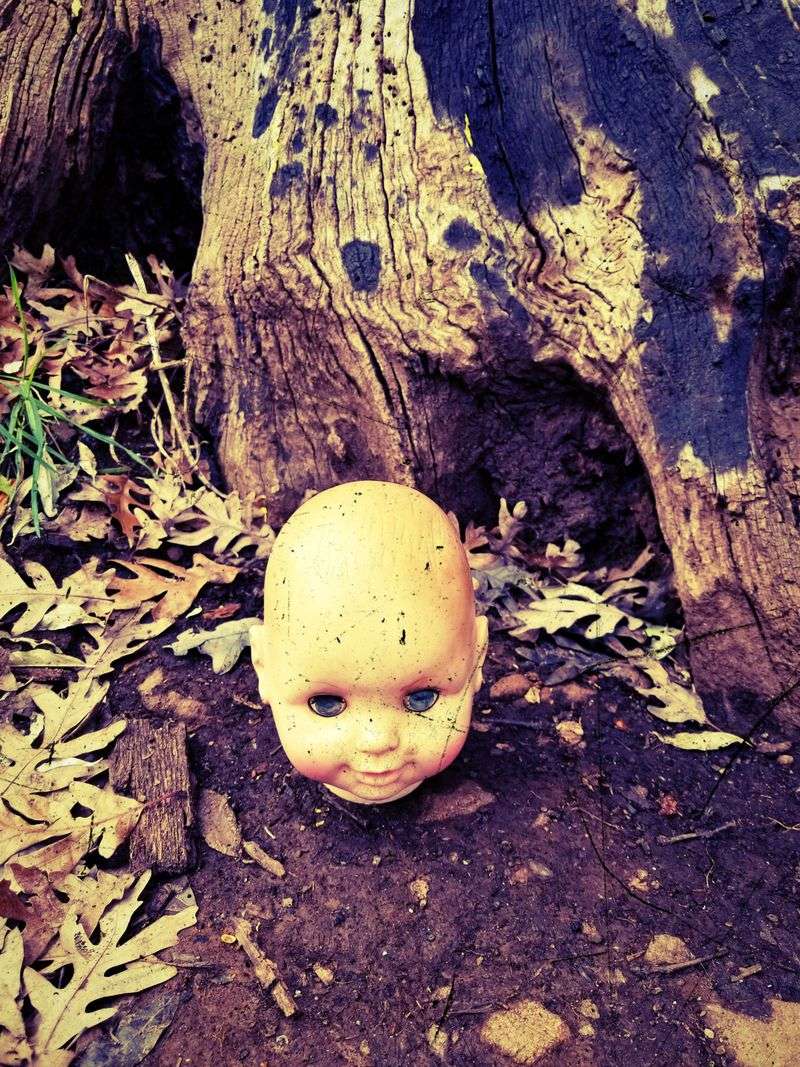
Even people who don’t believe in curses often find themselves being extra polite around this particular oak, just in case. The warnings have become so widespread that many visitors now leave coins at the tree’s base as offerings, a practice borrowed from various folk traditions meant to appease spirits or show reverence.
Whether psychological suggestion or genuine supernatural consequence, the curse of disrespect has become as much a part of the tree’s legend as the tree itself.
Strange Electronic Malfunctions
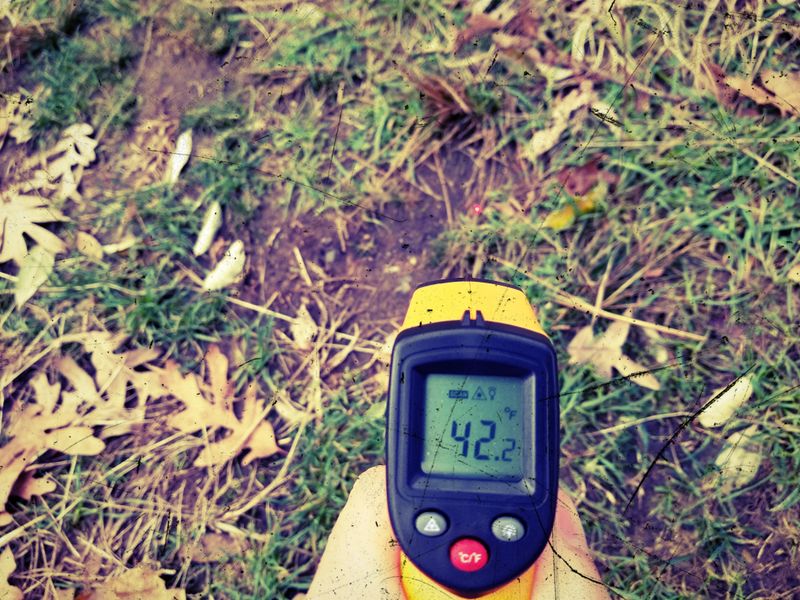
Cell phones crash, car batteries die, and electronic equipment goes haywire near this tree with unsettling regularity. Visitors equipped with cameras, EMF readers, and smartphones have documented numerous instances of technology failing in the tree’s presence, often in ways that defy simple explanation.
One reviewer described how their phone went completely crazy as they approached, eventually crashing entirely when they stood directly beside the trunk.
The electronic disturbances aren’t limited to handheld devices either. Cars parked nearby have mysteriously refused to start, batteries drained despite being fully charged moments before.
The previously mentioned incident of multiple vehicles simultaneously losing all electrical systems remains one of the most dramatic examples, but smaller malfunctions happen frequently enough that experienced visitors now warn newcomers to expect technical difficulties.
Paranormal investigators love bringing their ghost-hunting gadgets to this location, though results vary wildly. Some report their EMF detectors lighting up like Christmas trees, suggesting unusual electromagnetic activity.
Others, like one reviewer who brought an EMF reader, detected absolutely nothing unusual, adding another layer of unpredictability to the tree’s reputation.
Skeptics argue that the area’s natural electromagnetic fields or underground power lines might explain some malfunctions, but that theory doesn’t account for the pattern of failures occurring specifically after disrespectful behavior. The correlation between attitude and technical problems suggests something beyond simple environmental interference.
Whether you attribute it to supernatural forces, psychological expectation, or just really bad luck with electronics, the phenomenon has become another signature characteristic of visiting this notorious New Jersey landmark.
The Warm Tree in Winter Mystery
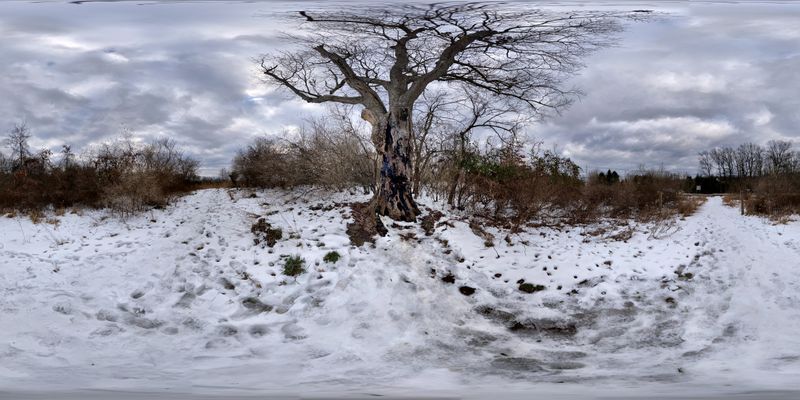
Perhaps one of the most frequently mentioned oddities involves the tree’s alleged temperature anomaly during cold weather. According to numerous accounts shared on social media, particularly Instagram reels, the tree’s trunk supposedly feels warm to the touch even during freezing winter conditions.
This claim has driven many curious visitors to make the trek during snowstorms specifically to test the phenomenon for themselves.
However, not everyone who visits during winter experiences this mysterious warmth. One reviewer who ventured out during an actual snowstorm reported that the tree felt exactly like any other tree, with no unusual temperature difference whatsoever.
They described the area as calm and peaceful rather than eerie, contradicting the more sensational claims circulating online.
The conflicting reports create an interesting puzzle. Some visitors swear they’ve felt inexplicable heat radiating from the bark, while others find it perfectly normal and cold to the touch.
This inconsistency might suggest that the warmth phenomenon, if real, doesn’t occur constantly or perhaps depends on specific conditions we don’t yet understand.
From a scientific standpoint, trees can sometimes feel warmer than the surrounding air due to internal biological processes and insulation provided by thick bark. Certain species retain heat better than others, and a massive oak with substantial girth might naturally hold onto warmth longer.
Still, that wouldn’t explain reports of the tree feeling actively warm during prolonged freezing conditions. The warm winter tree remains one of the more debated aspects of Devil’s Tree lore, with believers and skeptics equally adamant about their experiences.
A Peaceful Experience for Respectful Visitors
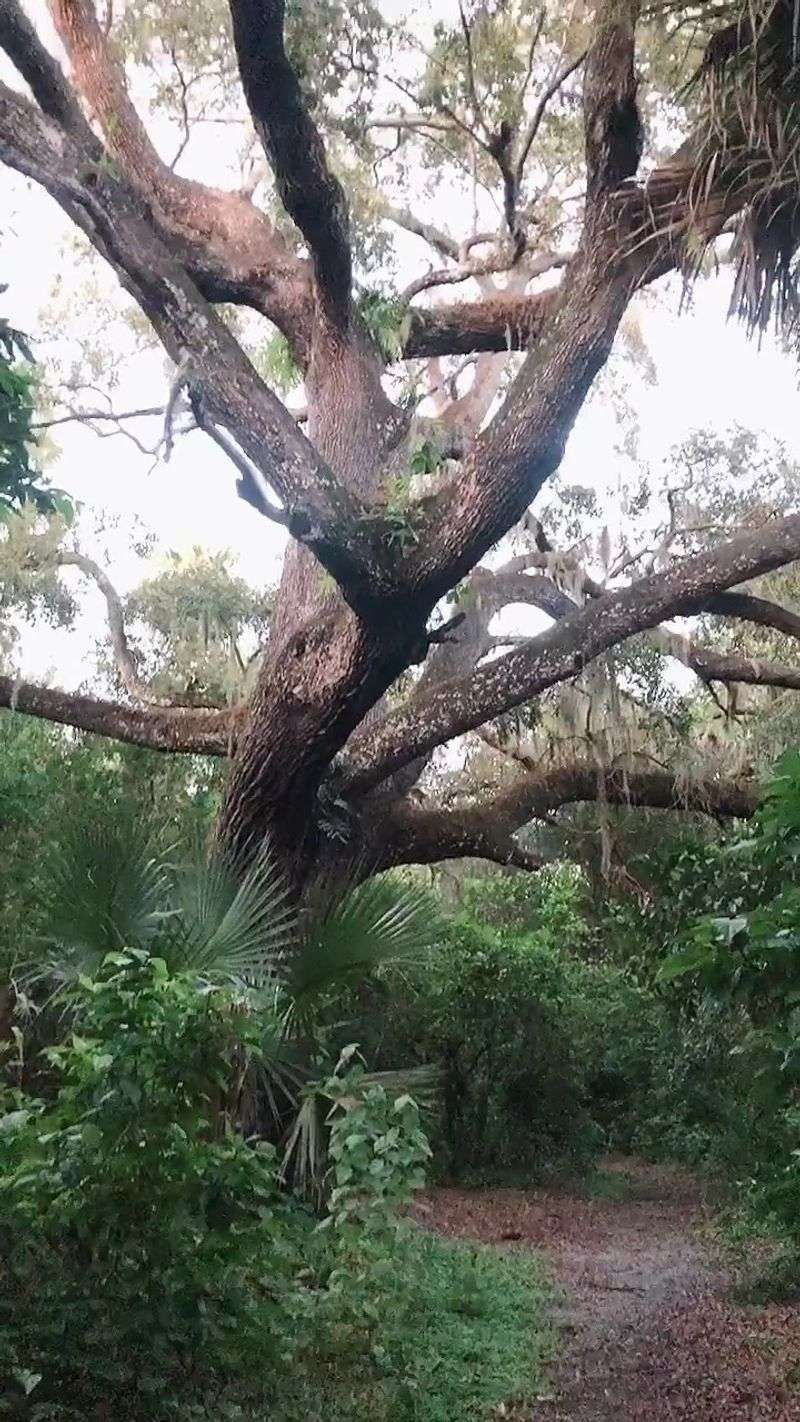
Not every encounter with this legendary tree ends in terror or technical difficulties. Many visitors who approach with genuine curiosity and respect report feeling surprisingly peaceful and calm in its presence.
One five-star reviewer mentioned feeling no evil vibes whatsoever, just a sense of tranquility while observing what they described as a beautiful but tortured tree.
The key difference seems to be intention. Those who come with malicious plans, hoping to vandalize or mock the tree, tend to experience the negative consequences that fuel its cursed reputation.
Meanwhile, visitors who arrive with open minds and respectful attitudes often leave feeling the location is simply a quiet, nice spot worth seeing, nothing more sinister than an interesting piece of local folklore.
This dichotomy suggests that much of the tree’s reputation might be self-fulfilling. People expecting horror often find reasons to be frightened, whether through genuine paranormal activity or their own heightened emotional state.
Conversely, those approaching without fear or aggression experience the location as merely an unusual natural landmark with interesting stories attached.
Several reviews specifically mention the brief nature of visits, typically lasting only ten minutes or so since there’s not much to do beyond viewing the tree itself. The short walk from the road makes it easily accessible, visible even from passing cars.
For travelers already in the Basking Ridge area of New Jersey, it makes a quick and intriguing stop without requiring significant time commitment. The peaceful experiences reported by respectful visitors offer a counterbalance to the darker tales, reminding us that sometimes our own attitudes shape our perceptions more than any external force.
The Overgrown Path and Seasonal Visibility
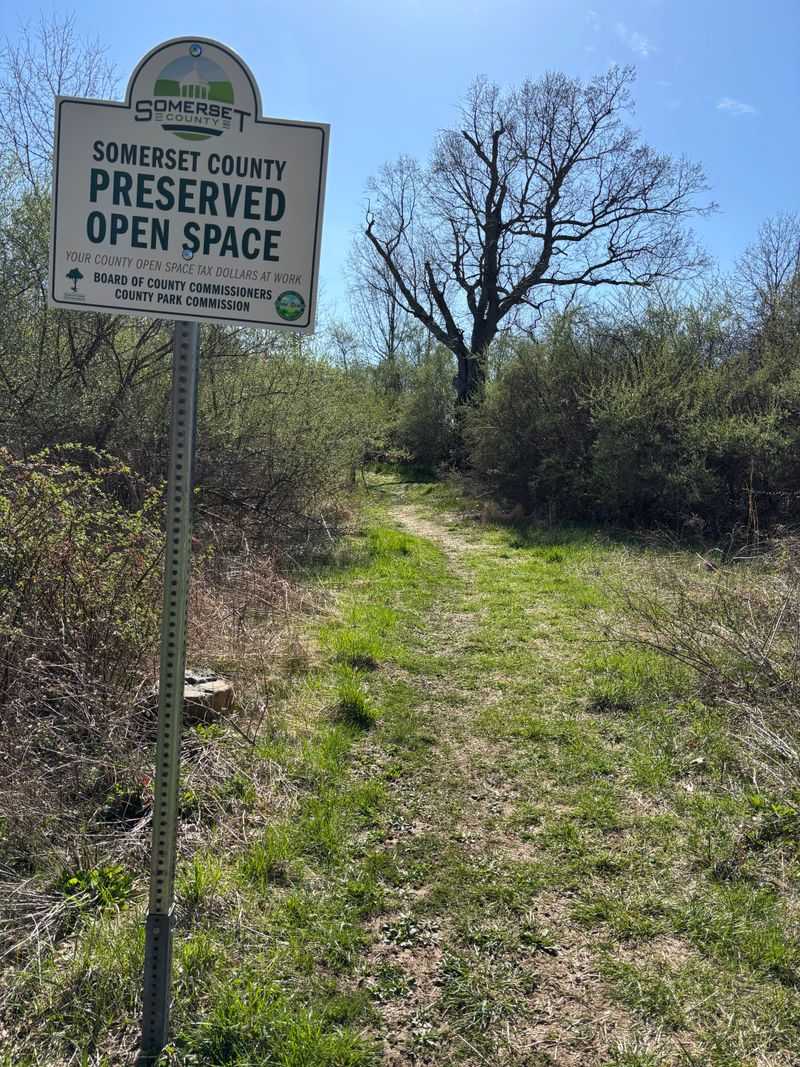
Finding Devil’s Tree can be tricky depending on when you visit, as the short trail leading to it becomes seriously overgrown during warmer months. Multiple reviewers have complained about waist-high grass and thick brush making the approach uncomfortable and difficult, with vegetation obscuring the path and making the tree harder to photograph.
Summer visits might leave you battling thorny plants and wondering if you’ve taken a wrong turn.
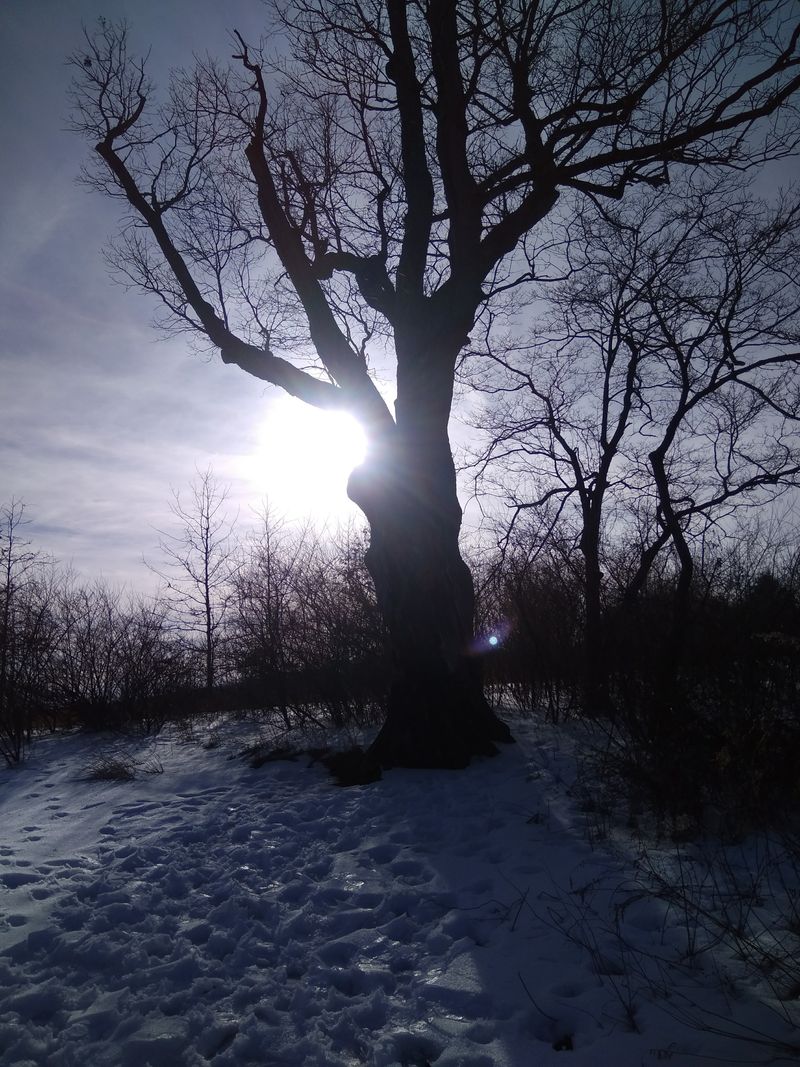
Winter and early spring emerge as the ideal seasons for visiting, when the surrounding vegetation dies back and the tree becomes dramatically visible against bare surroundings. The stark contrast of dark, twisted branches against snow or gray skies enhances the ominous atmosphere that made the tree famous in the first place.
Fall also works well, as the tree stands out because it behaves differently than its neighbors, its foliage pattern noticeably distinct.
The lack of maintenance at this location is both a blessing and a curse. On one hand, the wild, untended nature adds to the eerie, abandoned feeling that paranormal enthusiasts love.
On the other hand, it makes the site less accessible and comfortable for casual visitors who might not be prepared for a trek through overgrown terrain.
From the road, you can usually spot the tree regardless of season, its substantial size and unusual shape making it identifiable even at a distance. However, getting close enough for a proper look requires navigating that pronounced pathway one reviewer described as looking like you might be walking into hell itself.
The seasonal changes in vegetation dramatically alter the visitor experience, so timing your trip matters more than you might expect when planning to see this famous New Jersey landmark.
The Tree’s Unnatural Appearance
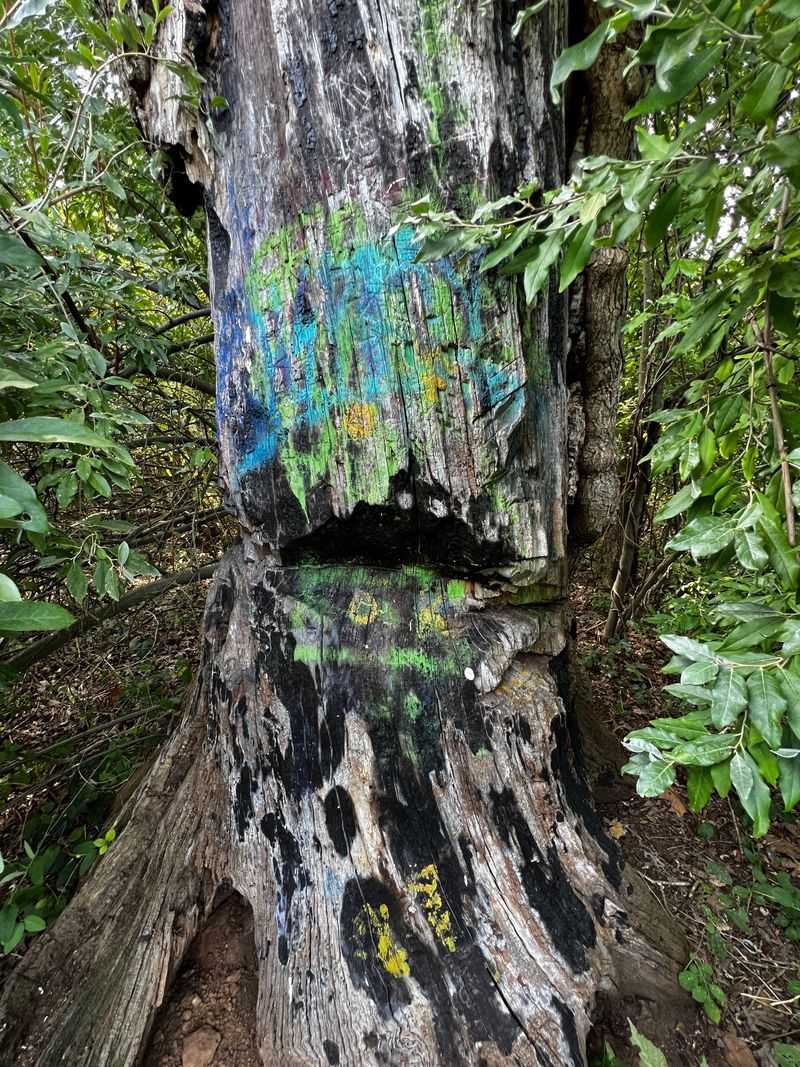
Even skeptics who visit Devil’s Tree often comment on its genuinely unusual appearance. Unlike surrounding trees that grow in typical patterns, this oak has a deliberately arranged quality that strikes observers as wrong somehow.
One visitor described how every piece of foliage looks placed rather than naturally grown, an observation that’s hard to shake once you notice it yourself.
The branches extend at odd angles, creating a silhouette that doesn’t quite match normal tree architecture. As you drive along Mountain Road, the tree slowly rolls into view in a way that feels almost theatrical, as though it’s revealing itself rather than simply coming into sight.
This dramatic presentation contributes to the immediate sense that you’re looking at something significant, something different from ordinary woodland scenery.
The trunk itself draws attention with its unusual girth and the tortured quality of its bark. Centuries of growth combined with decades of damage have created a surface that looks weathered beyond its years, scarred and pitted in ways that suggest suffering.
The lower portions bear the most obvious signs of human interference, hacked sections and spray paint creating an almost wounded appearance.
Photographers find the tree endlessly fascinating because it photographs as strangely as it appears in person. The way light hits the branches, the shadows it casts, and its overall form create compositions that feel inherently unsettling even in bright daylight.
This visual distinctiveness separates Devil’s Tree from countless other supposedly haunted locations that look perfectly ordinary upon actual inspection. Here, the appearance matches the reputation, giving visitors an immediate visual reason to understand why this particular tree became the center of so many dark legends throughout New Jersey’s paranormal folklore.
Local Warnings and Generational Knowledge
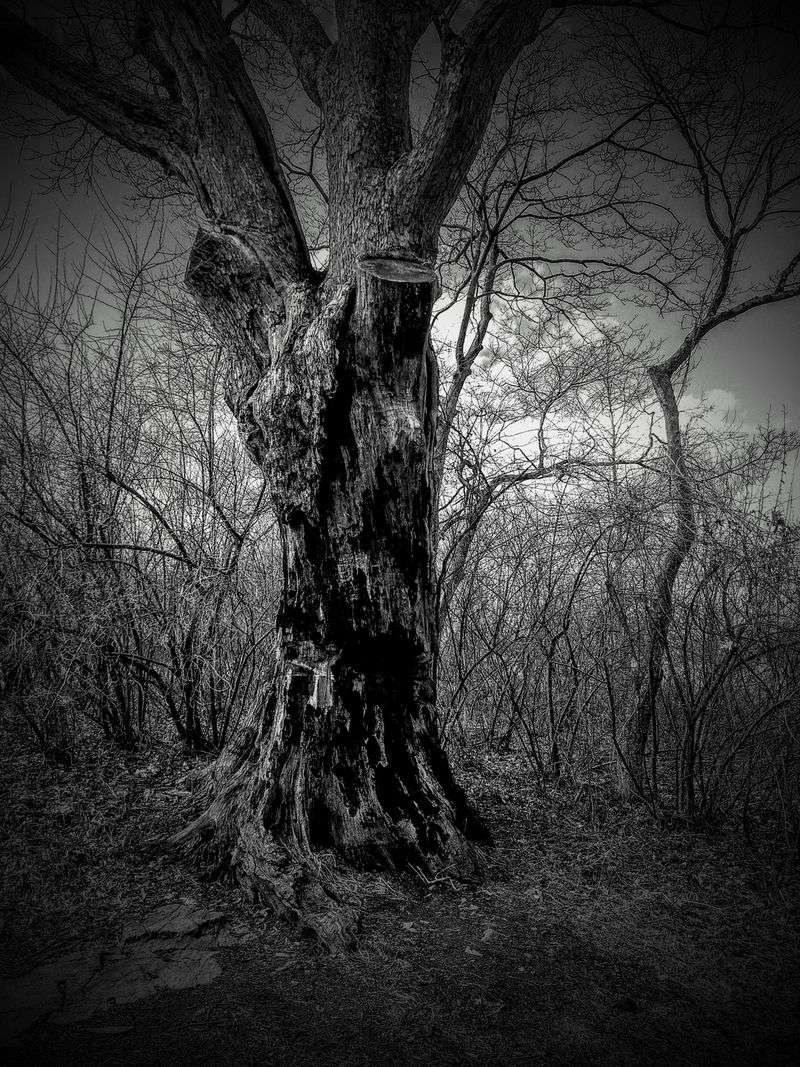
People who grew up near Devil’s Tree carry a different kind of knowledge about it than curious visitors passing through. Their warnings come from personal experience rather than internet research, passed down through families and neighborhood whispers.
One particularly striking review came from someone whose childhood home sat directly across from the tree, who cryptically mentioned strange happenings and witchiness without elaborating on specifics.
What makes these local accounts so compelling is their reluctance to fully explain. Unlike paranormal enthusiasts who eagerly share every detail, longtime residents often speak in vague terms, mentioning that they learned to stay away from whatever power exists there.
One person’s mother, after years of involvement with some mysterious group connected to the area, finally renounced her ties and warned her children about forces beyond human control.
This generational knowledge creates layers of mystery that tourist visits can’t penetrate. Outsiders see the tree, take photos, maybe experience something strange, then leave.
Locals live with its presence constantly, watching it through changing seasons and years, accumulating observations and experiences that never make it into online reviews or paranormal databases.
The warnings from people who actually know the area carry more weight than secondhand legends. When someone who spent their childhood within sight of the tree tells you to respect it, you listen differently than when reading spooky stories online.
Their advice comes from lived experience in Basking Ridge, New Jersey, from watching what happens to people who take the legends too lightly. These locals don’t seek attention or try to make the tree scarier than it is; they simply share practical wisdom learned from proximity and observation over decades.
The Weird NJ Connection and Cultural Impact
Devil’s Tree achieved legendary status partly through its repeated features in Weird NJ, the magazine dedicated to documenting the Garden State’s strangest locations and most persistent urban legends. For fans of New Jersey oddities, visiting this tree represents checking off a major item from their bucket list, a pilgrimage to one of the state’s most famous paranormal landmarks.
The magazine’s coverage helped transform a local legend into a statewide phenomenon, bringing visitors from across New Jersey and neighboring states to this quiet residential area. What might have remained a neighborhood curiosity became a cultural touchstone for anyone interested in the strange and supernatural.
The tree’s inclusion in Weird NJ gave it legitimacy within paranormal circles, marking it as worth visiting despite the lack of concrete historical evidence for many claims.
This media attention has had mixed effects on the tree itself. Increased visitation led to more vandalism and damage, with curious visitors sometimes crossing the line from observers to participants in the tree’s ongoing torture.
The spray paint, axe marks, and attempted burnings can all be traced to people who learned about the tree through magazines, websites, and social media, then decided to test its supposed curse or leave their mark.
Yet the cultural impact extends beyond simple tourism. Devil’s Tree has become symbolic of New Jersey’s rich tradition of weird folklore, representing how modern legends develop and spread in the internet age.
It demonstrates how local stories can achieve broader recognition while retaining their essential mystery. For a state often overshadowed by its proximity to New York and Philadelphia, having distinctive landmarks like this tree helps establish New Jersey’s unique cultural identity, proving the state has plenty of its own strange stories to tell.
Dear Reader: This page may contain affiliate links which may earn a commission if you click through and make a purchase. Our independent journalism is not influenced by any advertiser or commercial initiative unless it is clearly marked as sponsored content. As travel products change, please be sure to reconfirm all details and stay up to date with current events to ensure a safe and successful trip.
