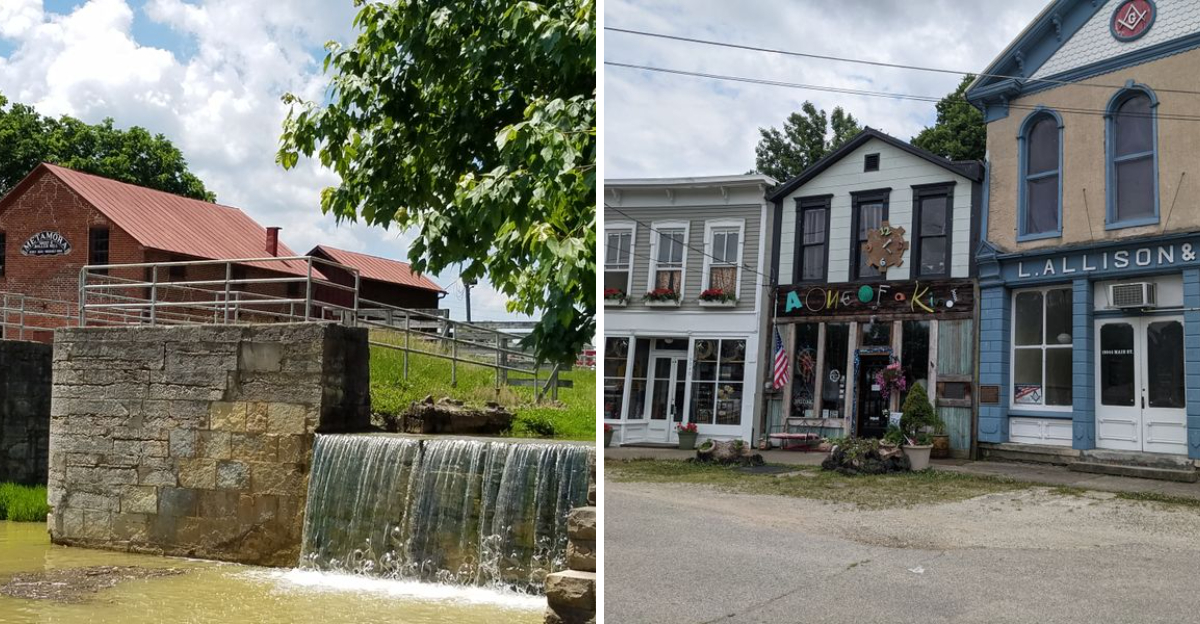
I stumbled upon Metamora on a Sunday drive years ago, and honestly, it felt like I’d driven into a postcard from the 1800s. The town sits along the old Whitewater Canal, population barely cracking 200, and it moves at a pace that makes you forget your phone exists.
There’s something magical about a place where the loudest sound might be a horse-drawn carriage clip-clopping down the street or the creak of a historic gristmill wheel turning. If you’re tired of bumper-to-bumper traffic and the constant buzz of city life, Metamora offers something rare in our modern world: genuine peace.
The air smells cleaner here, probably because there are more trees than cars. Every visit feels like stepping into a simpler time, where folks still wave from their porches and the biggest decision of your day is which homemade fudge flavor to try.
It’s the kind of town that reminds you what Indiana used to be before everything got paved over and sped up.
The Historic Whitewater Canal Brings History To Life
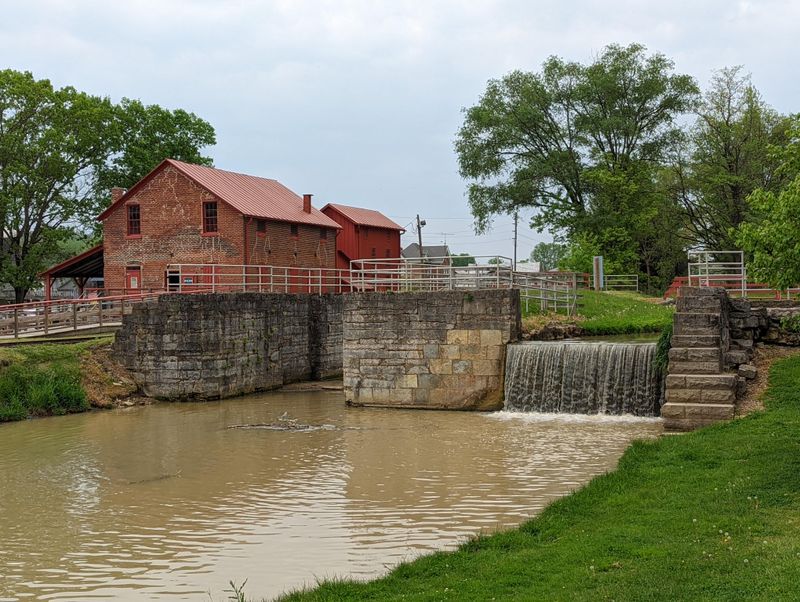
Walking along the Whitewater Canal feels like stepping through a time portal to the 1830s. The canal stretches through town as a living piece of history, complete with an original wooden aqueduct that still carries water over Duck Creek.
You can actually ride a horse-drawn canal boat during warmer months, just like travelers did nearly 200 years ago.
The canal system once connected Cincinnati to Hagerstown, serving as a major transportation route before railroads took over. Today, it’s one of the best-preserved sections of the old canal system left in America.
The Ben Franklin III boat offers rides that let you experience what commerce and travel looked like in pioneer days.
What makes this special isn’t just the history lesson. It’s the absolute tranquility of gliding along at two miles per hour while a team of horses pulls you forward.
No engine noise, no rush, just the gentle splash of water and birdsong from the surrounding woods. The canal grounds also include period buildings and interpretive displays that help you understand how this waterway shaped early Indiana.
Visit the Whitewater Canal State Historic Site at 19083 Clayborn Street, Metamora, IN 47030. The slower pace here isn’t just a tourist gimmick.
It’s genuinely how life moved for our ancestors, and experiencing it firsthand changes your perspective on what speed really means.
Metamora Gristmill Still Grinds Grain The Old-Fashioned Way
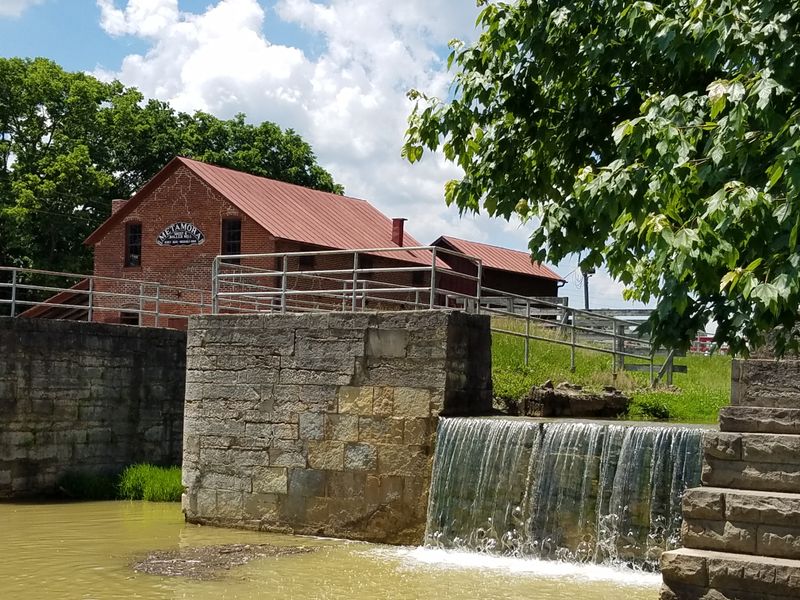
The rumble of the waterwheel at the Metamora Gristmill creates a sound you don’t hear anywhere else in modern Indiana. Built in 1845, this three-story wooden mill still operates using water power from Duck Creek to grind cornmeal and flour.
Watching the massive stones turn and grain transform into meal right before your eyes connects you to generations of millers who did this same work.
Inside, the mill smells like fresh-ground corn and old wood. The miller explains how water channels through wooden flumes to turn the 24-foot overshot wheel, which powers the grinding stones through a system of gears and belts.
Everything creaks and groans in a rhythm that’s been going for over 175 years. You can buy bags of stone-ground cornmeal to take home, which makes the best cornbread you’ll ever taste.
The building itself is a masterpiece of 19th-century engineering. Four floors showcase different aspects of the milling process, from grain storage in the top loft to the grinding floor where the magic happens.
The basement houses the water control mechanisms that regulate the wheel’s speed.
Located at 19049 Clayborn Street, Metamora, IN 47030, the gristmill represents something increasingly rare: technology that hasn’t been improved upon. Sometimes the old ways really were better, especially when the result is flour that tastes like actual grain instead of white powder.
Small-Town Shops Offer Treasures You Won’t Find At The Mall
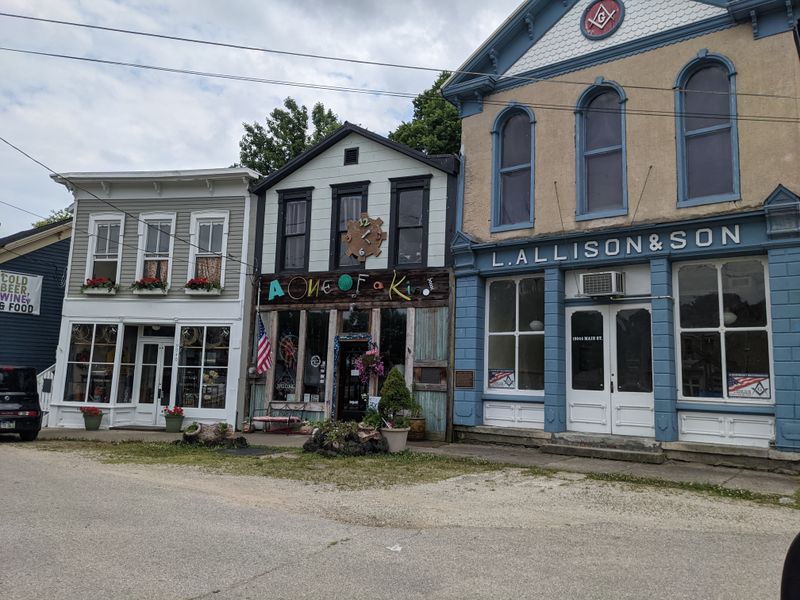
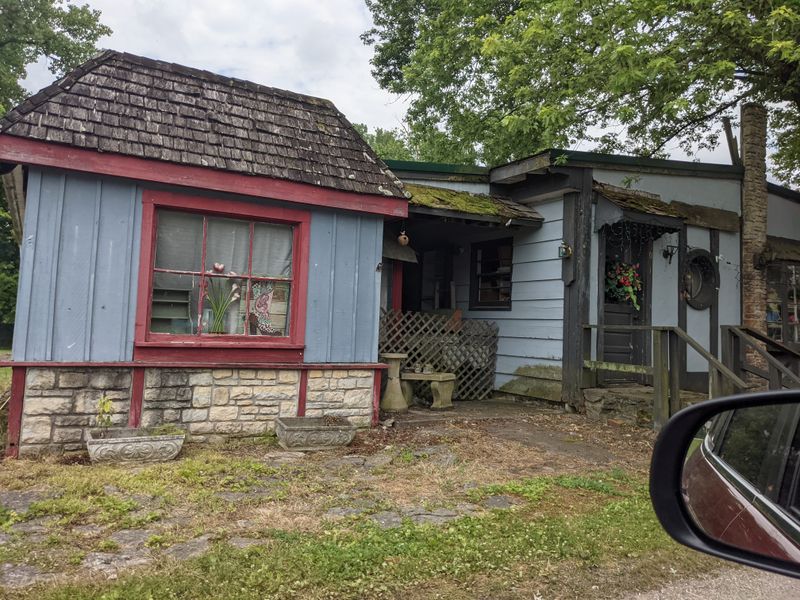
Metamora’s downtown stretches along a few blocks where every storefront holds something unexpected. These aren’t chain stores or franchises.
They’re independently owned shops run by people who actually know their inventory and greet you by name after your second visit. From handmade quilts to vintage bottles dug from old homesteads, the variety surprises you.
The Thorpe House Country Inn & Antique Mall at 19049 Clayborn Street, Metamora, IN 47030, spans multiple buildings filled with everything from Depression glass to vintage farm tools. You could spend hours browsing through rooms packed with history.
Other shops specialize in handcrafted items like wooden toys, pottery, and homemade candles that smell like actual cinnamon instead of chemical approximations.
What makes shopping here different is the absence of pressure. Nobody follows you around or pushes sales.
Shopkeepers are happy to chat about where items came from or share stories about the town’s history. Many shops occupy buildings that are historic landmarks themselves, adding another layer of interest to your browsing.
The pace of shopping matches the pace of town. You’re not fighting crowds or racing against closing times.
You can actually examine things, consider purchases, and enjoy the experience instead of treating it like a mission to complete. Finding a perfect vintage item or unique handmade gift feels like discovering buried treasure, not just completing a transaction.
Nature Trails Let You Breathe Air That Hasn’t Been Through An AC Unit
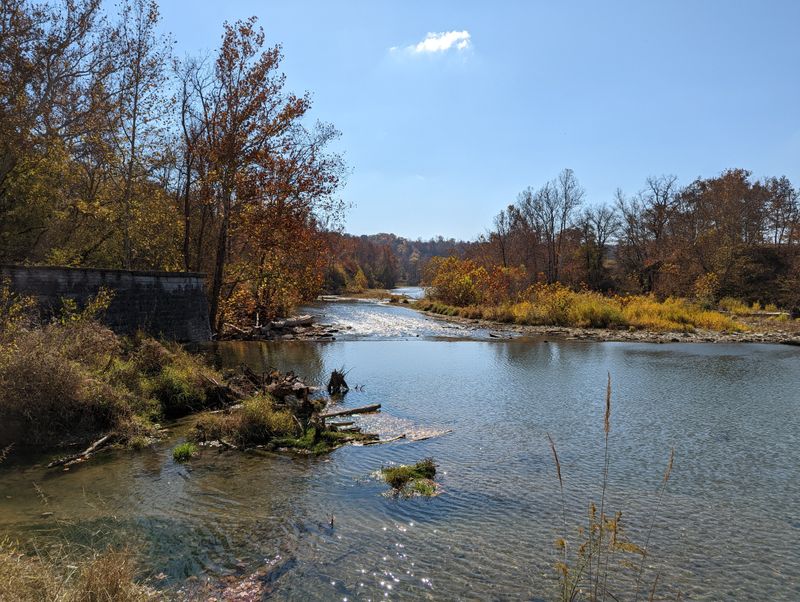
The trails around Metamora wind through forests that look like they’ve never heard of development. Whitewater Memorial State Park sits just minutes away at 1418 South State Road 101, Liberty, IN 47353, offering over 200 acres of woods and water to explore.
The air here smells like earth and leaves instead of exhaust and asphalt.
Walking these paths, you notice how quiet real silence actually is. No traffic hum in the background, no sirens, no constant mechanical noise.
Just wind through trees, birds calling, and your own footsteps on dirt trails. The difference in air quality becomes obvious when you take a deep breath and don’t taste pollution.
Trails vary from easy walks along the canal towpath to more challenging hikes through hilly terrain. Spring brings wildflowers that carpet the forest floor.
Fall transforms the woods into a paint palette of oranges, reds, and yellows. Even summer stays relatively cool under the tree canopy.
You might spot deer, wild turkeys, or red-tailed hawks during your walk. The wildlife here acts like it owns the place because it does.
Humans are just visitors passing through their territory. That perspective shift, realizing you’re the guest in nature’s home, changes how you move through the world.
The fresh air clears your head in ways that air-conditioned spaces never can, reminding you what oxygen is supposed to feel like.
Local Restaurants Serve Food Made By Actual Humans
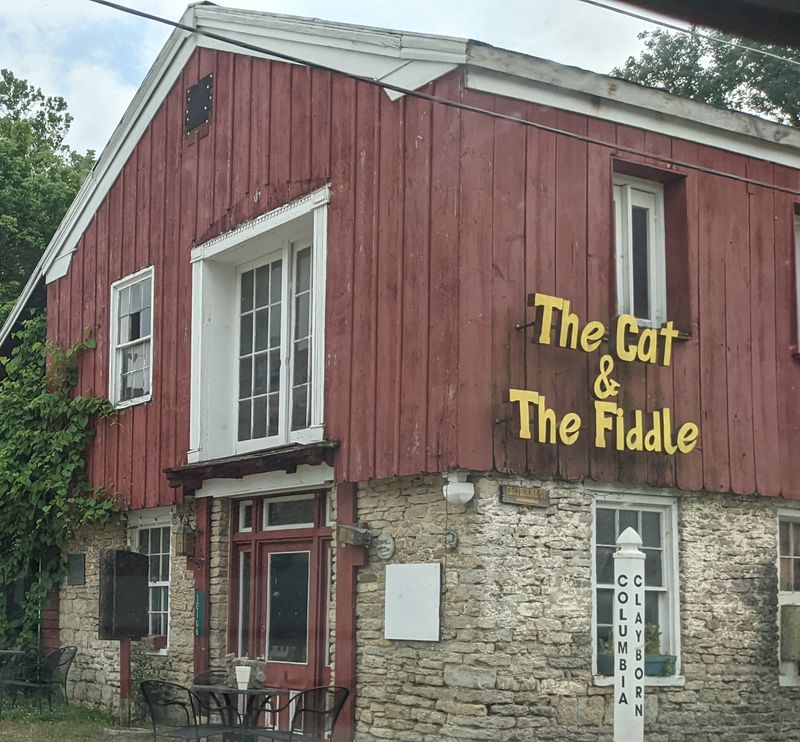
Eating in Metamora means sitting down to meals prepared by cooks who know their regulars’ favorite orders. The Hearthstone Restaurant at 18149 US Highway 52, Metamora, IN 47030, serves homestyle cooking that tastes like Sunday dinner at your grandmother’s house.
Everything comes out hot, portions are generous, and nobody’s trying to impress you with foam or deconstruction.
These restaurants don’t have corporate menus or focus-group-tested recipes. The cooks make what they know how to make well, using recipes passed down or perfected over years of practice.
You’ll find classics like fried chicken, meatloaf, and fresh-baked pies that actually taste like the ingredients listed. No mystery chemicals or unpronounceable additives.
Service moves at a human pace too. Your server might chat about the weather or recommend their personal favorite dish.
They’re not rushing you out to turn the table. Meals here are meant to be enjoyed, not inhaled between appointments.
The atmosphere encourages conversation and lingering over coffee.
Prices reflect small-town economics rather than urban markups. You can feed a family without taking out a loan.
The value comes not just from portion size but from food quality and the experience of being treated like a neighbor instead of a transaction. Eating here reminds you that food is supposed to nourish both body and spirit, not just fill a hole between meetings.
Horse-Drawn Carriages Replace Traffic Jams
The clip-clop of horse hooves on pavement creates Metamora’s signature soundtrack. Instead of honking horns and racing engines, you hear the gentle rhythm of working horses pulling carriages through town.
Several operators offer rides that range from quick tours to longer excursions through the surrounding countryside.
Sitting in a carriage changes your perspective literally and figuratively. You’re higher up than in a car but moving slowly enough to notice details.
The architecture of old buildings, flowers in window boxes, the way sunlight filters through tree branches. Things you’d miss at 35 miles per hour become visible at horse speed.
The horses themselves are beautiful draft animals, well-cared-for and clearly accustomed to their work.
Kids especially love this mode of transportation. It feels like something from a storybook come to life.
But adults appreciate it too, for different reasons. There’s something deeply relaxing about surrendering control and letting a horse set the pace.
No GPS to check, no traffic to navigate, no stress about parking. Just rolling along at nature’s speed.
The contrast with modern transportation couldn’t be sharper. No emissions, no road rage, no rushed feeling.
Carriage rides remind you that getting somewhere used to be part of the experience, not just an obstacle between destinations. When the biggest traffic concern is whether the horse needs a water break, you know you’ve left the rat race behind.
This is transportation as it was meant to be: peaceful, scenic, and actually enjoyable.
Community Events Feel Like Genuine Celebrations
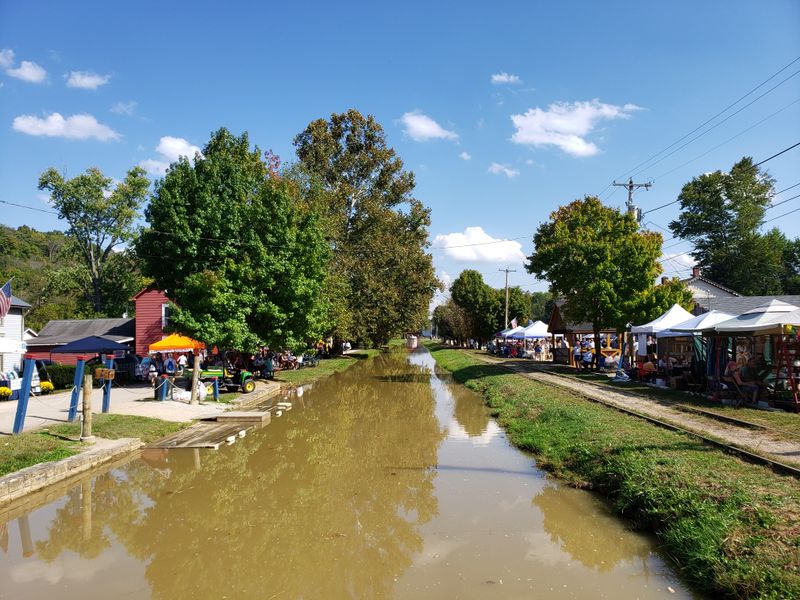
Metamora hosts festivals and events throughout the year that bring the community together without corporate sponsorship or overcommercialization. The Canal Days festival in October draws visitors for arts, crafts, and demonstrations of pioneer skills.
These aren’t manufactured entertainment experiences. They’re real community celebrations where locals participate alongside visitors.
What strikes you at these events is the authenticity. Vendors are actual craftspeople selling things they made, not resellers hawking imported goods.
Demonstrations showcase real skills like blacksmithing, weaving, and woodcarving. Kids can try activities like candle-dipping or rope-making instead of just bouncing in inflatable houses.
The educational value comes naturally through hands-on participation.
The pace even at festivals remains manageable. You’re not fighting massive crowds or waiting in endless lines.
There’s room to breathe, space to move, and time to actually enjoy what you’re experiencing. Locals treat visitors like welcomed guests rather than tourist revenue.
Conversations happen naturally, and you might leave with new friends along with your purchases.
These events celebrate the town’s history and character without turning it into a theme park. Everything feels organic rather than staged.
The sense of community is palpable because it’s genuine. People here actually know and care about each other, and that spirit extends to visitors.
Attending a Metamora event reminds you what community used to mean before social media tried to redefine the word. It’s people gathering in real space, sharing real experiences, and creating real memories together.
Dear Reader: This page may contain affiliate links which may earn a commission if you click through and make a purchase. Our independent journalism is not influenced by any advertiser or commercial initiative unless it is clearly marked as sponsored content. As travel products change, please be sure to reconfirm all details and stay up to date with current events to ensure a safe and successful trip.
