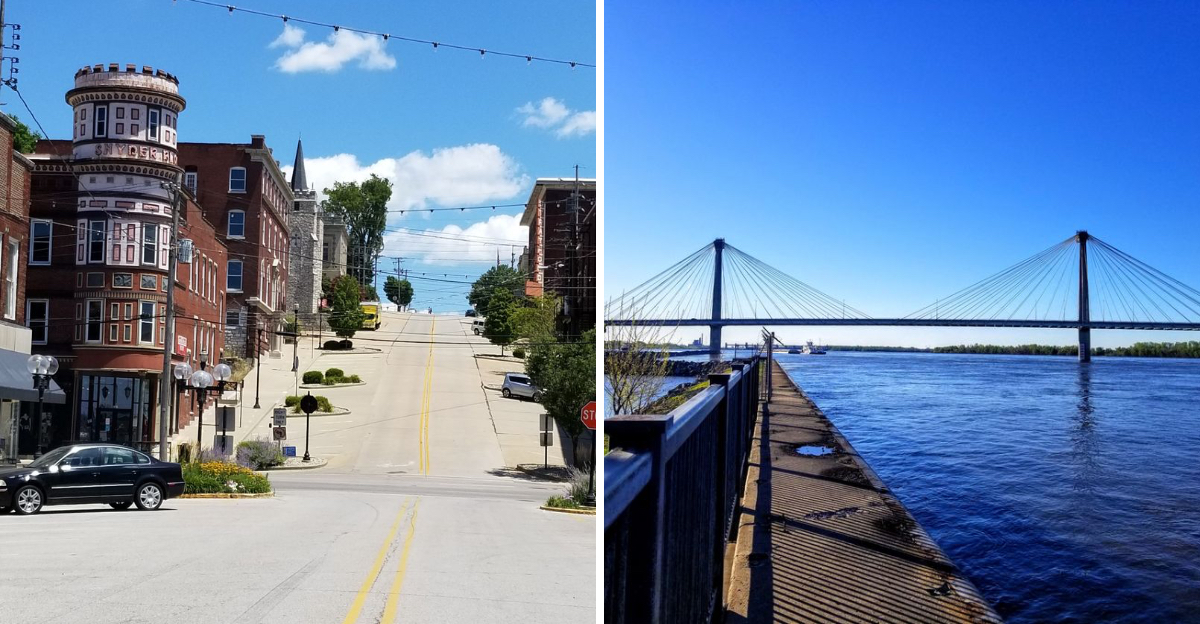
Night settles over Alton, Illinois, and the streets start telling stories you only catch after the lights come on.
You feel the limestone bluffs hold the fog like a secret, and the river throws reflections up toward the hilltop homes.
Photographers gather quietly, working with long exposures as windows glow and bricks hold their warmth.
If you love atmosphere, this small Illinois city rewards patience with images you cannot make anywhere else.
A River Town Built With Atmosphere in Its Bones
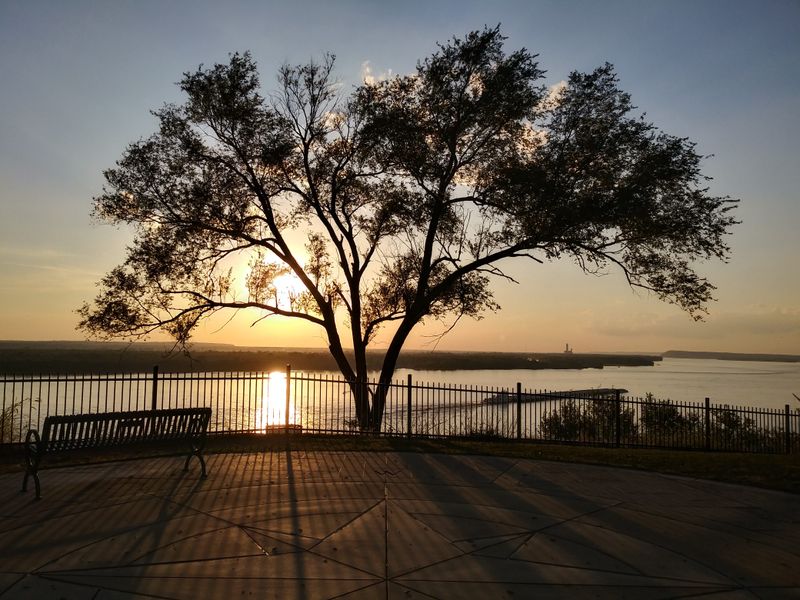
Alton sits above the Mississippi, and the bluffs shape how sound and light wander through the night.
Fog gathers in slow curls, softening the edges of rooftops while keeping silhouettes sharp enough to map with a lens.
Stand near the river wall and you hear trains in the distance, a low note that gives each frame a pulse.
The older streets hold their incline, so headlights sweep upward like brushes across red brick and stone.
You notice how the limestone reflects cool tones during evening blue hour, then shifts warmer under streetlamps.
That change invites a second pass down the same block with a different white balance and a slower shutter.
Because the river breathes, every gust nudges the fog and resets the composition without moving your feet.
That is why photographers return, not for a single vantage, but for the way one corner keeps evolving.
Illinois weather adds drama, turning a clear afternoon into a silver evening with little warning.
When the wind eases, reflections steady, and the town becomes a studio you only share with the water.
The bluff tops hold pockets of light that seem to float above the river’s darker plane.
Ships and barges pass like moving shadows, adding subtle motion lines to long exposures.
Even small ripples in the water pick up neon and sodium tones from the shore.
You learn to wait for freight trains and passing cars as tools rather than interruptions.
The whole valley feels like a bowl that collects light, sound, and mist in patient layers.
A Concentration of Historic Architecture That Shapes the Mood
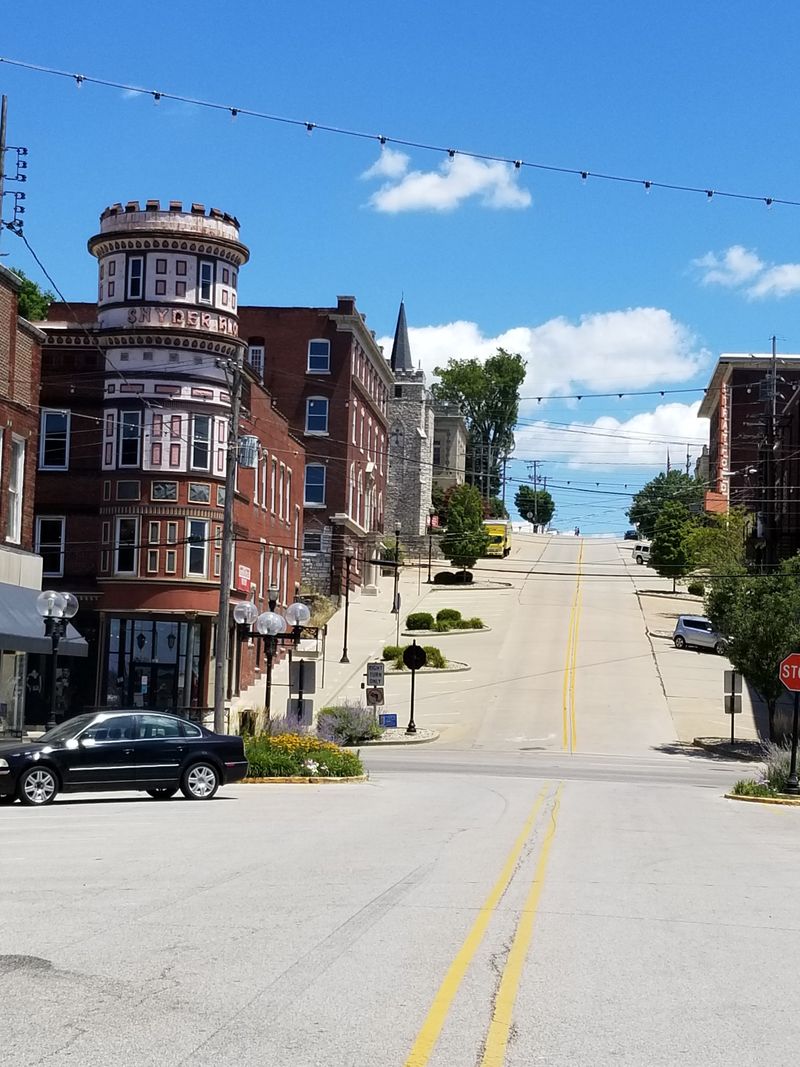
Along the historic core, brick storefronts align like a backdrop already lit for a careful scene.
Italianate cornices and bracketed eaves catch small highlights, leaving quiet pockets of shadow to explore.
Narrow alleys break the grid just enough to frame a tripod and guide the eye toward a single lamp.
Windows glow, not bright, just steady, which helps pull contrast without crushing detail in the brick.
When clouds hang low, the facades rise into soft gradients that read beautifully on longer exposures.
Trim and lintels become anchors so you can compose cleanly even with passing cars in the mix.
Move half a block and the sightlines stack into layers, a rhythm that reads differently after sunset.
Those layers let you isolate one cornice or capture the whole street without losing intimacy.
The result is a library of angles that keeps the work fresh even if you know every corner.
In Illinois, it’s unusual to find this level of architectural detail presented so clearly at night.
Doorways and transoms gather just enough light to hint at depth without revealing everything.
Signs tend to be modest, which keeps typography from overpowering the masonry in the frame.
Reflections in second story glass repeat the glow of opposite buildings in soft double exposures.
Textures from patched mortar and worn brick give close ups as much interest as wide shots.
You leave the district feeling like you walked through a set designed for shadow rather than spectacle.
A Reputation for Paranormal Activity Intertwined With Documented History
Stories follow Alton after dark, and they come from places with records and names you can trace.
River work, wartime chapters, and hospital histories seeded a folklore that sticks to the streets.
Photographers are drawn less by jump scares and more by the patient mood those accounts create.
Shadows sit longer near older brick, and the quiet between footsteps feels measured rather than staged.
That restraint makes images feel honest, like you are documenting atmosphere instead of performing it.
Guides and local historians keep the context straight, so curiosity lands on facts you can verify.
You can stand with a camera near sites tied to well-recorded local history and still keep the frame respectful.
The goal becomes tone, not spectacle, and that choice reads clearly in the final edit.
In Illinois, this blend of record and rumor produces night scenes that carry a thoughtful weight.
If you prefer integrity over effects, Alton rewards a slower walk and an ear for small echoes.
Old stairwells, sealed doors, and faded signs suggest timelines that stretch far beyond a single visit.
You notice how sound falls away near certain corners, leaving only wind and distant traffic.
Long exposures turn faint movements into soft streaks that feel more poetic than frightening.
The stories you have heard color how you frame a doorway or a window, never fully dictating it.
By the time you pack up, the mood has settled into your work without needing any tricks.
McPike Mansion as a Central Subject
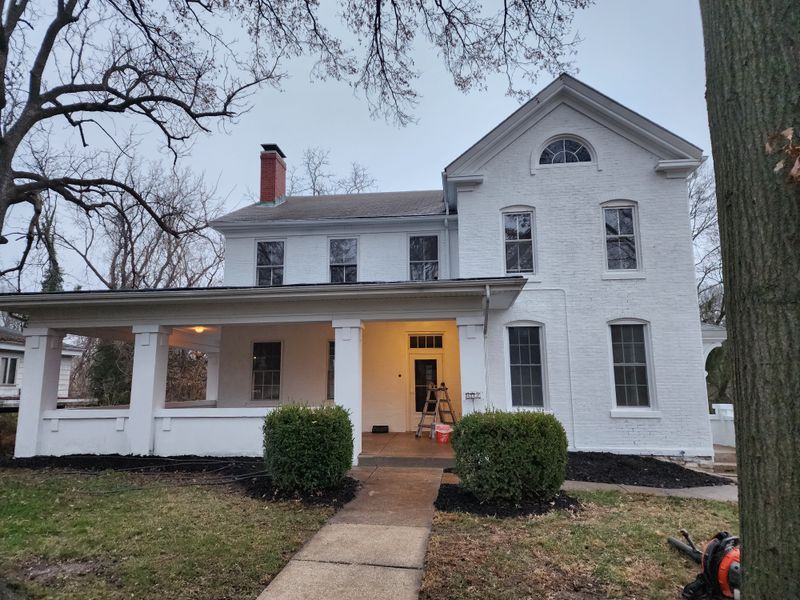
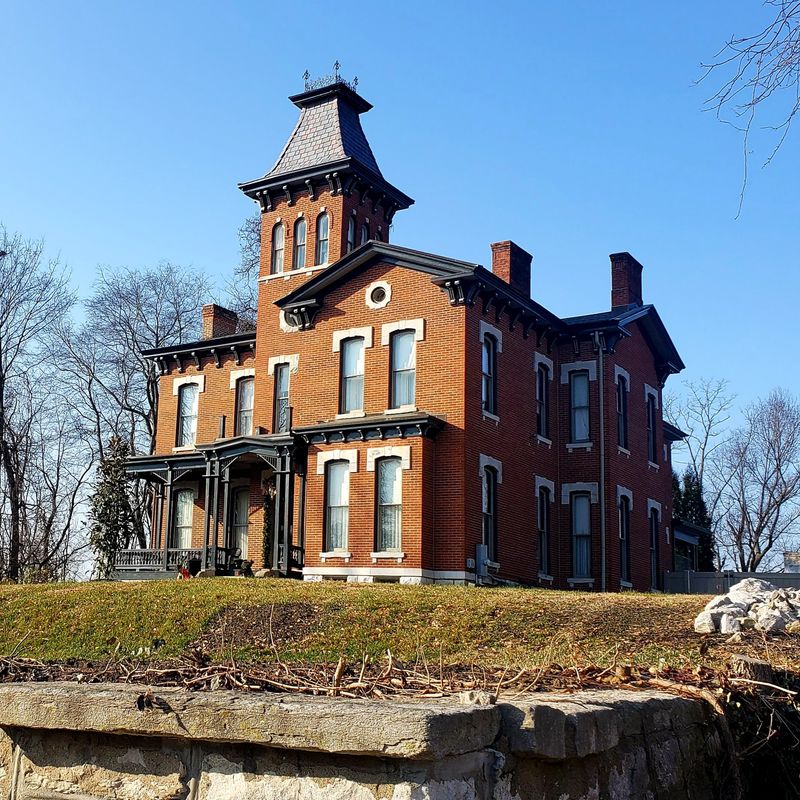
McPike Mansion rises above the neighborhood and holds every ounce of light like a vessel.
The rounded architecture softens highlights, and the vacant windows read as deep notes in the frame.
On the hill, even a slight breeze can shift branches enough to paint moving shadows across the brick.
Long exposures reward patience here, because the structure gives you both symmetry and drift.
You step back to include the slope, then move closer to let the curve of the porch lead the view.
Each composition carries a different pace, yet the building always keeps center stage.
The location is easy to reference for planning and respectful visits, 2018 Alby St, Alton, IL.
Arrive at dusk if you want the sky to still hold color without overpowering the warm lamps nearby.
As night deepens, silhouettes sharpen and the mansion shifts from stately to stark.
It becomes a study of form and space, a subject that never feels finished in a portfolio.
Brickwork and stone details emerge slowly as you fine tune focus and exposure.
Tree limbs frame the upper stories, turning simple angles into layered silhouettes.
The surrounding neighborhood stays quiet enough that small sounds emphasize the stillness.
Light from nearby streets touches only edges, leaving the bulk of the house in a steady half glow.
You walk away knowing you could return on another night and find a completely different reading.
The Old Alton Cemetery With Its Distinctive Layout
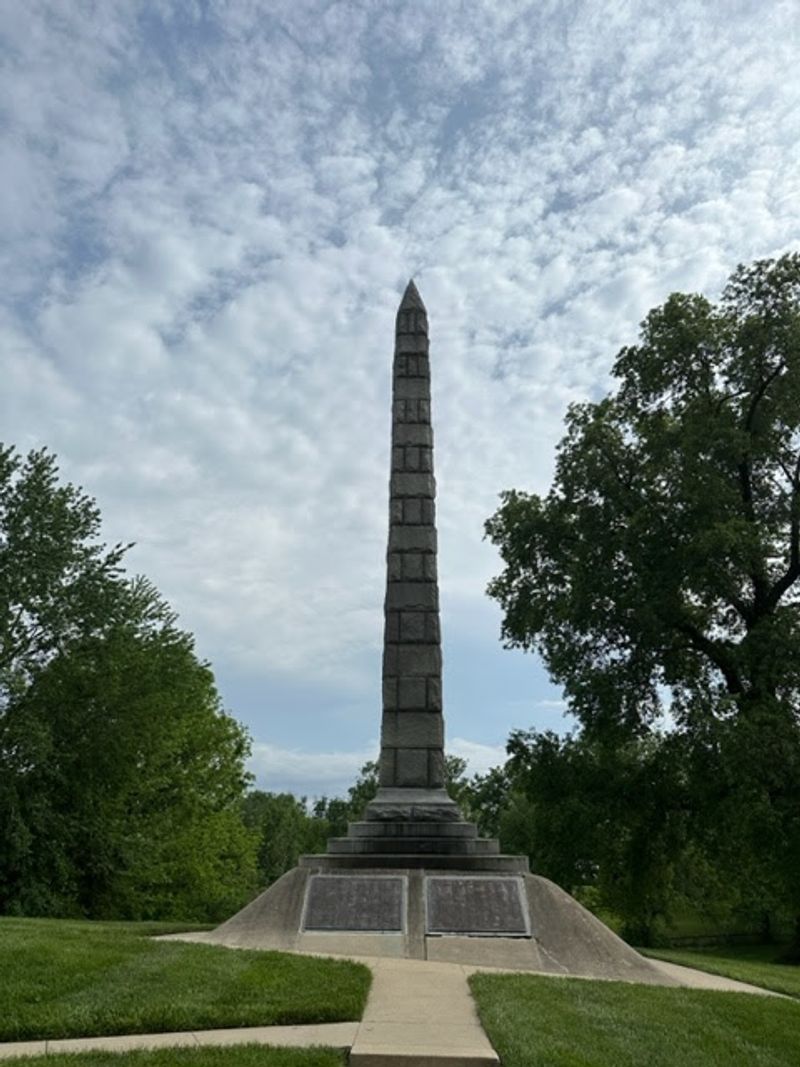
The Old Alton Cemetery spreads across a hillside where paths bend gently between mature trees.
Markers catch side light from nearby lamps, and long shadows drift in slow arcs across the grass.
You frame the slope to show depth, then isolate a single stone to study texture and time.
The atmosphere does not need props, because age and setting provide all the presence you need.
Thin fog often sits near the low ground, adding layers without washing out the detail.
Tripods settle well on the paths, and compositions hold steady with careful footing.
Access is straightforward, 5th St and Vine St, Alton, IL, and the site rewards quiet respect.
Night images here feel thoughtful, and the hillside turns streetlight pools into small stages.
In Illinois, it’s uncommon to find a cemetery landscape that offers this kind of depth in low light.
You leave with frames that feel calm, even when the wind moves the canopy above you.
Names on stones line up in gentle curves, guiding the eye further into the frame.
Moss and lichen catch stray light, giving older markers a soft, almost velvety surface.
You become more aware of your own footsteps as gravel and leaves register every move.
The combination of sloping ground and layered trees makes each angle feel distinct.
Respect becomes part of your process, shaping where you step, stand, and finally press the shutter.
Former Industrial Buildings That Hold Their Nighttime Shape
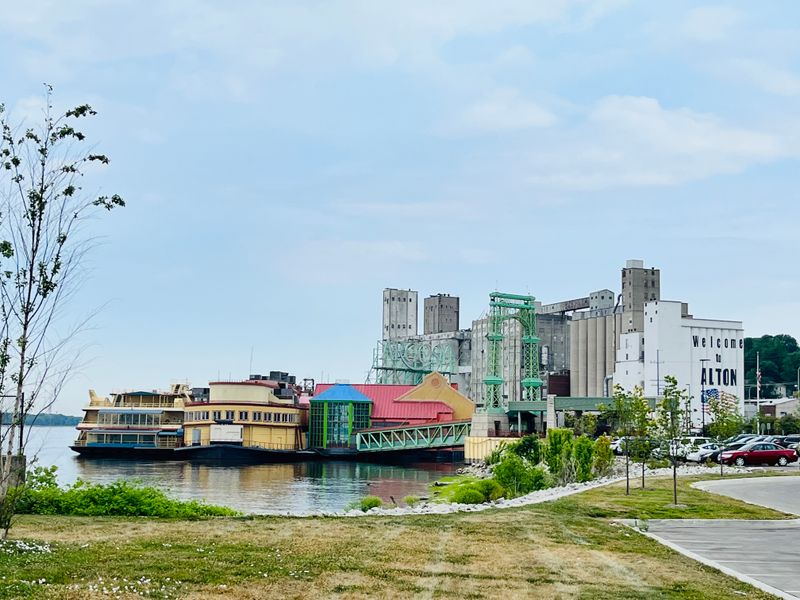
Old warehouses along the riverfront keep their posture, even when fog softens everything else.
Brick courses show up clean under raking light, and tall windows reflect passing traffic like signals.
You can work a low angle to bring the bulkhead into the composition and anchor the frame.
These structures welcome minimalism, so negative space becomes a tool rather than a gap.
Headlights draw temporary stripes that lead the eye without stealing the scene.
River moisture deepens color, which helps red brick read richer during blue hour.
Addresses vary along the corridor, but a reliable hub sits near 1 Riverfront Dr, Alton, IL.
From there, short walks reveal sightlines that repeat clean geometry in new ways.
In Illinois, not many river towns showcase industrial silhouettes with this kind of nighttime presence.
The look is honest and sturdy, and the photos carry that grounded character home.
Metal doors, loading docks, and faded logos add quiet context around the main forms.
You can trace the history of work along the river just by following the rooflines.
Steam and exhaust from distant industry sometimes drift in, adding another thin layer of texture.
The buildings never feel theatrical, they feel like they are simply continuing their long evening shift.
Your images hold that same workmanlike simplicity, strong, unadorned, and clear.
A Riverfront That Changes Personality at Dusk
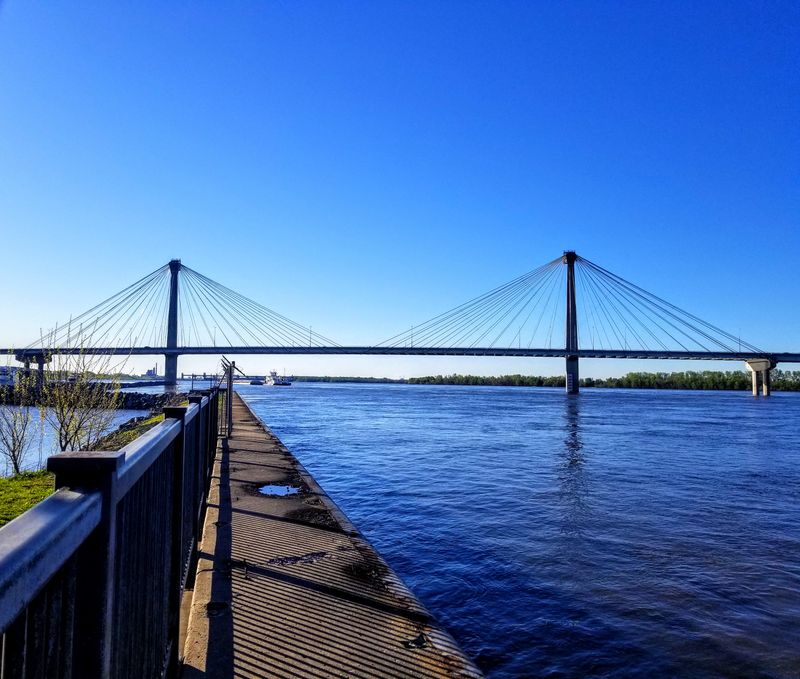
As the sun slips, the Mississippi mirrors Alton and sends a wavering ribbon of light back to the bluffs.
Every minute redraws the reflection, so a series becomes a timeline instead of a set of repeats.
Fog sometimes drifts in from mid channel and turns the bridge lights into soft beads.
From Riverfront Park, 1 Riverfront Dr, Alton, IL, you can track those changes without moving far.
Water becomes a canvas for long exposures, smoothing ripples into a calm field.
Streetlamps along the walk add points you can balance against the darker shoreline.
If you pivot toward the hills, rooftops layer up like gentle steps in the distance.
That stack gives you a clean foreground midground background that stays coherent in low light.
Illinois evenings often bring color that lingers longer than you expect this close to the river.
You finish with frames that feel alive, even when the town itself has gone quiet.
Passing barges leave bright trails and subtle wakes that redraw the surface in slow lines.
Pedestrians and cyclists move through the frame as soft blurs that never overpower the scene.
Occasional train horns fold into the ambient river sounds, adding depth instead of disruption.
Clouds over the water pick up city glow, creating a low ceiling of reflected color.
By full dark, the riverfront feels like a long, glimmering threshold between town and open current.
Jackson Avenue and Its Lantern-Like Windows
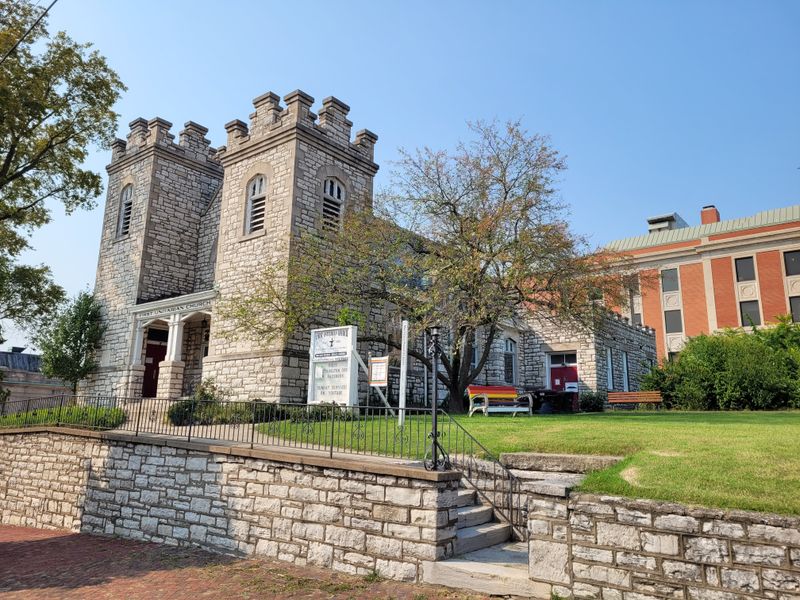
Jackson Avenue carries a soft warmth at night that reads clearly through windows and porch lights.
The slight slope sets a rhythm, so each home sits a touch higher or lower than the last.
Mature trees shape repeating patterns you can hold with longer shutter speeds.
Warm interiors glow like lanterns, giving texture to clapboard and brick without harsh contrast.
Move a few steps and the curves of handrails and steps begin to echo across the block.
That echo helps simplify compositions into lines that guide the viewer through the frame.
The stretch near 1200 Jackson Ave, Alton, IL, offers dependable views with respectful distance.
Streetlights add gentle halos, so highlights stay controlled and shadows remain readable.
Illinois neighborhoods rarely keep this level of nighttime character with such quiet traffic.
You leave with subtle images that value comfort, warmth, and the slow pace of a lived street.
Parked cars and mailboxes become part of the rhythm instead of clutter.
Curtains and blinds soften window light into broad shapes that feel painterly on sensor or film.
You catch small moments, like a porch door opening briefly, then closing, leaving only glow behind.
Puddles after rain double the lamps and windows into small mirrored compositions.
The whole avenue feels like a study in how domestic light shapes public space.
A Community That Acknowledges Its Nighttime Appeal
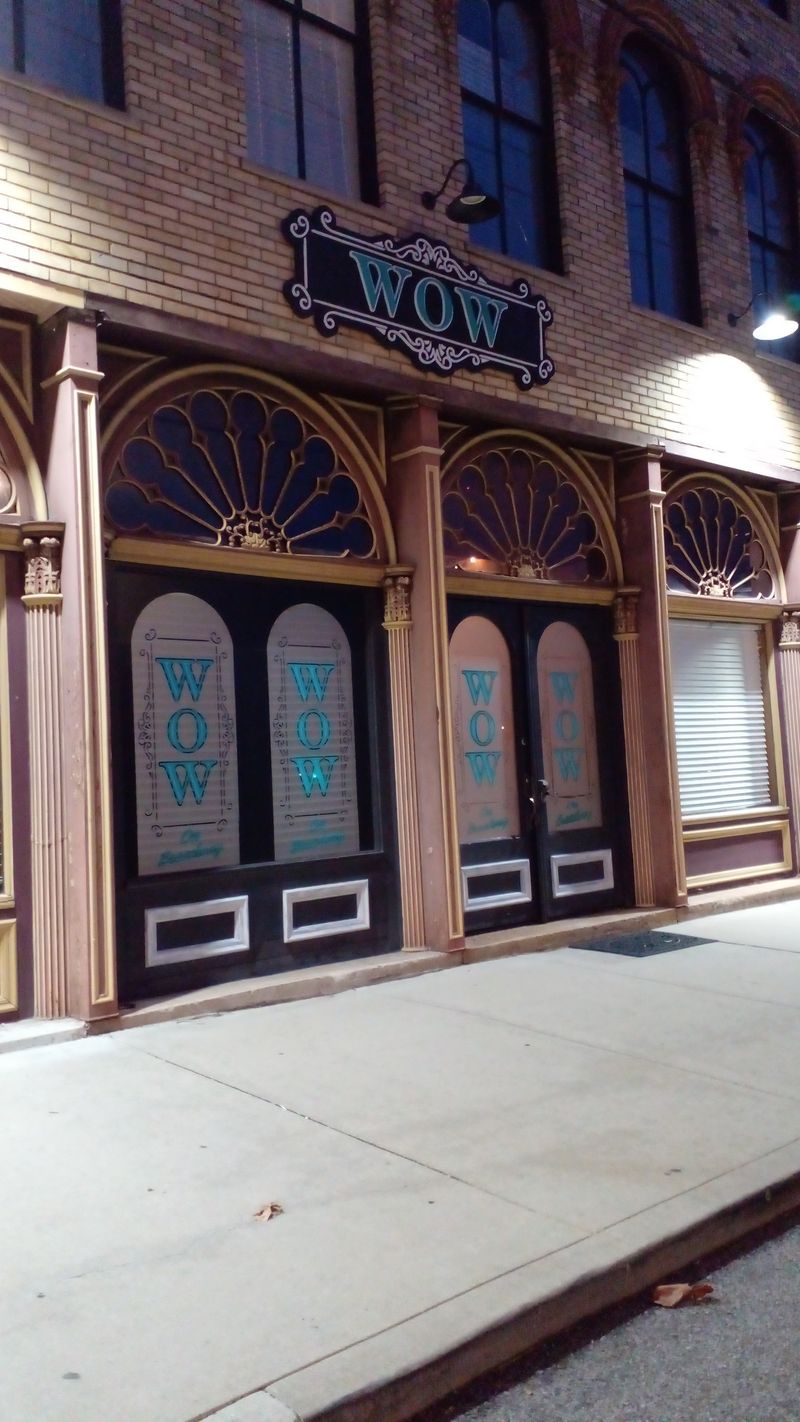
Exterior lighting around Alton tends to stay measured, creating a balanced nighttime atmosphere.
Museums and storefronts glow softly, which helps cameras read texture without washing out color.
You can walk a block and feel a plan rather than a jumble of bright spots.
That consistency matters because it keeps the mood natural and avoids glare in the lens.
Sidewalks stay welcoming, and the facades look cared for without shouting for attention.
The effect is subtle, and it gives visitors the confidence to linger with a tripod.
Start around 200 W 3rd St, Alton, IL, and follow the grid toward the river for variation.
Wayfinding signs make it easy to connect landmarks without losing the light you want.
In Illinois, this kind of consistent nighttime atmosphere isn’t common in small cities, and it shows in the photos.
The result feels like a shared stage where the town and the night perform together.
You notice how few harsh security lights intrude on older blocks.
Most fixtures favor warm tones that flatter brick and stone rather than flatten them.
Seasonal decorations, when present, tend to complement rather than compete with permanent lighting.
Businesses seem to understand that their glow contributes to a larger composition, not just their own frontage.
You sense intention everywhere, from the dim corners to the carefully lit civic buildings.
A Small Town Where the Night Tells More Stories Than the Day
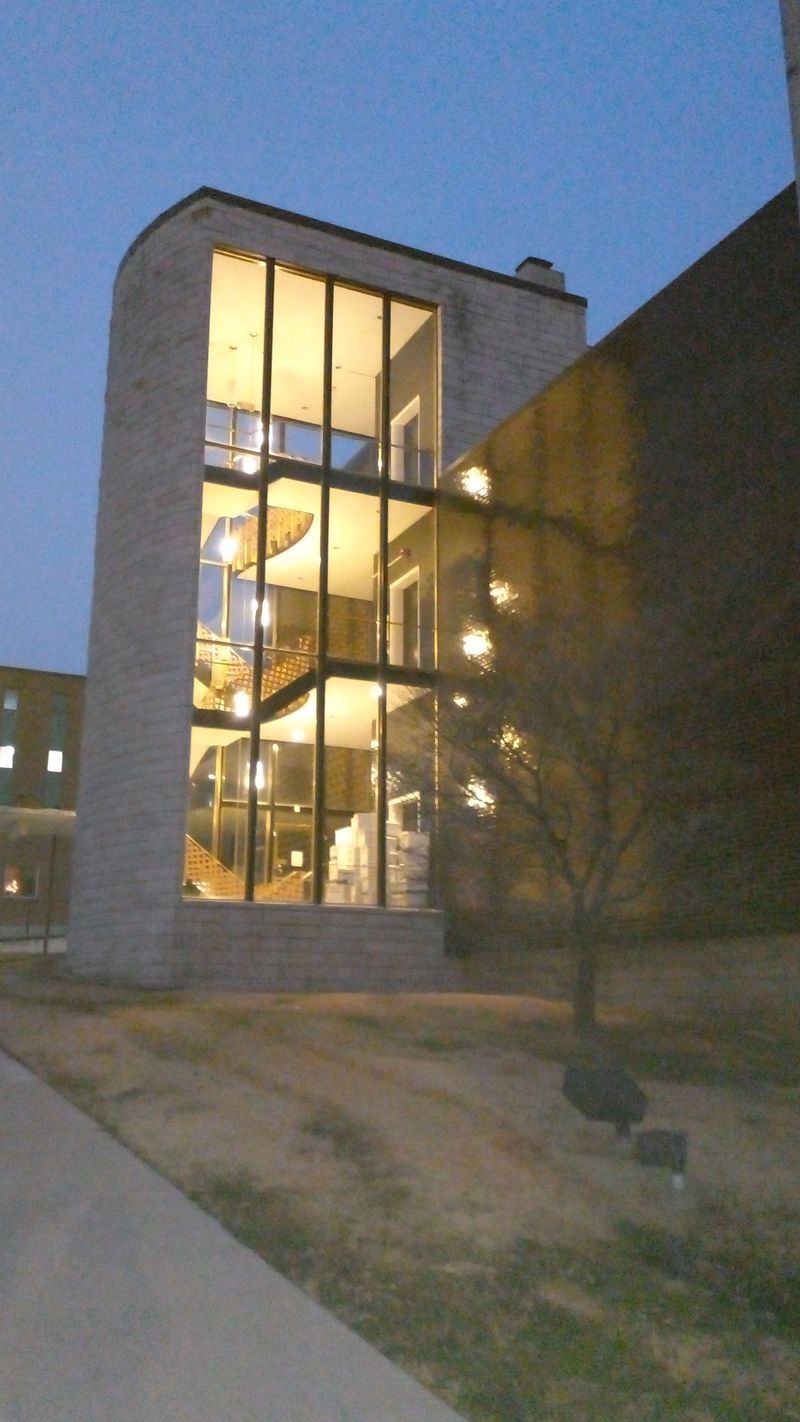
Alton gathers its strengths after sundown and turns them into scenes that feel tailor made for patience.
Preserved architecture, hillside roads, and river fog meet in frames that read with uncommon clarity.
The lore adds tone without taking over, and the streets handle silence like an old friend.
Walk from the bluffs to the water and you watch the light change personalities in a few blocks.
Head back uphill and silhouettes grow taller, giving the town a steady, confident profile.
Each image becomes a note in a longer song you piece together across nights.
Begin your loop near Alton Visitor Center, 200 Piasa St, Alton, IL, and let instinct lead the route.
Addresses guide the map, but the camera chases mood, and the two rarely argue here.
Illinois travelers who value atmosphere will find more pages to turn after the lights come on.
When morning arrives, the proof sits on your memory card, outnumbering anything a directory could list.
You start to learn which corners bloom under fog and which shine after rain.
Return visits feel less like repeats and more like new chapters in the same book.
Different seasons adjust the script, swapping bare branches for leaves or snow, but keeping the tone.
Daylight shows structure, yet night reveals character, one long exposure at a time.
Alton becomes a place you think about in terms of scenes rather than stops.
Dear Reader: This page may contain affiliate links which may earn a commission if you click through and make a purchase. Our independent journalism is not influenced by any advertiser or commercial initiative unless it is clearly marked as sponsored content. As travel products change, please be sure to reconfirm all details and stay up to date with current events to ensure a safe and successful trip.
