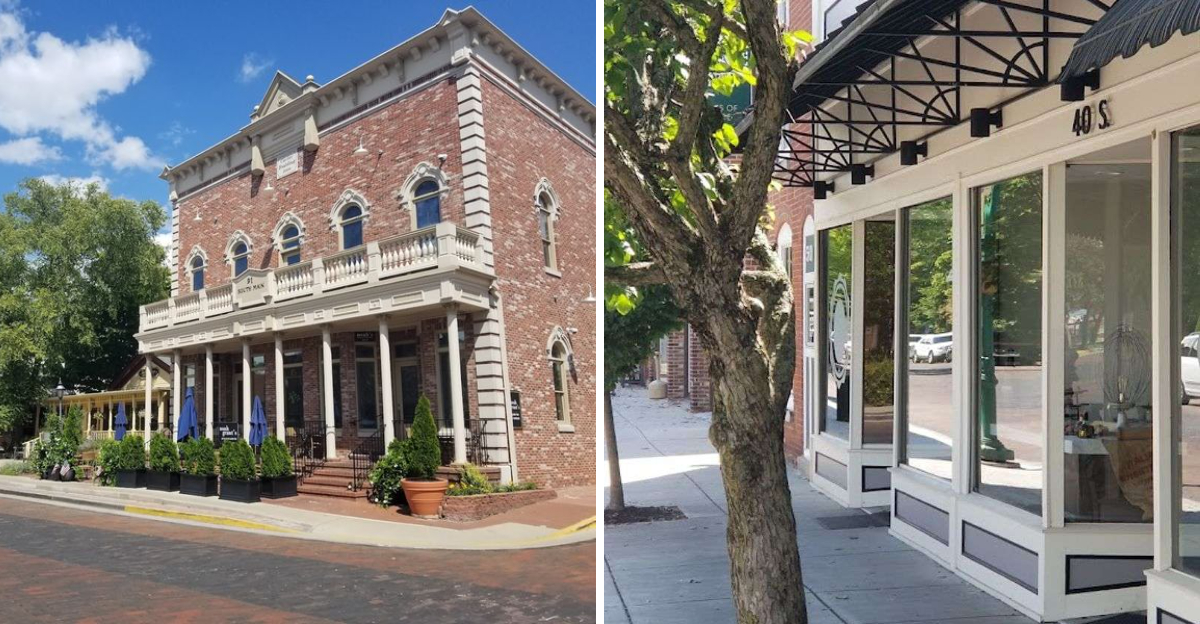
I’ve visited a lot of small towns across Indiana, but this northwest suburb of Indianapolis always pulls me back. Maybe it’s the brick-paved streets that feel like stepping into another era.
Maybe it’s the smell of fresh pastries drifting from local bakeries on slow weekend mornings. Or maybe it’s just that rare quality some places have, where everything seems to ease up a little and you can actually breathe.
The historic village center feels almost storybook-like, with preserved architecture, soft lighting, and a walkable layout that encourages you to wander without a plan. It manages to feel worlds away from city life while still being easy to reach, which is part of its appeal.
For a weekend escape that doesn’t require hours on the road, this kind of place delivers exactly what its reputation promises, charm, character, and a small-town atmosphere that feels thoughtfully preserved rather than staged.
Charming Brick-Street Village
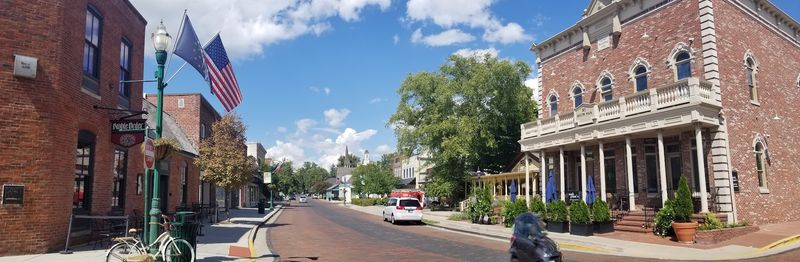
The red brick streets running through downtown Zionsville aren’t just decorative; they’re part of the town’s authentic historic character. Walking along Main Street feels different here.
Your footsteps echo slightly against the old bricks, and the uneven surface reminds you this place has real history.
The streets date back decades and have been carefully preserved as the town grew around them. Most of the original buildings still stand, housing local shops and restaurants instead of chain stores.
You’ll find everything from boutique clothing stores to specialty gift shops, all independently owned.
The village has kept its small-town identity even as the surrounding area developed. Gas lamps line the sidewalks, lit each evening to create a warm glow across the brick pavement.
During daylight, massive trees provide shade and create that perfect small-town streetscape.
Benches sit along the street where you can rest and watch people stroll past. The downtown area stays compact and walkable, making it easy to explore in an afternoon.
Park once and you can visit multiple shops and cafés without moving your car.
Everything clusters within a few blocks, which adds to that village atmosphere the town works hard to maintain. I appreciate how Zionsville resisted the urge to modernize everything.
Other towns paved over their historic streets or knocked down old buildings.
Here, the community recognized what made their town special and protected it. That decision decades ago means visitors today get an authentic experience instead of something recreated.
Independent Bakeries and Cafés
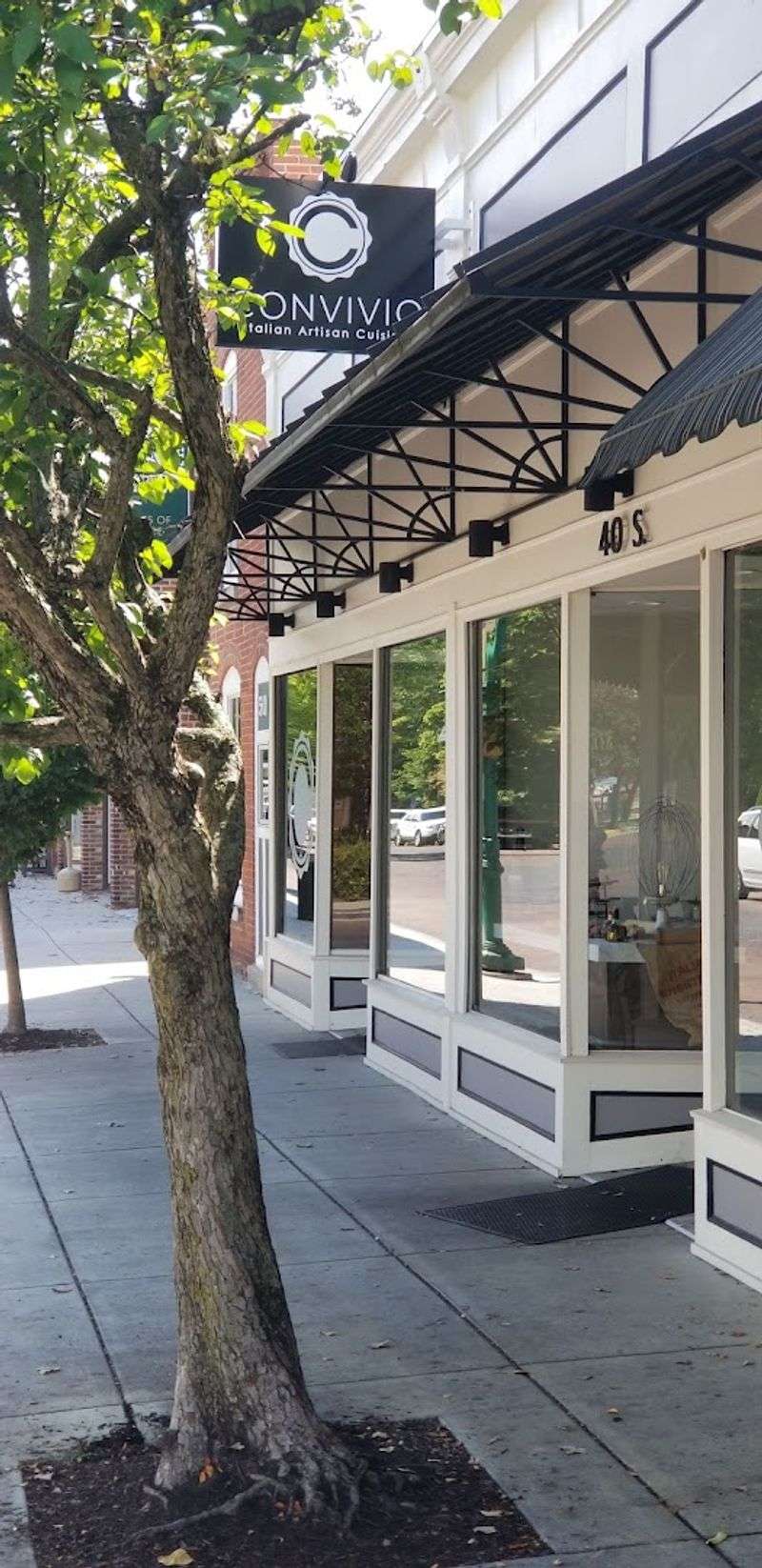
Fresh-baked bread and pastries have become signature features of the Zionsville experience. Several local bakeries operate in the village, each with its own specialties and loyal following.
The morning crowds at these places tell you everything about their quality.
Stop by Rosie’s Place at 10 N Main St for breakfast pastries that disappear from display cases before noon. The bakery operates in a historic building that fits perfectly with the village aesthetic.
Locals know to arrive early on weekends when special items sell out quickly.
The Baker’s House at 85 E Cedar St combines artisan baking with a neighborhood feel. The offerings here lean toward high-quality sourdough loaves and beautifully crafted European pastries.
It’s the kind of place where technique matters as much as taste.
For coffee alongside your baked goods, Roasted in the Village offers a cozy spot at 27 E Pine St. The cafe sources quality beans and creates a comfortable atmosphere where people actually linger. You’ll see residents working on laptops or catching up with neighbors most mornings.
These aren’t chain bakeries following corporate recipes. Each place develops its own menu based on what works for their customers.
That independence shows in the variety; you won’t find identical offerings at each location.
The bakery scene reflects Zionsville’s broader commitment to supporting local businesses. Residents here actively choose independent shops over franchises.
That support allows these bakeries to thrive and experiment with seasonal offerings.
Historic Village Architecture
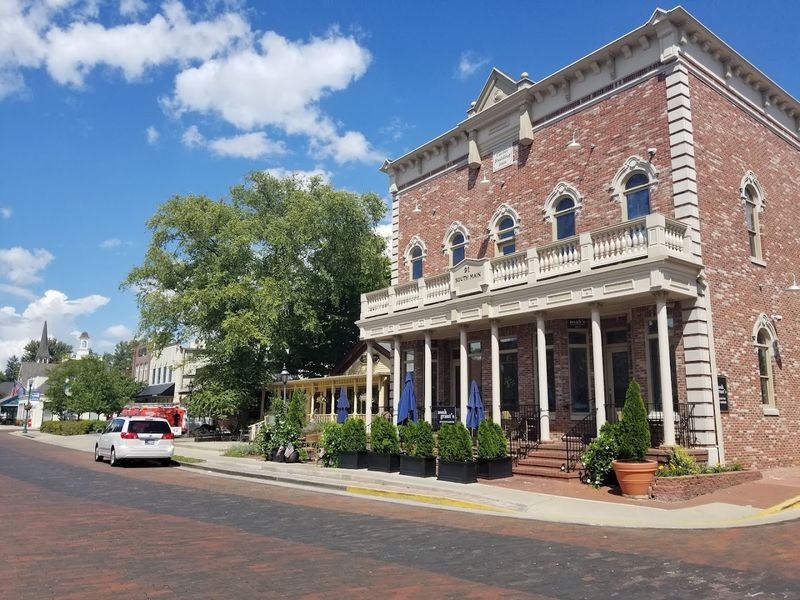
Buildings throughout downtown Zionsville showcase a mix of Victorian and Colonial Revival designs that transports visitors to a classic American village. The architectural consistency creates an immersive experience rare in modern Indiana towns.
Preservation efforts have maintained authentic details that could easily have been lost.
Many structures date to the late 1800s when Zionsville first developed as a railroad hub. The local influence shows in building proportions, window placements, and facade treatments.
Traditional brick and clapboard siding appear frequently, along with Greek Revival and Italianate roof lines.
SullivanMunce Cultural Center at 225 W Hawthorne St occupies a particularly fine example of period architecture. The building serves as both museum and event space, allowing visitors to explore historic interiors.
Original woodwork and period details remain intact throughout.
Walking through residential streets near downtown reveals more architectural treasures. Homes maintain historic character through careful renovations and additions that respect original designs.
Some properties have plaques indicating their construction dates and historical significance.
The town established design guidelines to ensure new construction complements existing historic buildings. Even modern structures in the village area must incorporate traditional elements.
This creates visual harmony that makes the entire downtown feel cohesive.
I find the architectural approach refreshing compared to towns that let anything get built anywhere. Zionsville understands that protecting its historic character requires more than preserving a few old buildings.
The entire streetscape needs to work together.
Quaint Antique Shopping
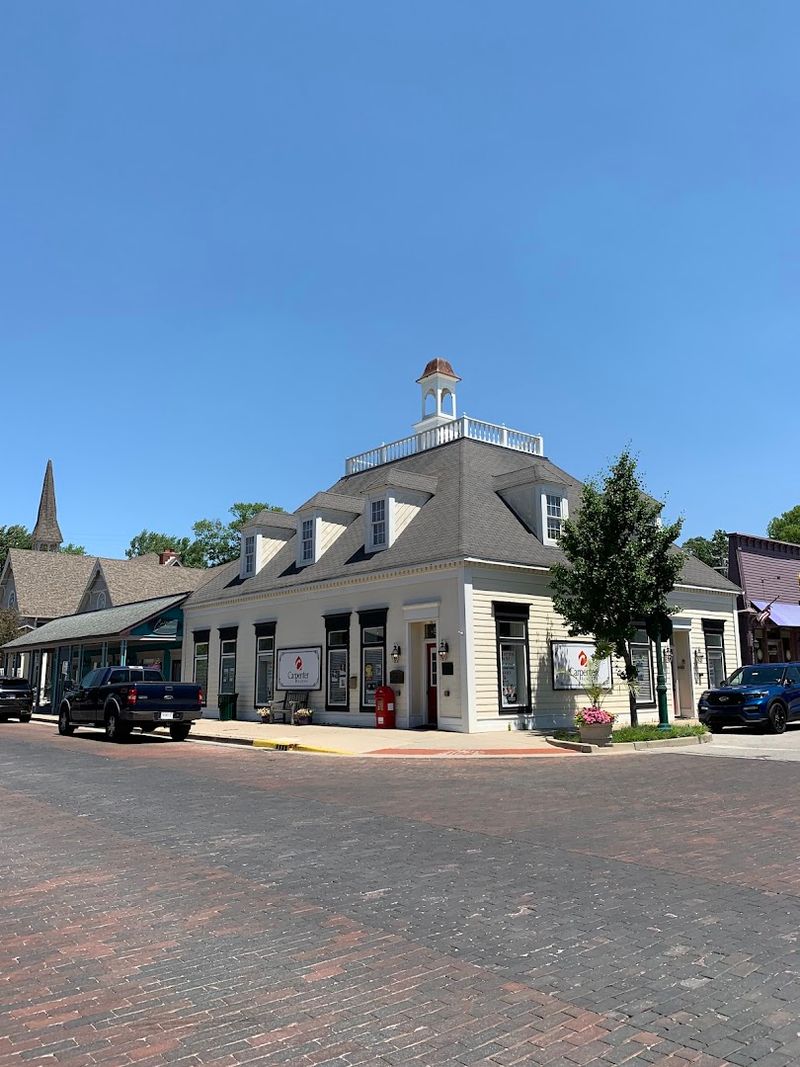
Antique stores fill several downtown buildings, offering everything from fine furniture to quirky collectibles. Serious collectors and casual browsers both find plenty to explore.
The concentration of shops in a small area makes antique hunting particularly efficient here.
Zionsville’s antique scene developed naturally as historic buildings attracted dealers looking for appropriate settings. Old structures with original woodwork and vintage details provide perfect showrooms for antique merchandise.
The atmosphere adds authenticity that modern retail spaces can’t match.
Multiple dealers often share larger buildings, creating multi-vendor marketplaces where you can browse diverse collections. One booth might specialize in Depression-era glassware while the next focuses on mid-century furniture.
This variety means you never know what treasures you’ll discover.
Prices range from affordable vintage finds to serious investment pieces. Some dealers handle high-end antiques with provenance and documentation.
Others focus on accessible items that appeal to decorators looking for unique accents.
The mix accommodates different budgets and collecting interests. Estate sales and auctions in the surrounding area keep inventory fresh.
Dealers regularly acquire new stock, giving repeat visitors reasons to return.
What you see one month might be completely different the next visit. The antique shopping experience here feels genuinely small-town rather than touristy.
Dealers know their merchandise and can share histories of interesting pieces.
They’re running real businesses, not gift shops with a few old items mixed in. That authenticity attracts collectors who appreciate knowledgeable sellers and quality inventory.
Creekside Trail System
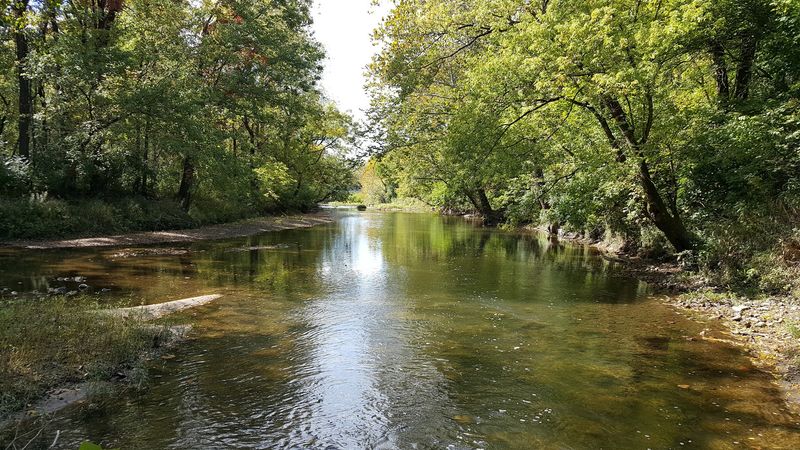
Paved trails wind through Zionsville following Eagle Creek and connecting parks throughout the community. The trail system provides miles of walking and biking paths away from vehicle traffic.
Residents use these paths daily for exercise and recreation.
Eagle Creek meanders through town, and the trails take advantage of this natural feature. Trees line the creek banks, creating shaded corridors even on hot summer days.
The water adds a peaceful element; you’ll hear it flowing as you walk or bike past.
Mulberry Fields at 425 Mulberry St offers trail access along with playgrounds and open spaces. Families gather here for picnics and outdoor activities.
The park connects to the larger trail network, making it a good starting point for longer walks.
Starkey Park at 900 E Oak St provides another trail access point with additional amenities. Sports fields and pavilions make this a hub for community recreation.
The trails here connect to paths heading both north and south through town.
Wildlife appears regularly along the creeks and trails. You might spot herons fishing, turtles sunning on logs, or deer crossing through wooded sections.
The natural environment exists right alongside residential neighborhoods.
I appreciate how the trail system lets you experience Zionsville’s natural side without leaving town. Some communities separate recreation areas from their historic districts.
Here, you can walk from the brick streets of downtown to creekside trails in minutes.
Local Art Galleries
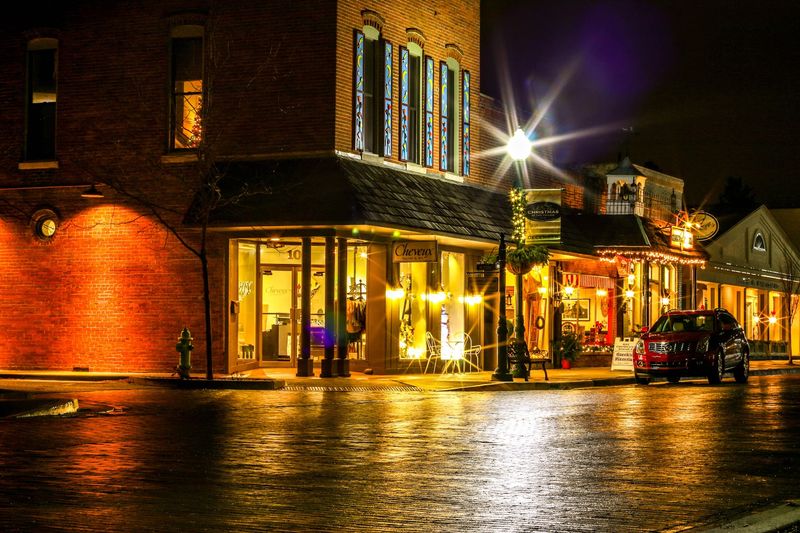
Art galleries scattered through downtown showcase work from regional and local artists. The gallery scene adds cultural depth to what could otherwise be purely a shopping district.
Rotating exhibitions mean there’s always something new to see.
West End Gallery at 35 S Main St represents multiple artists working in various media. Paintings, sculpture, and decorative arts fill the space.
The gallery hosts opening receptions for new shows, creating social events that bring the community together.
Several working artists maintain studios in Zionsville where they both create and sell their work. These studio-galleries let you see where art gets made while browsing finished pieces.
Meeting artists and learning about their processes adds dimension to purchasing decisions.
The galleries reflect Zionsville’s broader commitment to arts and culture. The town hosts art fairs and outdoor exhibitions during warmer months.
Public art installations appear in parks and along streets, reinforcing that creative expression matters here.
Gallery owners tend to focus on accessible art rather than intimidating high-end pieces. They want people to feel comfortable browsing and asking questions.
Many pieces are sized and priced for residential collectors building personal collections.
Quality varies as in any art community, but the overall standard remains solid. Galleries curate their shows carefully and represent artists with genuine skill.
You’re not looking at hobbyist work sold primarily to tourists.
The art scene contributes to Zionsville’s slow-paced weekend appeal. Gallery browsing encourages you to slow down, really look at things, and consider what speaks to you.
Peaceful Small-Town Atmosphere
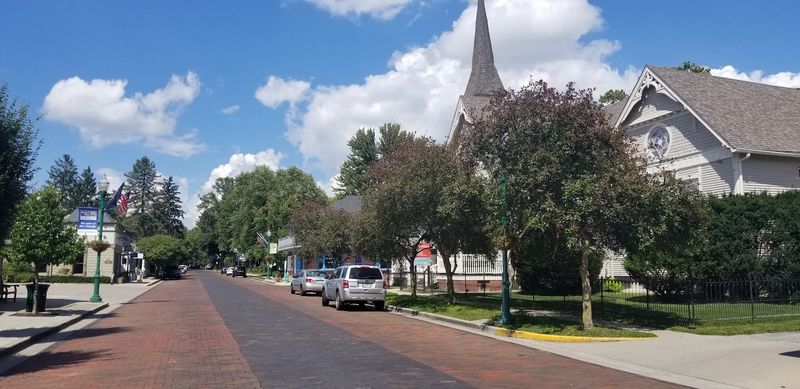
Something intangible sets Zionsville apart from other suburban communities near Indianapolis. Call it atmosphere, character, or vibe; whatever word you use, visitors notice the difference immediately.
The pace here genuinely slows.
Partly this comes from deliberate planning decisions. The town limited chain stores and fast-food restaurants in the historic district.
They maintained walkable density instead of spreading development along highways.
These choices preserved a village scale where people matter more than traffic. Residents take time to chat with neighbors on sidewalks and in shops.
Store owners recognize regular customers and remember conversations from previous visits.
This social fabric exists because the community small enough for connections to form naturally. The weekend escape feel emerges from this combination of historic setting and genuine community.
You’re not visiting a tourist attraction; you’re experiencing a real small town that happens to welcome visitors.
Local families live here, kids attend schools here, people build lives here. During weekends, the village fills with visitors from Indianapolis and surrounding areas.
Yet somehow it never feels overcrowded or touristy.
Perhaps because Zionsville’s appeal comes from its authentic character rather than manufactured attractions. There’s nothing you must see or must do, which paradoxically makes spending time here more relaxing.
I think what keeps me returning is exactly this lack of pressure.
No agenda required, no crowds to fight, no schedule to maintain. Just walk the brick streets, pop into whatever shops interest you, grab a pastry and coffee, maybe sit on a bench and watch the world pass.
