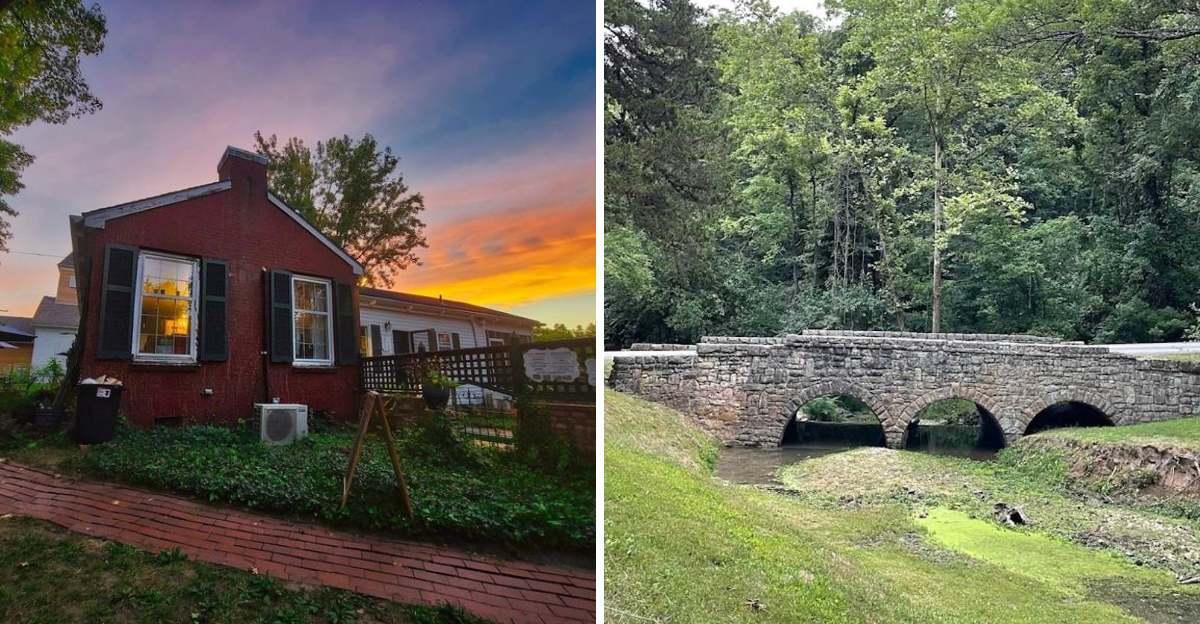
I usually expect historic sites to feel a bit like a dusty museum, but walking through this Missouri village felt more like I’d accidentally wandered onto a movie set.
The streets are lined with architecture that has survived centuries, and there is a stillness in the air that makes you want to lower your voice and just take it all in.
I spent the morning exploring the old buildings and imagining the travelers who stopped here long before paved roads even existed.
It is a rare pocket of the state where the past isn’t just remembered; it is still very much alive in every brick and boardwalk.
A Village Frozen Beautifully in Time
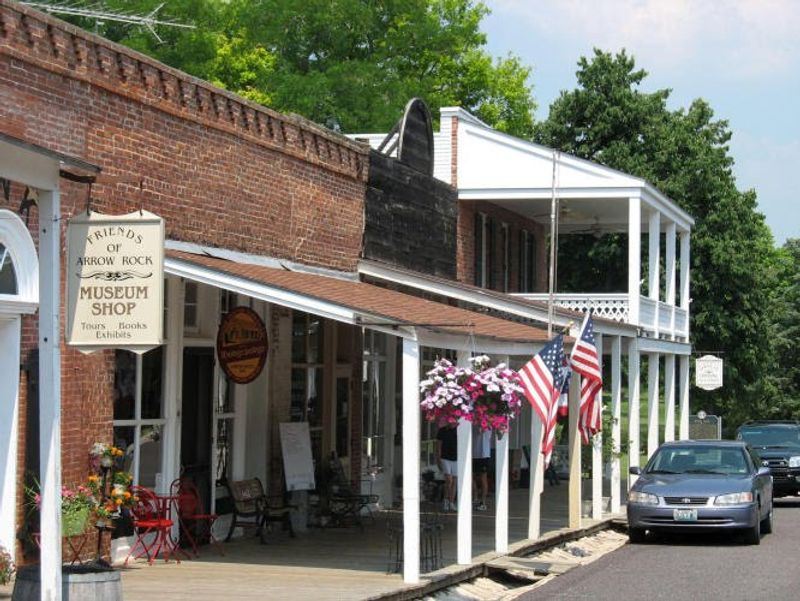
Arrow Rock, Missouri is one of the best-preserved historic villages in the entire country. Walking its quiet streets feels like stepping into a 19th-century painting that somehow stayed perfectly intact.
Much of the village is included within the Arrow Rock Historic District, a National Historic Landmark recognized for its exceptional preservation and historical significance. That designation is not just a title.
It means the buildings, the layout, the atmosphere, and the land itself are all protected.
Arrow Rock Township sits in Saline County, Missouri, near the winding banks of the Missouri River. Its location made it a critical stop along the Santa Fe Trail, one of the most important trade routes in early American history.
The streets are mostly unpaved, the buildings are original, and the trees are enormous and old. There is a stillness here that feels rare and intentional.
Most visitors are surprised by how compact it all is. You can walk the entire historic core in under an hour, yet somehow it never feels small.
Every step reveals another layer of a story that Missouri has been quietly keeping for centuries.
How the Missouri River Shaped Everything Here
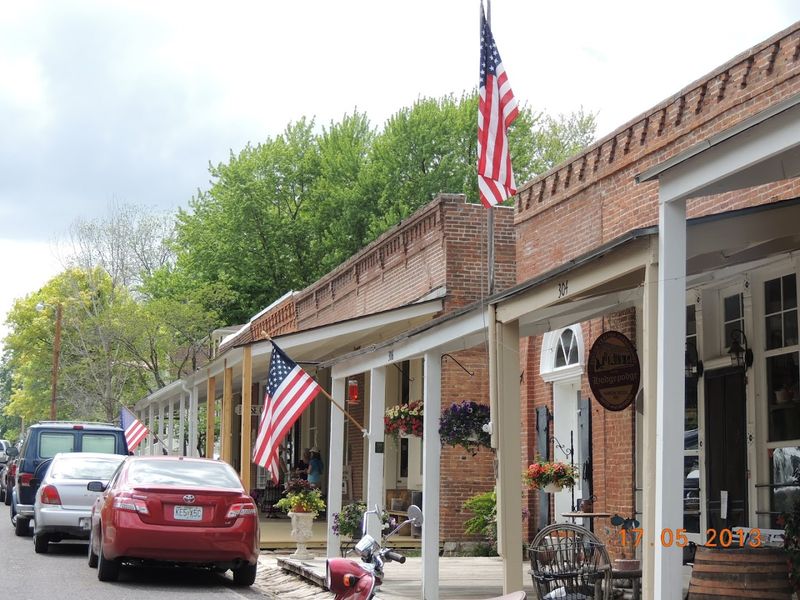
The Missouri River is the reason Arrow Rock exists at all. Long before the village had a name, this stretch of riverbank was already a gathering point for Indigenous peoples, traders, and explorers moving across the continent.
The river offered a natural crossing point here, where the bluffs rise up sharply and the water narrows just enough to make passage possible. That geography made it a landmark, and the landmark eventually became a town.
Missouri’s great river still runs near the village today, though it has shifted course slightly over the centuries as rivers do. From higher ground near the village, the surrounding floodplain and river corridor help explain why this location mattered so much historically.
The view stretches for miles in both directions, and on a clear morning, the mist rises off the water in slow, soft columns. It is the kind of scene that makes you understand why people chose to stop here in the first place.
The river shaped the economy, the culture, and the identity of Arrow Rock in ways that are still visible today. Missouri’s waterways were its highways, and this one was among the most traveled of all.
The Santa Fe Trail Left Its Mark on This Land
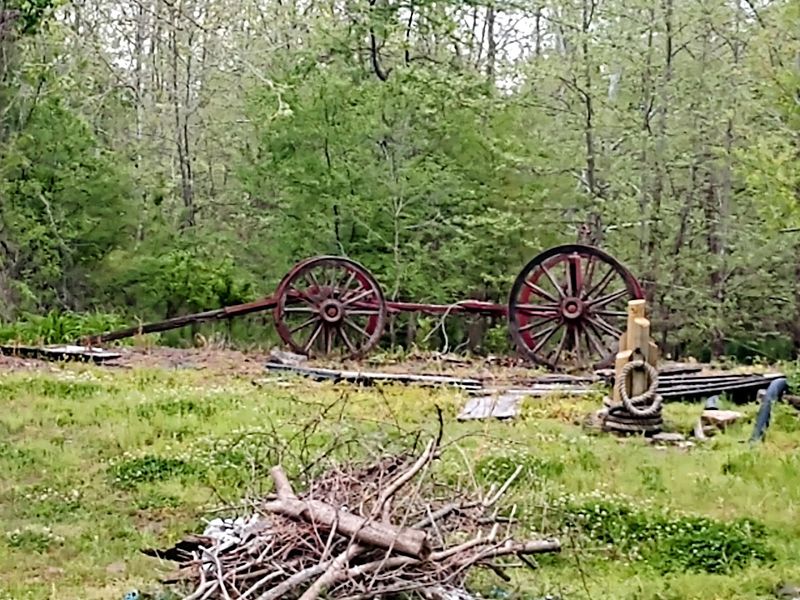
Before roads, before railroads, before highways, there was the Santa Fe Trail. Arrow Rock, Missouri was one of its most important departure points, and that legacy is woven into every corner of this village.
Traders, merchants, and adventurers would load their wagons here before heading southwest toward Santa Fe, New Mexico. The trail stretched roughly 900 miles, and Arrow Rock was the place where many journeys officially began.
The Santa Fe Trail legacy remains visible through preserved routes, markers, and interpretive sites that help visitors understand the journeys that began here. Those shallow grooves in the ground are among the most quietly powerful things I have ever seen.
They represent thousands of individual journeys, each one full of hope, uncertainty, and determination. The fact that the land still holds those marks after nearly two centuries is remarkable.
Missouri takes this history seriously, and interpretive signs and markers throughout the village help visitors understand what this place meant to westward expansion. The Arrow Rock State Historic Site, managed by Missouri State Parks, does an excellent job of putting it all in context.
Standing at the trailhead and looking west, even now, you can feel the pull of the horizon.
Arrow Rock State Historic Site Is Worth Every Minute
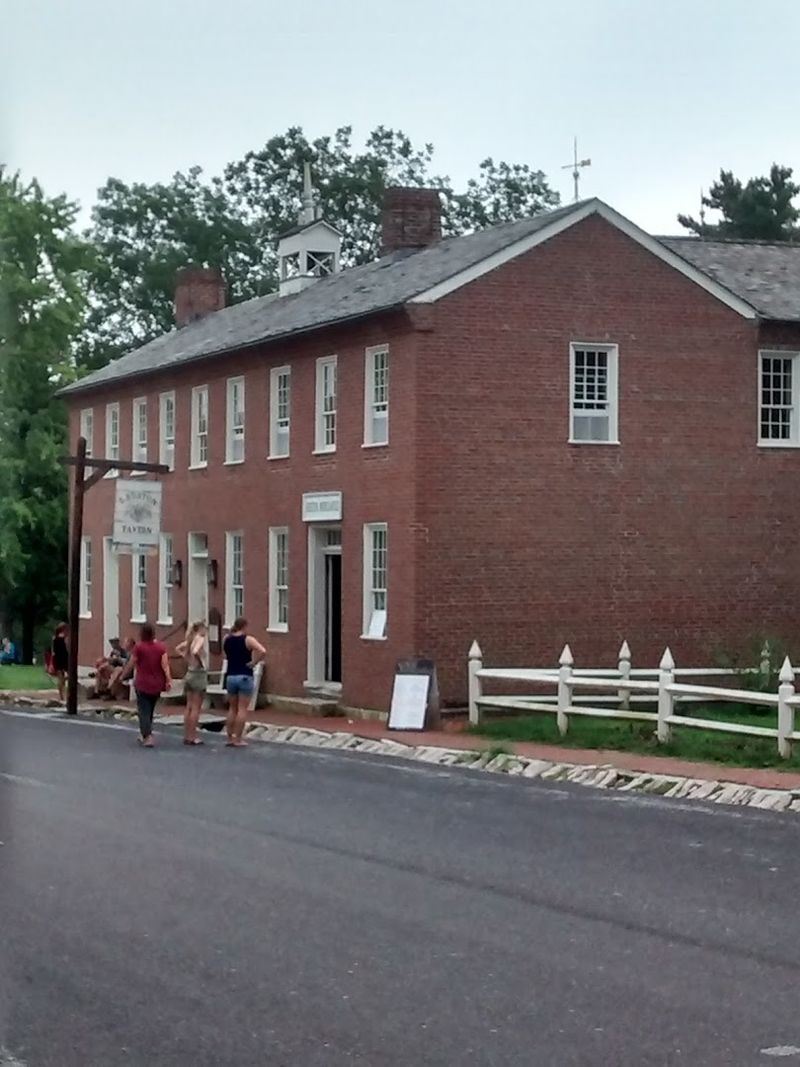
Arrow Rock State Historic Site is the anchor of the entire village experience. Managed by Missouri State Parks, it brings together the history, the landscape, and the stories of this remarkable place in one accessible location.
The site includes a visitor center where you can get oriented before exploring on your own. The staff are knowledgeable, the exhibits are well-designed, and the maps they provide make it easy to find the key landmarks scattered throughout the village.
One of the highlights is the 1834 courthouse, one of the oldest courthouses still standing in Missouri. It is a compact, handsome brick building that somehow conveys both authority and humility at the same time.
There is also a historic tavern, an old jail, and several homes that have been carefully preserved to reflect life in the 19th century. Each building tells a slightly different story about who lived here and how they lived.
The grounds themselves are beautiful, with old trees, open meadows, and quiet paths that invite slow exploration. Missouri parks have a reputation for being well-maintained, and this one absolutely lives up to it.
Plan for at least two to three hours here, and you still might not want to leave.
The Natural Landscape Around the Village Is Stunning
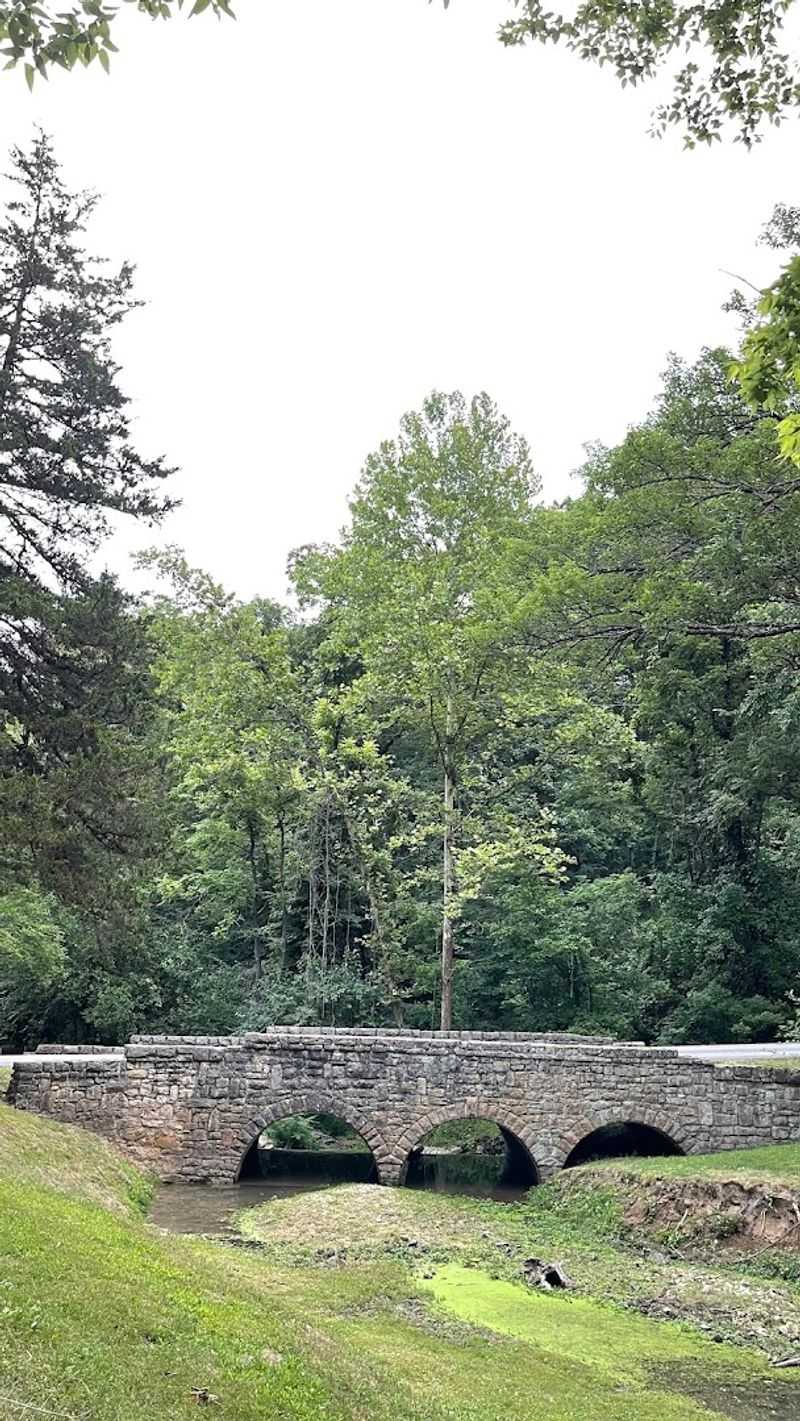
Arrow Rock, Missouri is not just a history lesson. The natural landscape surrounding the village is genuinely breathtaking, and it deserves just as much attention as the historic buildings.
The bluffs above the Missouri River drop sharply and dramatically, offering views that stretch across the floodplain for miles. On a clear day, the horizon seems impossibly far away, and the scale of the landscape is hard to absorb all at once.
The forests around the village are dense and old-growth in character, filled with oak, hickory, and walnut trees that have been growing here for generations. In autumn, the color transformation is extraordinary.
Spring brings wildflowers to the meadows and hillsides, and the sound of birdsong in the early morning is genuinely remarkable. Missouri sits along major migratory flyways, so the variety of bird species here during migration season is impressive.
There are hiking trails that wind through the woods and along the bluffs, and they are well-marked and easy to follow. Some sections offer sudden, dramatic views of the river valley below that appear without warning as you round a bend.
The natural world here feels completely undisturbed, and that sense of quiet wildness is the real wonder of Arrow Rock.
Historic Architecture That Has Survived Against the Odds
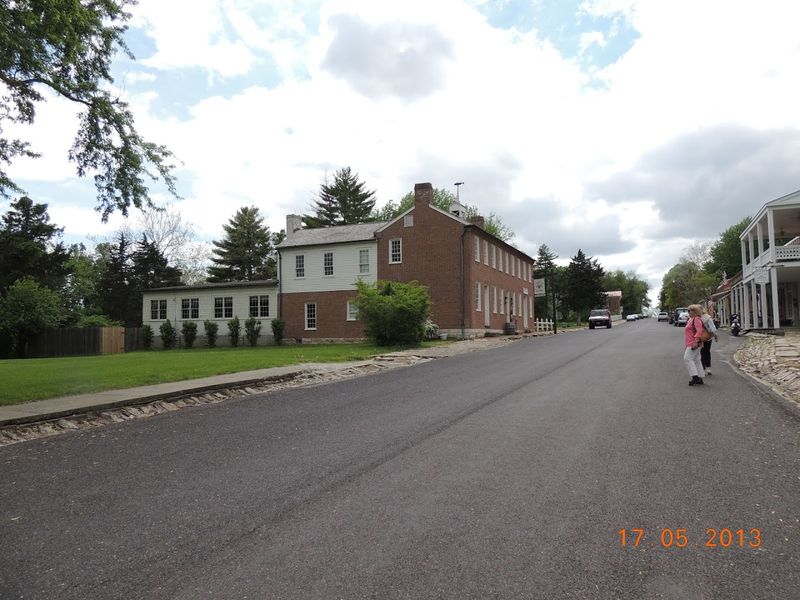
One of the most striking things about Arrow Rock, Missouri is how much of the original architecture has survived. In a country that tends to tear down and rebuild, this village is a genuine exception.
The brick buildings along the main street date back to the mid-1800s, and many are still in their original condition. The brickwork is handmade, slightly uneven, and full of character in a way that modern construction simply cannot replicate.
Several of the structures have been carefully restored rather than renovated, which means the original materials and techniques were preserved wherever possible. That approach makes a huge difference in how authentic the village feels.
The old tavern is among the most impressive examples. Its thick walls, low ceilings, and wide-plank floors create an atmosphere that is immediately immersive.
You do not need to use much imagination to picture the place as it once was.
Walking from building to building, I kept stopping to look at details: a hand-forged hinge, a stone threshold worn smooth by two centuries of foot traffic, a window frame slightly warped by time. Missouri has a deep architectural heritage, and Arrow Rock is one of its finest chapters.
Boonslick Country and the Broader Regional Context
Arrow Rock sits at the heart of what historians call Boonslick Country, a region in central Missouri that played a pivotal role in the early settlement of the American interior. The name comes from a salt lick discovered by the sons of the legendary frontiersman Daniel Boone.
This region was among the first parts of Missouri to be heavily settled by Euro-American pioneers in the early 19th century. The fertile land, the river access, and the salt deposits made it enormously attractive to settlers moving west.
Arrow Rock became one of the most important towns in Boonslick Country, serving as a commercial hub, a political center, and a cultural gathering point. Missouri’s early identity was shaped significantly by what happened in this small corner of the state.
Understanding this regional context makes the village feel even more significant. It was not just a dot on a map.
It was a place where the future of an expanding nation was actively being negotiated and built.
The surrounding countryside still looks remarkably similar to how it must have appeared two centuries ago. Wide fields, wooded ridges, and long empty roads give the whole area a timeless, unhurried quality that is increasingly rare in modern Missouri.
The Old Tavern Is a Living Piece of History
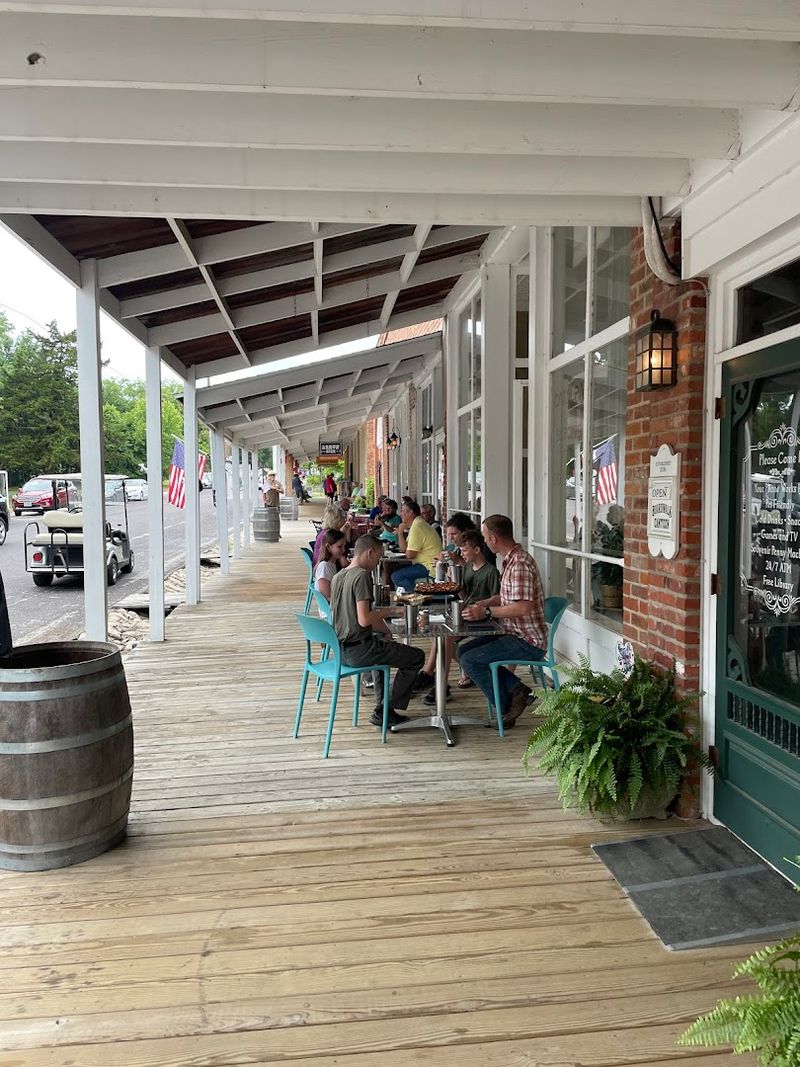
The tavern in Arrow Rock is one of the oldest continuously operating taverns in Missouri, and stepping inside it is one of the more memorable experiences the village has to offer. The building dates to 1834, which means it was already standing when the Santa Fe Trail was at its peak.
The interior is all low ceilings, thick walls, and wide-plank floors that creak pleasantly underfoot. The fireplace dominates one wall, and the proportions of the room feel exactly right for the period.
What makes this place special is not just its age but its continuity. It has served travelers, traders, and locals for nearly two centuries without losing its essential character.
That kind of longevity is almost impossible to find anywhere in Missouri.
The building is now part of the historic site and is used for interpretive programming and special events. Visiting during one of these events adds another layer of atmosphere to an already atmospheric place.
Even on a quiet weekday, the tavern is worth a long, slow look. The details reward patience: the hand-cut stone, the original hardware, the way the light falls through the small windows in the late afternoon.
History has a texture here, and it is deeply satisfying to experience.
Wildlife and Birding Make Every Season Rewarding
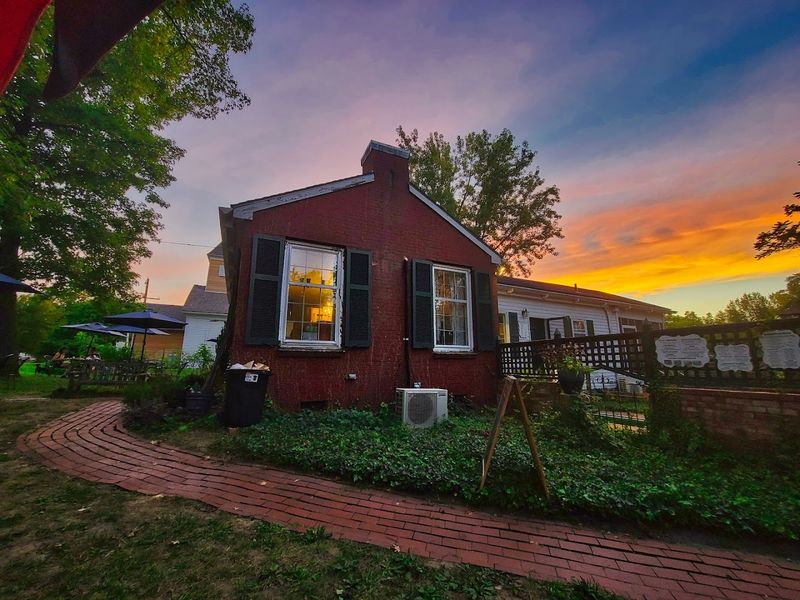
Arrow Rock, Missouri sits in a landscape rich with wildlife, and for anyone who enjoys the natural world, this village offers rewards in every season. The mix of river bottomland, upland forest, and open meadow creates a variety of habitats that support an impressive range of species.
Birding here is particularly rewarding. Missouri lies along the Central Flyway, one of North America’s major bird migration routes, and during spring and fall the variety of species passing through is extraordinary.
Great blue herons wade along the river’s edge in the early morning. Red-tailed hawks circle the open fields.
In spring, warblers move through the forest canopy in waves of color and song that are almost overwhelming in their beauty.
White-tailed deer are common throughout the area and are frequently spotted at dawn and dusk moving along the forest edges. Wild turkeys are also plentiful and often surprisingly bold about crossing paths with visitors.
The Missouri River itself draws species that depend on large river systems, including bald eagles, which are increasingly common in the region during winter months. Seeing one perched in a cottonwood tree above the river is a sight that stays with you.
Nature here does not need to compete with history for your attention. Both are equally compelling.
Visiting Tips for Getting the Most Out of Arrow Rock
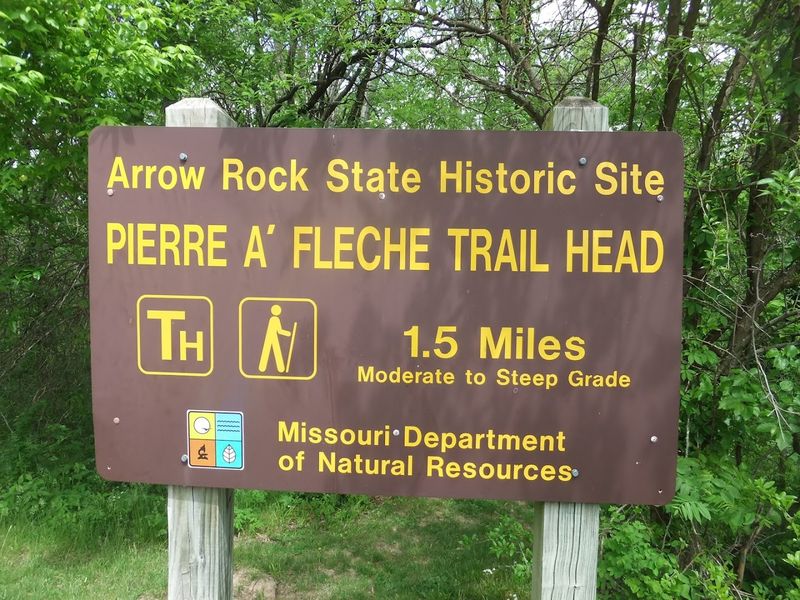
Arrow Rock, Missouri rewards visitors who come prepared and take their time. A few practical tips can make the difference between a good visit and an exceptional one.
The village is small, and most of the historic sites are within easy walking distance of each other. Comfortable shoes are a must, especially if you plan to explore the trails along the bluffs.
Start at the Arrow Rock State Historic Site visitor center, located in Arrow Rock Township, Saline County, Missouri. The staff there can orient you, answer questions, and point you toward whatever interests you most, whether that is architecture, natural history, or the Santa Fe Trail story.
Spring and fall are the most pleasant seasons to visit. Summer in Missouri can be very warm and humid, while winter, though quiet and atmospheric, can make trail hiking less comfortable.
Mornings are the best time to explore. The light is beautiful, the village is quiet, and the wildlife along the river is most active.
Afternoons are good for visiting the indoor exhibits and historic buildings.
Bring a camera, bring water, and bring a willingness to slow down. Arrow Rock is not a place that rewards rushing.
The more time you give it, the more it gives back.
The Cultural and Artistic Life of a Tiny Village
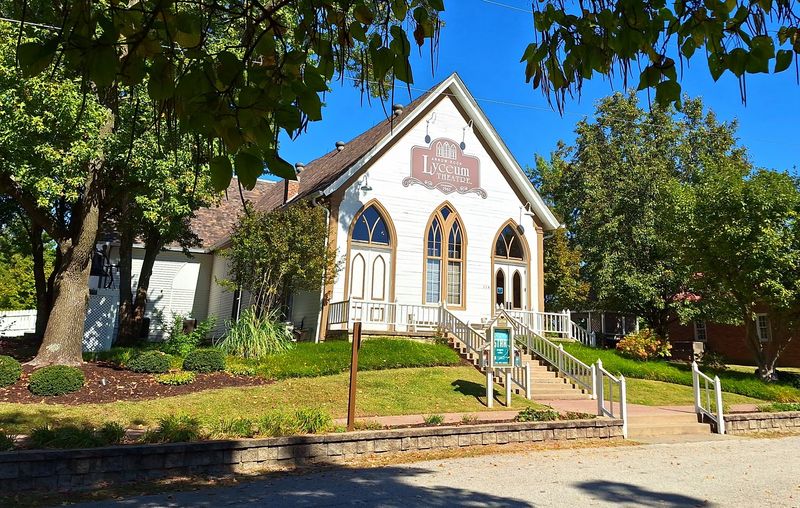
For a village with a very small population, Arrow Rock has a cultural life that punches well above its weight. The most notable example is the Lyceum Theatre, a professional regional theater that has been operating here since 1961.
The Lyceum is one of the longest-running professional theaters in Missouri, and it draws audiences from across the state and beyond. Performances run through the summer season and cover a range of productions from classic plays to musicals.
Having a theater of this caliber in a village this small feels almost surreal, but it also makes perfect sense. Arrow Rock has always been a place where culture and history intersect in unexpected ways.
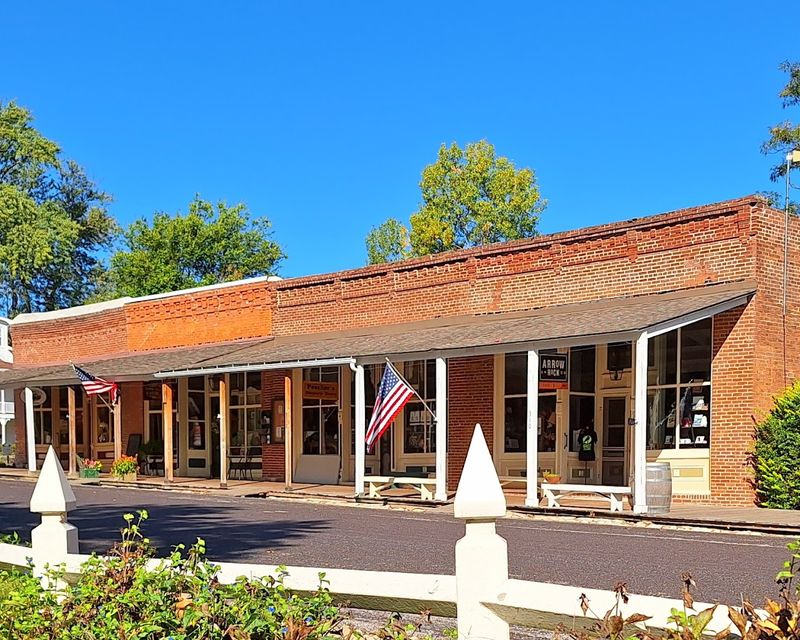
The arts community that has grown around the theater gives the village a creative energy that complements its historical atmosphere. Small galleries, studios, and artisan shops add texture to the main street experience.
Missouri has many small towns with interesting cultural offerings, but few can match Arrow Rock for the combination of professional-quality arts programming and authentic historic setting.
Catching a performance on a summer evening, with the old brick buildings glowing in the twilight, is a genuinely special experience.
Culture here is not an add-on. It is part of the village’s identity.
Why Arrow Rock Stays With You Long After You Leave
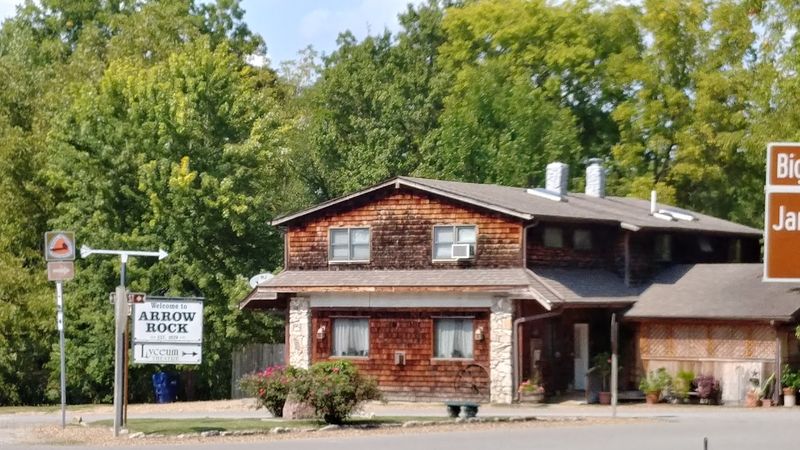
Some places are easy to categorize. Arrow Rock, Missouri refuses to be.
It is a history destination, a nature destination, a cultural destination, and a place of genuine natural beauty all at once.
What ties all of it together is a sense of authenticity that is increasingly hard to find. Nothing here feels staged or manufactured for tourism.
The buildings are real, the landscape is real, the history is real, and the quiet is real.
Missouri has many remarkable places, but Arrow Rock occupies a unique position among them. Its combination of National Historic Landmark status, natural river scenery, professional arts programming, and accessible outdoor recreation is genuinely rare.
I left Arrow Rock feeling like I had been trusted with something. The village shares its story openly, without fanfare or exaggeration, and lets you draw your own conclusions about why it matters.
The Missouri River keeps flowing past the bluffs. The old buildings keep standing.
The trails keep winding through the woods. And Arrow Rock keeps quietly being one of the most extraordinary small places in America.
If you have not been, go. And when you get there, slow down, look carefully, and let the place do what it does best, which is remind you that the most incredible wonders are often the ones hiding in plain sight.
