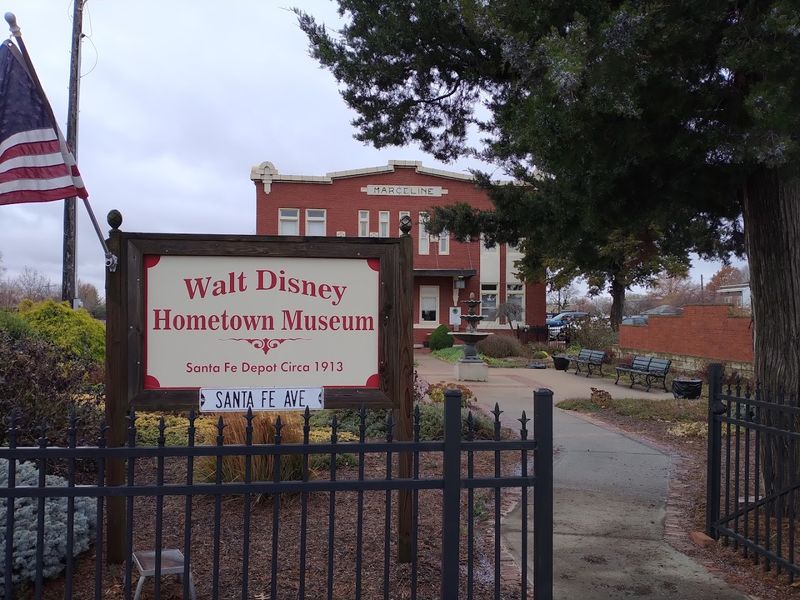
A restored train depot in a small Missouri town holds the childhood of the man who created a kingdom of imagination.
Walt Disney spent his most formative years here, and the memories of Marceline’s Main Street, the train depot, and the family farm stayed with him for the rest of his life.
He once said that the town was the inspiration for Main Street, U.S.A., a place that would become the heart of Disneyland and a symbol of small-town America.
The museum inside the depot contains thousands of artifacts from the Disney family, including personal letters, photographs, a wooden school desk, and the remnants of a Disneyland ride that was donated to the town.
It is a quiet place, tucked away from the larger tourist destinations, but it offers a glimpse into the roots of one of the most influential figures of the twentieth century. A stop here is a step into the world that shaped Walt Disney’s vision.
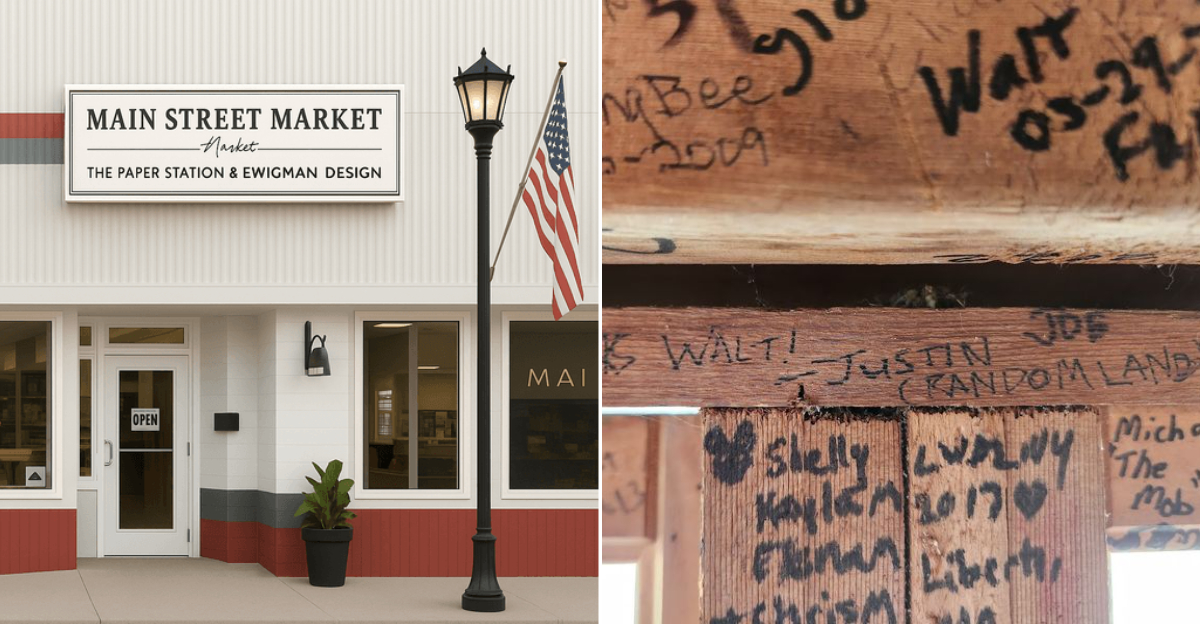
Walking The Street That Started It All
The first thing that got me was how normal it all feels, and I mean that in the best possible way, because this street does not act like a monument trying to impress you. You just start walking, and the buildings, the windows, and the easy pace around you begin to explain the whole Main Street idea better than any plaque ever could.
It feels lived in, which is exactly why it lands.
There is something almost funny about realizing that one of the most recognizable streets in American pop culture was shaped by a place that still lets you hear your own footsteps. Marceline, Missouri, keeps that human scale where nothing towers over you, and every block seems made for neighbors instead of spectacle.
When you look down the street, you can see the seed of a whole creative world without needing to force it.
I liked slowing down here before doing anything else, because it set the tone for the rest of the visit in a really honest way. You are not chasing a big reveal so much as noticing how storefronts, sidewalks, and railroad-town rhythm gave Walt Disney a visual language he never really forgot.
By the time you finish one pass along downtown, the connection feels obvious and surprisingly moving.
Inside The Walt Disney Hometown Museum
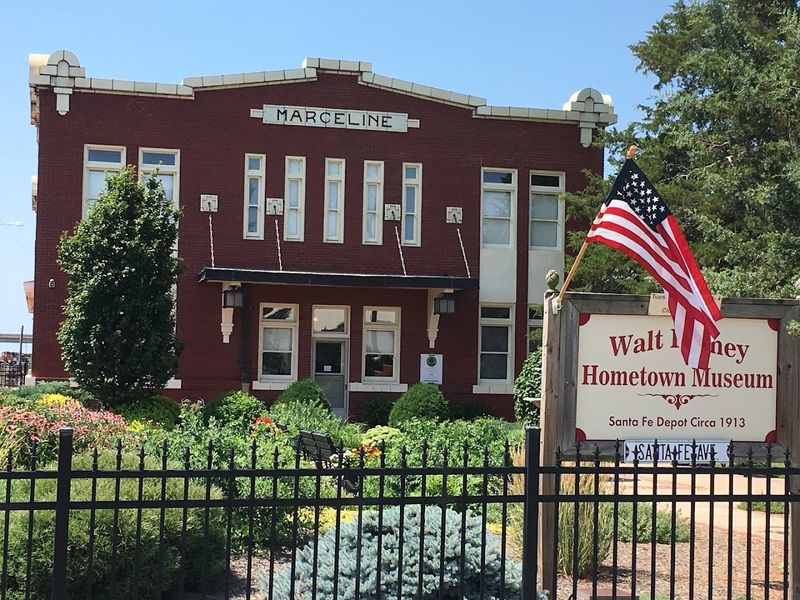
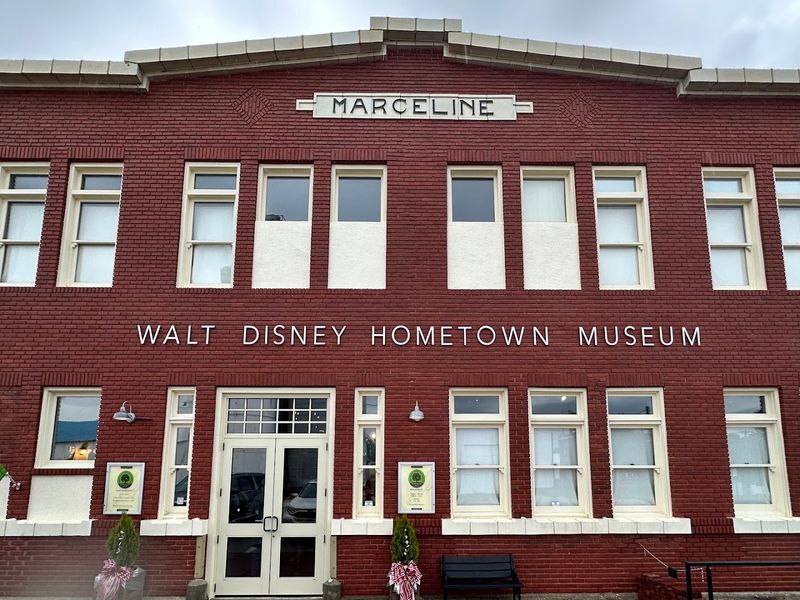
If you only do one thing here, make it this, because the museum pulls the whole town together in a way that feels personal instead of overly staged. The Walt Disney Hometown Museum sits at 120 E Santa Fe Avenue, Marceline, MO 64658, inside the old Santa Fe Railway Depot, and the setting alone already tells you half the story.
Before you even start reading exhibits, the place has a kind of emotional logic to it.
What I appreciated most was how the collection keeps bringing Walt back down to earth as a kid with a desk, a family, a school routine, and a town he clearly carried with him. You are not just looking at memorabilia from a legend, because so much of it points back to small details that made an impression long before fame ever entered the picture.
That makes the whole visit feel warmer and more intimate than you might expect.
The depot setting matters, too, since trains were part of daily life here and part of the imagery that stayed with him. Standing in a railroad building while learning about his early years in Missouri makes the connection feel natural instead of forced.
I came away feeling like the museum was less about nostalgia alone and more about understanding how ordinary surroundings can shape an entire creative vocabulary.
The Dreaming Tree Story Still Lingers
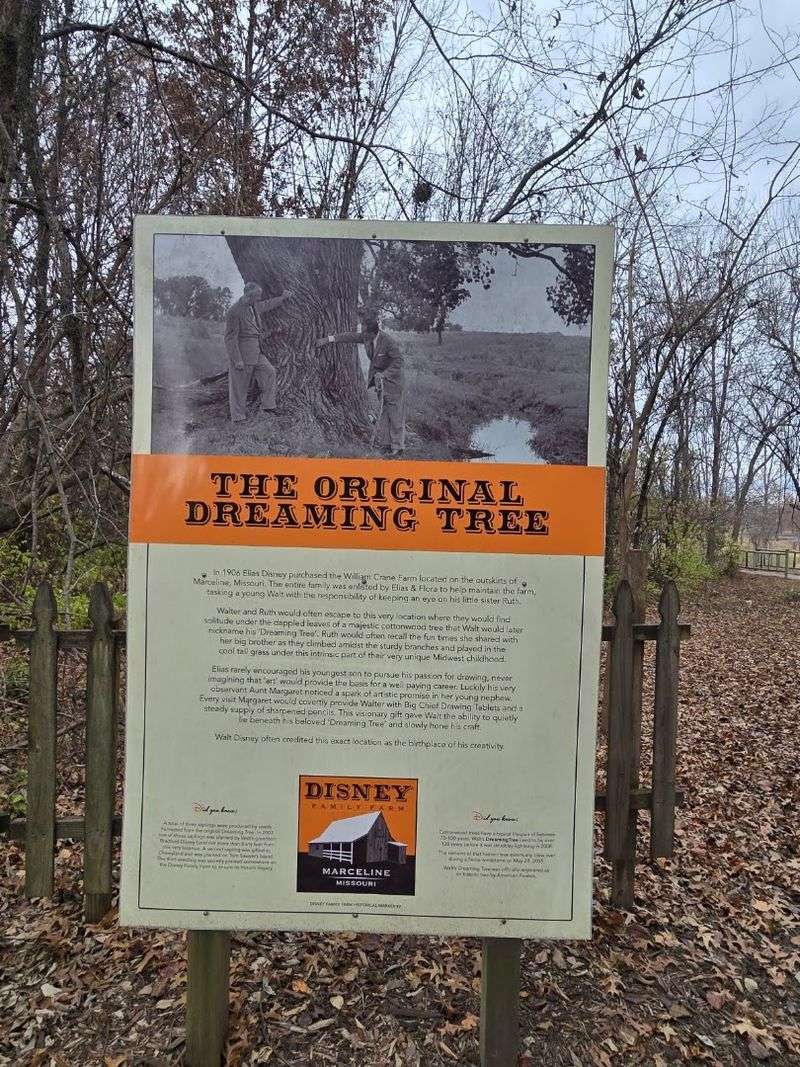
You know those places where people tell you to stand quietly for a second, and for once that advice actually makes sense? That is how the Dreaming Tree story felt to me, because even though the original tree is gone, the idea of it still hangs over the landscape in a real way.
It is less about seeing a single object and more about understanding the kind of stillness that fed a young imagination.
Out near the old Disney farm area, the surviving tribute tree and surrounding fields make it easy to picture why this spot mattered so much. Missouri has a softness in its open land that can calm you down without making a big show of itself, and that mood is part of the experience here.
You start to get how a child sitting under a tree could turn ordinary sounds, weather, and distance into stories.
I liked that this stop does not try too hard to manufacture magic, because the setting is enough on its own. You are really just looking at sky, land, and a piece of family memory, yet it says a lot about where observation begins.
If the museum tells you what Walt carried with him, this place quietly shows you where some of that inward, daydreaming energy first had room to grow.
The Barn That Keeps Collecting Notes
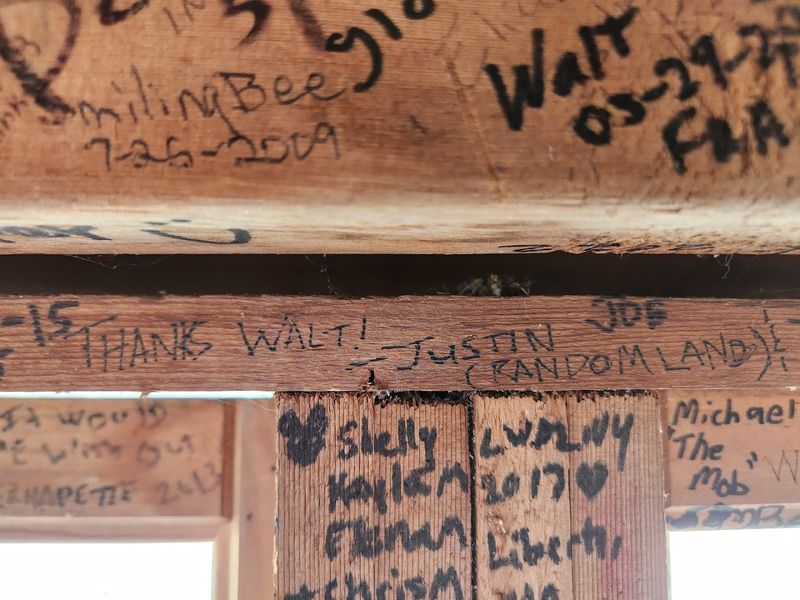
I was not prepared for how touching the barn would be, because on paper it sounds like a simple replica and maybe a quick stop. Then you step inside and see message after message left by visitors, and suddenly the whole place feels less like an exhibit and more like an ongoing conversation.
It has a homemade warmth that suits the story really well.
The barn recalls the little performances Walt put on as a kid, and that detail alone tells you so much about the playful energy already bubbling up around him. What gets you, though, is how people from all over keep answering that old impulse by leaving their own words on the walls.
Instead of feeling messy, it feels affectionate, like the building has become a shared notebook full of gratitude.
I think this stop works because it stays grounded in the everyday texture of childhood, where a barn can become a stage and animals can become a show. There is nothing slick about it, and that is exactly why it feels right for Marceline, Missouri.
You walk back out with the sense that creativity did not begin in some grand studio setting, but in a rural space where imagination filled in everything the scenery did not spell out.
Why The Trains Matter So Much Here
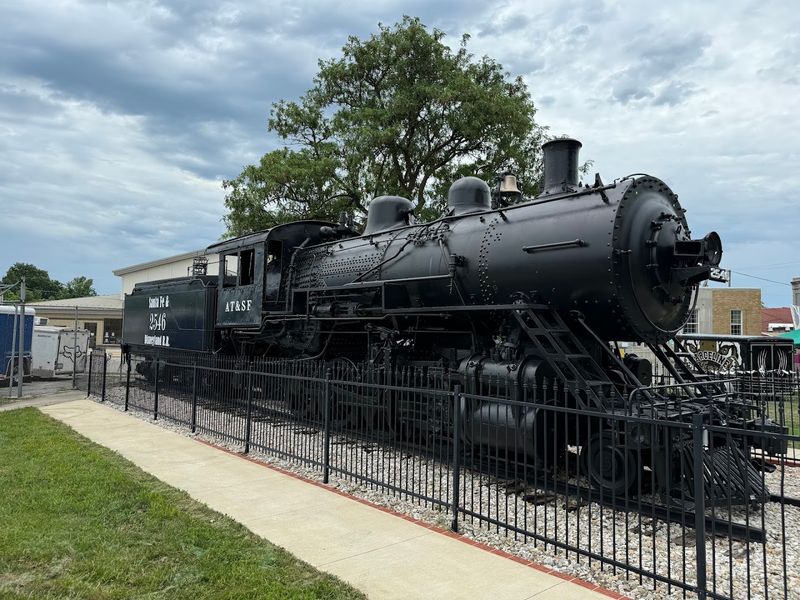
Even if you are not someone who usually gets excited about trains, this part of Marceline makes the fascination easy to understand. The railroad is not some side note here, because it shaped the town’s rhythm, the depot, the soundscape, and a lot of what young Walt would have absorbed without even trying.
Once you stand near the rail displays, the obsession starts to make sense.
E.P. Ripley Park helps put that story into view with equipment and railroad touches that connect the museum material to the physical landscape around town.
What I found interesting was how naturally the rail presence fits into everything else, as if imagination, travel, machinery, and hometown life were always crossing paths here. In Missouri, where open land lets movement feel visible from far away, trains can seem both practical and a little cinematic at the same time.
You do not need a deep knowledge of rail history to feel what this stop adds to the bigger picture. It gives you motion, scale, and a sense of departure, which are all ideas that later show up in Walt Disney’s creative life again and again.
Afterward, the depot museum, the main street, and the childhood stories all connect more clearly, because the town stops being static and starts feeling in motion.
The Real Main Street U.S.A. Feeling
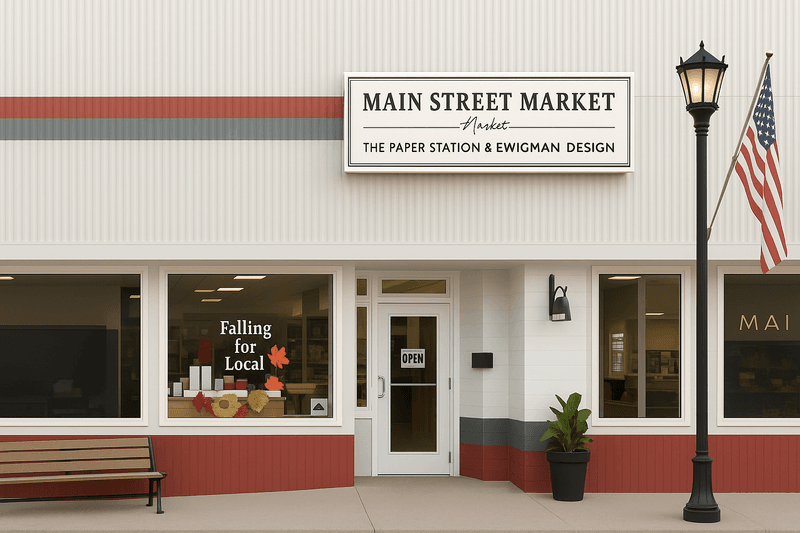
At some point while walking downtown, I stopped trying to compare everything to a Disney park and just let the actual town be itself. That was when it clicked, because the point is not that Marceline looks like an imitation of something famous.
It is that the famous version borrowed its emotional cues from a place that still feels practical, neighborly, and quietly proud.
The renamed Main Street U.S.A. markers are fun, sure, but the stronger impression comes from the everyday surroundings holding their own without any theatrical push. Storefronts sit at that familiar scale where you can imagine errands, greetings, and routines all happening in plain view.
You are basically walking through the kind of environment where civic life, commerce, and imagination overlap without needing to announce themselves.
I think that is why this part of Marceline, Missouri, stays with people after the novelty fades. The street does not need to perform history for you, because the proportions, textures, and pace already carry the memory.
If you have ever wondered what Main Street U.S.A. was trying to bottle up and preserve, walking here gives you the answer in a very direct way, and it feels more emotional than I expected from a simple stroll.
The Farm Dream That Never Quite Happened
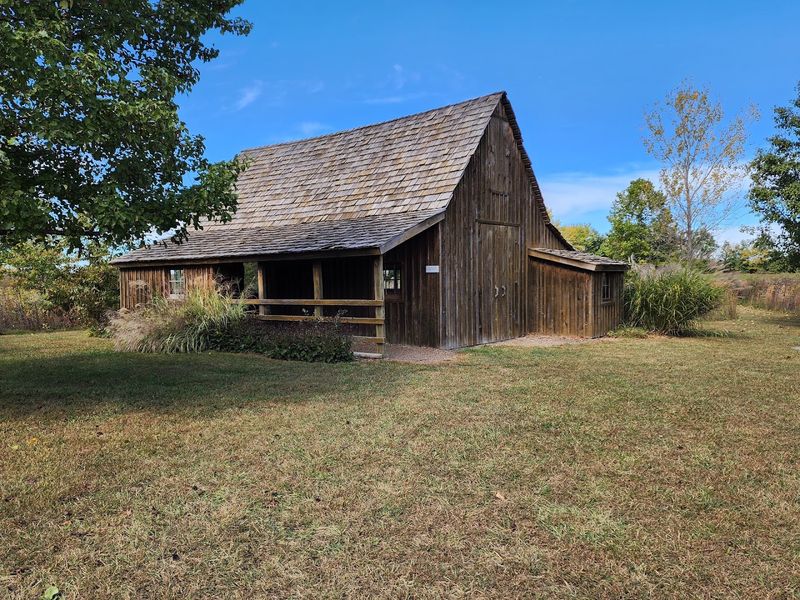
One of the more interesting things I learned in Marceline was that Walt did not just remember this place fondly from a distance. He actually wanted to bring people into that farm experience in a more intentional way, which says a lot about how central these Missouri memories remained for him.
The unrealized farm project adds a layer of longing to the whole trip.
When you hear about plans and sketches connected to the old family property, it stops being a simple childhood anecdote and starts feeling like an unfinished conversation with the town. He was not merely revisiting the past, because he seemed to be searching for a way to share the values and textures of that past with other people.
That idea gives Marceline a kind of emotional afterglow, where memory and imagination keep reaching toward each other.
I found this especially moving because it shows that the influence of the town was not locked in one early chapter and then left behind. It kept returning as a source he wanted to interpret, preserve, and pass along in some form.
So even though the larger project never fully took shape, the museum and the landscape still let you feel the shape of that intention, and that makes the visit richer than a straightforward nostalgia tour.
Why Marceline Feels Bigger Than It Looks
By the time I was ready to leave, the thing that stayed with me most was how much emotional weight this small Missouri town carries without acting self-important. Marceline is not trying to overwhelm you with scale, and maybe that is exactly why it works so well.
The town lets its meaning come through steadily, the way a real memory does when you sit with it long enough.
You can trace all the headline connections if you want, from the museum to the farm stories to the street that helped inspire Main Street U.S.A., and that is all genuinely interesting. Still, what gives the place its real pull is the feeling that childhood here was rich in observation, movement, community, and room to dream.
That combination explains more about Walt Disney than any oversized tribute probably could.
I would tell you to come here if you are curious about origins, but not just in the fan-history sense. Come because Marceline shows how a landscape of depots, schools, fields, sidewalks, and everyday routines can shape a creative life in ways that keep echoing for decades.
It ends up feeling less like a pilgrimage to a famous name and more like an intimate look at how imagination first learns what home is supposed to feel like.
