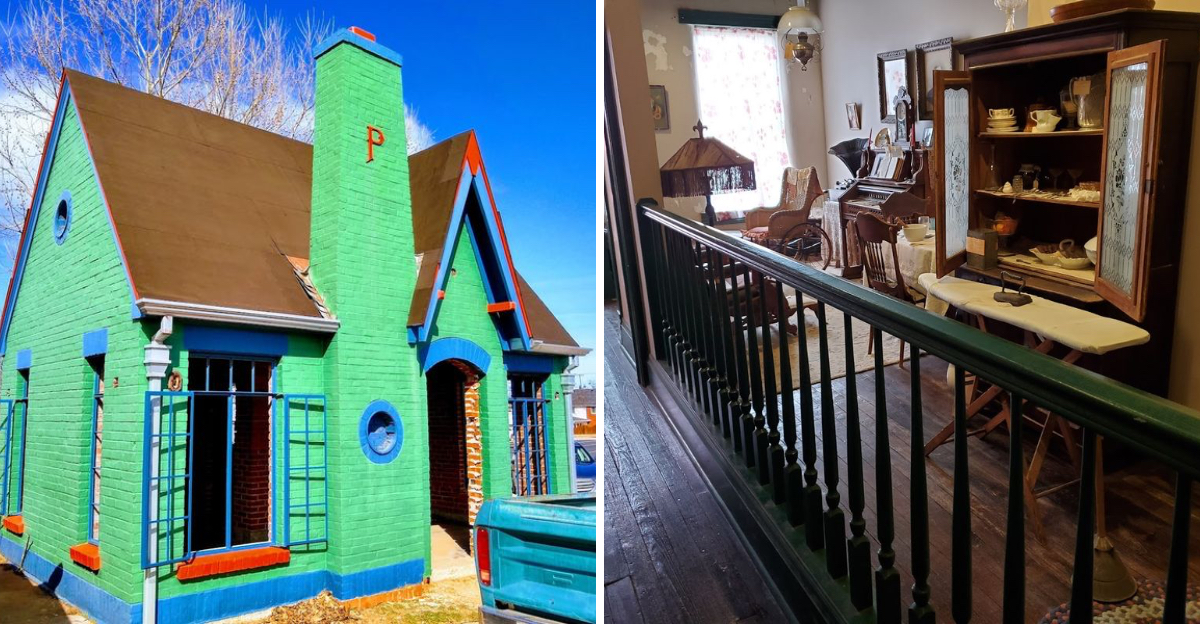
I expected another quiet walk through history, the kind where you read a few plaques and move on. That changed the second I stepped inside this Oklahoma museum.
It did not feel polished or staged, it felt real, a little worn in, and full of stories that have been sitting there for a long time. The creaking floors, the dim corners, the way certain rooms feel just a little too quiet, it all adds to something you do not usually get from places like this.
It pulls you in deeper than you expect, somewhere between history and something harder to explain. I found myself slowing down, paying closer attention, almost waiting for something unexpected.
And by the time I left, it felt like I had experienced more than just a museum.
The Historic Building That Holds More Than Just Artifacts
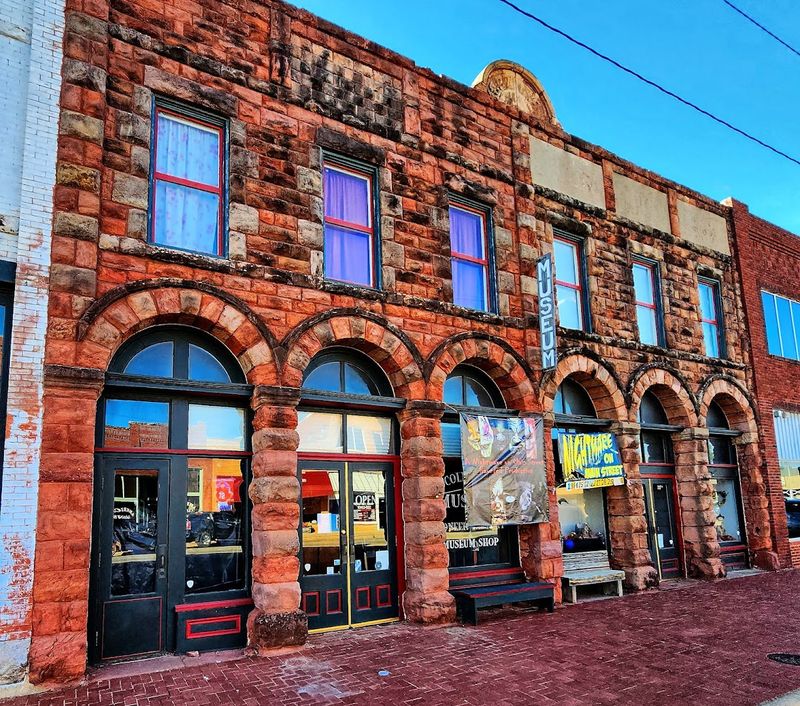
Before you even step inside, the building at 719 Manvel Ave in Chandler, Oklahoma, tells its own story. The structure itself is a historical landmark, and the moment you approach it, something about its aged brick and weathered facade makes you slow your pace.
The two-story frame carries the kind of weight that only comes from surviving more than a century of Oklahoma seasons. It is not just a backdrop for the collection inside.
It is part of the collection.
The architecture reflects the era it represents, with high ceilings, original woodwork, and narrow staircases that seem designed to keep secrets. Every corner feels intentional, as if the building decided long ago to preserve everything within its walls.
For history lovers, the structure alone is worth the trip. For those curious about the paranormal reputation, the building sets the mood perfectly before you even reach the first exhibit.
It manages to feel both welcoming and quietly mysterious at the same time, which is a rare combination that keeps you engaged from the moment you arrive to the moment you reluctantly leave.
Pioneer Life Exhibits That Paint a Vivid Picture
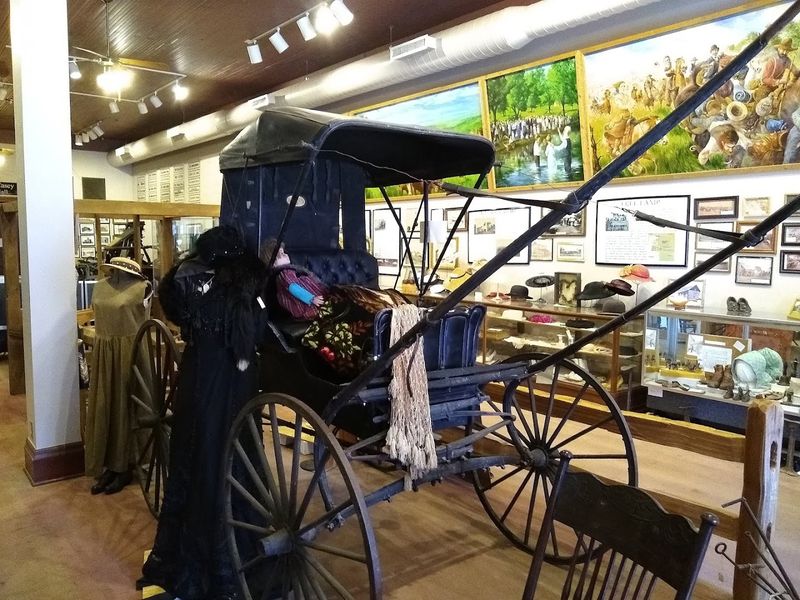
Walking through the ground floor, it becomes clear that this museum was built by people who genuinely care about preserving the details of everyday pioneer life. The exhibits are not sterile or distant.
They feel personal.
Household items, farming tools, period clothing, and handmade objects fill the display cases with a sense of intimacy that larger museums rarely achieve.
Each piece seems to carry the fingerprints of someone who used it daily, someone who built a life on the Oklahoma frontier with very little and made it work.
The collection spans the late 1800s through the early 1900s, covering the land run era and the challenges that followed. You get a real sense of how hard and how creative early settlers had to be just to survive a single season.
What makes this floor especially compelling is how the objects are arranged. Nothing feels random.
Each item connects to a broader story about Lincoln County and its people. It is the kind of exhibit that rewards slow, thoughtful browsing rather than a quick walk-through, and you will want to linger longer than you planned.
The Military Exhibit Upstairs That Hits Different
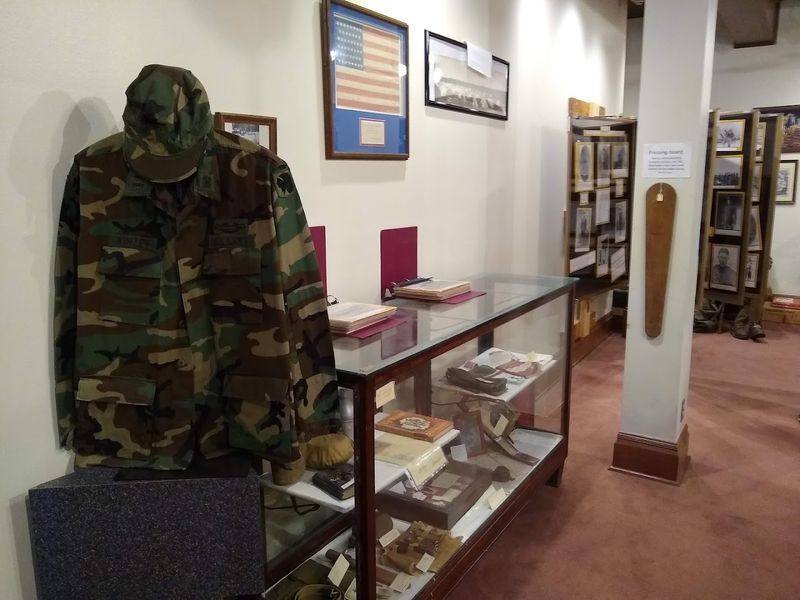
There is a moment when you round the top of the stairs and step into the military exhibit that genuinely stops you in your tracks. The display is dedicated to servicemen and women connected to Lincoln County, and the personal nature of the collection is what sets it apart.
Uniforms, medals, letters, photographs, and personal items line the walls and cases with quiet dignity. These are not generic wartime objects.
They belonged to specific people from this specific corner of Oklahoma, and that connection makes every piece feel significant.
The exhibit covers multiple conflicts and eras, giving the upstairs floor a depth that surprises first-time visitors. It is the kind of space where you find yourself reading every label and spending far more time than you expected.
The combination of personal artifacts and broader historical context creates something genuinely moving. For anyone with a connection to military history or to Oklahoma itself, this room carries a particular resonance.
It feels less like a museum display and more like a tribute, carefully assembled by a community that wanted to make sure these stories were never forgotten or overlooked by future generations.
The Paranormal Reputation That Keeps People Talking
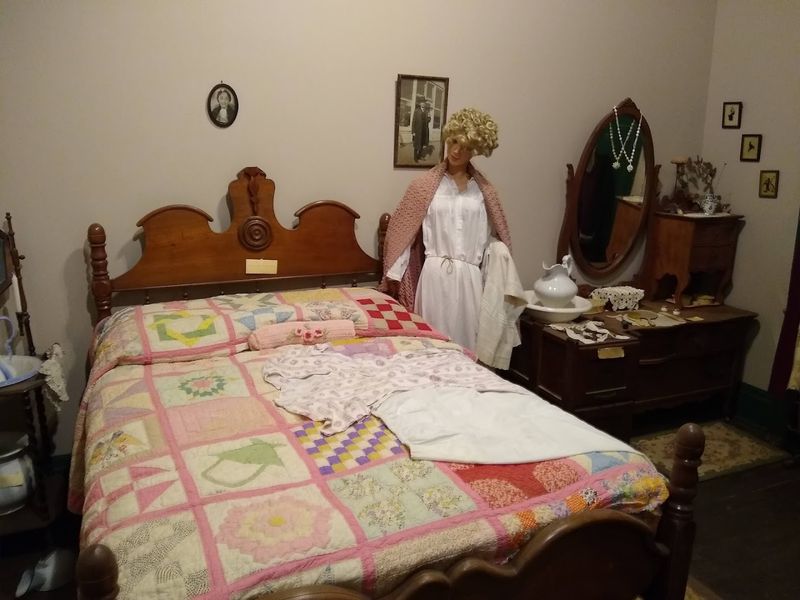
Let’s be straightforward about why many people find their way to this particular museum. The building has a reputation for unexplained activity, and that reputation is not something the museum shies away from.
Shadows that move without a source, sounds from empty rooms, and objects that seem slightly out of place are among the things that get mentioned in connection with this address.
Whether you are a believer or a healthy skeptic, the atmosphere inside the old building makes it easy to understand why the stories persist.
The age of the structure, the density of historical objects, and the general energy of the place combine to create an environment that feels charged in a way that is hard to pin down. You become more alert, more attuned to small details, and more willing to consider possibilities you might normally dismiss.
Every October, the museum leans into this reputation by hosting a haunted event that raises funds for operations.
It is a smart and entertaining way to blend community engagement with the building’s mystique, and it draws a crowd that might never have otherwise stepped through the front door of a pioneer history museum.
The October Haunt Event That Funds the Museum
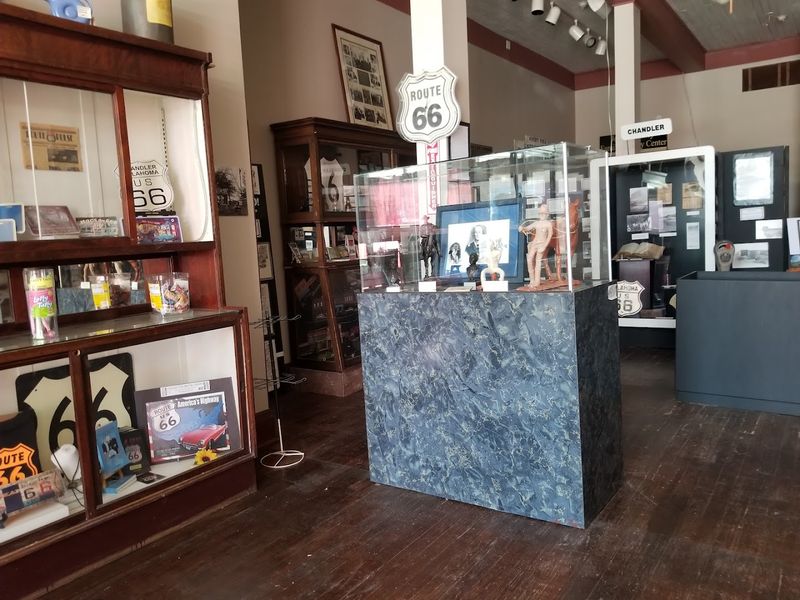
Every October, the Lincoln County Museum of Pioneer History transforms into something that blends history with Halloween in a way that feels genuinely original. The haunt event is not just a fundraiser.
It is a full community production.
The historic building, already atmospheric on a regular Tuesday afternoon, becomes something else entirely when the lights go low and the fog machines start running.
The combination of real antique artifacts and staged scares creates a layered experience that you cannot replicate in a purpose-built haunted house.
Proceeds from the event go directly toward keeping the museum operational, which makes attending feel like the right thing to do on multiple levels. You get an entertaining night out, and you support a community institution that runs entirely on donations and volunteer energy.
For families, groups of friends, or anyone looking for a seasonal activity that goes beyond the standard options, this event is worth planning around. It tends to sell interest quickly as word spreads through the region each year.
If you are anywhere near Chandler, Oklahoma, when October arrives, this is the kind of local event that you will still be talking about when November rolls in.
A Community Institution That Runs on Pure Dedication
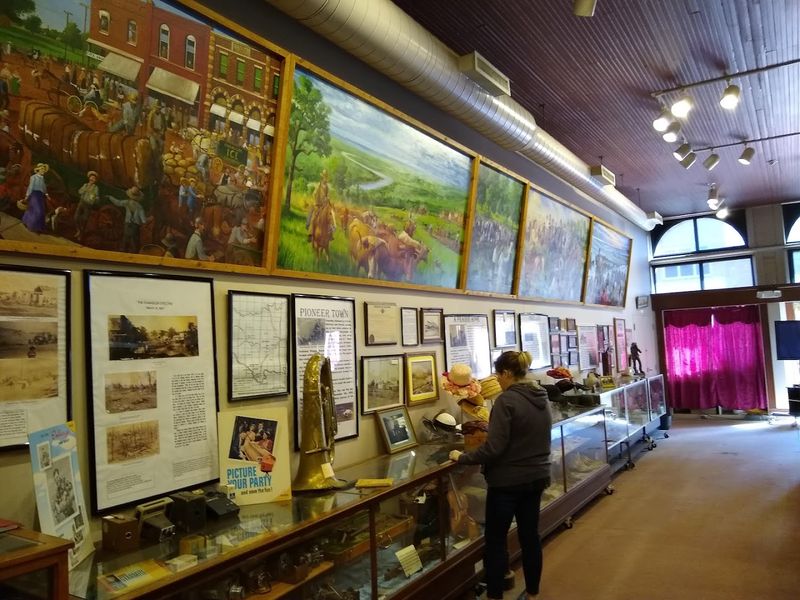
One of the most remarkable things about this museum is how it operates. There is no large institutional budget behind it, no corporate sponsor keeping the lights on.
The Lincoln County Museum of Pioneer History runs on donations and the consistent effort of dedicated volunteers.
That grassroots foundation shows in the best possible way. The people who give their time here genuinely love what they are doing, and that enthusiasm is infectious.
Walking through the exhibits, you get the sense that every display was arranged by someone who wanted you to understand and appreciate what you were seeing.
Luncheons held throughout the year serve as additional fundraisers, bringing the community together around shared meals and shared history. These events reflect a museum culture that is deeply embedded in the social fabric of Chandler and Lincoln County.
Supporting a place like this feels meaningful in a way that visiting a large, well-funded institution sometimes does not. Your donation, however small, directly contributes to keeping Oklahoma history accessible and alive for the next generation.
That direct connection between visitor and preservation is something special, and it is one of the reasons this small museum carries such a big presence in the community.
Route 66 History Woven Into the Museum’s Location
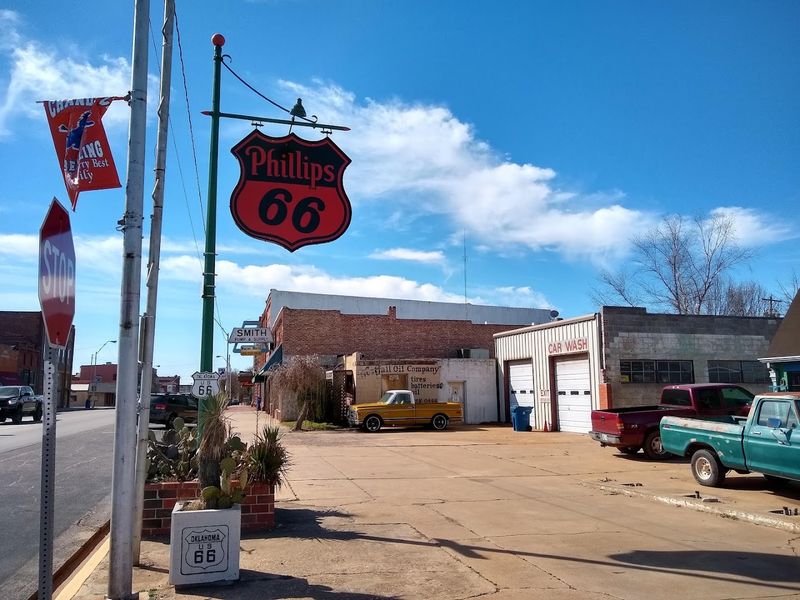
The museum sits right on what many locals still call Main Street, a stretch that runs along the historic Route 66 corridor through Chandler, Oklahoma. That location is not incidental.
It connects the museum to one of the most storied roads in American history.
Route 66 travelers heading through central Oklahoma often find themselves stopping in Chandler, drawn by the town’s preserved character and its collection of authentic roadside history. The museum fits naturally into that narrative, offering a deeper look at the region that the famous highway passes through.
Standing outside the museum and looking down Manvel Avenue, you can feel the layered history of the place. Decades of travelers, settlers, and community members have passed this exact point, each adding something to the story that the building now holds.
For Route 66 enthusiasts, adding this museum to a road trip itinerary makes perfect sense. It provides historical context that enriches the entire drive, transforming a scenic highway journey into something more substantive.
The connection between the open road and the pioneer spirit that the museum celebrates is a natural one, and the location makes that connection feel earned rather than manufactured.
The Free Admission Policy That Makes It Accessible to Everyone
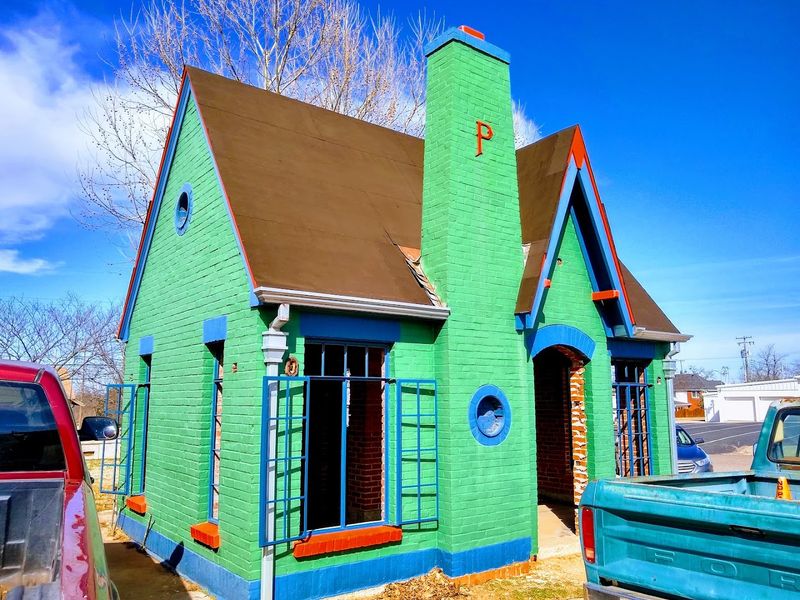
Here is something that immediately sets this museum apart from most cultural institutions: walking through the door costs you nothing. The Lincoln County Museum of Pioneer History operates on a donation model, meaning admission is completely free.
That policy reflects a genuine commitment to accessibility. History should not be gated behind a ticket price, especially in a small community where resources are already stretched.
By keeping the doors open to everyone, the museum ensures that Oklahoma history remains a shared resource rather than a paid experience.
Of course, donations are warmly welcomed and genuinely needed. The museum depends on visitor generosity to maintain its collection, keep the building in good condition, and continue programming throughout the year.
Giving what you can is both a practical contribution and a way of honoring the work that goes into keeping the place running.
For families, students, and travelers on a budget, the free entry makes a visit easy to justify and easy to extend. There is no pressure to rush through because you feel the clock running on a paid ticket.
You can take your time, read every label, and let the stories sink in at whatever pace feels right to you.
Genealogy Research That Connects Families to the Past
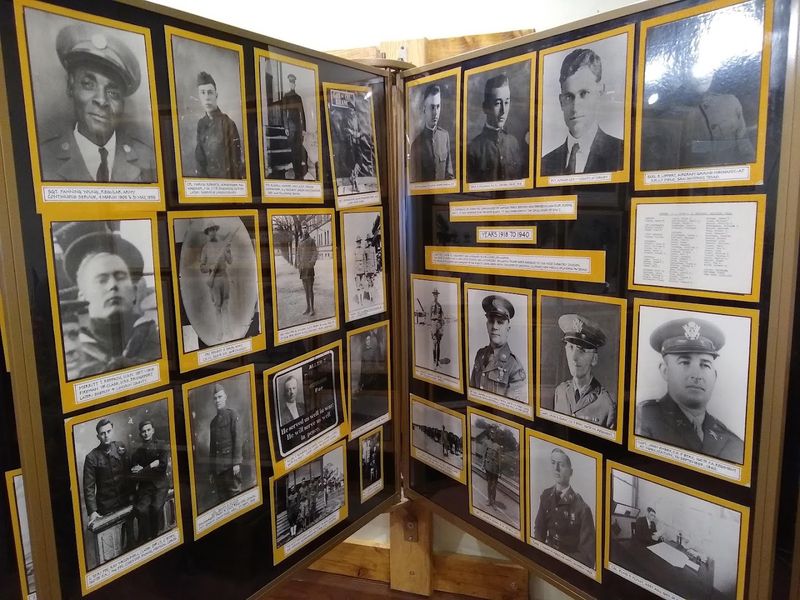
For anyone tracing family roots in Lincoln County or the surrounding region, this museum offers something genuinely useful. The collection includes local records, photographs, and personal artifacts that can help connect present-day families to their Oklahoma ancestors.
Staff and volunteers have been known to assist with genealogy inquiries, helping people locate information about relatives who lived and worked in the area during the pioneer era.
That kind of hands-on, personalized assistance is rare and valuable, especially when institutional archives can feel impersonal and difficult to navigate.
The depth of the local collection means that even a casual browsing session can turn up unexpected connections. A surname on a display label, a face in an old photograph, or a familiar object in a period exhibit can trigger recognition that sends you down a fascinating research path.
For families with deep roots in central Oklahoma, a visit here can feel like opening a door that has been closed for generations.
The museum holds the kind of granular, community-specific history that does not always make it into state archives or digital databases, making it an irreplaceable resource for anyone serious about understanding where their family story truly began.
The Chandler Connection and Local History on Display
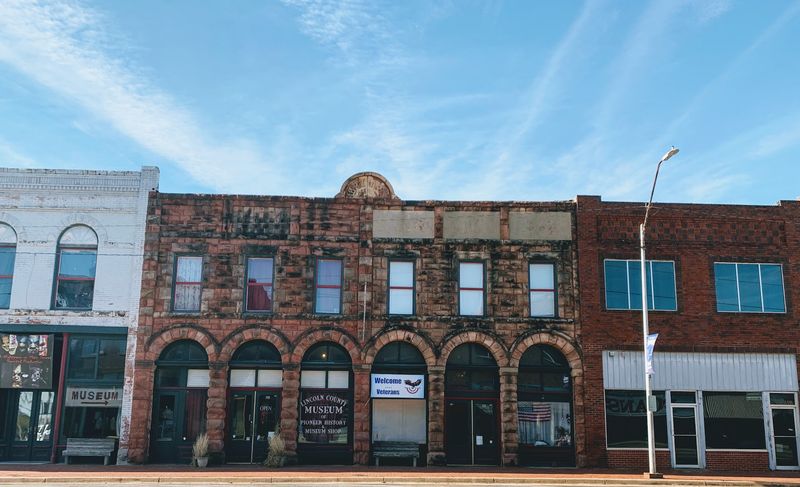
Chandler, Oklahoma, has a history that is both colorful and surprisingly layered, and the museum does an excellent job of capturing that complexity. The town was established during the land run era and grew quickly into a regional hub with its own cast of memorable characters.
One of the more fascinating threads running through the local history exhibits is the story of early law enforcement in Chandler. The town’s sheriff during the early 1900s led a life that eventually found its way to Hollywood, a detail that adds an unexpected dimension to the local narrative.
Maps, photographs, newspapers, and personal items from Chandler’s early decades fill the displays with texture and specificity. These are not generalized frontier stories.
They are the particular history of this particular place, told through objects that survived because someone thought they were worth keeping.
Spending time with the Chandler exhibits gives you a much richer sense of the town you are standing in. The streets outside take on new meaning when you understand what happened on them a century ago.
That kind of grounded, place-specific history is exactly what small regional museums do best, and this one does it with real care and intention.
Operating Hours and Planning Your Visit
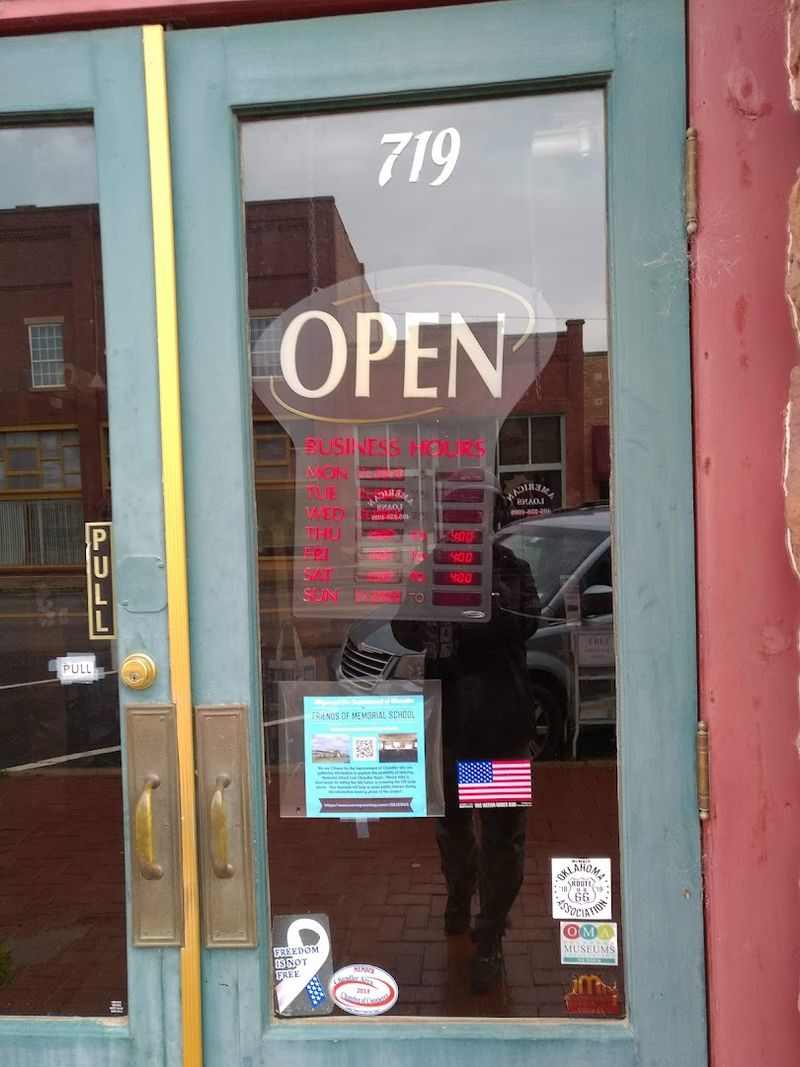
Planning ahead makes a real difference when visiting the Lincoln County Museum of Pioneer History. The museum is open on Wednesdays, Thursdays, Fridays, and Saturdays from 10 AM to 4 PM.
It is closed Sunday through Tuesday, so arriving on the right day matters.
The address is 719 Manvel Ave, Chandler, OK 74834, and it sits right along the Route 66 corridor, making it easy to find and straightforward to include in a broader road trip through central Oklahoma. Street parking is generally available in the area.
Because the museum runs on volunteer staffing, it is worth calling ahead at 405-258-2425 to confirm hours, especially around holidays or community events when schedules may shift. The website at okpioneermuseum.com also carries current information about programming and special events.
Arriving with a bit of extra time is a good idea. The two floors of exhibits reward unhurried exploration, and the building itself deserves attention beyond the displays.
Budget at least an hour and a half, though two hours is not unusual for visitors who find themselves drawn into the history at every turn. Good footwear helps too, since the historic building has some uneven surfaces worth navigating carefully.
Why This Small Museum Leaves a Lasting Impression
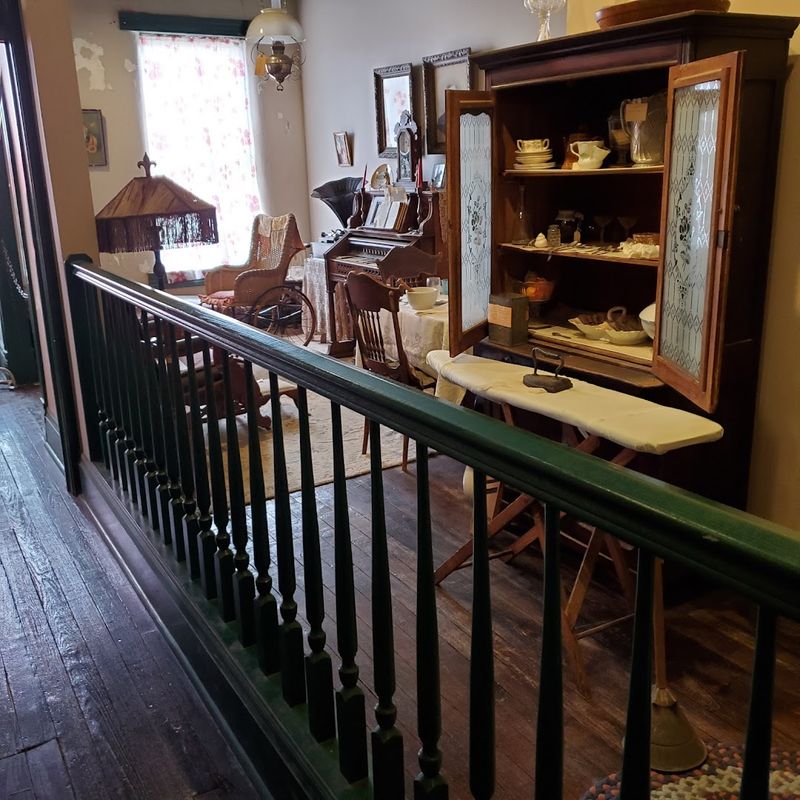
Small museums carry a certain kind of magic that larger institutions struggle to replicate. When a collection is built by a community for a community, every object inside carries a weight of meaning that goes beyond its physical form.
At the Lincoln County Museum of Pioneer History, that weight is palpable. The artifacts were not acquired through bulk purchasing or institutional grants.
They were donated by families who wanted their history remembered, and that origin story infuses the entire collection with authenticity.
Add to that the building’s paranormal reputation, the Route 66 setting, the free admission, and the genuinely warm atmosphere created by dedicated volunteers, and you have something that is hard to categorize neatly. It is part history lesson, part community gathering place, and part mystery.
Oklahoma has no shortage of history worth exploring, but places like this one remind you that the most compelling stories are often found in the smallest rooms.
This museum in Chandler earns its reputation not through spectacle but through sincerity, and that is what stays with you long after you have driven back out onto the highway and left the old building behind.
Dear Reader: This page may contain affiliate links which may earn a commission if you click through and make a purchase. Our independent journalism is not influenced by any advertiser or commercial initiative unless it is clearly marked as sponsored content. As travel products change, please be sure to reconfirm all details and stay up to date with current events to ensure a safe and successful trip.
