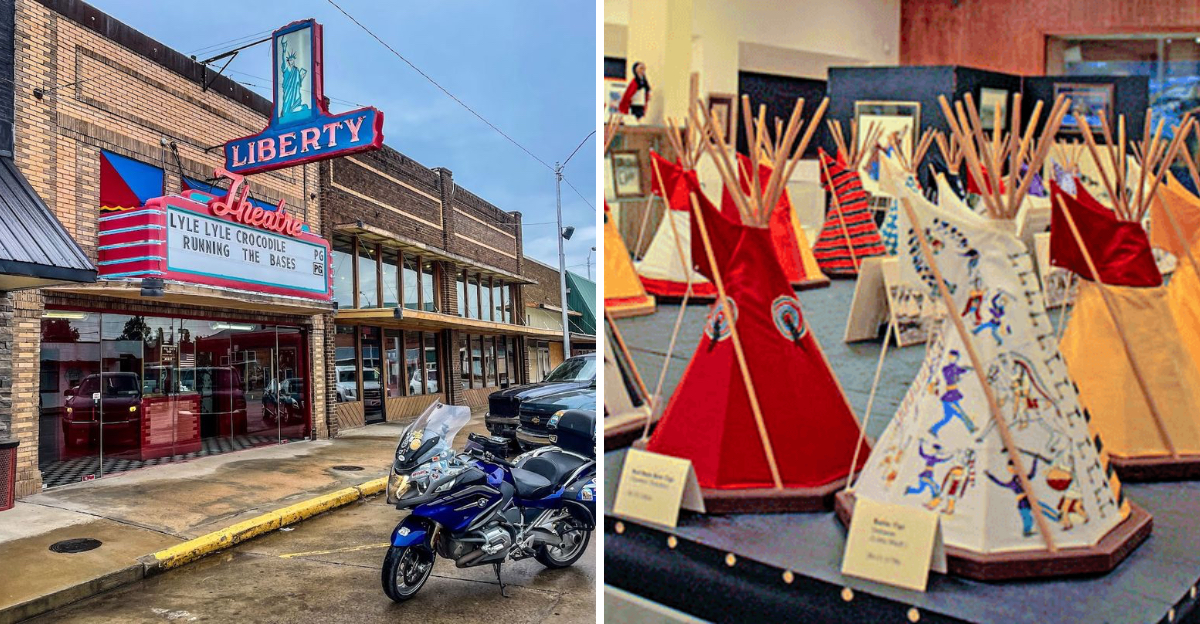
The first time I pulled into Carnegie, I felt the pace change almost instantly. No traffic noise, no rush, just quiet streets and the kind of calm that makes you slow down without thinking about it.
It is the kind of place where someone waves from a front porch as you drive by and it feels completely normal. Towns like this are getting harder to find.
The world moves faster every year, but places like Carnegie still hold onto a rhythm that feels steady and grounded. Spend even a short afternoon walking around and you start to realize how refreshing that can be.
Carnegie sits in southwestern Oklahoma with a population of a little over 1,400 people. On paper that sounds small, but the town carries a warmth, history, and personality that many bigger places struggle to create.
I did not expect to be this charmed by it, but it completely caught me off guard in the best way.
The Moment You Drive Into Town, Something Shifts
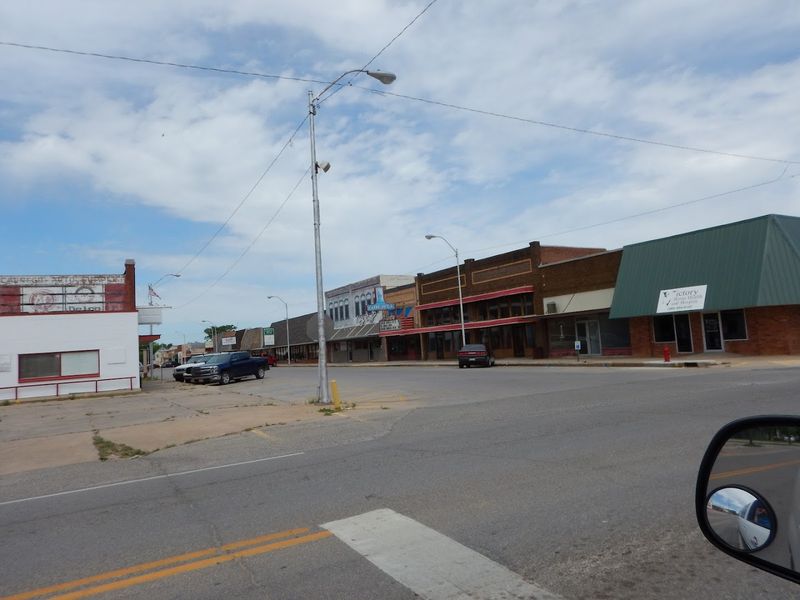
Nobody warned me how quickly a small town can get under your skin. Being for the first time, there is this unmistakable exhale that happens, like your shoulders drop two inches and your brain stops running its usual checklist.
The streets are wide and unhurried, the kind of streets that were built when people expected to stop and talk to each other.
The town sits right in the heart of Caddo County, surrounded by the rolling red-dirt plains of southwestern Oklahoma. It is not dramatic scenery in the postcard sense, but there is a quiet beauty to it that grows on you fast.
The sky here feels enormous, and on a clear day, the horizon seems to go on forever in every direction.
What hits you most is the stillness. Not an empty, lonely stillness, but the kind that feels intentional, like the town made a conscious decision to stay exactly as it is.
Old storefronts line the main stretch with their original brick faces still intact, and the whole place carries this dignified, unhurried energy. You get the sense that Carnegie has seen a lot of years pass without losing its sense of self, and honestly, there is something deeply refreshing about that.
A Museum Worth Stopping For, Full Stop
Most small-town museums feel like a collection of dusty odds and ends with handwritten labels. The Kiowa Tribal Museum in Carnegie is not that.
It is a serious, moving, and beautifully curated space dedicated to preserving the culture and history of the Kiowa people, who have deep roots in this part of Oklahoma.
Walking through the exhibits, you encounter traditional Kiowa artwork, historical photographs, ceremonial items, and detailed accounts of the tribe’s journey through history. The craftsmanship on display is extraordinary, and the storytelling feels personal and carefully considered.
You leave knowing something real, not just something surface-level.
What makes this museum stand out is the sense of living culture it conveys. This is not a place that treats Indigenous heritage as a relic.
It honors it as something ongoing and vibrant. The Kiowa Nation has a powerful presence in this region, and the museum gives that presence the space and dignity it deserves.
Even if you are not a museum person by habit, give this one a chance. Plan for more time than you think you need, because the exhibits have a way of pulling you in deeper than expected.
It is the kind of place that changes how you see the land you are standing on, and that is a rare thing.
Red Dirt Roads and Wide Open Sky Everywhere You Look
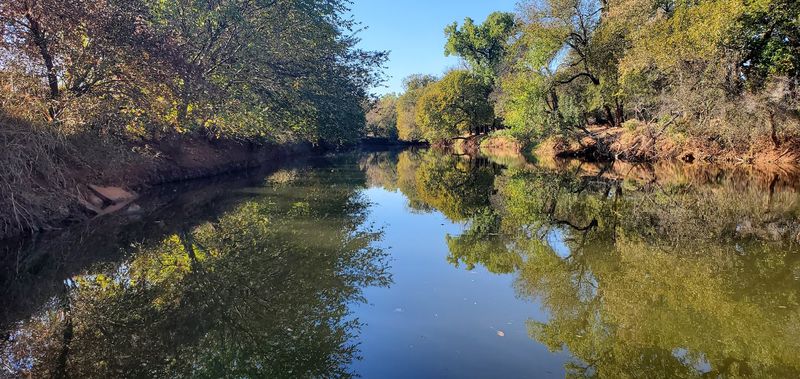
Here is something nobody tells you about southwestern Oklahoma: the landscape does something to your nervous system. It slows everything down.
Driving the back roads around Carnegie with nothing but red dirt stretching out on both sides and a sky so wide it feels theatrical, you start to understand why people who grow up here never quite find anywhere else that feels the same.
The terrain around Carnegie is classic Oklahoma plains, open, honest, and without pretense. There are no towering mountains or dramatic coastlines here.
What you get instead is a kind of expansive, unfiltered beauty that requires you to slow down and actually look. The light changes constantly, especially in the late afternoon, when everything turns amber and the shadows grow long across the fields.
Driving these roads feels almost meditative. There is a rhythm to the landscape, a repetition of fence posts and scrub brush and sky that becomes oddly comforting after a while.
You start noticing small things, a hawk circling overhead, a herd of cattle in the distance, a lone farmhouse sitting proud against the horizon.
If you have never experienced the particular magic of the Oklahoma plains, the roads around Carnegie are a perfect introduction. Bring snacks, leave your schedule behind, and just drive.
You will not regret it.
Small-Town Diners Still Do It Best

There is a version of comfort food that only exists in small American towns, and Carnegie has it. The local diner scene here is exactly what you hope for when you picture stopping somewhere off the beaten path for a meal.
No trendy menu language, no minimalist plating, just real food made with care and served with a side of genuine warmth.
Breakfast at a small-town diner is its own kind of ritual. Biscuits that are actually fluffy, gravy that actually has flavor, and coffee that keeps showing up in your cup without you having to ask.
The whole experience feels like being looked after, and after a long drive through the plains, that matters more than you expect.
Lunch and dinner bring their own rewards. Chicken fried steak is practically a local religion in this part of Oklahoma, and Carnegie does not disappoint.
The portions are generous, the prices are honest, and the atmosphere is the kind of lived-in, no-fuss warmth you simply cannot manufacture.
Sit at the counter if you can. That is where the real energy of the place lives, where locals catch up, where regulars have their orders memorized, and where you get an unfiltered window into daily life in a small Oklahoma town.
It is better than any guided tour.
Caddo County History Runs Deeper Than You Expect
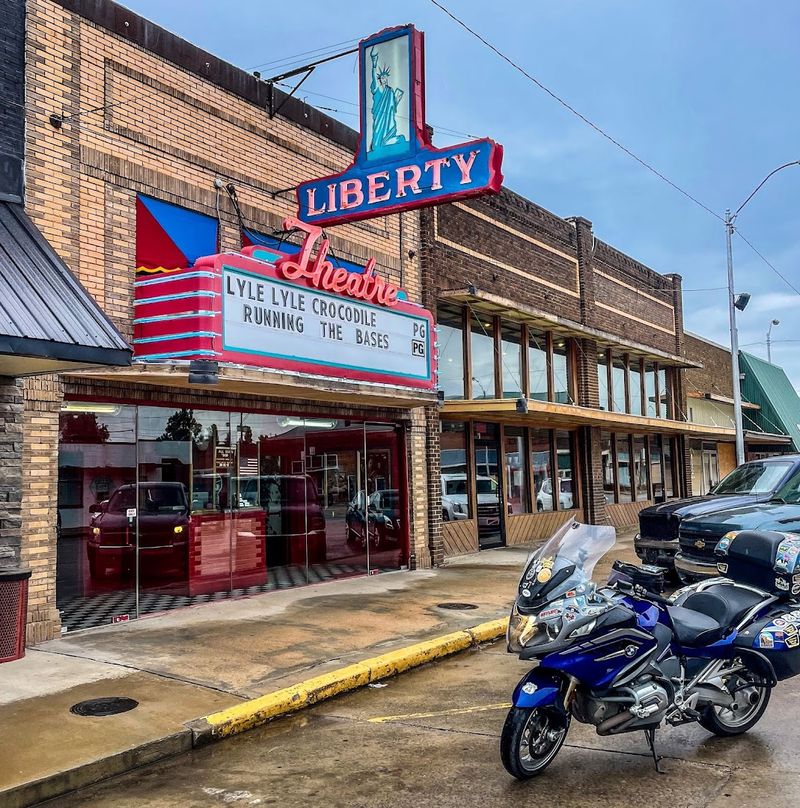
Carnegie was established in 1901, which makes it older than Oklahoma statehood itself.
The town was named after Andrew Carnegie, the steel magnate and philanthropist, and it grew quickly in the early twentieth century as settlers moved into the region following the opening of Kiowa-Comanche-Apache lands.
That history is layered into everything here.
Caddo County has one of the most complex and fascinating histories in the state. It sits at the intersection of Native American heritage, frontier settlement, and early Oklahoma statehood, and Carnegie sits right in the middle of all of it.
Walking the streets, you get the sense of time stacked on top of itself in the most interesting way.
The local community takes this history seriously. There are efforts throughout the town to preserve and share its past, from historical markers to community storytelling traditions.
It does not feel like a performance for tourists. It feels like people who genuinely care about where they come from.
For anyone interested in American history beyond the textbook version, Carnegie offers a surprisingly rich and nuanced picture.
The story of this town touches on Indigenous land rights, the homesteading era, and the complicated process of Oklahoma becoming a state, all of it in a place small enough to hold in your hand.
That is a remarkable thing.
Kiowa Culture Lives and Breathes in This Corner of Oklahoma
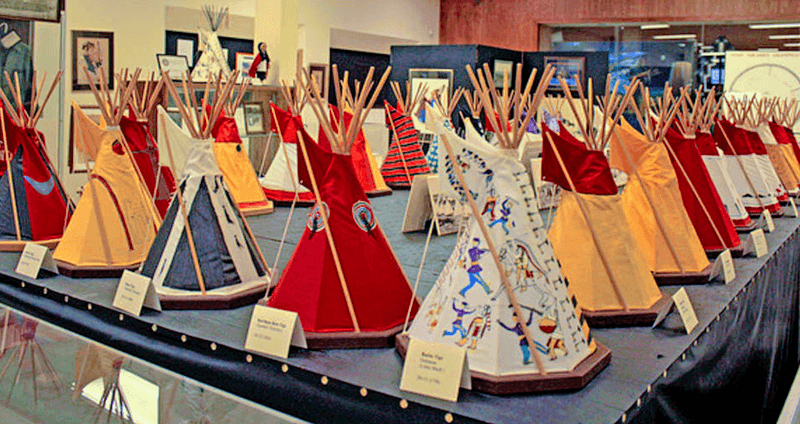
Spend any amount of time in Carnegie and you quickly understand that the Kiowa Nation is not just a historical footnote here. It is a living, present, and deeply important part of the community.
The Kiowa people have called this region home for generations, and their cultural presence shapes the character of the town in ways both visible and subtle.
The annual Kiowa Blackleggies Warrior Society Gourd Dance and Powwow is one of the most significant cultural events in the region, drawing participants and visitors from across the country.
It is a ceremony rooted in centuries of tradition, and attending as a respectful visitor is an experience unlike anything else you will find in southwestern Oklahoma.
The drumming, the regalia, the community energy, it all stays with you.
Even outside of formal events, the Kiowa influence is woven into everyday life in Carnegie. Local art, community relationships, and the broader cultural identity of the area all reflect this heritage in meaningful ways.
Approaching this culture with genuine curiosity and respect opens doors that a tourist mindset would keep firmly shut. Ask questions thoughtfully, listen carefully, and resist the urge to photograph everything.
Some moments are better stored in memory than on a phone screen, and the ones you absorb fully tend to be the ones that actually change you.
The Pace of Life Here Is Practically a Superpower
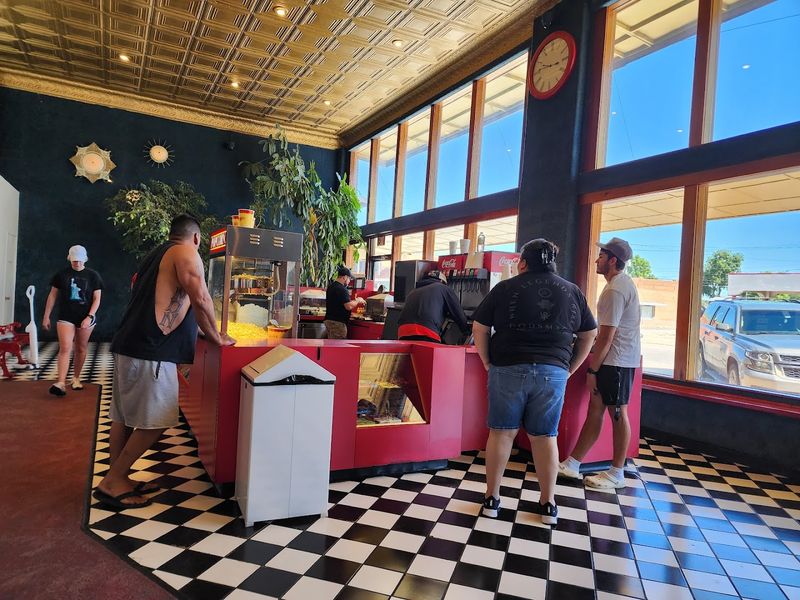
Somewhere between the first hour and the second in Carnegie, you stop checking your phone. Not because you forgot it, but because nothing about the environment is demanding your immediate attention, and that feeling is genuinely disorienting at first.
Then it becomes the best thing about the trip.
Life moves differently at a population of 1,430. The grocery run is also a social event.
The post office visit involves catching up on neighborhood news. The afternoon feels long in the best possible way, like time has been handed back to you and you can actually decide what to do with it.
There is a particular kind of mental rest that only happens when your surroundings stop competing for your attention. Carnegie provides that without trying.
The streets are calm, the noise level is low, and the general atmosphere is one of people living their lives without performance or urgency.
For anyone coming from a city, this will feel either deeply soothing or slightly unnerving, depending on how long it has been since you had genuine quiet. Give it a few hours before you judge it.
The stillness has a way of filling up with something better than noise, a kind of clarity that reminds you what you actually enjoy when nobody is telling you what to want. That is worth the drive alone.
Sunsets Over the Plains Are Absolutely Unreal
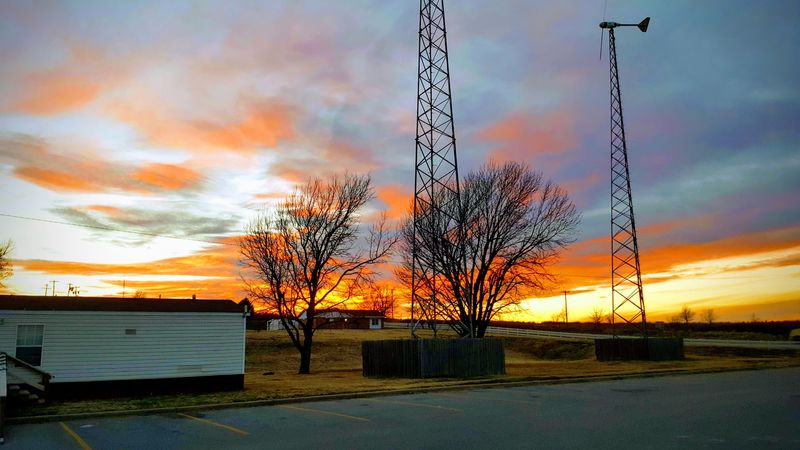
Nobody puts Oklahoma sunsets on travel posters, and that is a genuine oversight. Standing on the edge of Carnegie as the sun drops toward the horizon, the sky does things that feel almost excessive in the best possible way.
Layers of orange, pink, purple, and deep red stack up over the plains in a display so dramatic you half expect applause.
The flat terrain is actually an asset here. With no hills or tall buildings to interrupt the view, you get the full sweep of sky from one edge of the horizon to the other.
The colors reflect off the red dirt roads and the dry grass, and for about twenty minutes, the entire landscape glows like something out of a painting.
Evening is the best time to be outside in Carnegie. The heat of the day has backed off, the light is extraordinary, and the town settles into a comfortable evening rhythm that feels completely natural.
People are out walking, kids are playing, and the whole scene has a warmth to it that matches the colors in the sky.
Find a good spot on the edge of town, sit on the hood of your car if you have to, and just watch. No filter does it justice, so do not even try.
This is the kind of sunset you describe to people for years after, and they never quite believe how good it actually was.
Community Events Keep This Town’s Heart Beating
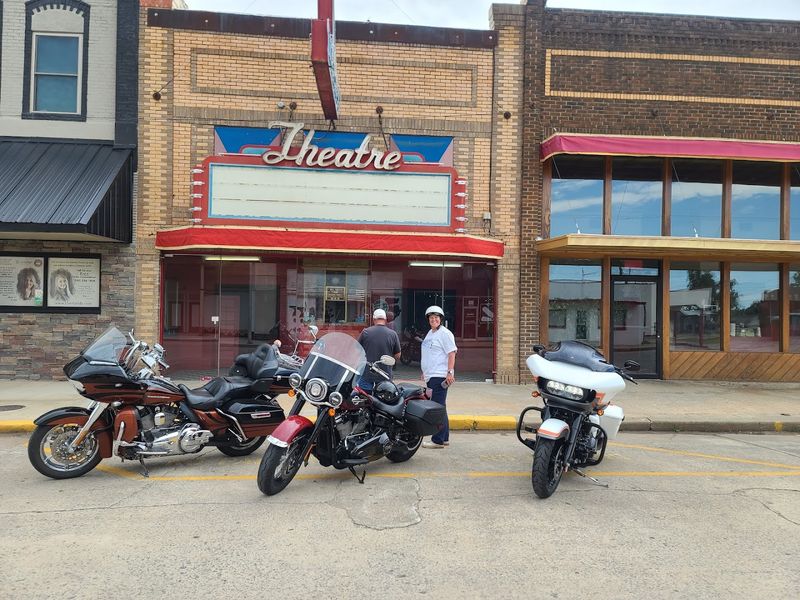
A town reveals its true character in the way it celebrates, and Carnegie knows how to celebrate. Community events here are not polished productions designed for outside visitors.
They are genuine gatherings of people who actually know each other, which makes them far more interesting to be part of as a guest.
Throughout the year, the town hosts events tied to local heritage, agriculture, and cultural traditions. The Kiowa-related ceremonies and gatherings carry deep cultural significance and draw people from well beyond Caddo County.
Local rodeos, fair days, and community cookouts fill the calendar with the kind of events that remind you what a town is actually for.
Showing up to one of these events as a visitor means you will probably end up in conversations you did not plan for, eating food you did not expect to try, and leaving with a much more complete picture of what life in Carnegie looks like day to day. That is the real travel experience, the unscripted kind.
Keep an eye on the town’s official channels before you visit to see what might be happening during your trip. Timing your visit around a local event turns a pleasant day trip into something genuinely memorable.
Carnegie is a town where the community IS the attraction, and its events are the clearest proof of that. Do not just pass through.
Stay long enough to feel it.
Why Carnegie Deserves a Spot on Your Oklahoma Road Trip
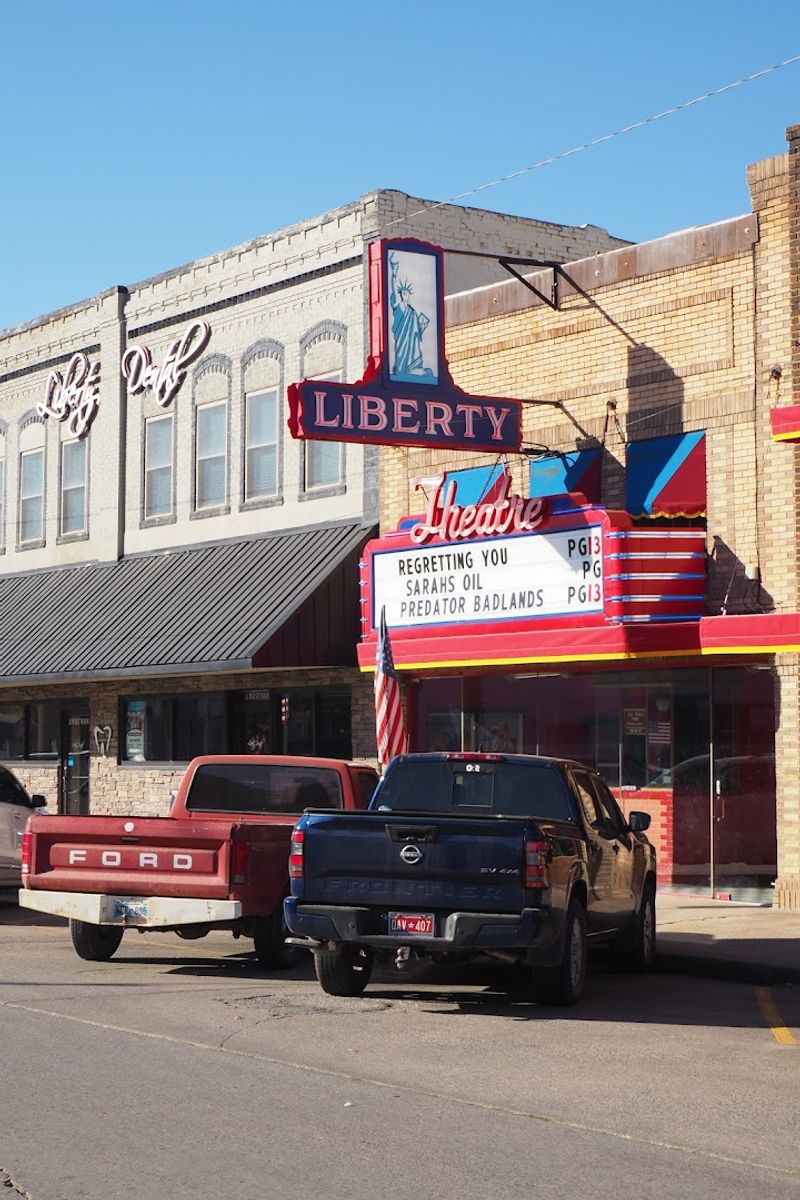
Oklahoma road trips tend to follow the same well-worn routes, and Carnegie almost always gets skipped. That is exactly why it should be on your list.
The towns that nobody rushes to are usually the ones that reward you most generously when you finally show up.
Located in Caddo County in southwestern Oklahoma, Carnegie sits at the crossroads of Native American heritage, frontier history, and small-town American life in a way that feels completely unforced. There is no tourism machine running here, no curated experience designed to impress you.
What you get is the real thing, and the real thing turns out to be pretty wonderful.
The drive out is part of the experience. Southwestern Oklahoma has a landscape that requires patience and rewards it handsomely.
By the time you roll into Carnegie, you have already been treated to miles of that extraordinary plains scenery, and the town itself feels like a natural destination rather than an arbitrary stop.
Carnegie sits at the coordinates of 35.1036699, -98.6036735 in Caddo County, Oklahoma, United States, with the zip code 73015. For planning purposes, the town’s official website is carnegieok.gov.
Come with an open schedule, low expectations, and a genuine curiosity about a place that has been quietly doing its own thing for well over a century. You will leave wanting to come back.
Dear Reader: This page may contain affiliate links which may earn a commission if you click through and make a purchase. Our independent journalism is not influenced by any advertiser or commercial initiative unless it is clearly marked as sponsored content. As travel products change, please be sure to reconfirm all details and stay up to date with current events to ensure a safe and successful trip.
