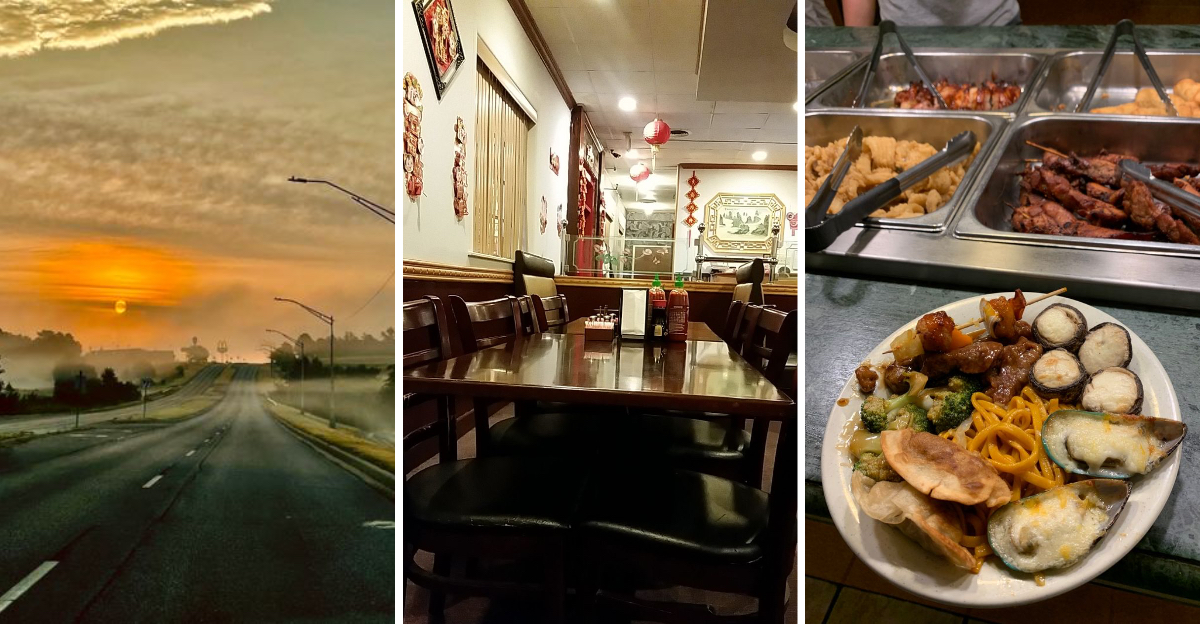
Woodward sits in northwest Oklahoma, where wide-open plains meet a community that values tradition and unpretentious hospitality.
Travelers passing through often discover that small-town charm extends beyond friendly faces and quiet streets.
Local dining spots reflect the region’s welcoming spirit, offering gathering places where residents and visitors alike can enjoy a meal without fuss or fanfare.
China King buffet stands as one of those quietly beloved establishments that locals frequent but rarely shout about from the rooftops.
Tucked along Williams Avenue, this modest restaurant has built a steady reputation over the years through consistent service and a straightforward approach to Chinese-American cuisine.
Families return regularly, road-trippers stop in for a quick bite, and word-of-mouth keeps the tables filled without much need for advertising.
What makes this spot particularly appealing is its no-frills authenticity.
Oklahoma’s smaller communities often surprise visitors with unexpected culinary finds, and Woodward is no exception.
The buffet format invites exploration, allowing guests to sample a range of dishes at their own pace.
Whether you’re seeking comfort food after a long drive or simply curious about what a small prairie town has to offer, this unassuming restaurant delivers a dining experience that feels both familiar and refreshingly genuine.
A Location That Welcomes Road Warriors and Locals Alike

Williams Avenue cuts through Woodward with the kind of straightforward layout that makes navigation easy for first-time visitors.
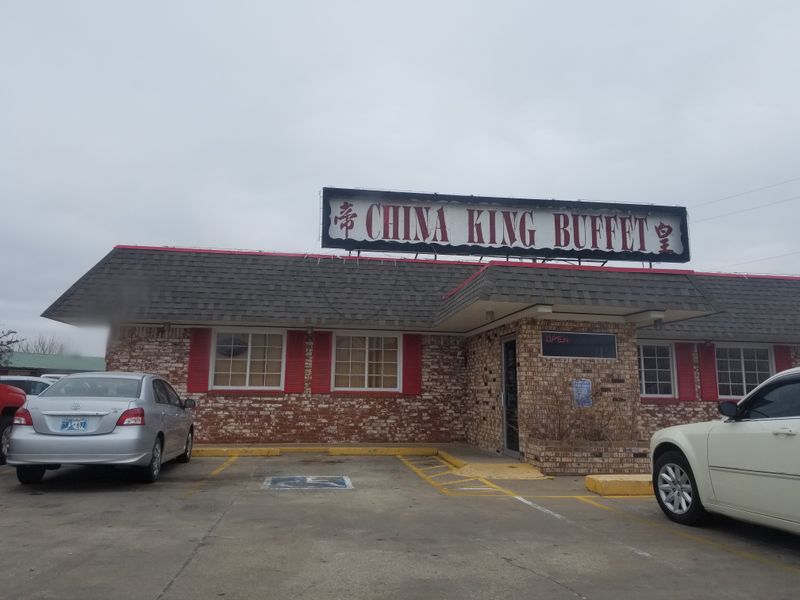
China King buffet occupies a spot along this main corridor, offering convenient access whether you’re a local running errands or a traveler following Highway 270 through northwest Oklahoma.
The building itself blends into the commercial landscape without demanding attention, yet its presence has become a familiar landmark for those who know where to look.
Parking presents no challenge, with ample space available directly in front of the restaurant.
This practical consideration matters especially during peak hours when families and work crews arrive hungry and ready to eat.
The exterior maintains a clean, well-kept appearance that signals the care extended to the interior spaces as well.
Proximity to major routes makes this buffet a logical stopping point for cross-country travelers who need more than fast food but don’t want to stray far from their path.
Truck drivers, salespeople, and vacationing families have all discovered that a brief detour into Woodward yields a satisfying meal without wasting precious time.
The restaurant’s visibility from the main road helps newcomers spot it easily, while regulars appreciate the consistent accessibility regardless of weather or season.
Woodward’s compact downtown lies just minutes away, allowing visitors to combine a meal with a quick exploration of local shops and historic sites.
The central location reinforces the buffet’s role as a community hub where different groups converge around shared tables and common appetites.
Address: 2704 Williams Ave, Woodward, Oklahoma.
An Interior That Prioritizes Function Over Flash
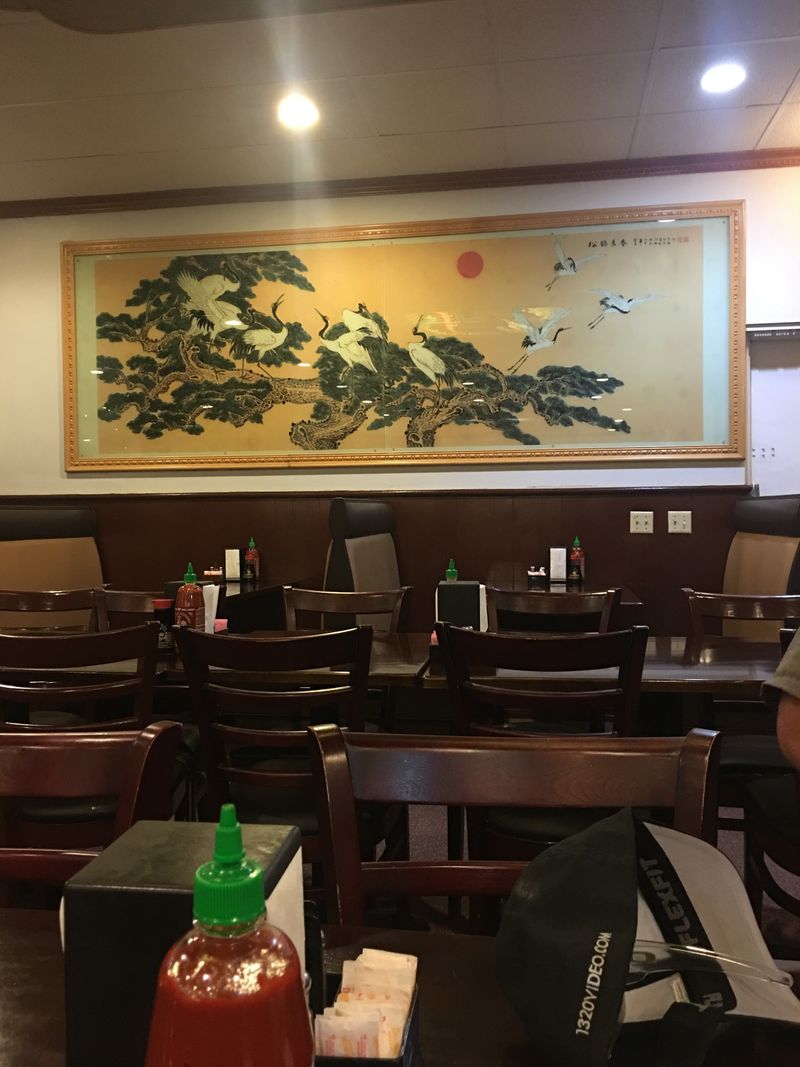
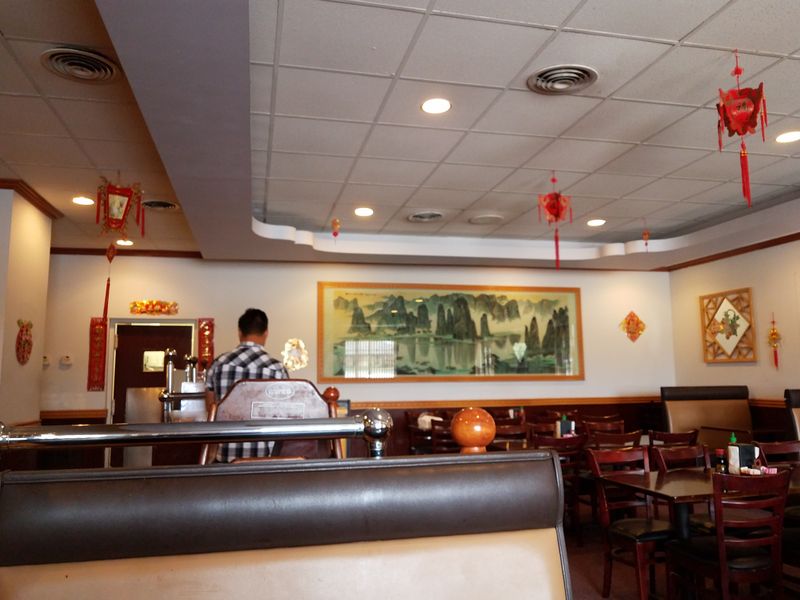
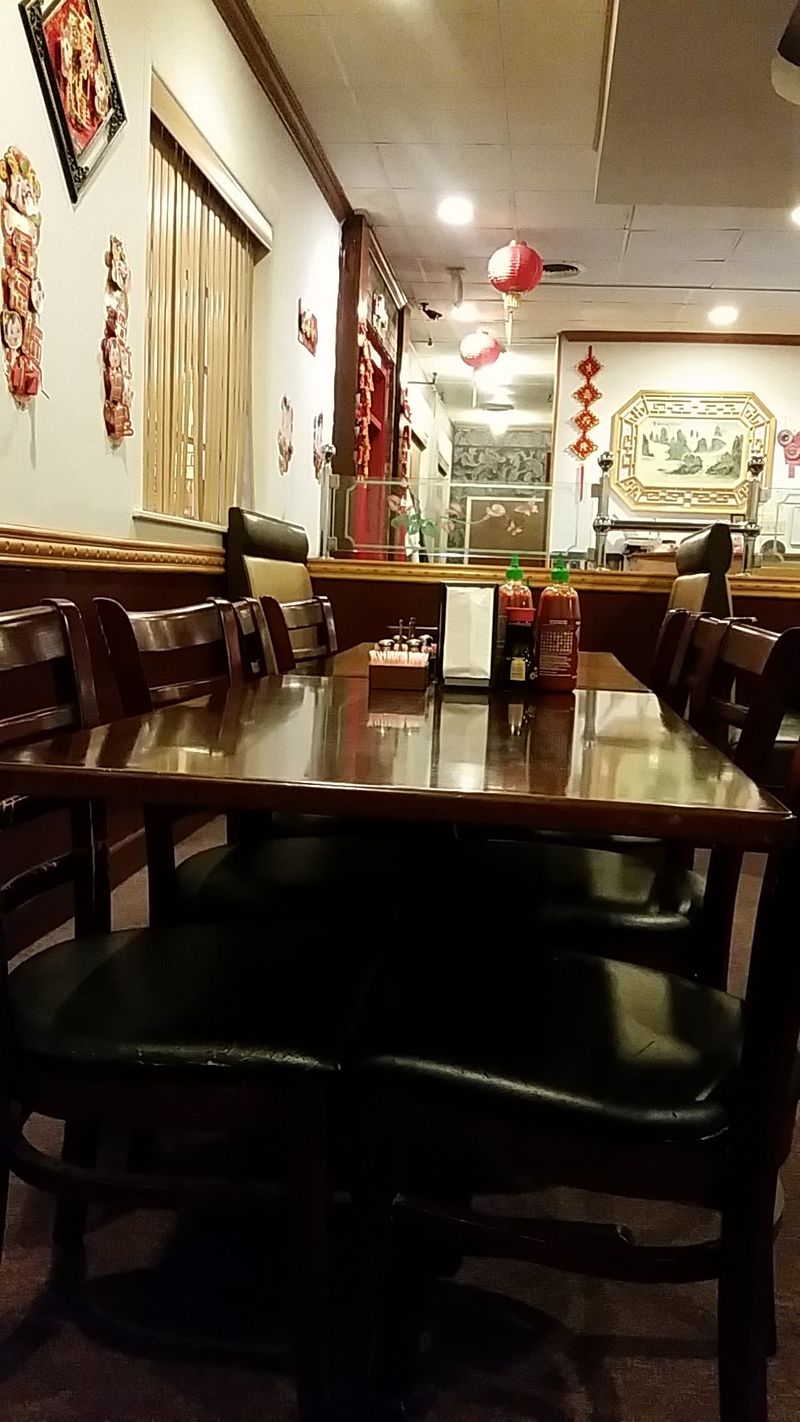
Stepping through the entrance reveals a dining room designed with practicality in mind.
Tables are arranged to maximize seating while maintaining comfortable spacing between groups.
The layout guides diners naturally from the entry toward the buffet line, creating an efficient flow that prevents congestion even when the restaurant fills during lunch or dinner rushes.
Lighting throughout the space strikes a balance between brightness and warmth, ensuring visibility without the harsh glare sometimes found in budget-conscious establishments.
Clean floors and well-maintained furniture demonstrate ongoing attention to upkeep, a detail that regular patrons have noted consistently in their observations.
The decor remains minimal, avoiding the kitschy stereotypes that plague some Chinese-American restaurants while still acknowledging cultural elements through subtle touches.
Booth seating lines the perimeter, offering families and larger groups semi-private spaces where conversations can unfold without excessive noise interference.
Central tables accommodate smaller parties or individuals dining solo, creating a flexible arrangement that adapts to varying crowd sizes throughout the day.
The overall atmosphere leans toward casual comfort rather than formal dining, inviting guests to relax and take their time exploring the buffet offerings.
Temperature control maintains a pleasant environment year-round, important in Oklahoma where summer heat and winter cold can both reach extremes.
Windows allow natural light to supplement the interior fixtures, connecting diners visually to the surrounding community while they eat.
This straightforward approach to interior design reflects the restaurant’s broader philosophy: deliver quality food and service without unnecessary embellishment.
Service That Balances Efficiency with Personal Touch
Guests frequently mention the staff’s attentive approach to table maintenance and beverage refills.
Servers navigate the dining room with practiced ease, clearing used plates promptly and ensuring that water glasses never sit empty for long.
This level of service stands out particularly in buffet settings, where some establishments adopt a more hands-off approach once customers have paid and served themselves.
The owner’s presence adds a distinctive element to the dining experience.
Regular visitors recognize her as she moves between the front counter and dining area, checking on guests and addressing concerns directly.
This personal investment in customer satisfaction creates accountability that larger chain operations often lack.
When issues arise, they’re handled on the spot rather than filtered through layers of management.
Communication flows smoothly despite the occasional language barrier that might occur in family-run immigrant businesses.
Staff members demonstrate patience when answering questions about dishes or explaining the pricing structure for takeout containers.
Their willingness to accommodate special requests, within reason, reflects a genuine desire to ensure guests leave satisfied.
Speed of service matters especially during lunch hours when workers have limited break time.
The restaurant’s team understands this urgency, processing payments quickly and keeping buffet stations stocked so diners can serve themselves without waiting.
Evening service adopts a slightly more relaxed pace, allowing families to linger over their meals without feeling rushed toward the exit.
This adaptability to different dining rhythms throughout the day showcases operational awareness that benefits everyone who walks through the door.
Buffet Stations That Offer Variety Within Reason
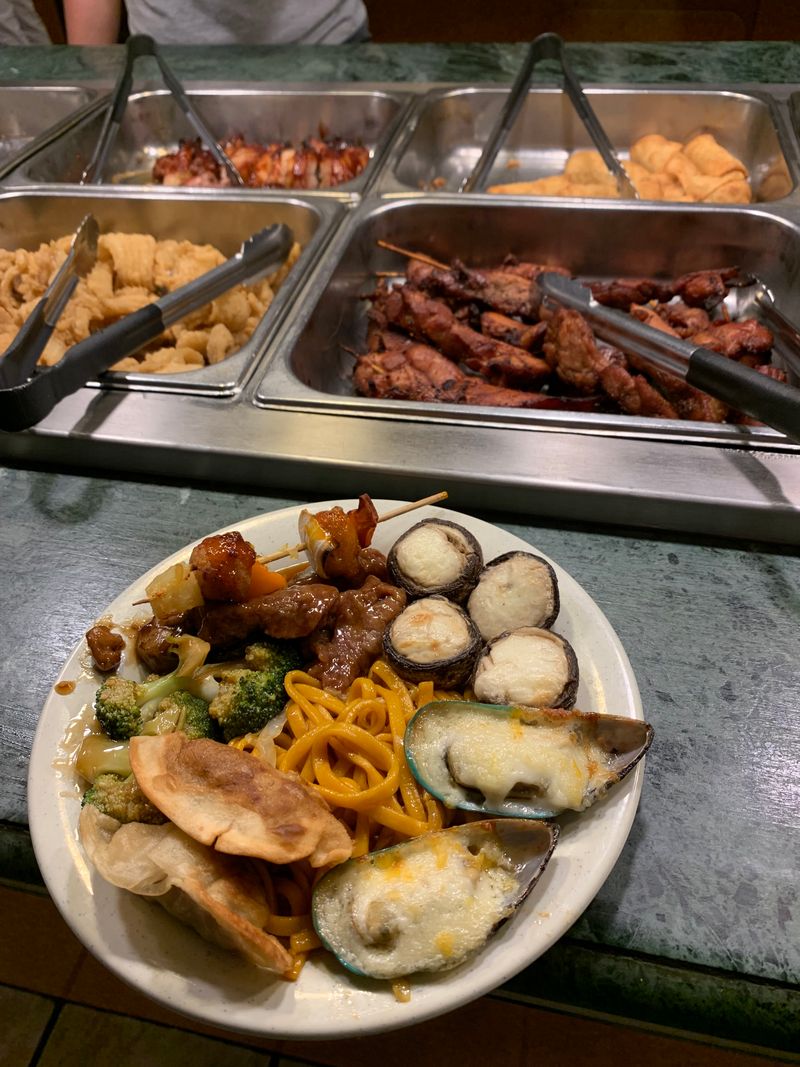
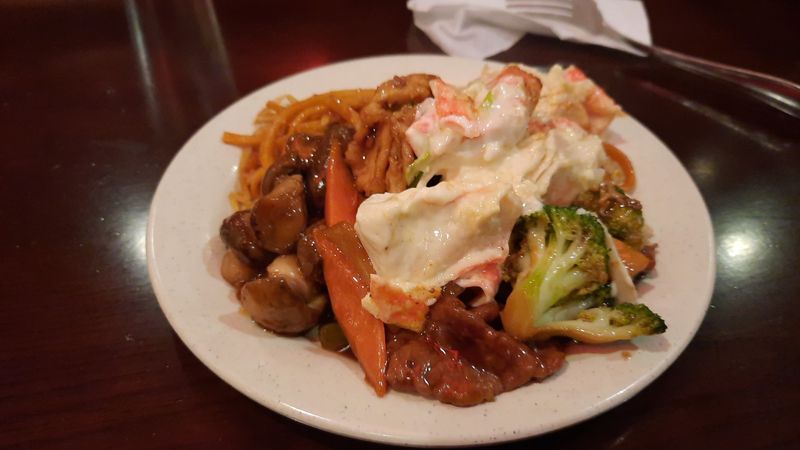
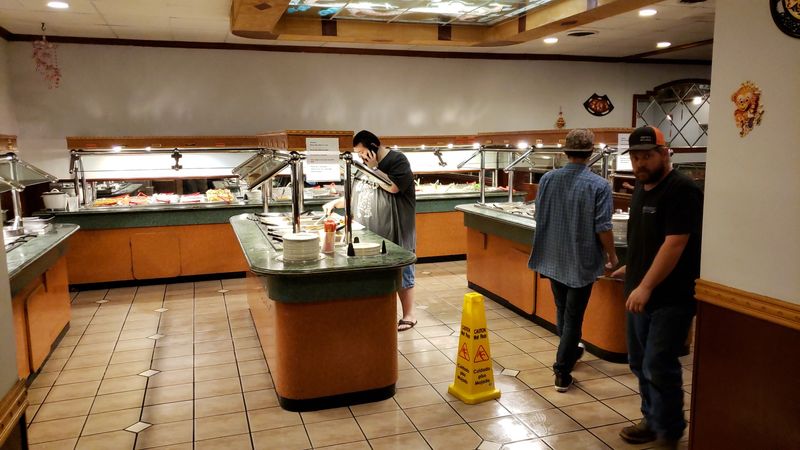
The buffet line stretches along one side of the dining room, presenting a selection that balances familiar favorites with items that might challenge more adventurous palates.
Stainless steel warming trays maintain consistent temperatures, ensuring that each dish remains at its intended serving heat.
Sneeze guards and proper serving utensils reflect attention to food safety standards that diners rightfully expect.
Station organization follows a logical progression, starting with appetizers and soups before moving through main entrees and side dishes.
This arrangement allows guests to build their plates strategically rather than backtracking repeatedly for items they missed on the first pass.
Clear labels identify each dish, helping newcomers navigate unfamiliar options without needing to ask staff for constant clarification.
The salad bar section includes fresh vegetables and fruit, providing lighter options for those seeking balance alongside heartier fried selections.
Soup offerings typically include egg drop as a standard, with occasional variations depending on the day.
These elements appeal to diners who want something beyond the typical deep-fried fare that dominates many Chinese-American buffets.
Dessert stations occupy the end of the buffet line, featuring both traditional American sweets and Asian-inspired treats.
Soft-serve machines dispense vanilla, chocolate, and twist variations, popular especially among younger diners who view the ice cream as the meal’s grand finale.
The buffet’s size remains modest compared to massive urban operations, but this restraint actually works in the restaurant’s favor by allowing staff to maintain freshness across all offerings rather than spreading resources too thin across an unwieldy number of dishes.
Pricing Structure That Accommodates Different Budgets
Affordability remains one of the buffet’s strongest selling points in a region where many families watch their dining budgets carefully.
The restaurant employs age-based pricing that reduces costs for children and seniors, acknowledging that these groups often eat smaller portions.
This tiered approach to billing creates opportunities for multigenerational outings without breaking the bank.
Lunch pricing comes in lower than dinner rates, reflecting both the slightly reduced menu selection during midday hours and the restaurant’s understanding of working-class schedules.
Office workers and construction crews take advantage of these lower prices, making the buffet a regular weekday destination.
The cost difference between lunch and dinner remains modest enough that evening diners don’t feel penalized for their timing.
Takeout options operate on a weight-based system, with containers charged by the pound rather than flat rates.
This method ensures fairness, as light eaters pay less while those loading up heavier portions contribute proportionally more.
First-time takeout customers sometimes need clarification on this system, but staff members explain the process patiently to avoid confusion at checkout.
Overall value proposition competes favorably against fast food chains when feeding families or groups.
Four people can eat a substantial meal for less than the cost of combo meals at burger franchises, with considerably more variety and the ability to sample multiple dishes.
This economic reality keeps local families returning regularly, knowing they can stretch their dollars further here than at many alternatives.
Oklahoma’s cost of living remains lower than coastal regions, and the buffet’s pricing reflects this regional economic context appropriately.
Operating Hours That Serve Multiple Daily Rhythms
The restaurant observes a weekly schedule that closes on Tuesdays, giving staff a consistent day for rest and maintenance.
This single closure day allows the business to remain open six days weekly, maximizing availability for customers while acknowledging that even dedicated restaurateurs need time away from the stoves.
Regular patrons know to plan around this Tuesday gap, often joking about their Monday evening visits to hold them over.
Weekday hours stretch from late morning through evening, capturing both lunch and dinner crowds without the exhausting demands of dawn-to-midnight operations.
The eleven o’clock opening time accommodates brunch seekers while giving kitchen staff adequate preparation time each morning.
Closing at nine on most nights respects that Woodward’s pace differs from metropolitan areas where late-night dining thrives.
Weekend schedules extend slightly later on Fridays and Saturdays, acknowledging that families and social groups tend to dine out later when work and school schedules don’t dictate early bedtimes.
Sunday hours mirror weekday timing, serving the after-church crowd that represents a significant dining demographic in Oklahoma’s Bible Belt communities.
This predictable schedule helps customers plan their visits without needing to check hours constantly.
Seasonal adjustments remain minimal, as the restaurant maintains consistency rather than altering operations for holidays or special events.
This reliability matters in small-town environments where residents value knowing what to expect.
The steady rhythm of opening and closing times becomes part of the community’s weekly pattern, a dependable constant in an ever-changing world.
Travelers passing through can generally count on finding the buffet open during typical meal hours any day except Tuesday.
A Gathering Spot for Multiple Generations
Grandparents bring grandchildren for special treats, creating memories around shared tables and conversations about which dishes to try next.
The buffet format empowers even picky young eaters to select items that appeal to them, reducing mealtime conflicts that sometimes plague family outings.
Parents appreciate this democratic approach to dining, where everyone can satisfy their preferences without forcing consensus on a single entree.
Birthday celebrations and small group gatherings occur regularly within the dining room, with staff accommodating these occasions without requiring advance reservations or special arrangements.
The casual atmosphere removes pressure associated with formal dining while still providing a sense of occasion that elevates the meal beyond home cooking.
Balloons and wrapped gifts appear at tables, marking milestones in the lives of Woodward residents.
Solo diners also find comfortable space here, whether they’re locals grabbing a quick bite or travelers seeking company in the ambient buzz of other guests.
The buffet model eliminates awkwardness about ordering for one, as everyone serves themselves regardless of party size.
Reading a book or checking a phone between bites carries no stigma in this unpretentious environment.
Workplace groups occasionally choose the buffet for team lunches or informal meetings, appreciating the no-fuss approach that lets them focus on conversation rather than coordinating individual orders.
The varied menu accommodates different dietary preferences within a single location, simplifying logistics for organizers.
These professional gatherings blend seamlessly with family groups and individual diners, creating a diverse cross-section of the community united by hunger and the desire for a satisfying meal.
Cleanliness Standards That Earn Consistent Mention
Observers frequently note the restaurant’s commitment to maintaining clean surfaces throughout the dining area.
Tables receive prompt attention after guests depart, with staff wiping down surfaces and resetting place settings efficiently.
This visible dedication to hygiene reassures diners who might harbor concerns about buffet-style service, where food sits exposed for extended periods.
Restroom conditions often serve as unofficial indicators of a restaurant’s overall cleanliness standards, and China King buffet apparently passes this test according to visitor comments.
Well-stocked supplies and regular maintenance checks prevent the neglect that sometimes plagues high-traffic public facilities.
These behind-the-scenes details matter more than many restaurant operators realize, as they influence customer perceptions and return rates.
Buffet stations themselves show evidence of constant monitoring, with staff removing empty trays for refilling and wiping up spills before they become safety hazards.
This proactive approach prevents the cluttered, picked-over appearance that makes some buffets unappealing during busy periods.
Fresh food rotates in regularly rather than sitting under heat lamps for hours, maintaining both quality and visual appeal.
Floor maintenance continues throughout service hours rather than waiting until closing time, as evidenced by the absence of debris accumulation even during peak traffic.
This ongoing attention to detail creates an environment where diners can focus on their meals rather than worrying about sanitation.
The restaurant’s track record with health inspections presumably reflects these visible efforts, though specific scores weren’t provided in available information.
Cleanliness represents a fundamental expectation rather than a luxury, and meeting this standard consistently helps explain the buffet’s sustained popularity.
A Place That Reflects Small-Town Oklahoma Character
Woodward embodies the resilient spirit found throughout Oklahoma’s rural communities, where residents take pride in supporting local businesses and maintaining neighborly connections.
China King buffet fits naturally into this cultural landscape, operating with the kind of straightforward honesty that locals value.
There’s no pretense here, no attempt to be something other than a family-run restaurant serving affordable meals to whoever walks through the door.
The establishment’s longevity speaks to its ability to adapt while maintaining core values.
Surviving in small-town America requires more than just good food; it demands consistency, fair pricing, and genuine respect for customers.
These intangible qualities build loyalty that transcends occasional service hiccups or menu limitations.
Residents forgive minor imperfections because they recognize the human effort behind every plate.
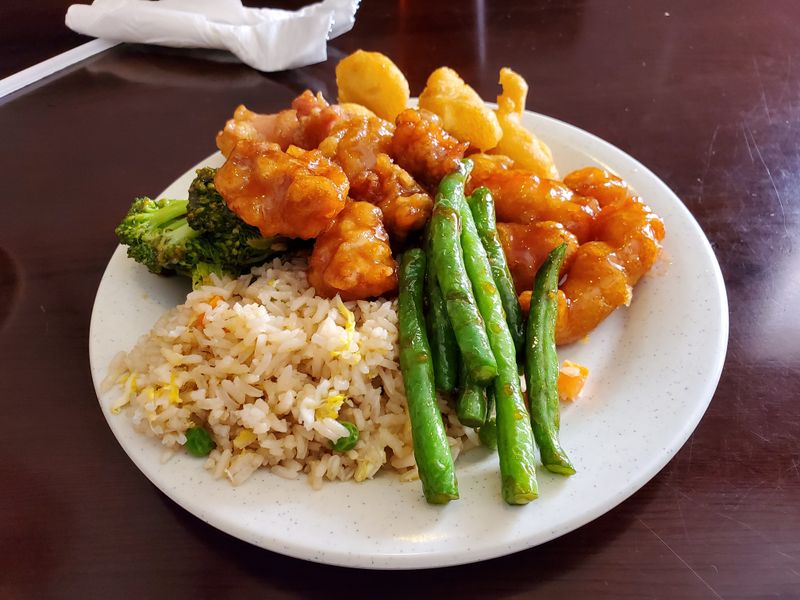
Regional dining preferences influence the buffet’s offerings, with certain Americanized dishes appearing alongside more traditional Chinese preparations.
This cultural blending reflects Oklahoma’s pragmatic approach to cuisine, where authenticity matters less than satisfaction and value.
The restaurant serves its community rather than chasing culinary trends or critic approval, a philosophy that resonates in areas where common sense trumps sophistication.
Travelers who stop here gain insight into how small-town Oklahoma operates beyond the stereotypes.
The buffet represents neither quaint nostalgia nor backward isolation, but rather a functioning business meeting real needs in a specific place.
Understanding this context helps visitors appreciate what they’re experiencing: not just a meal, but a glimpse into daily life in northwest Oklahoma, where people work hard, eat heartily, and don’t waste time on unnecessary complications.
Dear Reader: This page may contain affiliate links which may earn a commission if you click through and make a purchase. Our independent journalism is not influenced by any advertiser or commercial initiative unless it is clearly marked as sponsored content. As travel products change, please be sure to reconfirm all details and stay up to date with current events to ensure a safe and successful trip.
