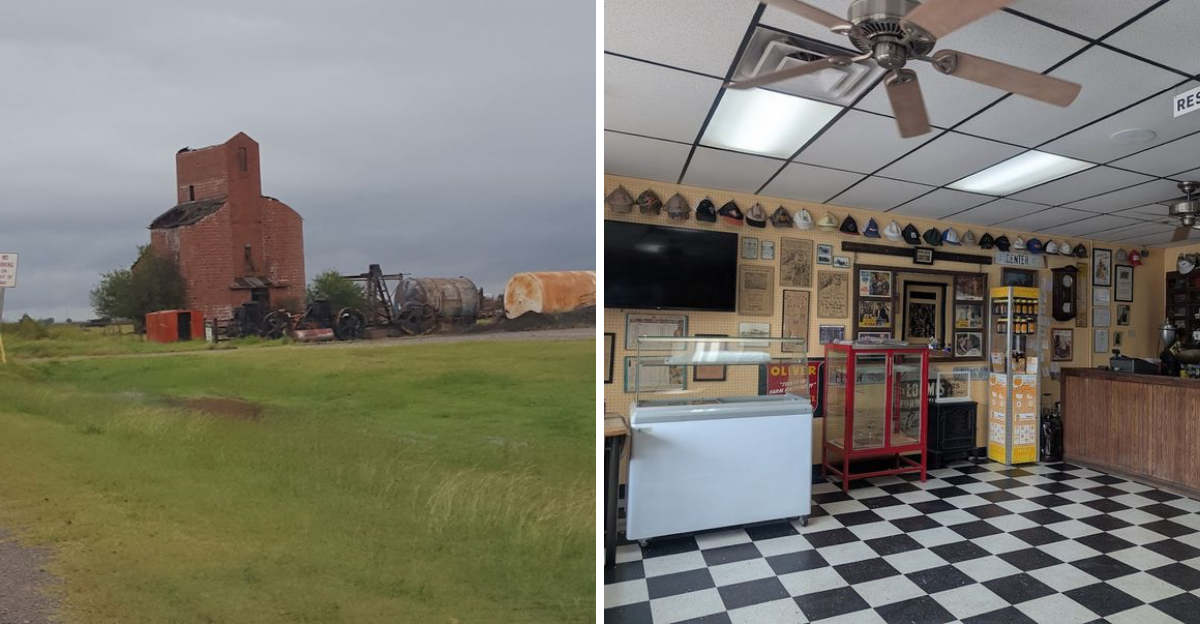
There’s something magnetic about a place that refuses to apologize for being small. Alva sits in the northwest corner of Oklahoma, population just over 5,000, and it carries itself with the kind of quiet confidence that bigger cities spend millions trying to fake.
This is a town where the Salt Fork Arkansas River rolls past red dirt bluffs, where a state university breathes life into old brick buildings, and where people still wave at strangers because that’s just what you do.
I rolled into Alva expecting a quick pit stop and left three days later with a notebook full of stories, a camera roll bursting with prairie sunsets, and the kind of soul-deep contentment that only comes from slowing way, way down.
If you’ve ever wondered whether small towns still have magic left in them, Alva is your answer.
Downtown Historic District Strolls That Feel Like Time Travel
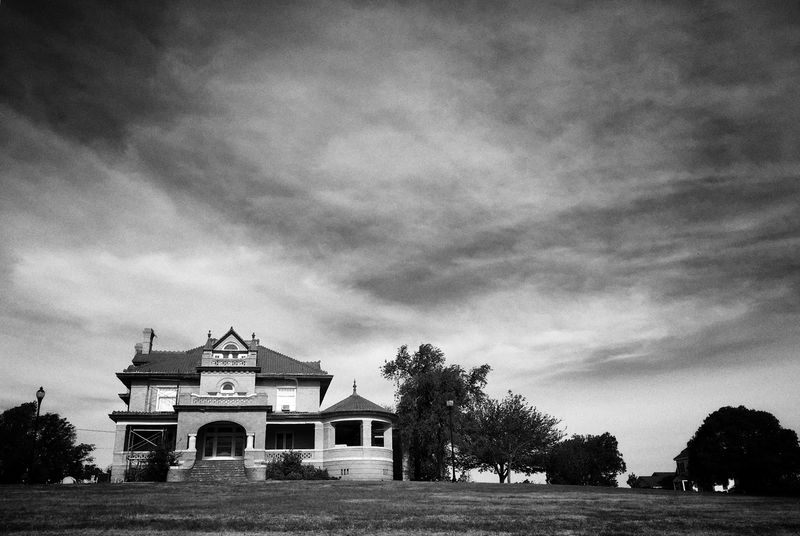
Walking through downtown Alva feels like stepping onto a movie set, except everything here is real and still functioning. The brick buildings date back over a century, their facades worn smooth by wind and sun, and somehow that makes them more beautiful.
You’ll find local shops tucked into spaces that have been serving this community since before your grandparents were born.
What gets me is how alive it all still feels. There’s no ghost town vibe here, no boarded-up windows or sad nostalgia.
People actually shop here, eat here, meet here. The storefronts might be old, but the energy is present-tense.
I spent an entire morning just wandering these blocks, peeking into windows, reading historical markers, and chatting with shop owners who seemed genuinely happy to see a new face. One woman told me stories about the 1893 land run that made this place possible.
Another pointed out architectural details I would have completely missed.
The best part is how walkable everything is. You can cover the whole downtown core in twenty minutes if you’re rushing, but why would you rush?
This is the kind of place that rewards slow observation and curiosity.
Northwestern Oklahoma State University Campus Grounds
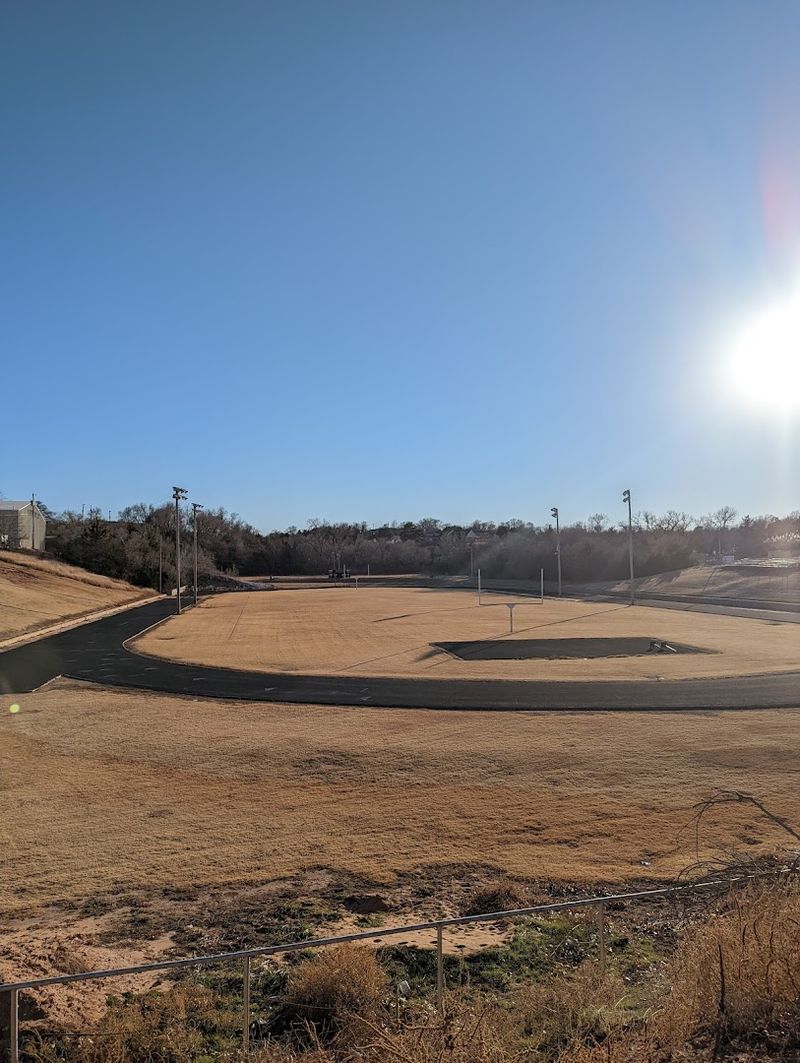
Right in the heart of Alva sits Northwestern Oklahoma State University, and honestly, it transforms the whole character of the town. You get this wonderful collision of small-town pace and college-town energy.
Students bike past century-old homes, professors grab lunch at local diners, and the campus itself is gorgeous in that understated Great Plains way.
The university brings art exhibits, theater productions, athletic events, and a steady stream of young people who keep things from getting too sleepy. I caught a student art show in one of the campus buildings and was genuinely impressed.
The work was thoughtful and skilled, the kind of thing you’d expect in a much bigger city.
Walking through campus, you notice how the architecture blends old and new. Some buildings have that classic collegiate brick-and-ivy look, while others are more modern and functional.
All of it sits under those massive Oklahoma skies that make everything feel more dramatic than it probably should.
Even if you’re not affiliated with the university, the campus is worth exploring. The grounds are public, the atmosphere is welcoming, and there’s something nice about being around a place dedicated to learning and growth.
Salt Fork Arkansas River Views That Remind You Nature Still Wins
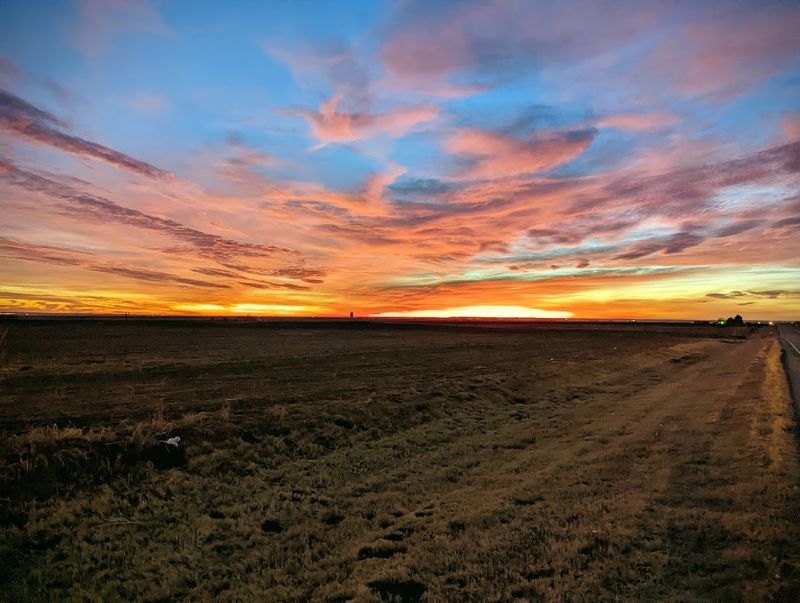
The Salt Fork Arkansas River cuts through this landscape like a lifeline, and standing on its banks, you remember that all these human settlements are just temporary guests in a much older story. The water moves slow and steady, the color somewhere between coffee and rust depending on recent rains.
Cottonwood trees line the banks, their leaves catching light and making that distinctive rustling sound that becomes the soundtrack to prairie life.
I found several spots along the river where you can just sit and watch the water do its thing. No admission fees, no crowds, no Instagram hordes fighting for the perfect angle.
Just you, the river, and whatever thoughts you brought along.
The bird life here is incredible if you pay attention. Herons stalk the shallows looking regal and prehistoric.
Smaller birds dart through the brush. Hawks circle overhead riding thermals you can’t see but definitely feel when the wind picks up.
What strikes me most is how the river gives this whole area its character. Without it, Alva would be just another dot on the prairie.
With it, there’s movement, life, a sense of things flowing toward something bigger.
Cherokee Strip Museum Stories That Make History Feel Personal
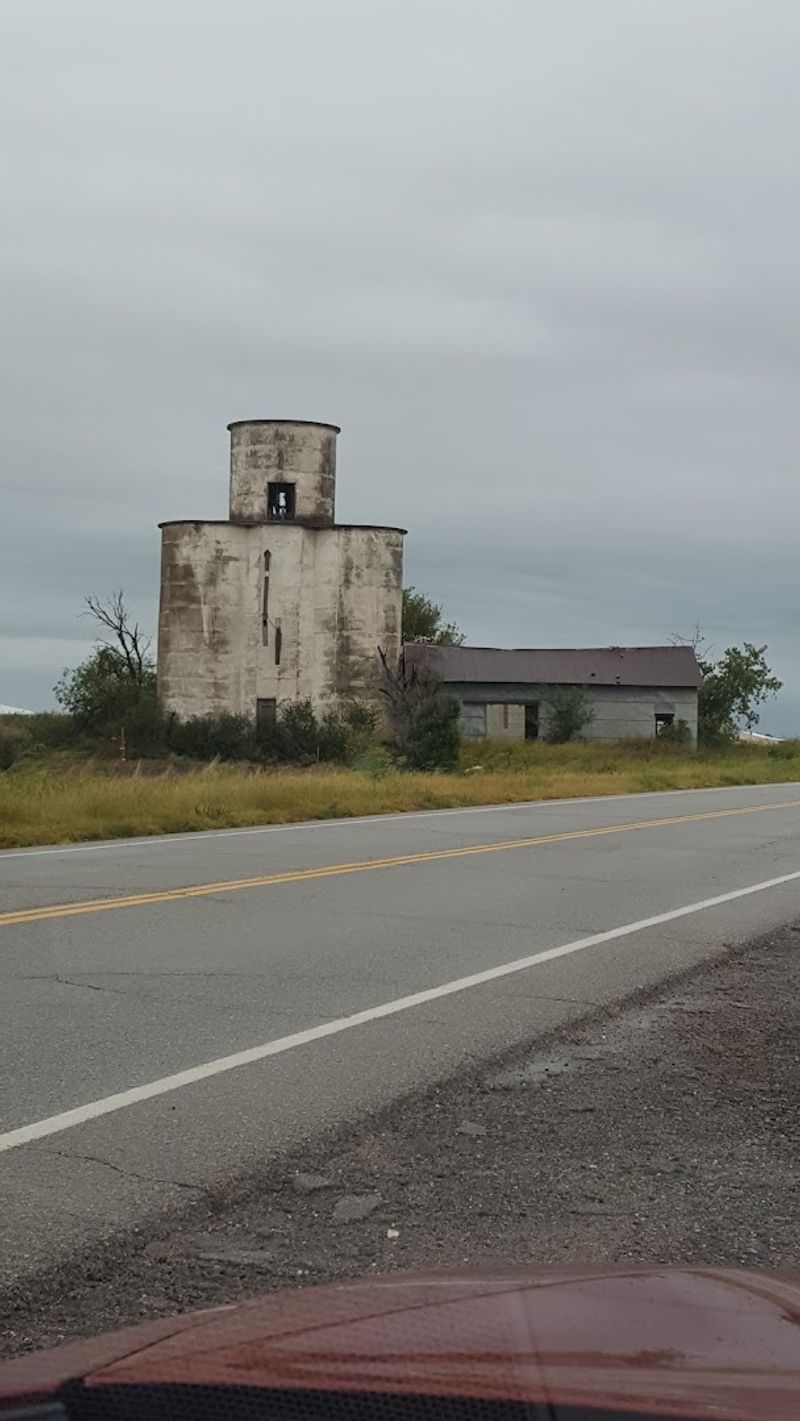
Museums in small towns can go one of two ways: dusty and forgotten, or lovingly curated by people who actually care. The Cherokee Strip Museum lands firmly in the second category.
It tells the story of the 1893 land run that created this region, and it does so with enough detail and humanity that you leave understanding what it actually meant to race across open prairie staking your claim to a new life.
The exhibits include photographs of early settlers, their faces showing that particular mix of hope and exhaustion that comes with building something from nothing. There are household items, farming tools, clothing, documents.
Each piece tells a small story that adds up to the bigger narrative of how this place came to be.
What I appreciate is how the museum doesn’t romanticize the past. The land run was chaotic and often unfair.
Native peoples were displaced. Not everyone who raced got what they hoped for.
The museum acknowledges these complexities while still honoring the determination of those early residents.
Spending time here gives you context for everything else you see in Alva. Those old buildings downtown?
You understand now who built them and why. That sense of community pride?
It has deep roots that go back to people who literally fought for this ground.
Local Diners Serving Food That Tastes Like Somebody’s Grandma Made It
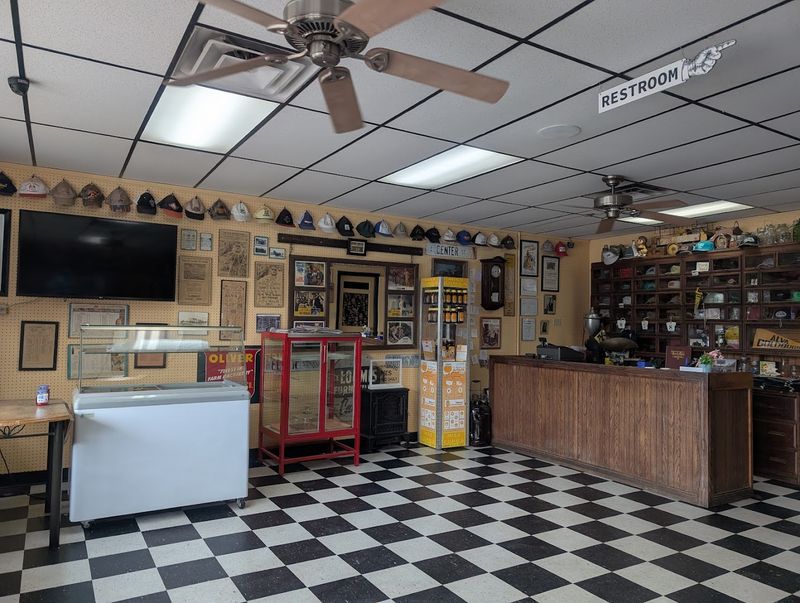
One of the best ways to understand a small town is to eat where the locals eat, and in Alva, that means settling into a booth at one of the local diners where the coffee is strong and the portions are not messing around. These are not trendy farm-to-table spots with exposed brick and craft cocktails.
These are real working diners where farmers, professors, students, and retirees all end up elbow-to-elbow over plates of honest food.
The menus lean heavily on comfort: chicken fried steak, meatloaf, mashed potatoes, green beans cooked until they surrender completely. Pies that rotate based on what’s in season and who’s doing the baking that week.
Everything comes out hot and generous, and nobody’s trying to reinvent anything.
What makes these meals memorable isn’t culinary innovation. It’s the atmosphere, the sense that you’ve stumbled into a daily ritual that’s been happening for decades.
Conversations flow between tables. The waitstaff knows most customers by name and usual order.
You overhear local gossip, weather predictions, sports debates.
I ate breakfast at one of these places three mornings running, and by day three, the waitress just brought me what I’d ordered previously without asking. That’s small-town hospitality at its finest.
Prairie Sunsets That Make You Understand Why People Paint
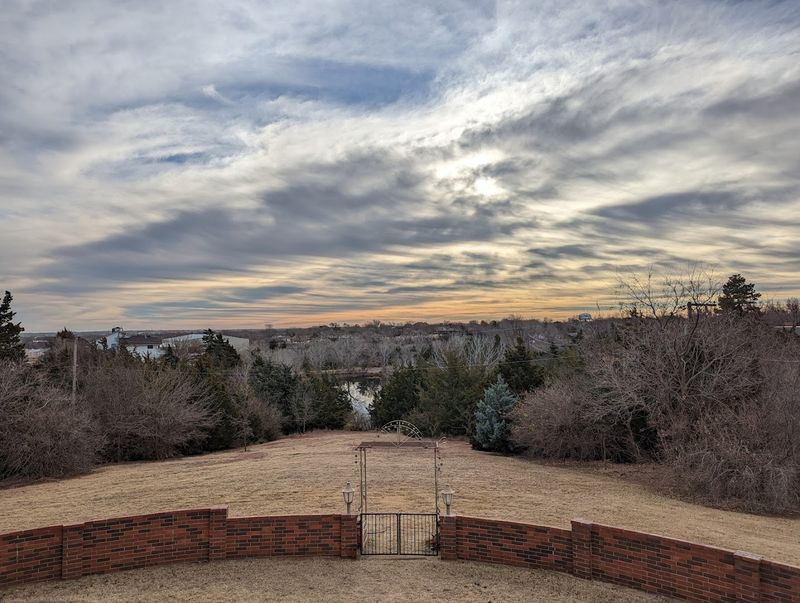
Oklahoma sunsets are legitimately unfair to every other state. With nothing to block the view from horizon to horizon, the sky becomes this enormous canvas that shifts and transforms for a solid hour every evening.
In Alva, you can find spots on the edge of town where you’re surrounded by prairie grass and open land, and when that sun starts dropping, the whole world turns gold, then orange, then pink, then purple, then that deep blue that makes you hold your breath.
I’m not usually the type to get emotional about weather, but these sunsets got me. Maybe it’s the scale of them, the way they remind you how small you are in the best possible way.
Maybe it’s the silence that comes with them, broken only by wind through grass and the occasional bird call.
The light does something magical to the landscape during golden hour. Every blade of grass seems to glow.
The red dirt takes on warmth. Buildings in the distance become silhouettes.
Everything simplifies into shapes and colors that feel almost too perfect to be real.
Bring a camera if you want, but honestly, some moments are better just experienced. Find a spot, sit down, and watch the show.
It’s free, it happens every clear evening, and it never gets old.
Friendly Locals Who Actually Mean It When They Say Hello
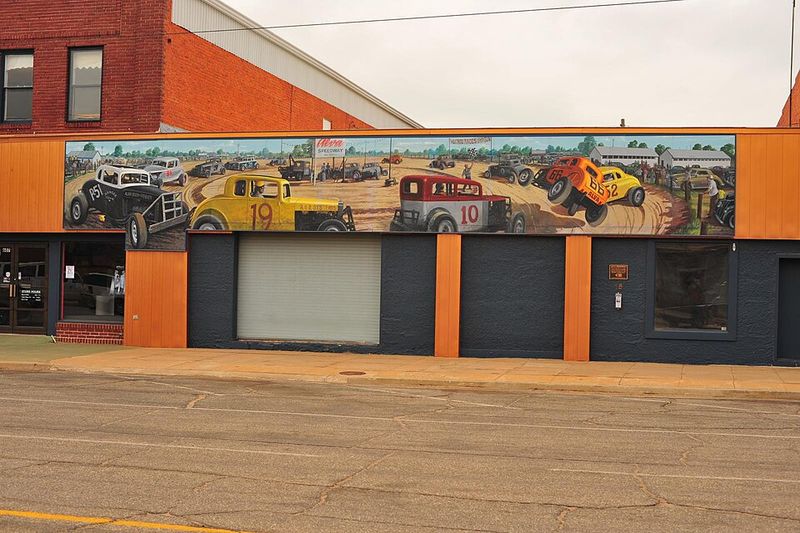
Here’s the thing about small-town friendliness that catches city people off guard: it’s not performative. When someone in Alva says good morning or asks how you’re doing, they’re actually interested in the answer.
They’re not trying to sell you anything or fulfill some customer service requirement. They’re just being neighborly because that’s how things work here.
I got lost trying to find a specific historical marker, and within five minutes of looking confused, three different people had stopped to offer directions. One guy actually drove ahead of me to make sure I found the right turn.
Another time, I was taking photos downtown, and a woman came out of her shop to tell me stories about the buildings I was photographing.
This kind of openness can feel almost suspicious if you’re used to big-city anonymity. But spend a few days here and you realize it’s genuine.
People take pride in their town and want visitors to see the best of it. They’re happy to share recommendations, history, local knowledge.
The friendliness extends beyond just tourists, too. You see it in how people interact with each other, how they check in on neighbors, how they support local businesses.
There’s a sense of collective investment in the community that feels increasingly rare.
Quiet Streets Where You Can Actually Hear Yourself Think
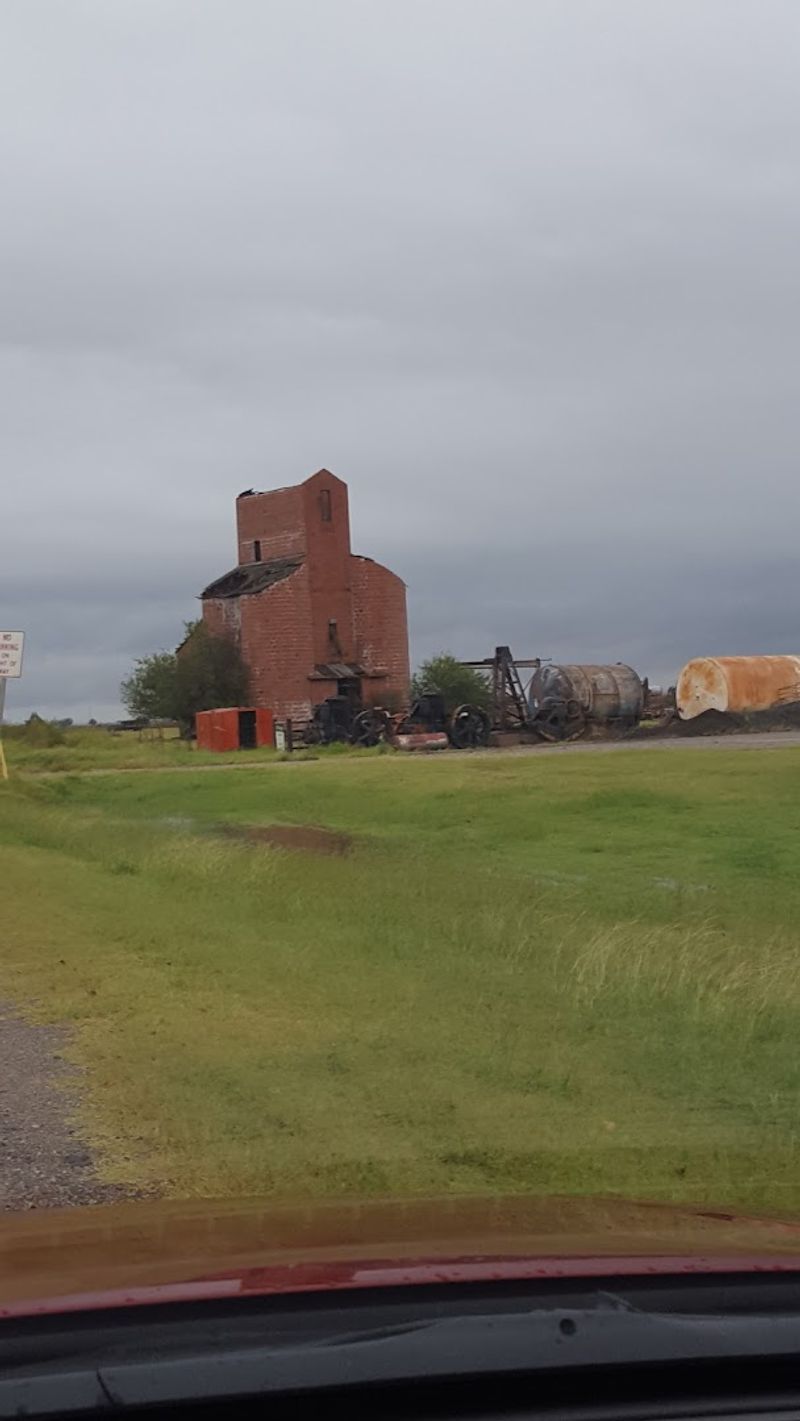
Sometimes the best thing a place can offer is simply peace, and Alva delivers that in abundance. Walk through the residential neighborhoods and you’ll hear birds, wind, maybe a dog barking somewhere in the distance.
That’s it. No traffic roar, no sirens, no construction noise, no crowds.
Just quiet.
The streets are lined with modest homes, many of them older but well-maintained, with front porches that actually get used. People sit outside in the evenings.
Kids ride bikes without parents hovering nervously. The pace of life is just fundamentally different here, and you feel it in your shoulders and your breathing within hours of arriving.
I went for walks in the early morning and late evening, and both times I had entire blocks to myself. Not in a creepy abandoned way, but in a peaceful, safe, this-is-just-a-calm-place way.
You can think clearly here. You can process things.
You can hear your own thoughts without competing with constant noise.
For people who live in cities or suburbs where sound is a constant assault, this kind of quiet feels like a luxury. It’s restorative in ways that are hard to quantify but easy to feel.
Your nervous system just settles down.
The most remarkable thing about Alva is how completely comfortable it is being exactly what it is. There’s no attempt to rebrand as a tourist destination or hip small-town getaway.
Nobody’s trying to turn Main Street into a boutique shopping district or attract film productions. This is just a real place where real people live real lives, and that authenticity is its greatest asset.
You see it in the businesses that cater to actual local needs rather than visitor whims. The hardware store, the farm supply shop, the grocery store that’s been there for decades.
These aren’t charming recreations of small-town commerce. They’re the actual infrastructure of community life.
You see it in how the town handles its university population. Rather than resenting the students or treating them as outsiders, the community has integrated them into the fabric of daily life.
They’re part of what makes Alva work, not separate from it.
You see it in the lack of pretension about anything. Nobody’s trying to convince you this is the best place on earth or the next big thing.
It’s just a good, solid, honest town doing its thing. And somehow, that unpretentious authenticity makes it more appealing than places trying much harder to impress.
Dear Reader: This page may contain affiliate links which may earn a commission if you click through and make a purchase. Our independent journalism is not influenced by any advertiser or commercial initiative unless it is clearly marked as sponsored content. As travel products change, please be sure to reconfirm all details and stay up to date with current events to ensure a safe and successful trip.
