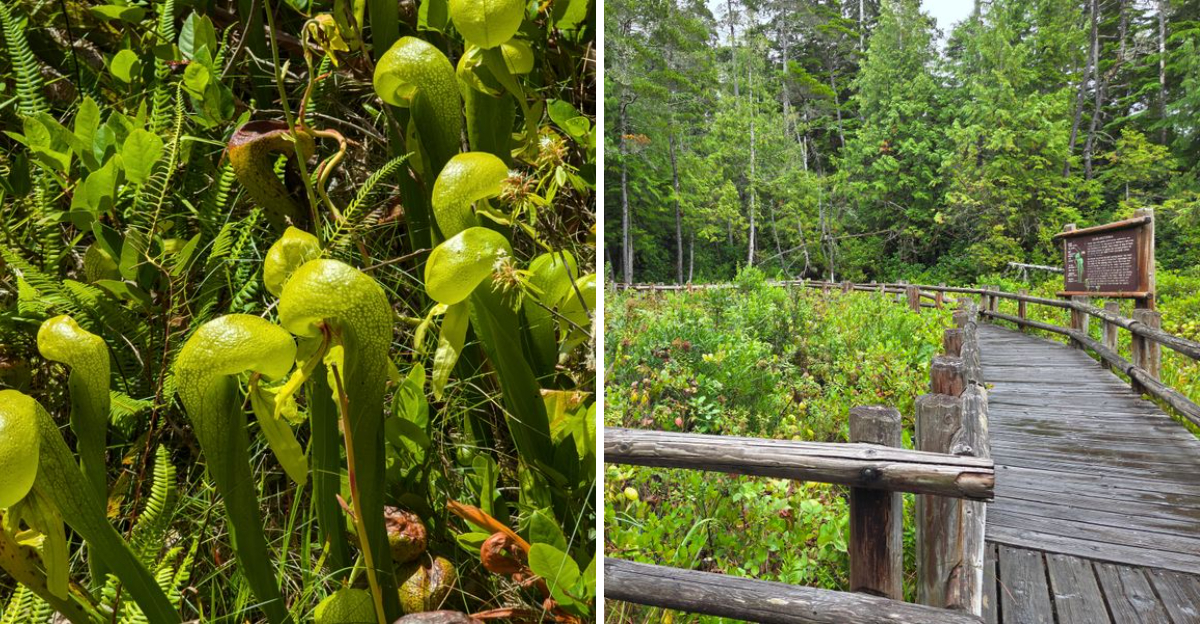
Driving along the Oregon coast, I stumbled onto Darlingtonia State Natural Site and immediately felt like I’d wandered onto a sci-fi movie set. This tiny 18-acre preserve near Florence is home to thousands of carnivorous cobra lilies, twisting and coiling from the bog like they’re plotting their next meal.
Their hooded tops bob in the breeze, looking equal parts alien and menacing. I spent maybe 20 minutes on the boardwalk loop, but the image of those plants stayed with me for months.
If you’ve ever wanted to see plants that actually eat bugs for breakfast, this place delivers. Cobra lilies are the only pitcher plants native to Oregon, and they’re everywhere here.
Step inches away and you can watch flies make their final, fatal mistakes. Bring a camera, pack your curiosity, and get ready – this is one of the strangest, most unforgettable roadside stops on the entire West Coast.
The Only Carnivorous Plant Native to Oregon Lives Here
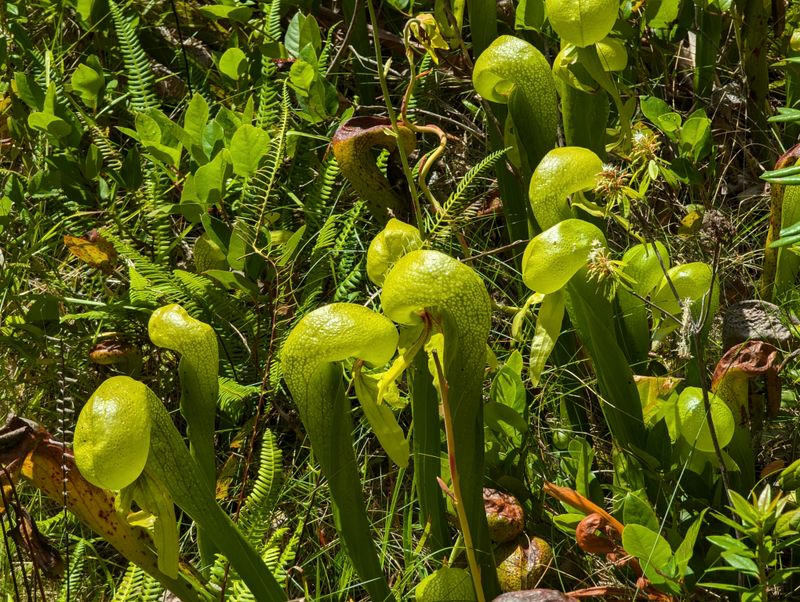
Walking onto that boardwalk for the first time felt surreal. The Darlingtonia californica, commonly called the cobra lily, is the sole carnivorous pitcher plant that naturally grows in Oregon.
These plants don’t just sit pretty in the dirt. They actively trap and digest insects to survive in their nutrient-poor bog environment.
The hooded tops really do look like cobras ready to strike. Each plant features a bulbous hood with translucent windows and a forked appendage that dangles like a serpent’s tongue.
Insects fly toward the light filtering through those windows, thinking they’ve found an exit. Instead, they tumble down into a pool of digestive fluids where symbiotic bacteria break them down.
I watched several flies buzzing around the openings, completely oblivious to their fate. The plants rely entirely on these nitrogen-rich meals because the waterlogged soil offers almost nothing.
Darlingtonia californica is the only species in its entire genus, making this spot incredibly special. Collecting these protected plants is illegal, and for good reason.
Standing there among thousands of these botanical hunters reminded me that nature’s creativity knows absolutely no bounds.
A Boardwalk Takes You Right Over the Bog
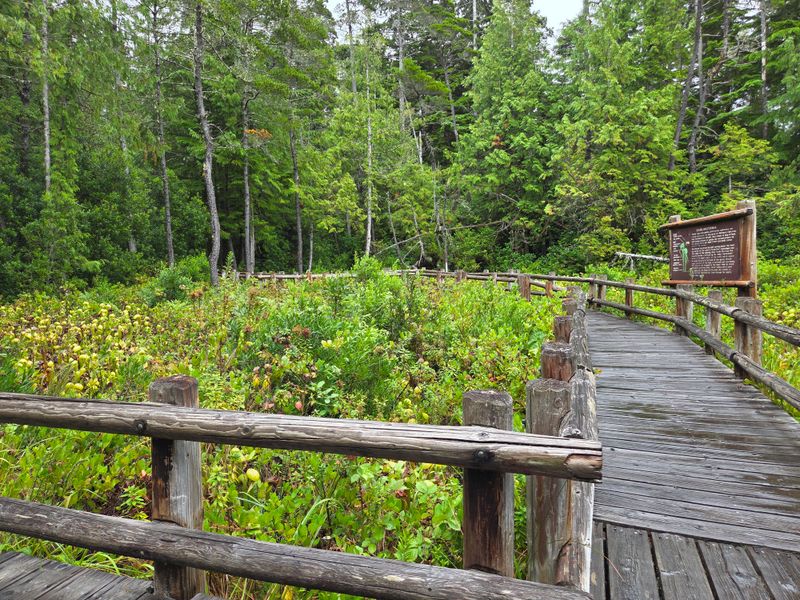
The boardwalk at Darlingtonia State Natural Site makes viewing these bizarre plants incredibly easy. I appreciated not having to trudge through muddy terrain or risk damaging the delicate habitat.
The elevated wooden pathway keeps visitors above the bog while providing perfect viewing angles of the cobra lily colony below.
This short loop trail takes maybe ten minutes to complete if you’re rushing, but I recommend slowing down. The boardwalk winds through dense forest before opening onto the main bog area where thousands of cobra lilies cluster together.
Some sections of the pavement show age and minor unevenness, but wheelchairs and strollers can navigate most of it with minimal assistance.
I loved how the boardwalk puts you at eye level with the plants’ hooded tops. You can peer directly into their traps and see the translucent windows that confuse insects.
The pathway includes informational signs explaining how these carnivorous plants function and why this habitat is so important. There’s even a small observation deck where crowds can gather without crowding the narrow sections.
The entire setup respects both visitor accessibility and habitat preservation, which isn’t always easy to balance.
Visit in July to See the Bizarre Blooms
July transforms this already weird place into something even more otherworldly. The cobra lilies produce flowers that hang downward on tall stalks, featuring dark red to purple petals that look almost as alien as the plants themselves.
I visited in November and the plants were still fascinating, but I’m absolutely returning during peak bloom season.
The flowers emerge above the hooded pitchers, dangling like strange ornaments. Each bloom consists of five sepals and five petals arranged in a nodding position, which helps protect the reproductive parts from rain.
Pollinators, mainly flies and beetles, must crawl upward into the flower to reach the nectar and pollen. It’s a completely different trapping mechanism than the pitchers use.
Several visitors I spoke with specifically planned their coast trips around July to catch this floral show. The contrast between the yellowish-green pitchers and the dark burgundy flowers creates striking photo opportunities.
Even without blooms, the site remains worth visiting year-round. Winter brings dormancy but the bog fills with more water, creating its own moody atmosphere.
Spring offers fresh growth, and fall showcases the mature plants at their peak size before winter arrives.
It’s Right Off Highway 101 Near Florence
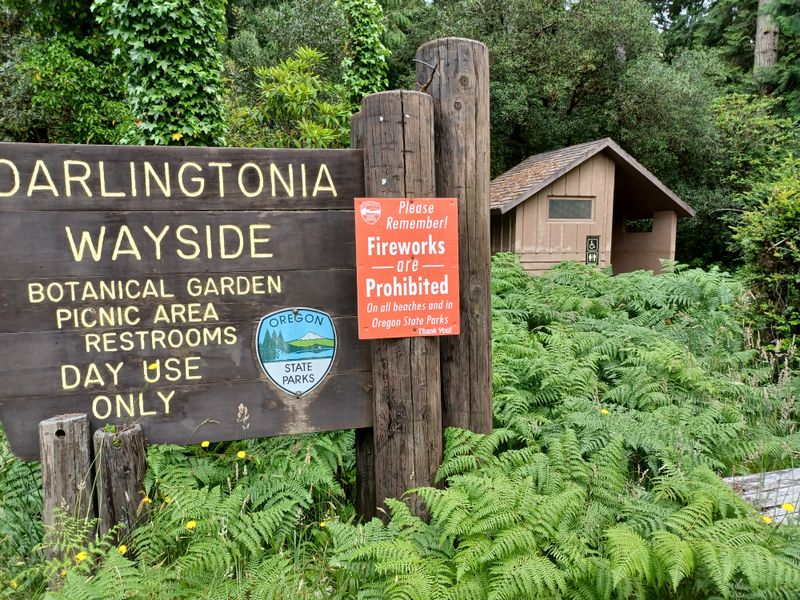
Convenience rarely gets better than this. Darlingtonia State Natural Site sits directly along Highway 101 at 5400 Mercer Lake Rd, Florence, OR 97439, making it one of the easiest stops on any Oregon coast road trip.
I nearly missed the turnoff because I was focused on the ocean views, but the brown state park sign caught my attention just in time.
The parking lot offers plenty of space and sits maybe 50 feet from the trailhead. There’s no entrance fee, no reservation system, and no complicated directions to follow.
You literally pull off the highway, park, and start walking. The restroom facilities are located right in the parking area, though some visitors report they’re occasionally locked.
Florence sits about eight miles south of the site, offering restaurants, shops, and lodging if you’re planning a longer coastal adventure. The location makes this an ideal leg-stretching stop between bigger destinations like the Oregon Dunes or Heceta Head Lighthouse.
I’ve driven Highway 101 multiple times now, and this remains my favorite quick stop. It takes minimal time but delivers maximum weirdness.
The accessibility from the main coastal route means absolutely no excuse exists for skipping this botanical oddity.
The Park is Open 24 Hours Every Day
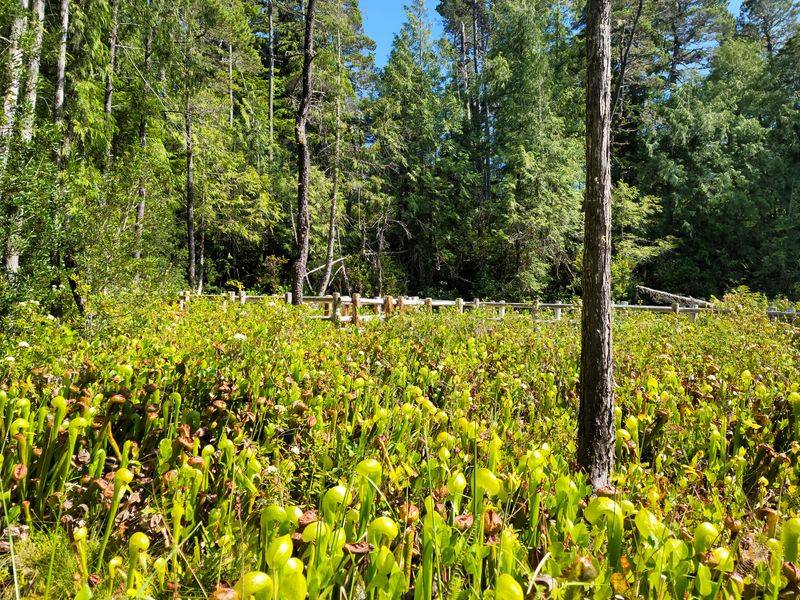
Flexibility makes travel so much easier. Darlingtonia State Natural Site operates 24 hours daily, meaning you can visit during early morning light, midday sunshine, or even under the stars if you’re feeling adventurous.
I arrived mid-afternoon on a weekday and had the place almost entirely to myself for about 15 minutes before another family showed up.
The open-all-hours policy suits road trippers perfectly. Maybe you’re driving the coast at sunrise and want to catch golden hour light filtering through the cobra lily hoods.
Perhaps you’re a night owl who prefers exploring after dark with a flashlight. The park doesn’t judge your schedule.
That said, daylight visits offer the best viewing experience. You’ll actually see the translucent windows in the pitcher tops and watch insects investigating the plants.
The informational signs are easier to read, and the boardwalk is safer to navigate when you can see where you’re stepping. Security isn’t an issue since the site is basically just a boardwalk through a protected bog.
There’s nothing to steal except memories and photos. The 24-hour access combined with free admission makes this one of the most visitor-friendly state natural sites I’ve encountered anywhere in Oregon.
Thousands of Cobra Lilies Cluster in One Small Area
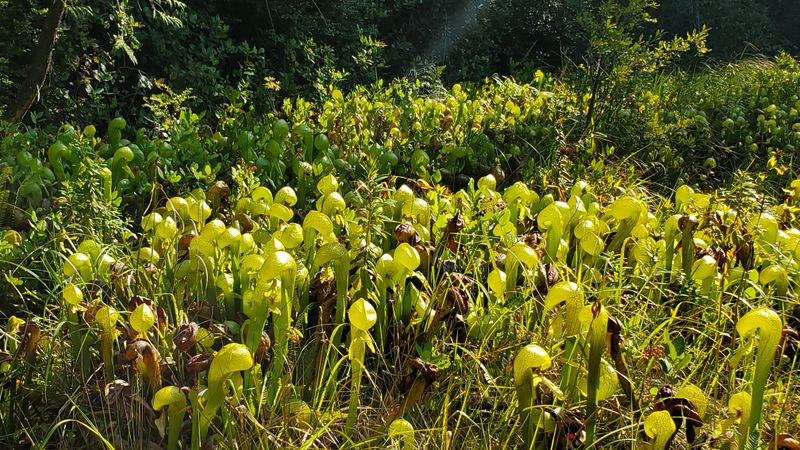
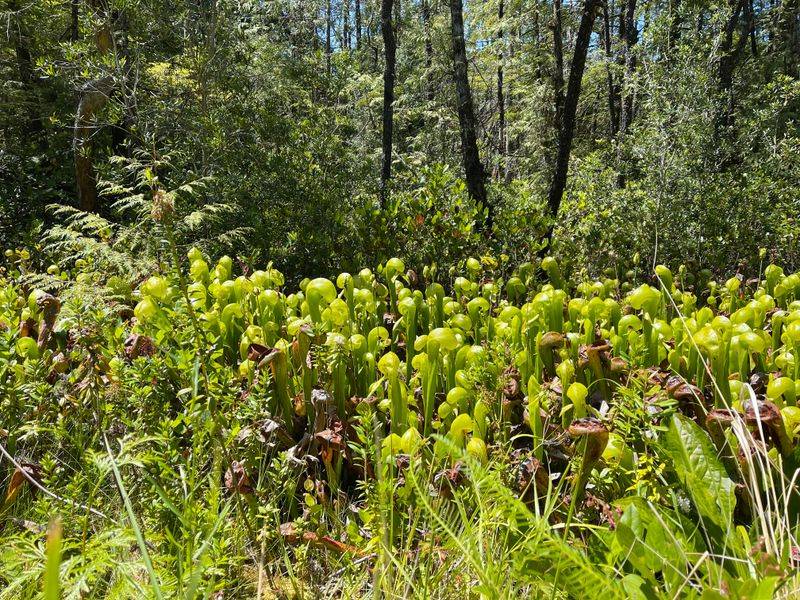
The sheer concentration of these plants blew my mind. I expected to see maybe a dozen scattered specimens, but thousands of cobra lilies pack into this relatively small bog area.
They grow so densely in some sections that their hooded tops practically touch each other, creating a sea of yellowish-green serpent heads swaying slightly in the breeze.
This density occurs because the habitat conditions are absolutely perfect here. Cold spring water seeps continuously through the bog, keeping temperatures cool even during summer.
The waterlogged, acidic soil provides the low-nutrient environment these carnivorous plants prefer. When conditions align this perfectly, cobra lilies thrive and reproduce enthusiastically.
I stood on the observation deck trying to count individual plants and gave up after reaching 200 in just one small section. The colony extends beyond what the boardwalk accesses, suggesting even more plants hide in the surrounding wetland.
Photos honestly don’t capture the overwhelming visual impact of seeing this many carnivorous plants in one place. It’s like visiting a botanical zoo where every exhibit is the same bizarre species.
The concentration here represents one of the largest accessible cobra lily colonies anywhere, making this tiny Oregon park genuinely significant for plant enthusiasts and casual visitors alike.
The Trail is Super Short and Accessible
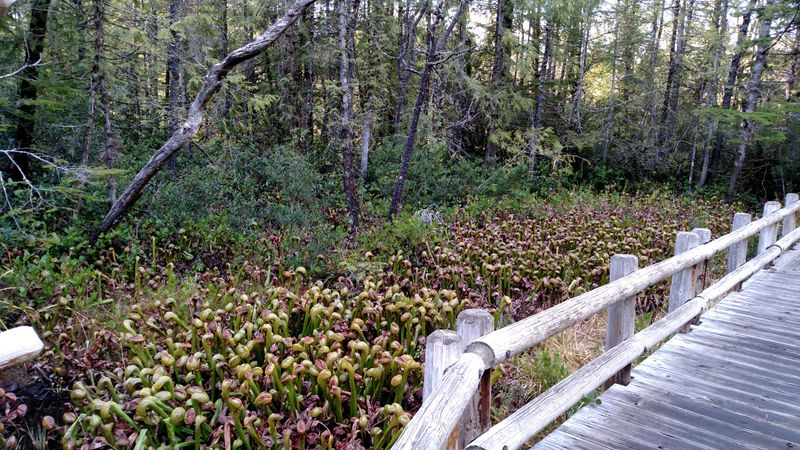
Time-crunched travelers rejoice. The entire loop trail at Darlingtonia State Natural Site takes maybe ten minutes to walk if you’re moving steadily.
I spent about 20 minutes total because I kept stopping to photograph the plants from different angles and read every informational sign. Even with a leisurely pace, you’ll complete this visit in under half an hour.
The trail starts as a paved path through shaded forest before transitioning to the wooden boardwalk over the bog. Elevation gain is essentially zero, making this suitable for visitors of all fitness levels.
I watched an elderly couple navigate it easily, and several families brought young children in strollers without any issues.
Wheelchair accessibility is good though not perfect. Some pavement sections show cracking and minor unevenness from tree roots, but most mobility devices can handle it with minimal difficulty.
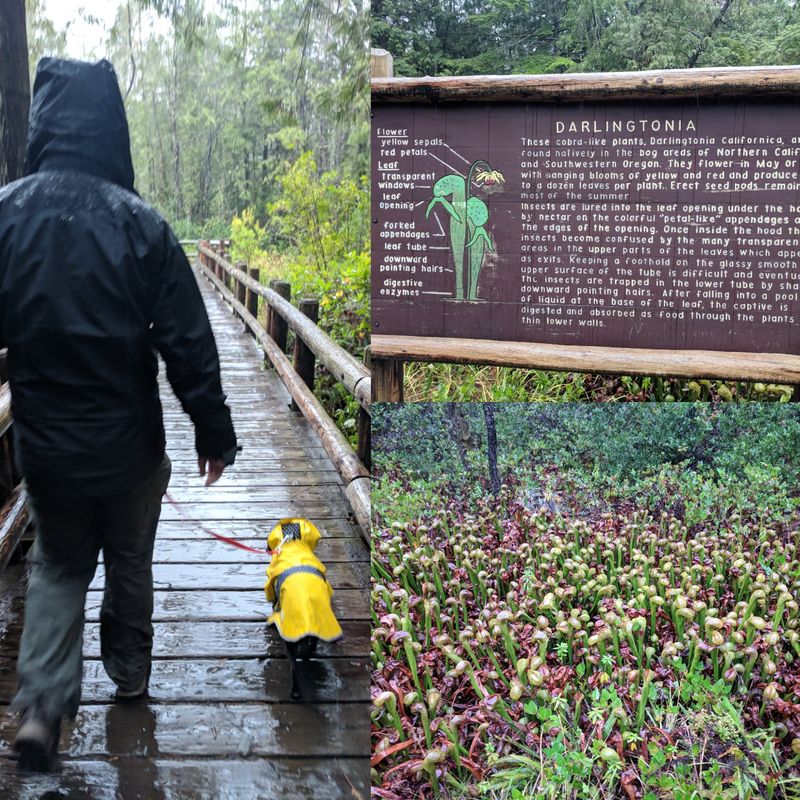
The boardwalk itself is wide and stable. Dogs on leashes are welcome, and I saw several well-behaved pups enjoying the walk with their humans.
The short distance means even restless kids stay engaged throughout the entire loop. There’s no commitment required here, no exhausting hike to endure.
You get maximum botanical weirdness with minimum physical effort.
Picnic Tables and Restrooms Make This a Perfect Rest Stop
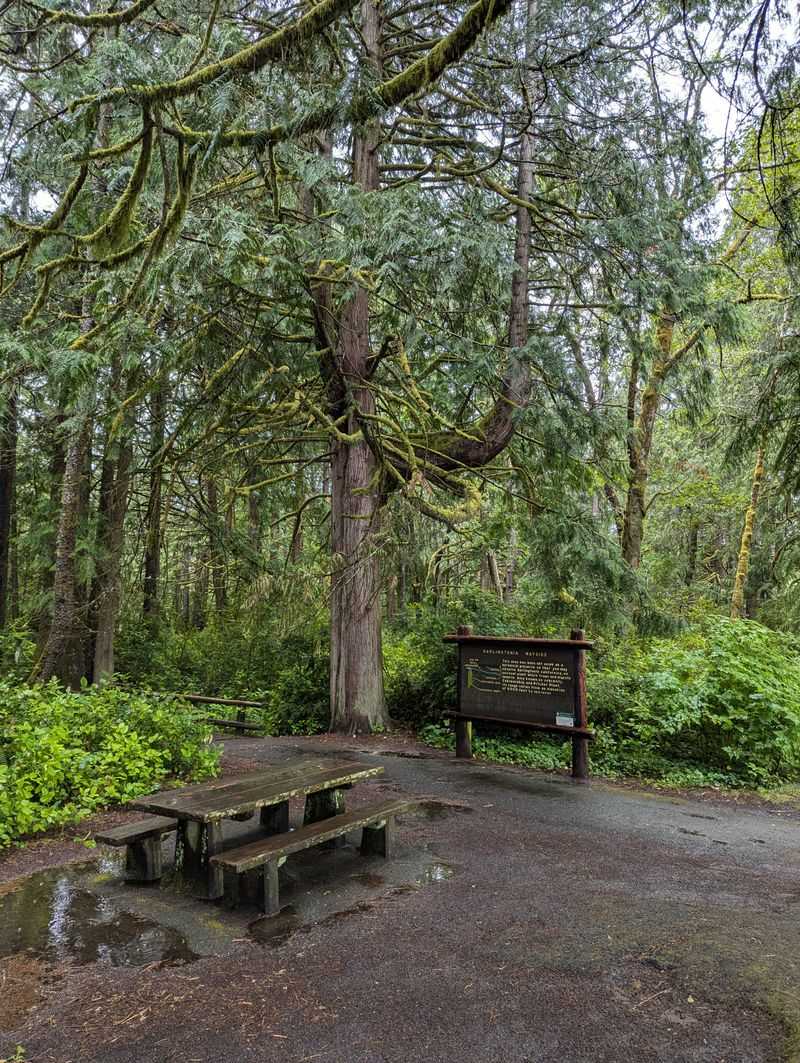
Road trip essentials matter. Darlingtonia State Natural Site provides picnic tables scattered near the parking area and along side paths, offering spots to enjoy lunch surrounded by towering cedars and Douglas firs.
I didn’t pack food during my visit but made a mental note for next time because the shaded seating looked incredibly inviting.
The restroom facility sits right in the parking lot, which is clutch when you’ve been driving Highway 101 for hours. It’s a vault toilet rather than a flush system, and cleanliness varies depending on maintenance schedules and visitor traffic.
Several reviews mentioned finding it locked occasionally, so having a backup plan doesn’t hurt.
The combination of quick trail access, bathroom facilities, and picnic areas makes this an ideal rest stop even if carnivorous plants don’t particularly excite you. I watched one family use the tables for snacks while their kids burned energy running the short loop trail twice.
Another couple simply sat on a bench enjoying the forest atmosphere. There are no trash cans on site, so pack out whatever you bring in.
The amenities transform this from merely a botanical curiosity into a genuinely functional highway rest area that happens to feature some of nature’s weirdest plants.
It’s Free and Dog-Friendly
Budget-friendly attractions always earn bonus points in my book. Darlingtonia State Natural Site charges absolutely zero admission fees.
No parking fees, no day-use charges, no hidden costs whatsoever. You just show up, explore, and leave without opening your wallet.
This makes it accessible to everyone regardless of financial situation, which feels increasingly rare at popular tourist destinations.
Dog owners get equally good news. Leashed dogs are completely welcome on the trails and boardwalk.
I encountered several pups during my visit, all seeming to enjoy the forest smells and easy walking terrain. The short loop means even less active dogs can complete it without exhaustion.
Just remember to bring waste bags since no trash facilities exist on site.
The combination of free admission and dog-friendly policies removes virtually all barriers to visiting. Families can stop without worrying about per-person costs adding up.
Solo travelers don’t feel guilty about a quick visit. Your furry companion doesn’t have to wait in a hot car while you explore.
These policies reflect Oregon’s generally progressive approach to public land access. Pack your camera, leash up your dog, and experience one of the West Coast’s strangest botanical phenomena without spending a single dollar.
Dear Reader: This page may contain affiliate links which may earn a commission if you click through and make a purchase. Our independent journalism is not influenced by any advertiser or commercial initiative unless it is clearly marked as sponsored content. As travel products change, please be sure to reconfirm all details and stay up to date with current events to ensure a safe and successful trip.
