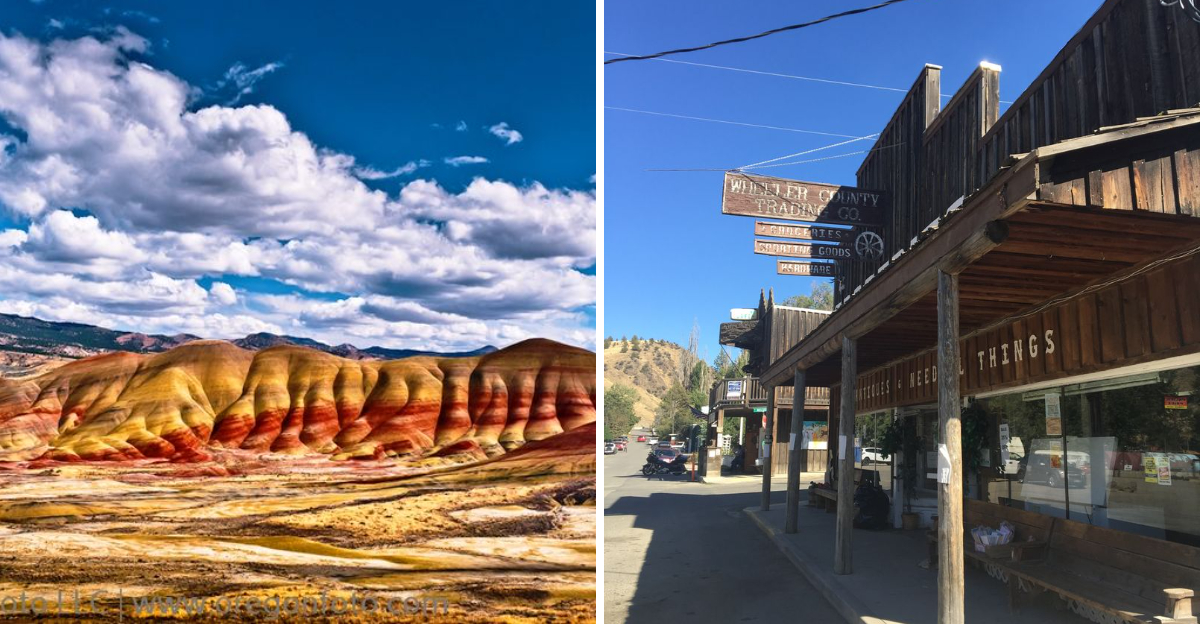
Driving into Mitchell, Oregon, population 138, feels like stepping into a forgotten frontier town where time slows down and the scenery hits like a punch.
Nestled in a steep canyon along Bridge Creek, this tiny town sits just nine miles from the Painted Hills, one of Oregon’s most mind-blowing natural wonders.
But Mitchell has a personality all its own – wild turkeys strut down Main Street, llamas roam the hills like they own the place, and yes, there’s a tree covered in hundreds of shoes that somehow becomes the weirdest, most captivating roadside attraction.
I came for the Painted Hills and stayed for the charm. Labor Day brings a festival, local grub hits the spot, and there’s endless access to fossil hunting, mountain biking, and untouched wilderness.
Mitchell doesn’t try to impress anyone – it just exists in its raw, real, ridiculously photogenic glory.
Painted Hills National Monument Awaits Just Nine Miles Away
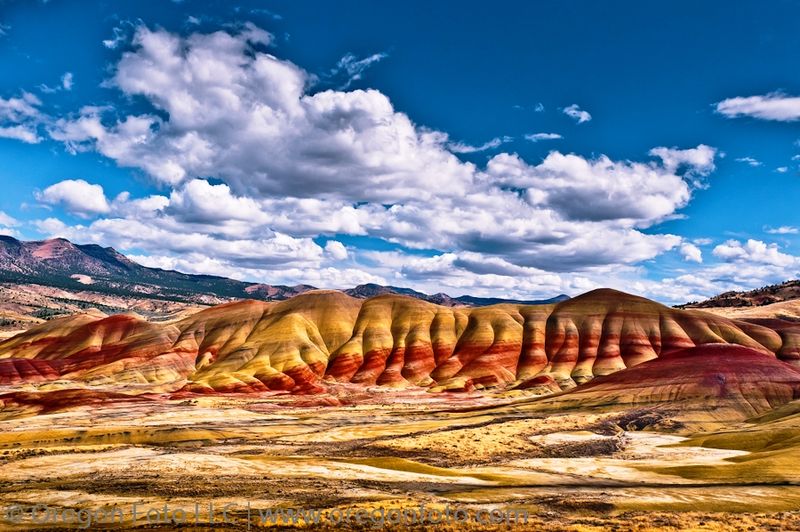
Standing at the edge of the Painted Hills feels like stepping onto another planet. The clay hills ripple with bands of crimson, mustard yellow, and charcoal black, each layer representing millions of years of volcanic ash and ancient climate shifts.
I spent an entire afternoon wandering the trails, snapping photos that barely captured the intensity of the colors in person.
The hills change depending on the light and weather. Early morning and late afternoon bring out the deepest reds and golds, while overcast days soften the palette into something almost pastel.
Rain makes the colors pop even more vividly, so don’t skip a visit just because the forecast looks iffy.
Mitchell serves as the perfect basecamp for exploring this unit of the John Day Fossil Beds National Monument. You can grab breakfast in town, drive nine miles northwest, and be walking among 33-million-year-old geology before lunch.
The main trails include the easy Painted Hills Overlook Trail and the boardwalk loop at Painted Cove, both offering stunning close-up views without requiring serious hiking skills.
Pack water, sunscreen, and layers because the high desert climate swings wildly. I’ve experienced blazing sun and sudden wind gusts in the same hour.
The monument has no services, so fuel up and stock up in Mitchell before heading out.
The Mitchell Shoe Tree Stands as a Quirky Roadside Icon
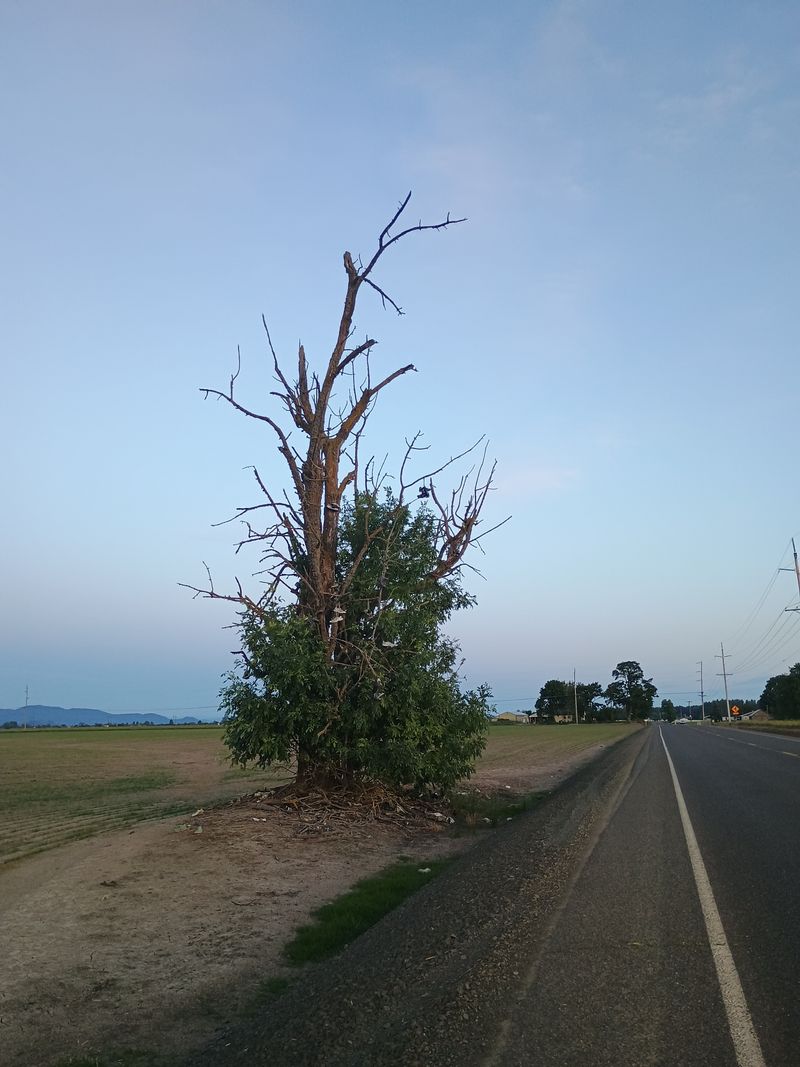
Right along Highway 26, you’ll spot a juniper tree absolutely drowning in footwear. Sneakers, boots, high heels, sandals, even tiny baby shoes dangle from every branch, creating one of the strangest and most Instagram-worthy sights in central Oregon.
Local legend says it started as a memorial, though the exact story varies depending on who you ask.
I pulled over, grabbed an old pair of running shoes from my trunk, tied the laces together, and tossed them up into the branches. It took three tries, but they stuck.
There’s something oddly satisfying about adding your own contribution to this ever-growing art installation, knowing your shoes will weather the seasons alongside hundreds of others.
The tree has become a beloved landmark for travelers passing through Wheeler County. People stop, take photos, leave shoes, and share the experience online, turning this humble juniper into a genuine tourist attraction.
Some folks write messages on their shoes before hanging them, turning the tree into a kind of public journal.
It’s completely free, accessible anytime, and sits right on the roadside with easy parking. Bring an old pair you don’t mind losing forever, and join the tradition that makes Mitchell a little more memorable than your average small town.
Historic Old West Architecture Lines the Canyon Streets
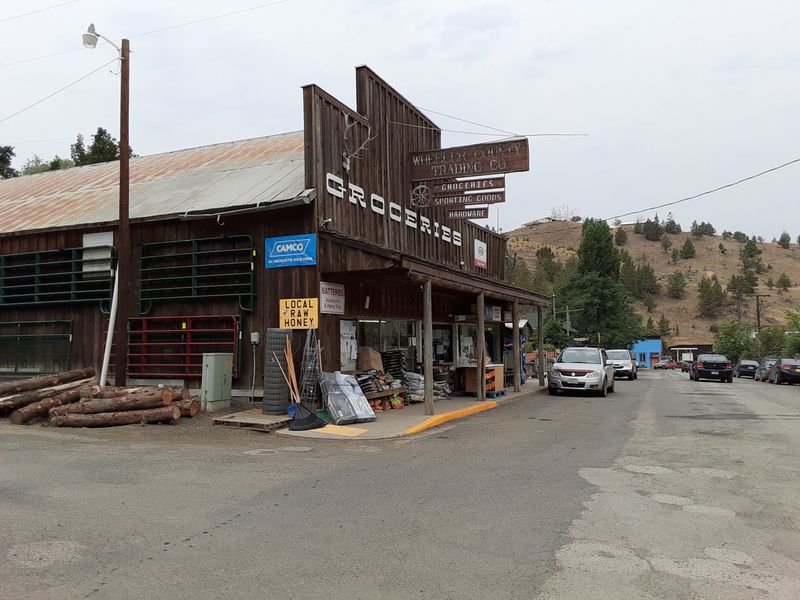
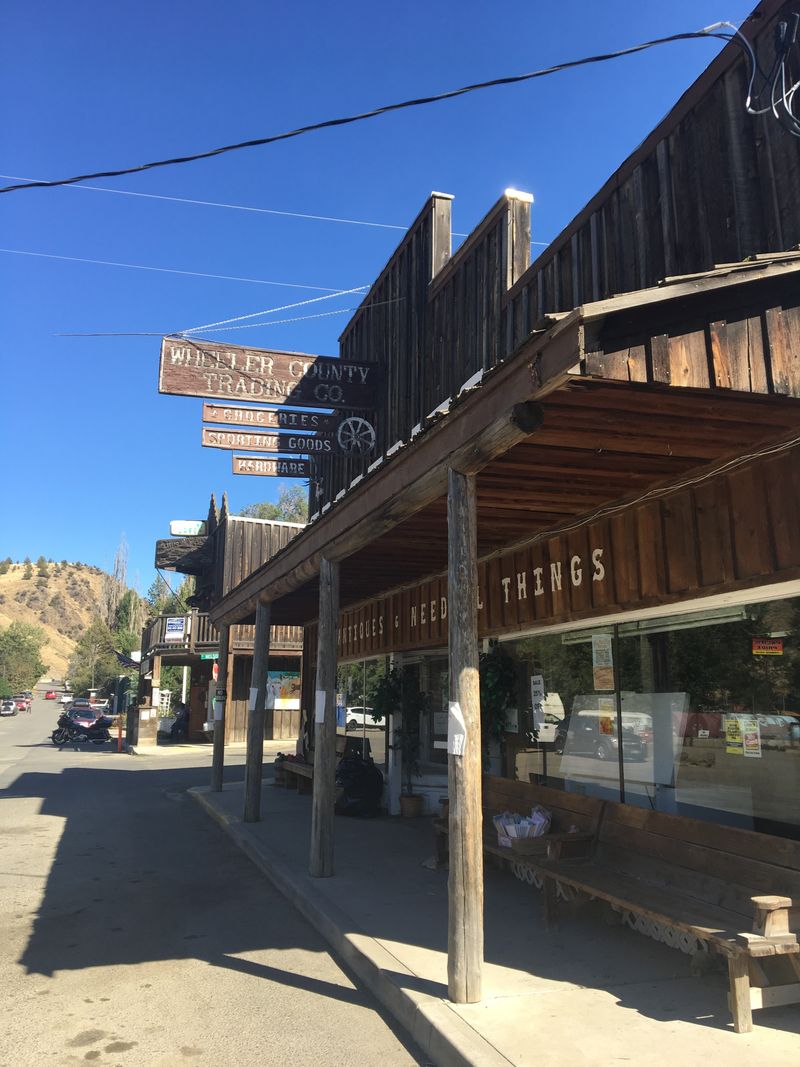
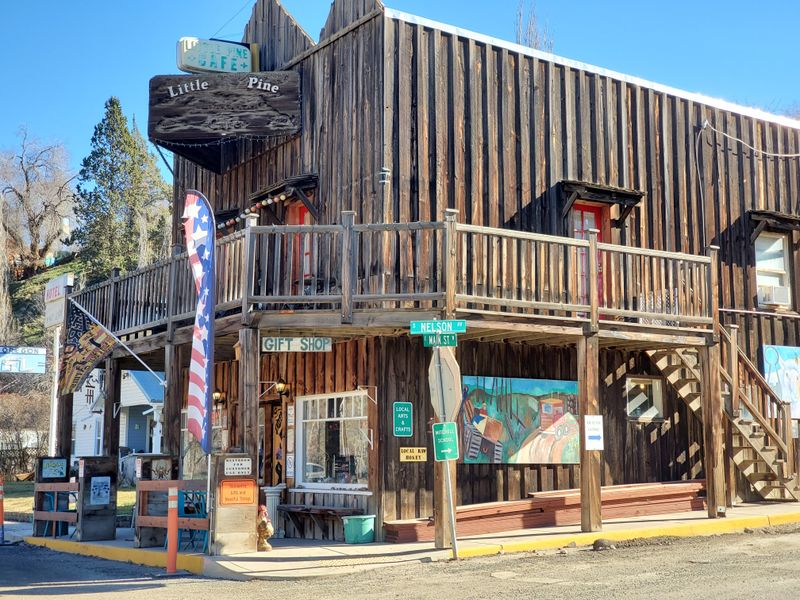
Mitchell’s downtown feels like a movie set, except it’s all real. The buildings lean slightly, their wooden facades weathered by over a century of high desert sun and canyon winds.
Walking down Main Street, I passed false-front structures that housed everything from general stores to saloons back when this was a genuine frontier outpost.
Founded in 1873 and named after politician John H. Mitchell, the town served miners, ranchers, and travelers navigating the rugged interior of Oregon.
Many of the original structures still stand, preserved not by museum curators but by the sheer remoteness that kept developers away. You can peek into old windows and imagine what life looked like when this canyon bustled with pioneers.
The town survived catastrophic flash floods in 1884 and 1904, events that reshaped the landscape and tested the resilience of early settlers. Plaques and historical markers scattered around town tell these stories, offering glimpses into the hardships and triumphs that defined this community.
I found the contrast striking: the peaceful present versus the violent natural history.
Photography enthusiasts will find endless angles here. The combination of aged wood, dramatic canyon walls, and big sky creates compositions that feel both timeless and distinctly Western.
Bring your camera and take your time exploring every corner.
Wild Turkeys and Llamas Roam Like They Own the Place
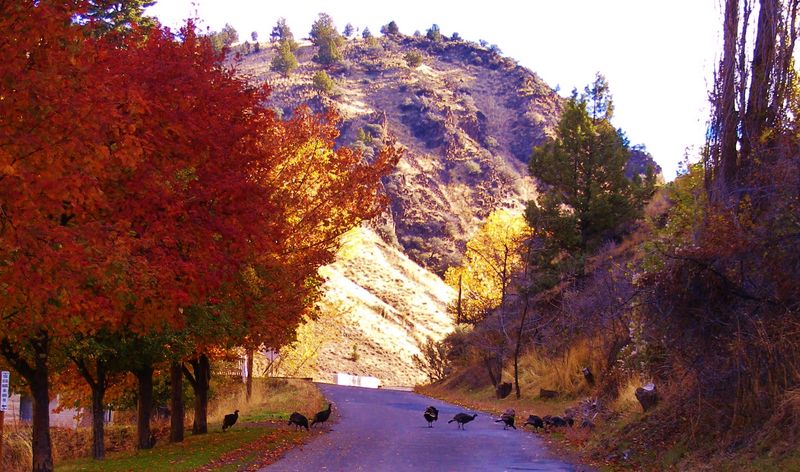
I was genuinely surprised the first time a flock of wild turkeys blocked my path down Main Street. They moved slowly, completely unbothered by my presence, pecking at the ground and occasionally stopping to stare me down.
These birds are everywhere in Mitchell, treating the town like their personal territory, and honestly, they kind of run the show.
The turkeys aren’t the only unexpected wildlife. Look up toward the surrounding hills, and you might spot llamas grazing on the slopes.
Yes, llamas. Some belong to local ranchers who keep them as guard animals for sheep, while others seem to just exist in the landscape, adding to Mitchell’s already surreal vibe.
I’ve traveled all over Oregon, and this is the only place I’ve casually encountered llamas while grabbing coffee.
The wildlife situation makes Mitchell feel less like a typical town and more like a living, breathing part of the high desert ecosystem. Deer wander through at dawn and dusk, raptors circle overhead, and the canyon walls echo with birdsong.
It’s a reminder that humans are just one part of a much bigger, wilder picture out here.
Keep your camera ready because these animal encounters happen when you least expect them. The turkeys are bold, the llamas are photogenic, and the whole scene is delightfully weird.
Painted Hills Festival Brings the Community Together Every Labor Day
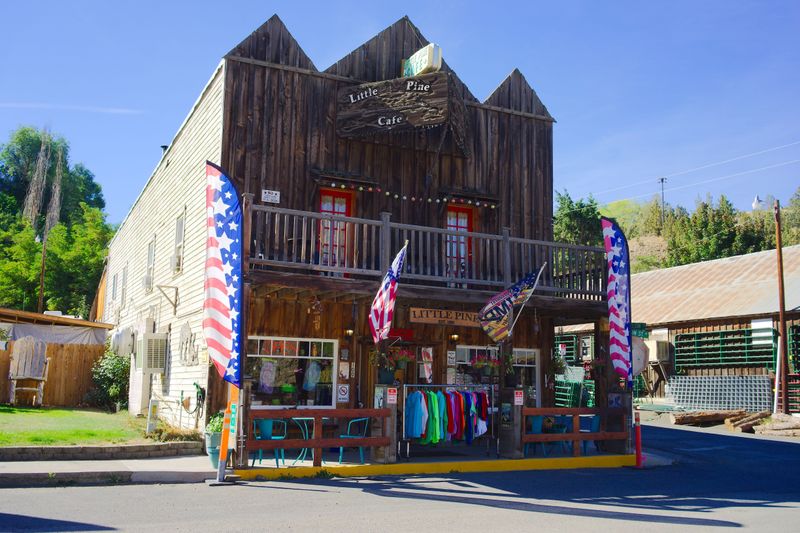
Every Labor Day weekend, Mitchell transforms into a celebration hub with the Painted Hills Festival. Locals and visitors gather for live music, local crafts, food vendors, and a genuine small-town atmosphere that feels increasingly rare in modern America.
I attended one year and was struck by how everyone seemed to know everyone, yet welcomed strangers like old friends.
The festival takes advantage of Mitchell’s stunning natural backdrop, with events spread throughout the town and views of the surrounding canyon walls providing a dramatic stage. You’ll find handmade jewelry, regional art, baked goods, and plenty of opportunities to chat with the folks who actually live here year-round.
It’s not a massive event, but that’s exactly what makes it special.
Live music ranges from folk to country to bluegrass, performed on a simple stage with folding chairs scattered around for seating. Kids run around freely, the pace is relaxed, and the vibe is authentically community-focused rather than tourist-driven.
I bought a hand-thrown pottery mug that I still use daily, a tangible reminder of that weekend.
If you’re planning a trip to central Oregon around Labor Day, time it to coincide with this festival. You’ll get a taste of local culture that guidebooks can’t capture, and you’ll leave with a deeper appreciation for what makes Mitchell tick beyond its proximity to the Painted Hills.
Lucky Strike Mine Offers Hands-On Fossil and Mineral Hunting
Fossil hunting near Mitchell isn’t just looking at displays behind glass. At the Lucky Strike Mine area, you can actually dig, sift, and pocket your finds.
I spent a morning scrambling over ancient lake beds, searching for plant fossils, petrified wood, and agate nodules embedded in the crumbly rock layers that tell the story of this region’s distant past.
The John Day Fossil Beds region is world-famous among paleontologists for its incredibly rich deposits spanning over 40 million years. While the main monument units prohibit collecting, certain areas outside the protected zones allow hobbyists to legally search for specimens.
Always check current regulations and respect private property, but the opportunity to hold a piece of prehistoric Oregon in your hands is genuinely thrilling.
I found several perfectly preserved leaf fossils pressed into thin layers of shale, each one a snapshot of the forests that covered this landscape when the climate was wetter and warmer. It’s humbling to realize you’re the first person to see that particular fossil since it was buried millions of years ago.
Kids especially love this hands-on science experience.
Bring sturdy shoes, gloves, a small pick or rock hammer, and plenty of water. The terrain is rough, the sun is intense, and shade is nonexistent.
But the thrill of discovery makes every sweaty minute worthwhile.
Gravel Biking and Mountain Biking Trails Wind Through Epic Scenery
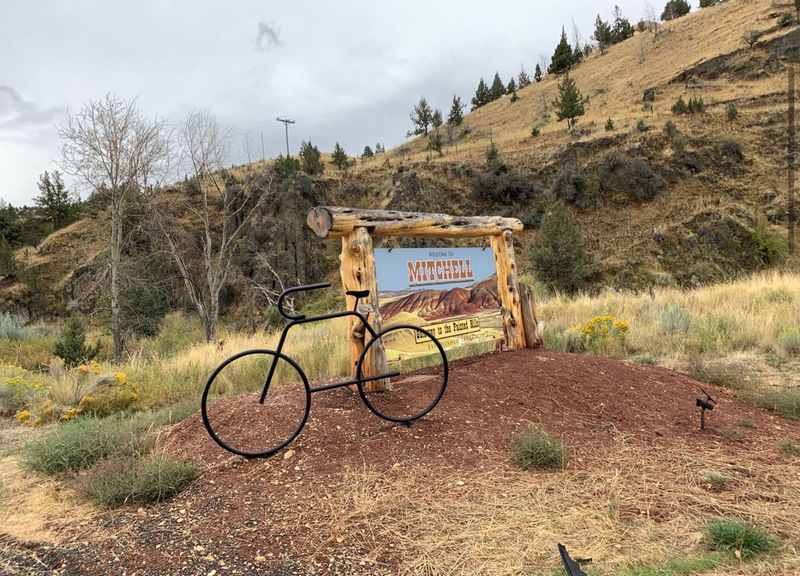
Central Oregon has become a gravel biking mecca, and Mitchell sits right in the heart of some of the most stunning routes in the state. I loaded my bike and spent a full day pedaling through landscapes that shifted from sagebrush flats to pine forests to volcanic ridgelines, all within a single ride.
The solitude and scenery rival anything I’ve experienced in more famous cycling destinations.
The roads around Mitchell range from smooth gravel to chunky, technical surfaces that demand skill and attention. Routes like the Painted Hills Loop combine challenging climbs with breathtaking descents and views that make you stop pedaling just to stare.
Traffic is minimal, wildlife sightings are common, and the sense of remoteness is total. You’re riding through geology textbook landscapes with almost nobody around.
Mountain bikers will find singletrack options in nearby areas, though the terrain leans more toward gravel and dirt road exploration. The high desert climate means you can ride most of the year, though summer heat requires early starts and serious hydration strategies.
I’ve ridden in spring when wildflowers carpeted the hills and in fall when golden aspens glowed against red rock.
Bring spare tubes, a good repair kit, and more water than you think you need. Services are nonexistent once you leave town, and mechanical failures can turn into serious problems quickly.
But the freedom and beauty make every pedal stroke worthwhile.
Mitchell’s Dramatic Canyon Setting Creates Unforgettable Photography
Mitchell’s physical setting is jaw-dropping. The town sits squeezed into a narrow canyon carved by Bridge Creek, with towering rock walls rising steeply on both sides.
The geology is complex and colorful, with layers of volcanic tuff, basalt, and sedimentary rock creating a textured backdrop that changes constantly with the light. I’ve photographed this place in every season, and it never looks the same twice.
Golden hour transforms the canyon into a study in contrasts, with the rock faces glowing orange and red while shadows deepen in the valley below. Storm clouds rolling over the rim create dramatic, moody scenes that feel almost cinematic.
Even midday light has its appeal, bringing out the subtle color variations in the stone and highlighting the architectural details of the historic buildings.
The combination of human history and natural grandeur makes Mitchell a photographer’s dream. You can frame old wooden structures against ancient geology, capture wildlife wandering through town, or simply document the play of light and shadow across the canyon walls.
I’ve spent entire afternoons just walking around with my camera, finding new angles and perspectives.
Bring a variety of lenses if you’re serious about photography. Wide angles capture the canyon’s scale, while telephoto lenses pull in details from distant rock formations and wildlife.
The light changes fast, so be ready to adapt quickly and shoot constantly.
Dear Reader: This page may contain affiliate links which may earn a commission if you click through and make a purchase. Our independent journalism is not influenced by any advertiser or commercial initiative unless it is clearly marked as sponsored content. As travel products change, please be sure to reconfirm all details and stay up to date with current events to ensure a safe and successful trip.
