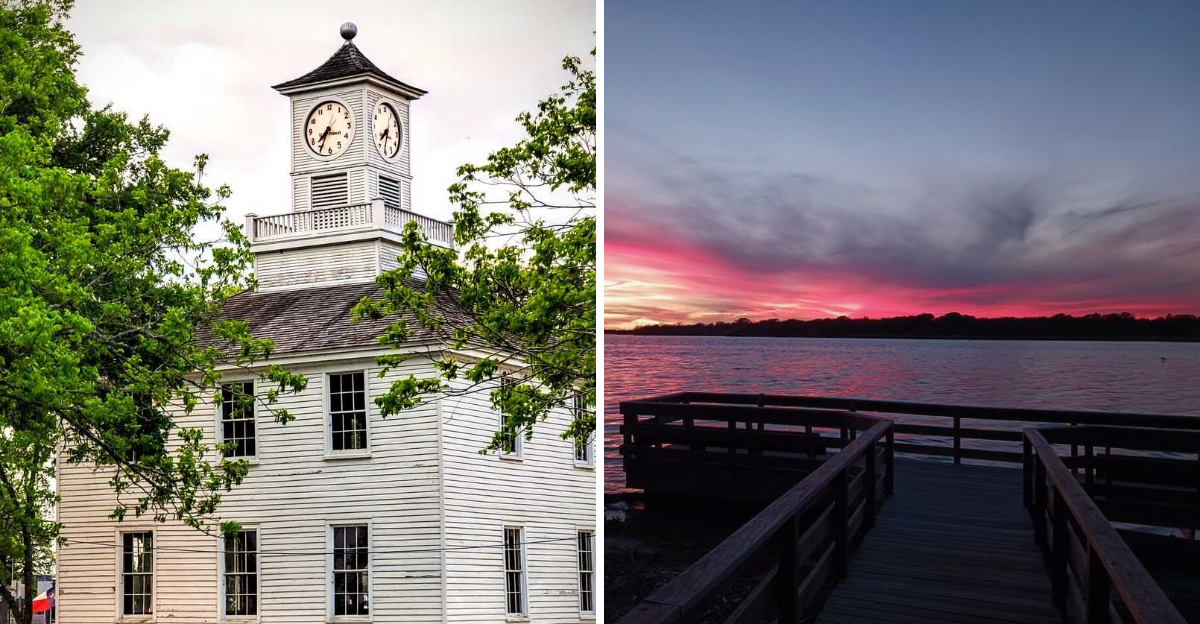
I almost drove right past Fayetteville the first time I headed through Fayette County, thinking it was just another quiet dot on the map between Houston and Austin.
But something made me pull over, maybe the way the old buildings seemed to lean into each other like they were sharing secrets, and I’m so glad I did.
This tiny Texas town, with barely 250 residents, holds more character in its few blocks than some cities manage in entire districts.
Walking down the main street felt like stepping into a place where time moves differently, where people still wave from their porches and the local diner knows your order by your second visit.
Fayetteville doesn’t try to be anything it’s not, and that’s exactly what makes it special. You won’t find crowded attractions or flashy signs here, just the kind of authentic small-town Texas experience that’s getting harder to find.
Historic Downtown Square
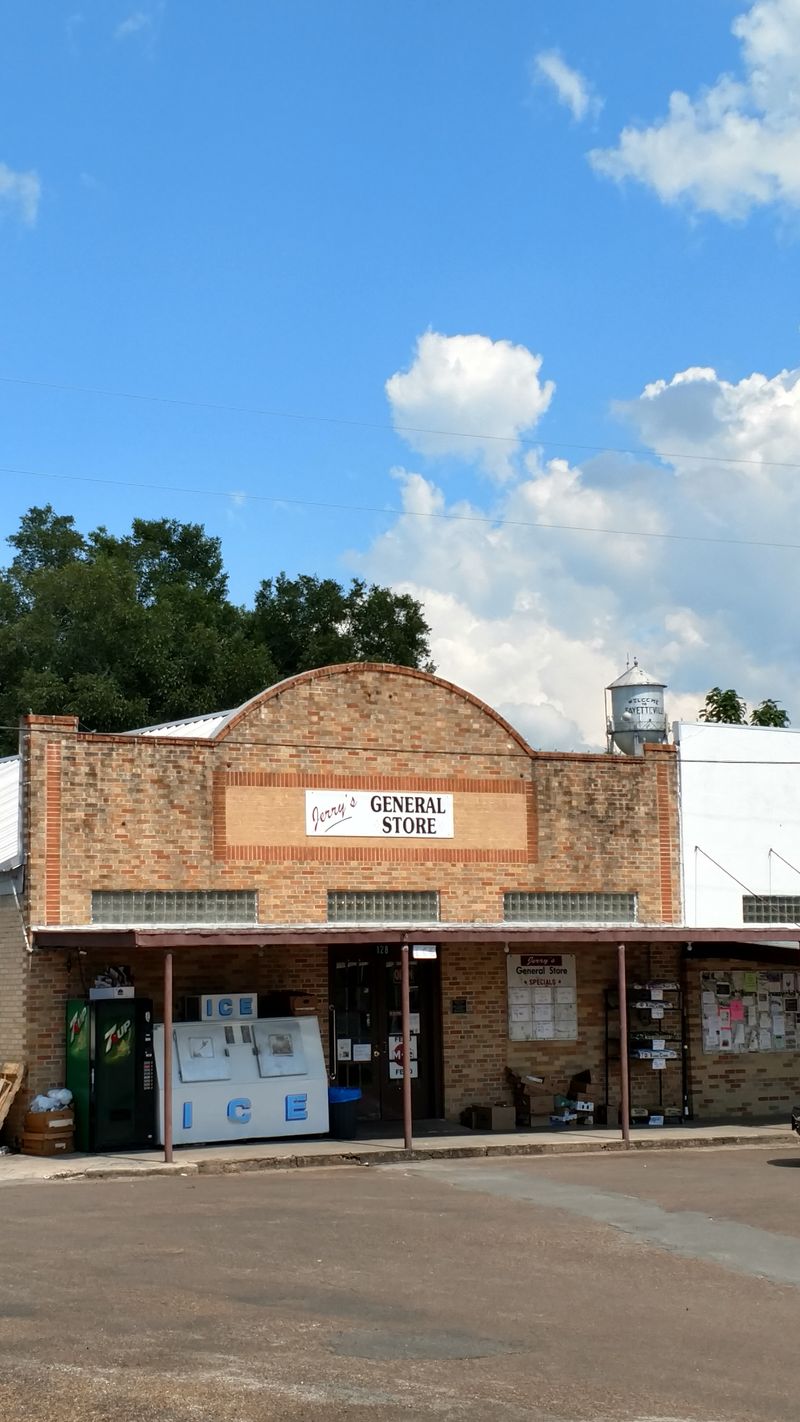
The heart of Fayetteville sits in its compact downtown area, where buildings from the 1800s still stand with their original limestone and brick facades.
I spent a good hour just wandering around, noticing the little details like the old hitching posts still embedded in the sidewalks and the way the storefronts have these deep-set windows that keep the interiors cool even on hot days.
What struck me most was how lived-in everything felt. These aren’t museum pieces or restored attractions, they’re actual working buildings that locals use every day.
The old general store building now houses different businesses, but you can still see the original tin ceiling inside. Several structures date back to when Fayetteville served as a major stop on the route between Houston and Austin.
German and Czech immigrants left their architectural mark here, with sturdy construction methods that have kept these buildings standing through more than a century of Texas weather.
Walking these streets gives you a genuine sense of what small-town Texas looked like generations ago, without any of the artificial recreation you might find in more touristy spots. The square never feels crowded, which means you can really take your time exploring without feeling rushed.
St. John the Baptist Catholic Church
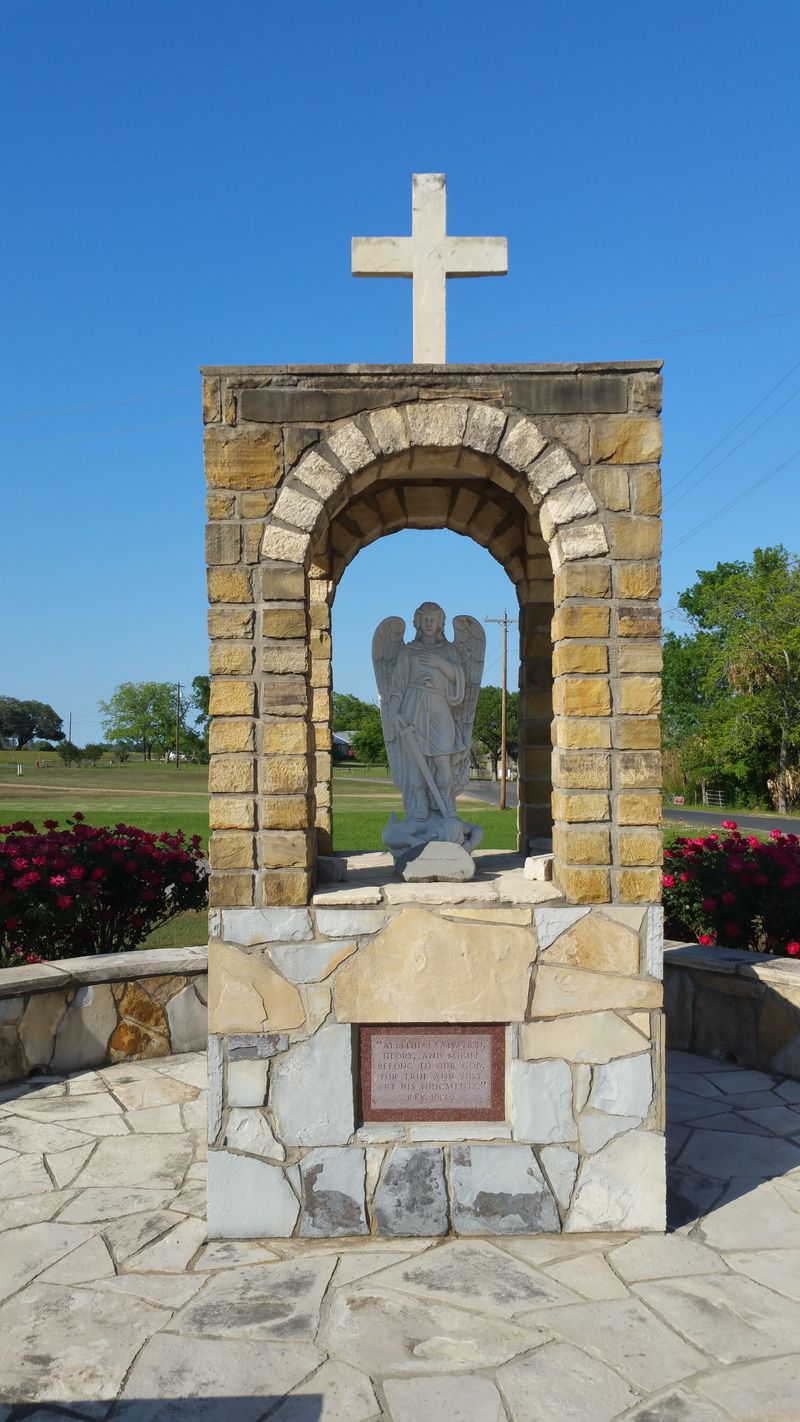
You can spot the steeple of St. John the Baptist Catholic Church from almost anywhere in town, rising above the live oaks like a landmark from another era. Built in 1890, this white-painted wooden church represents the strong Catholic heritage that German and Czech settlers brought to this part of Texas.
The church sits at 456 N Washington St, and even if you’re not religious, the building itself tells an important story about Fayetteville’s past. I walked around the grounds on a weekday afternoon when everything was quiet, and the simplicity of the architecture really stood out.
No fancy decorations or elaborate stonework, just clean lines and honest craftsmanship that has weathered more than 130 years. Inside, if you catch it during open hours, the original wooden pews and simple altar maintain that same straightforward beauty.
The congregation still holds regular services, making this a living part of the community rather than just a historical curiosity. Many families who attend today are descendants of the original settlers who built the church.
The cemetery next door holds generations of Fayetteville residents, with headstones bearing German and Czech surnames that you’ll still hear around town.
Fayetteville Public Library
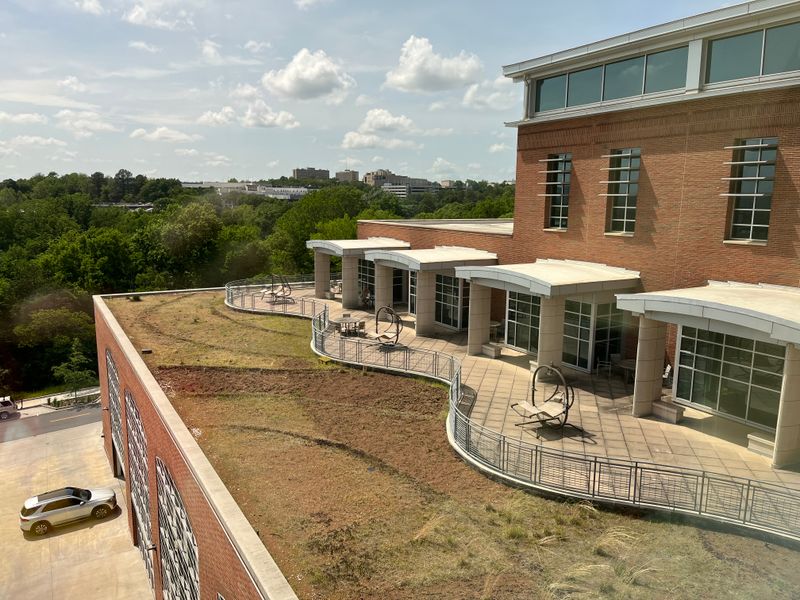
Libraries in small towns often become more than just book repositories, and Fayetteville’s library proved that point perfectly. Located at 102 S Bell St, this modest building serves as a community hub where locals gather for more than just reading material.
When I stopped in, the librarian greeted me like I was a regular, even though I’d never been there before. That kind of warmth is typical here.
The collection might not rival big city libraries, but it’s carefully curated for the community’s interests, with a surprisingly good Texas history section that includes materials about Fayette County’s settlement and development.
The library hosts events throughout the year, from children’s reading programs to historical presentations about the area.
It’s also one of the few places in town with public computer access and WiFi, making it essential for residents who need internet connectivity.
I noticed several bulletin boards covered with community announcements, lost pet flyers, and upcoming events, giving me a quick snapshot of what matters to people here.
The building itself is unpretentious, but the role it plays in keeping this small community connected can’t be overstated. Spending even twenty minutes here gives you insight into the rhythm of local life.
Live Oak Creek
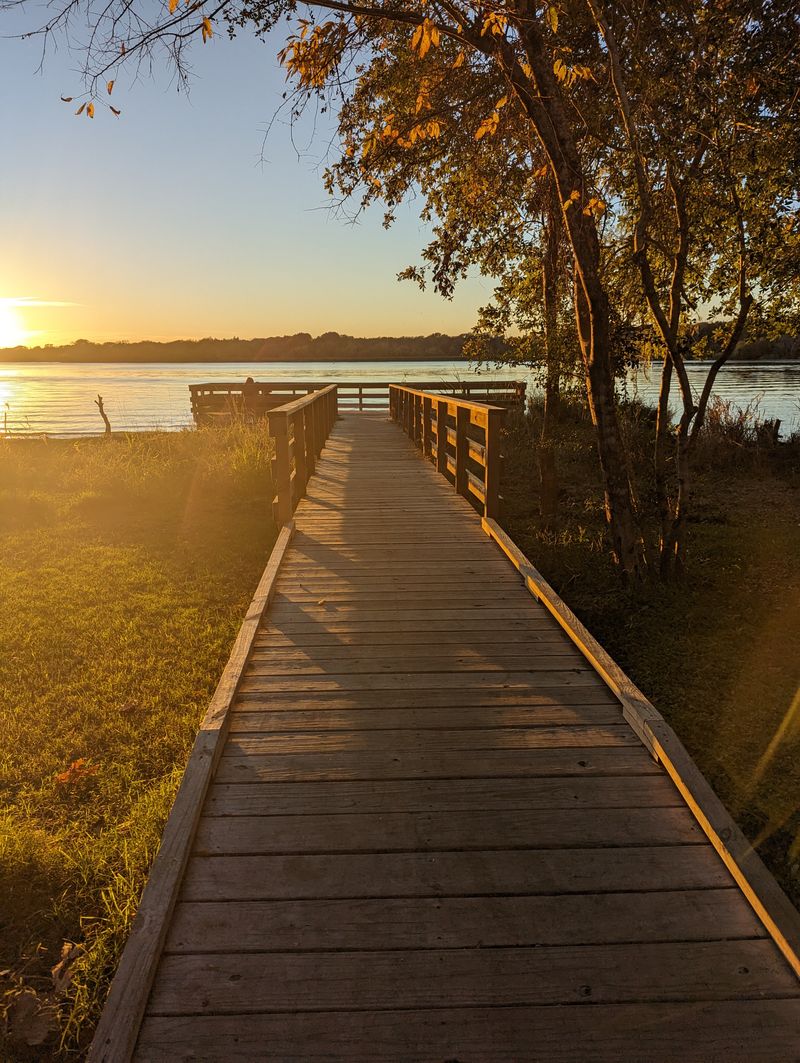
Live Oak Creek meanders through the area around Fayetteville, creating pockets of shade and greenery that offer relief from the open prairie landscape. I followed a few dirt roads out of town until I found a spot where the creek runs clear over limestone bedrock, creating small pools and gentle rapids.
This isn’t a dramatic waterway by any means. During dry spells, it can slow to a trickle, but after rain, it comes alive with movement and sound.
The live oaks that give the creek its name grow thick along the banks, their branches spreading wide to create natural canopies. These trees can live for hundreds of years, and some of the specimens here look like they’ve been watching over this land since before Fayetteville was founded.
Local kids have been coming here for generations to wade in the shallow sections and look for creek creatures. I spotted several bird species using the creek corridor, including cardinals and blue jays that seemed unbothered by my presence.
The area around the creek also supports wildflowers in spring, particularly bluebonnets that turn the nearby fields into seas of color. It’s the kind of quiet natural spot that reminds you why people settled in this part of Texas in the first place.
Local Antique Finds
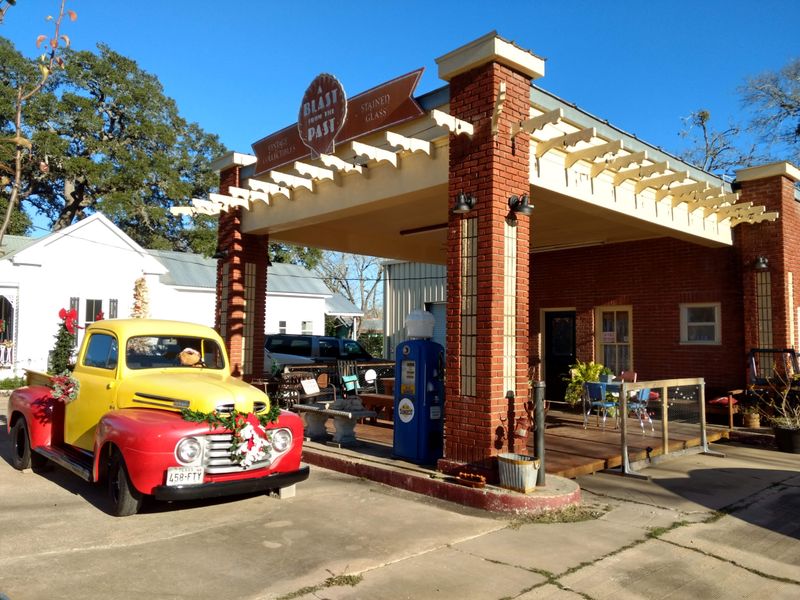
Fayetteville’s antique scene operates on a different scale than what you’d find in bigger towns, but that’s part of its appeal. Several residents run small antique operations out of their properties, and you’ll find genuine treasures if you take the time to look.
I stumbled onto one place almost by accident, following a hand-painted sign down a residential street. What makes antiquing here special is the personal connection.
The sellers often know the history of their items because they came from local estates or families who lived in the area for generations. I saw everything from old farm equipment to vintage kitchen tools, Depression-era glassware to furniture that survived multiple moves across Texas.
Prices tend to be reasonable since there’s less tourist traffic driving up costs. One seller told me stories about nearly every piece in her collection, connecting them to specific families or events in Fayetteville’s history.
That kind of context transforms simple old objects into tangible links to the past. You might find Czech or German pottery brought over by immigrant families, tools used on area farms, or photographs showing what the town looked like decades ago.
Shopping for antiques here feels less like browsing a store and more like exploring someone’s attic with a knowledgeable guide.
Country Roads and Drives
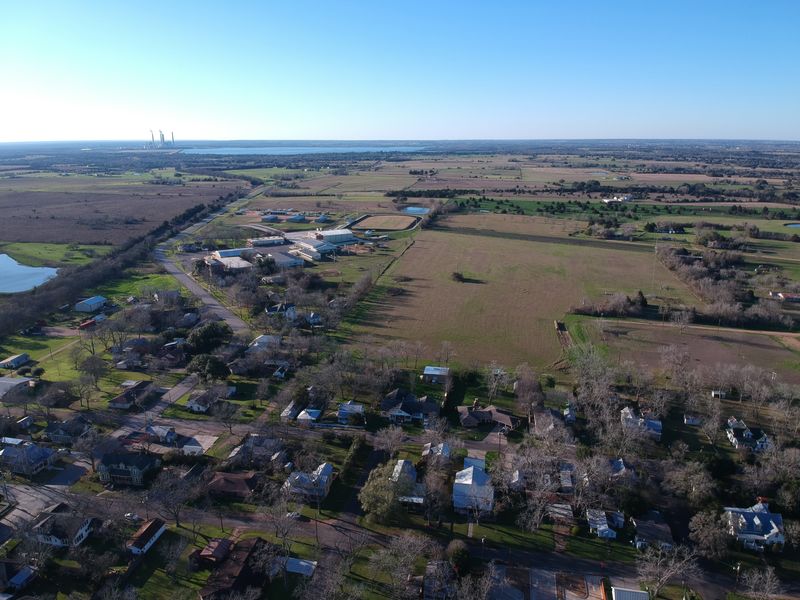
The roads surrounding Fayetteville offer some of the most peaceful driving I’ve experienced in Texas. These aren’t dramatic hill country vistas or coastal views, but there’s something meditative about the gentle rolls of farmland and pasture that stretch in every direction.
I took FM 2145 out of town one afternoon with no particular destination in mind. The landscape changes subtly as you drive.
You’ll pass working ranches where cattle graze under scattered oak trees, then fields planted with hay or crops that shift colors with the seasons. Old farmhouses sit far back from the road, some still occupied and well-maintained, others slowly returning to the earth.
Every few miles, you might encounter a historic cemetery or a small church serving a rural congregation. What I appreciated most was the absence of traffic and commercial development.
You can drive for twenty minutes without seeing another car, just you and the road and the big Texas sky. Spring brings wildflowers to the roadside ditches and fields.
In fall, the light turns golden in the late afternoon, making everything glow. These drives don’t lead to specific attractions, but that’s the point.
Sometimes the journey itself, the quiet observation of rural Texas life, is the reward.
Community Events and Gatherings
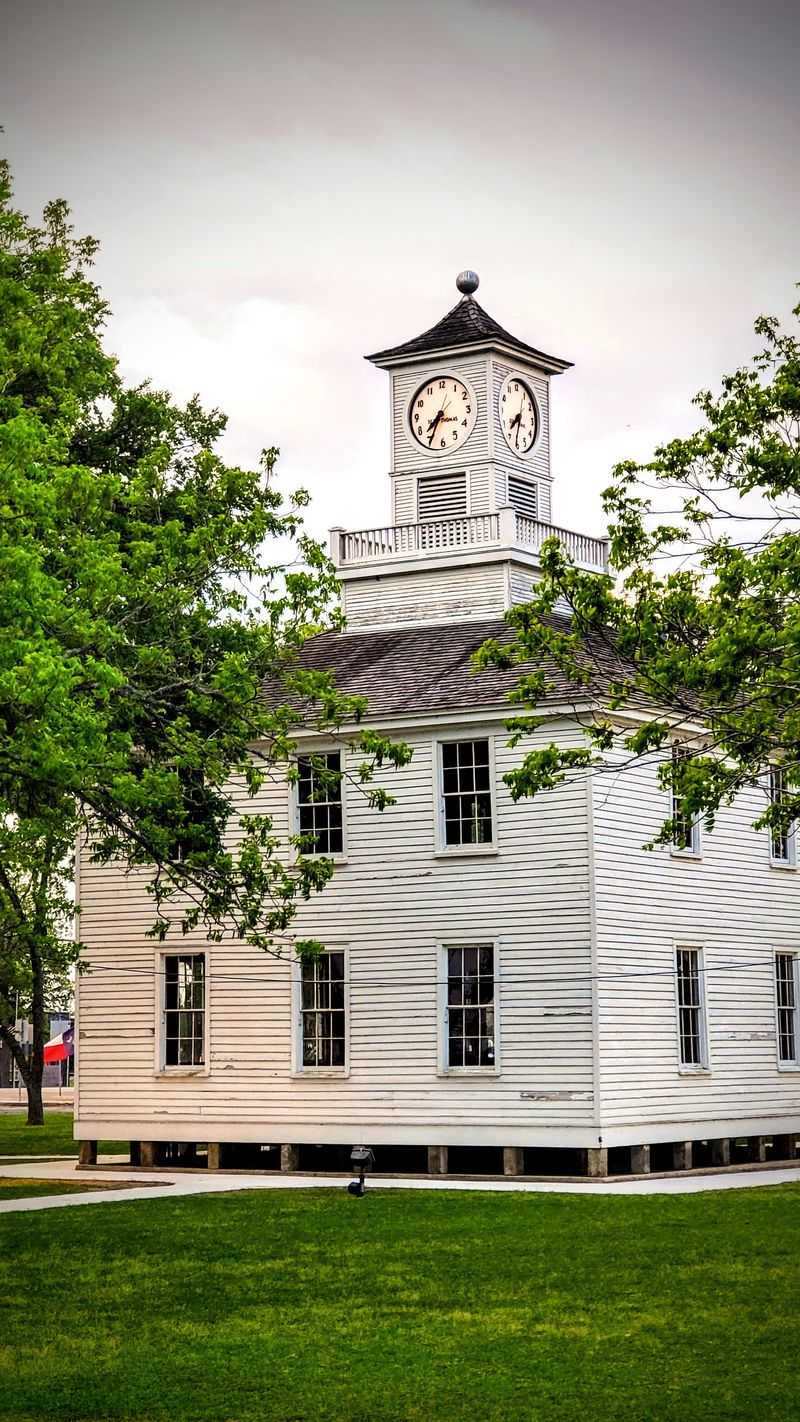
Fayetteville might be tiny, but the community knows how to come together. Throughout the year, various events bring residents out of their homes and create moments of genuine small-town connection.
I happened to be there during a community fundraiser held at the local fire station, and the turnout was impressive given the population size. These gatherings aren’t elaborate affairs.
You might find a barbecue cookoff, a holiday celebration, or a benefit for a family facing hardship. What makes them special is how they reinforce the bonds between neighbors.
Everyone seems to know everyone else, and newcomers get welcomed into conversations easily. I watched kids running around while adults caught up on news, the kind of multi-generational mixing that’s become rare in more urban settings.
The local volunteer fire department plays a central role in community life, organizing events and serving as a gathering place. Church socials also bring people together regularly, continuing traditions that go back generations.
These events won’t make any tourism guides, and they’re not designed for visitors, but if you happen to be in town when one occurs, the warmth and authenticity of small-town Texas hospitality becomes immediately apparent.
It’s a reminder that community isn’t about population size but about people who choose to show up for each other.
Historic Cemeteries
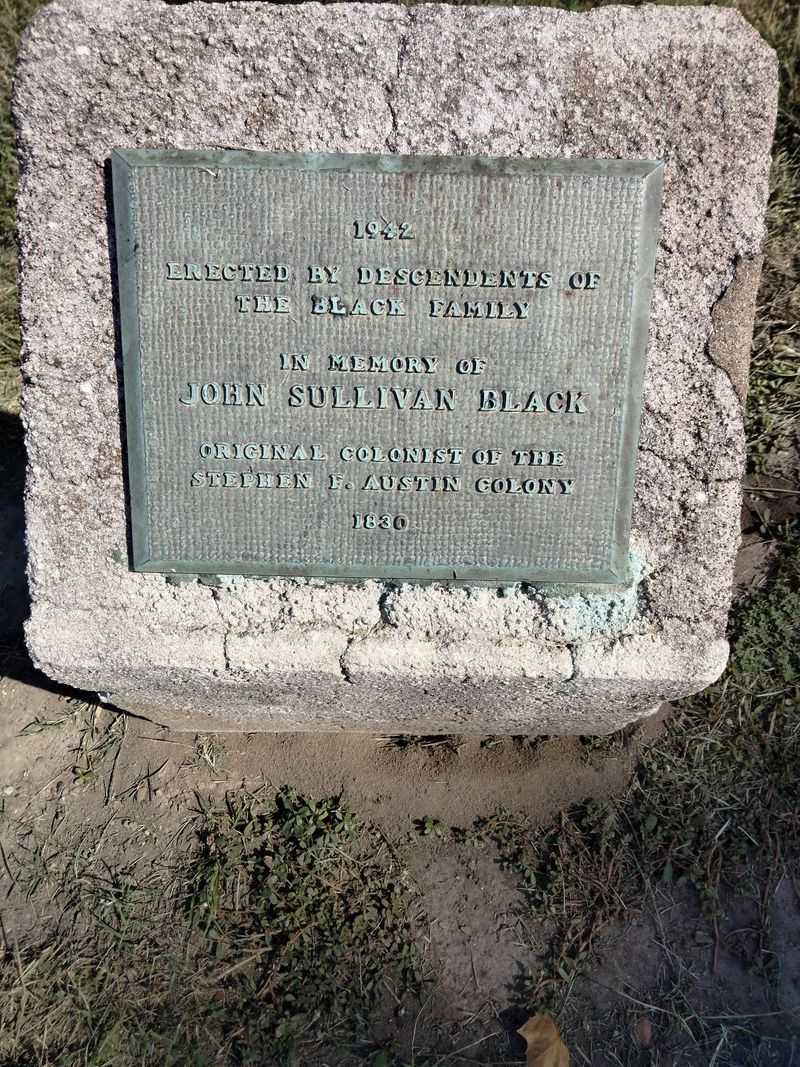
Several small cemeteries dot the landscape around Fayetteville, each one telling stories about the families who built this community. These aren’t manicured memorial parks but working cemeteries where generations of the same families rest together.
I spent time in a couple of them, reading headstones and piecing together family histories. The German and Czech surnames dominate the older sections.
You’ll see headstones with inscriptions in German, marking the graves of immigrants who crossed an ocean to start new lives in Texas. Some stones date back to the 1850s and 1860s, weathered by time but still legible.
Infant mortality was high in those early years, and the small markers for children who didn’t survive past their first years are sobering reminders of how hard life was for pioneers. What struck me was how these cemeteries remain active parts of the community.
Fresh flowers appear on graves regularly, and families still bury their loved ones here beside ancestors who arrived over a century ago. The live oaks that shade many of these burial grounds have grown massive over the decades, their roots intertwining with the history buried beneath them.
Walking through these quiet spaces connects you to Fayetteville’s past in a tangible, respectful way.
Working Farms and Ranches
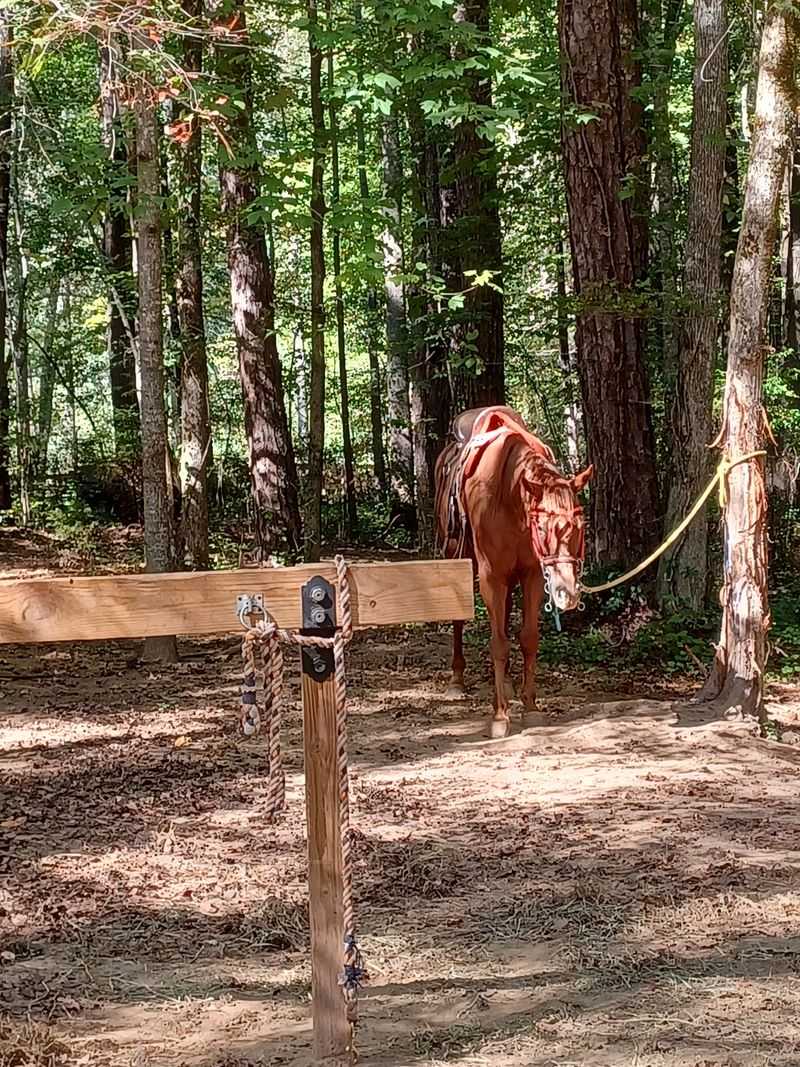
Agriculture remains the economic backbone of Fayetteville and the surrounding area. Driving around, you’ll see working farms and ranches that have operated for multiple generations.
These aren’t tourist attractions or dude ranches, but real operations where families make their living from the land. Cattle ranching dominates, with beef cattle grazing in pastures enclosed by barbed wire fences that stretch for miles.
You’ll also see hay operations, with round bales dotting fields after cutting season. Some farms raise horses, and I spotted several well-maintained stables and training areas.
The work is hard and the margins can be tight, but talking to a few locals revealed a deep pride in continuing the agricultural traditions their grandparents and great-grandparents established. The rhythm of farm life still dictates much of Fayetteville’s schedule.
People rise early, work long days during planting and harvest seasons, and gather when the work allows. This connection to the land creates a different perspective on time and priorities than you’ll find in urban areas.
Some farms have been in the same family for over a hundred years, passing from parents to children who choose to stay and continue the tradition. Observing this way of life, even from a distance, provides insight into what keeps small rural communities alive.
Starry Night Skies
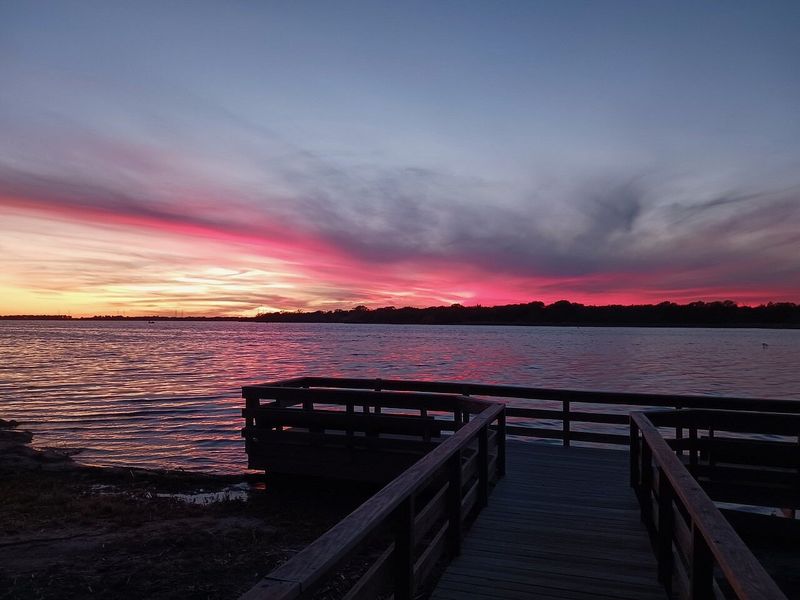
One of Fayetteville’s most underrated features costs nothing and appears every clear night. The lack of light pollution means the stars shine with an intensity that’s impossible to experience in or near cities.
I stayed until after dark one evening and was genuinely amazed by what appeared overhead. The Milky Way stretches across the sky like a cloud of light, visible to the naked eye without any special equipment.
Constellations pop out clearly, and on a good night, you can see satellites tracking across the darkness. I sat on the hood of my car on a quiet road outside town, just watching the sky and listening to the night sounds of rural Texas.
This kind of darkness is becoming rare as development spreads and light pollution increases. Fayetteville’s small size and remote location protect it from that creeping glow.
Meteor showers are spectacular here, and amateur astronomers sometimes make the trip from Austin or Houston specifically for the dark skies. You don’t need telescopes or special knowledge to appreciate it, just a clear night and a willingness to look up.
It’s a reminder of what humans saw every night for thousands of years before electricity changed our relationship with darkness, and it’s absolutely free for anyone who takes the time to experience it.
Dear Reader: This page may contain affiliate links which may earn a commission if you click through and make a purchase. Our independent journalism is not influenced by any advertiser or commercial initiative unless it is clearly marked as sponsored content. As travel products change, please be sure to reconfirm all details and stay up to date with current events to ensure a safe and successful trip.
