Imagine waking up, walking to work, grabbing lunch, and visiting your neighbor without ever stepping outside. That is how this town works. A group of buildings all connected under one giant roof. Shops, apartments, a hotel, even a chapel. Everything is indoors.
Rain or shine, snow or heat, you never have to deal with it. The idea started as a practical solution for harsh weather, but it turned into something stranger and more wonderful. Families have lived here for generations. Kids learn to ride bikes on indoor streets.
And visitors like me wander around completely amazed that this place actually exists in Ohio. It feels like a secret city.
The Industrial Dream That Built a Town
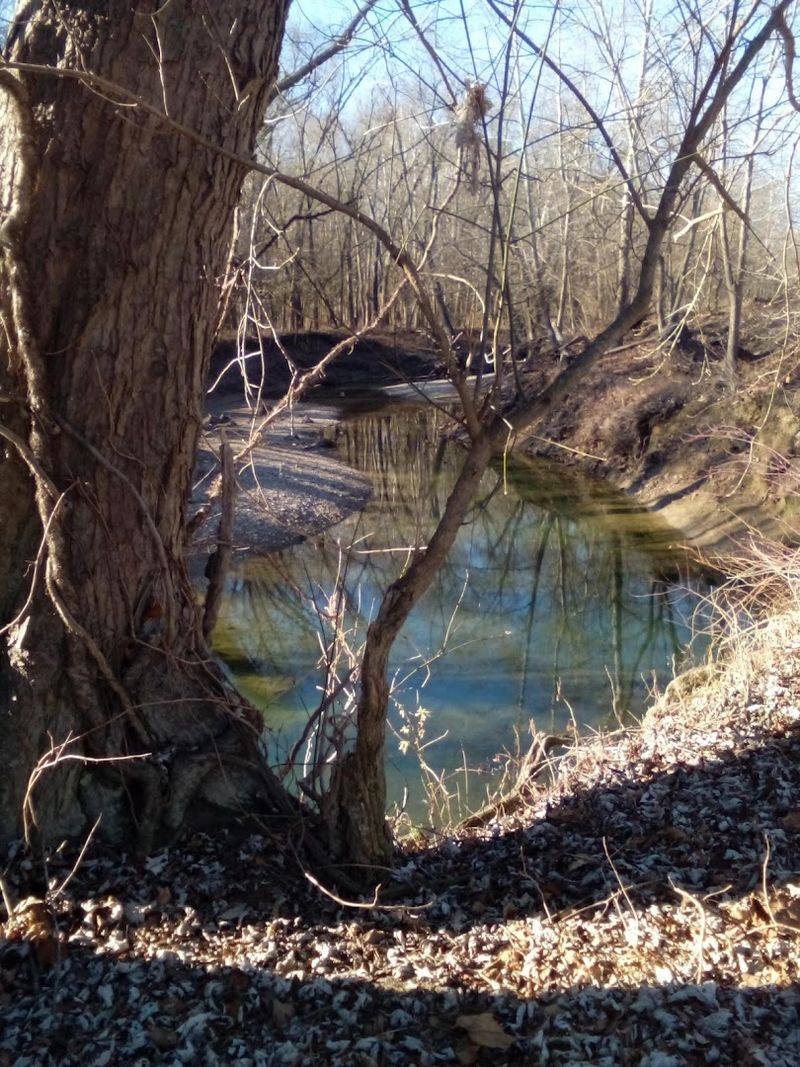
Most towns grow slowly, shaped by farms, rivers, or trade routes over many generations. Addyston grew fast, shaped by iron and ambition.
The village owes its entire existence to the Addyston Pipe and Steel Company, a massive manufacturing operation that set up along the Ohio River in the late 1800s and essentially built a community around itself to keep workers close.
The factory was enormous for its time. Its sprawling structure dominated the landscape, and the roof alone covered an area that would make most modern warehouses feel modest.
Workers came from surrounding regions, and the company made sure they had places to live, eat, and gather, all within walking distance of the plant.
What makes this story genuinely fascinating is how intentional it all was. This was not a town that happened to get a factory.
It was a factory that decided to get a town. The pipe and steel operation became the economic heartbeat of Addyston, and for decades, nearly every family in the village had some connection to what happened under that industrial roof.
A River Village With a Big Industrial Footprint
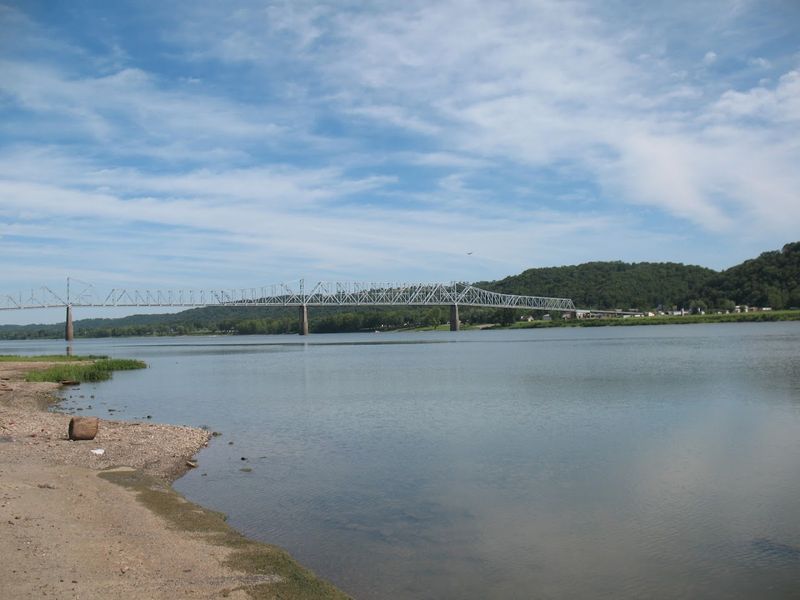
Addyston sits right on the edge of the Ohio River, and that location was no accident. Shipping heavy iron pipe required water access, and the river made it possible to move massive quantities of product without relying entirely on rail.
The geography of the place tells you a lot about why it ended up where it did.
The village itself is compact, the kind of place where you can walk from one end to the other in under ten minutes. But do not let the small size fool you.
At its peak, Addyston was a genuinely busy industrial hub, with the factory employing a significant portion of the local population and drawing workers from nearby communities as well.
I find it remarkable how the physical layout of the town still reflects its origins. The streets near the old factory site feel purposeful, like they were designed to funnel people toward work rather than toward a town square.
Even now, with the industrial era long past, the bones of that original vision are still visible if you know what you are looking for.
The Antitrust Case That Put Addyston on the Map
Here is something most people do not expect when they first hear about Addyston: the town is actually famous in legal history. The Addyston Pipe and Steel Company was at the center of a landmark antitrust case in 1899 that went all the way to the United States Supreme Court.
The case helped define how American law would treat price-fixing agreements between competing companies.
The company had been part of a group of pipe manufacturers that secretly agreed to divide up the market and set prices together. When the government found out, it became one of the most significant antitrust actions of the era.
The ruling that came out of it shaped how the Sherman Antitrust Act would be interpreted for decades.
It is genuinely surprising that a tiny village in Ohio contributed something so lasting to American legal history. Most people who study antitrust law in school have no idea that the case is named after a small river town.
Addyston never became famous for its scenery or its food, but it earned a permanent footnote in the story of how America decided to regulate big business.
Life Under One Roof: What the Factory Town Experience Was Really Like
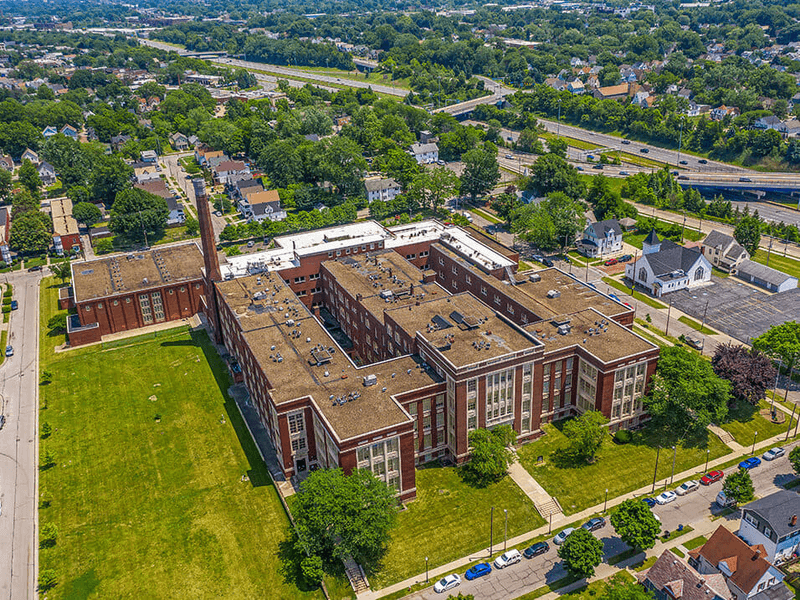
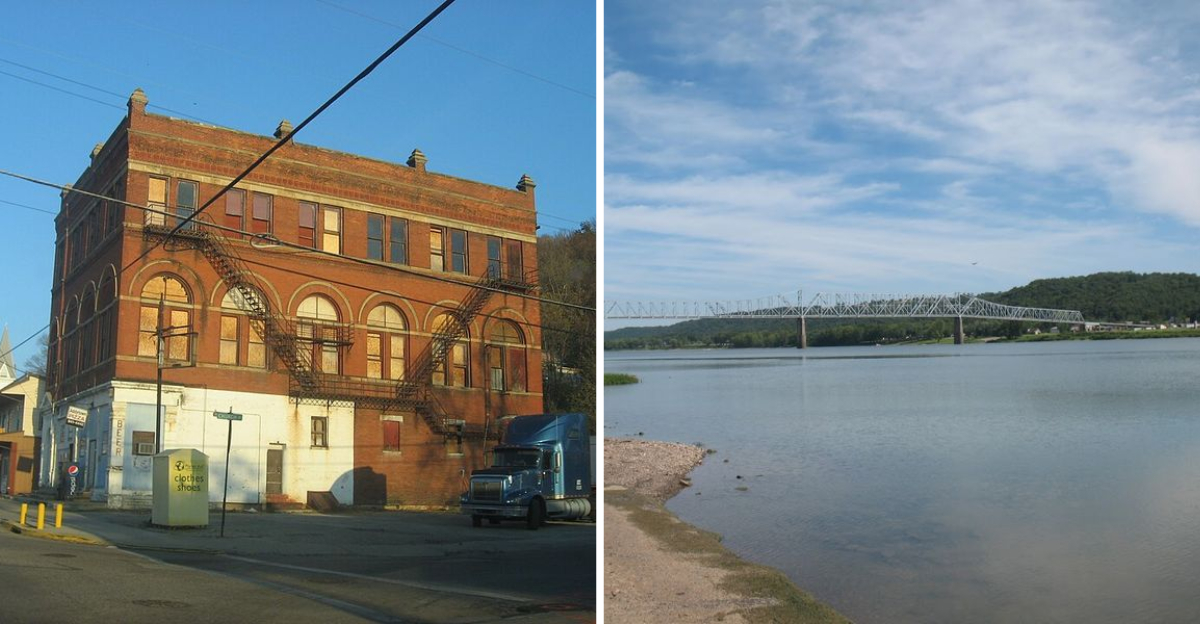
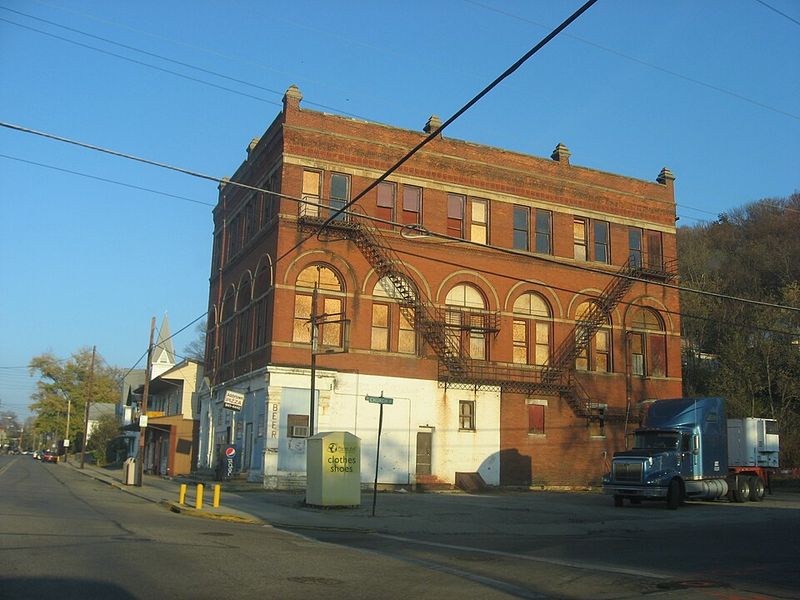
The Bricks was more than a hotel. It was the beating heart of Addyston’s experiment in industrial living.
Built in 1870, this sturdy red brick building stood just steps from the factory floor, and inside its walls, workers found not just a bed, but a complete social ecosystem. Meals were served in communal dining halls.
Evenings were spent in shared lounges.
The factory whistle dictated when men woke, when they ate, and when they slept. There was no escaping the company’s presence because the company owned everything: the roof above your head, the food on your plate, even the store where you bought your boots.
For a young immigrant worker in the 1890s, this seemed like a dream. No need to find housing.
No need to cook. Just show up, work, and let the company handle the rest.
But that dream came with invisible chains. Every favor had an unspoken cost.
Every convenience reminded you who was in charge. The Bricks kept workers close, loyal, and dependent.
When the factory eventually closed in 1950, the entire town gasped for air. The Bricks still stands today, a quiet monument to a time when America tried to build paradise under one roof, one brick at a time.
