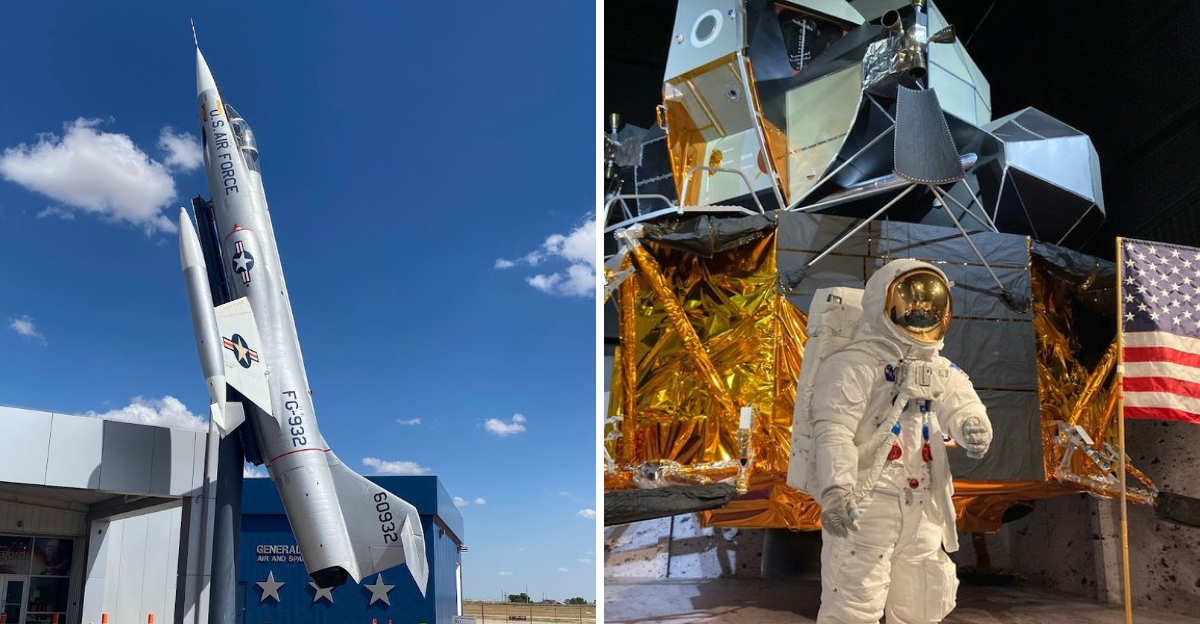
Nobody really expects to pull off Interstate 40 in western Oklahoma and have their mind completely blown. But here’s the thing about small towns: they have a way of hiding extraordinary things in plain sight.
A quiet stretch of road, a modest sign, and suddenly you’re standing in front of one of the most impressive aerospace collections in the entire country. This place has over 3,500 artifacts, interactive exhibits, a playground shaped like a rocket, and a stealth fighter jet that has its own dedicated room.
If you’ve been sleeping on this stop, consider this your wake-up call. Road trippers, history lovers, space nerds, and curious kids all walk in with mild expectations and walk out completely floored.
The story behind this museum is rooted in hometown pride, a legendary astronaut, and decades of community dedication that turned a small Oklahoma city into an unexpected destination worth planning your whole route around. Keep reading, because this one is going to surprise you.
The First Impression Hits Differently Than You’d Expect
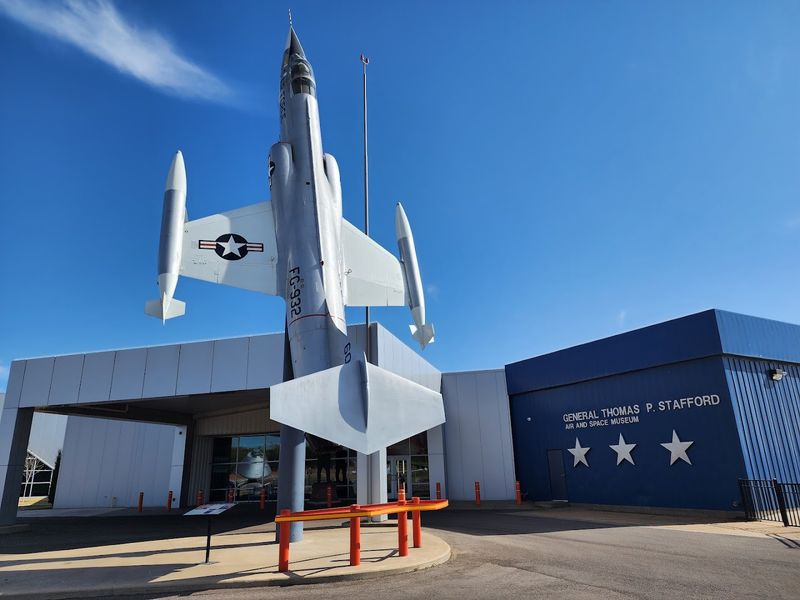
Pulling into the parking lot, the first thing you see is not a building. It’s a fighter jet.
Then another. Then a missile pointing skyward like it’s daring you to look away.
Before you’ve even bought a ticket, the outdoor displays are already doing serious work on your imagination.
The grounds are immaculately kept, and there’s a sense of pride radiating from every corner of the property. Real aircraft sit outside in the open air, close enough to walk around and examine up close.
Standing next to an A-10 Thunderbolt II puts the scale of these machines into perspective in a way no photograph ever could.
A Titan II missile looms tall against the Oklahoma sky, and it genuinely stops people mid-stride. Kids point, adults go quiet for a second, and even the most casual visitor starts to feel that pull of curiosity.
The outdoor collection alone would be worth a stop on any road trip, but it’s really just the opening act.
The building behind all of it holds something even more remarkable, and the moment you step through those doors, you realize this place was built with serious intention and deep respect for the history it preserves.
More Than 3,500 Artifacts Under One Roof
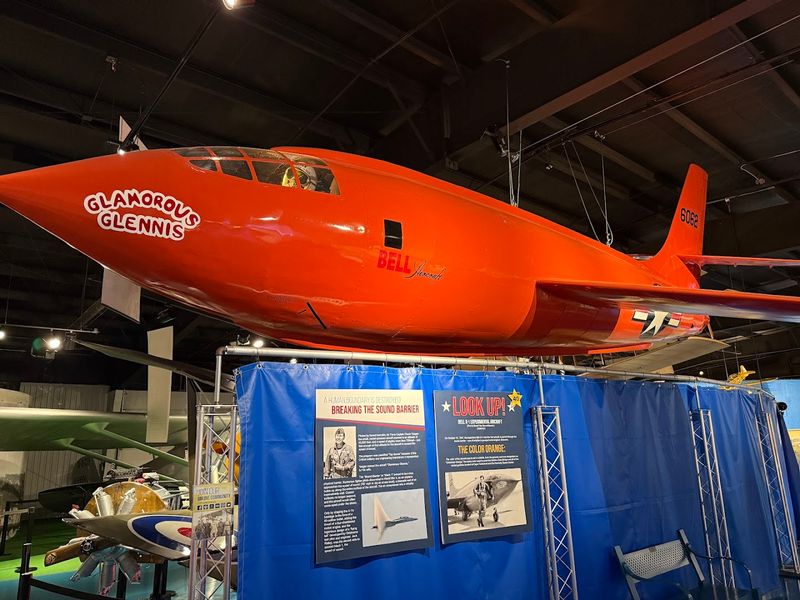
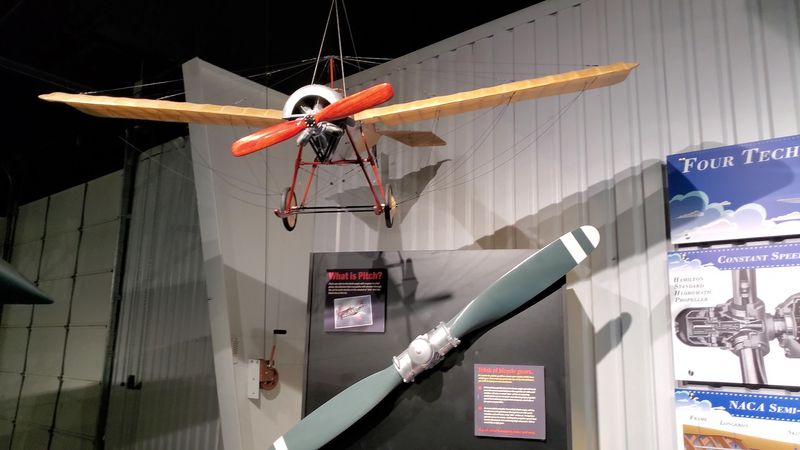
The number 3,500 sounds impressive on paper, but walking through the museum is when it becomes real. Exhibits stretch across multiple rooms and cover the entire arc of human flight, starting with the Wright Brothers and moving all the way through modern space exploration.
Every corner holds something that makes you stop and stare.
The collection is organized thoughtfully, so you’re not just wandering through a warehouse of stuff. There’s a clear narrative pulling you forward, connecting the dots between early aviation pioneers and the astronauts who walked on the moon.
Informational panels are detailed without being overwhelming, hitting that sweet spot where you actually want to read them.
One of the most striking things about the collection is how personal it feels. These aren’t just machines and equipment behind glass.
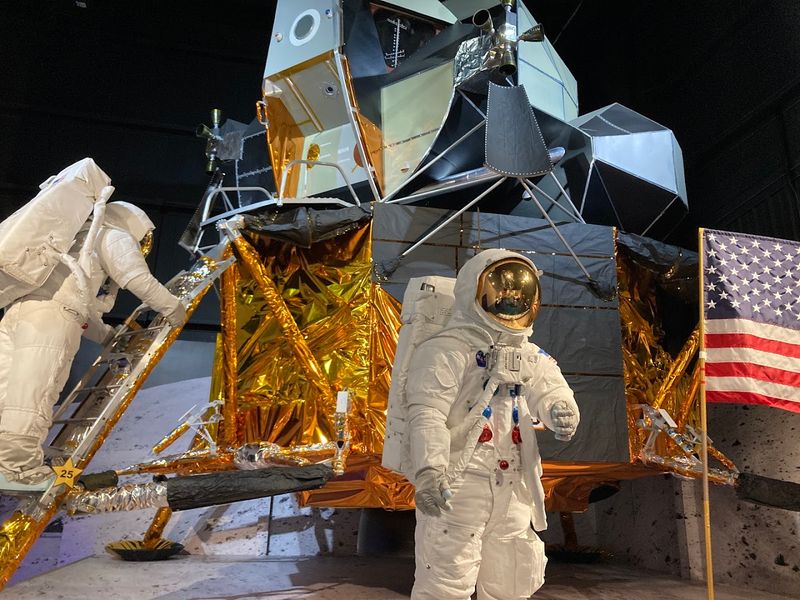
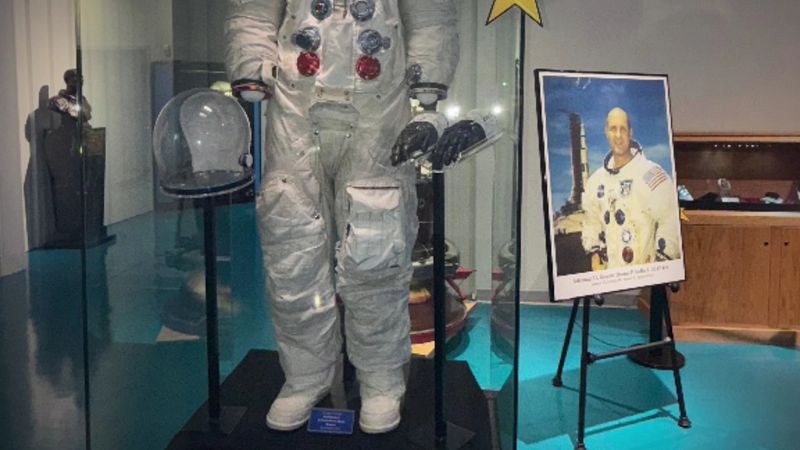
They’re objects that real people touched, wore, and trusted with their lives in the most extreme conditions imaginable. Apollo 10 spacesuits, Gemini 6A spacecraft hardware, Space Shuttle artifacts, and even a Moon rock are all part of what’s on display.
A Moon rock. In Oklahoma.
The sheer range of what’s housed here is the kind of thing that makes you wonder why more people aren’t talking about this place constantly. It leaves a strong impression on visitors for good reason.
The F-117A Nighthawk Deserves Its Own Paragraph
There’s a room in this museum dedicated entirely to one aircraft, and the moment you walk in, you understand why. The F-117A Nighthawk is one of the museum’s most striking and unusual aircraft displays, and seeing it in person is a genuinely surreal experience.
It looks like something designed by a science fiction writer, all sharp angles and flat black surfaces.
The stealth fighter was the world’s first operational stealth aircraft, built to be invisible to radar and used in some of the most classified military operations in American history.
Getting one of these into a museum required serious effort and coordination, and the fact that it ended up in a small Oklahoma town makes the whole thing even more remarkable.
Walking around the aircraft, you keep noticing new details. The geometry is unlike anything else in aviation, deliberately strange and unsettling in the best way possible.
Informational displays around the room explain the technology, the history, and the missions this type of aircraft flew. Kids are drawn to it immediately, but adults tend to linger the longest.
It’s the kind of exhibit that changes the whole conversation about what this museum is. Before the Nighthawk arrived, this was an excellent regional museum.
After it, the place entered a completely different league.
Space Race History Comes Alive Here
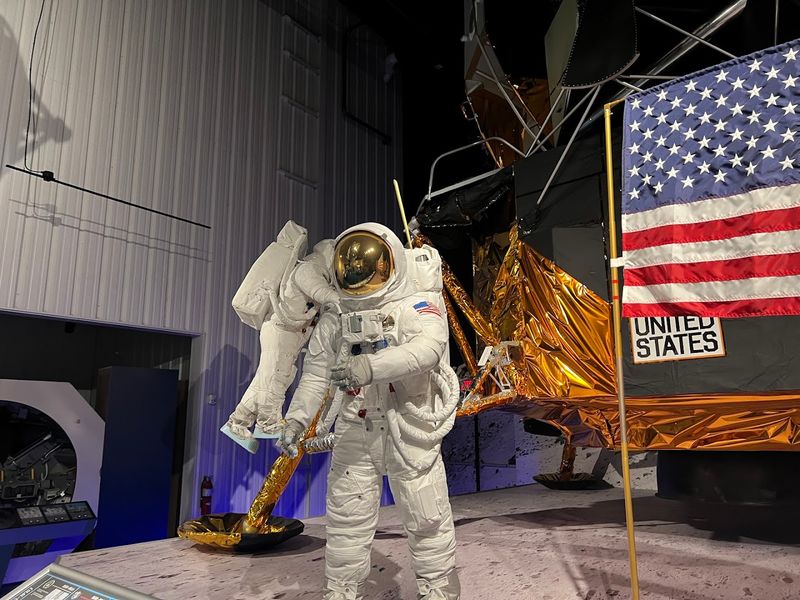
Walking through the Space Race section of this museum feels less like a history lesson and more like stepping into a time capsule.
The Cold War tension, the race to the moon, the enormous stakes of every launch: all of it comes through in the artifacts and displays in a way that textbooks simply cannot replicate.
The Gemini 6A spacecraft is here. An actual spacecraft that traveled through space, piloted by real astronauts, now sitting close enough to touch the display case.
The Apollo 10 spacesuits are displayed with the kind of care usually reserved for priceless works of art, which is exactly what they are. There’s even a Cosmonaut survival pistol, a reminder that the space program was always tangled up with geopolitics and the realities of a very dangerous era.
What makes this section particularly moving is the human element woven through everything. These weren’t just machines and missions.
They were people making decisions under pressure, pushing the limits of what was considered possible, and doing it with the whole world watching. The museum does a beautiful job of honoring both the technology and the people behind it.
You leave this section feeling a mix of awe and something close to gratitude for everyone who took those risks so the rest of us could dream bigger.
Flight Simulators Make You Feel Like a Pilot

Not every museum trusts its visitors to actually do something, which is what makes the interactive educational center here so refreshing.
The room full of flight simulators is the kind of feature that sounds like a minor bonus until you’re actually sitting in one, gripping the controls, and trying not to crash a virtual aircraft into a mountain range.
The simulators are loaded onto computers and cover a range of aircraft and scenarios. They work.
That detail matters more than you’d think, because plenty of museum interactives are broken, dusty, or so outdated they barely function. These are maintained, operational, and genuinely fun for both kids and adults.
The learning curve is real, which makes every successful maneuver feel earned.
Beyond the simulators, the educational center has a kids’ library and a range of hands-on activities designed to make aerospace concepts accessible and exciting for younger visitors.
Parents who come in expecting to drag reluctant children through exhibit halls often end up having to drag those same children away from the interactive center when it’s time to leave.
There’s something about putting controls in a kid’s hands that transforms passive interest into genuine passion. For anyone hoping to spark a love of aviation or space in a young person, this room is worth the trip on its own.
The Outdoor Playground Is Completely Rocket-Themed

Here’s something nobody warns you about before visiting: the outdoor playground might be the hardest part of the whole trip to leave. It’s fully rocket-themed, complete with space-inspired play sets, swings, covered picnic tables, and restrooms nearby.
It’s thoughtfully designed and well-maintained, and it sits right on the museum grounds.
Families with young children often find themselves spending a surprising amount of time out here, especially on nice days. The playground bridges the gap between the educational intensity of the indoor exhibits and the pure physical energy that kids need to burn off.
It’s a smart design choice, and it makes the whole visit feel more balanced and manageable for families.
The space theme carries through every element of the playground, so even when kids are just playing, they’re surrounded by visual cues that connect back to everything they saw inside the museum. Rockets, capsules, and aerospace shapes are built into the equipment in ways that feel creative rather than forced.
Visiting on a weekend morning, the playground is busy but not chaotic. There’s enough space for everyone, and the whole area has a relaxed, community-park energy that makes it feel welcoming rather than crowded.
It’s the kind of detail that shows how much thought went into making this museum a full-day family destination rather than just a quick stop.
The Scavenger Hunt Keeps Kids Locked In
Handing a kid a scavenger hunt booklet at the start of a museum visit is one of the smartest moves any institution can make, and this museum has perfected the concept. The moment children receive their booklets at the entrance, the entire dynamic of the visit shifts.
Suddenly they’re on a mission, and the exhibits become clues rather than displays to walk past.
The hunt is designed to take kids through the full range of the museum’s collection, which means they’re engaging with exhibits they might otherwise rush by. It’s a little challenging for very young children, but that’s part of what makes it satisfying for older kids who stick with it.
The payoff at the end is a small prize, the kind of simple reward that somehow feels enormous when you’ve worked for it.
Watching children go through the museum with that booklet in hand is one of the more entertaining parts of a visit here. They’re focused, they’re asking questions, and they’re making connections between different exhibits on their own.
Parents get to observe their kids genuinely engaged with history and science rather than just tolerating it.
The scavenger hunt turns a museum visit into a shared adventure, and it’s the kind of thoughtful programming that elevates the whole experience from good to something the whole family talks about on the drive home.
A Gift Shop Worth Browsing Before You Leave
Museum gift shops have a reputation for overpriced trinkets and forgettable keychains, which makes it genuinely pleasant when one exceeds expectations. The shop here is well-stocked with aerospace-themed merchandise that actually connects to what you just spent hours exploring.
Books, models, apparel, and novelty items fill the space without feeling cluttered or chaotic.
One standout feature is the astronaut costumes available for visitors, particularly popular with kids who want to leave looking the part. The shop leans into the space theme with enough variety to satisfy both casual browsers and serious collectors looking for something specific.
Pricing is reasonable by museum standards, which is a detail that doesn’t go unnoticed when you’re trying to budget a family outing.
Browsing the gift shop after the exhibits is its own kind of experience. You see the same artifacts and missions represented on merchandise that you just learned about in detail, and suddenly a patch or a model carries more meaning than it would in any other context.
The shop also offers a chance to bring something home that extends the experience beyond the visit itself. A book about the Space Race hits differently when you’ve just stood next to a Gemini spacecraft.
The gift shop is the final chapter of a well-told story, and it earns its place as the last stop before the parking lot.
Planning Your Visit Along Route 66 or I-40
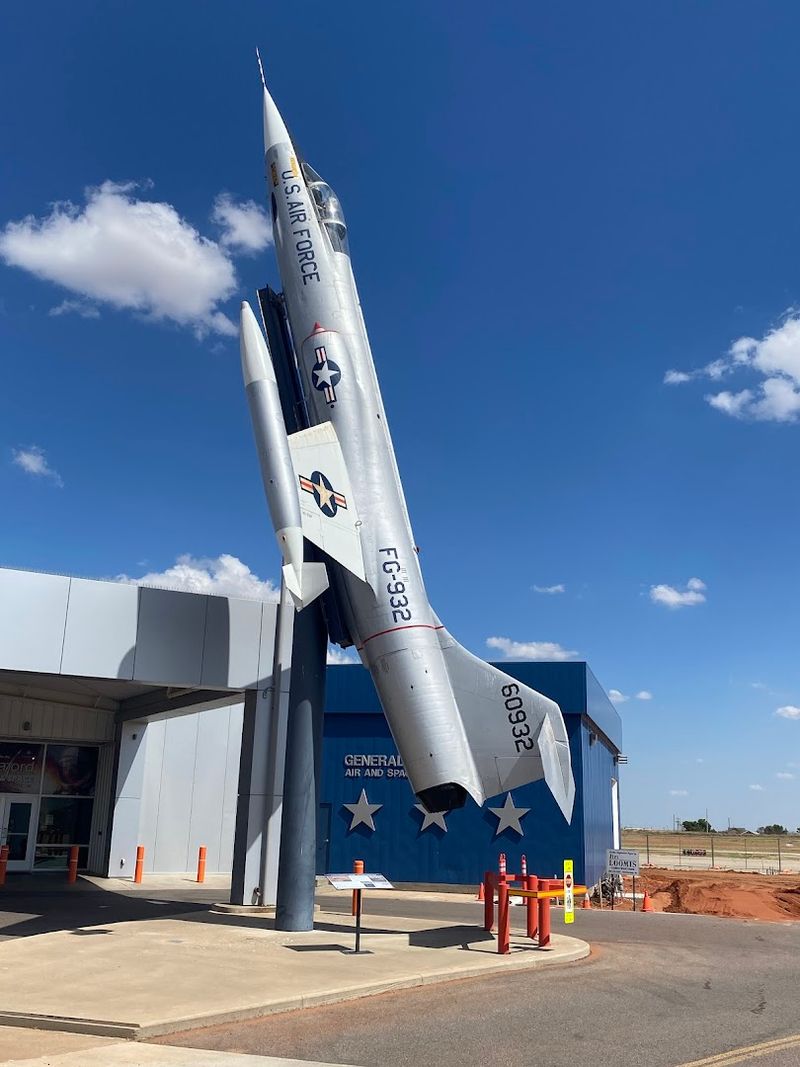
Weatherford sits right along the historic Route 66 corridor and is easily accessible from Interstate 40, which makes it a natural stop for anyone crossing Oklahoma east to west or vice versa. The museum is located at 3000 Logan Rd, Weatherford, OK 73096, and it’s straightforward to find once you’re in town.
Signage leads you there without any confusion.
Hours run from 9 AM to 5 PM most days of the week, with Sunday hours starting at 1 PM. Planning to arrive early on a weekday gives you the best chance of having the exhibits to yourself, especially the more popular rooms like the Nighthawk display.
Weekend mornings are busier but still manageable, and the staff keeps things running smoothly regardless of crowd size.
Budget at least two to three hours if you want to move at a comfortable pace through both the indoor exhibits and the outdoor grounds. Serious aviation enthusiasts and detail-oriented visitors could easily spend half a day here without running out of things to look at.
The museum is the kind of stop that turns a long drive into the actual highlight of a road trip rather than just a stretch of highway to survive. If Route 66 is on your bucket list, this is one stop you absolutely cannot skip.
It rewards curiosity in every possible way.
Dear Reader: This page may contain affiliate links which may earn a commission if you click through and make a purchase. Our independent journalism is not influenced by any advertiser or commercial initiative unless it is clearly marked as sponsored content. As travel products change, please be sure to reconfirm all details and stay up to date with current events to ensure a safe and successful trip.
